Artwork
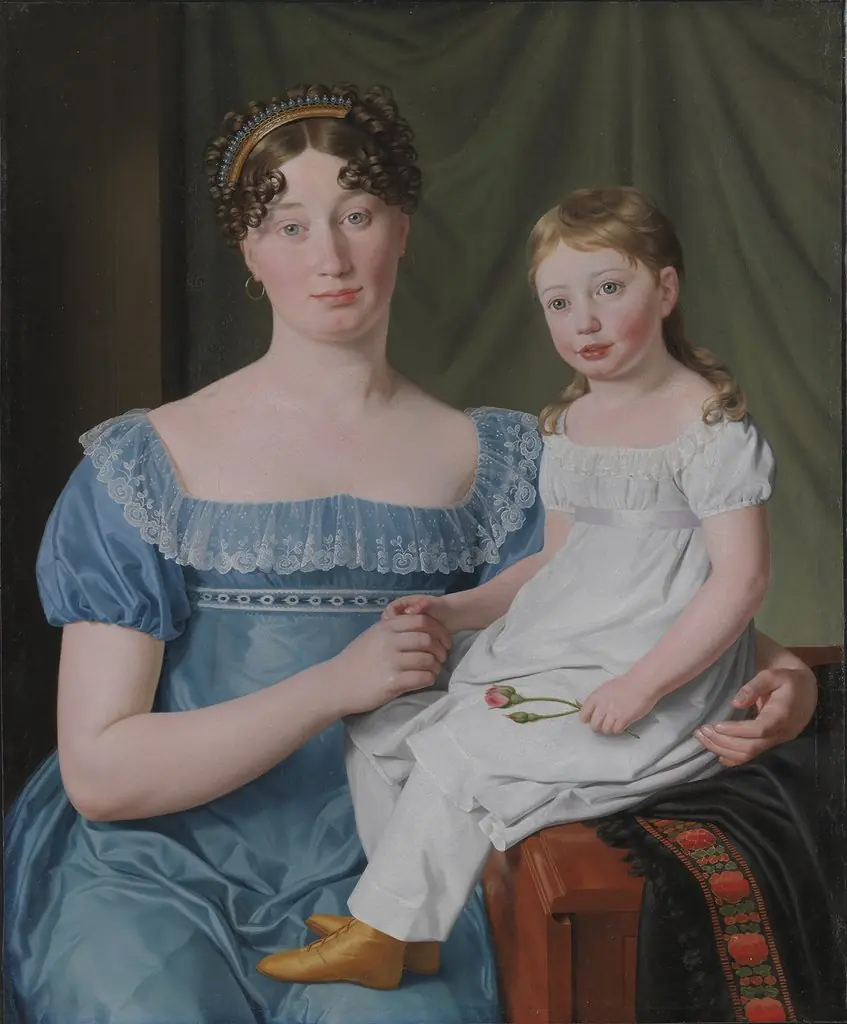
Bella and Hanna. The Eldest Daughters of M. L. Nathanson
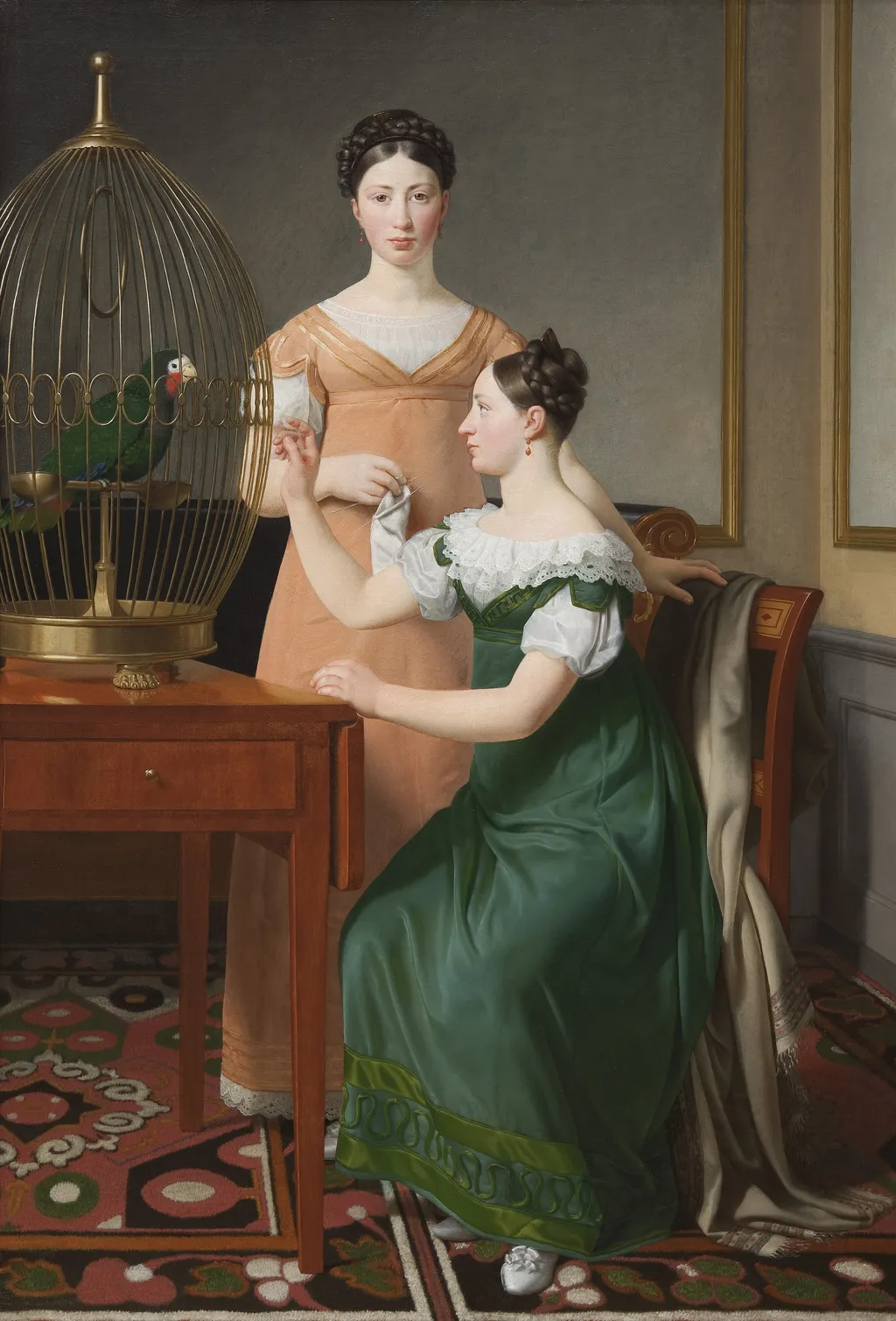
Bella and Hanna. The Eldest Daughters of M. L. Nathanson is an oil painting by the Neoclassicist artist Christoffer Wilhelm Eckersberg. It dates from 1820 and is held in the collection of the Statens Museum for Kunst.
About this work
Subject & Meaning
The parrot functions as a symbol of the sisters’ yearning for freedom from their sheltered domestic life and also alludes to notions of lineage and speech.
The painting portrays the two eldest daughters of Copenhagen merchant Mendel Levin Nathanson, Bella and Hanna, in a modest interior. Bella stands facing the viewer while holding needlework; Hanna is shown from the side seated at a table and playing with a parrot in a large cage. The parrot functions as a symbol of the sisters’ yearning for freedom from their sheltered domestic life and also alludes to notions of lineage and speech.
Together the poses and the birdcage convey themes of bourgeois respectability, familial duty, and the tension between confinement and aspiration within early‑19th‑century Copenhagen society.
Technique & Style
Painted in 1820, this work is executed in oil on canvas, measuring 125 by 85.5 centimeters. The composition features two figures, Bella and Hanna, rendered with striking similarity despite their distinct poses: one stands frontally holding needlework, while the other sits in profile interacting with a caged parrot. Eckersberg employs a sober interior setting characterized by wall paneling and a central table to frame the subjects.
The artist's handling emphasizes the visual likeness of the sisters, presenting them as variations on a single theme within a restrained domestic environment. Formal elements include detailed depictions of waist-length chestnut hair, décolletage, and period attire, alongside symbolic objects such as a birdcage and a carpet. The painting is classified as a group portrait that balances individual characterization with a unified stylistic approach typical of the Danish Golden Age.
History & Provenance
Christofer Wilhelm Eckersberg painted Bella and Hanna, the eldest daughters of M. L. Nathanson in 1820 (1). The portrait was commissioned by the Copenhagen merchant Mendel Levin Nathanson, a patron who had earlier supported Eckersberg’s career (2,3). In the work the two sisters are depicted in different poses yet resemble each other closely, with a parrot in a cage positioned between them, a detail that may allude to their confined domestic situation (3).
Following its execution the painting entered the collection of Statens Museum for Kunst in Copenhagen, where it has been held since 1920 (4).
Bella and Hanna. The Eldest Daughters of M. L. Nathanson is held in the collection of the Statens Museum for Kunst (SMK) in Copenhagen. The painting entered the museum’s holdings in 1920 and has remained there since, forming part of its permanent display of Danish Golden Age portraiture.
Its exhibition record includes the 2019–2020 show “A beautiful lie – Eckersberg” at SMK, which presented a selection of the artist’s works alongside contextual material. No further public exhibitions of the painting are recorded in the available sources.
Context
Painted in 1820, this double portrait belongs to a productive phase in C. W. Eckersberg's career, when he was a busy portraitist serving the affluent bourgeoisie of Copenhagen. The commission came from the merchant Mendel Levin Nathanson, an early patron who had supported Eckersberg at the start of his career and who also ordered a second family painting from him. Nathanson was a leading figure in the Copenhagen Jewish community, campaigning for Jewish emancipation, distributing substantial wealth to charity, and later publishing an important history of Judaism in Denmark.
The work is held by the Statens Museum for Kunst, where it has been part of the collection since 1920, and it has been featured in the exhibition "A beautiful lie - Eckersberg."
Legacy
The 1820 portrait Bella and Hanna. The Eldest Daughters of M. L. Nathanson entered the collection of Statens Museum for Kunst in 1920, securing its long‑term public visibility and establishing it as a reference point for studies of Danish Golden Age portraiture. Its appearance in the 2023 exhibition “A beautiful lie – Eckersberg” highlighted the work’s symbolic complexity, particularly the caged parrot, which scholars have linked to themes of domestic confinement and aspirations for emancipation.
Contemporary art historians cite the painting as an exemplar of the bourgeois sitters’ self‑presentation and as a precursor to later explorations of familial identity in Nordic art.
Overview
Christoffer Wilhelm Eckersberg completed Bella and Hanna. The Eldest Daughters of M. L. Nathanson in 1820. This oil painting depicts the two daughters of Mendel Levin Nathanson, captured in a domestic setting. The work exemplifies Eckersberg's approach to portraiture, presenting the sisters with a blend of individual character and visual harmony.
Own this work as a print
Artist & collection
Artist
Christoffer Wilhelm Eckersberg
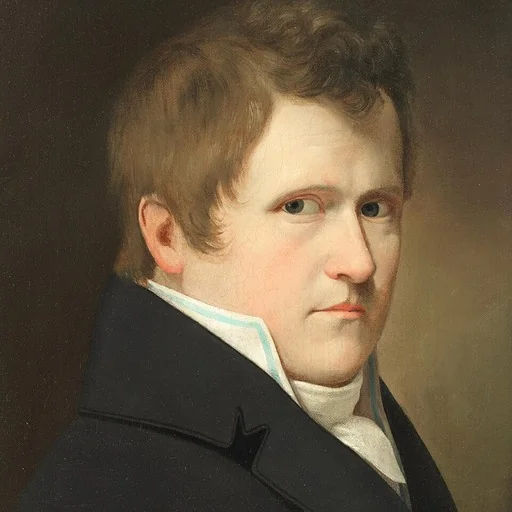
Christoffer Wilhelm Eckersberg (2 January 1783 – 22 July 1853) was a Danish painter.

- Familien Nathanson
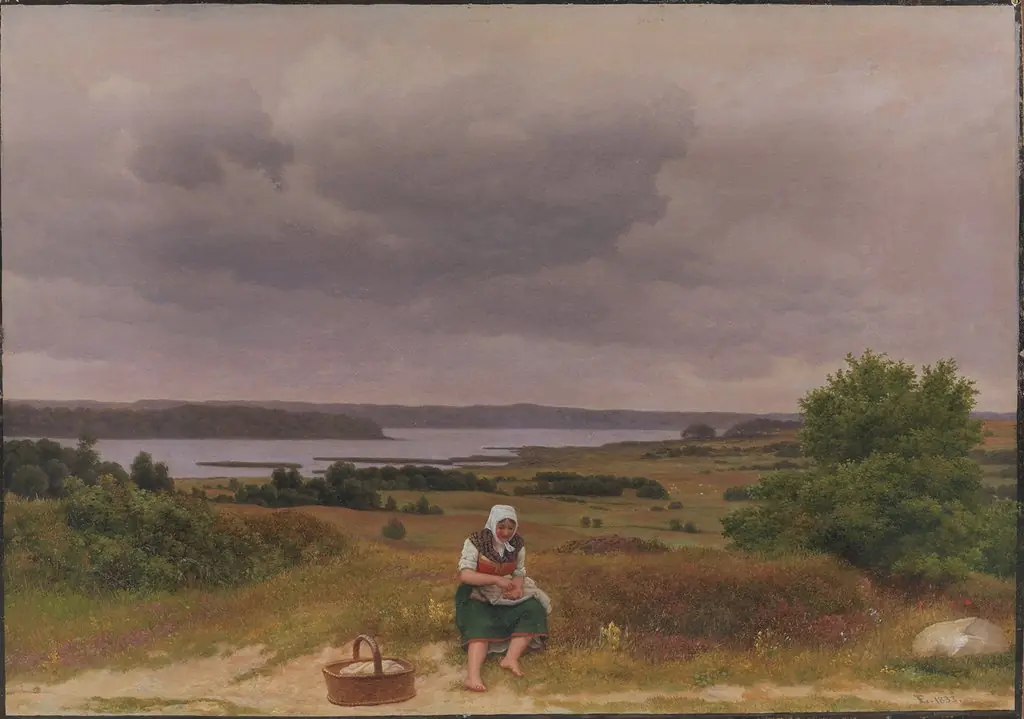 View of Lake Fure near Rudersdal, North Sealand.
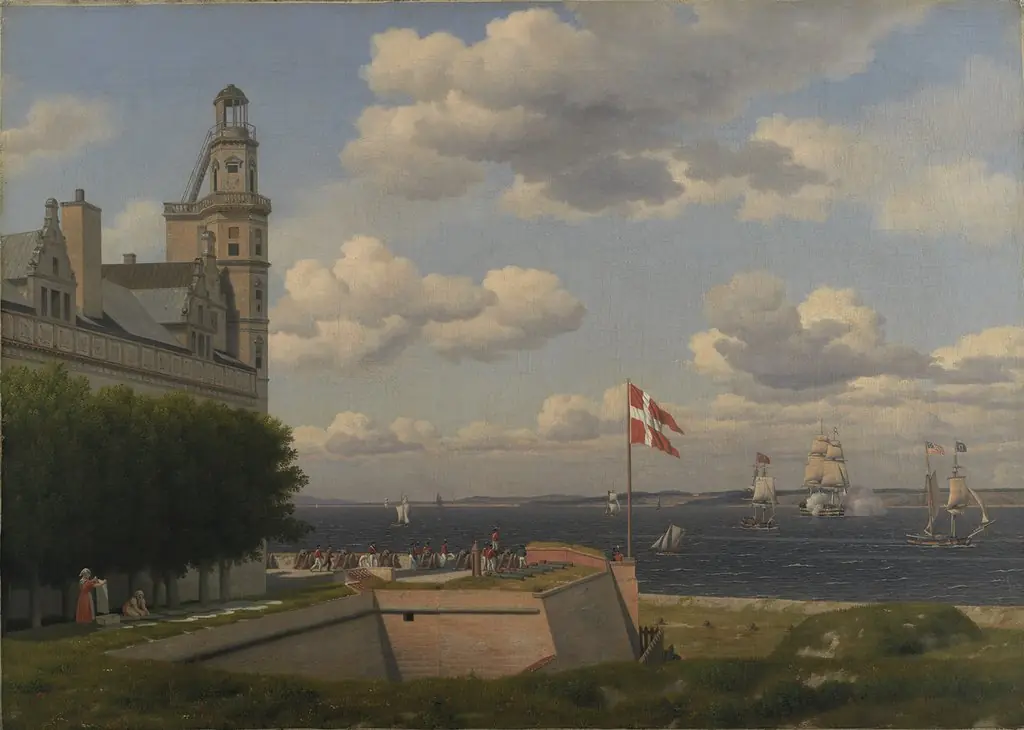 A View towards the Swedish Coast from the Ramparts of Kronborg Castle
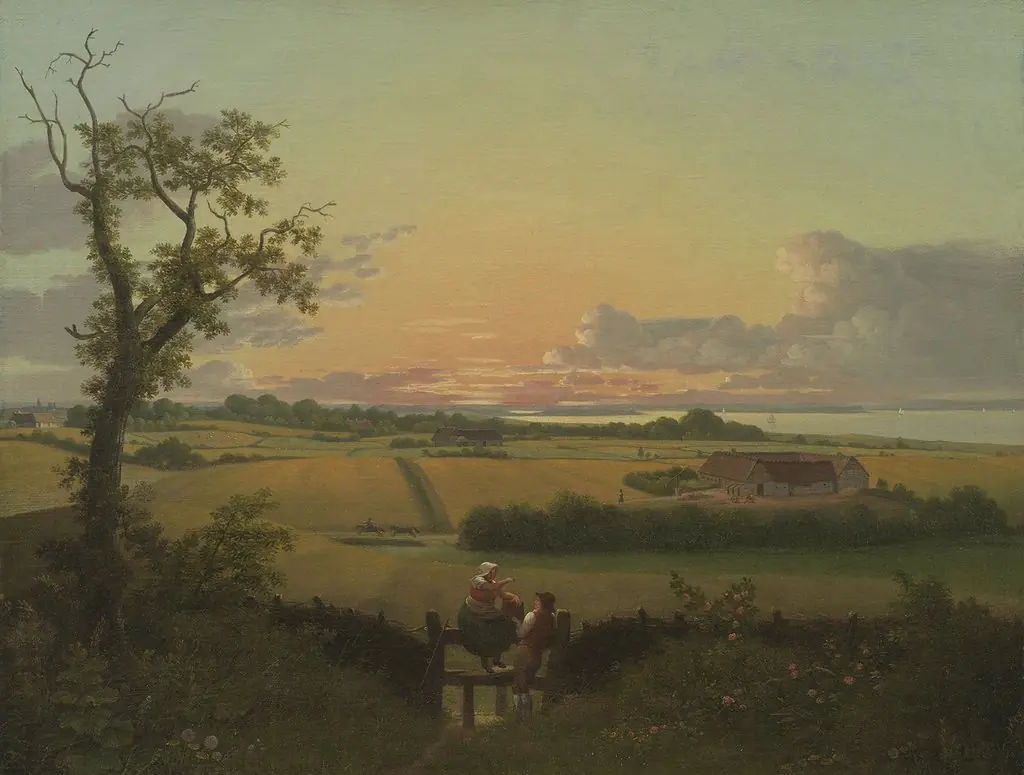 Landscape with a Stile. The Isle of Møn
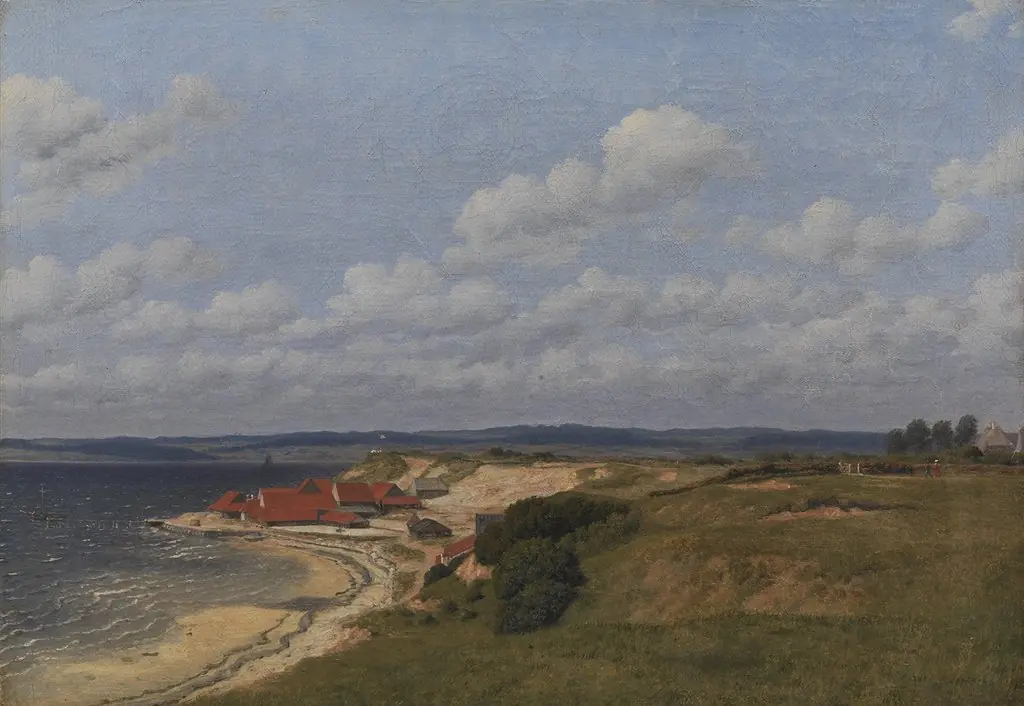 Renbjærg Tileworks by Flensburg Fiord
 View of the Cloaca Maxima, Rome
 Street Scene in Windy and Rainy Weather
 Langebro, Copenhagen, in the Moonlight with Running Figures