Artwork
Landscape with a Stile. The Isle of Møn
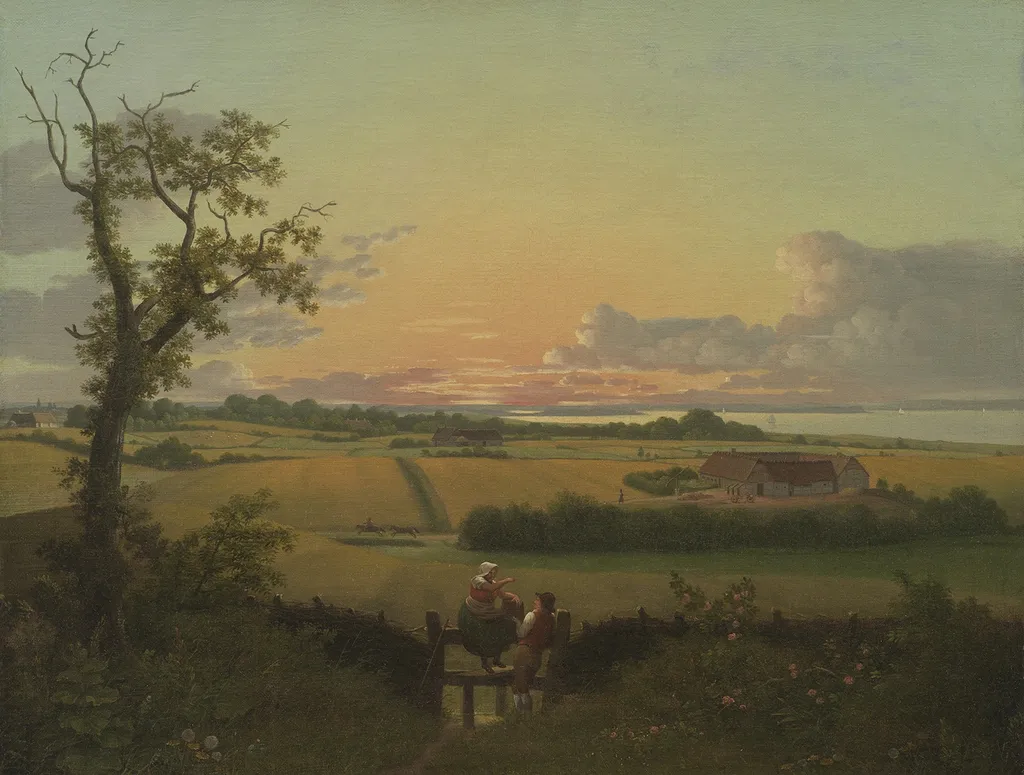
Landscape with a Stile. The Isle of Møn is an oil painting by the German Romanticist artist Christoffer Wilhelm Eckersberg. It dates from 1810 and is held in the collection of the Statens Museum for Kunst.
About this work
Subject & Meaning
The composition includes a farmstead, a stone stile, a solitary tree, and a distant shoreline, while a man and a woman appear in the foreground.
Christofer Wilhelm Eckersberg’s 1810 oil painting Landscape with a Stile. The Isle of Møn portrays a coastal vista on the Danish island of Møn. The composition includes a farmstead, a stone stile, a solitary tree, and a distant shoreline, while a man and a woman appear in the foreground.
Atmospheric clouds and a bright sky fill the upper plane, and a subtle hint of a felt‑like texture suggests the ground. These elements together render a specific, identifiable location rather than an idealized pastoral scene. By foregrounding everyday rural details, a gate, figures, and the surrounding terrain, the work documents the natural and domestic environment of early‑19th‑century Denmark, emphasizing the island’s distinctive topography and daily life.
Technique & Style
Created in 1810 by Christoffer Wilhelm Eckersberg, this landscape is executed in oil paint on a canvas support. The work measures 58.0 by 74.8 centimeters. Stylistically, the composition depicts a specific coastal scene on the Isle of Møn, featuring a stile, trees, and clouds within the sky.
The imagery includes human figures, identified as a man and a woman, alongside agricultural elements such as a farm and felt. The handling of the medium captures these natural and rural components, adhering to the landscape genre conventions of the period.
History & Provenance
Christofer Wilhelm Eckersberg painted Landscape with a Stile. The Isle of Møn in 1810 using oil on canvas. The work belongs to the landscape genre and was created while the artist was exploring coastal scenery of Denmark.
It entered the collection of Statens Museum for Kunst, where it remains on public display. The painting measures 580 × 748 mm and depicts a rural scene on the island of Møn featuring a farm, a stile, and figures under a cloudy sky. No records indicate a specific commission; its acquisition reflects the museum’s policy of preserving significant Danish landscape paintings from the early nineteenth century.
Christoffer Wilhelm Eckersberg’s painting Landscape with a Stile. The Isle of Møn is housed in the collection of Statens Museum for Kunst in Copenhagen. The work is recorded as part of the museum’s holdings, with its accession documented within the institution’s catalogue.
It was included in the exhibition titled "A beautiful lie - Eckersberg," which showcased the artist’s oeuvre at the same museum.
Overview
Christoffer Wilhelm Eckersberg, often recognized as the "Father of Danish painting," completed Landscape with a Stile. The Isle of Møn in 1810. This oil painting captures a serene coastal vista on the Danish island of Møn.
Reflecting sensibilities of German Romanticism, the artwork is a significant piece in the collection of the Statens Museum for Kunst, showcasing Eckersberg's early contributions to landscape art.
Context
Created in 1810, this painting emerged during a period of significant artistic development for Eckersberg, who would later be celebrated as a pivotal figure in Danish art history. The work's adherence to German Romanticism, combined with its focus on a specific Danish locale like the Isle of Møn, highlights a contemporary interest in national landscapes and the emotional resonance of natural environments. It foreshadows the artist's lasting impact on subsequent generations.
Own this work as a print
Artist & collection
Artist
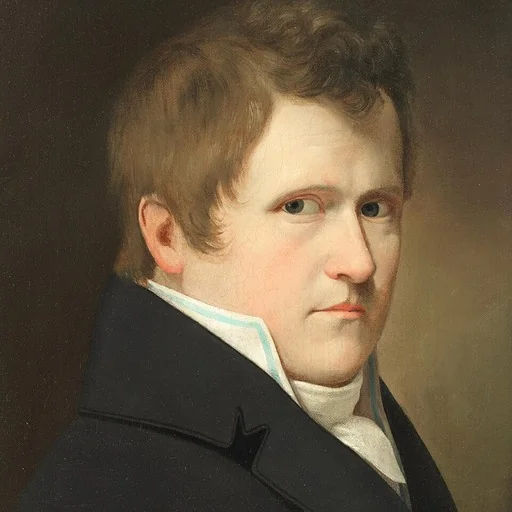
Christoffer Wilhelm Eckersberg
Christoffer Wilhelm Eckersberg (2 January 1783 – 22 July 1853) was a Danish painter.

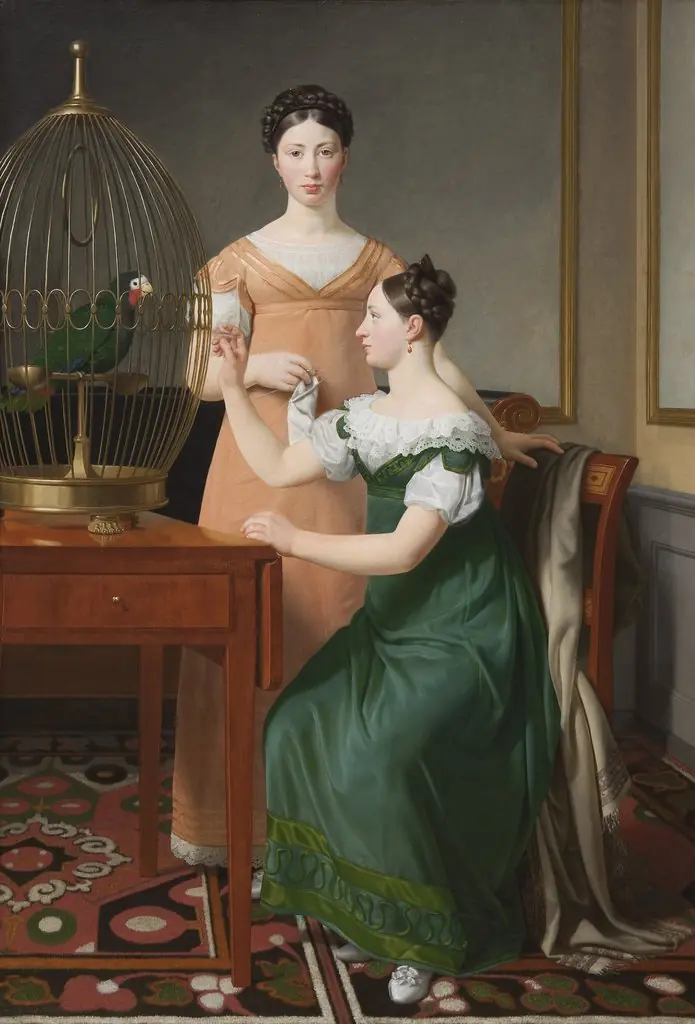 Bella and Hanna. The Eldest Daughters of M. L. Nathanson
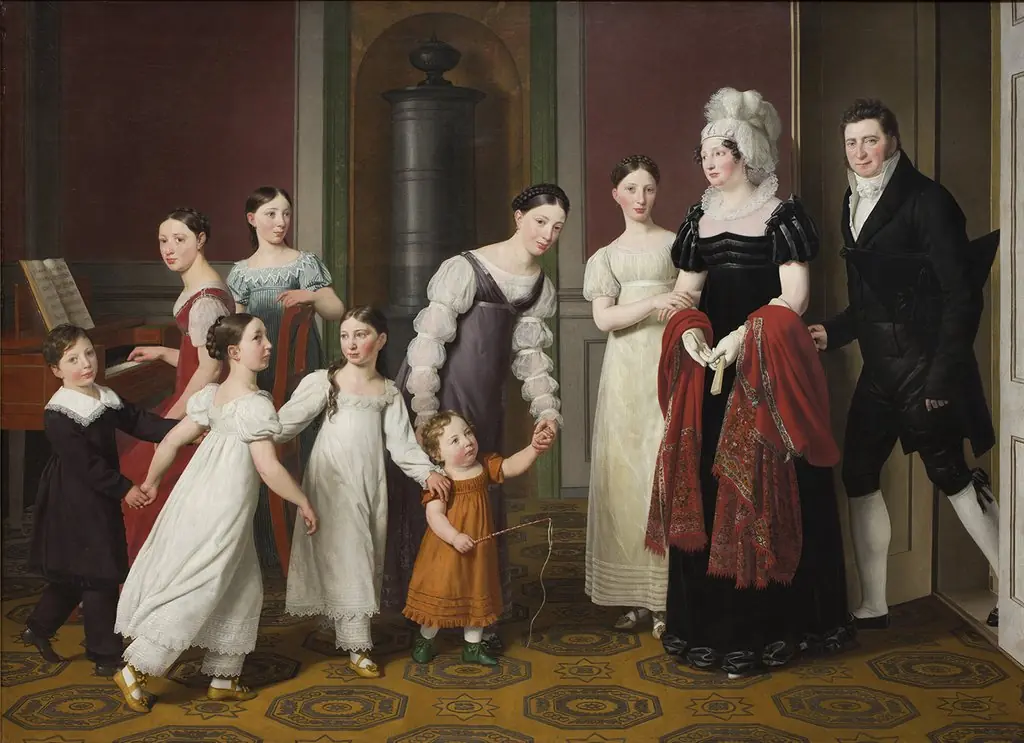 Familien Nathanson
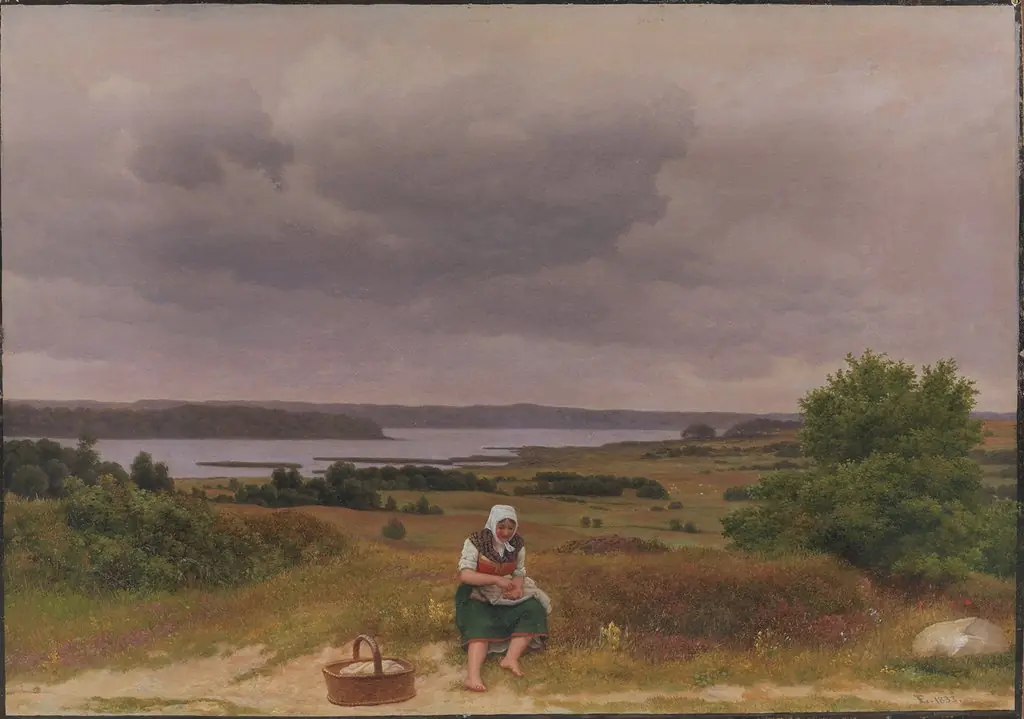 View of Lake Fure near Rudersdal, North Sealand.
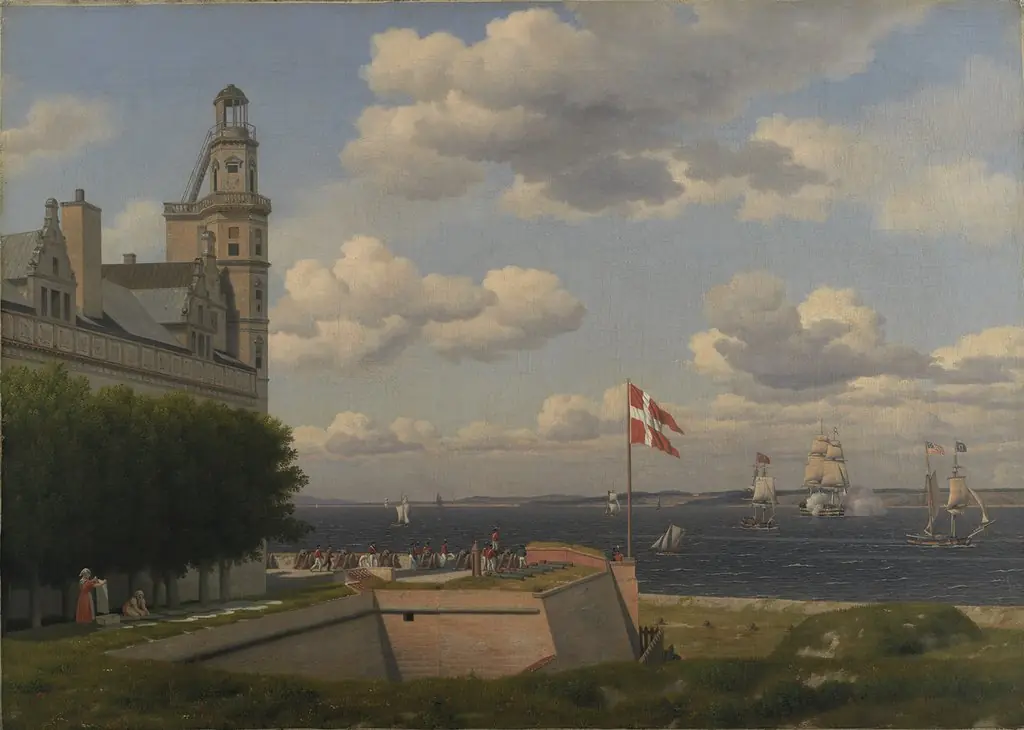 A View towards the Swedish Coast from the Ramparts of Kronborg Castle
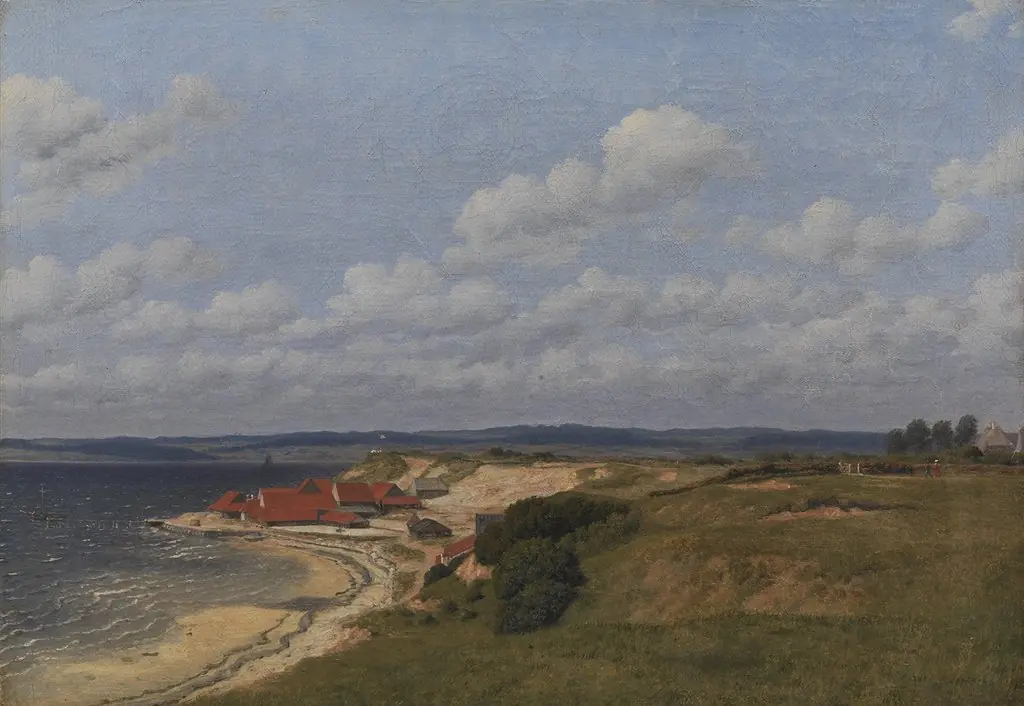 Renbjærg Tileworks by Flensburg Fiord
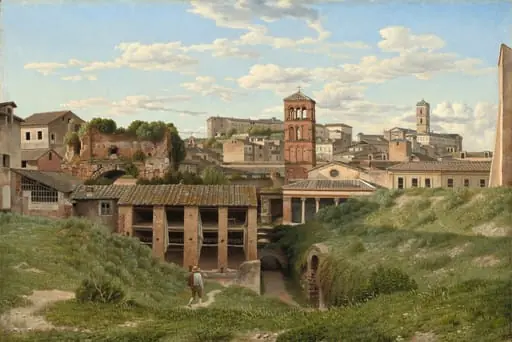 View of the Cloaca Maxima, Rome
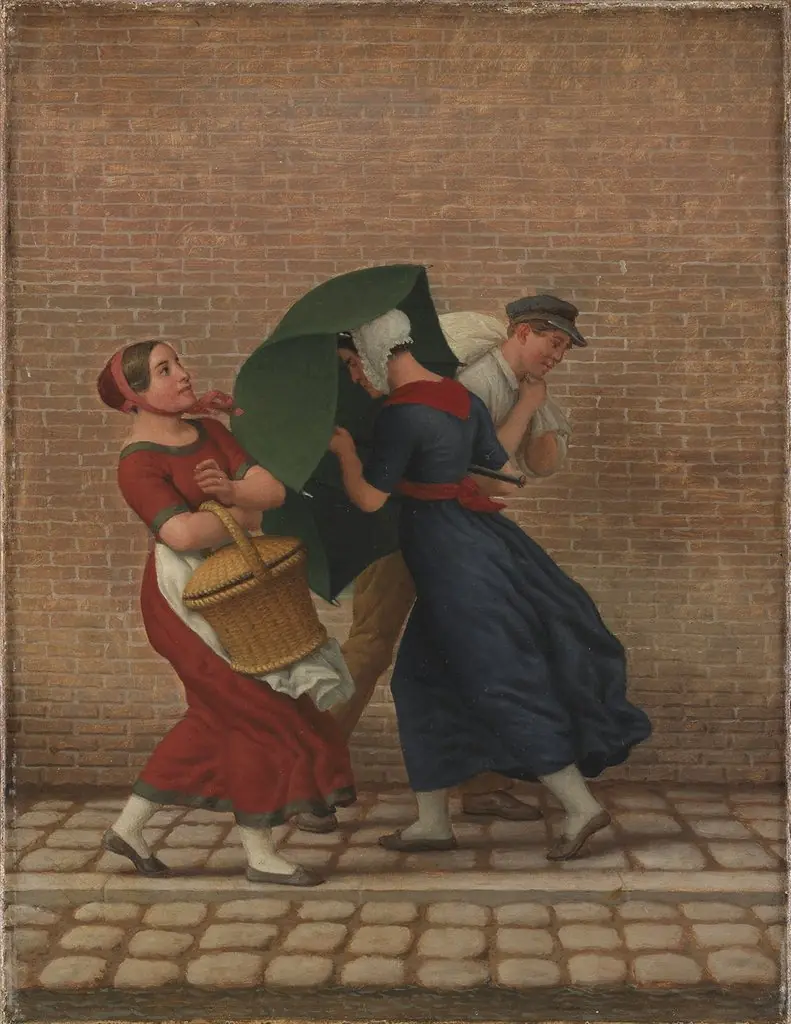 Street Scene in Windy and Rainy Weather
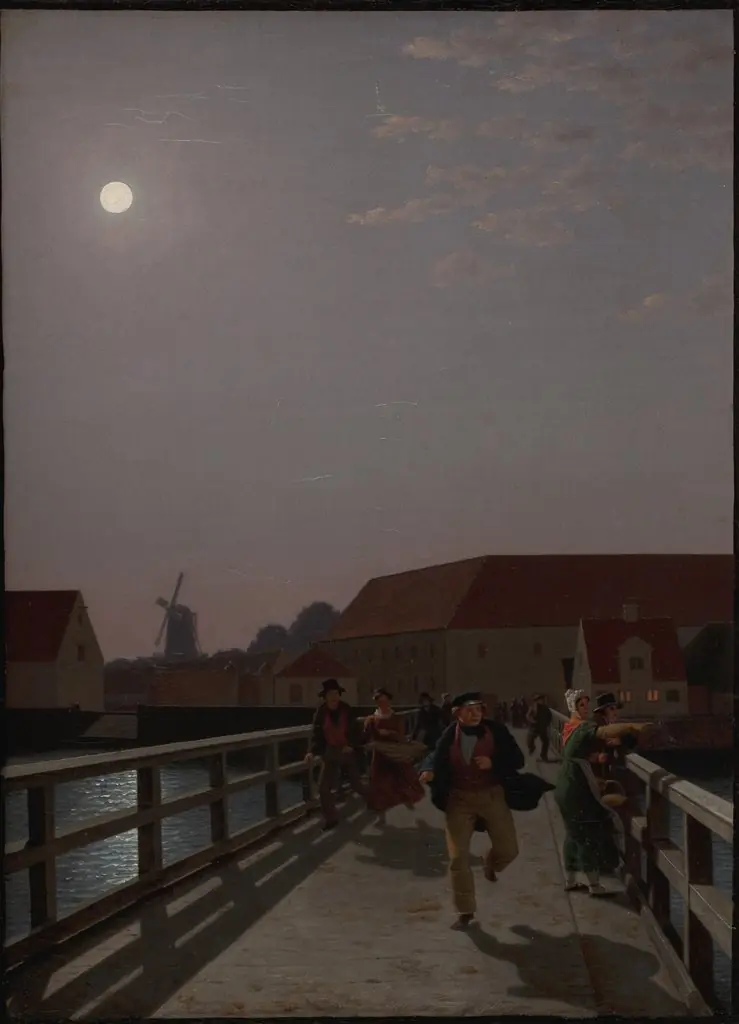 Langebro, Copenhagen, in the Moonlight with Running Figures
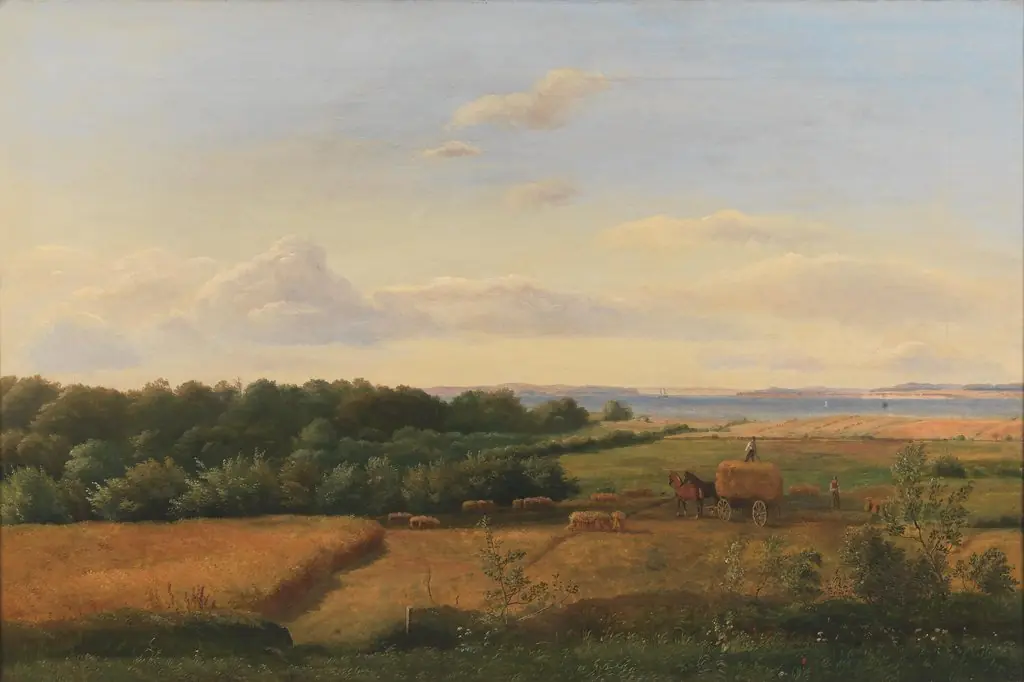 A Funen Landscape at Harvest Time with Wedellsborghoved in the Background
 The Wheat Field
 Landscape
 Landscape with Fisherman and Washerwoman
 Landscape with Fisherman and Washerwoman
 Dedham Vale, Evening
 View of Engelholm at Præstø in Zealand
 The Elbe between Pirna and Pillnitz
 Milking scene. Illustrating a poem by Christian Winther
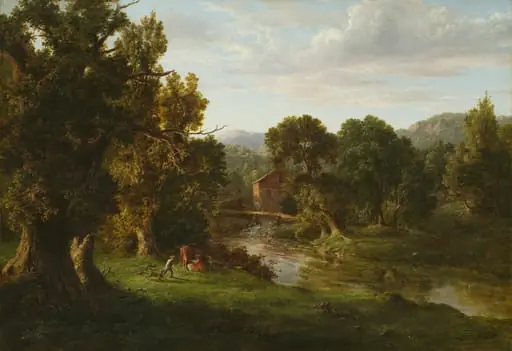 The Old Mill
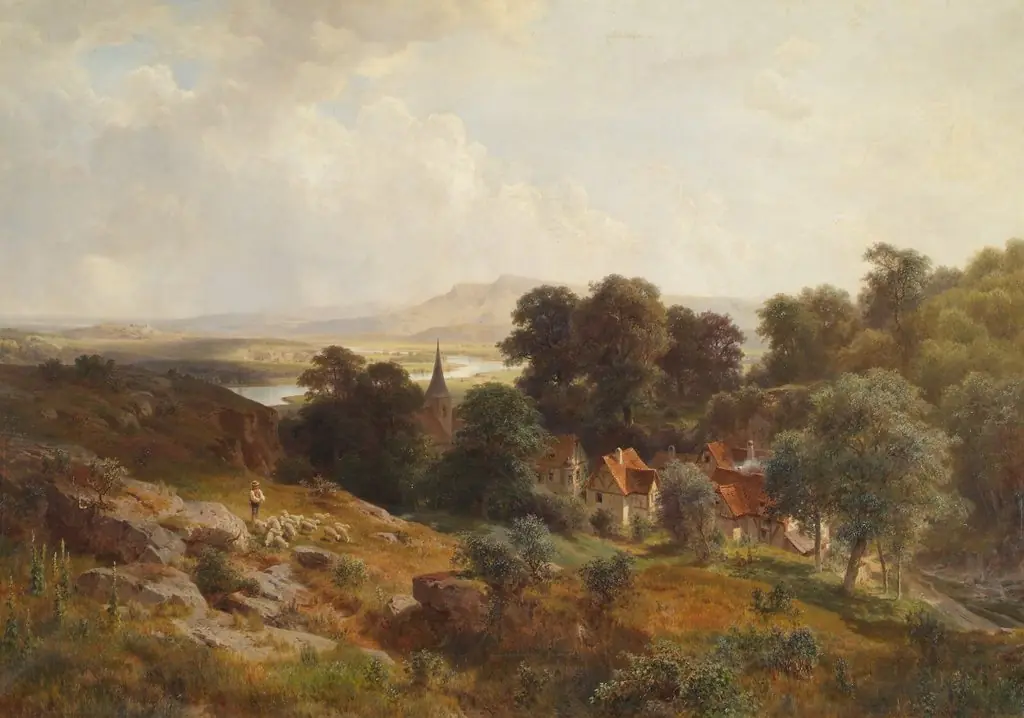 Sommerlandschaft
- Landscape with a Stile. The Isle of Møn