Artwork
View of the Cloaca Maxima, Rome
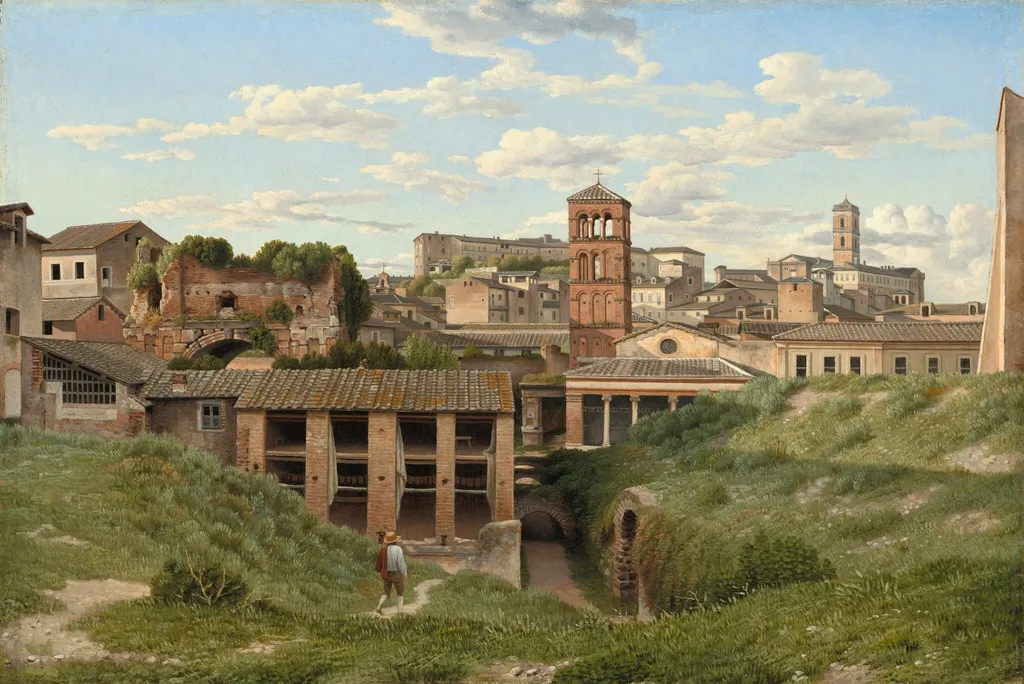
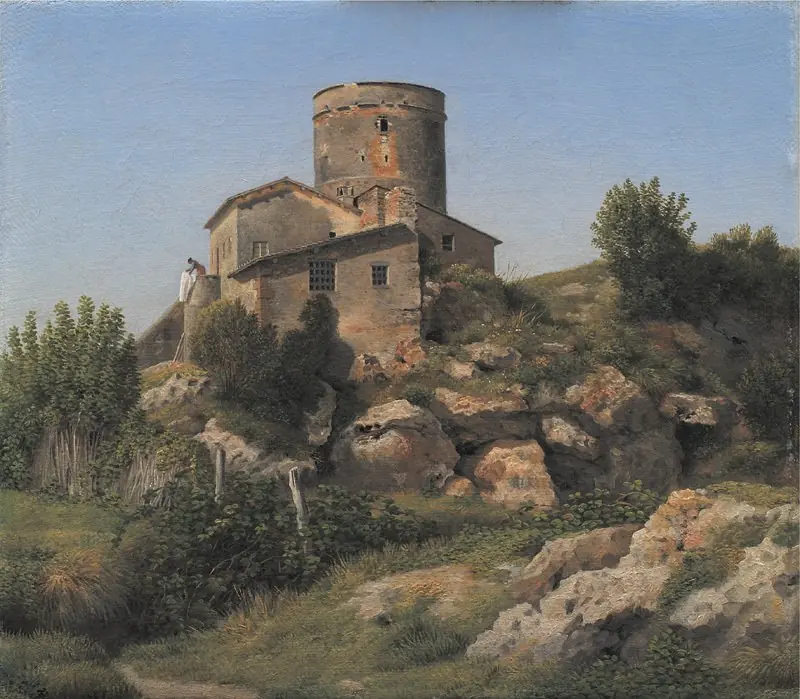
View of the Cloaca Maxima, Rome is an oil painting by the Biedermeier artist Christoffer Wilhelm Eckersberg. It dates from 1814 and is held in the collection of the National Gallery of Art.
About this work
Subject & Meaning
This representation situates the composition within the tradition of architectural vedute, emphasizing structural clarity and historical context.
The 1814 oil on canvas work titled View of the Cloaca Maxima, Rome, painted by Christoffer Wilhelm Eckersberg, is classified as an architectural painting that portrays a house, as recorded in the artwork’s cataloguing data. The piece belongs to the National Gallery of Art’s collection in Washington, D.C., and its subject is identified as a house in the underlying metadata. This representation situates the composition within the tradition of architectural vedute, emphasizing structural clarity and historical context.
The painting’s provenance, from the artist’s estate through various owners to its 2004 acquisition, underscores its significance as a documented example of early nineteenth‑century architectural representation.
Technique & Style
Executed in 1814, this architectural cityscape is an oil painting on canvas measuring 31.8 by 47.4 centimeters. The work depicts a house within the Roman landscape, specifically focusing on the Cloaca Maxima. As a piece by Christoffer Wilhelm Eckersberg, the composition utilizes oil paint applied to a woven canvas support to render the scene.
The small scale of the support suggests a detailed, intimate handling of the urban subject matter, characteristic of the artist's approach to capturing specific locales during his travels. The medium allows for the textural differentiation between the built environment and the surrounding elements, though specific details regarding current surface condition or varnish layers are not explicitly detailed in the available records beyond its survival and acquisition history.
History & Provenance
The work titled View of the Cloaca Maxima, Rome was painted by Christoffer Wilhelm Eckersberg in 1814, as recorded in the artist’s own dated entry and confirmed by the National Gallery of Art’s catalogue (inception 1814‑01‑01). Executed in oil on canvas, the piece entered the artist’s estate following his death in 1853 and was sold at an estate auction in Copenhagen in 1854 (lot 21). The painting then passed to Count F. R. Scheel of Ryegaard, later appearing in a Bruun Rasmussen auction on 6 October 1998 (lot 2001) before entering a private collection. The National Gallery of Art acquired the work on 10 September 2004.
The painting View of the Cloaca Maxima, Rome (1814) by Christoffer Wilhelm Eckersberg is part of the National Gallery of Art’s collection in Washington, D.C., having entered the museum on 10 September 2004 after being sold at Bruun Rasmussen in Copenhagen. Its current accession is recorded within the NGA’s holdings, though a specific inventory number is not published in the available records. The work was included in the exhibition titled “A beautiful lie – Eckersberg,” which highlighted the artist’s architectural subjects.
Overview
Christoffer Wilhelm Eckersberg, often recognized as the "Father of Danish painting," executed View of the Cloaca Maxima, Rome in 1814. This oil on canvas work presents a detailed cityscape, focusing on a segment of the ancient Roman sewer system. It captures a specific moment and location during the artist's travels, reflecting his meticulous approach to depicting architectural and historical subjects.
Context
Eckersberg created this work during his formative travels in Rome, a common pilgrimage for artists of his era. Such journeys to Italy were essential for studying classical antiquity and mastering landscape and architectural painting. His meticulous rendering of the Cloaca Maxima exemplifies this tradition, combining historical interest with a direct, observational approach to the Roman environment.
Own this work as a print
Artist & collection
Artist
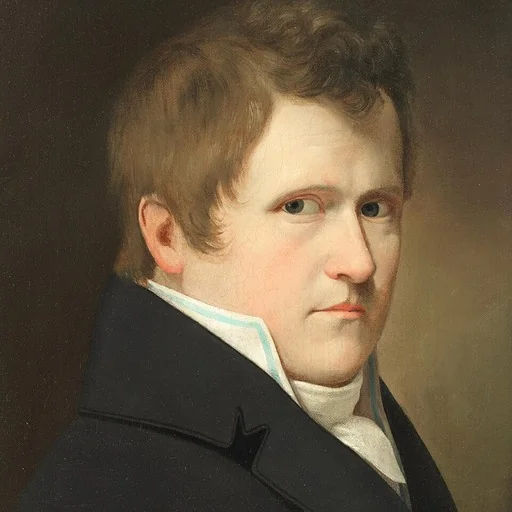
Christoffer Wilhelm Eckersberg
Christoffer Wilhelm Eckersberg (2 January 1783 – 22 July 1853) was a Danish painter.

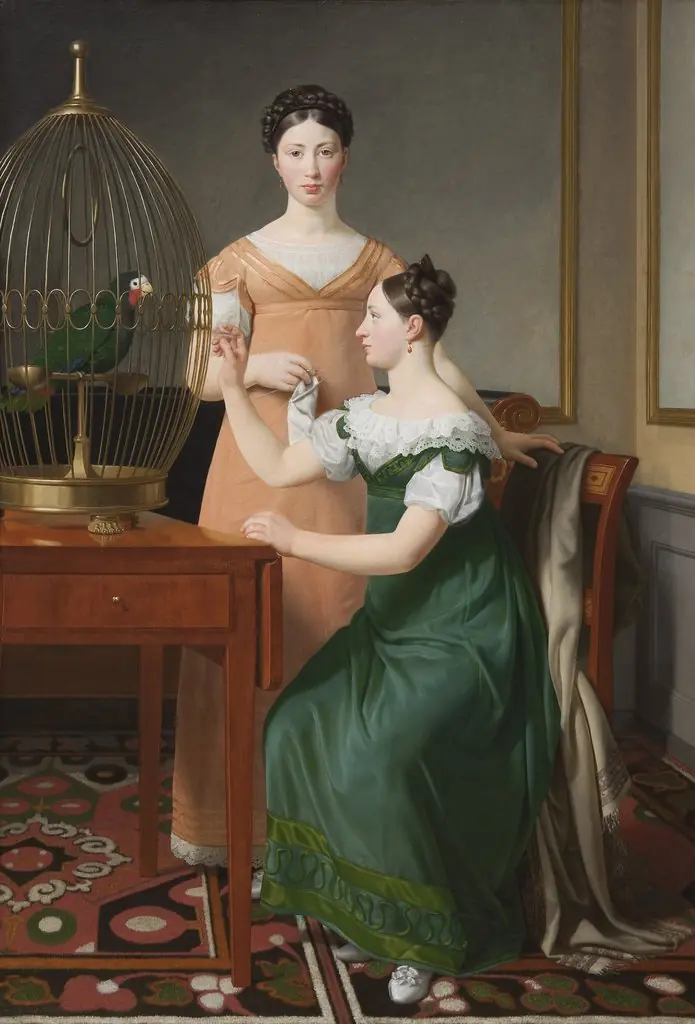 Bella and Hanna. The Eldest Daughters of M. L. Nathanson
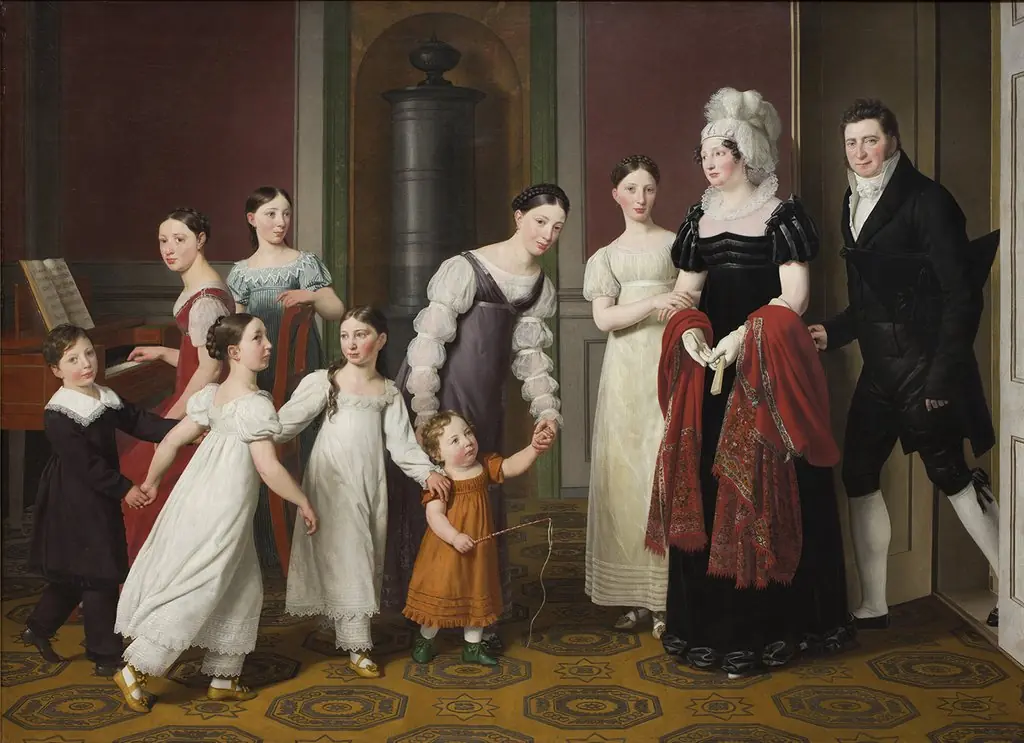 Familien Nathanson
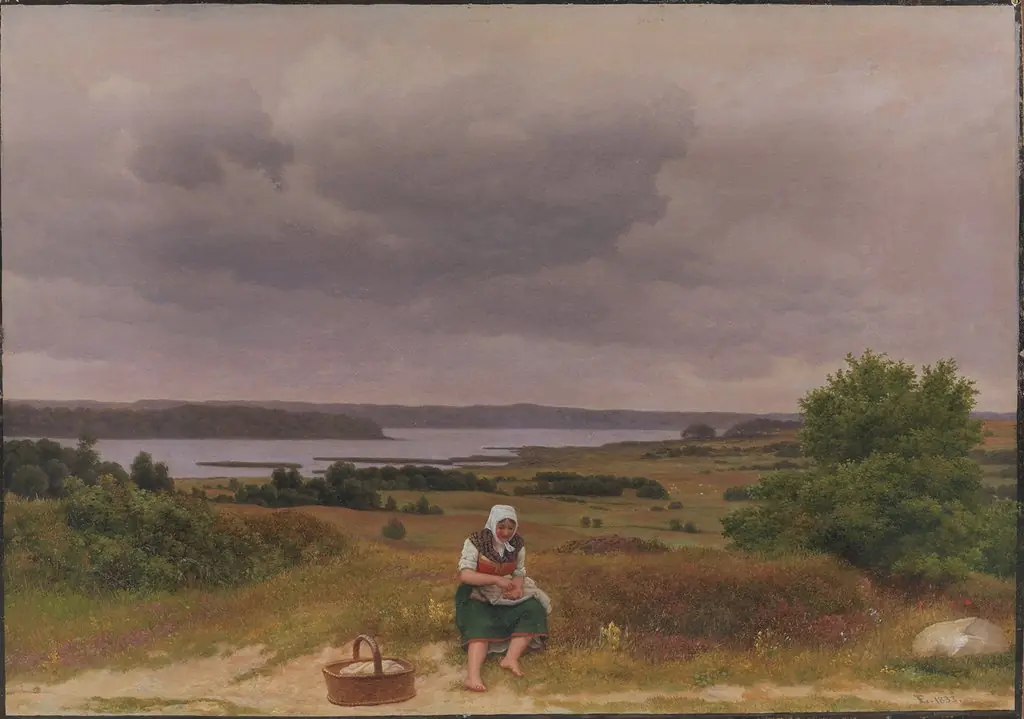 View of Lake Fure near Rudersdal, North Sealand.
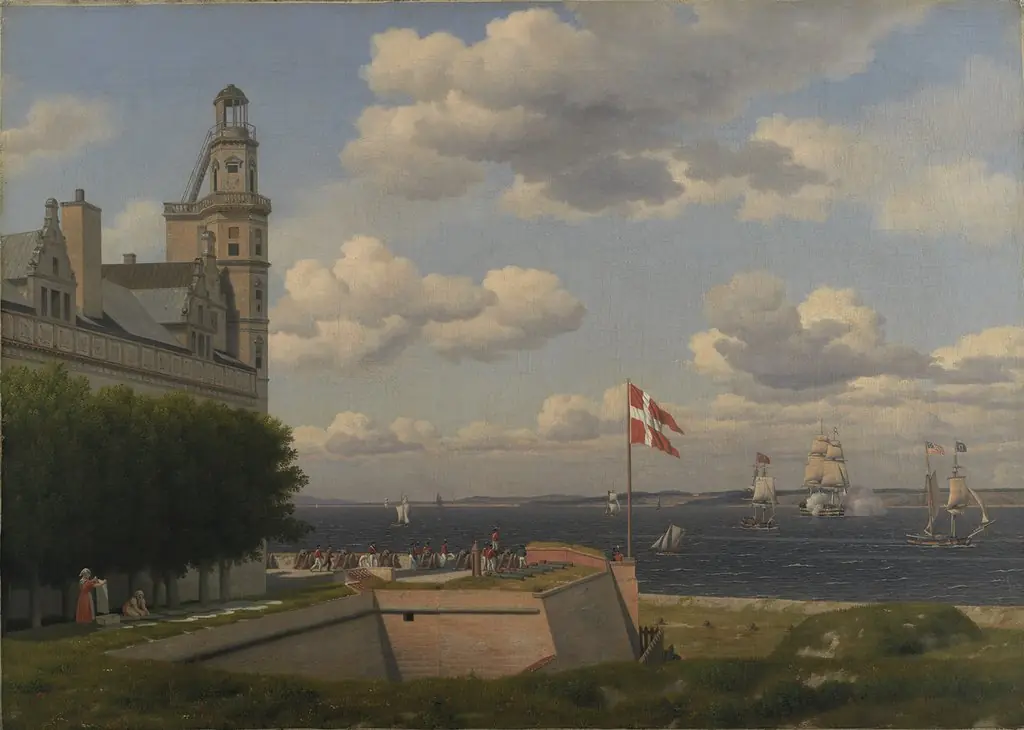 A View towards the Swedish Coast from the Ramparts of Kronborg Castle
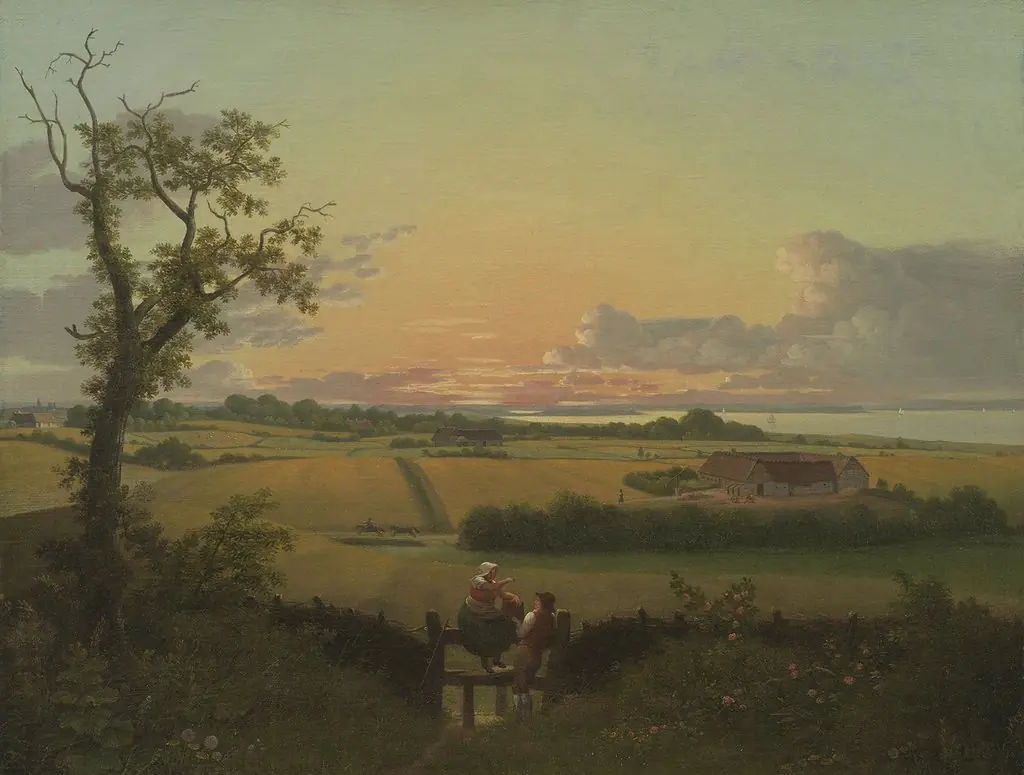 Landscape with a Stile. The Isle of Møn
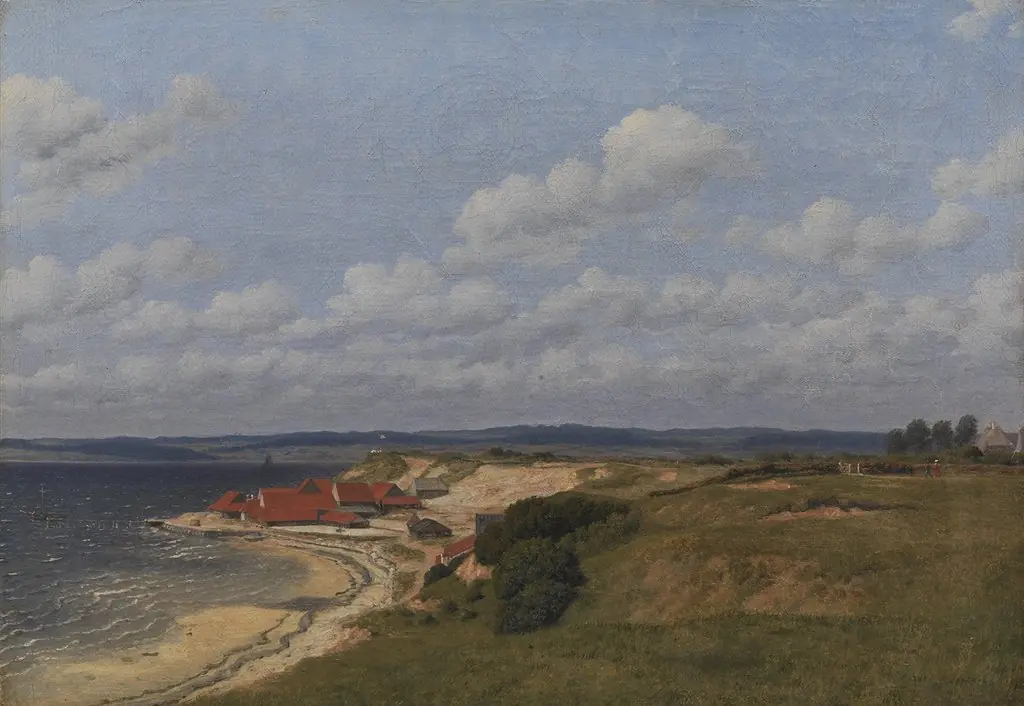 Renbjærg Tileworks by Flensburg Fiord
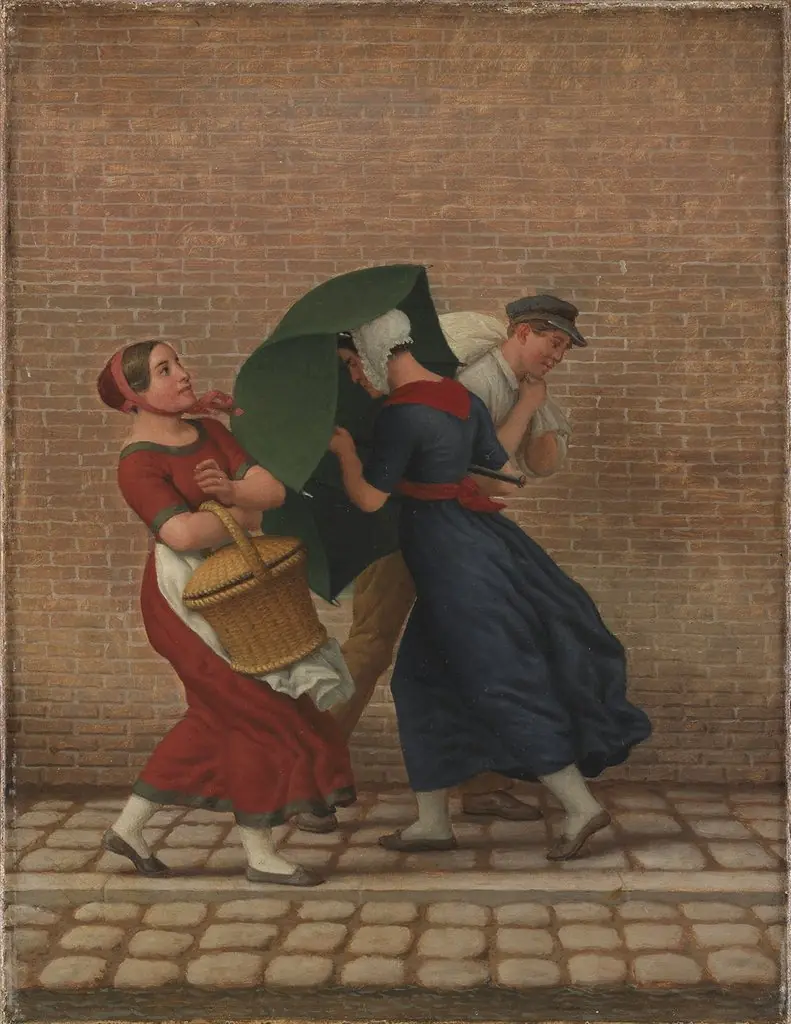 Street Scene in Windy and Rainy Weather
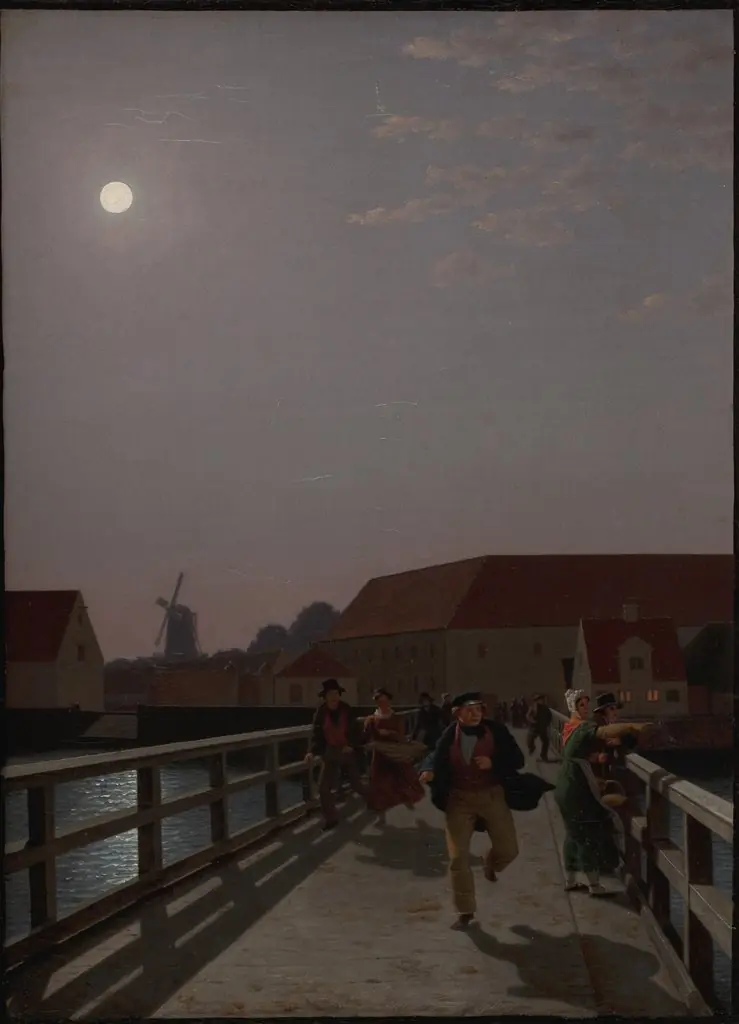 Langebro, Copenhagen, in the Moonlight with Running Figures
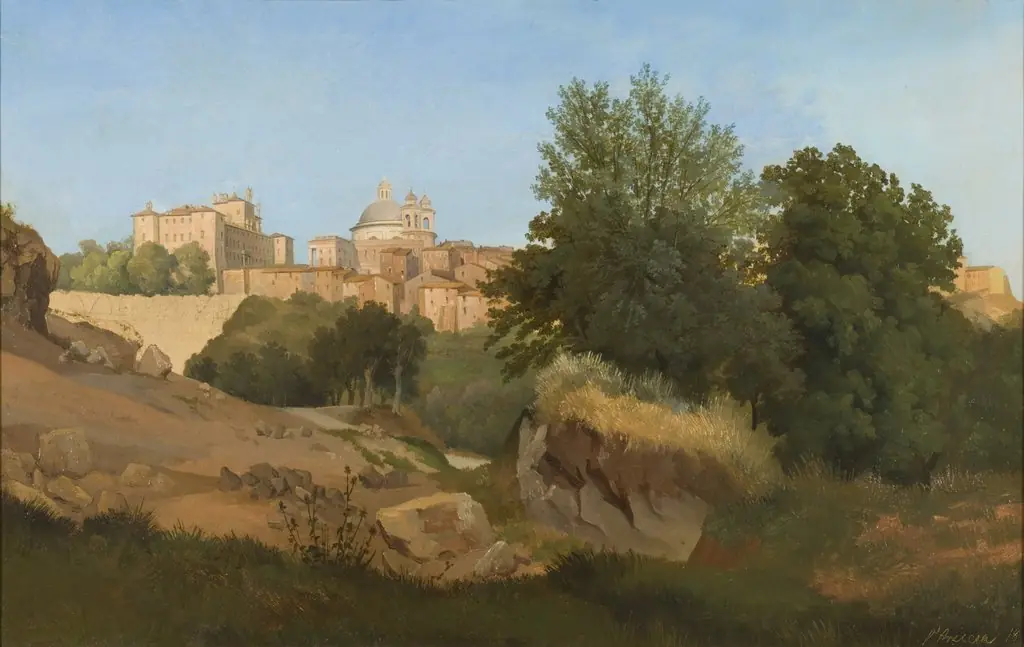 View of Ariccia
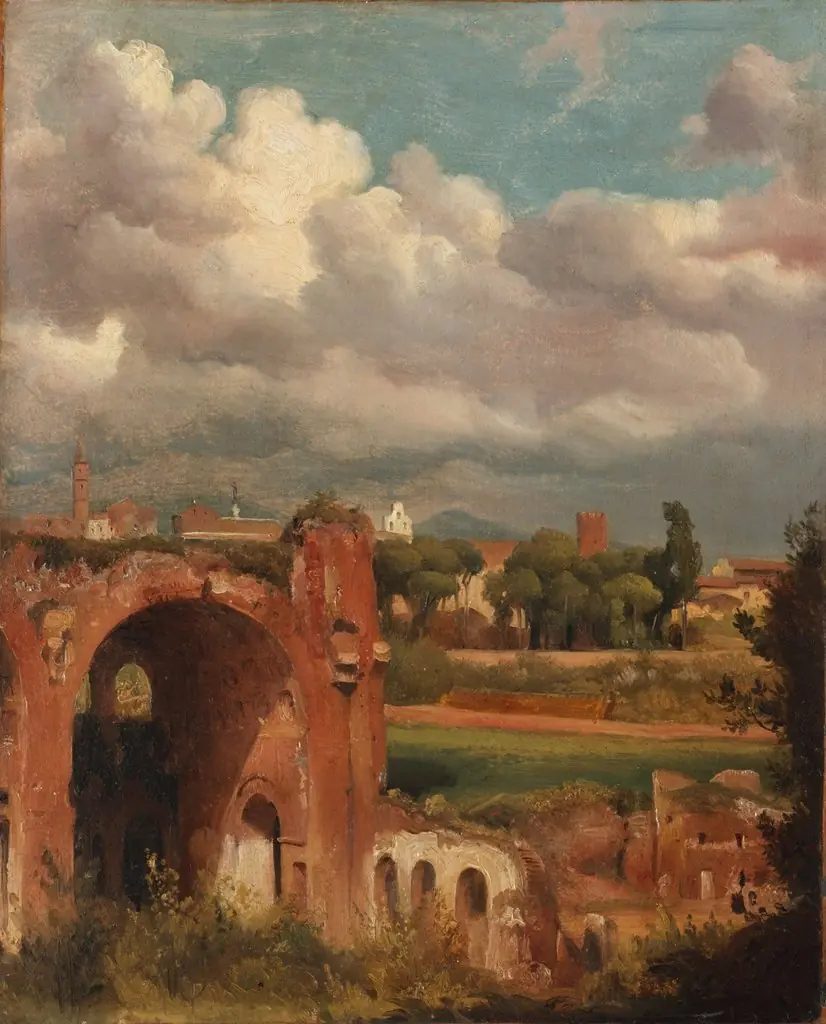 View of the Basilica of Constantine from the Palatine, Rome
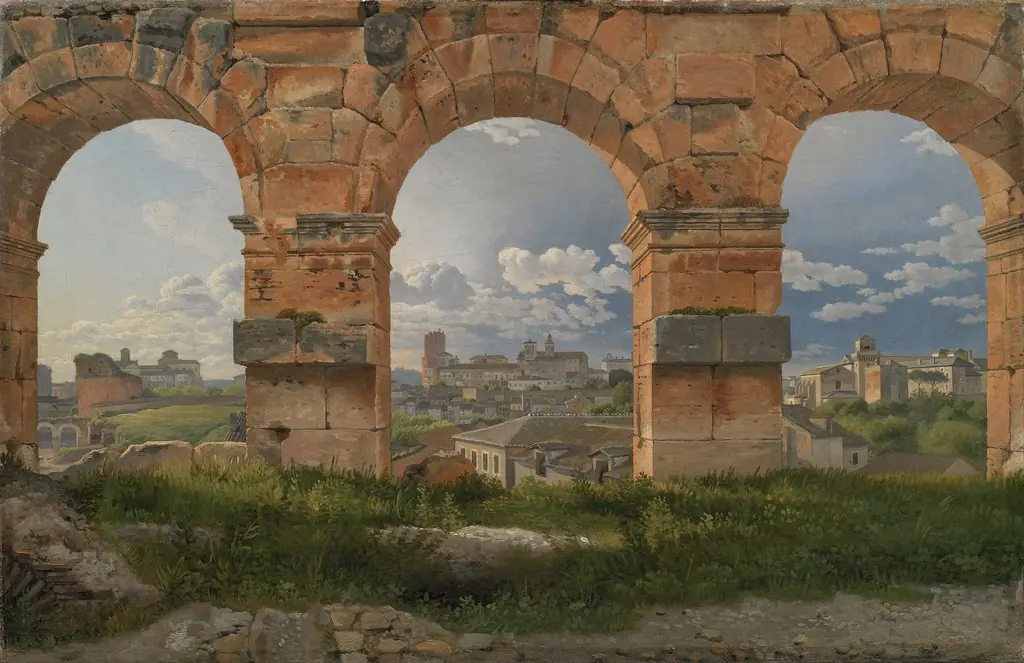 A View through Three of the North-Western Arches of the Third Storey of the Coliseum
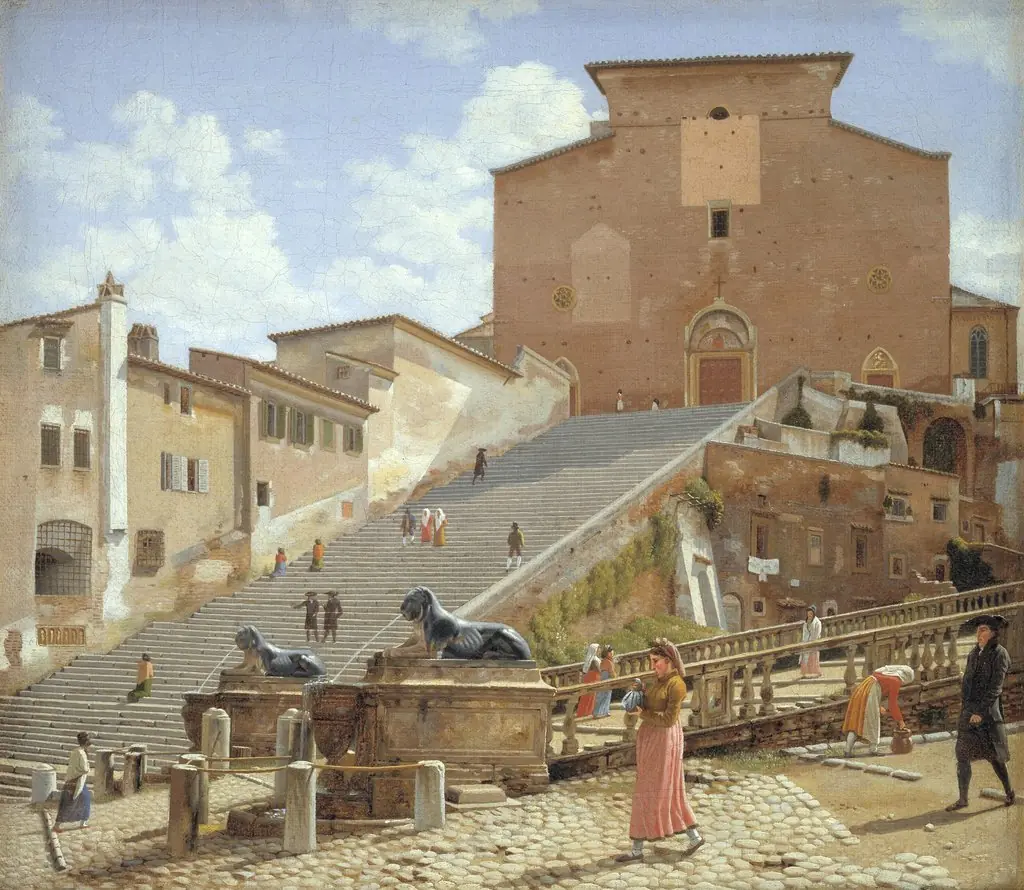 The Marble Steps Leading to the Church of Santa Maria in Aracoeli in Rome
 The Marble Steps leading up to the Church of Santa Maria in Aracoeli in Rome
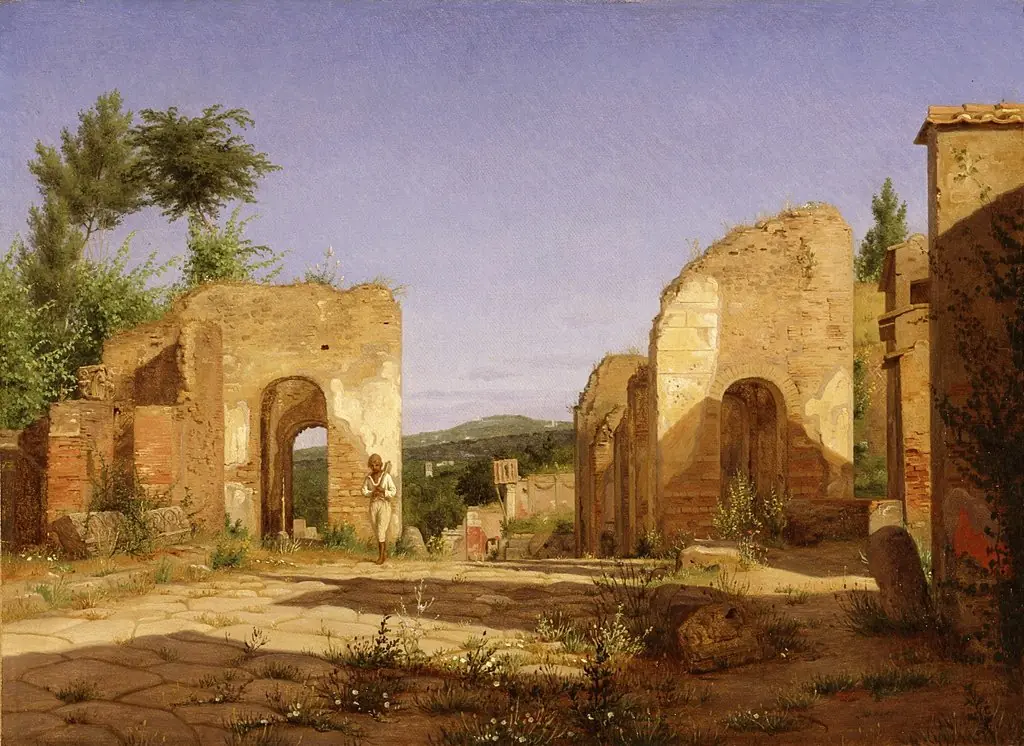 Gateway in the Via Sepulcralis in Pompeii
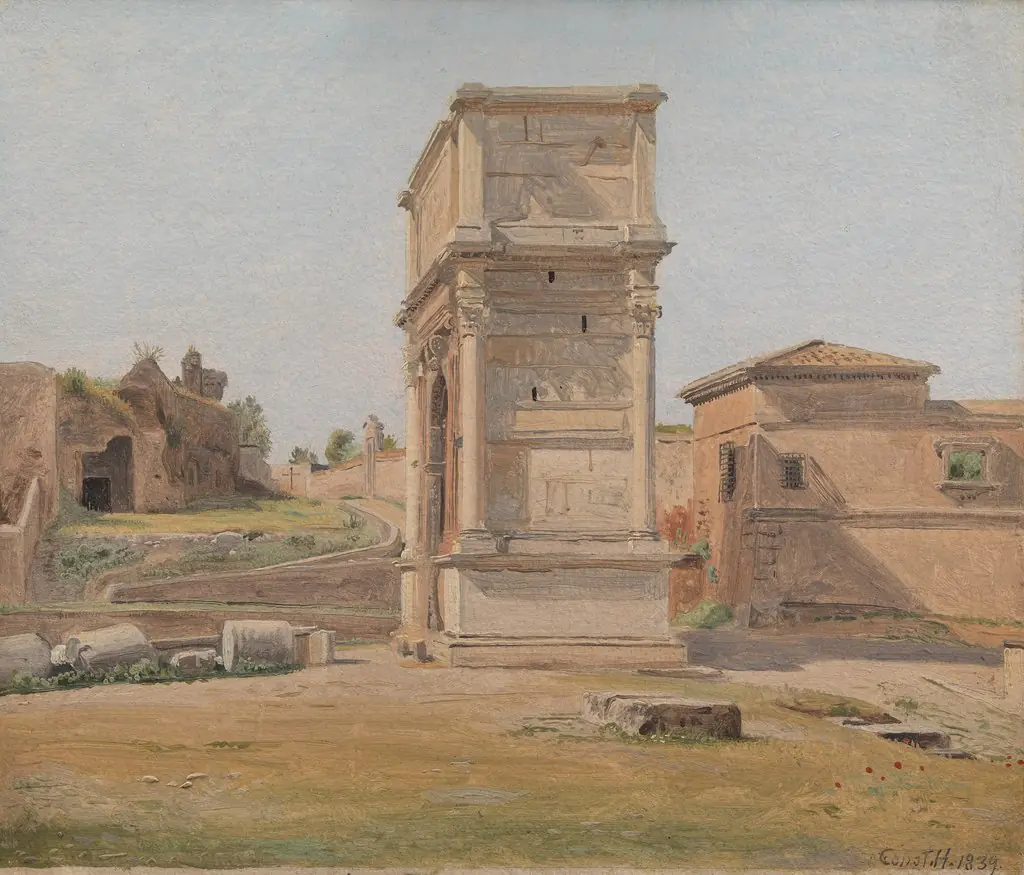 The Arch of Titus in Rome
 Porta Angelica and Part of the Vatican
 Sant'Agnese fuori le mura, Rome
 A Building near Tor di Quinto outside Rome