Artwork
Still Life
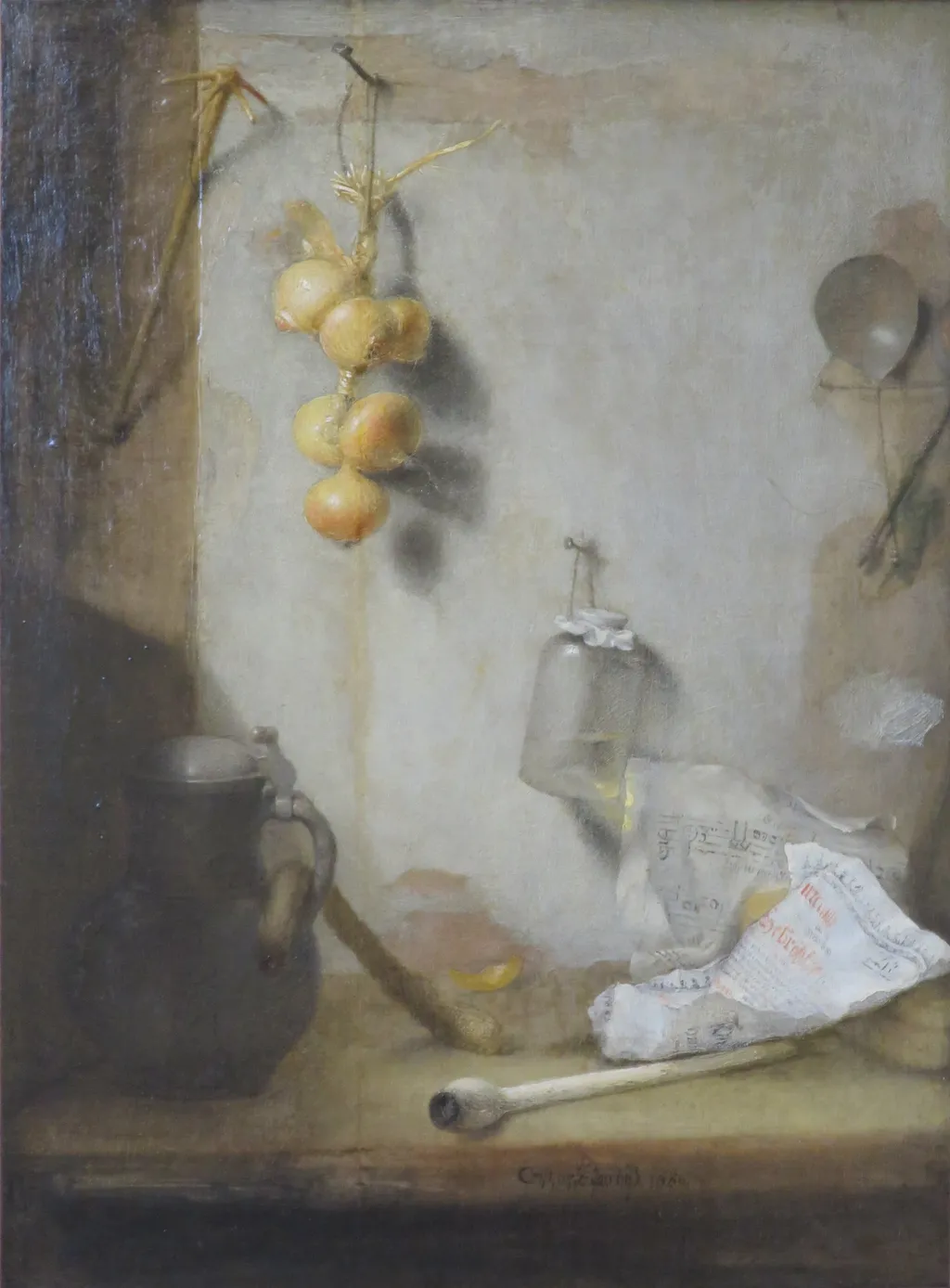
Still Life is an oil painting by the Dutch Golden Age artist Christopher Paudiß. It dates from 1660 and is held in the collection of the Hermitage Museum.
About this work
Subject & Meaning
The inclusion of a pipe and onion alongside a pitcher suggests a modest domestic setting or a moment of pause, common themes in 17th-century German still life.
Christopher Paudiß's 1660 oil painting presents a still life arrangement featuring an onion, a smoking pipe, a pitcher, and a sheet of paper. These objects are depicted on canvas using oil paint, characteristic of the genre's focus on everyday items. The inclusion of a pipe and onion alongside a pitcher suggests a modest domestic setting or a moment of pause, common themes in 17th-century German still life.
While specific symbolic interpretations are not detailed in the available records, the combination of perishable food, a vessel for drink, and a smoking implement typically invites reflection on the transience of daily pleasures.
Technique & Style
The work is an oil painting executed on canvas, a format typical of 17th-century Dutch-influenced German still lifes. Christopher Paudiß rendered everyday objects, an onion, a pipe, a pitcher, and a sheet of paper, with precise brushwork that emphasizes texture and chiaroscuro, creating a compact, tightly arranged composition. The surface remains largely intact, showing only minor craquelure consistent with age, and the painting is presently housed in the Hermitage Museum in St. Petersburg.
History & Provenance
The still life by Christopher Paudiß is dated to 1660 and is currently held in the collection of the Hermitage Museum.
It entered the museum’s holdings as part of its collection of European paintings, where it remains located. The work’s creation date is given as 1660, with dimensions recorded at 62 cm in height and 46.5 cm in width, executed in oil on canvas.
Christopher Paudiß's oil painting Still Life, created in 1660, is held in the collection of the Hermitage Museum. The work measures 62 cm in height and 46.5 cm in width. While the painting depicts an onion, pipe, pitcher, and paper, the provided sources do not list a specific inventory or accession number for the piece. Furthermore, the available documentation contains no information regarding the artwork's exhibition history.
Overview
Created in 1660, this oil painting presents a modest arrangement of domestic items, a dark pitcher, a pipe, a crumpled sheet of paper and a few onions suspended from a string, set upon a wooden tabletop against a pale wall. The composition is restrained, emphasizing quiet contemplation through its simple spatial organization and muted palette.
Context
Paudiß’s still life reflects the cross‑regional influences of the period: a Bavarian painter trained in the Dutch school, adopting the genre’s focus on humble subjects and the dramatic lighting championed by his mentor Rembrandt. Such works were common in the mid‑1600s, serving both decorative and moralizing purposes.
Own this work as a print
Artist & collection
Artist
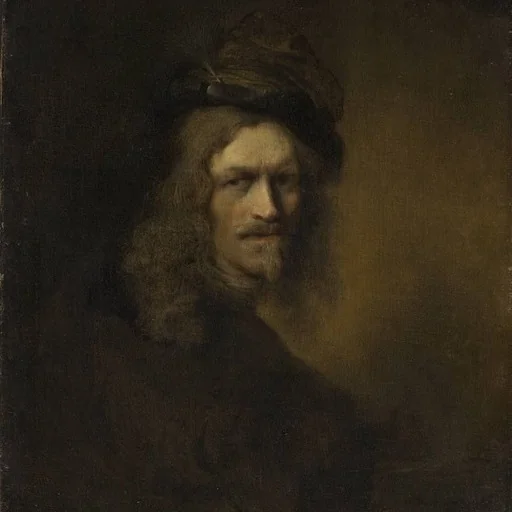
Christoph(er) Paudiß (1630 in Lower Saxony – 1666 in Freising, Upper Bavaria) was a Bavarian Baroque painter and a student of Rembrandt van Rijn.

- Still life
 Still Life
 Kitchen Utensils with Leeks, Fish, and Eggs
 Kitchen Utensils with Leeks, Fish, and Eggs
 Still Life with Cooking Utensils
 Overturned Jug and Other Items on the Tablecloth
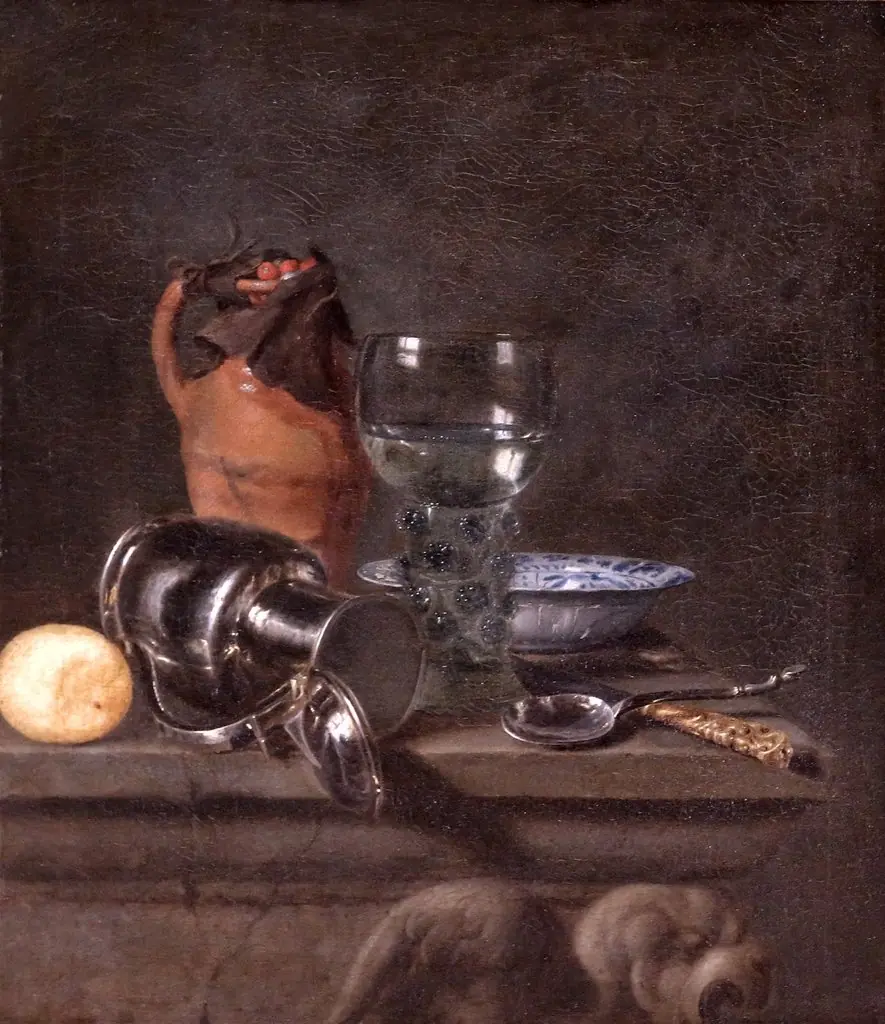 Still life with fallen pewter jug and roemer
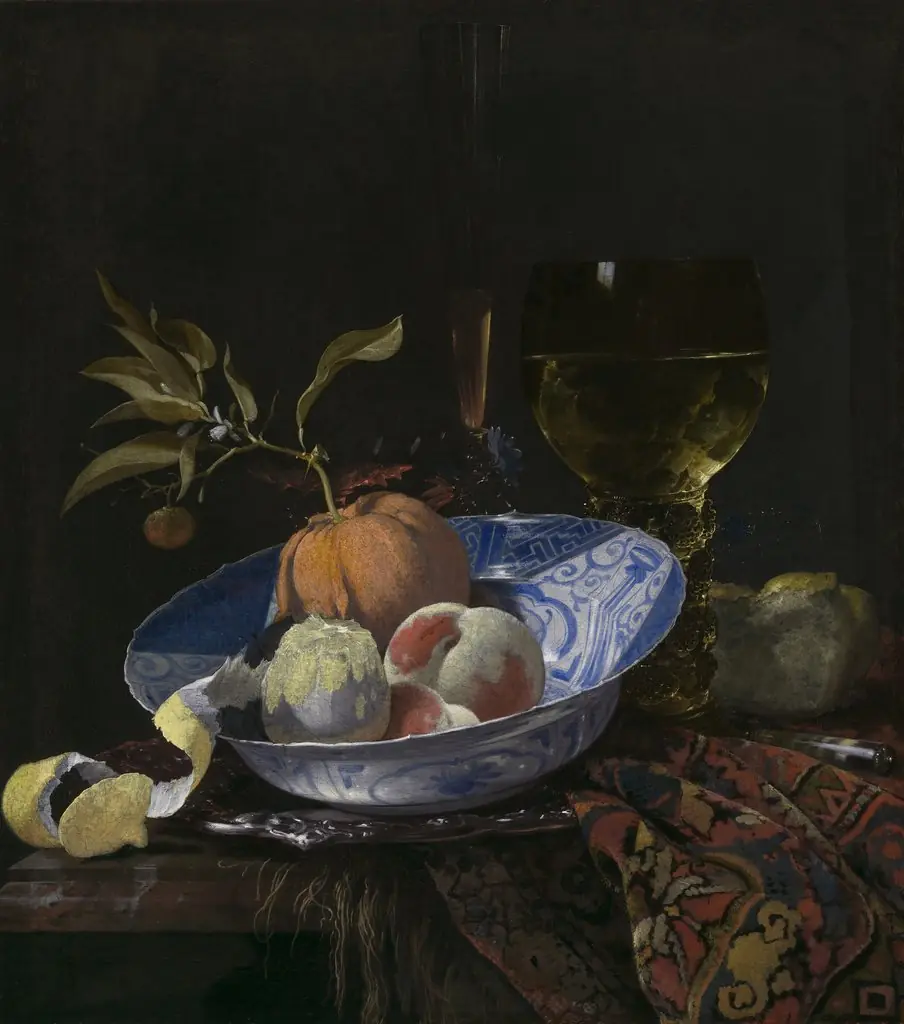 Still Life with Lemon Peel
 Still Life with Nautilus Cup
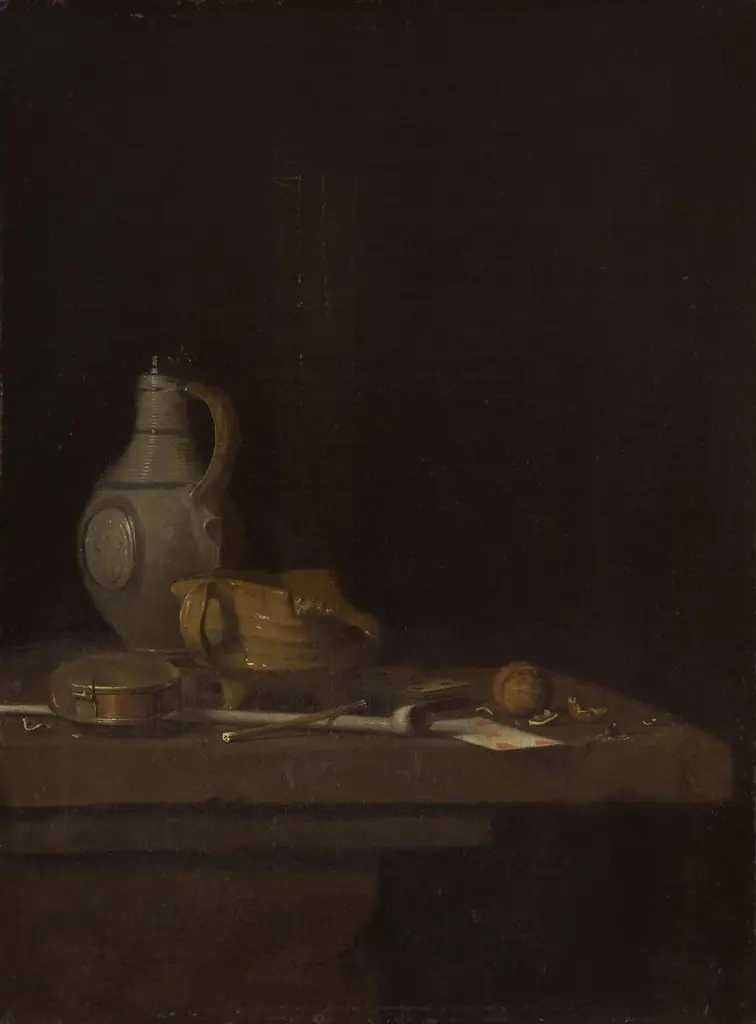 Still Life with a Stoneware Jar and a Brazier
 Still Life with Quinces, Medlars and a Glass
 Stilleben mit Nautilusbecher und Ingwertopf