Artwork
Still Life with Lemon Peel
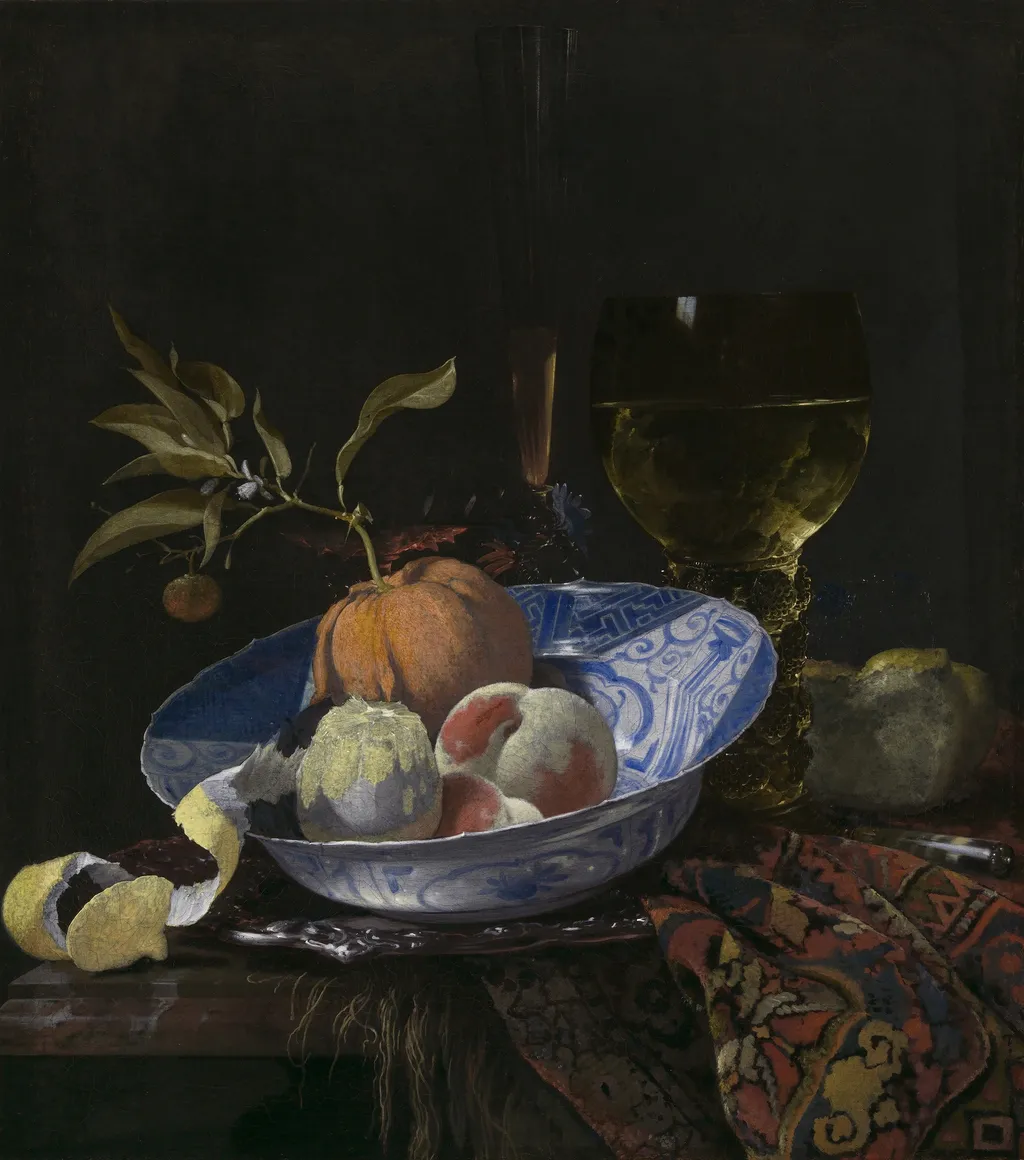
Still Life with Lemon Peel is an oil painting by the Dutch Golden Age artist Willem Kalf. It dates from 1664 and is held in the collection of the Museum of Fine Arts Boston.
About this work
Subject & Meaning
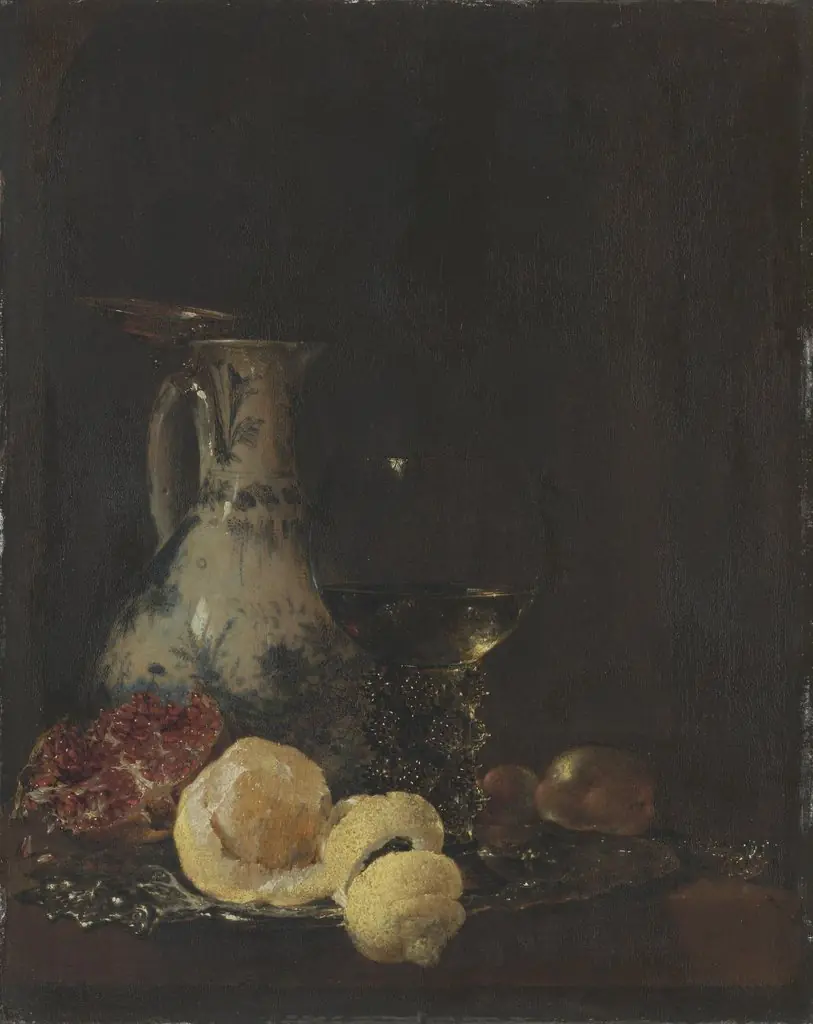
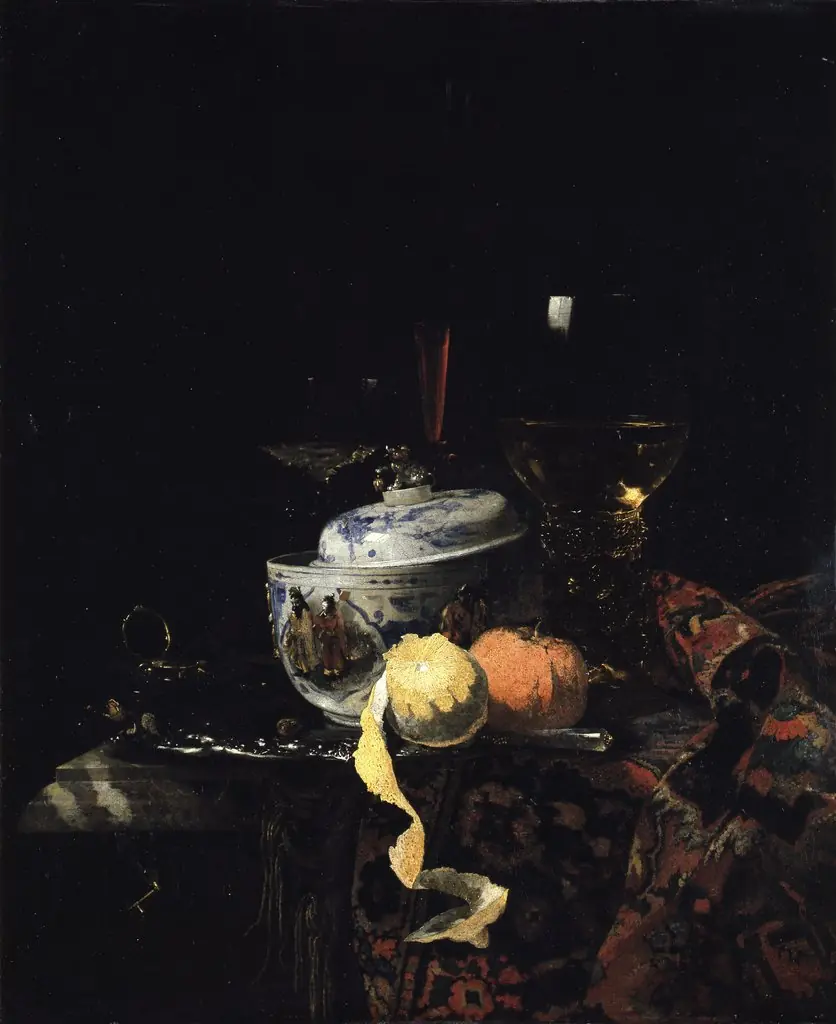
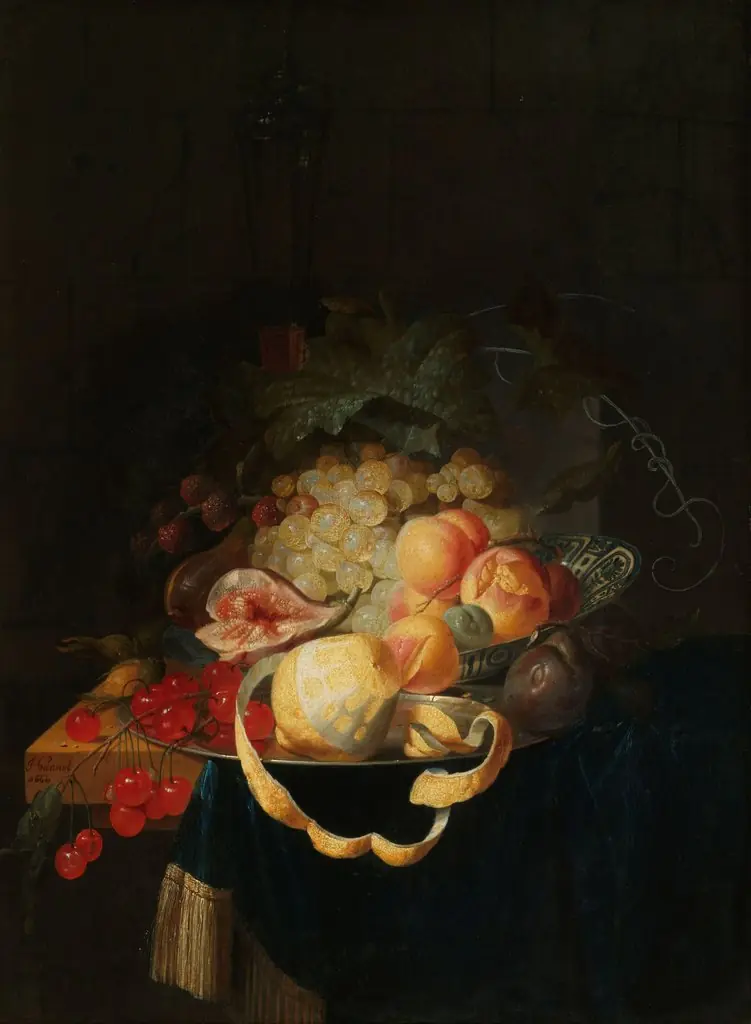
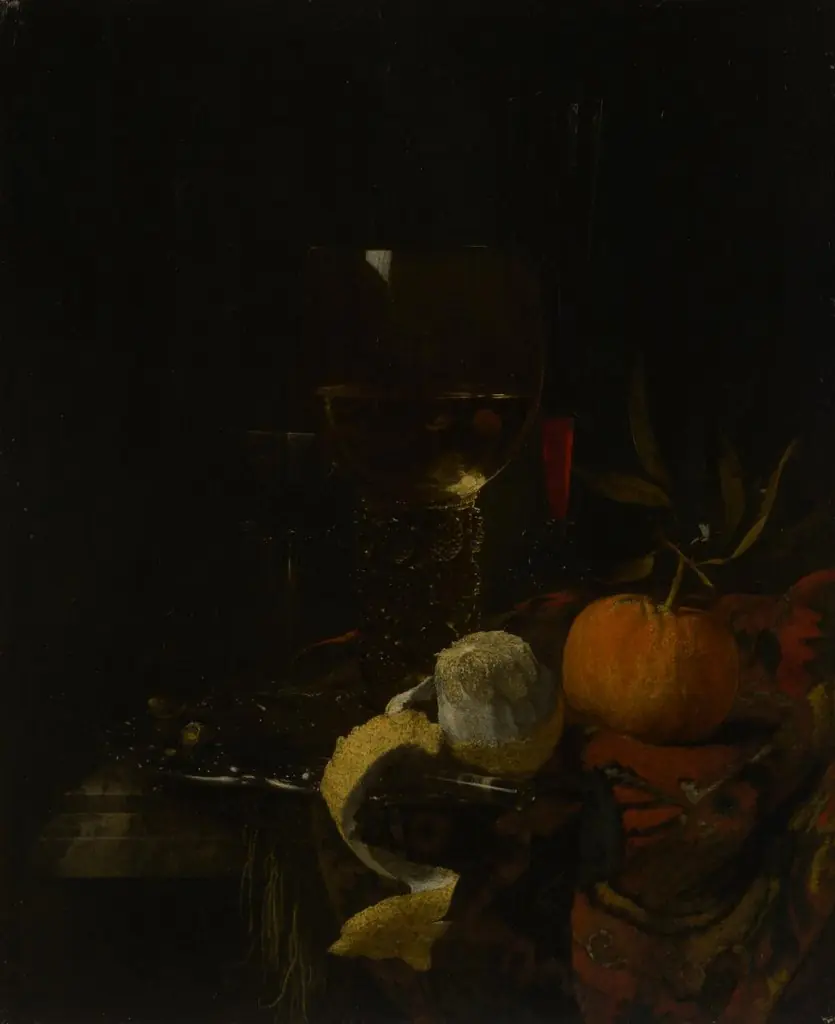
Willem Kalf's Still Life with Lemon Peel presents a carefully arranged tabletop composition centered on a partially peeled lemon resting in a bowl.
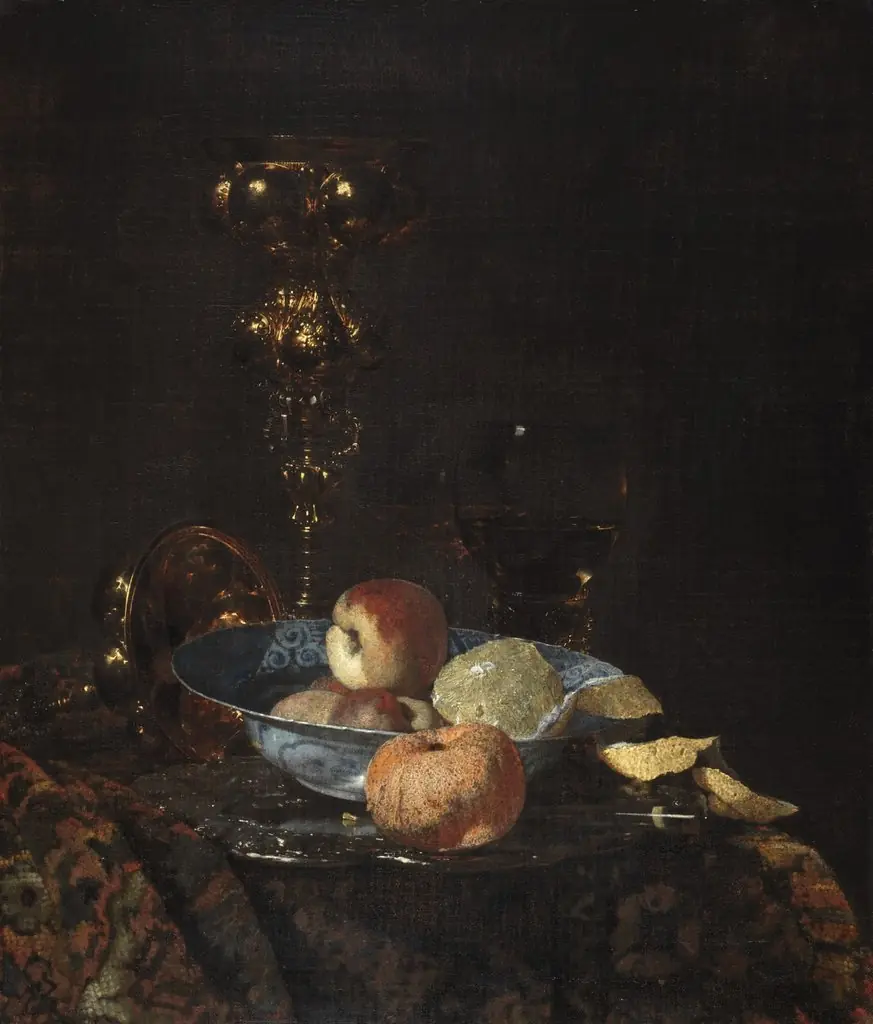
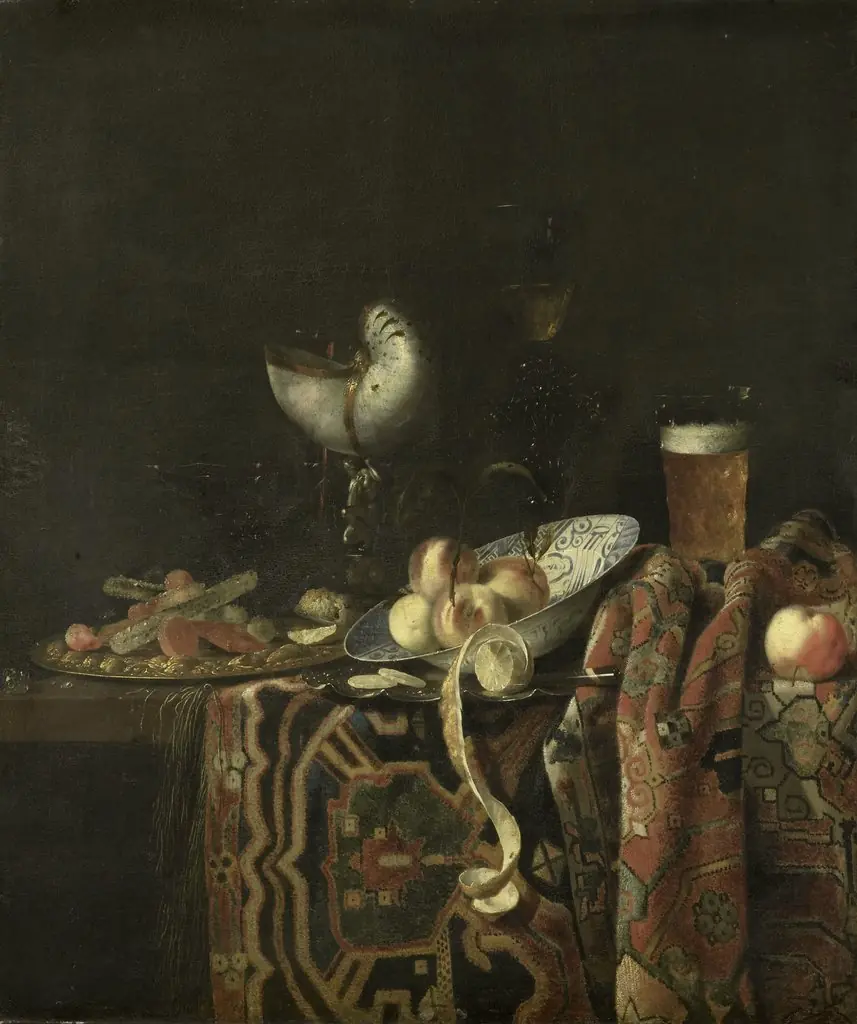
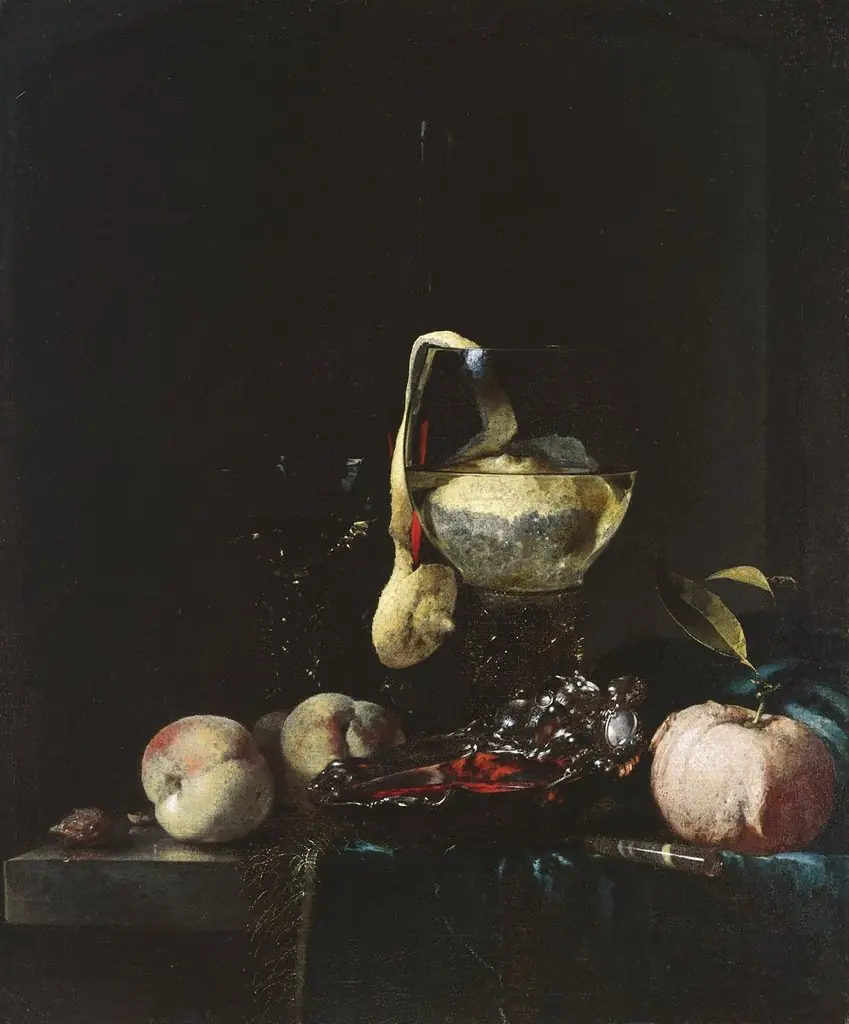
Willem Kalf's Still Life with Lemon Peel presents a carefully arranged tabletop composition centered on a partially peeled lemon resting in a bowl. The depicted subjects, the lemon and the bowl, are explicitly identified in the work's iconographic record, and the partially removed peel serves as the painting's defining motif. In Dutch still-life tradition, lemons carried layered symbolic weight: their rarity and high cost in the seventeenth-century Netherlands made them emblems of wealth and global trade, while the act of peeling suggested both transience and the sensory pleasures of taste and smell.
The curling peel itself became a virtuoso device for displaying an artist's technical skill, since rendering its translucent, twisting form tested command of paint and light.
Beyond luxury, the lemon's acidity and the peeled rind carried moralizing overtones common to vanitas imagery, hinting at the bittersweet nature of worldly abundance. The combination of a humble bowl with an exotic fruit also reflects the era's fascination with contrasting materials and origins, a hallmark of Kalf's mature style.
History & Provenance
Willem Kalf painted Still Life with Lemon Peel in 1664, an oil on canvas work now held by the Museum of Fine Arts Boston within the Rose-Marie and Eijk van Otterloo Collection. The painting entered the museum’s collection through the bequest of Rose-Marie and Eijk van Otterloo, establishing its modern ownership chain. Its creation is documented as part of Kalf’s mature period, characterized by intricate compositions of fruit and domestic objects.
Still Life with Lemon Peel is held at the Museum of Fine Arts, Boston, where it forms part of the Rose-Marie and Eijk van Otterloo Collection. The painting, executed by Willem Kalf in 1664 in oil paint, is catalogued within that institution's holdings. No exhibition history is documented in the available sources.
The sources confirm the museum location and the private-collection status of the work within the MFA Boston, but do not provide an accession number or record any past exhibitions.
Context
Willem Kalf's Still Life with Lemon Peel (1664) exemplifies Dutch Golden Age mastery of light and texture, particularly through its depiction of lemon rind and ceramic bowl. The work resides in the Museum of Fine Arts Boston within the Rose-Marie and Eijk van Otterloo Collection, reflecting contemporary scholarly appreciation for Kalf's role in elevating still life to a genre of compositional and technical sophistication within the broader context of 17th-century Dutch painting.
Art historical analysis emphasizes Kalf's influence on later still life painters through his innovative use of spatial depth and object symbolism, though the painting's specific critical reception during its creation remains undocumented in available sources.
Overview
Still Life with Lemon Peel is a 1664 oil painting by Willem Kalf, a prominent Dutch still-life artist of the 17th-century Golden Age. The work features a carefully composed arrangement of everyday and luxurious objects.
Technique & Style
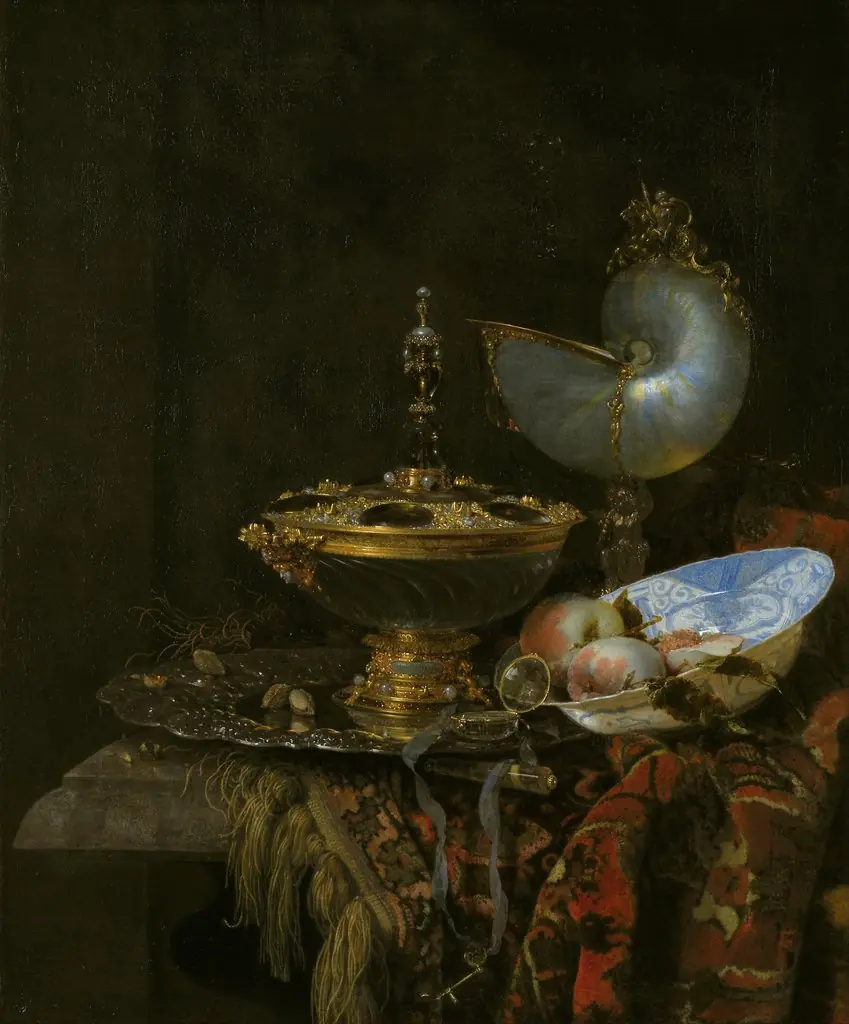
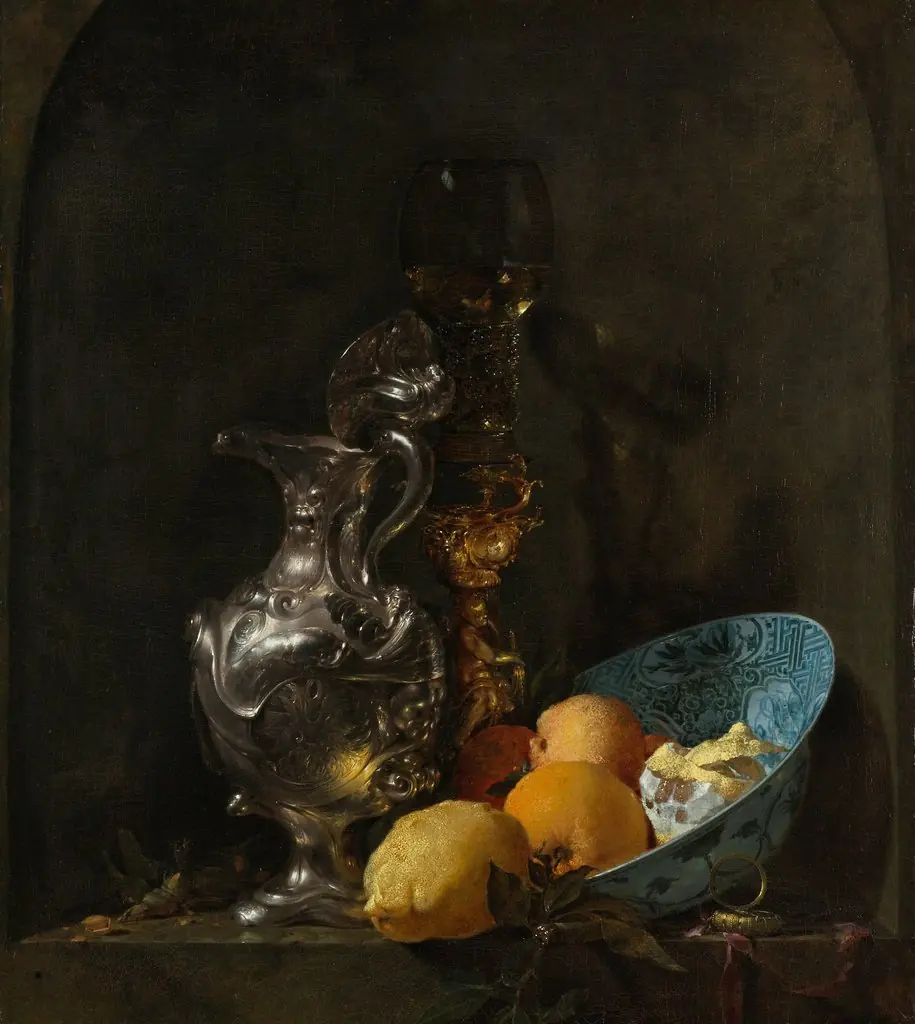
Kalf employed chiaroscuro to create a sense of depth and realism, leveraging the contrast between the dark background and the vibrant, illuminated objects. This play of light and shadow enhances the visual appeal and perceived three-dimensionality of the depicted items.
Legacy
As a work by a leading figure in Dutch still-life painting, it contributes to the understanding and appreciation of 17th-century Dutch art, particularly the evolution and characteristics of the pronkstilleven genre.
Own this work as a print
Artist & collection
Artist
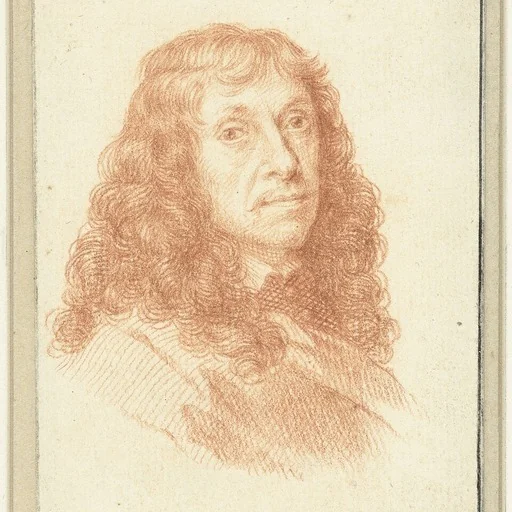
Willem Kalf (1619 – 31 July 1693) was one of the most prominent Dutch still-life painters of the 17th century, the Dutch Golden Age.