Artwork
The Four Festivals: Festival of Bacchus
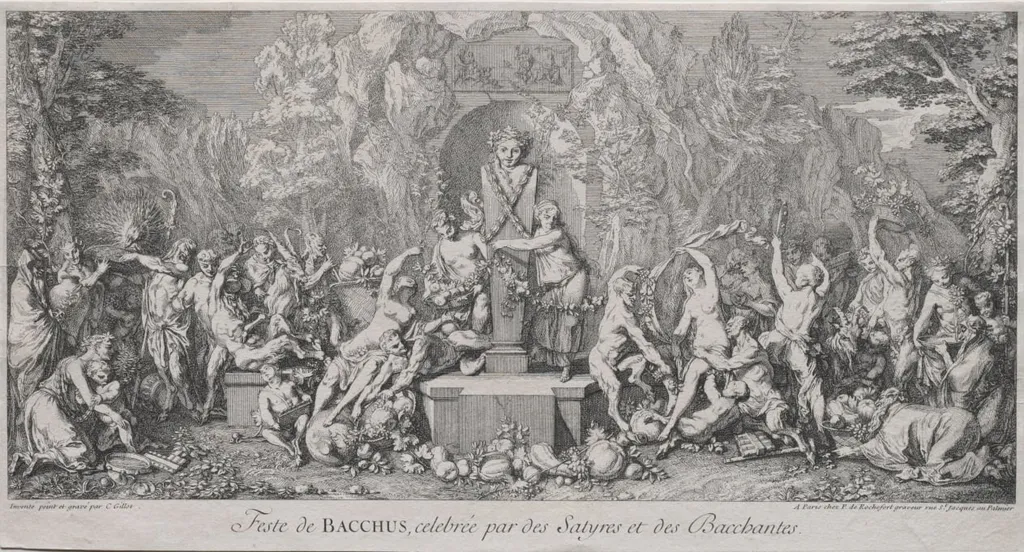
The Four Festivals: Festival of Bacchus is a print by the Baroque artist Claude Gillot. It dates from 1704 and is held in the collection of the Cleveland Museum of Art. This print, Festival of Bacchus, is part of a series titled The Four Festivals.
- Accession no.
- 1985.97.2
- Credit line
- In memory of Jane Millar Harris and John H. Harris
About this work
If you like this mix of theater and myth, check out the subject: france, 18th century for more playful, staged scenes.
You see a wild party: satyrs, nymphs, and dancers swirling around a stone pillar with Bacchus’s head on top. Wine flows, grapes spill, and musicians play while the crowd moves in perfect symmetry.
Gillot painted this like a stage set, he loved theater and borrowed its energy. That stone pillar? It’s a herm, an ancient Greek marker for sacred spots where people worshipped Bacchus. The scene feels rehearsed, almost like a play frozen in time.
If you like this mix of theater and myth, check out the subject: france, 18th century for more playful, staged scenes.
Overview
This print, Festival of Bacchus, is part of a series titled The Four Festivals. Created by Claude Gillot, it depicts a lively bacchanalian scene.
Subject & Meaning
The scene revolves around a herm, a stone pillar topped with Bacchus's head, a symbol associated with ancient Greek rites. Satyrs, nymphs, and dancers surround it, engaging in music, dance, and revelry, embodying fertility and hedonism.
Technique & Style
Gillot's composition is symmetrical and choreographed, evoking a staged performance. The arrangement of figures and elements suggests a theatrical influence, reflecting the artist's interest in popular theater.
Context
Produced during the late reign of Louis XIV, the work reflects the cultural milieu of early 18th-century France, where theater was a significant source of inspiration for artists.
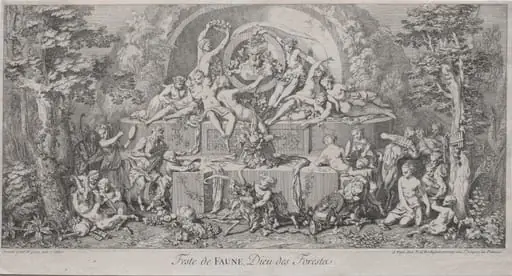
Artist & collection
Artist
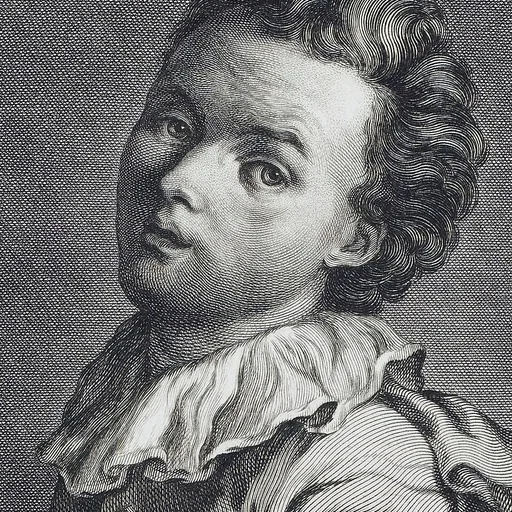
Claude Gillot (April 27, 1673 – May 4, 1722) was a French painter, printmaker, and illustrator, best known as the master of Watteau and Lancret.

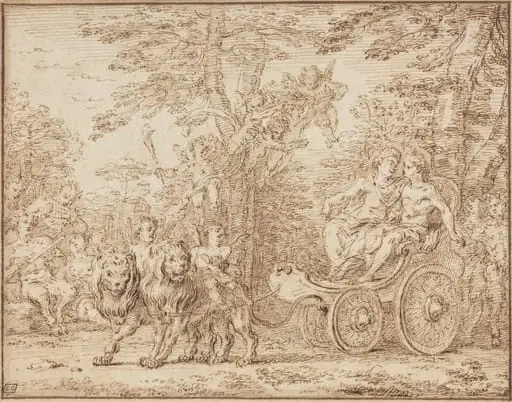 The Triumph of Marriage
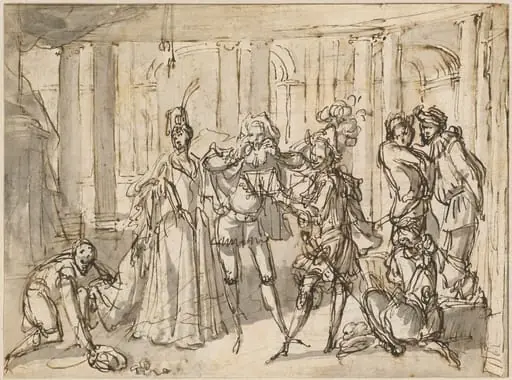 A Performance by the Commedia dell'Arte
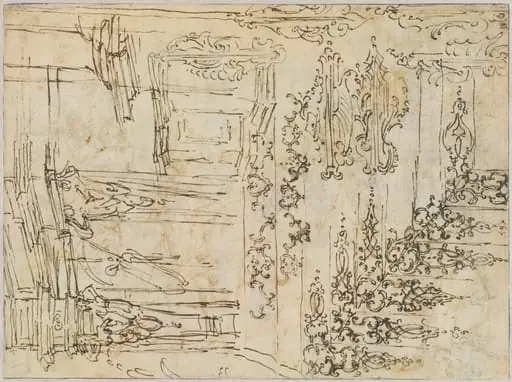 Studies of Ornament and Architecture
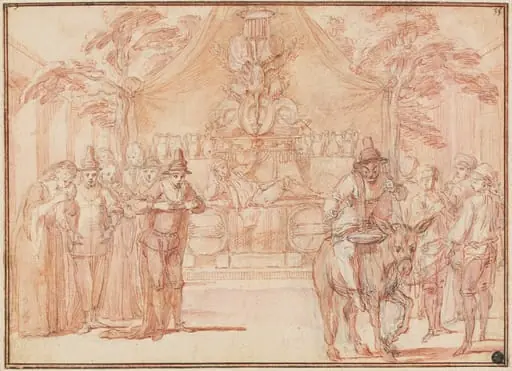 Scene from "The Tomb of Master André"
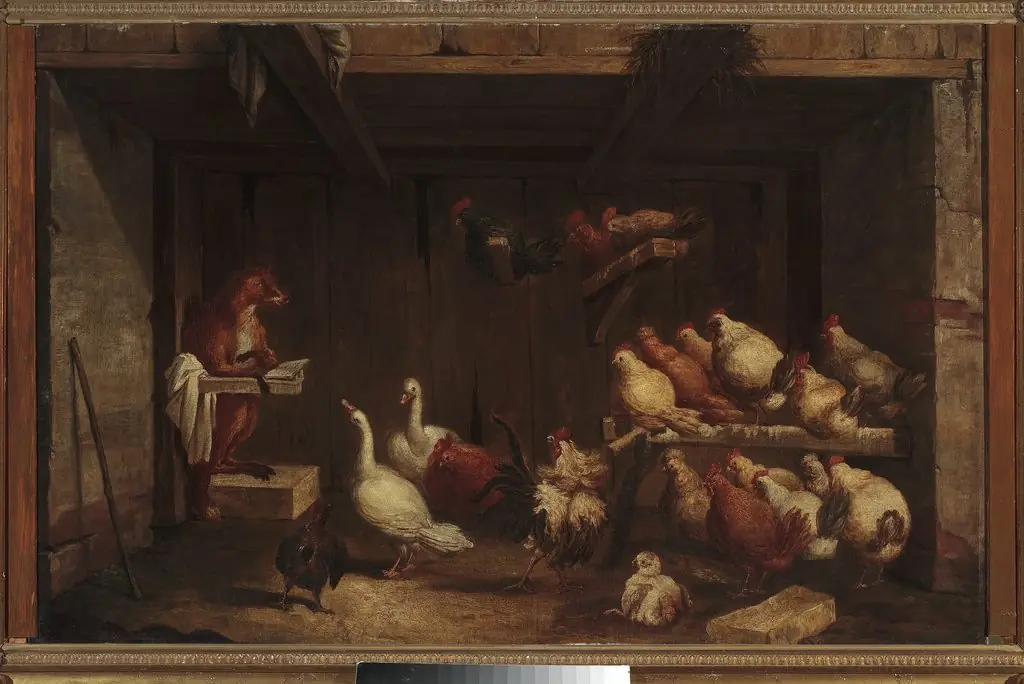 Fox preaching to birds
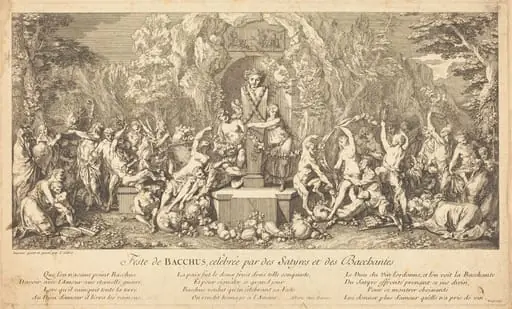 Feste de Bacchus, celebree par des Satyres et des Bacchantes (Feast of Bacchus Celeb rated by Satyrs and Bacchanales)
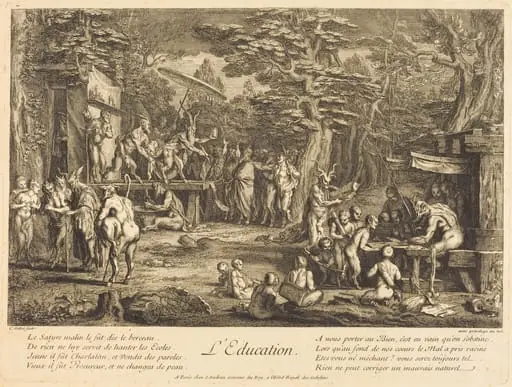 L'Education (Education)
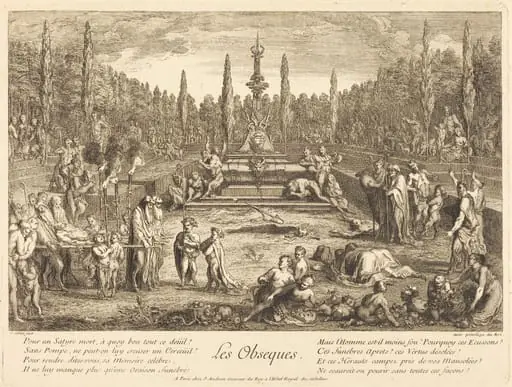 Les Obseques (The Funeral Rites)
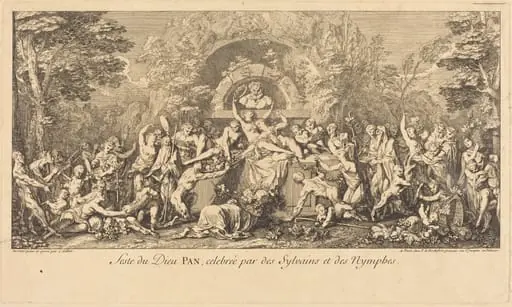 Feste du Dieu Pan, celebree par des Sylvains et des Nymphes (Feast of the God Pan Celebrated by Sylvans and Nymphs)
 The Feast in the House of Simon
 Bacchanalian Dance
 Fete of Pan
 The Four Festivals: Festival of Diana
 The Game of Blind Man's Bluff
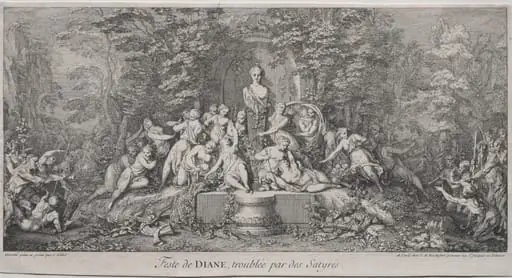
 The Four Festivals
 The Mysteries of the Passion: Christ Crowned with Thorns
 Bacchanal by a Herm