Artist
Subject
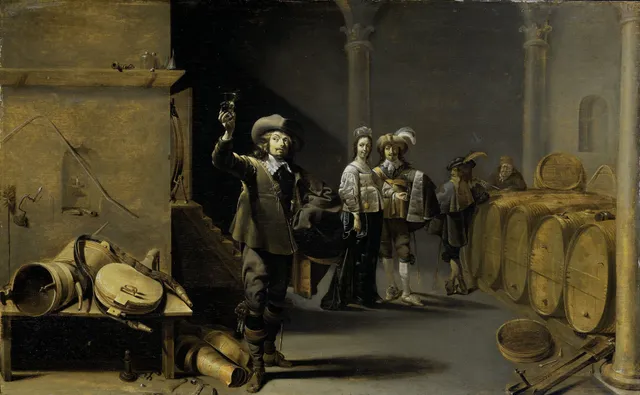
Wine is a subject in art. The gallery holds 51 works in this subject in art, including works by Claude Monet, David Teniers the Younger and Jan Davidsz. de Heem.
Wine is an alcoholic drink made from fermented grape juice. It is produced and consumed in many regions around the world, in a wide variety of styles which are influenced by different varieties of grapes, growing environments, viticulture methods, and production techniques.
Artist
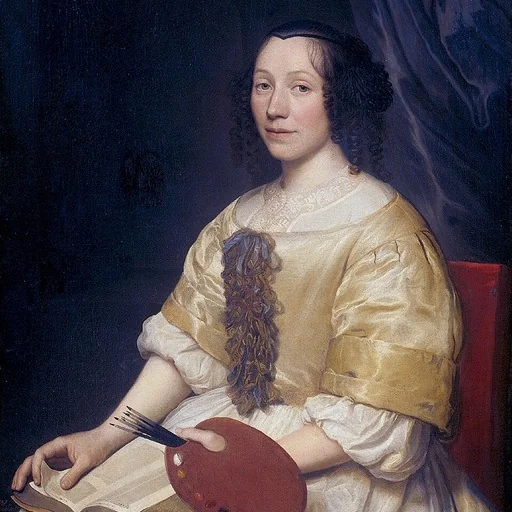
Wine is an alcoholic beverage produced through the fermentation of grape juice, specifically from the Vitis vinifera grape. Its production and consumption span the globe, resulting in a vast array of styles shaped by grape varietals, environmental conditions, viticulture methods, and production techniques. Archaeological evidence traces the origins of winemaking to the South Caucasus region near present-day Georgia as early as 6000 BCE, with the earliest known winery dating to around 4100 BCE in Armenia. From these ancient origins, wine culture spread across the Mediterranean and eventually throughout the world, carried by Phoenician and Greek traders, Roman conquests, and later New World colonists. Beyond its role as a beverage, wine has functioned as a critical agricultural, economic, and ritual product for millennia, deeply embedding itself into human culture and visual representation.
In visual culture, wine carries profound symbolic weight, frequently representing ecstasy, divine communion, and the transmutation of the natural world. In ancient mythologies, the beverage was tied to specific deities who embodied its dual capacities for joy and intoxication: Osiris in Egypt, Dionysus in Greece, Bacchus in Rome, and Gilgamesh in Babylon. The Greeks considered wine the blood of Dionysus, and its consumption functioned as a sacrament enabling closeness to the divine. It also served as a substitute for actual blood in sacrificial rites, and European agricultural traditions included sprinkling fields with wine prior to sowing or after harvest. With the rise of Christianity, wine absorbed a new theological meaning as the surrogate for the blood of Jesus Christ, central to the Eucharist. This religious function ensured the motif's persistence in art, shifting from classical scenes of pagan ecstasy to solemn Christian liturgical contexts.
The artistic treatment of wine reflects its shifting cultural roles from antiquity through the modern era. In classical antiquity, wine was depicted as the focal point of religious cults and symposia, central to the mysteries of Dionysus. During the medieval period, as monastic orders cultivated vineyards to produce Eucharistic wine, the visual emphasis shifted toward Christian liturgical representation. The Renaissance and Baroque periods saw a resurgence of classical themes, reintroducing Bacchic imagery alongside elaborate still lifes that used wine to explore themes of vanitas and sensory pleasure. By the 19th and 20th centuries, the ravages of phylloxera and the subsequent reconstruction of European vineyards on American rootstock shifted wine's cultural image toward a commodity of terroir and appellation laws. In modern and contemporary art, wine often appears in secular, everyday contexts, reflecting the post-war focus on consumer culture, social settings, and the rituals of tasting and assessment.
Canonical depictions of wine frequently draw upon its religious and mythological associations. Classical art extensively portrayed the Dionysian mysteries and Bacchic processions, embedding the drink in narratives of divine ecstasy. Christian iconography prominently features wine in representations of the Last Supper and the miracle at Cana, establishing its theological centrality. Within the collection, notable narrative depictions include Jupiter and Mercury at Philemon and Baucis, illustrating the classical myth of divine hospitality where the gods are rewarded with wine, and Saint Remigius Replenishing the Barrel of Wine, which visualizes a Christian miracle involving the supernatural provision of the beverage. In the secular realm, works like The wine connoisseurs capture the early modern and contemporary interest in the sensory evaluation and social consumption of wine.
The cultural afterlife of wine extends far beyond its ancient religious and mythological origins. Following the devastation of European vineyards by phylloxera in the late 19th century, the wine industry restructured around appellation laws and quality marketing, transforming wine into a marker of terroir and status. This evolution fostered a robust consumer culture centered on collection, investment, and education. Wine tourism, specialized publications, and preservation devices have proliferated, while the practice of tasting and assessing wine has developed its own specialized vocabulary. Although its alcohol content poses health risks, wine retains its historical identity as a facilitator of social connection and a symbol of cultivated taste, ensuring its continued presence in both daily life and artistic representation as a motif of conviviality, heritage, and sensory refinement.
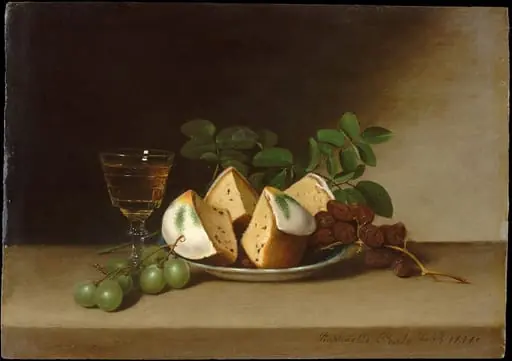 Still Life with Cake
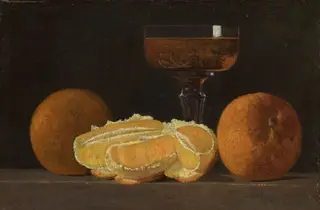 Still Life with Oranges and Goblet of Wine
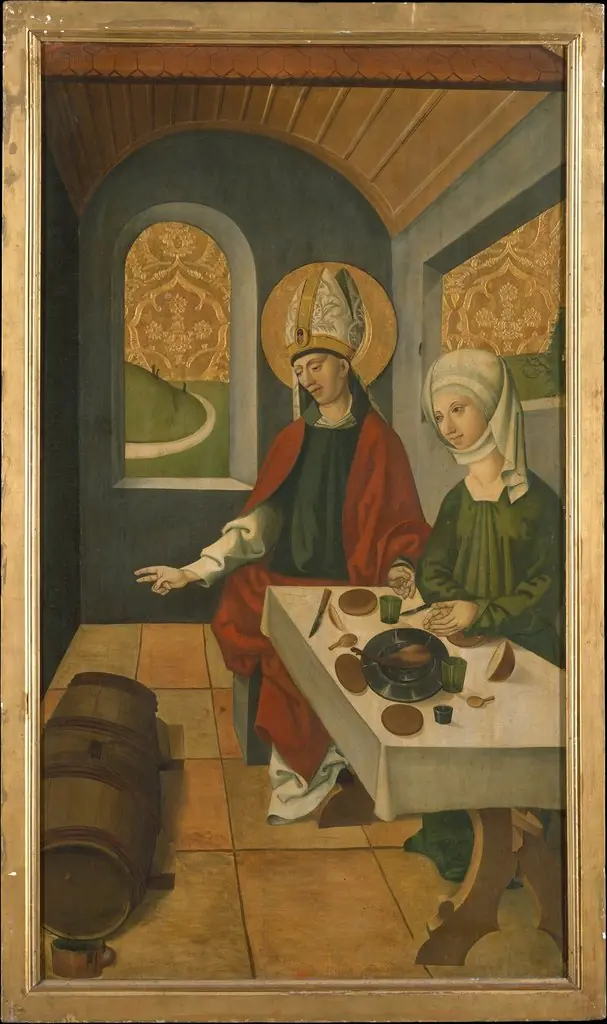 Saint Remigius Replenishing the Barrel of Wine; (interior) Saint Remigius and the Burning Wheat
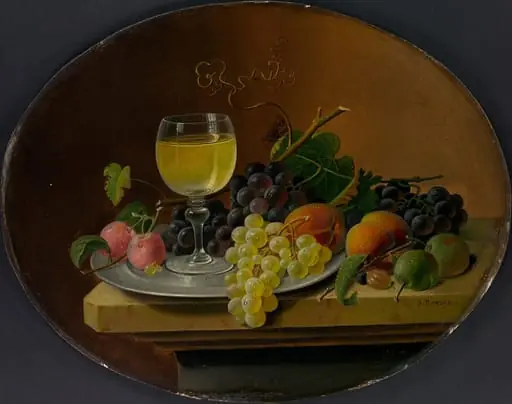 Still Life Fruit and Wine Glass
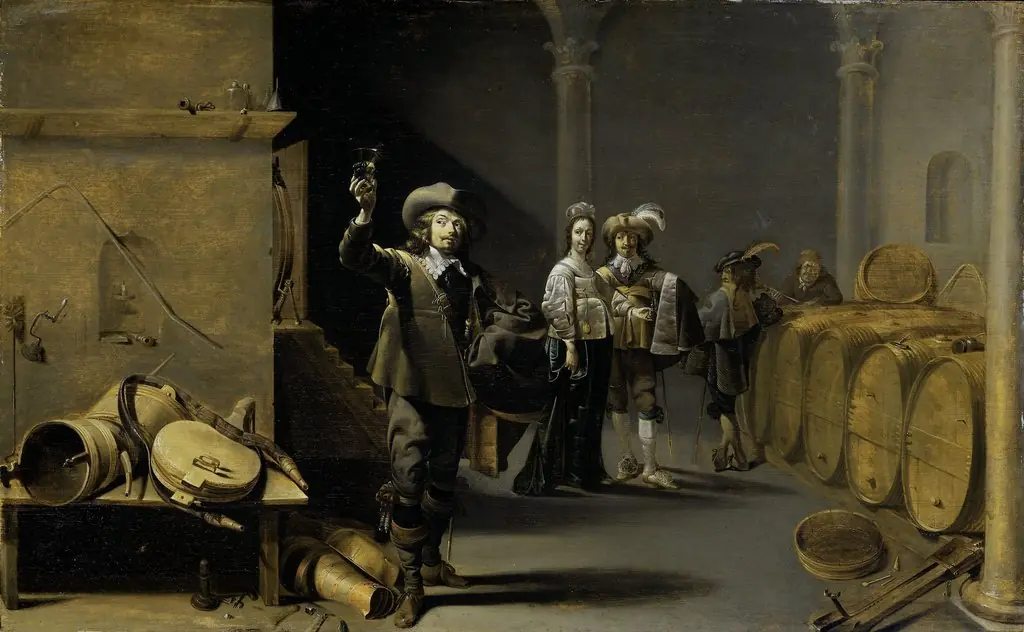 The wine connoisseurs
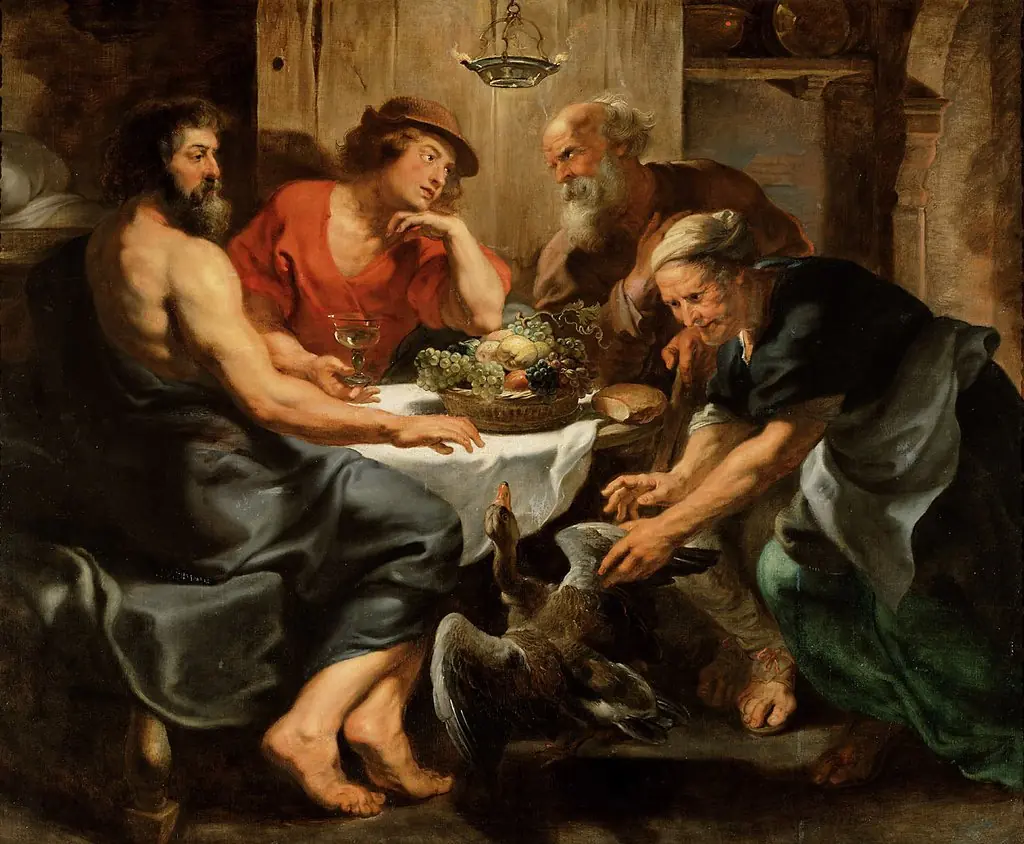 Jupiter and Mercury at Philemon and Baucis
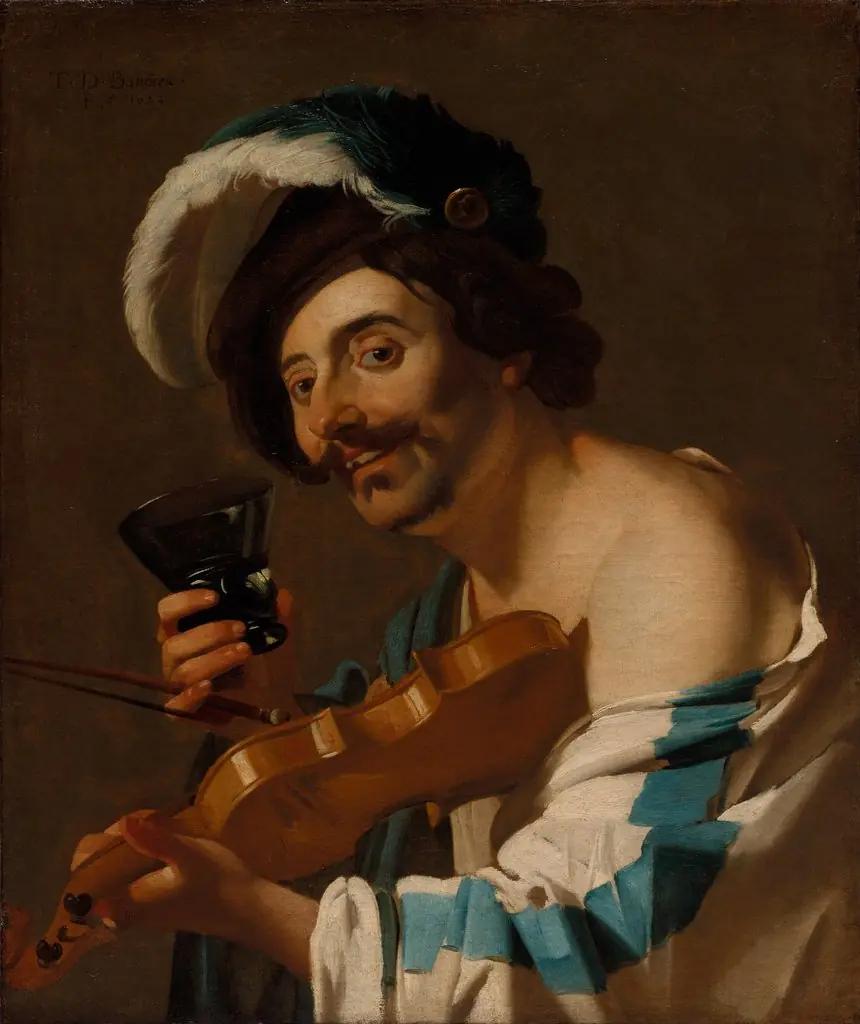 Violin Player with a Wine Glass
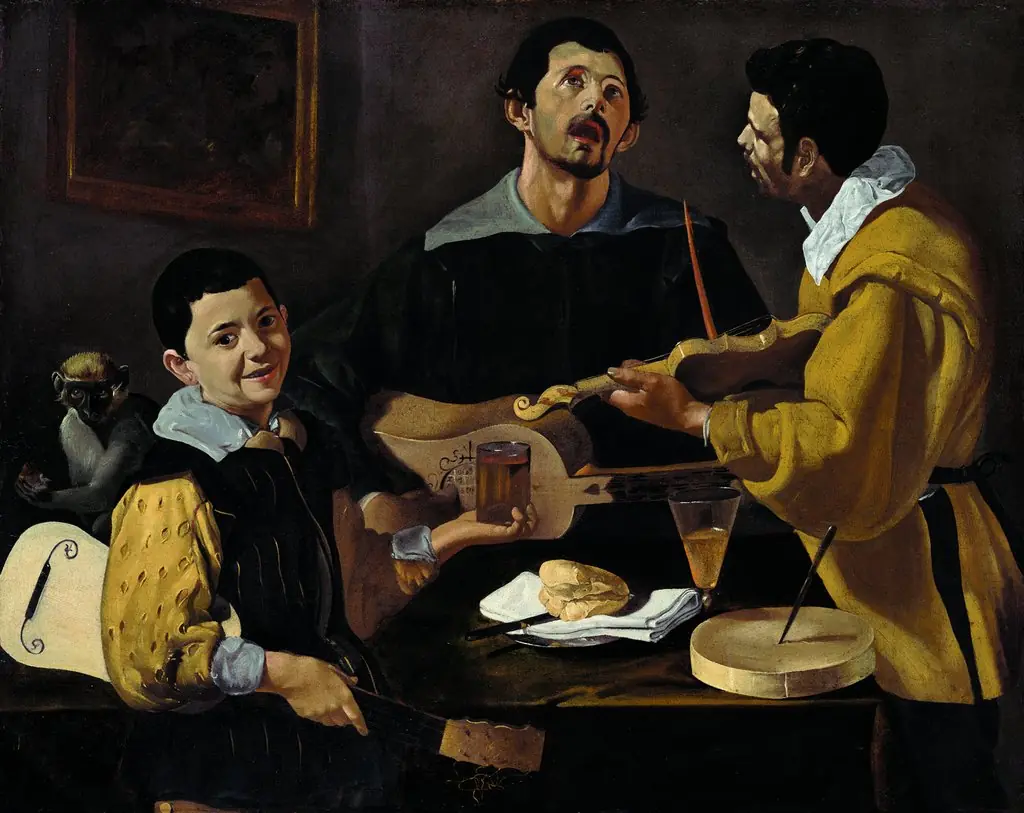 Three Musicians
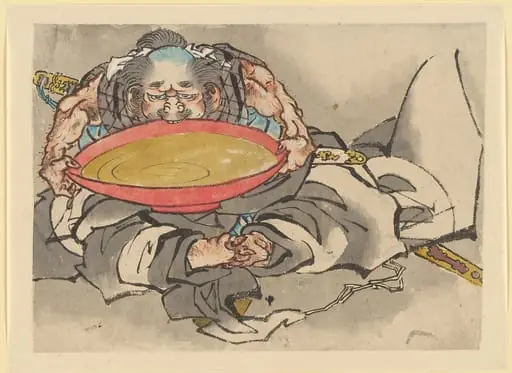 Untitled
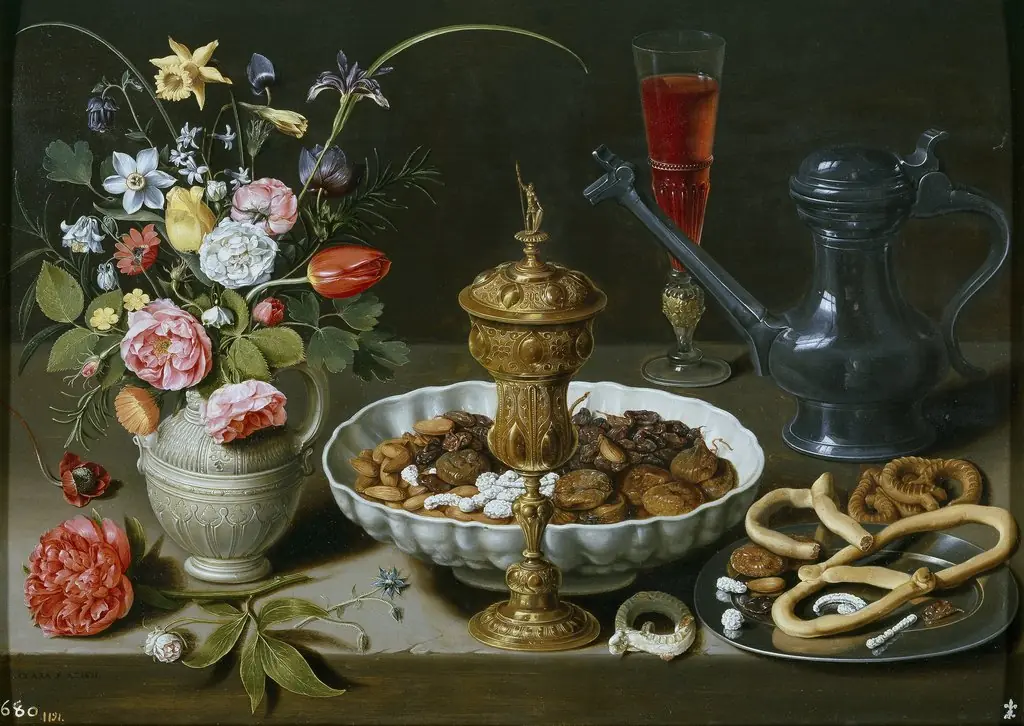 Still life with flowers, goblet and dainties
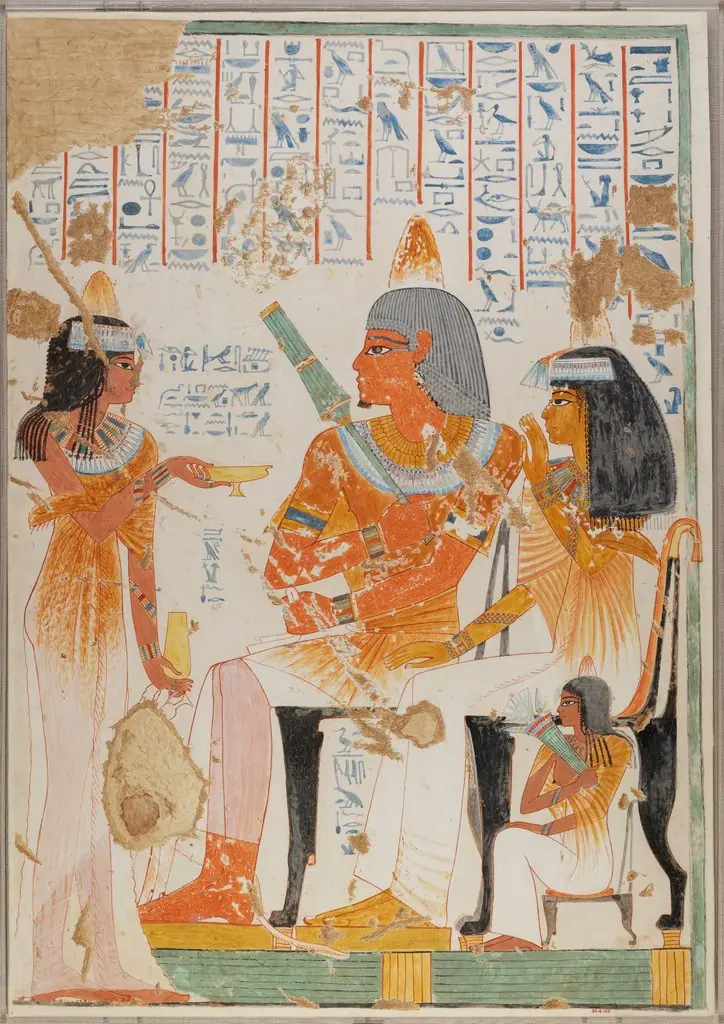 Nebamun Receiving Wine
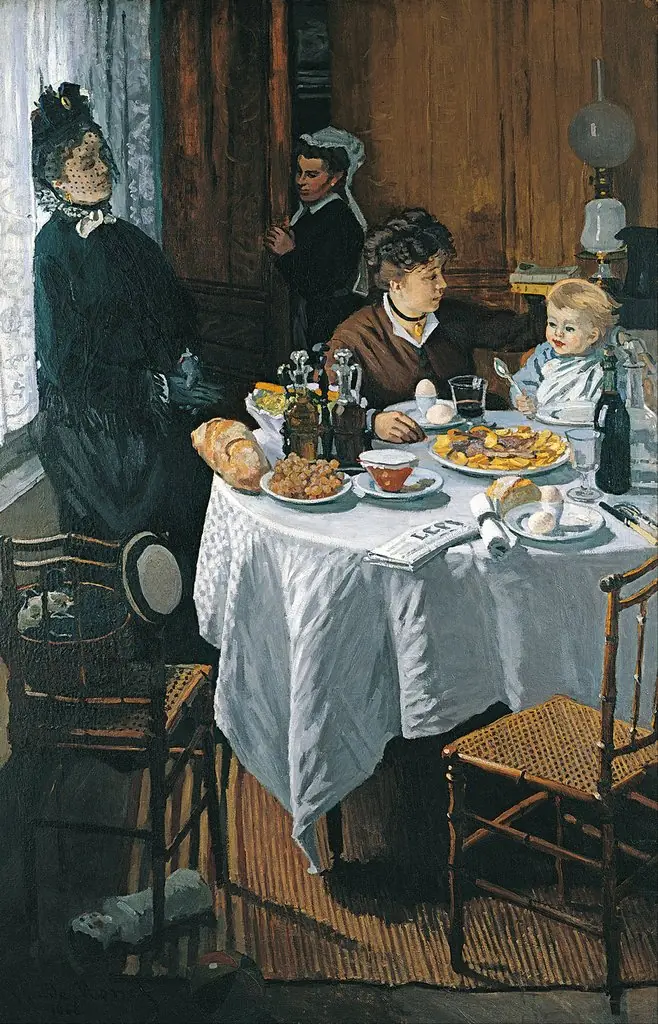 The Luncheon
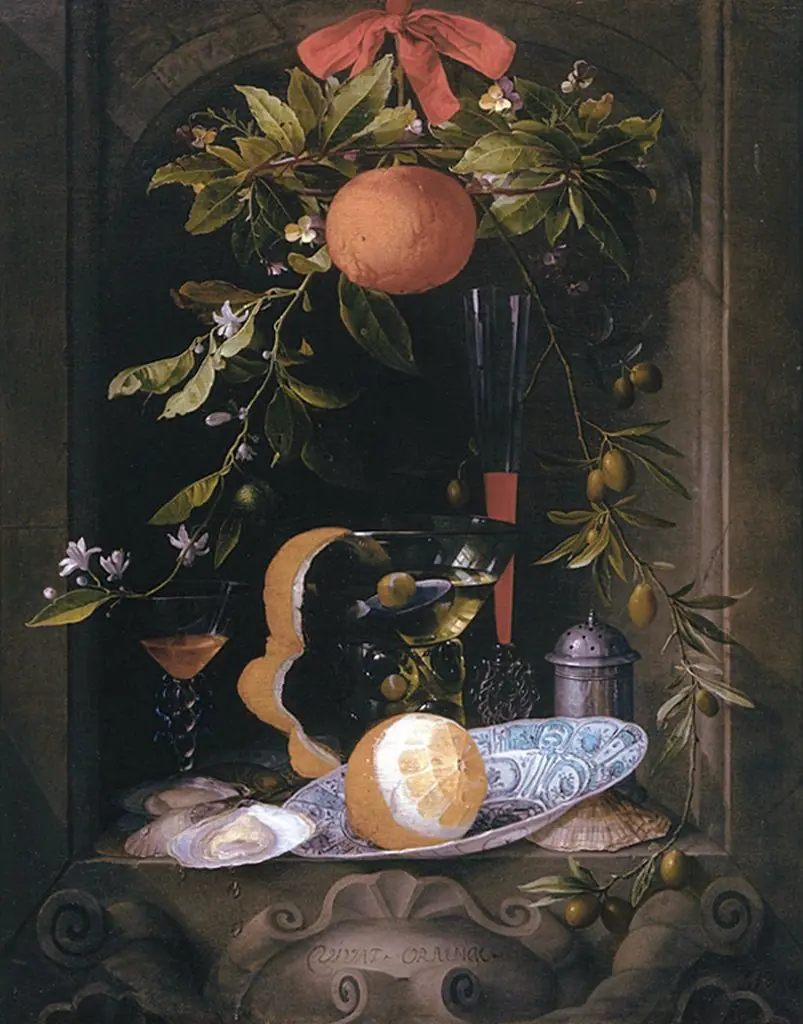 Vivat Oraenge
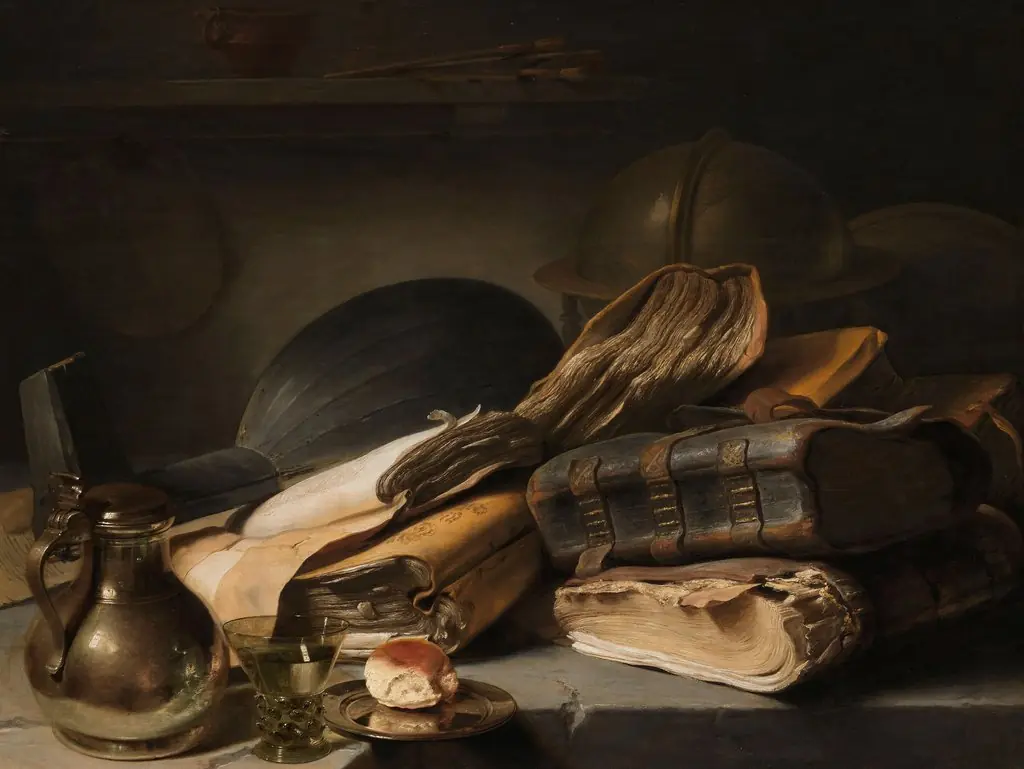 Still Life with Books
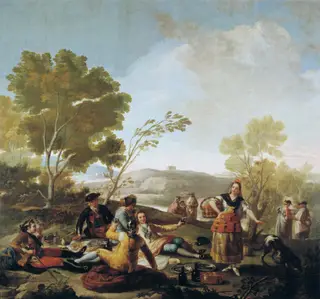 Picnic on the banks of the Manzanares
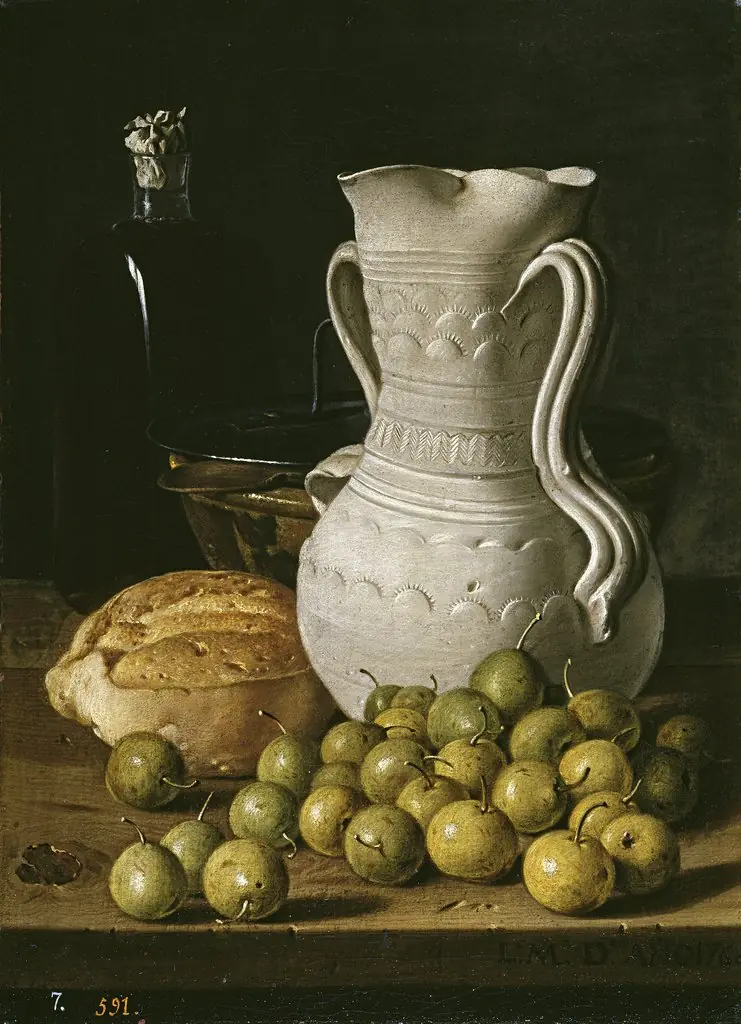 Still Life with Small Pears Bread Flask Bowl and Dry Leaves
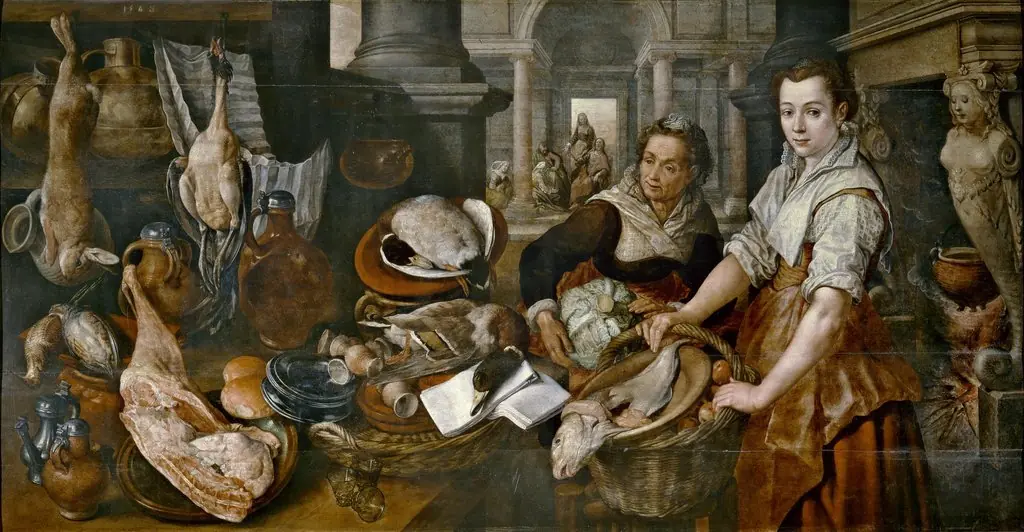 Christ at home with Martha and Mary
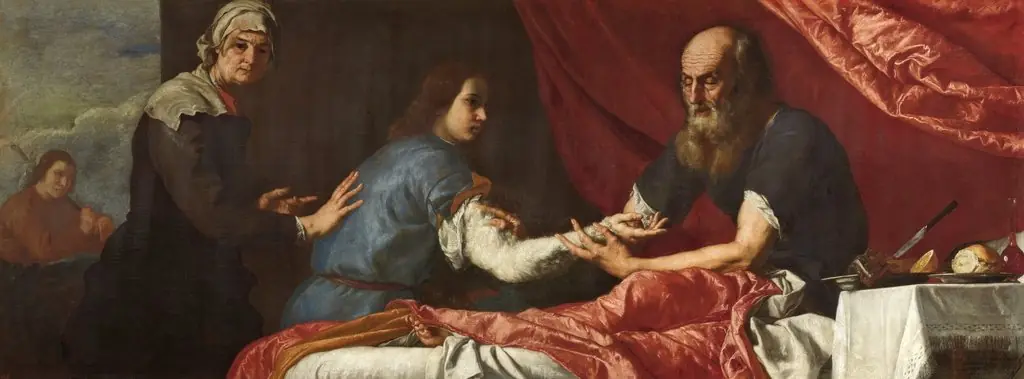 Isaac and Jacob
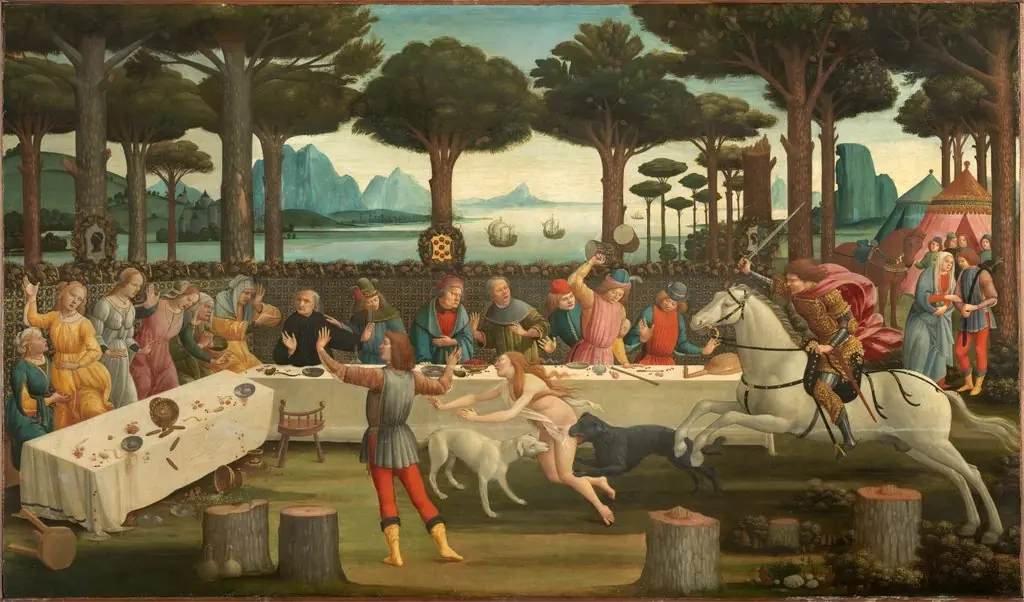 The Story of Nastagio Degli Onesti, part three
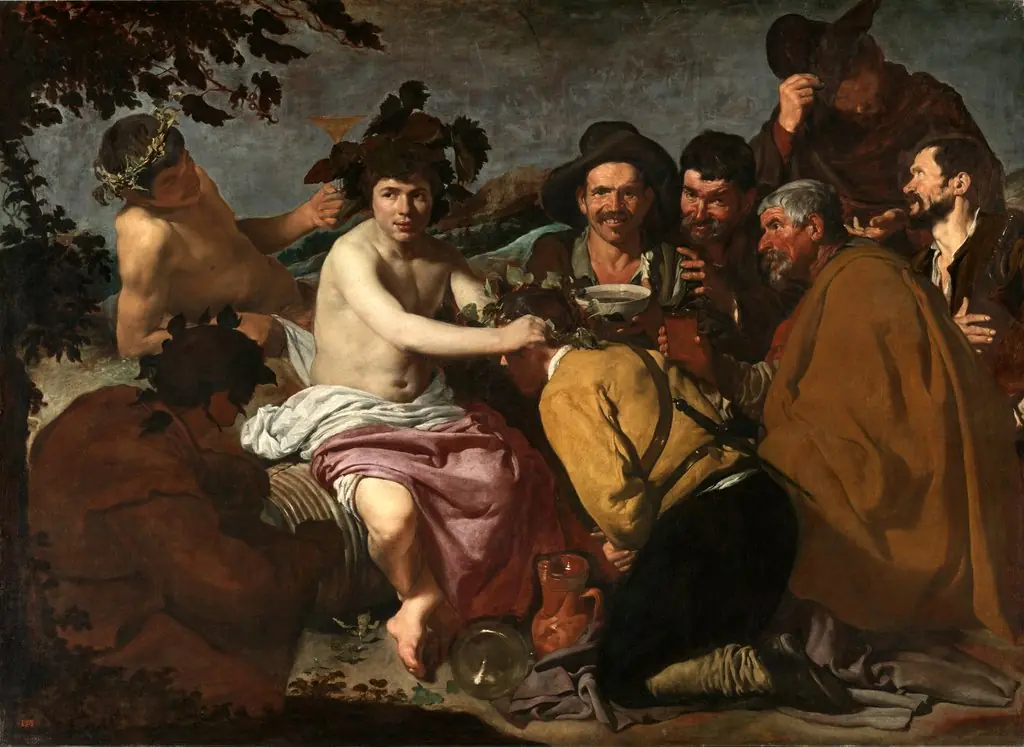 The Triumph of Bacchus
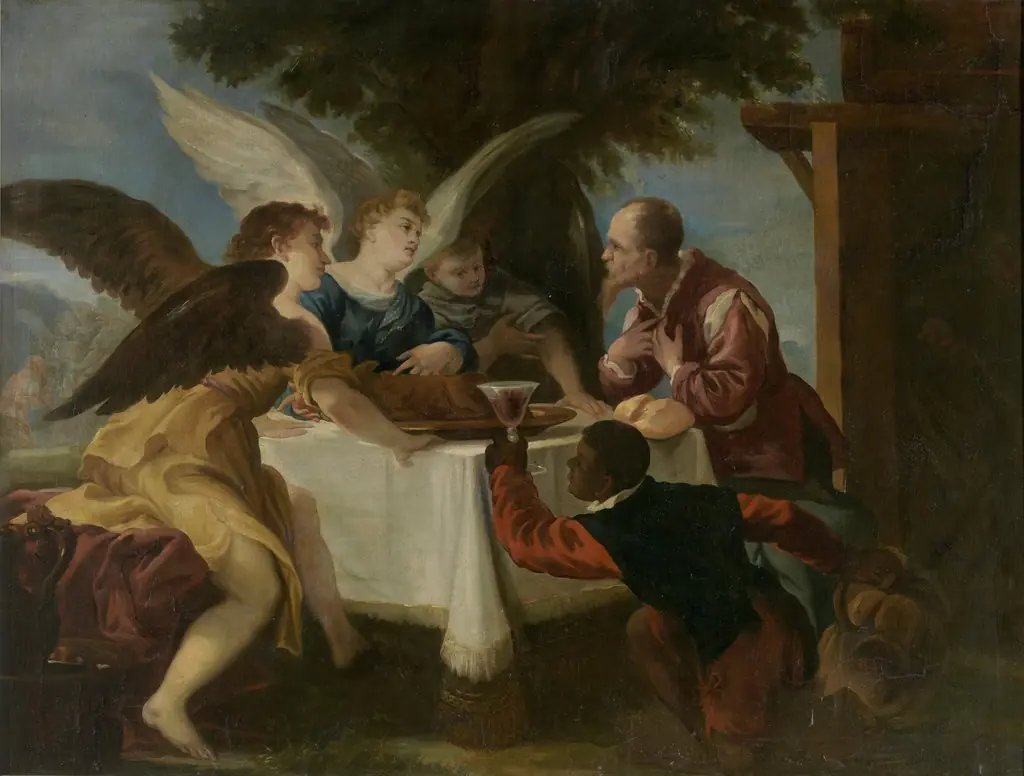 Abraham y los tres ángeles
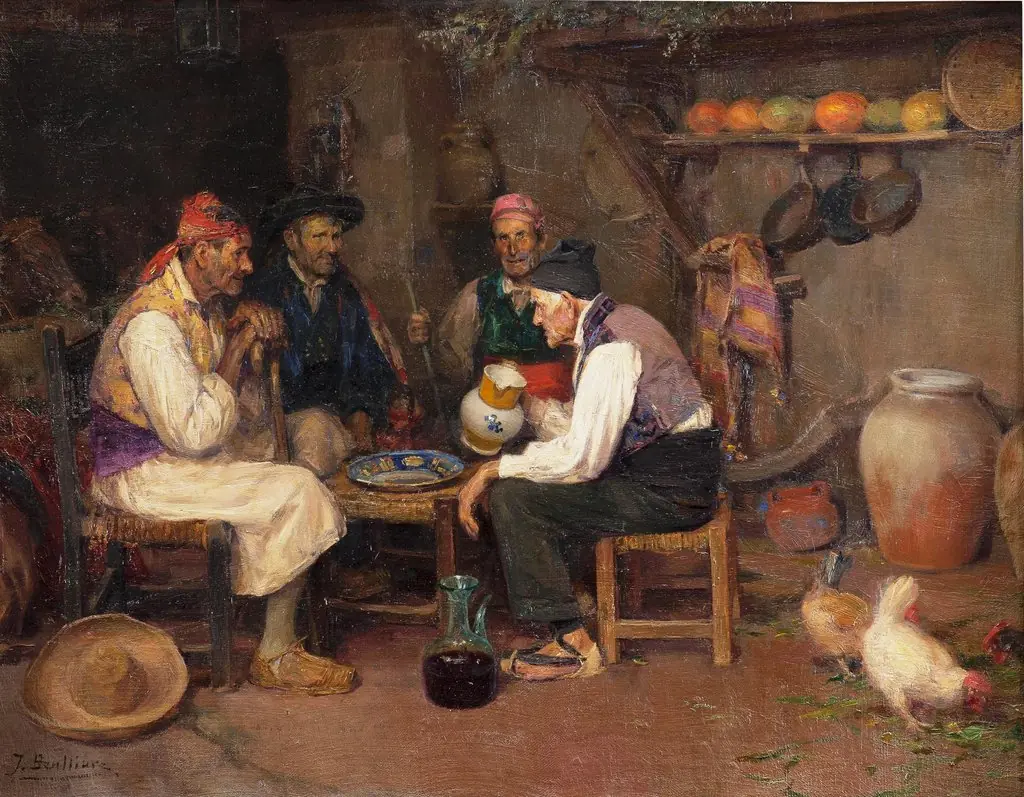 Palique y trago
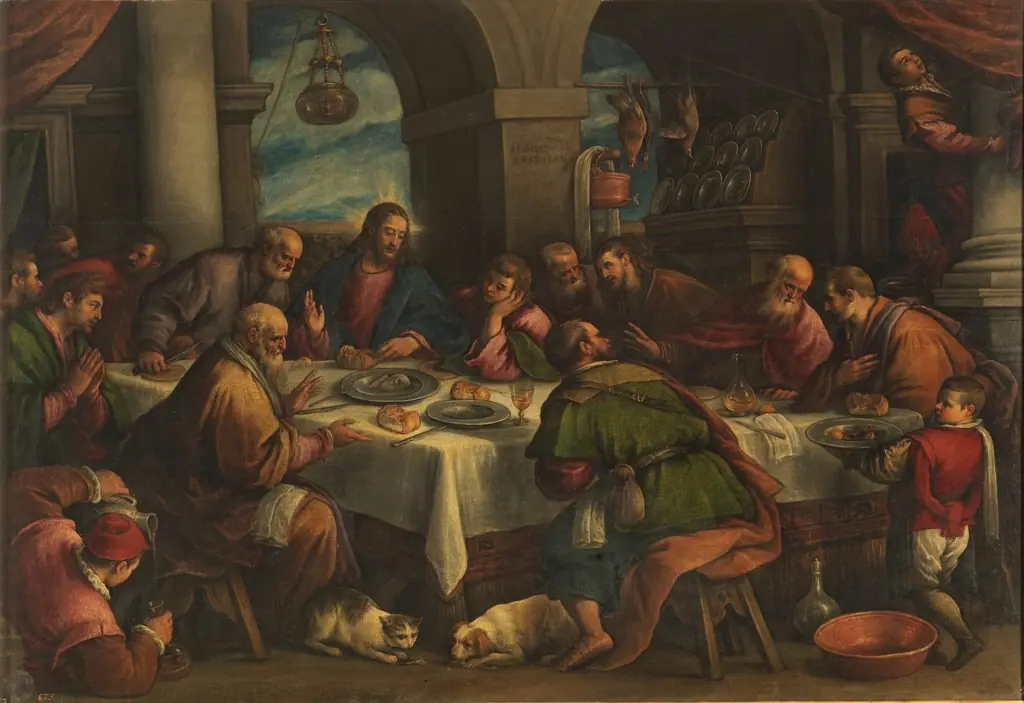 Last Supper
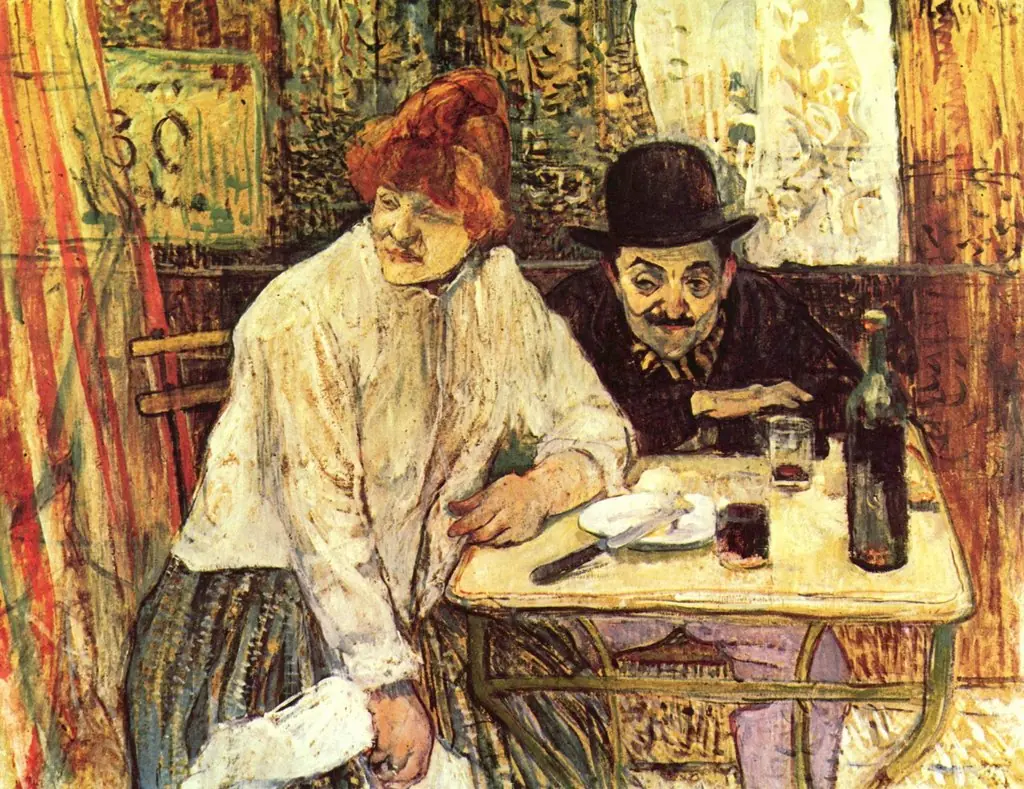 At the Café La Mie
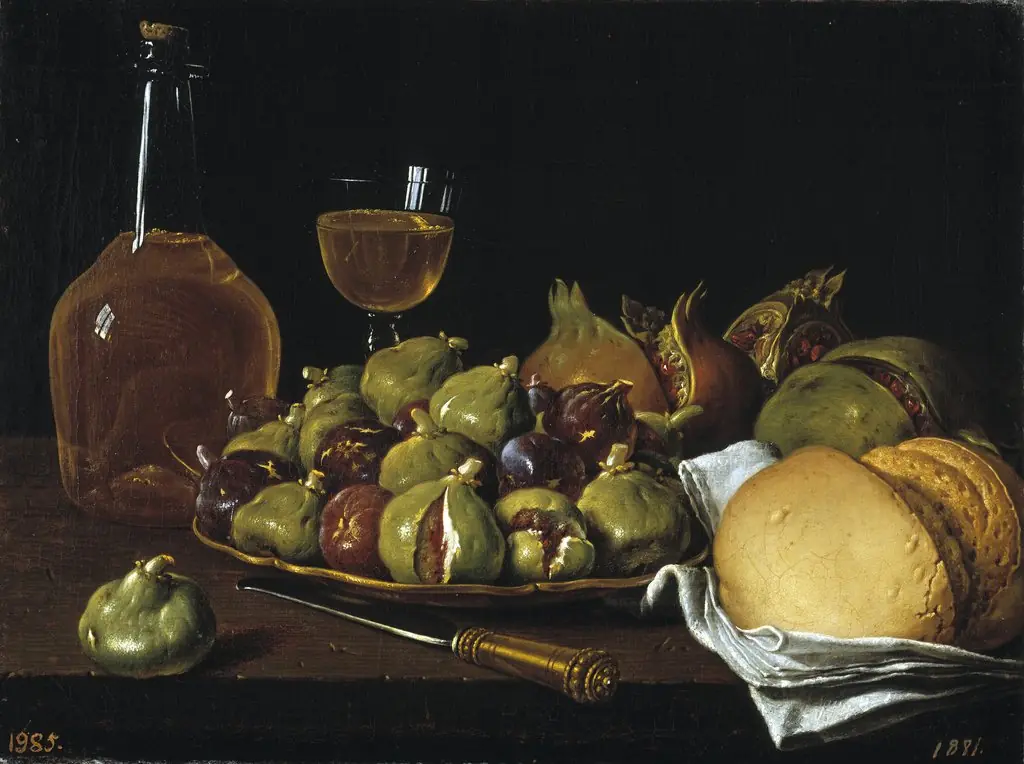 Still Life with Bread Pomegranates Figs and Tableware
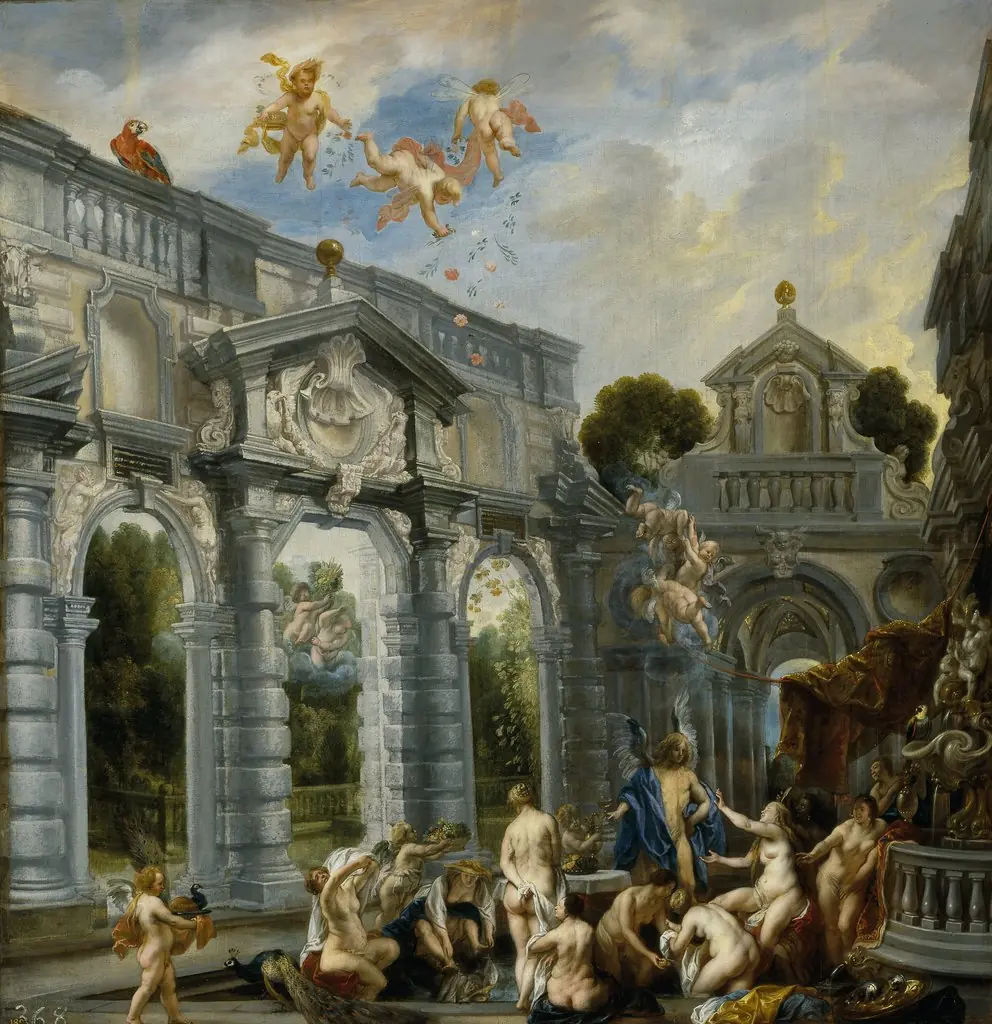 Nymphs at the Fountain of Love
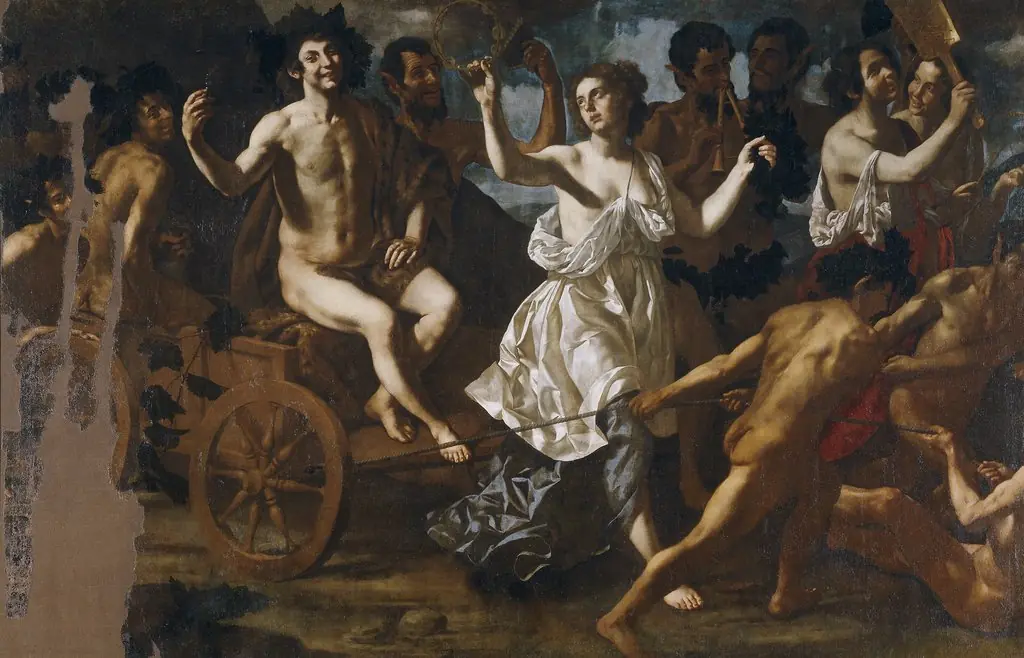 The Triumph of Bacchus
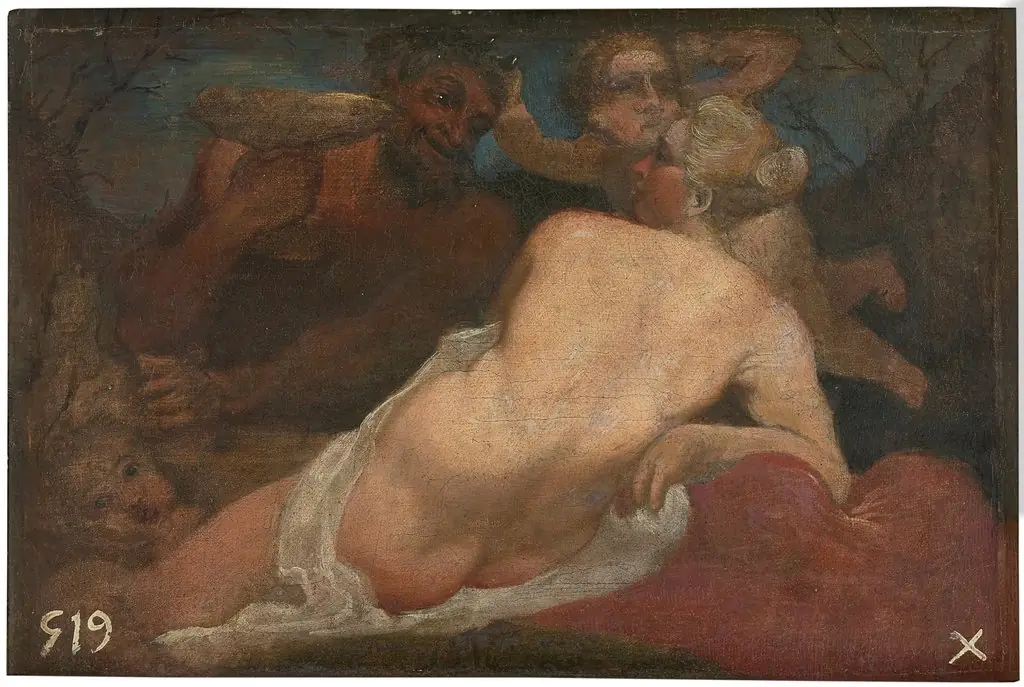 Venus and a Satyr
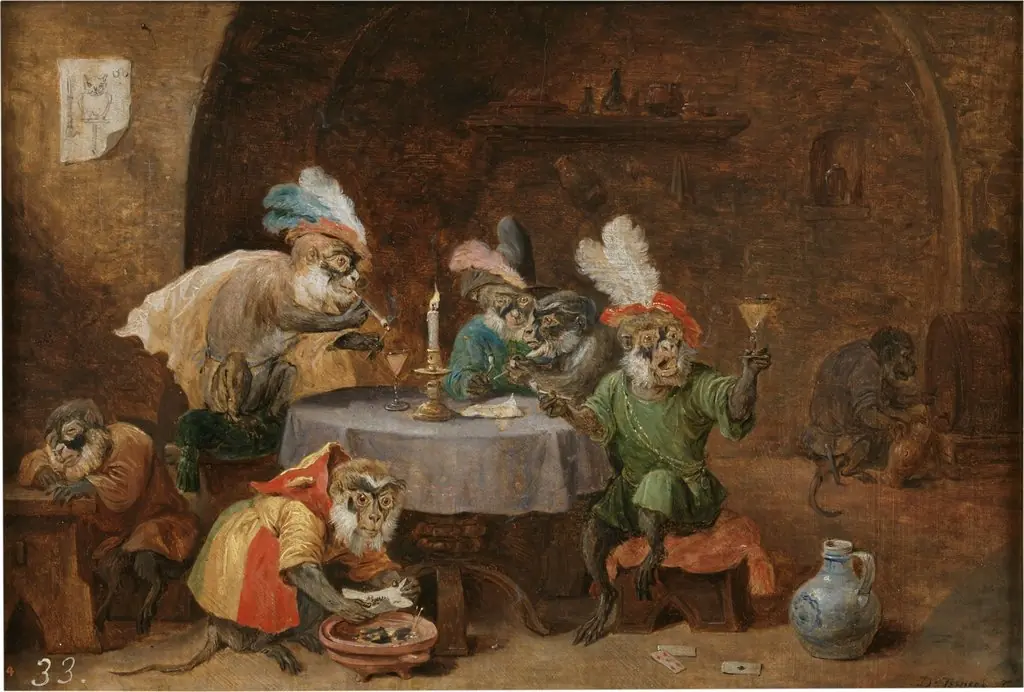 Monkeys smoking and drinking
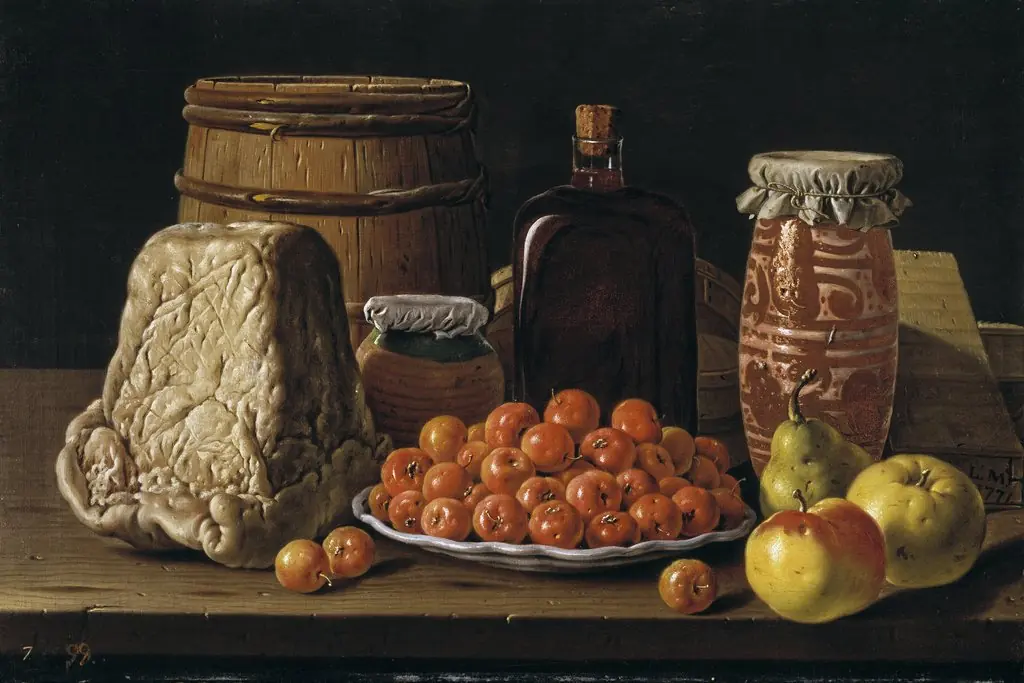 Still Life with Fruit and Cheese
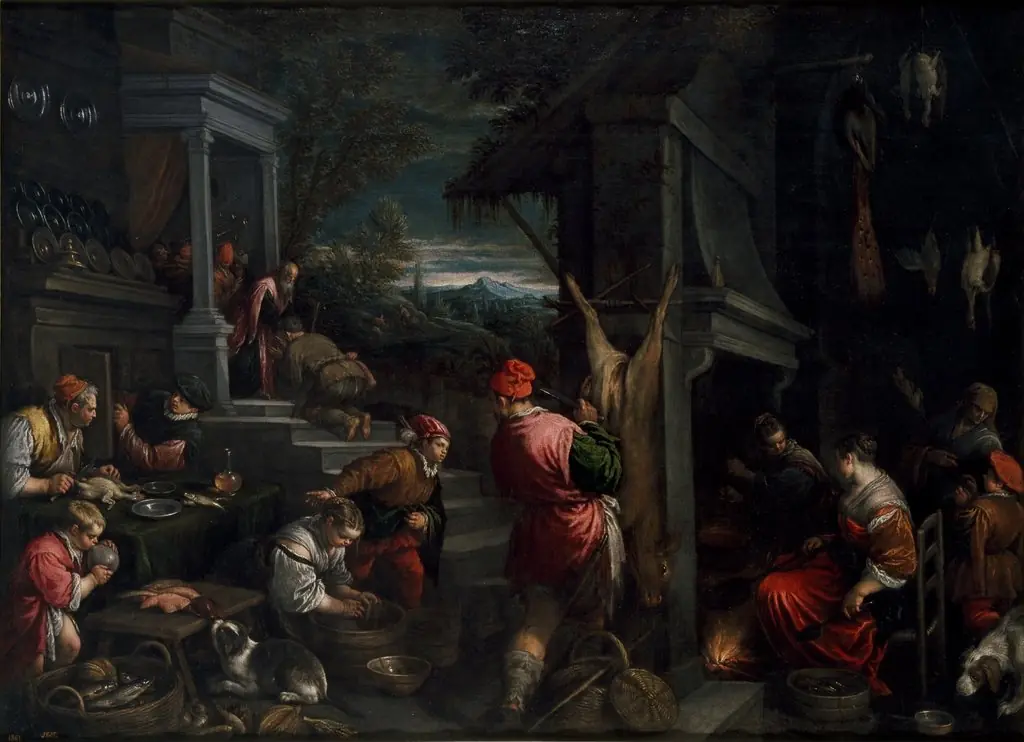 The Return of the Prodigal Son
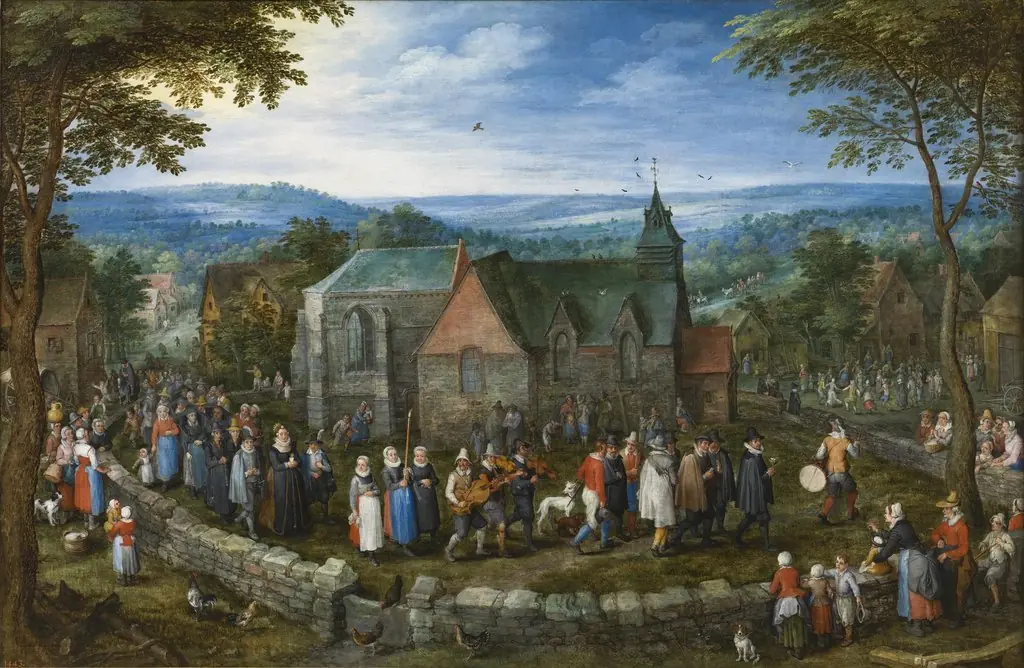 Country Wedding
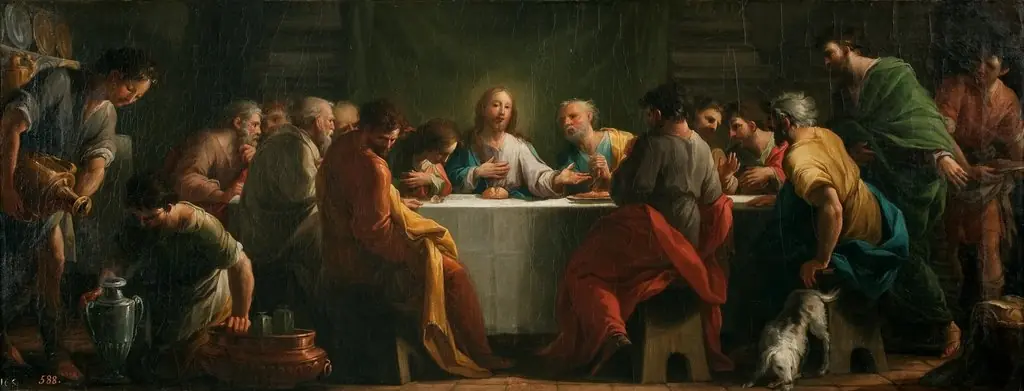 The Last Supper
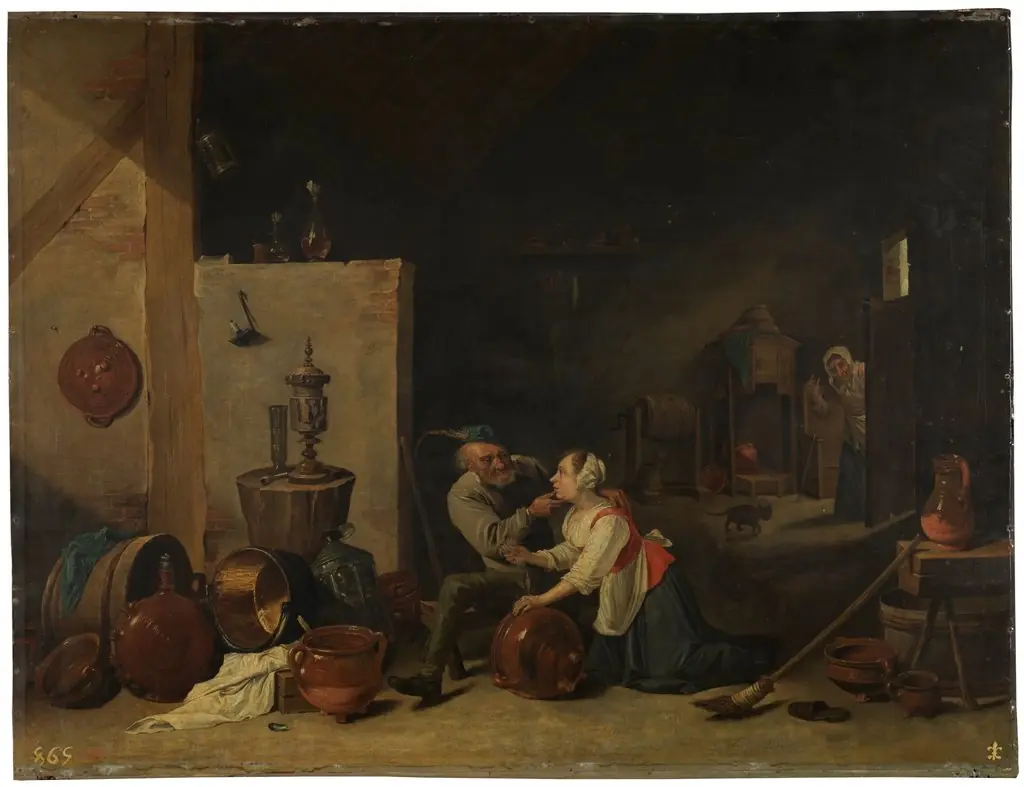 The Old Man and the Maid
 The Wine of Saint Martin's Day
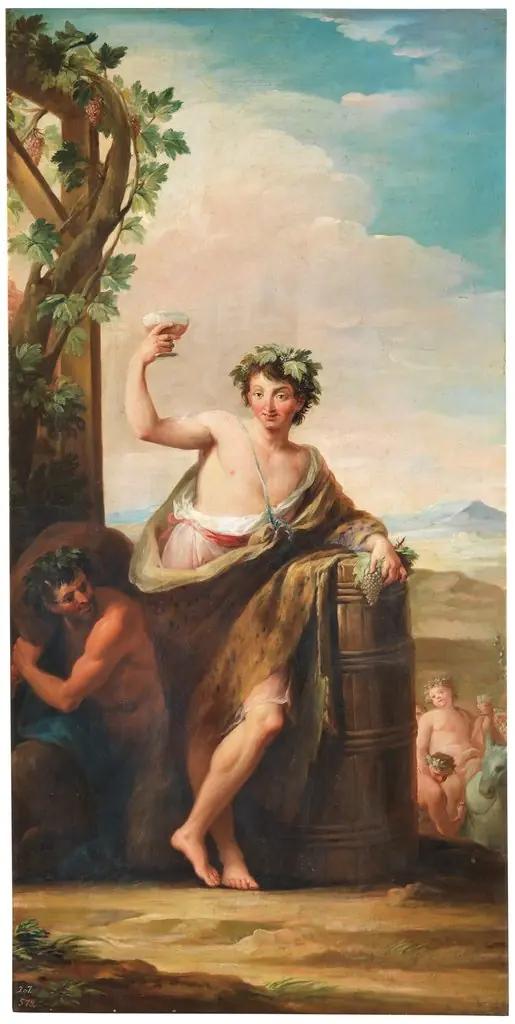 Autumn
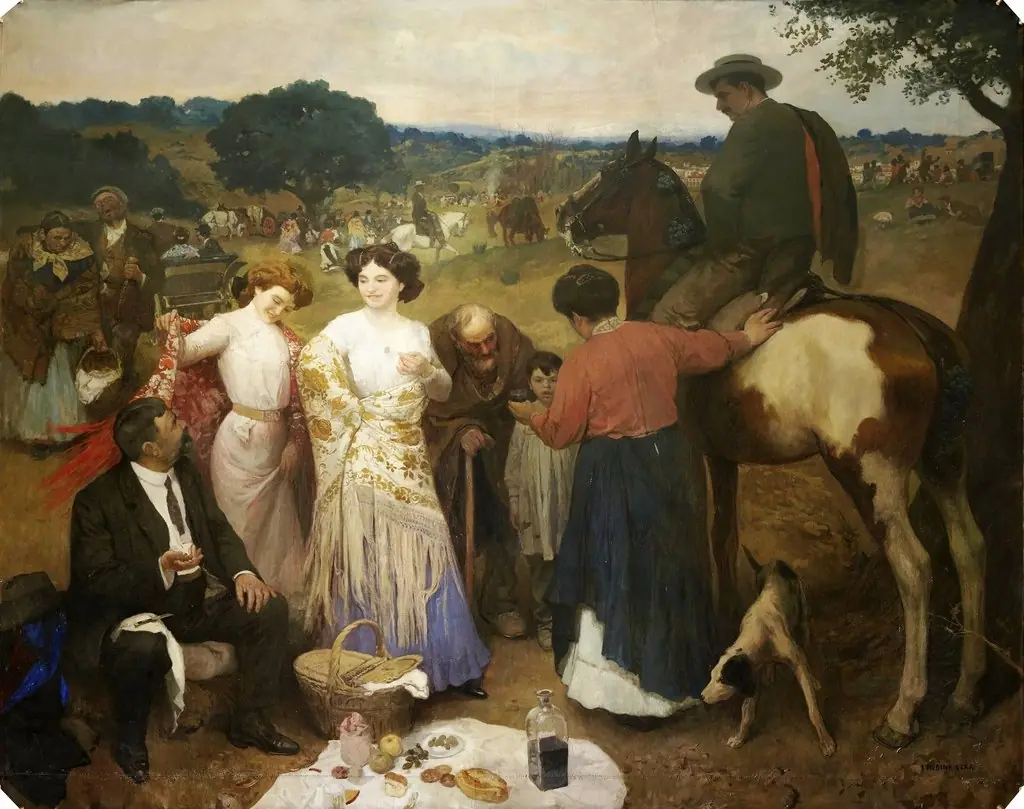 La Romería de San Eugenio
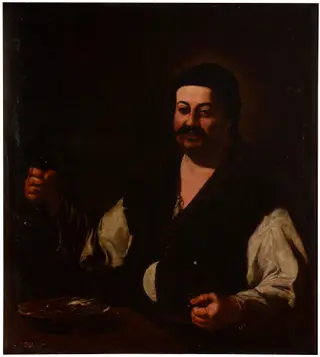 Allegory of Taste
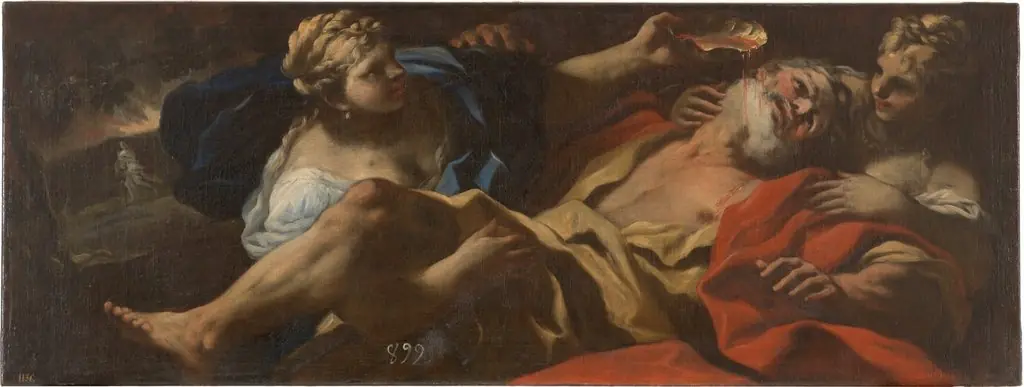 Lot embriagado por sus hijas
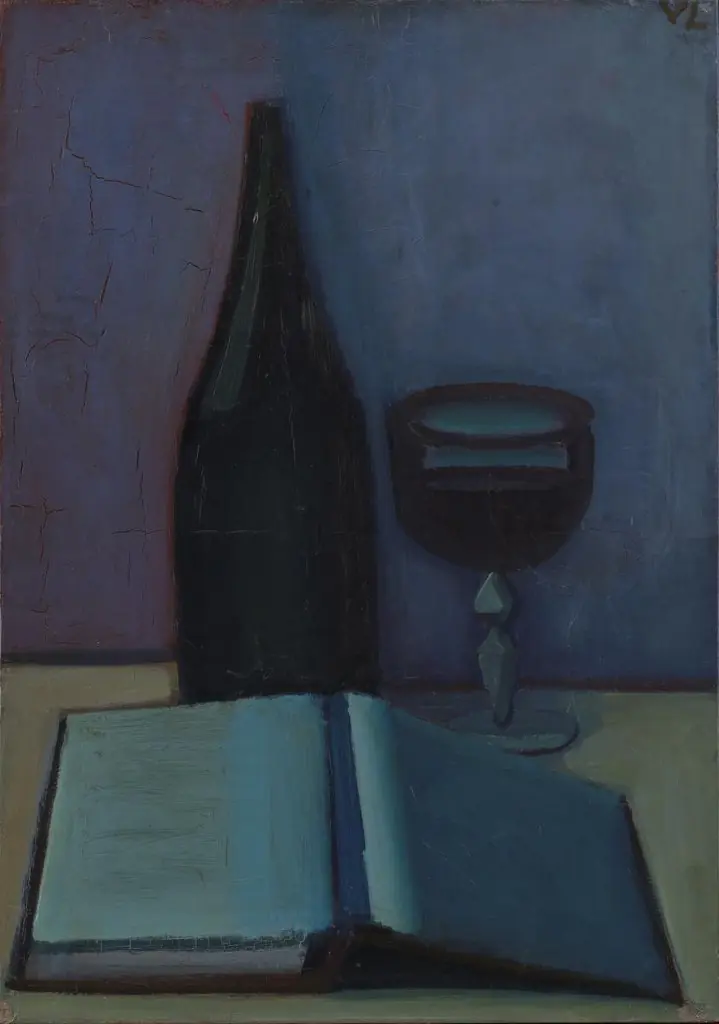 Still Life with a Book, a Glass and a Bottle
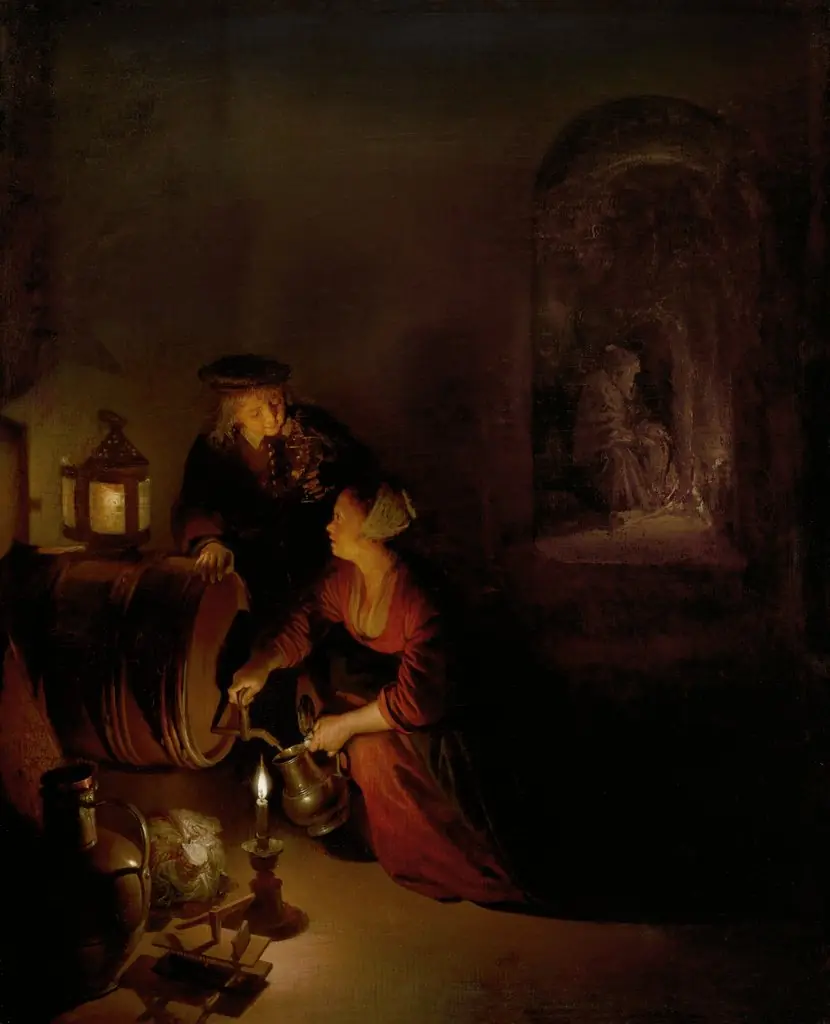 The Wine Cellar (An Allegory of Winter}
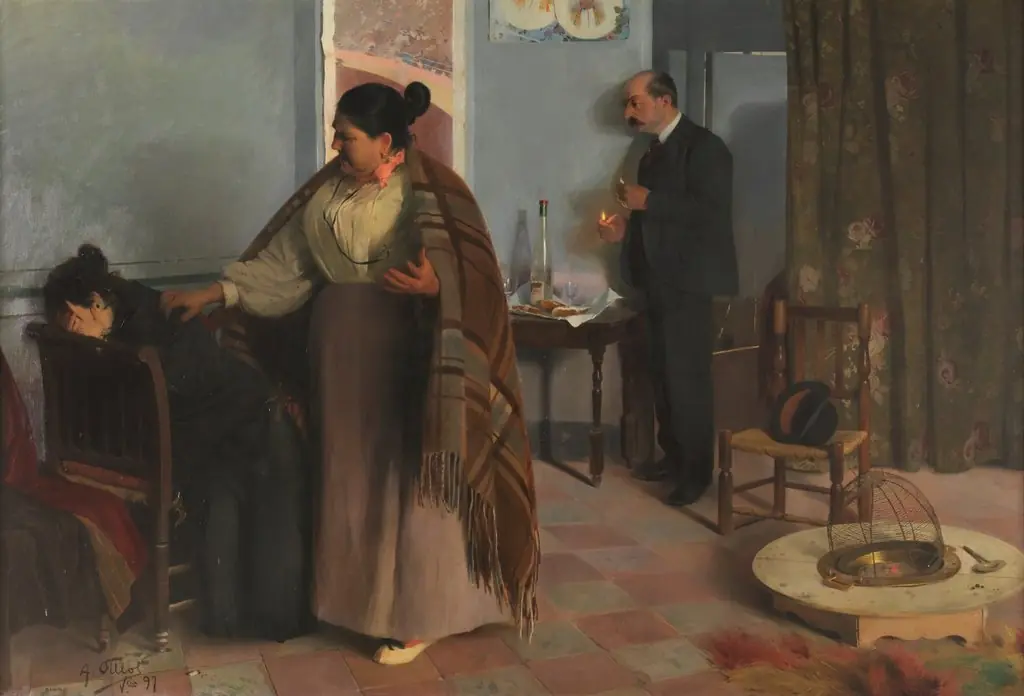 The Human Beast
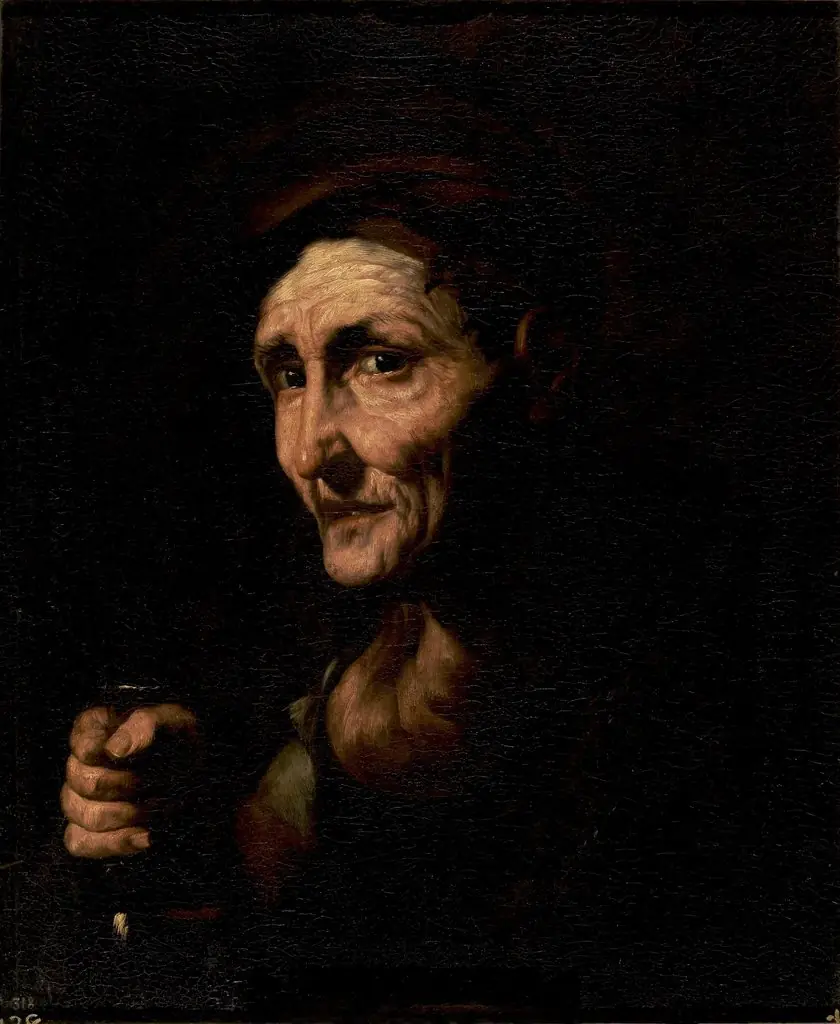 Vieja bebedora
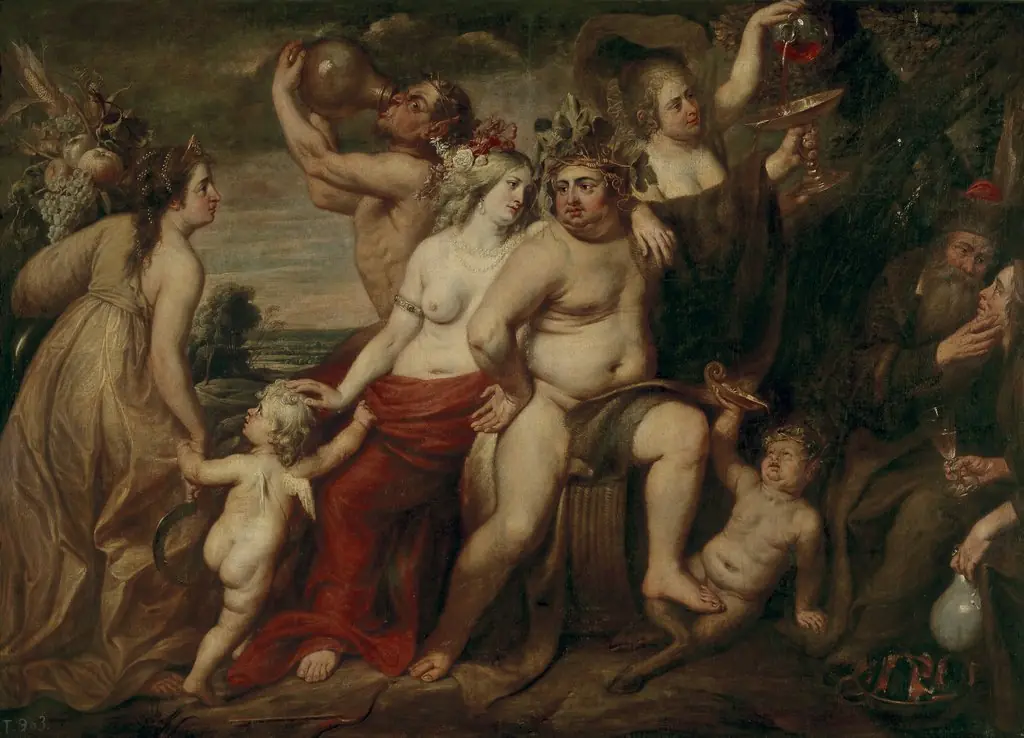 The four Seasons
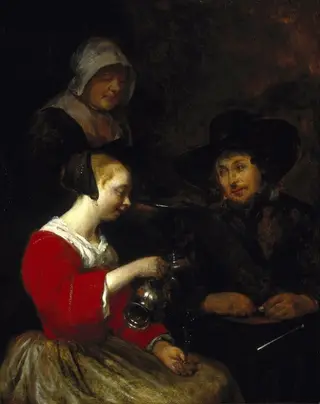 Woman Pouring Wine
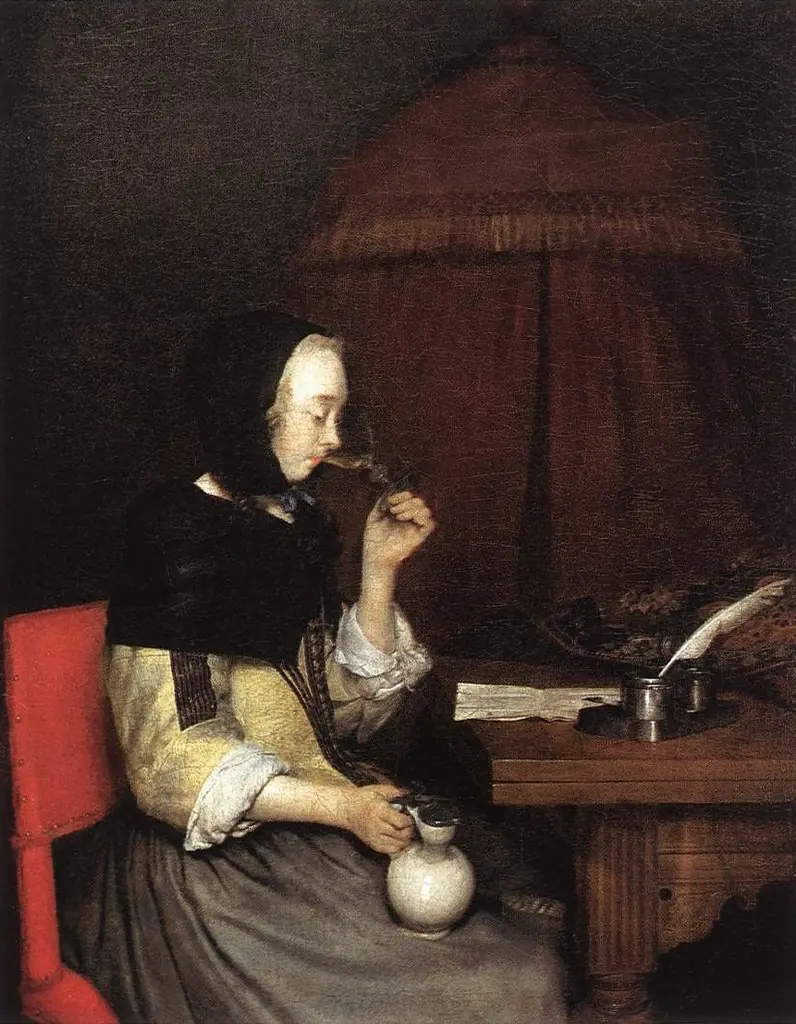 Woman Drinking Wine
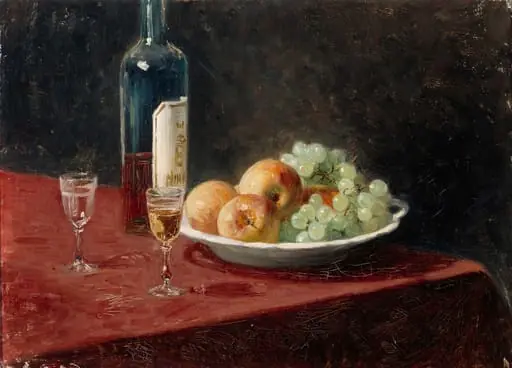 Asetelma
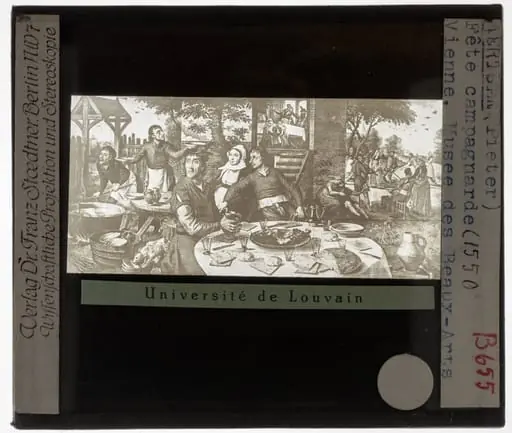 Pieter Aertsen. Boerenfeest
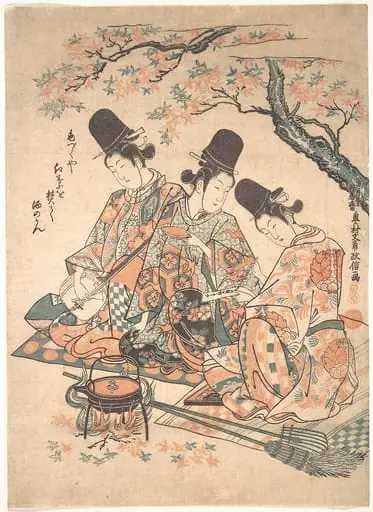 見立『平家物語』 紅葉焚図|Parody of Palace Servants Heating Sake over a Fire of Maple Leaves
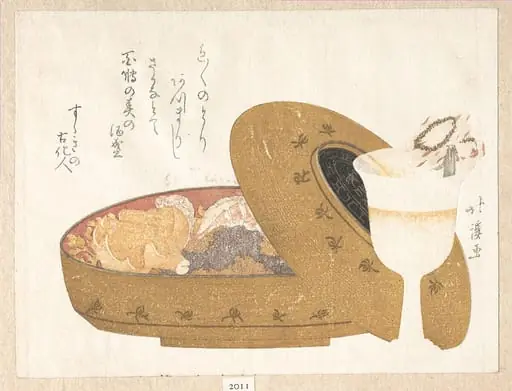 Untitled
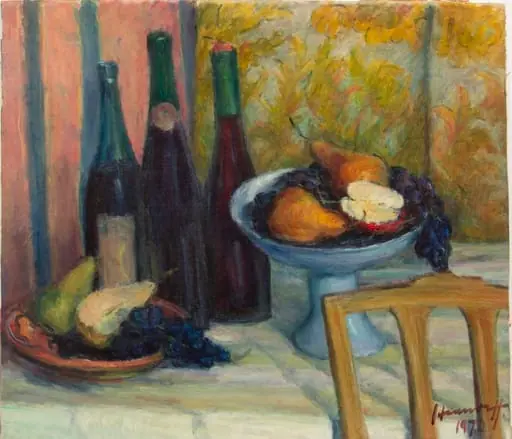 Natură statică
Wine is an alcoholic drink made from fermented grape juice.
Artifact World Gallery holds 51 public-domain Wine works, all free to view and download.
Key Wine artists in the collection include Claude Monet, David Teniers the Younger and Jan Davidsz. de Heem.
Wine works in the collection are held by Museo del Prado, Metropolitan Museum of Art and Rijksmuseum.
Your cart is empty
Browse artworks →