Artwork
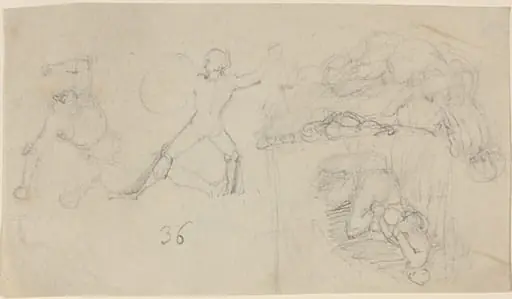
David and Goliath (verso)
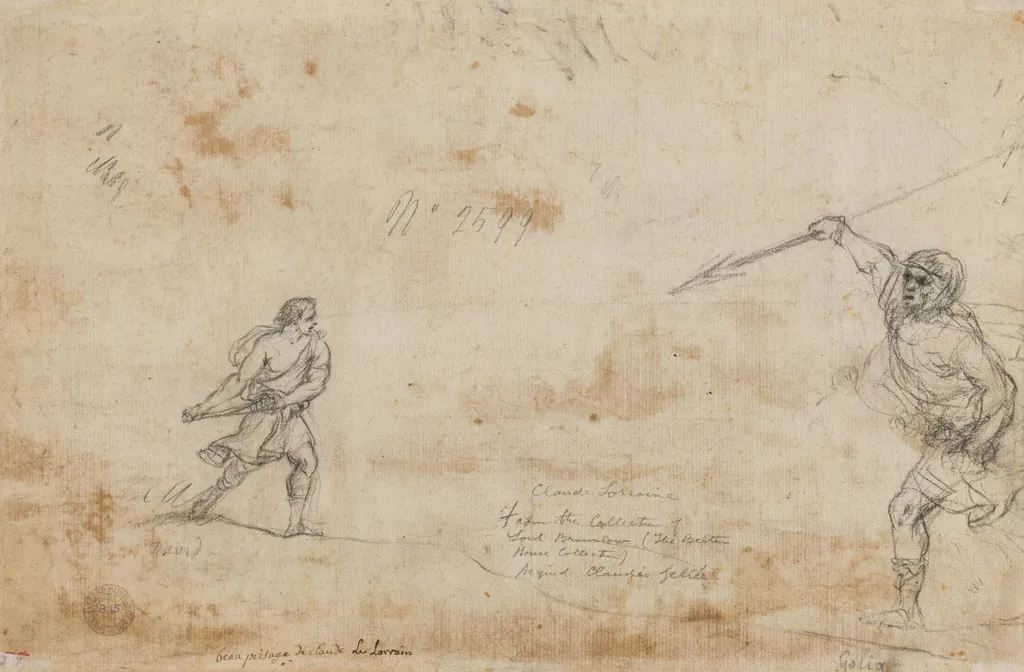
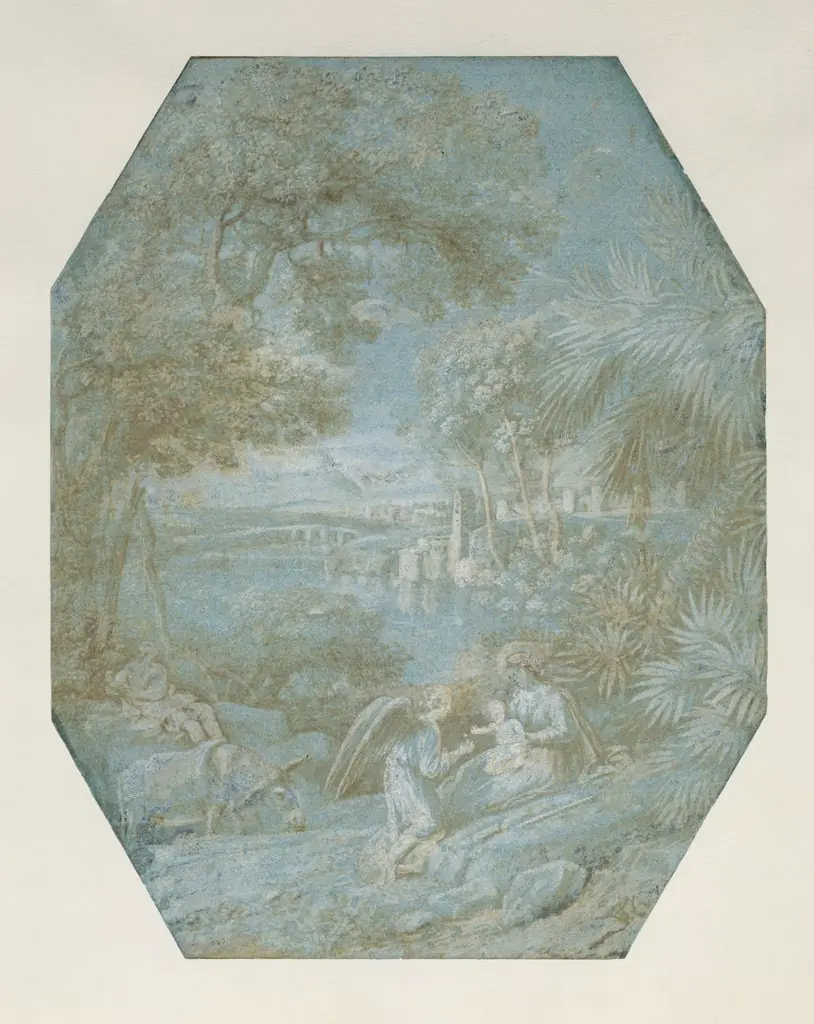
David and Goliath (verso) is a drawing by the Baroque artist Claude Lorrain. It dates from 1645 and is held in the collection of the Cleveland Museum of Art.
- Accession no.
- 1928.15.b
- Credit line
- Gift of Mr. and Mrs. Edward B. Greene
About this work
Overview
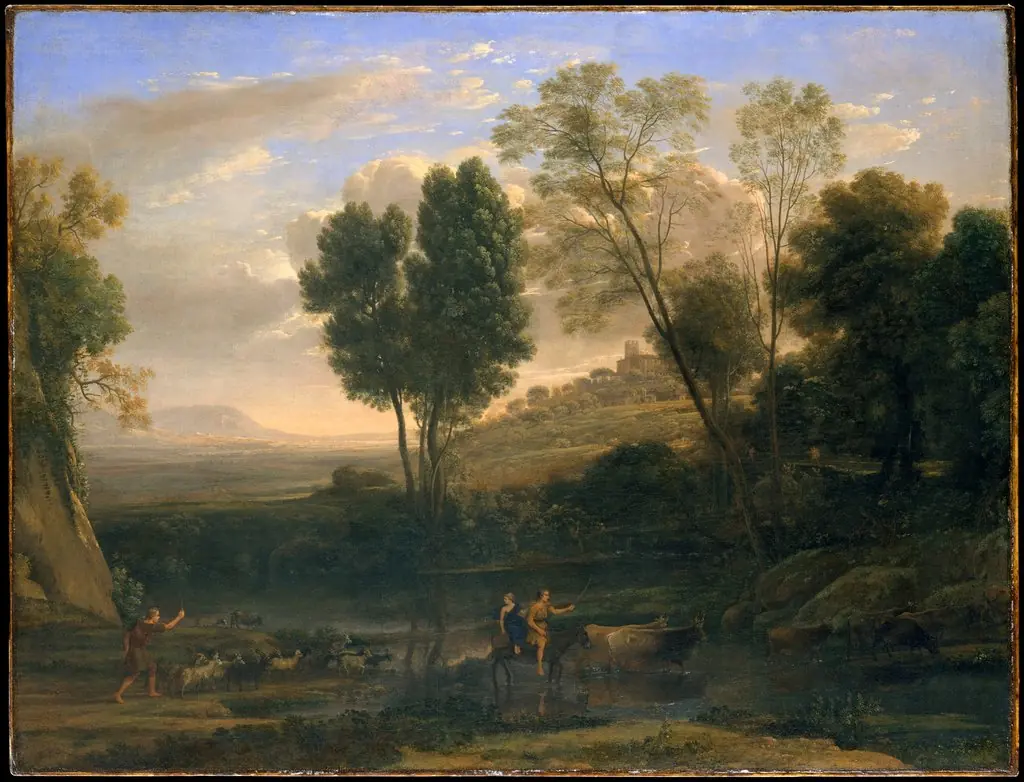
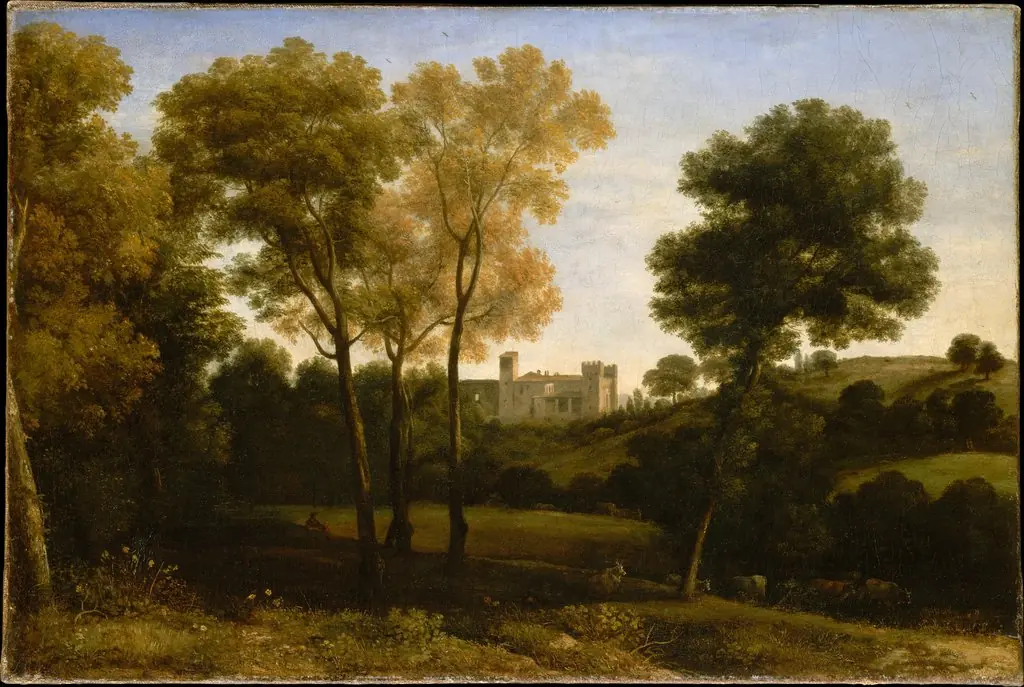
The drawing 'David and Goliath (verso)' by Claude Gellée, also known as Claude Lorrain, depicts a serene landscape with a spring, trees, and a stone arch. It is a carefully composed scene rather than a direct observation from nature.
Subject & Meaning
The scene is set at the Acqua Acetosa, a mineral spring near Rome, reimagined in an idyllic and timeless manner. The artist's rendering evokes a sense of an Arcadian world, suggesting a connection to mythological or pastoral themes.
Technique & Style
Executed in pen-and-ink and wash, the drawing showcases the artist's skillful use of chiaroscuro, with soft, golden light creating a peaceful atmosphere. The technique contributes to the dreamlike quality of the scene, highlighting the artist's sensitivity to light and its effects.
History & Provenance
Claude Lorrain, born in France, spent his career in Italy, primarily painting and drawing landscapes of the Roman Campagna and the Neapolitan coastline. His work is characterized by a poetic response to the natural world.
Own this work as a print
Artist & collection
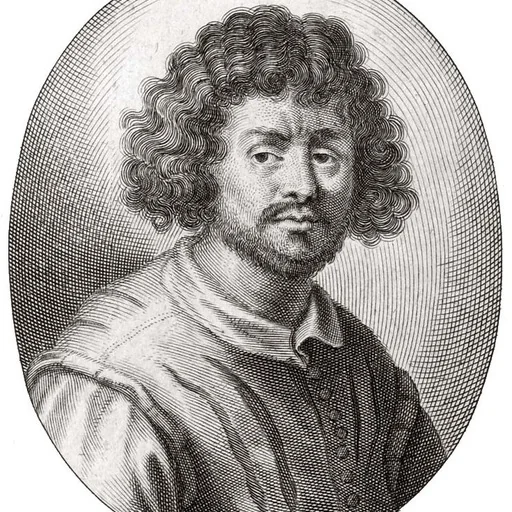
Artist
Claude Lorrain (French:; born Claude Gellée, called le Lorrain in French; traditionally just Claude in English; c.

![Figure Studies [verso], by Giovanni Battista Cipriani](https://artifactworldgallery.com/img/giovanni-battista-cipriani--figure-studies-verso--9d89c1dfd297f554-w320.webp)