Artwork
Pastoral Landscape: The Roman Campagna
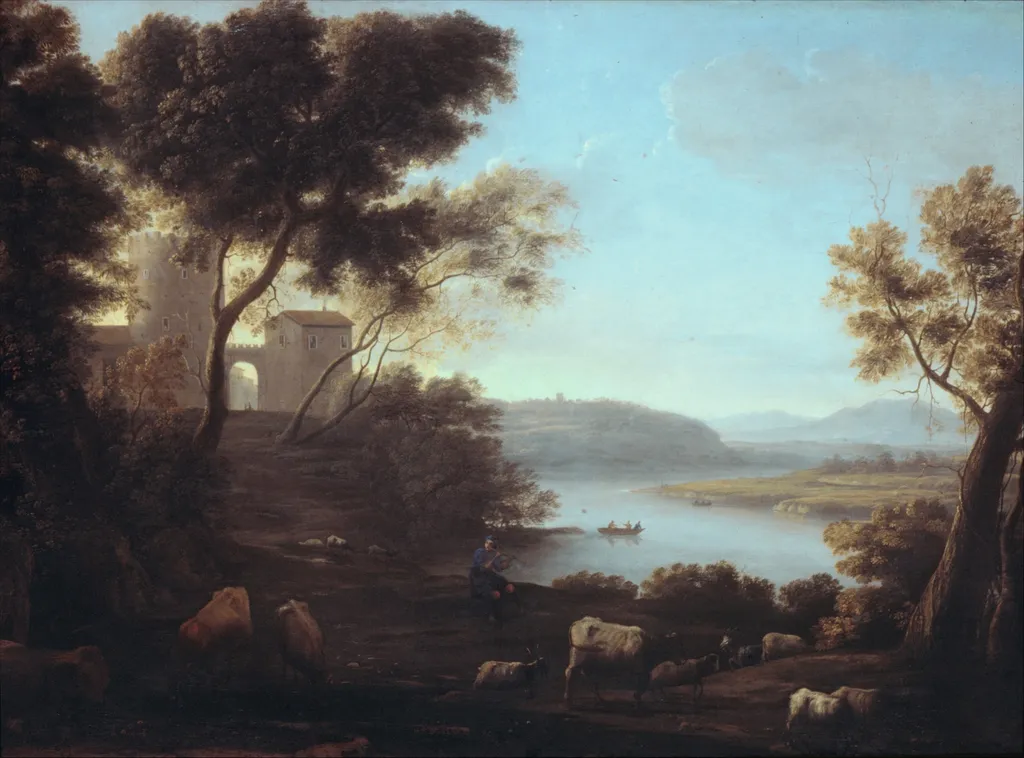
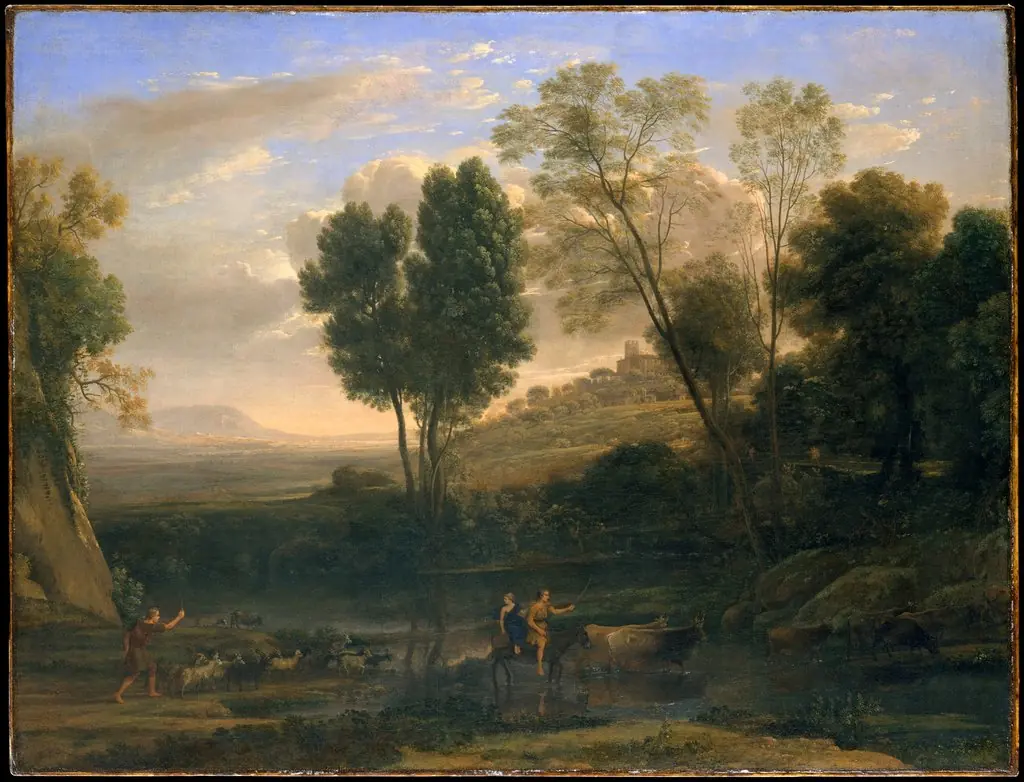
Pastoral Landscape: The Roman Campagna is an oil painting by the Academic Art artist Claude Lorrain. It dates from 1639 and is held in the collection of the Metropolitan Museum of Art.
About this work
Subject & Meaning
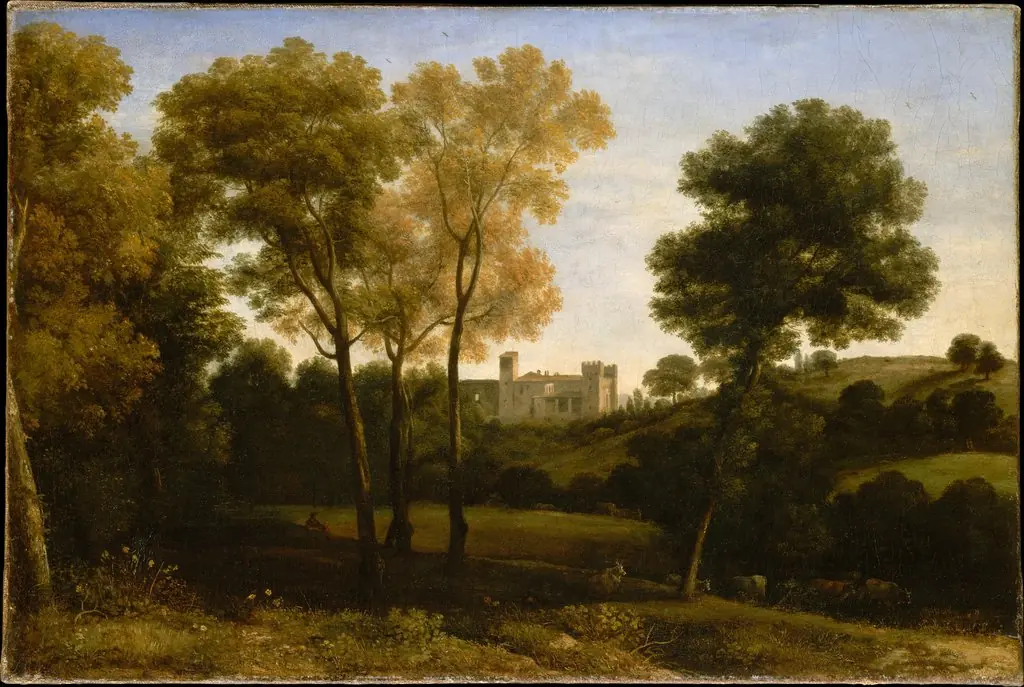
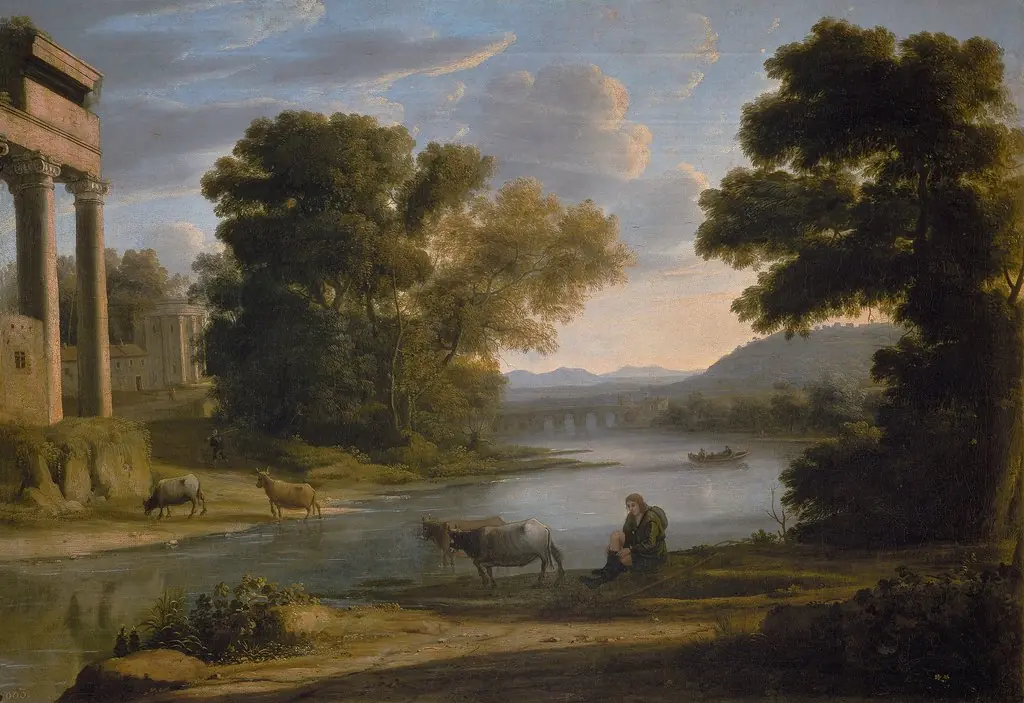
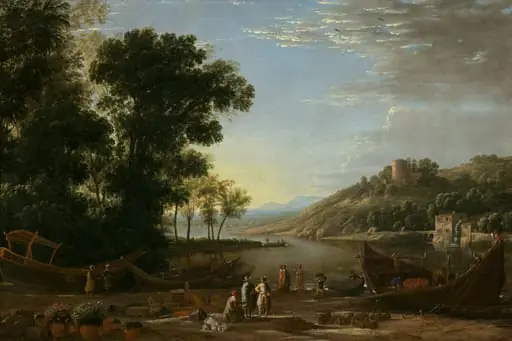
A building situated on the left side serves as a specific visual marker locating the scene outside the city of Rome.
Executed in 1639, this oil painting depicts the Roman Campagna, the rural countryside surrounding Rome. The composition features a river and cattle within a broader landscape setting. Iconographically, the work is defined by a dramatic contrast between intense light illuminating the background and a lyrical shadow enveloping the foreground, a hallmark of the artist's style.
A building situated on the left side serves as a specific visual marker locating the scene outside the city of Rome. While the painting represents an idealized view of the Latium region, historical records linked to the composition indicate it was created in Rome specifically for a patron based in Paris, reflecting the international demand for such classical pastoral imagery during the seventeenth century.
Technique & Style
The Pastoral Landscape: The Roman Campagna (1639) is an oil‑on‑canvas work measuring 101.6 × 135.9 cm, executed in the academic classicising style of Claude Lorrain. The painting employs oil pigments on a stretched canvas support, a technique reflected in its luminous atmospheric effects and the lyrical contrast between bright background light and shadowed foreground. A classical ruin occupies the left background, anchoring the composition in an idealised Roman countryside.
Contemporary records note the work was painted in Rome for a Parisian patron, and it has remained in the Metropolitan Museum of Art since passing through several private collections. The work’s handling and condition are documented through its provenance, showing careful preservation within the museum’s collection.
History & Provenance
Executed in 1639 by Claude Lorrain, this oil painting was created in Rome specifically for a patron based in Paris, as indicated by an inscription on a related preparatory drawing. The work's ownership history includes a chain of notable collectors such as Bourchier Cleeve, Sir George Yonge, William Esdaile, Christianus Johannes Nieuwenhuys, John Rushout (2nd Baron Northwick), and the Erle-Drax family. Later holders included Stephan Bourgeois and the Lehman collection (Arthur and Adele L. Lehman) before passing through the Sackville Gallery.
The painting currently resides in the collection of the Metropolitan Museum of Art in New York. Throughout the twentieth century, it was featured in significant exhibitions, including a 1938 retrospective of the artist's work, a 1940 display of European and American masterpieces, and a 1981 survey of the museum's holdings.
Pastoral Landscape: The Roman Campagna (1639) has been held by the Metropolitan Museum of Art in New York since its acquisition. The painting is cataloged under the museum’s inventory system, though its specific accession number is not universally detailed in the sources. The work has been featured in several exhibitions, including An Exhibition of Paintings and Drawings by Claude Lorrain (1938, New York), Masterpieces of Art: European & American Paintings, 1500–1900 (1940, New York), and 5000 Years of Art from the Collection of The Metropolitan Museum of Art (1981, San Diego).
Context
Claude Lorrain’s Pastoral Landscape: The Roman Campagna (1639) occupies a pivotal position in the development of idealized landscape painting during the 17th century. Scholars highlight its synthesis of natural observation and classical composition, particularly the contrast between luminous distance and lyrical foreground shadow, a hallmark of Lorrain’s mature style. The work exemplifies the artist’s engagement with the Roman Campagna, a motif that influenced European landscape traditions by blending topographical accuracy with Arcadian idealism.
Exhibited in major surveys, including An Exhibition of Paintings and Drawings by Claude Lorrain (1938) and Masterpieces of Art (1940), the painting has been studied for its technical mastery and its role in shaping academic landscape conventions. Within Lorrain’s oeuvre, it underscores his reputation as a progenitor of the picturesque, bridging the pastoral visions of Poussin and later Romantic landscapes.
Overview
This oil painting, titled Pastoral Landscape: The Roman Campagna, presents a tranquil vista. It depicts a serene natural setting, characteristic of the Roman countryside, rendered with a sense of calm and depth. The work exemplifies a common theme in landscape art, inviting contemplation of an idealized natural world.
Own this work as a print
Artist & collection
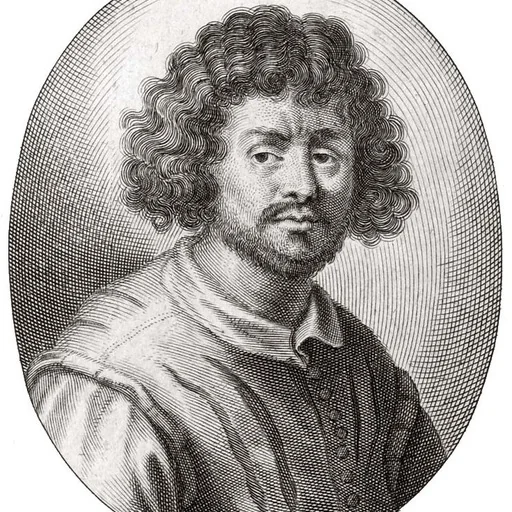
Artist
Claude Lorrain (French:; born Claude Gellée, called le Lorrain in French; traditionally just Claude in English; c.