Artwork
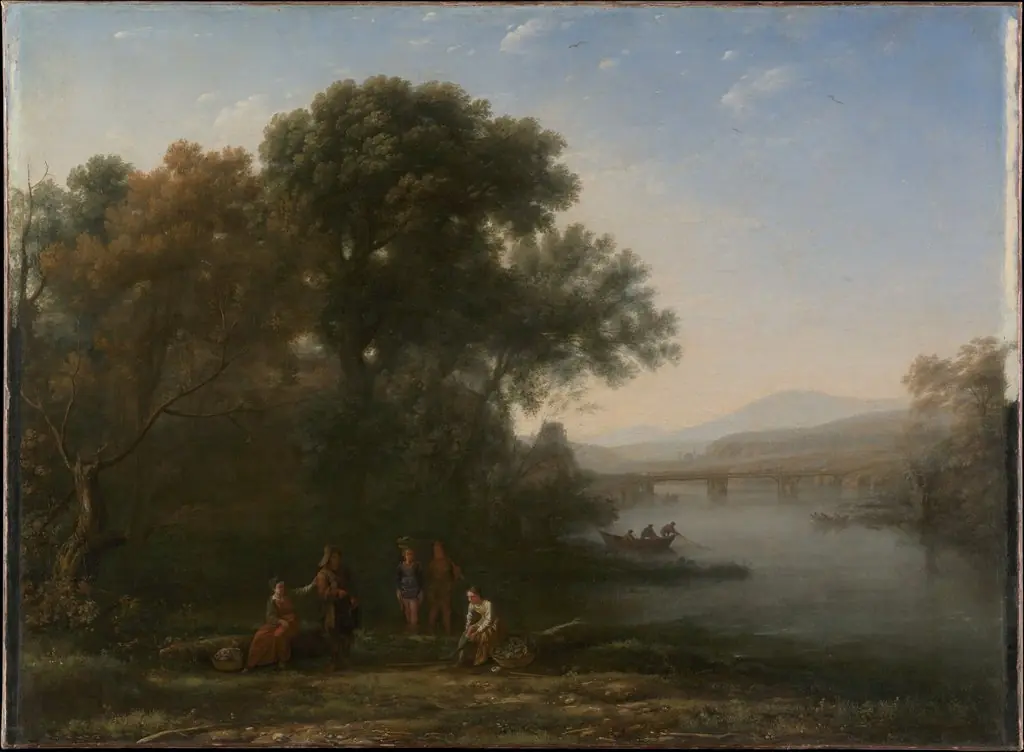
View of La Crescenza
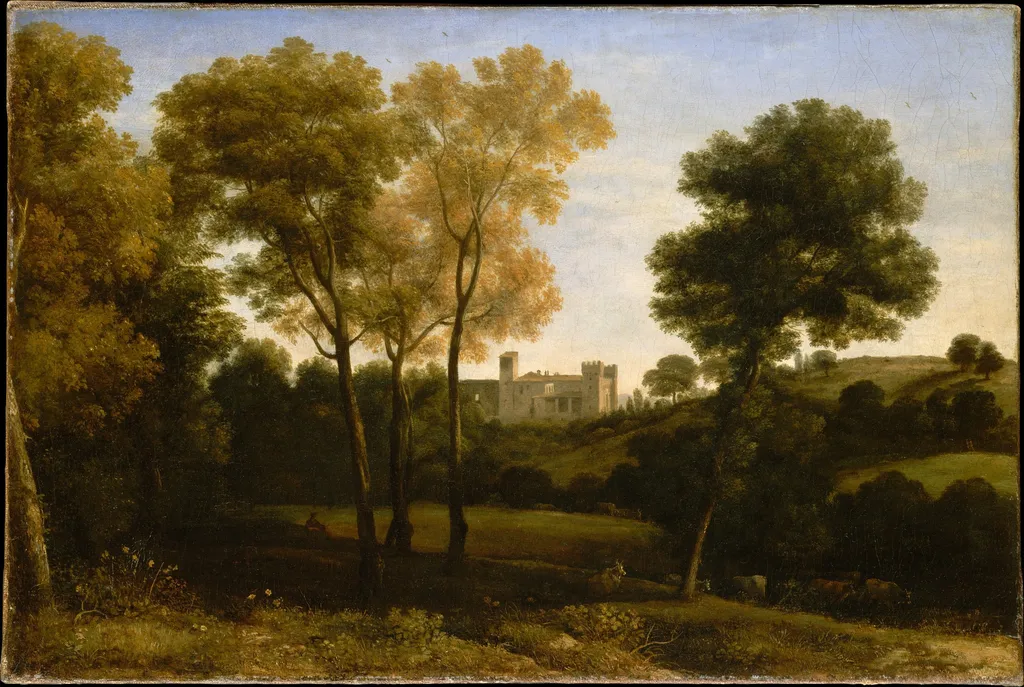
View of La Crescenza is an oil painting by the Academic Art artist Claude Lorrain. It dates from 1650 and is held in the collection of the Metropolitan Museum of Art.
About this work
Technique & Style
The medium consists of oil paint applied to this woven support, a standard combination for the artist's landscape genre during this period.
View of La Crescenza is an oil-on-canvas landscape painting executed by Claude Lorrain in 1650. The work functions within the academic art movement and depicts a rural scene featuring trees and open terrain. Physically, the support is a canvas measuring 38.7 centimeters in height and 58.1 centimeters in width.
The medium consists of oil paint applied to this woven support, a standard combination for the artist's landscape genre during this period. The painting is currently held in the collection of the Metropolitan Museum of Art. No specific details regarding the condition, handling, or distinct stylistic brushwork are provided in the available records, though the classification confirms its status as a finished painting rather than a study or sketch.
History & Provenance
Claude Lorrain created the oil painting View of La Crescenza in 1650. The work is executed in oil on canvas and measures 38.7 cm in height by 58.1 cm in width. Classified as a landscape painting within the academic art movement, the piece depicts a rural scene featuring trees.
The artwork is currently held in the collection of the Metropolitan Museum of Art. While the specific commission details and the full chain of ownership prior to its arrival at the museum are not detailed in the available records, the creation date is firmly established as 1650. The painting remains a significant example of Lorrain's landscape genre from the mid-seventeenth century.
View of La Crescenza, painted by Claude Lorrain in 1650, is held in the collection of the Metropolitan Museum of Art. The work is catalogued as an oil-on-canvas landscape measuring 38.7 by 58.1 centimeters. No specific inventory or accession number is recorded in the available documentation, and no exhibition history is documented in the provided sources.
Context
View of La Crescenza (1650) is a canonical example of Claude Lorrain’s mature landscape oeuvre, housed in the Metropolitan Museum of Art. The painting’s composition, with its idealized trees and expansive sky, embodies the classical landscape idiom that Lorrain codified alongside contemporaries such as Nicolas Poussin. Contemporary scholarship situates the work within the academic art tradition of 17th‑century France, noting its role in shaping later vedute and influencing 18th‑century landscape painters.
Critics of the period praised its poetic rendering of nature, and modern art historians regard it as a pivotal reference point for the evolution of Western landscape painting.
Overview
Created by the French Baroque painter Claude Lorrain around 1650, View of La Crescenza is an oil painting that exemplifies his dedication to landscape subjects. This work captures a serene countryside vista, characteristic of his mature style. It is currently part of the collection at The Metropolitan Museum of Art.
Subject & Meaning
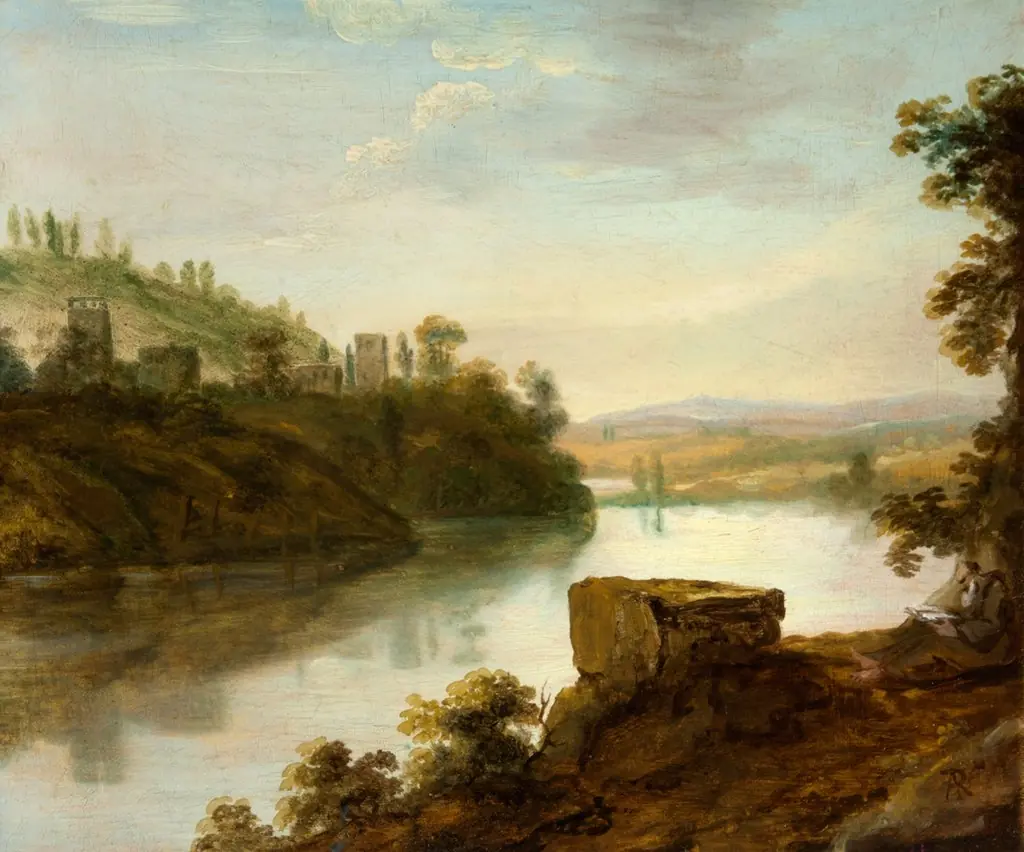
The painting presents a carefully arranged rural panorama, featuring a distant castle situated atop a hill. Tall trees with foliage in shades of green, brown, and orange frame this structure, while a gentle stream winds through a grassy foreground. Rolling hills recede into a soft blue sky, contributing to the overall sense of peace and quietude within the composition.
Legacy
Although born in the Duchy of Lorraine, Claude Lorrain spent the majority of his artistic career in Italy, where he developed his distinctive approach to landscape painting. His work, including compositions like View of La Crescenza, became highly influential within the French classical Baroque tradition, shaping subsequent generations of artists who sought to depict idealized natural settings.
Own this work as a print
Artist & collection
Artist
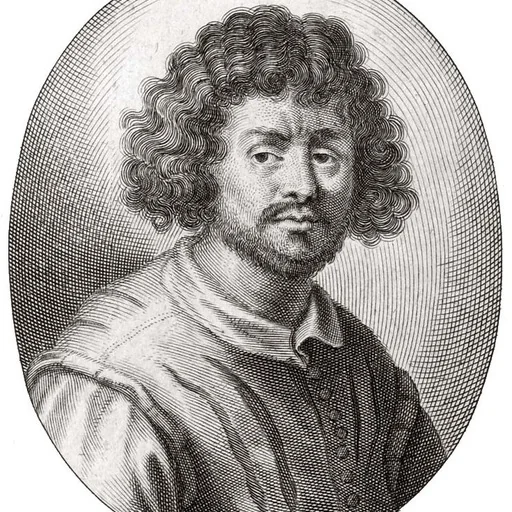
Claude Lorrain (French:; born Claude Gellée, called le Lorrain in French; traditionally just Claude in English; c.

- Roman Landscape
 River Landscape with a Boy Fishing (On the Arno)
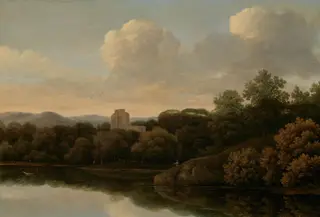 Wooded Landscape with River
 View of a Town in the Sabine Hills
 Mountain landscape with a lake and buildings
 Landscape with the Walk to Emmaus
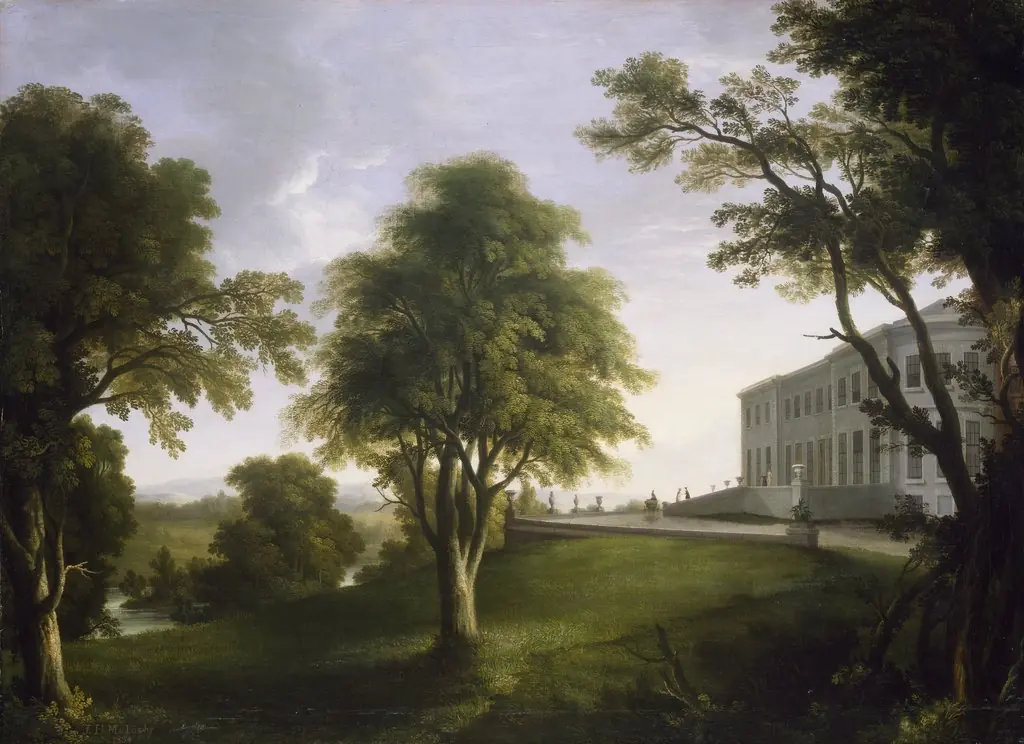 A Landscape with Curragh Chase, County Limerick
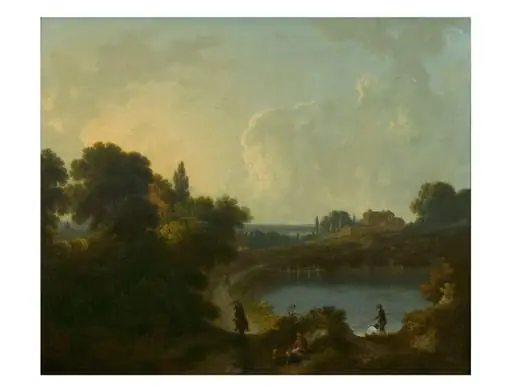 View at Hampstead
 Italian Landscape with Bathers
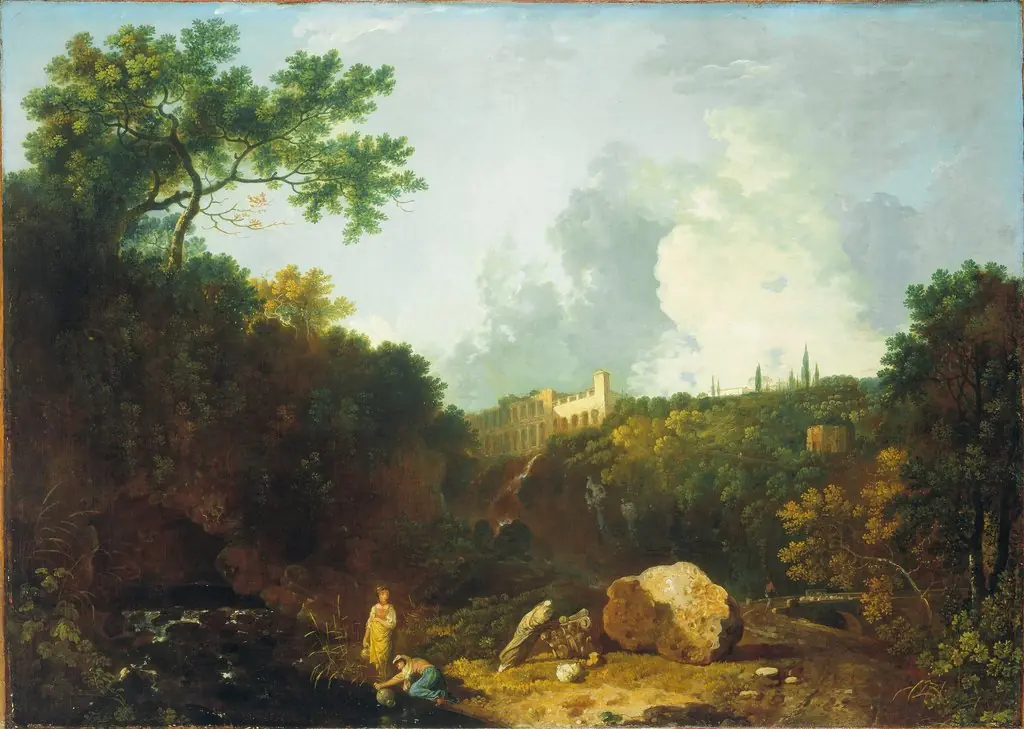 Distant View of Maecenas' Villa, Tivoli
 Pastoral Landscape
 View in Mount Merrion Park