Artwork
Sunrise
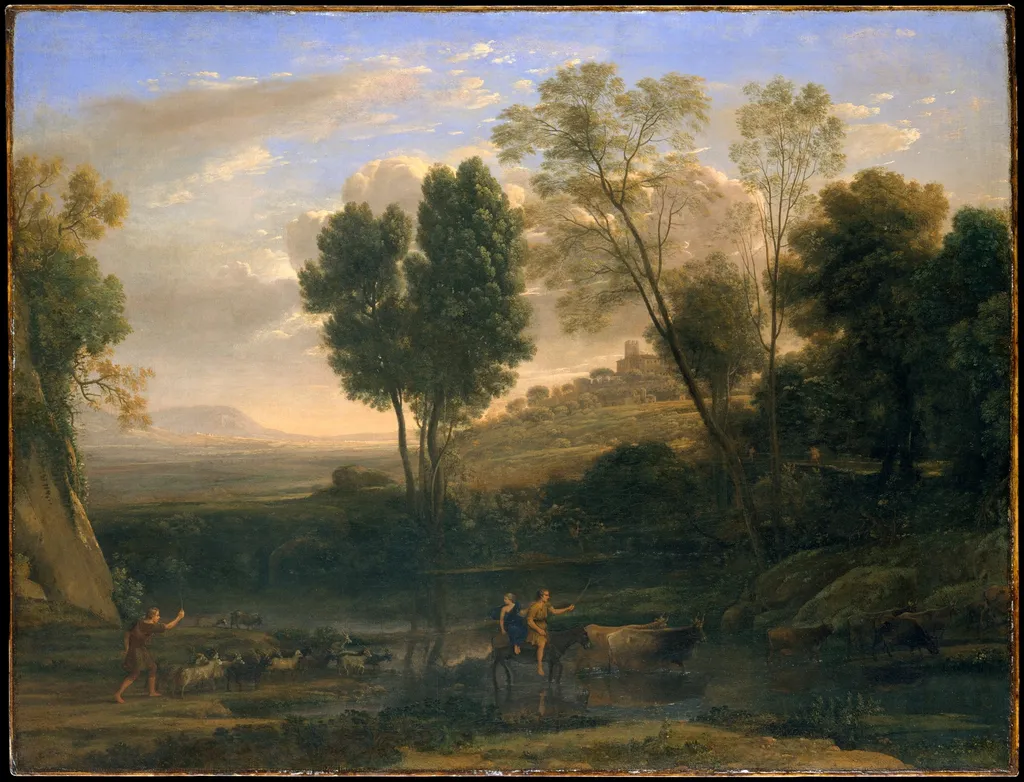
Sunrise is an oil painting by the French Classical Baroque artist Claude Lorrain. It dates from 1646 and is held in the collection of the Metropolitan Museum of Art.
About this work
Subject & Meaning
Titled “L’Aube” (The Dawn) in French and Spanish sources, the work’s subject is the early‑morning light that heralds a new day.
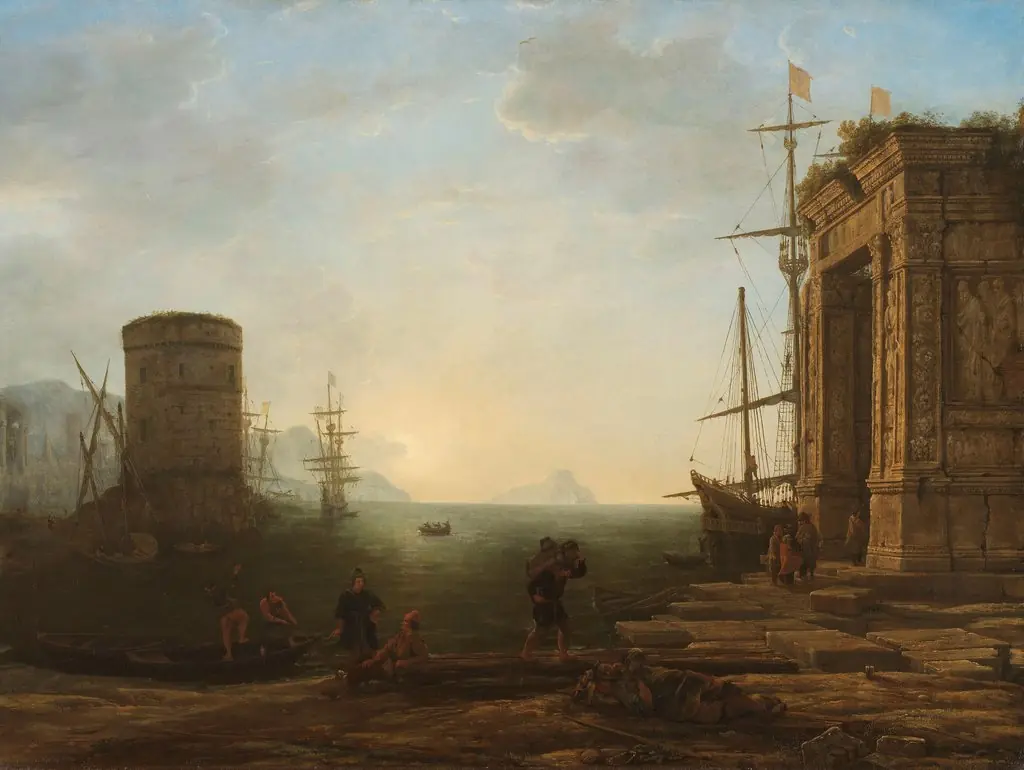
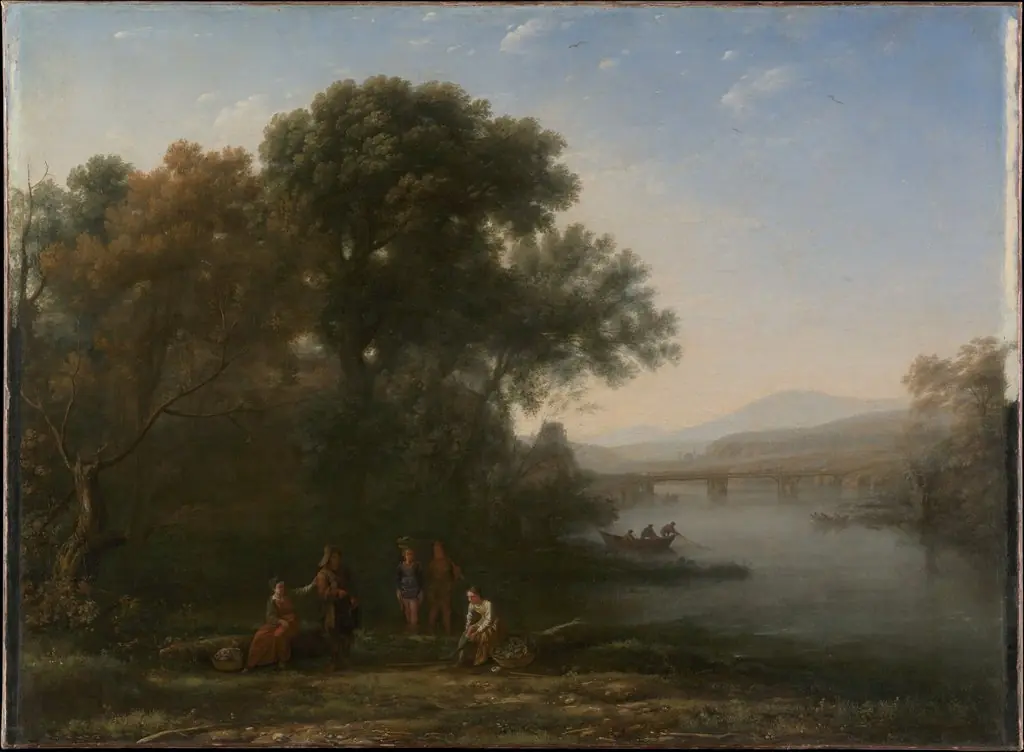
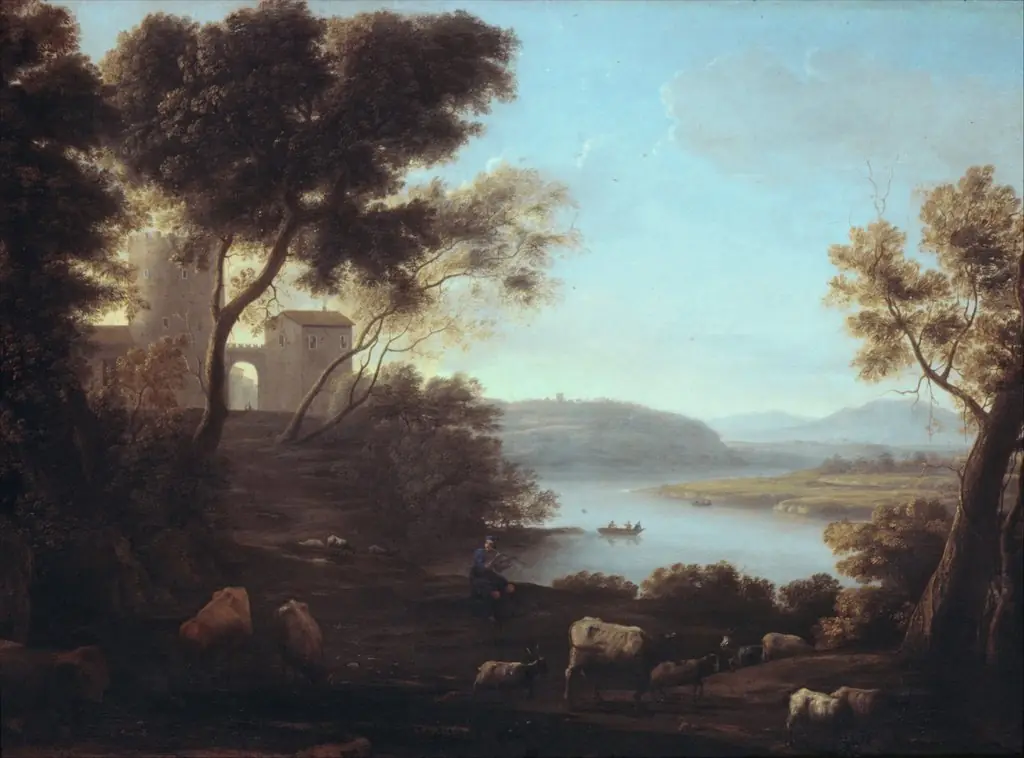
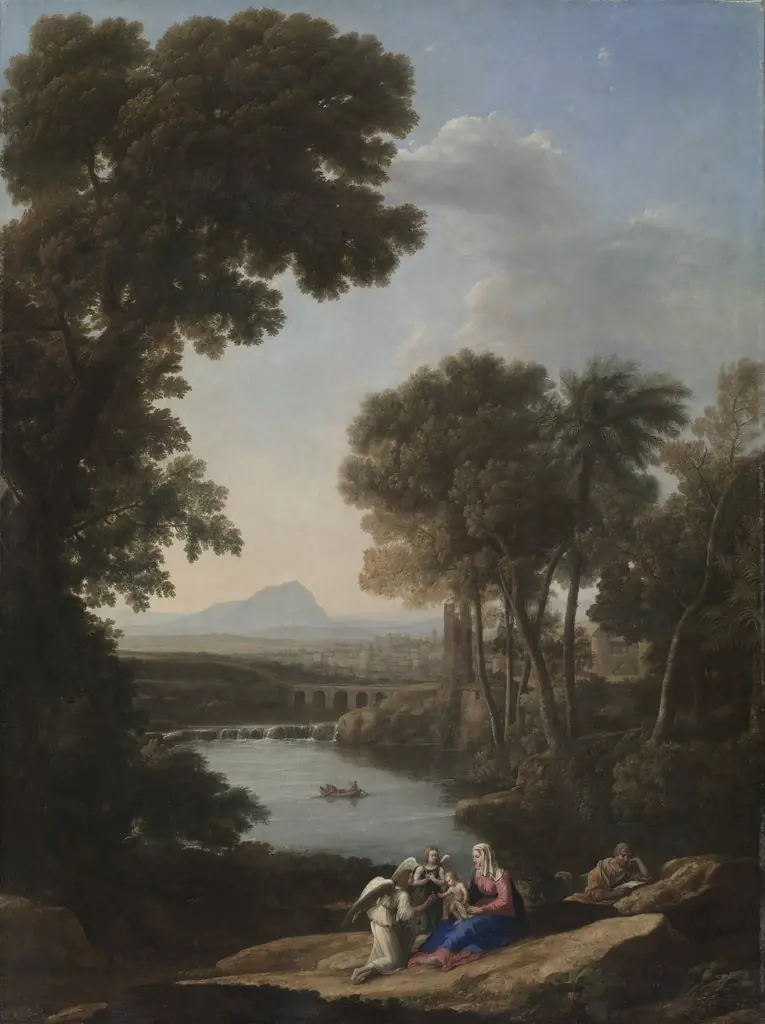
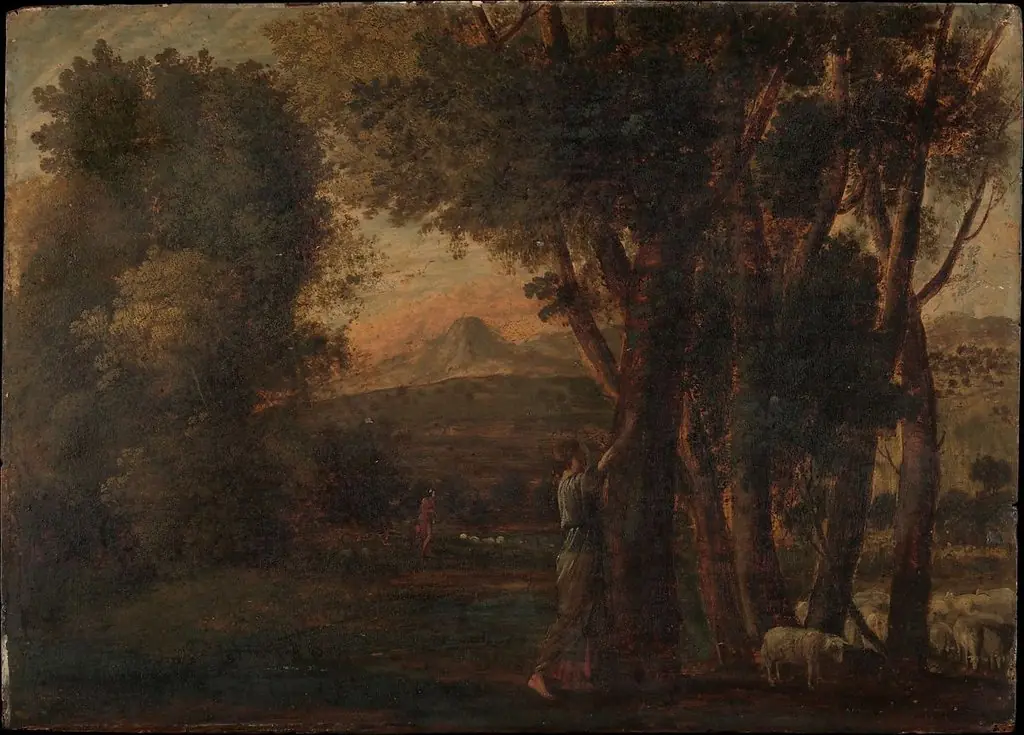
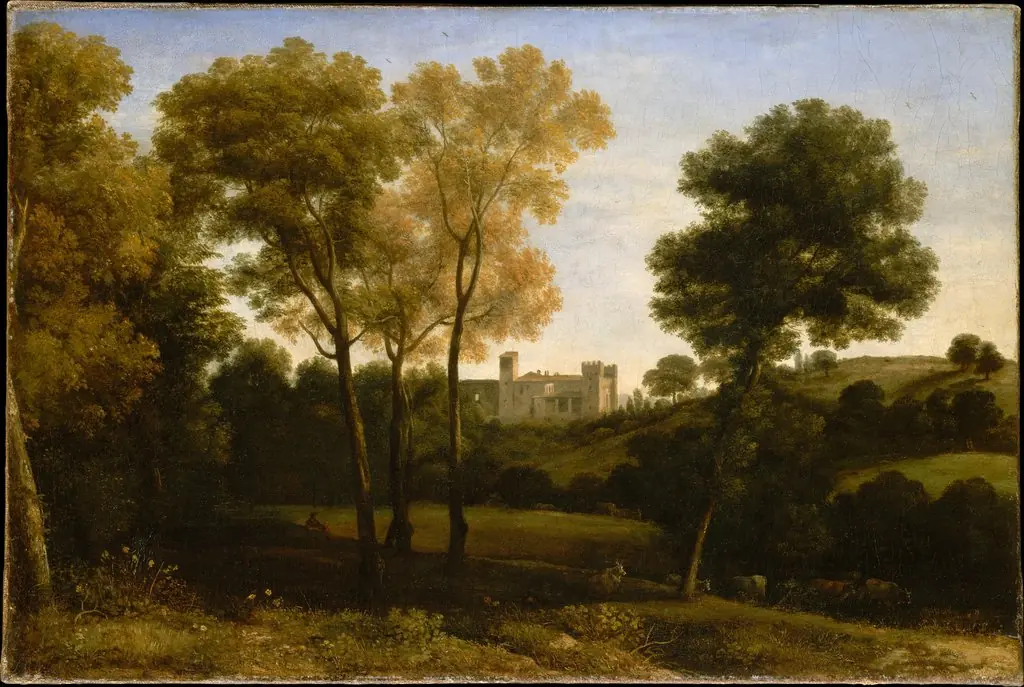
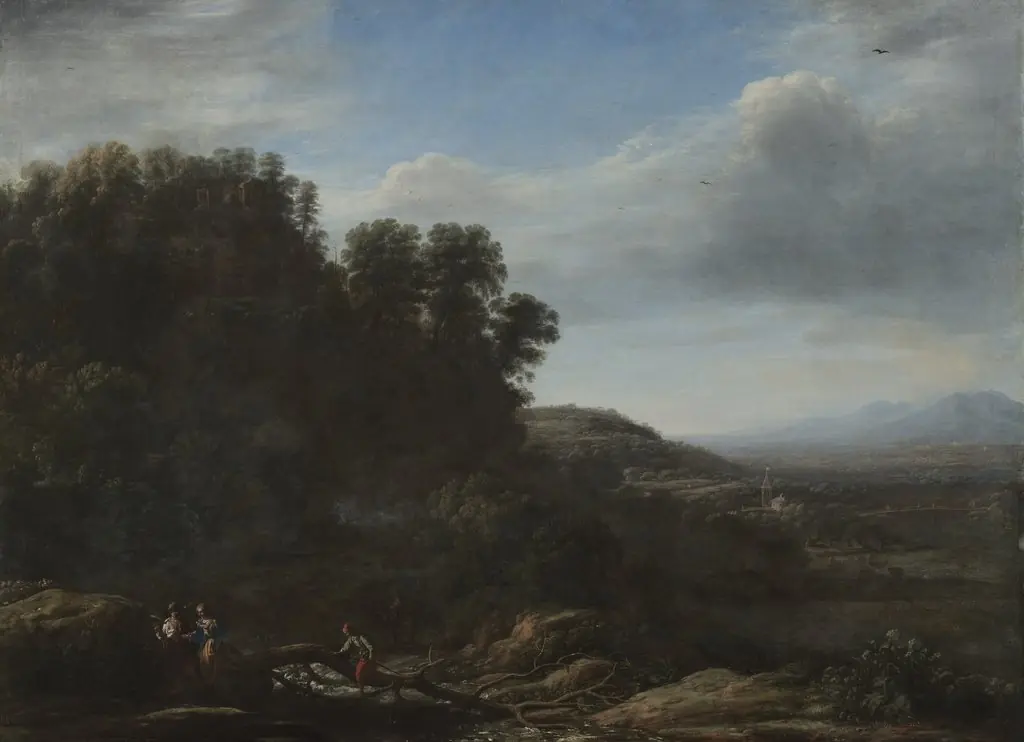
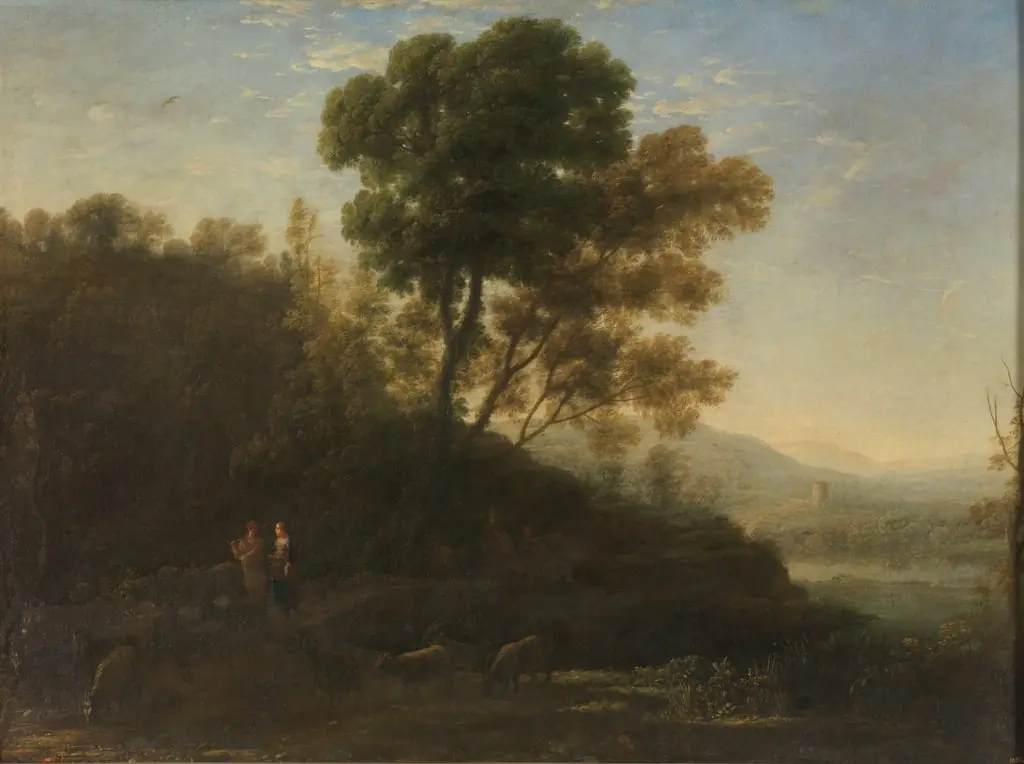
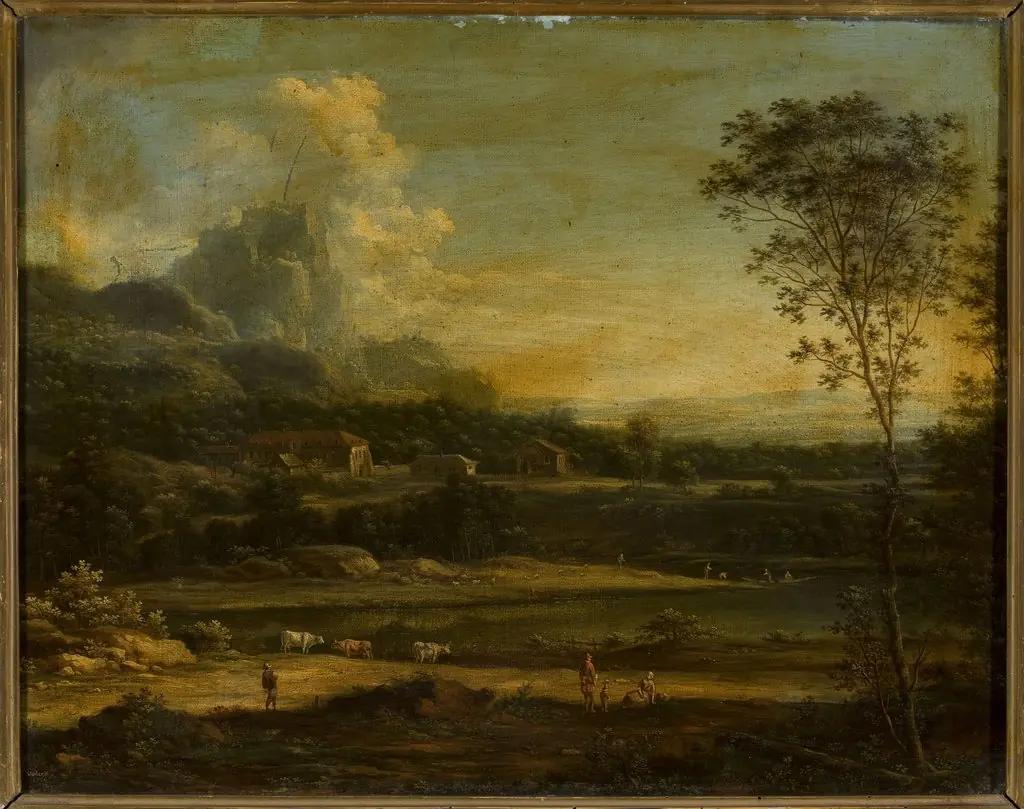
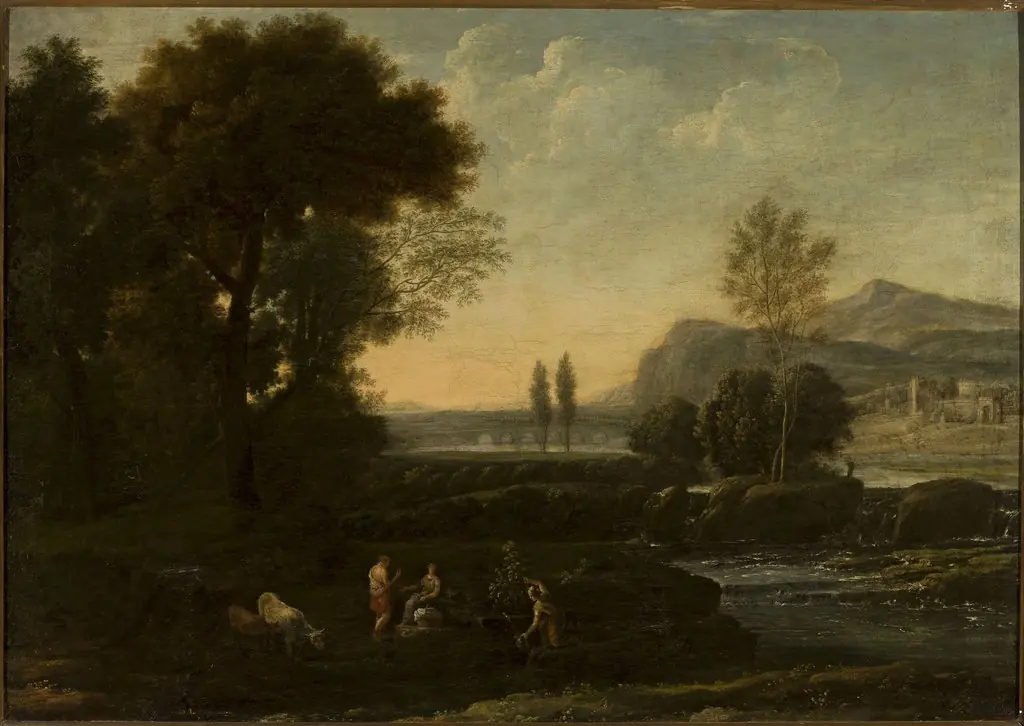
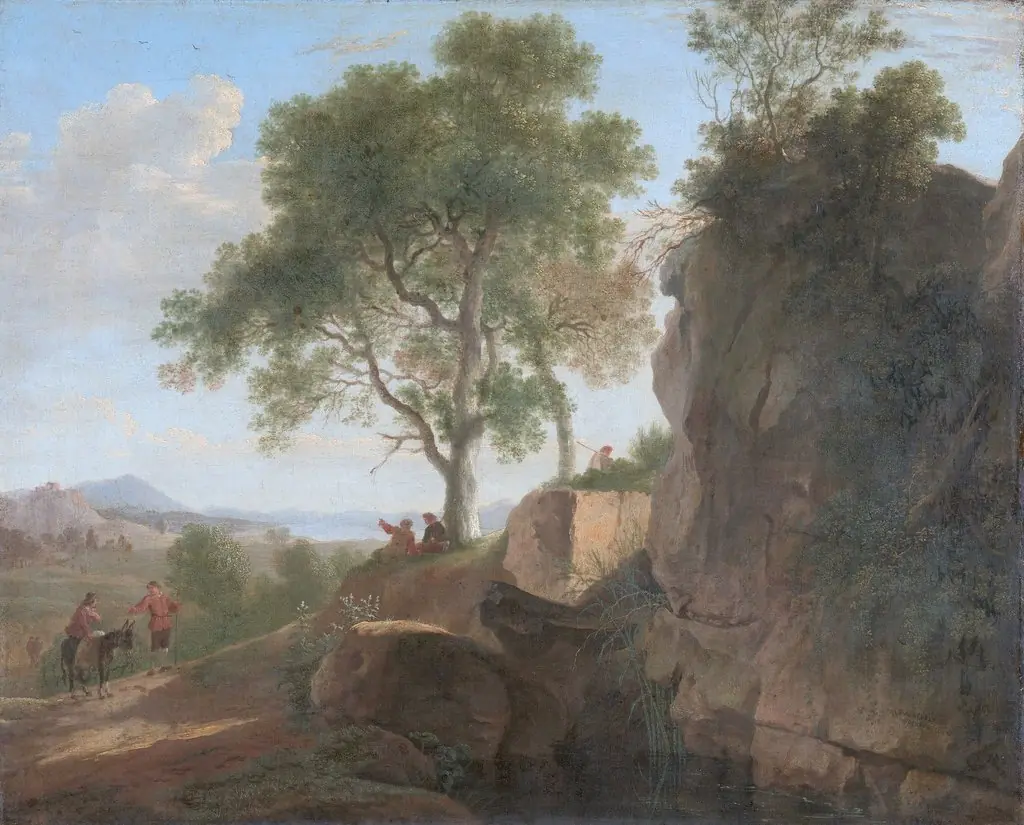
The painting portrays a tranquil dawn landscape, showing trees, cattle, a human figure, and the rising sun, as indicated by its depictions of tree, sunrise, cattle, landscape, dawn, and a figure. Titled “L’Aube” (The Dawn) in French and Spanish sources, the work’s subject is the early‑morning light that heralds a new day. As a landscape painting, the scene combines natural elements with pastoral life, suggesting themes of renewal, harmony between humanity and nature, and the quiet promise of daylight.
Technique & Style
The work titled Sunrise, painted by Claude Lorrain in 1646, is executed in oil on canvas measuring 102.9 × 134 cm. The support is a stretched canvas, and the paint is applied in thin, translucent layers that create a luminous atmosphere. Light emerges from the horizon, illuminating a tree, cattle and a distant figure, while the sky transitions from deep blue to warm gold. The composition balances naturalistic detail with idealized landscape conventions characteristic of 17th‑century French classicism.
The painting’s condition remains stable within the Metropolitan Museum of Art’s collection, with no recorded restoration issues reported.
History & Provenance
Claude Lorrain created the oil-on-canvas painting Sunrise between 1646 and 1647. The work measures 102.9 by 134 centimeters and depicts a dawn landscape. Its ownership history includes a documented chain of prominent collectors: Joshua Reynolds, Abraham Hume, 2nd Baronet, Charles Long, 1st Baron Farnborough, and Francis Cook, 1st Viscount of Monserrate.
Following this private lineage, the painting entered the collection of the Metropolitan Museum of Art in New York. While specific commission details are not recorded in the provided sources, the work's creation date is consistently cited as 1646 or spanning into 1647. The piece has been physically located at the Metropolitan Museum of Art, having previously been associated with Doughty House.
Sunrise is held by the Metropolitan Museum of Art in New York, where it is part of the Cook collection. The painting, executed in oil on canvas and measuring 102.9 × 134 cm, is also associated with Doughty House. Documented ownership traces through Joshua Reynolds, Abraham Hume, 2nd Baronet, Charles Long, 1st Baron Farnborough, and Francis Cook, 1st Viscount of Monserrate.
The work's recorded exhibition history includes "Ralph's Exhibition of Pictures" in London in 1791, the "Winter Exhibition" in London in 1902, and "Earth, Sea, and Sky: Nature in Western Art: Masterpieces from The Metropolitan Museum of Art," held in Tokyo in 2012–2013.
Overview
Sunrise, painted by Claude Lorrain in 1646, is a quintessential example of French Baroque landscape painting. The work depicts a serene pastoral scene at dawn, where the rising sun casts a warm, golden glow across a tranquil countryside. The composition is structured around a central group of three figures standing near a flock of sheep; one figure gestures toward a distant castle perched on a hill, drawing the viewer's eye into the deep atmospheric perspective.
Tall trees frame the middle ground, balancing the open sky which transitions from soft yellow near the horizon to a cool blue above. Lorrain's mastery of light is evident in the way he renders the morning atmosphere, creating a harmonious blend of naturalism and idealized beauty. This painting reflects the artist's mature style, characterized by his ability to elevate landscape to a subject of poetic significance.
Created during a period when Lorrain was highly sought after by European patrons for his idyllic visions, the work exemplifies his contribution to the development of the classical landscape tradition. The oil medium allows for the subtle gradations of tone that define the scene's peaceful mood, establishing the painting as a significant example of 17th-century French art.
Own this work as a print
Artist & collection
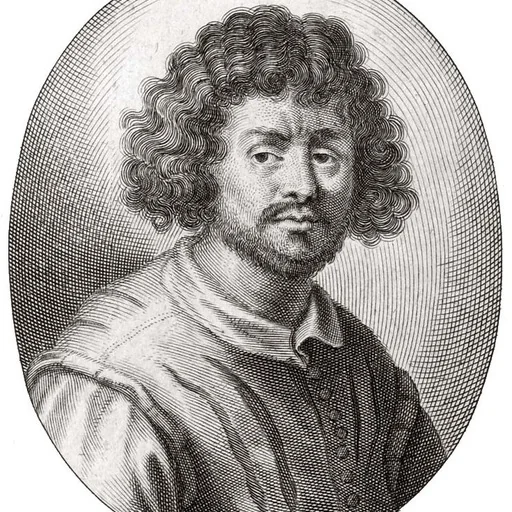
Artist
Claude Lorrain (French:; born Claude Gellée, called le Lorrain in French; traditionally just Claude in English; c.