Artwork
Grablegung Christi
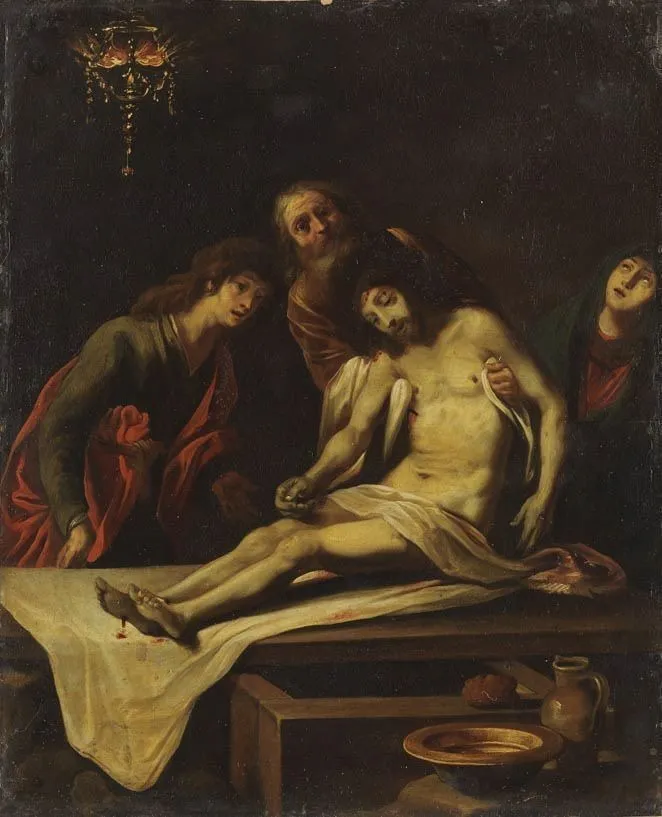
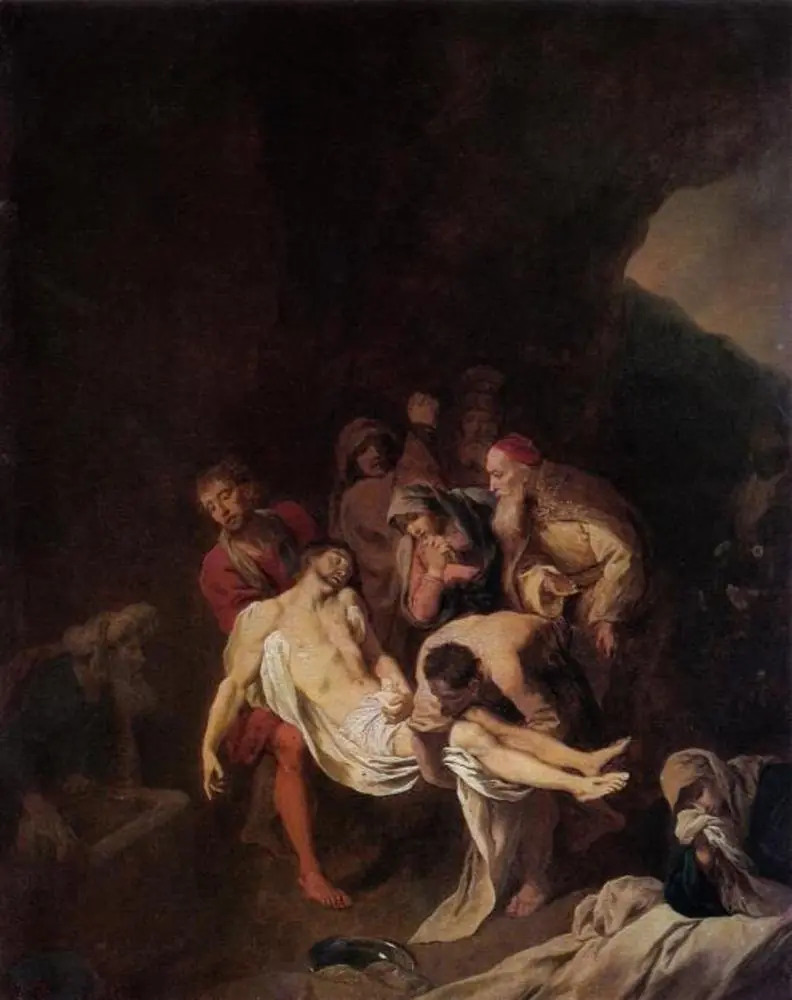
Grablegung Christi is an unspecified painting by Claude Vignon. It is held in the collection of the Bavarian State Painting Collections.
About this work
Subject & Meaning
As a work of religious art, the subject serves to convey the themes of sacrifice, mourning, and the transition from death to the anticipated resurrection.
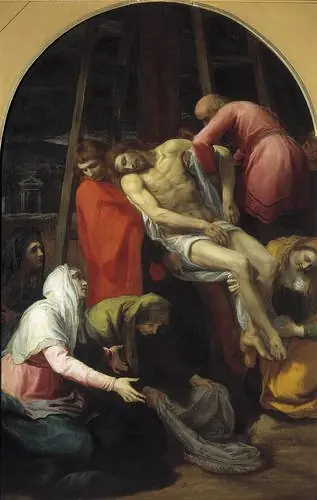
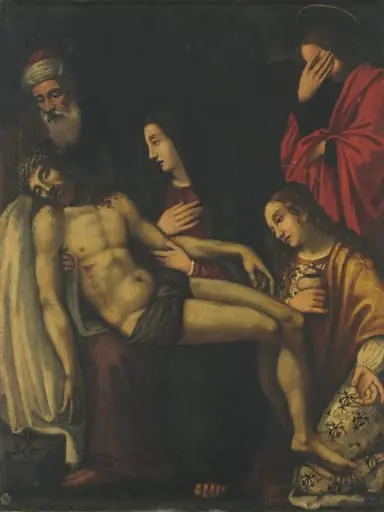
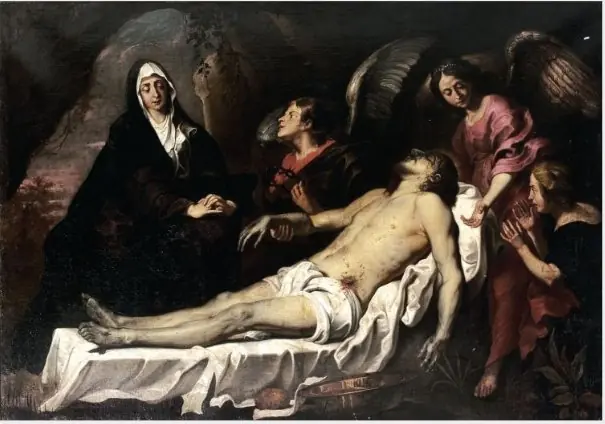
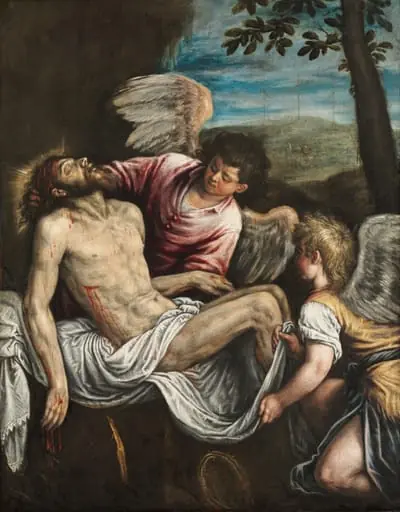
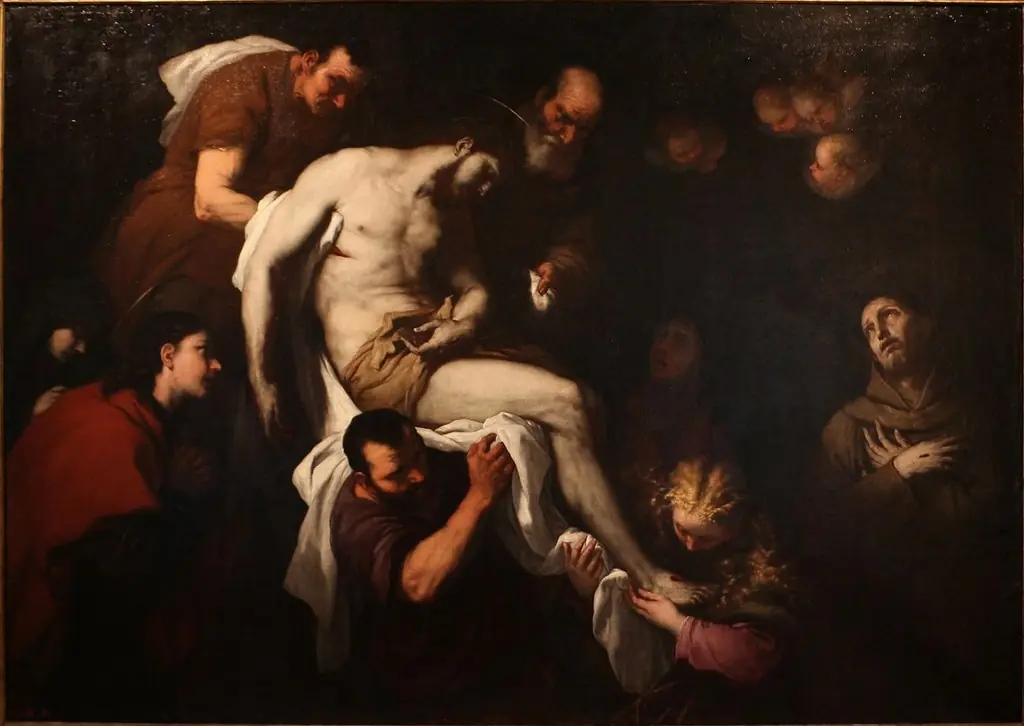
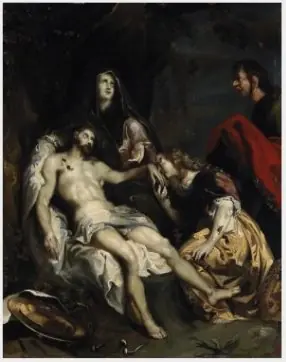
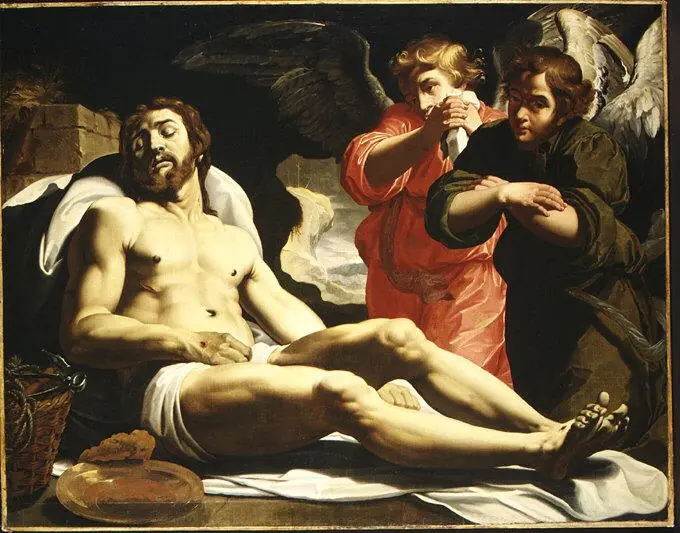
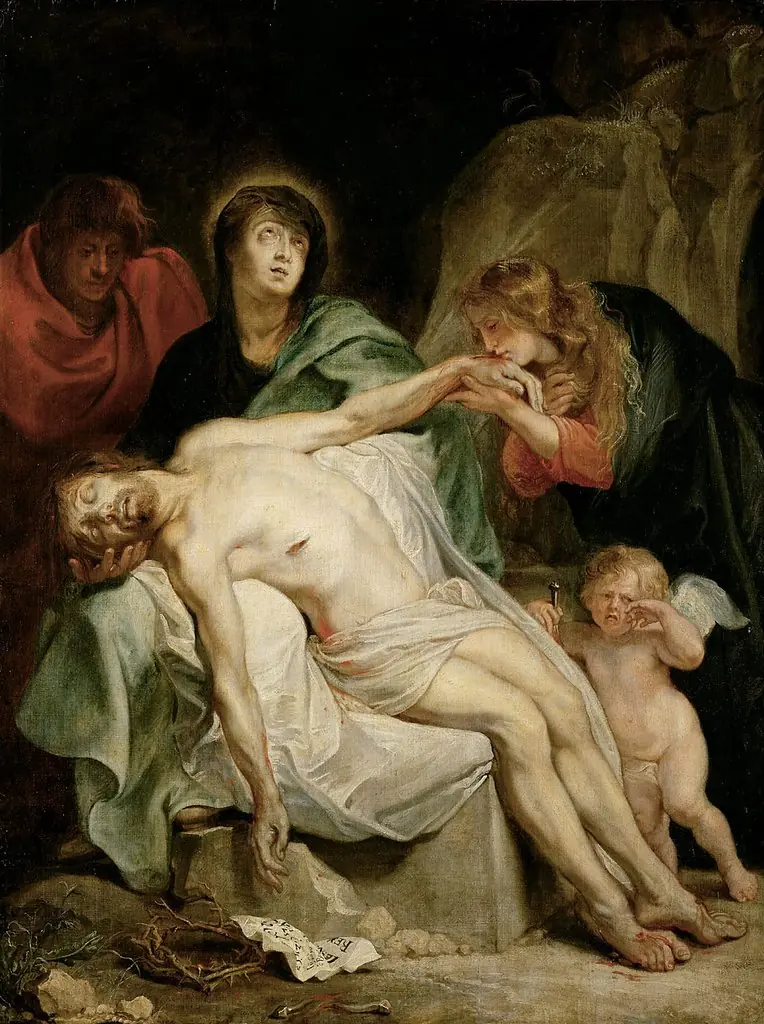
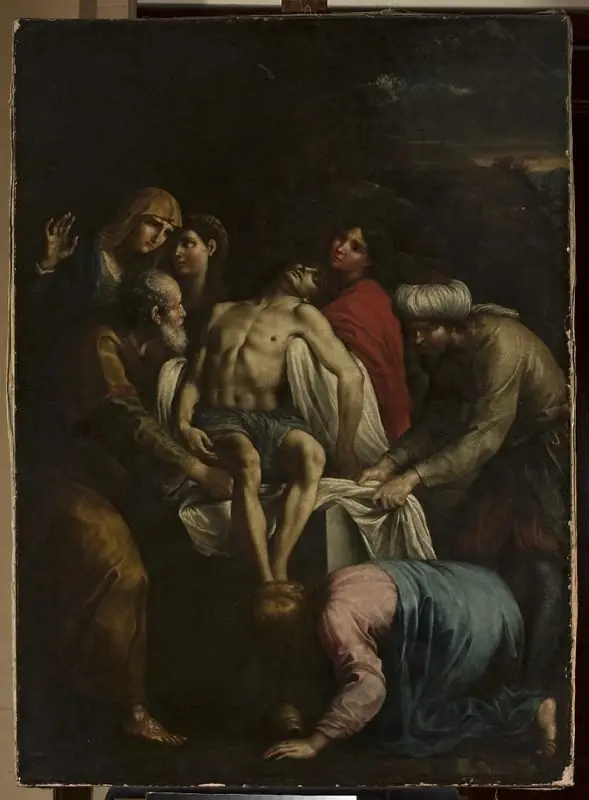
The painting depicts the entombment of Christ, a central narrative in Christian religious art focusing on the moment following the Crucifixion. The composition centers on the Dead Christ, illustrating the physical reality of Jesus Christ's body as it is prepared for burial. As a work of religious art, the subject serves to convey the themes of sacrifice, mourning, and the transition from death to the anticipated resurrection.
The depiction captures the solemnity of the event, presenting the lifeless figure as the main subject of the scene.
Technique & Style
The painting employs oil on canvas, a medium consistent with Vignon’s practice in the 1620s. The support is a moderately sized rectangular canvas measuring 40.7 cm in height by 33.1 cm in width. Handling is characterized by fine, controlled brushwork and a restrained palette dominated by earthy browns and dark tones, with subtle modeling of drapery and musculature to convey volume and weight.
Formal qualities emphasize the quiet gravity of the scene, with the limp body of Christ centrally positioned and arranged diagonally to guide the viewer’s eye downward. The composition balances figures and space through measured recession, while the subdued lighting and limited color range reinforce the somber mood appropriate to the Entombment theme.
History & Provenance
The painting Grablegung Christi by Claude Vignon is part of the Bavarian State Painting Collections and is housed in the Alte Pinakothek in Munich. It measures 40.7 cm in height and 33.1 cm in width. The work has been exhibited in the Alte Pinakothek's permanent display of Old Masters paintings.
Legacy
Claude Vignon's Grablegung Christi, housed in the Bavarian State Painting Collections at the Alte Pinakothek, has been recognized for its profound religious intensity and meticulous detail, influencing subsequent religious artworks in European collections. Its depiction of the entombment of Christ has contributed to scholarly discussions on Baroque religious painting and remains a reference point for studies on devotional art.
The work's inclusion in major exhibitions and academic analyses underscores its enduring significance within art history, reflecting its lasting impact on the interpretation of sacred subjects.
Overview
Claude Vignon’s Grablegung Christi presents the lifeless body of Christ laid upon a cloth‑covered slab. The composition is dominated by a single, stark light that illuminates the pale flesh and its wounds, while the surrounding space recedes into deep shadow. The work is part of the Alte Pinakothek’s collection in Munich.
Context
Vignon’s mature period is marked by a synthesis of French sensibility and Italian Baroque dynamism. Grablegung Christi exemplifies his engagement with religious themes, using theatrical lighting and expressive gestures to convey spiritual drama, aligning the work with contemporary Counter‑Reformation visual strategies.
Artist & collection
Artist
Claude Vignon (19 May 1593 – 10 May 1670) was a French painter, printmaker and illustrator who worked in a wide range of genres.