Artwork
Mary Magdalene Comforted by an Angel
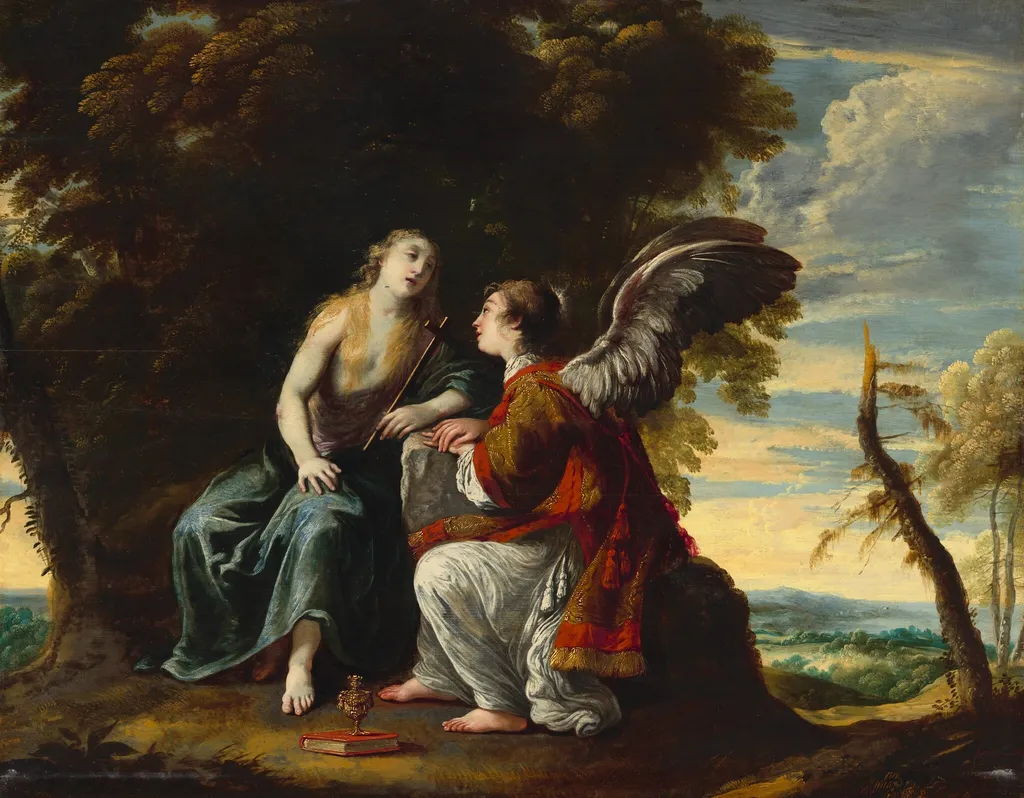
Mary Magdalene Comforted by an Angel is an oil painting by the Baroque artist Claude Vignon. It dates from 1626 and is held in the collection of the National Gallery of Art.
- Inscription
- Inscribed:lower right: Vignon Jn f 1626[1]
About this work
Technique & Style
The stylistic treatment emphasizes delicate brushwork and subtle tonal modulation, underscoring the work's significance within the artist's mature oeuvre.
Claude Vignon rendered Mary Magdalene Comforted by an Angel in oil on panel, a format documented in the work's technical record. The painting measures 77 centimeters in height by 99 centimeters in width, reflecting the dimensions recorded at the National Gallery of Art. Its handling and condition have been preserved through careful conservation within the museum's Horvitz Collection.
Formal analysis reveals Vignon's characteristic blend of naturalistic detail and emotive chiaroscuro, producing a composition that balances narrative intimacy with devotional grandeur. The stylistic treatment emphasizes delicate brushwork and subtle tonal modulation, underscoring the work's significance within the artist's mature oeuvre.
History & Provenance
Claude Vignon painted Mary Magdalene Comforted by an Angel in 1626 in oil on panel. The work's documented ownership begins with a private collection in Mayenne, France, from which it was sold on 15 December 1991. It subsequently entered a private collection in Versailles and passed through the Galerie de La Scala in Paris.
In 2006, Jeffrey E. Horvitz of Beverly Farms, Massachusetts, purchased the painting. Horvitz later gave the work to the National Gallery of Art in Washington, D.C., in 2017, where it remains part of the Horvitz Collection.
Context
The painting attracted scholarly attention following its 2006 acquisition by Jeffrey E. Horvitz, with its provenance tracing from a private collection in Mayenne, France, through Galerie de La Scala in Paris to the National Gallery of Art, Washington, D.C., where it remains on public view. Its stylistic analysis situates it within Vignon's mature output of the 1620s, reflecting Counter-Reformation themes of penitence and divine compassion. Recent scholarship has examined its iconography as part of Vignon's broader exploration of mystical subjects, particularly the private devotion motifs favored by French collectors.
The work's placement in the NGA's collection underscores its significance within the narrative of European Old Master acquisitions in American institutions.
Overview
Claude Vignon’s 1626 oil on panel, Mary Magdalene Comforted by an Angel, presents a quiet, intimate encounter between the biblical penitent and a celestial messenger. The composition centers on a seated Magdalene in a dark robe, eyes closed, while an angel in red and gold kneels beside her, his wings outstretched, offering a gentle touch. The backdrop of trees and a cloudy sky reinforces the work’s tranquil atmosphere.
Subject & Meaning
The painting interprets the moment described in the New Testament when an angel consoles Mary Magdalene after her repentance. Vignon emphasizes emotional solace: the angel’s hand rests lightly on her arm, and his serene gaze suggests divine compassion. The work invites contemplation of redemption and the soothing presence of the divine in moments of human sorrow.
Own this work as a print
Artist & collection
Artist
Claude Vignon (19 May 1593 – 10 May 1670) was a French painter, printmaker and illustrator who worked in a wide range of genres.

- Hagar in the Desert
 The Angel Raphael Takes Leave of Old Tobit and his Son Tobias
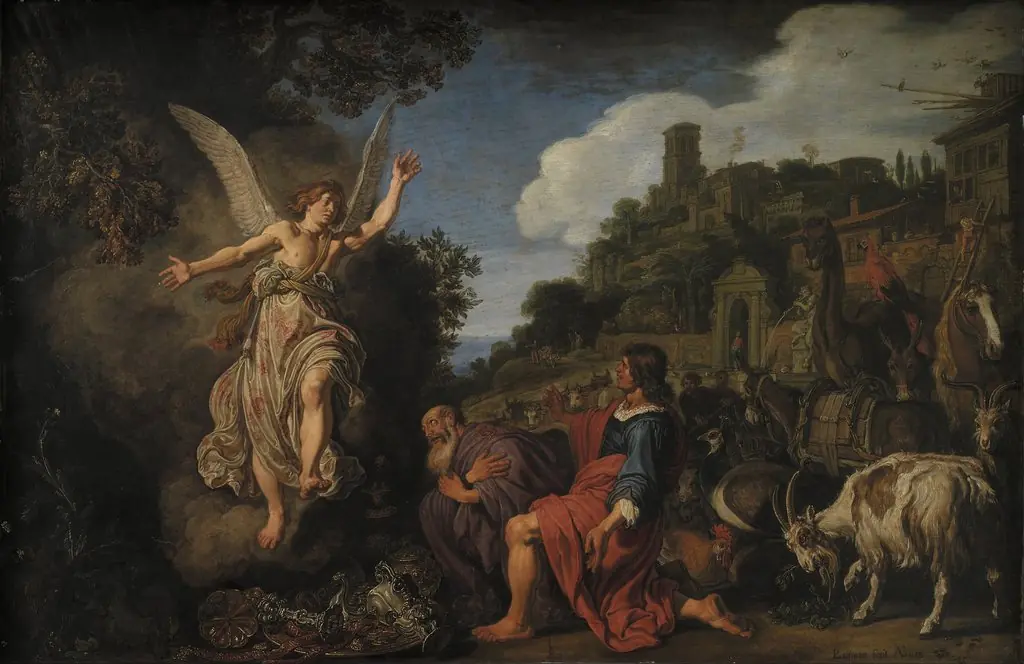 The Angel Raphael Takes Leave of Old Tobit and his Son Tobias
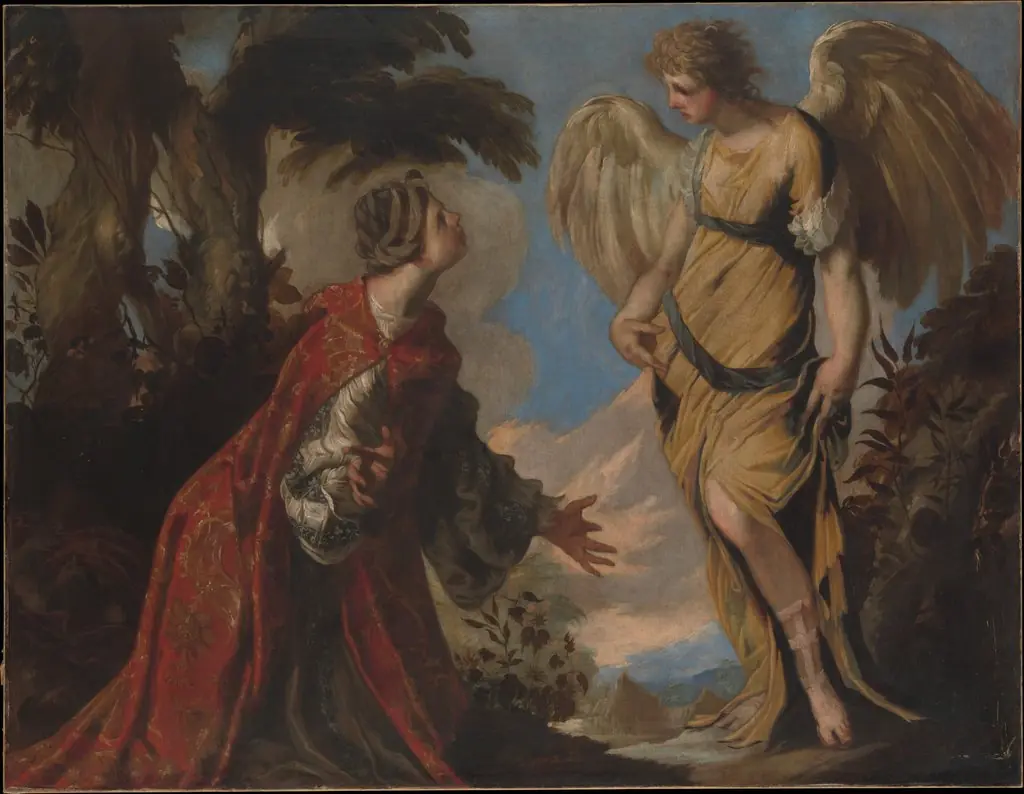 Hagar and the Angel
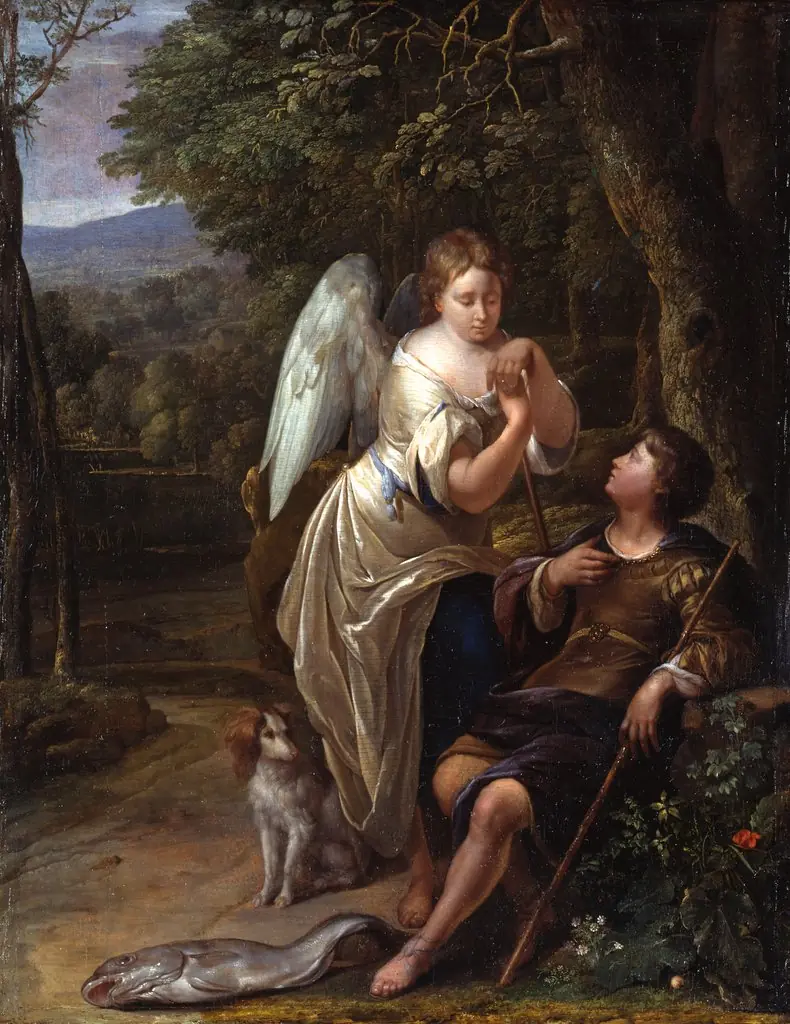 Tobias and the Angel
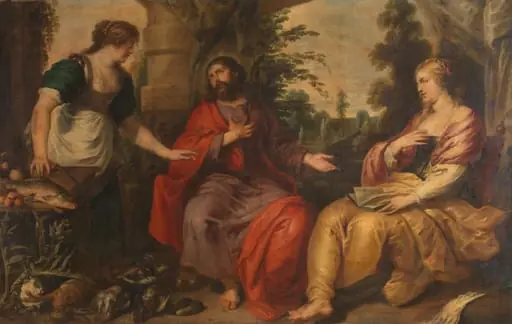 Christ with Martha and Mary
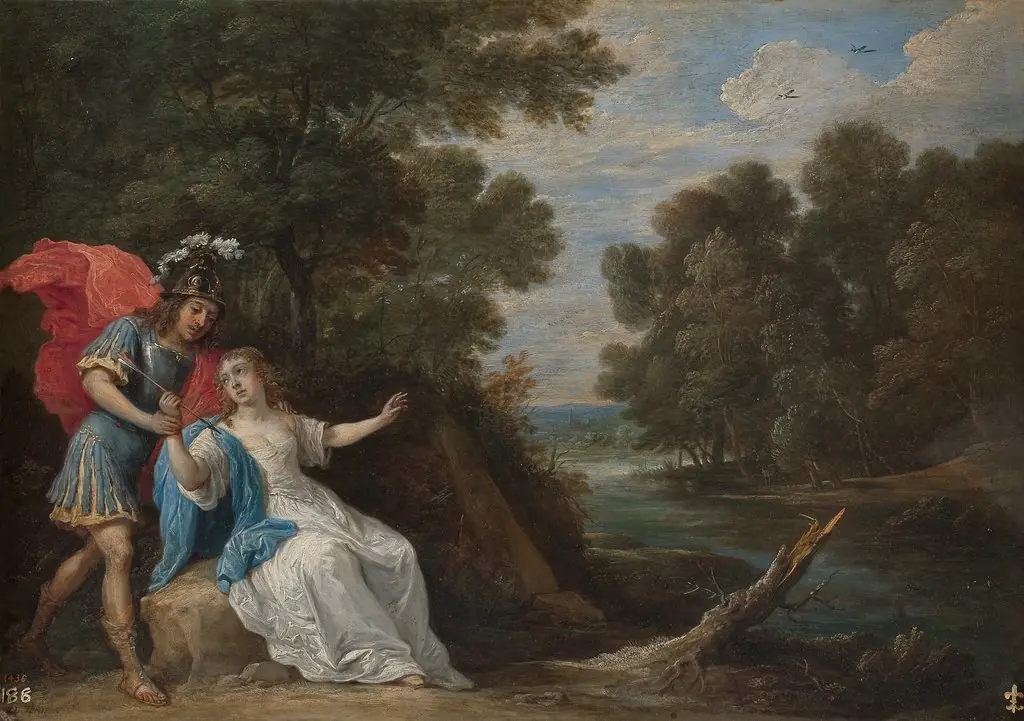 Reconciliación de Reinaldo y Armida
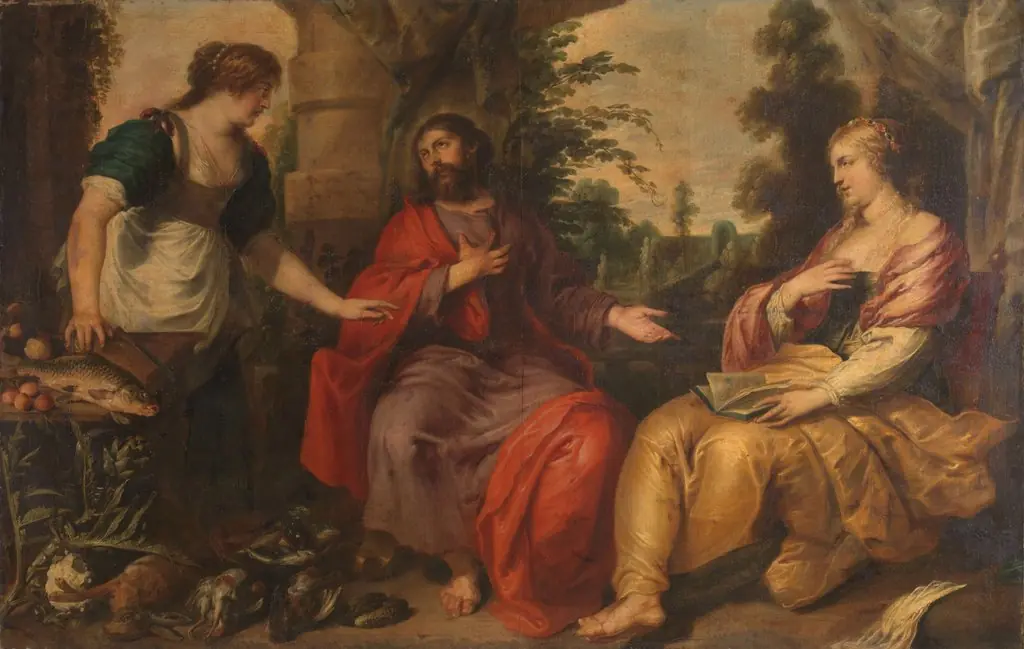 Christ in the house of Martha and Mary
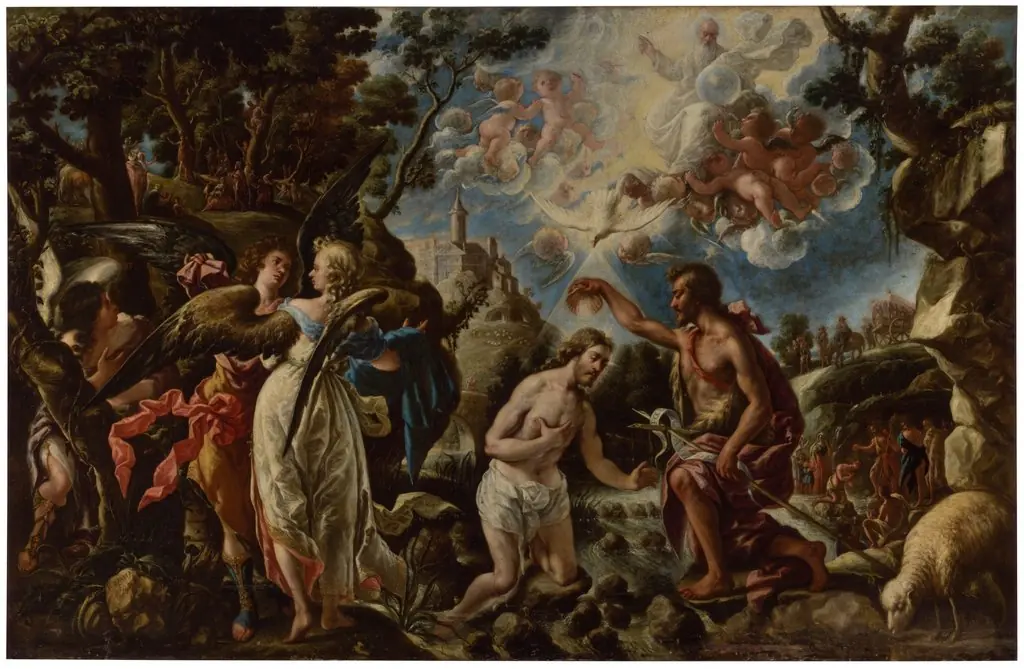 El Bautismo de Cristo
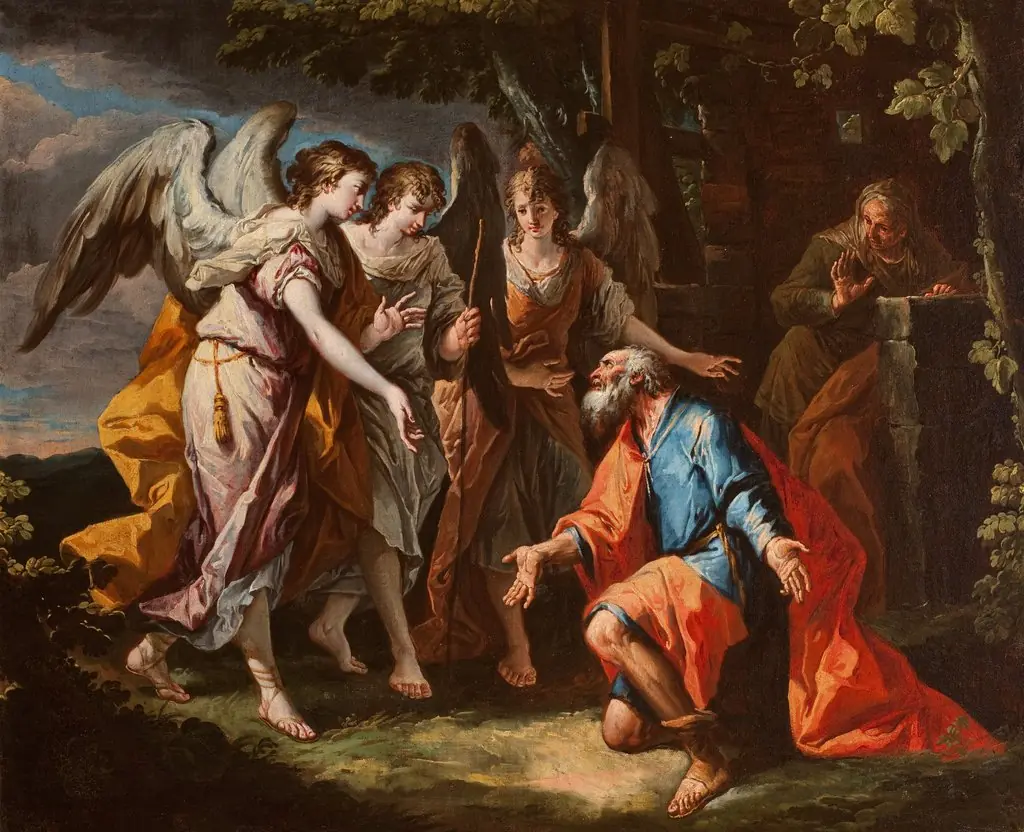 Abraham and the Angels
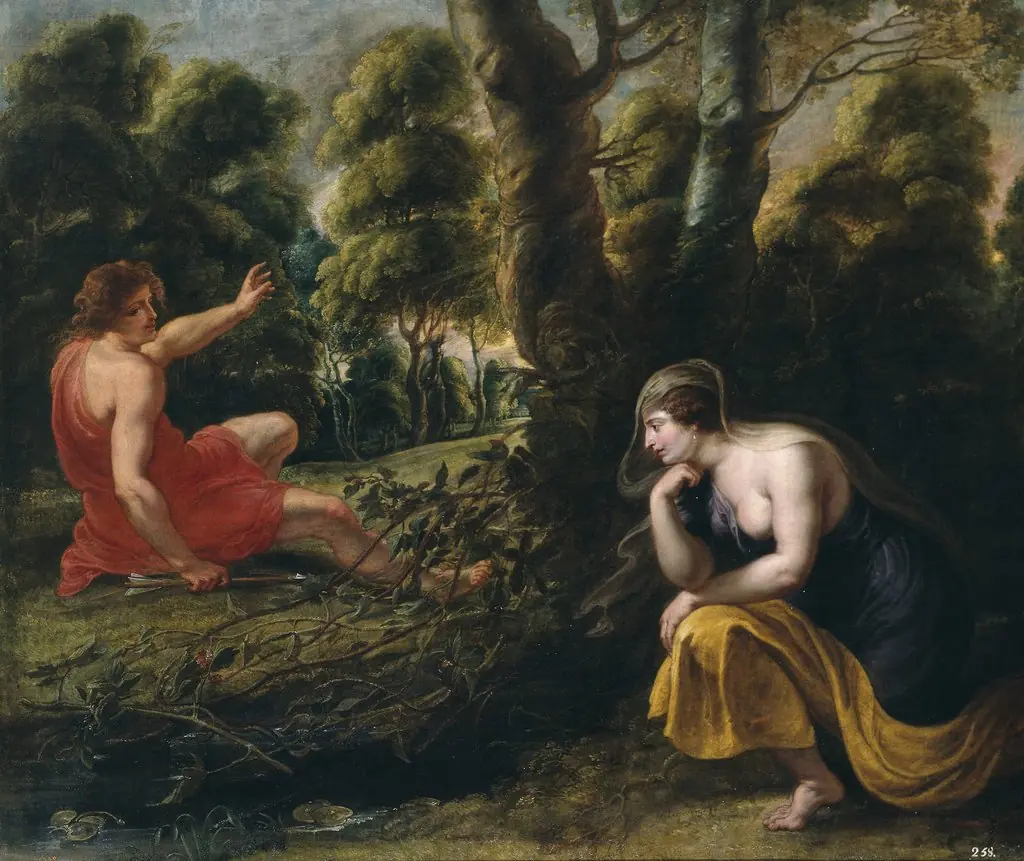 Cephalus and Procris
 Tobiah and the Angel