Artwork
Deposition
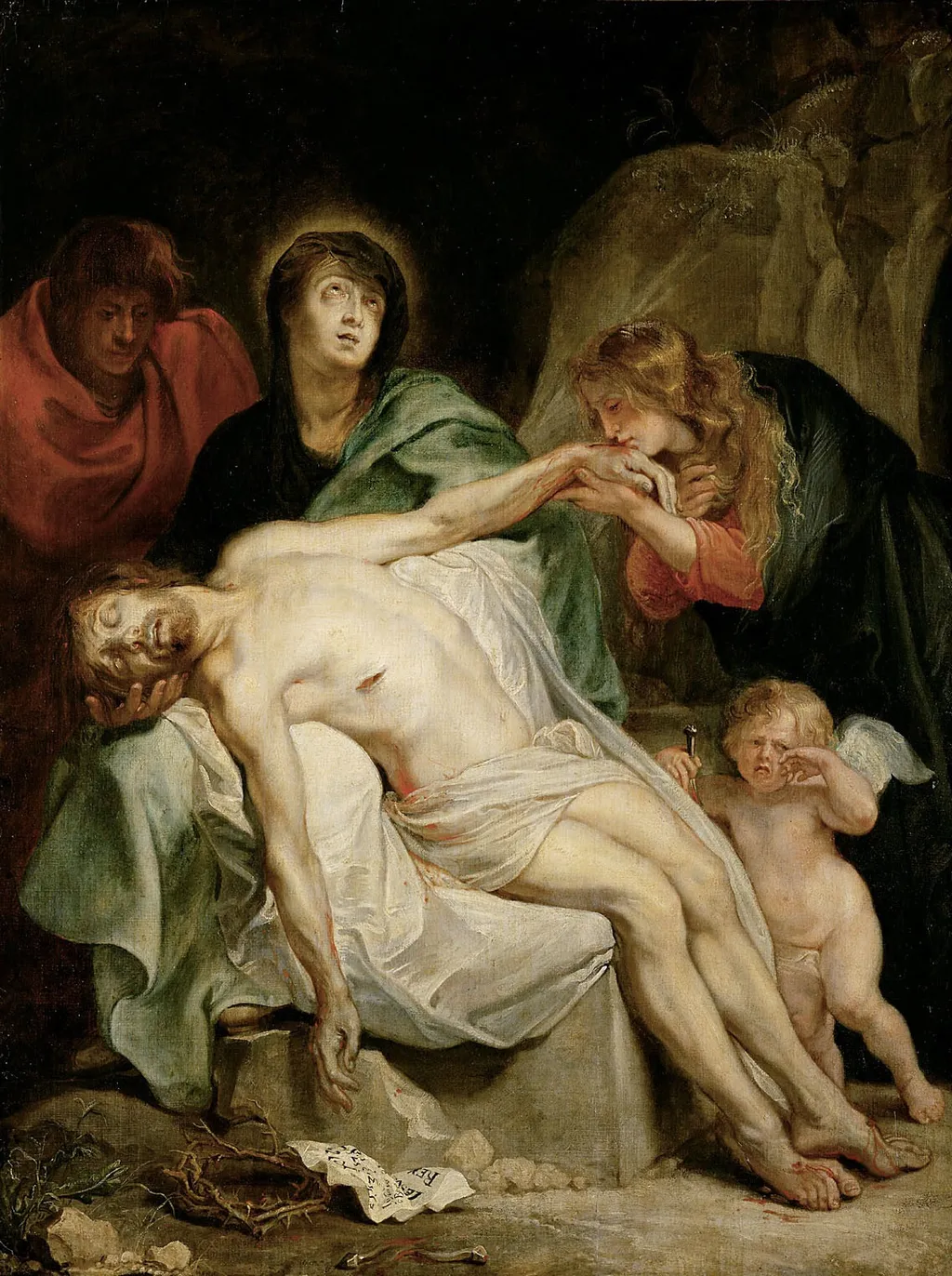
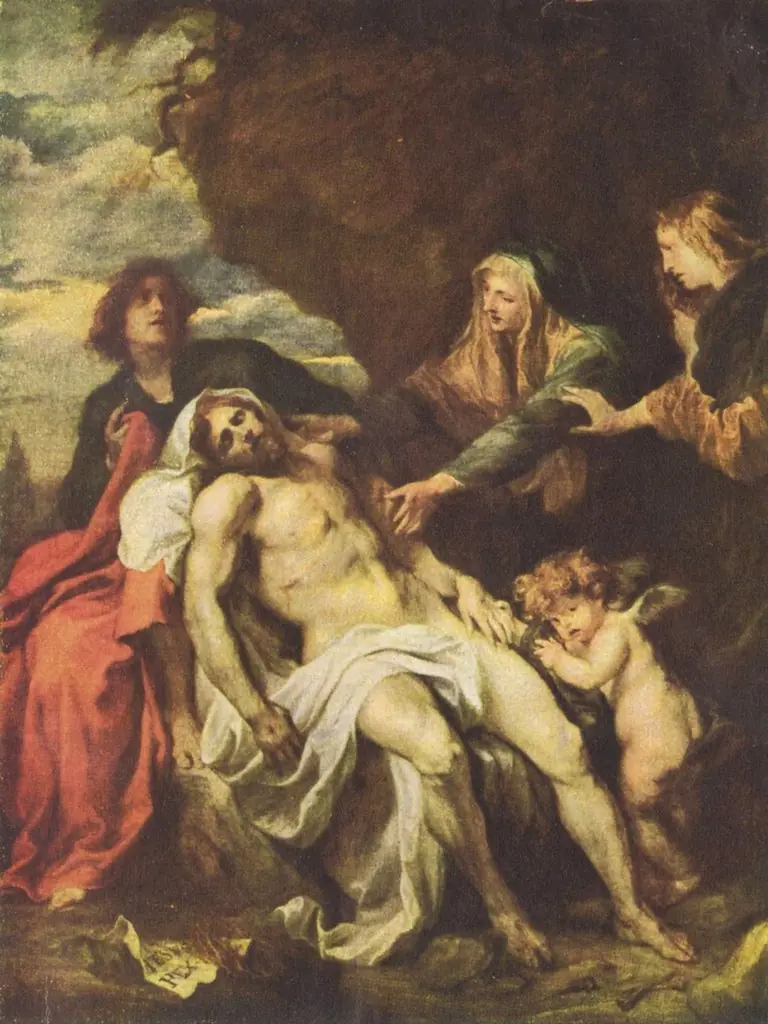
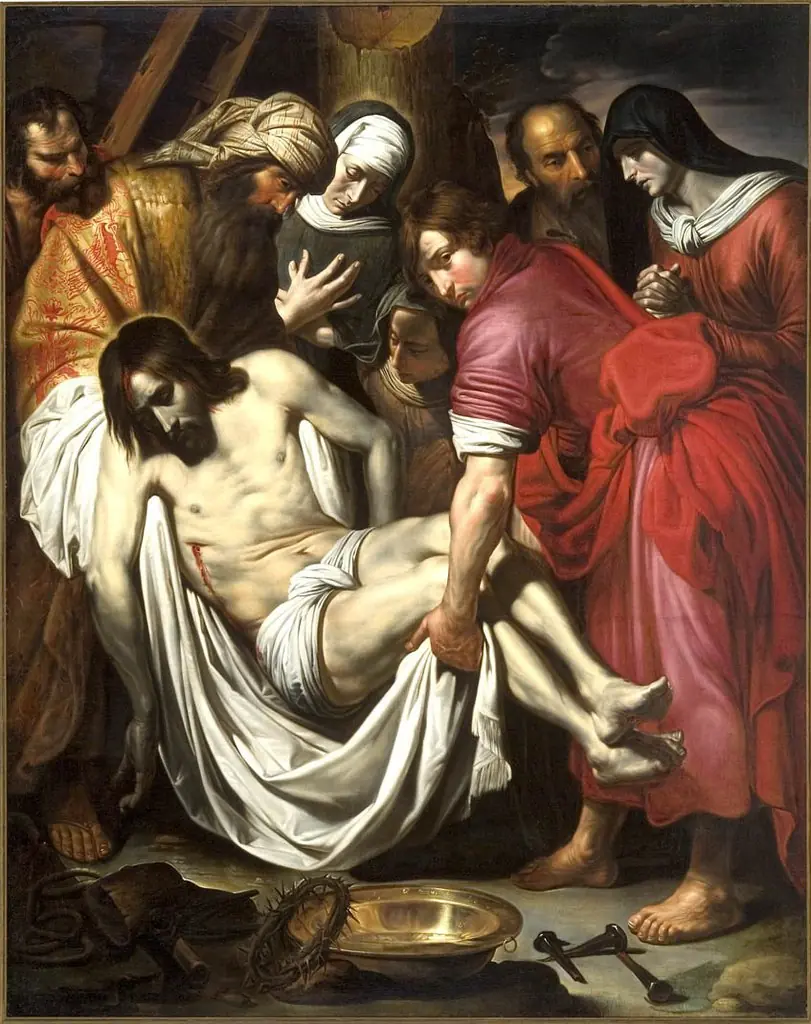
Deposition is an oil painting by the Flemish Baroque painting artist Anthony van Dyck. It dates from 1618 and is held in the collection of the Kunsthistorisches Museum.
About this work
It dates from about 1618‑20 and was acquired by the Kunsthistorisches Museum in 1720.
Deposition is a painting by Flemish artist Anthony van Dyck, created around 1618. It is done in oil paint.
The work is also known as Lamentation over the Dead Christ. It dates from about 1618‑20 and was acquired by the Kunsthistorisches Museum in 1720. The museum in Vienna now holds this early Van Dyck piece.
It shows Van Dyck's developing skill in handling figures and light. The painting reflects the religious themes common in his early career.
If you liked this, you might also explore the museum: Kunsthistorisches Museum.
Subject & Meaning
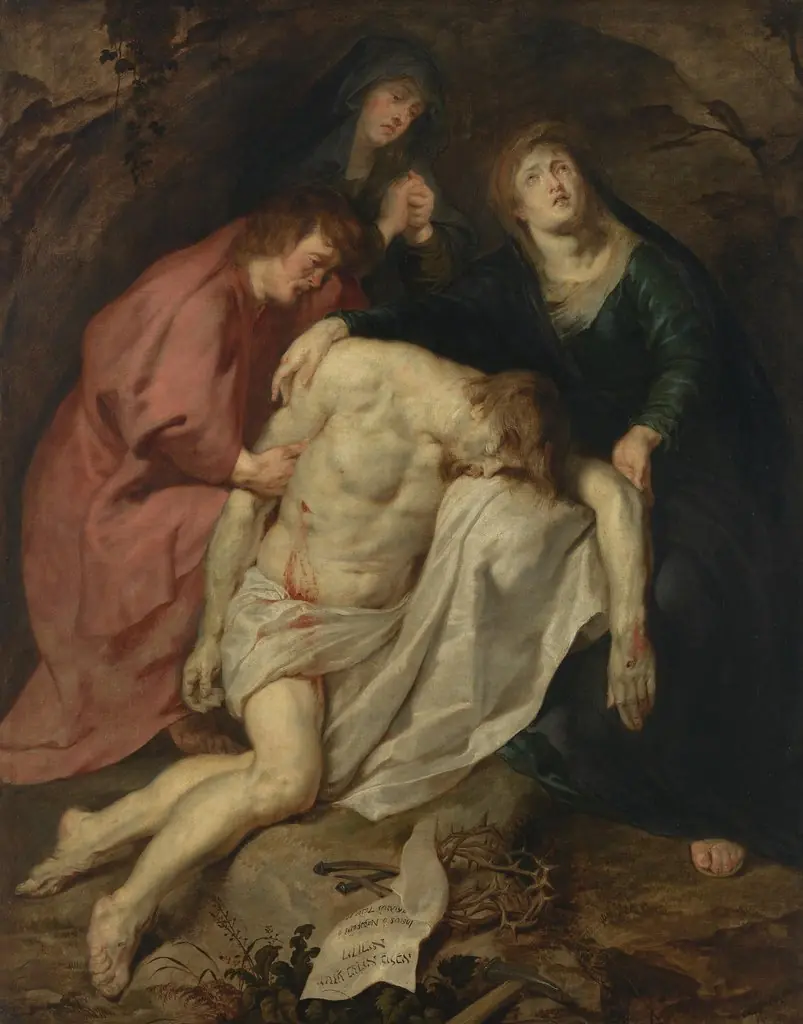
The painting depicts the Lamentation of Christ, a moment following the descent from the cross when Christ’s body is lowered and mourned by his followers. Van Dyck’s composition centers on the pale, lifeless body of Jesus, supported by Joseph of Arimathea and Nicodemus, while the Virgin Mary, John the Evangelist, and other holy women react with sorrow. The subdued palette and restrained gestures emphasize grief and reverence rather than dramatic action.
The work aligns with the longstanding Christian iconographic tradition of the Lamentation, illustrating a key episode in the Passion narrative. By focusing on the emotional response of the mourners, Van Dyck underscores themes of loss, sacrifice, and the human dimension of divine suffering.
Technique & Style
Created between 1618 and 1620, this religious painting is executed in oil paint on a canvas support. The work measures 99 cm in height and 74.5 cm in width. As an early piece by Anthony van Dyck, it depicts the Lamentation of Christ, focusing on the main subject of the dead Jesus Christ.
The composition reflects the artist's Flemish origins and his engagement with religious art themes during this period of his career.
History & Provenance
Anthony van Dyck executed the religious painting known as The Deposition, or Lamentation over the Dead Christ, around 1618. While some records specify the inception year strictly as 1618, other accounts suggest a broader creation window extending to 1620. The work was created using oil paint on canvas.
The painting eventually entered the collection of the Kunsthistorisches Museum in Vienna. Historical records indicate that the artwork arrived at this institution in 1720, where it has remained part of the holdings since that date.
Overview
Anthony van Dyck’s early religious work, titled Deposition (also known as Lamentation over the Dead Christ), is an oil painting executed circa 1618–1620. The composition presents the moment after Christ’s crucifixion, focusing on the sorrowful gathering around his body. Today the canvas belongs to the Kunsthistorisches Museum in Vienna, where it has been displayed since its acquisition in the early eighteenth century.
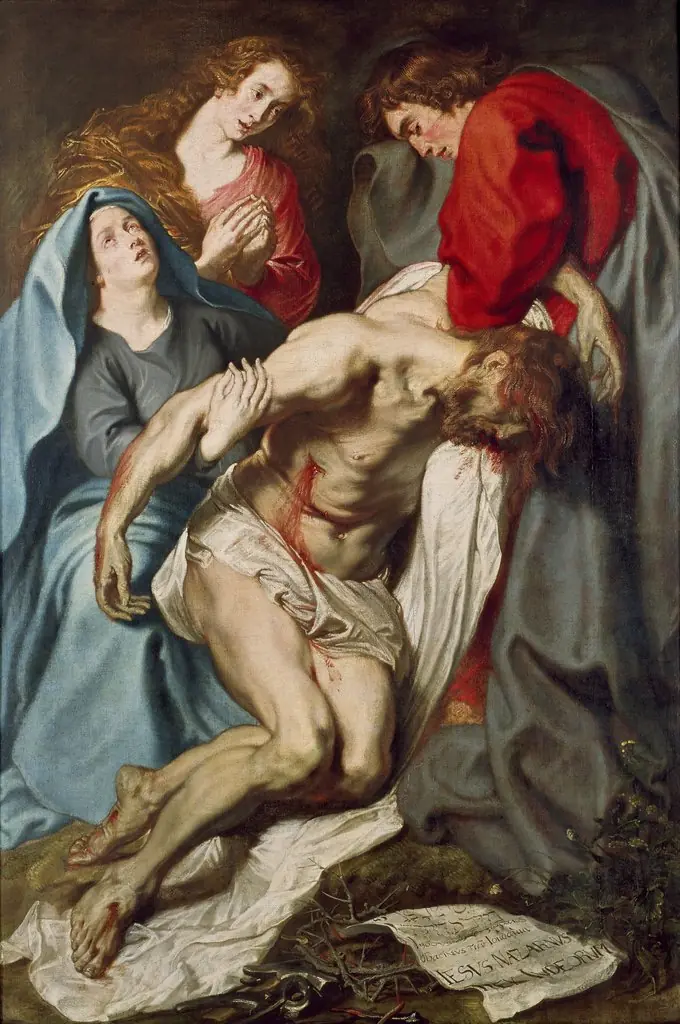
Artist & collection
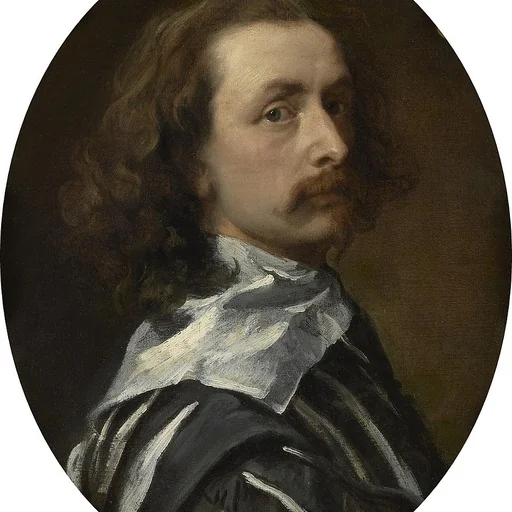
Artist
Sir Anthony van Dyck (; Dutch: Antoon van Dijck; 22 March 1599 – 9 December 1641) was a Flemish Baroque artist, who became the leading court painter in England after success in the Spanish Netherlands and Italy.