Artwork
The Dead Christ in the Tomb with Two Angels
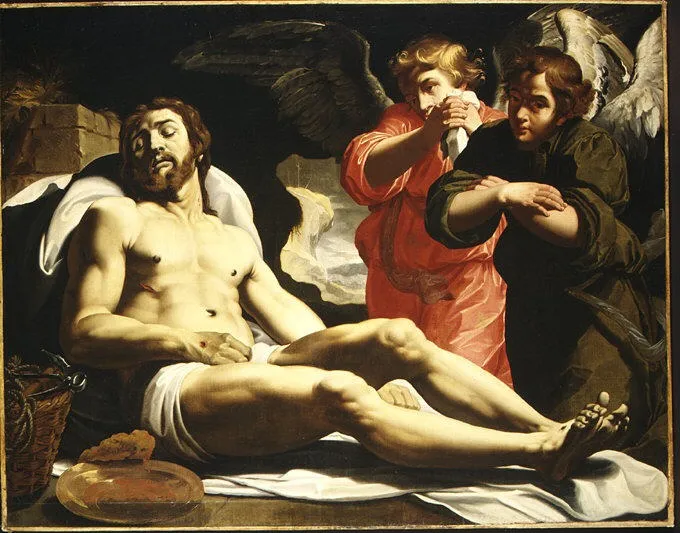
The Dead Christ in the Tomb with Two Angels is an oil painting by the Flemish Baroque painting artist Abraham Janssens I. It dates from 1610 and is held in the collection of the Metropolitan Museum of Art.
About this work
Subject & Meaning
As a work of religious art, the imagery focuses on the moment of death and mourning, explicitly representing the figures of Christ and the attending angels.
Created in 1610 by Abraham Janssens I, this oil painting on canvas depicts the Lamentation of Christ as its primary subject. The composition features the dead body of Jesus Christ within a tomb, accompanied by two angels. As a work of religious art, the imagery focuses on the moment of death and mourning, explicitly representing the figures of Christ and the attending angels.
The scene serves as a visual meditation on the Passion, capturing the solemnity of the burial context through the arrangement of the deceased Savior and the celestial mourners.
Technique & Style
The Dead Christ in the Tomb with Two Angels is executed in oil paint on canvas, a standard support for early seventeenth-century Flemish religious painting. The work measures 115.3 cm in height by 147.3 cm in width, giving it a horizontal format suited to its tomb-bound subject. Within the Metropolitan Museum of Art's classification, it is recorded simply as a painting, with the canvas and oil medium noted in the catalogue record.
No specific information is available in the consulted sources regarding the painting's current condition, conservation history, underdrawing, or particular stylistic handling beyond its medium and support.
History & Provenance
The painting The Dead Christ in the Tomb with Two Angels by Abraham Janssens I is dated to 1610, aligning with the artist's mature period and the broader Flemish Baroque tradition of religious narrative painting. The work is held in the collection of the Metropolitan Museum of Art, New York, under accession number 1975.1.107. Its provenance prior to the museum's acquisition is not documented in the available sources, though its classification as a religious work is consistent with a likely commission for ecclesiastical or private devotional contexts typical of Janssens's output during this era.
Overview
Abraham Janssens I, a Flemish artist, completed The Dead Christ in the Tomb with Two Angels in 1610. This oil painting presents the deceased body of Christ resting on a stone slab within a tomb, attended by two angelic figures. The work is part of the collection at The Metropolitan Museum of Art, offering a somber meditation on a pivotal religious narrative.
Context
Active during the late 16th and early 17th centuries, Abraham Janssens I was a prominent Flemish painter recognized for his substantial religious and mythological compositions. Before the return of Peter Paul Rubens from Italy, Janssens held a significant position as the foremost history painter in Flanders. His work, including this piece, demonstrates a sophisticated engagement with the artistic currents of his era.
Artist & collection
Artist
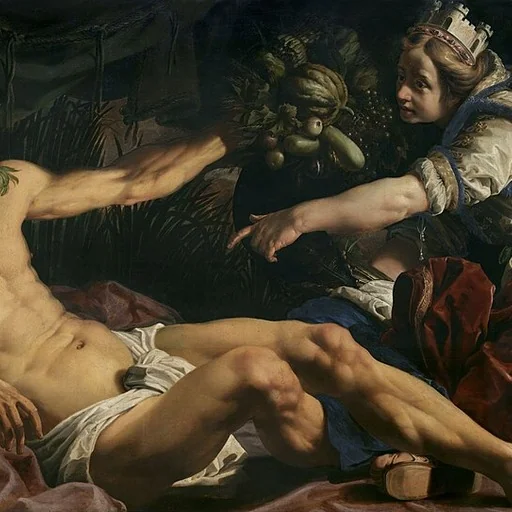
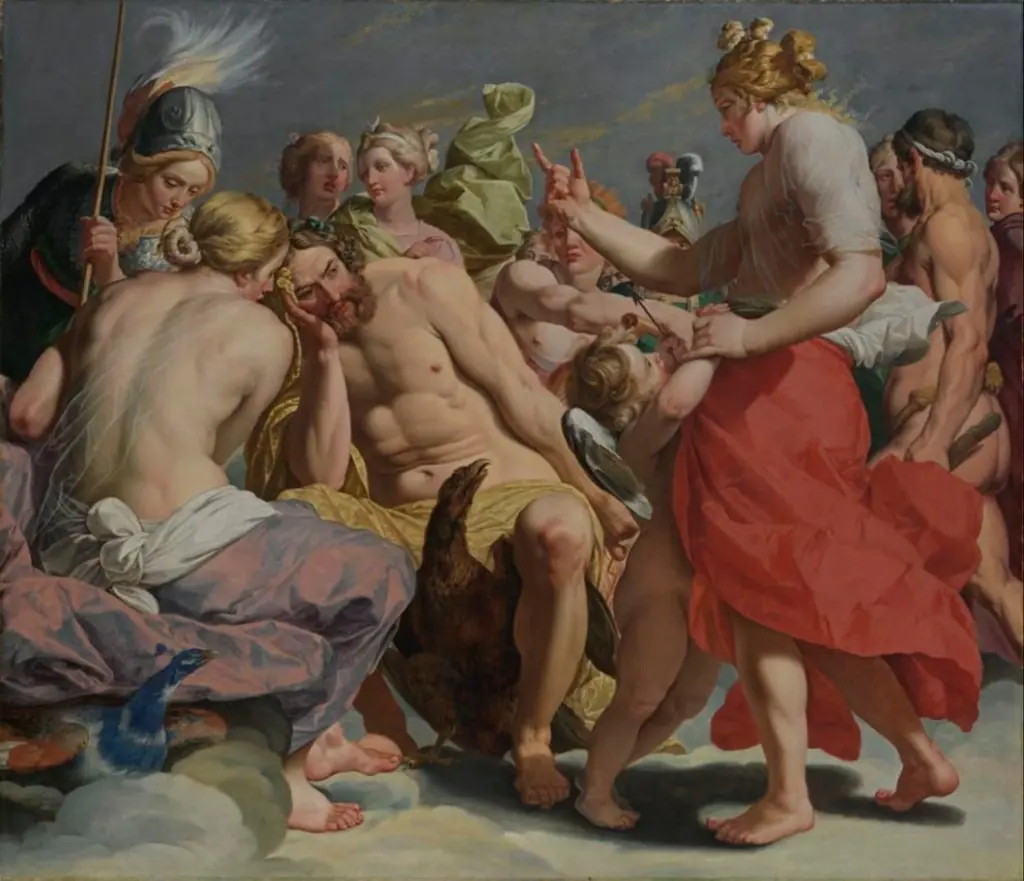
Abraham Janssens I, Abraham Janssen I or Abraham Janssens van Nuyssen (1575–1632) was a Flemish painter, who is known principally for his large religious and mythological works, which show the influence of Caravaggio.

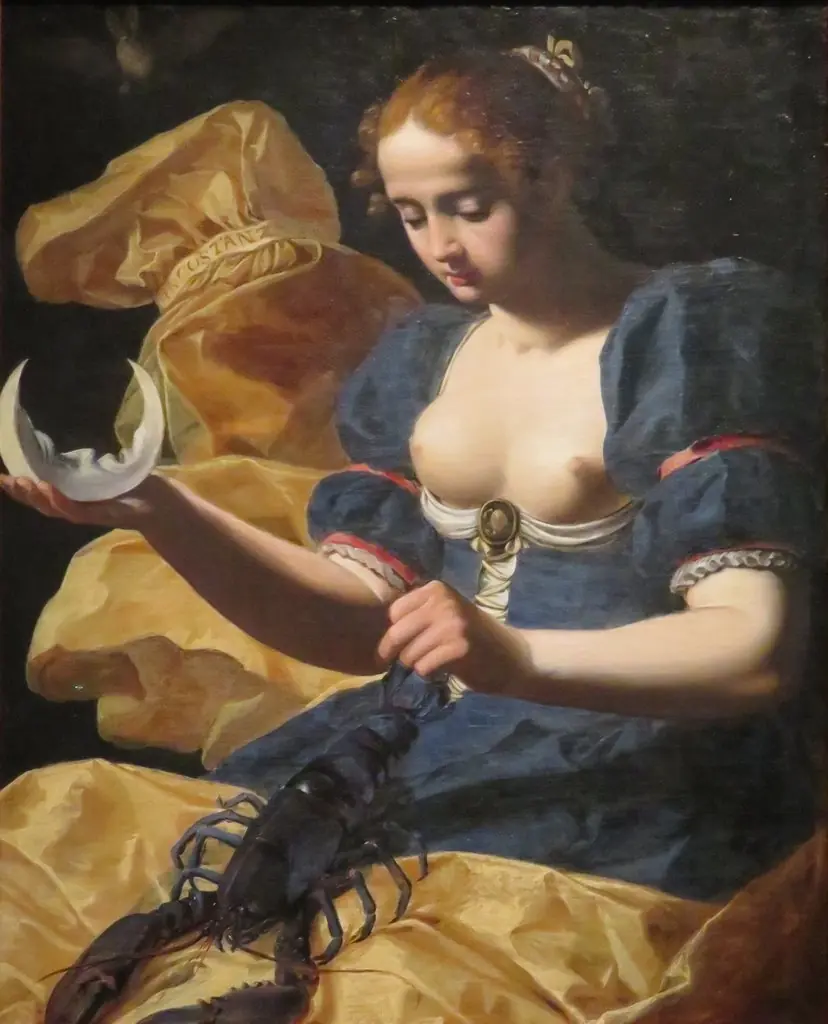
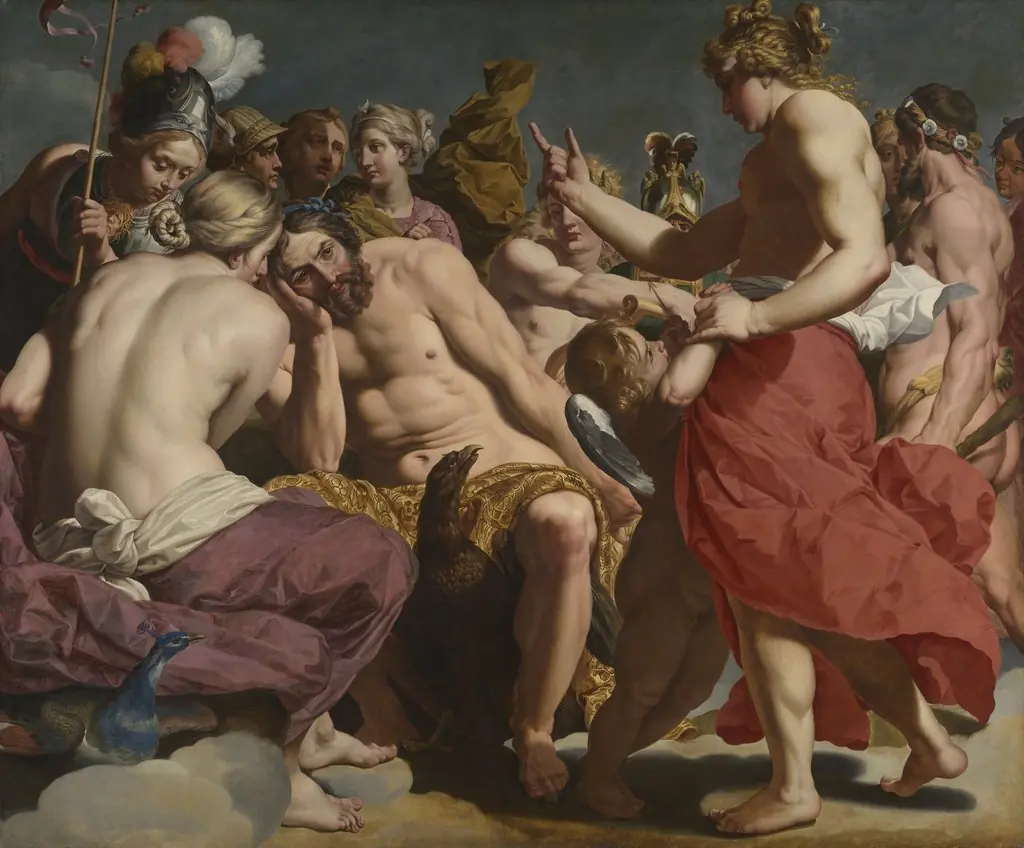
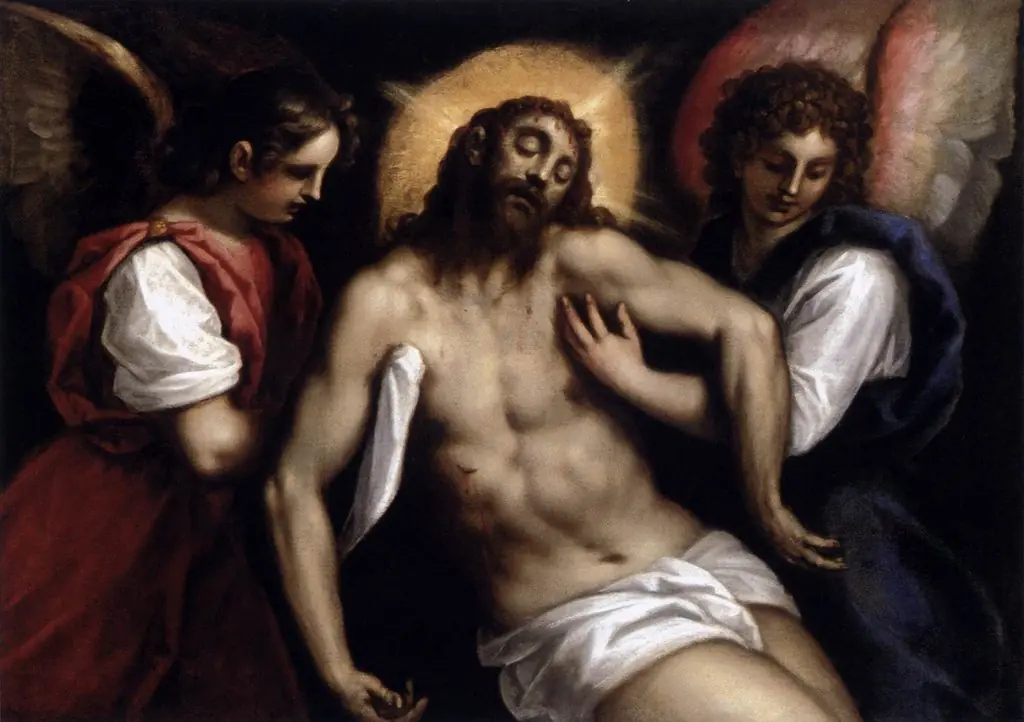
- The Dead Christ with Two Angels
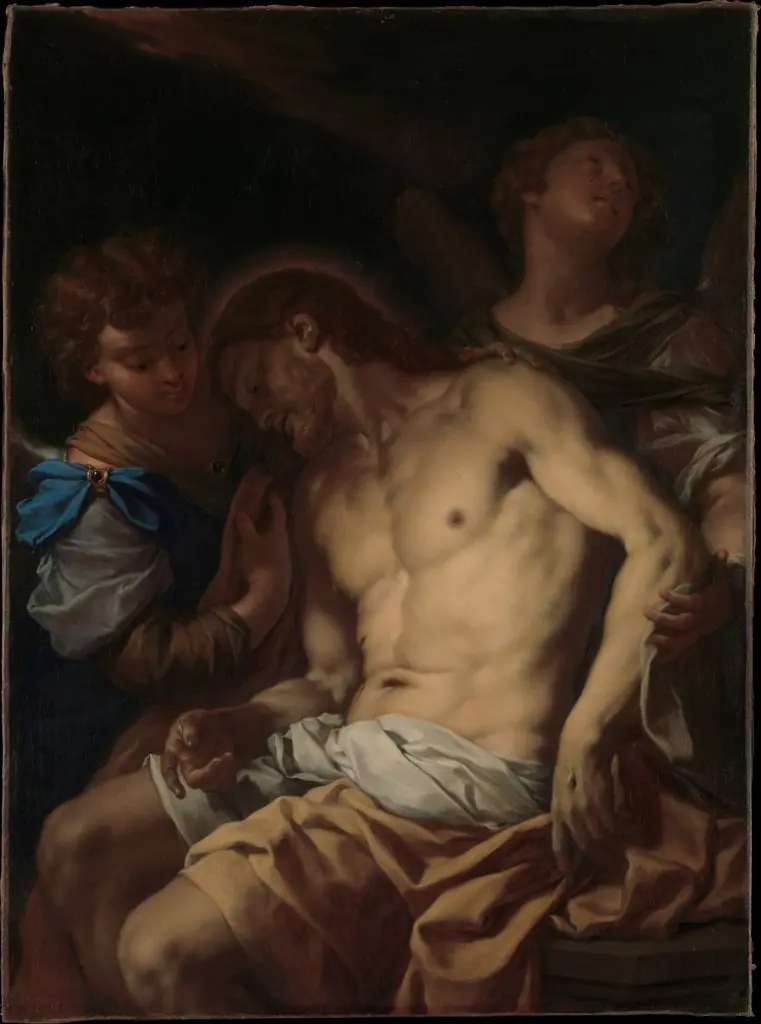 Dead Christ Supported by Angels
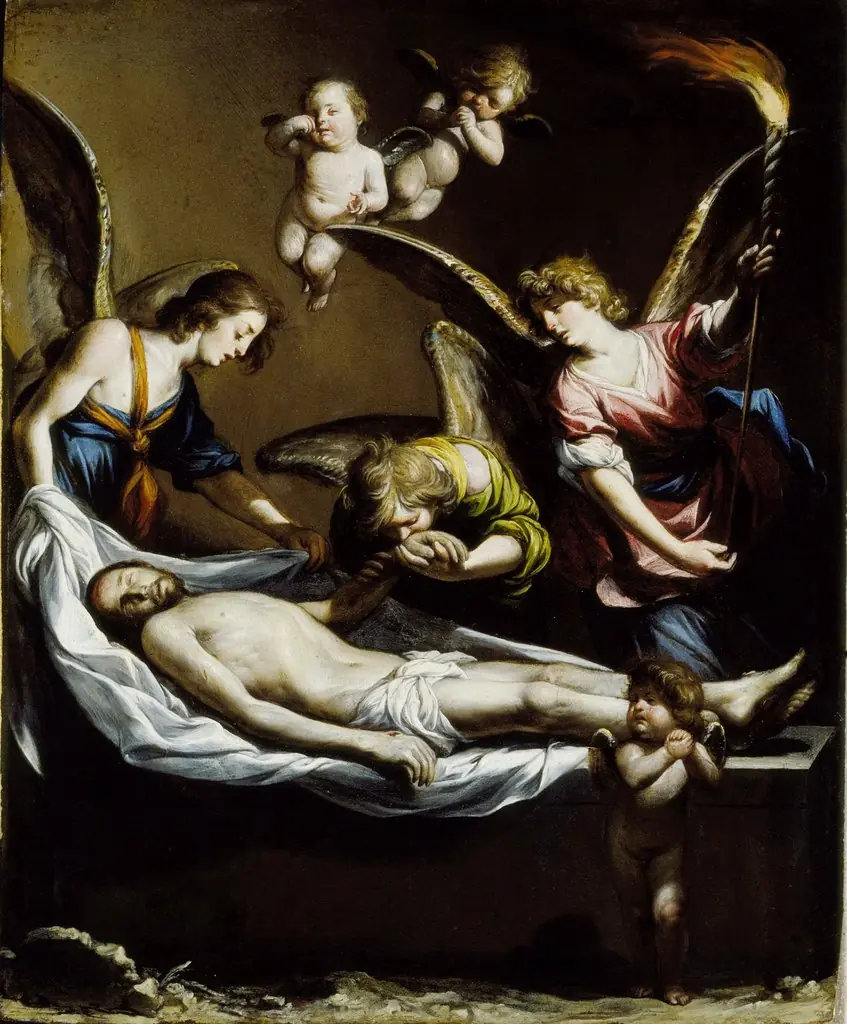 Dead Christ with Lamenting Angels
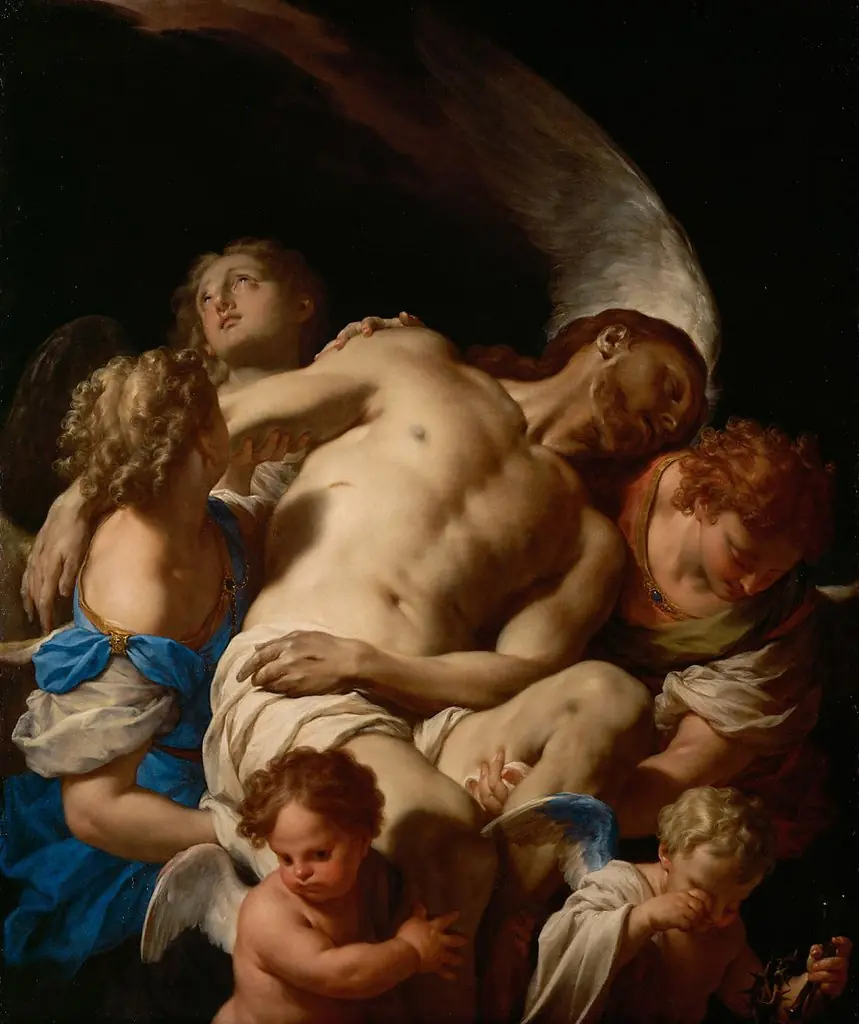 Body of Christ, held by angels
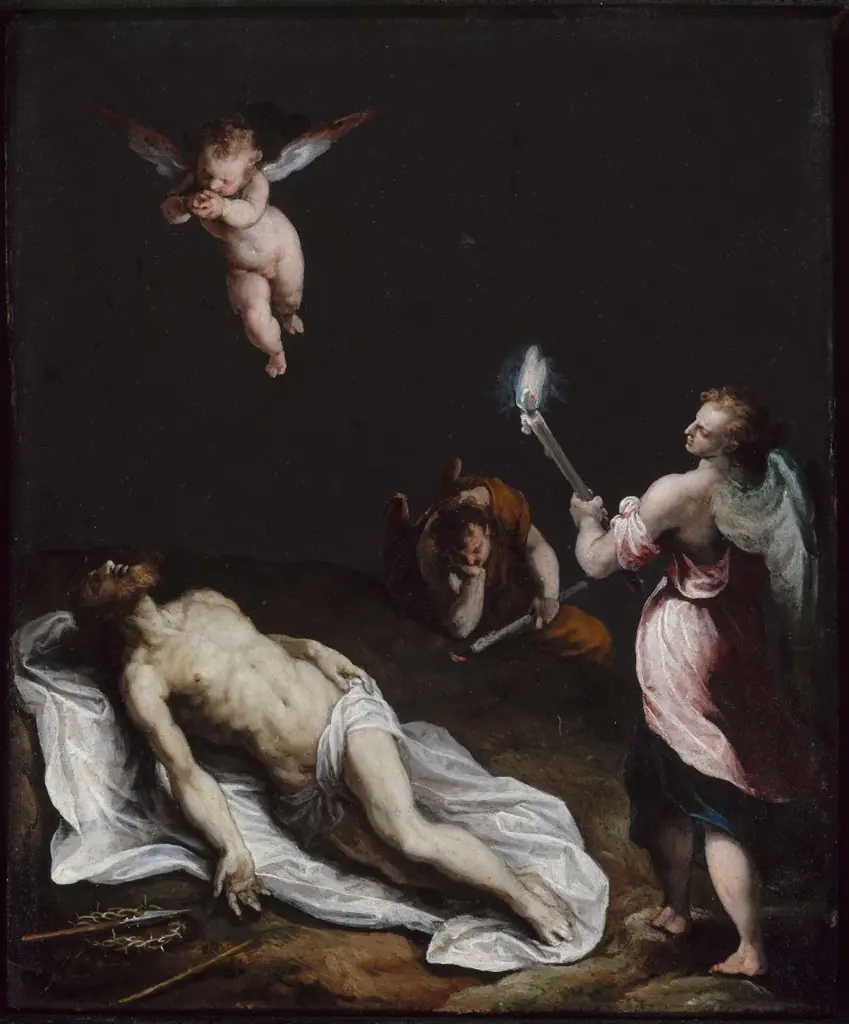 Dead Christ Mourned by Angels
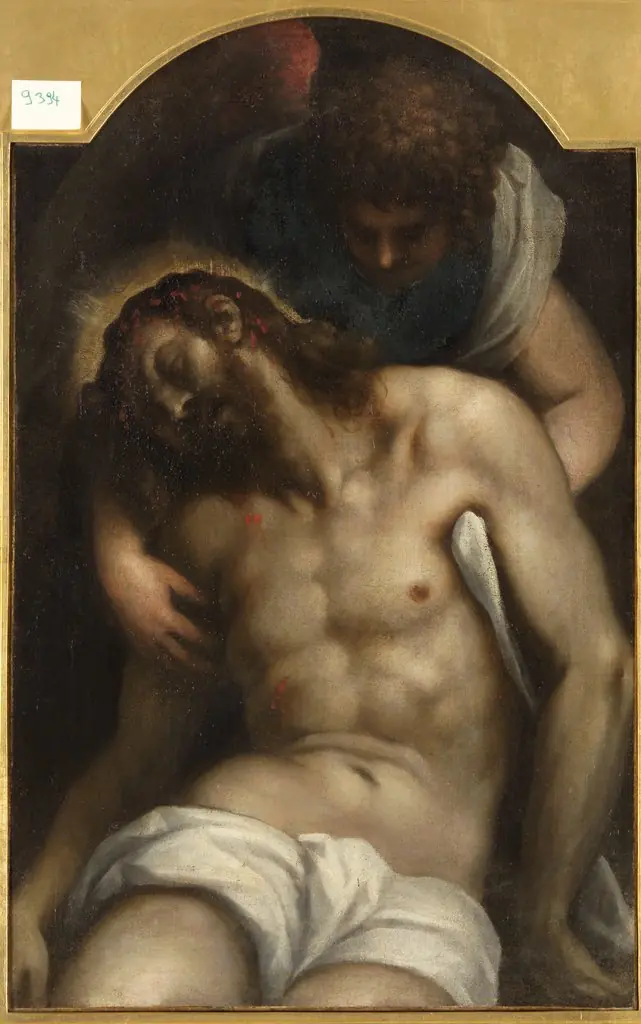 Dead Christ Supported by an Angel
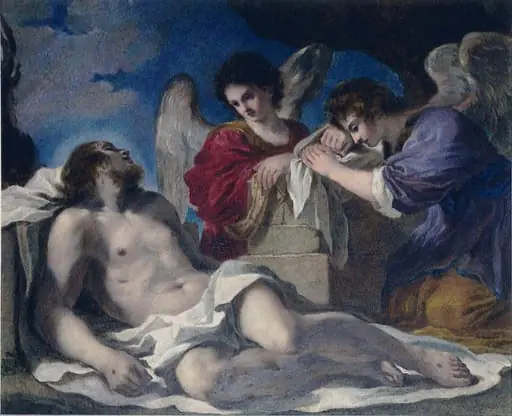 The angels watching the dead Christ
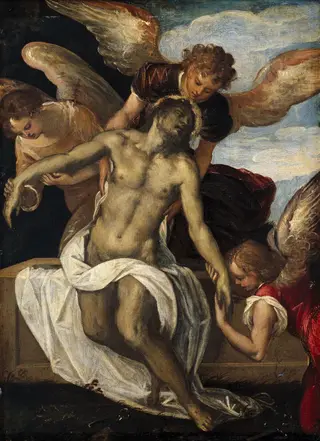 Body of Christ supported by Three Angels
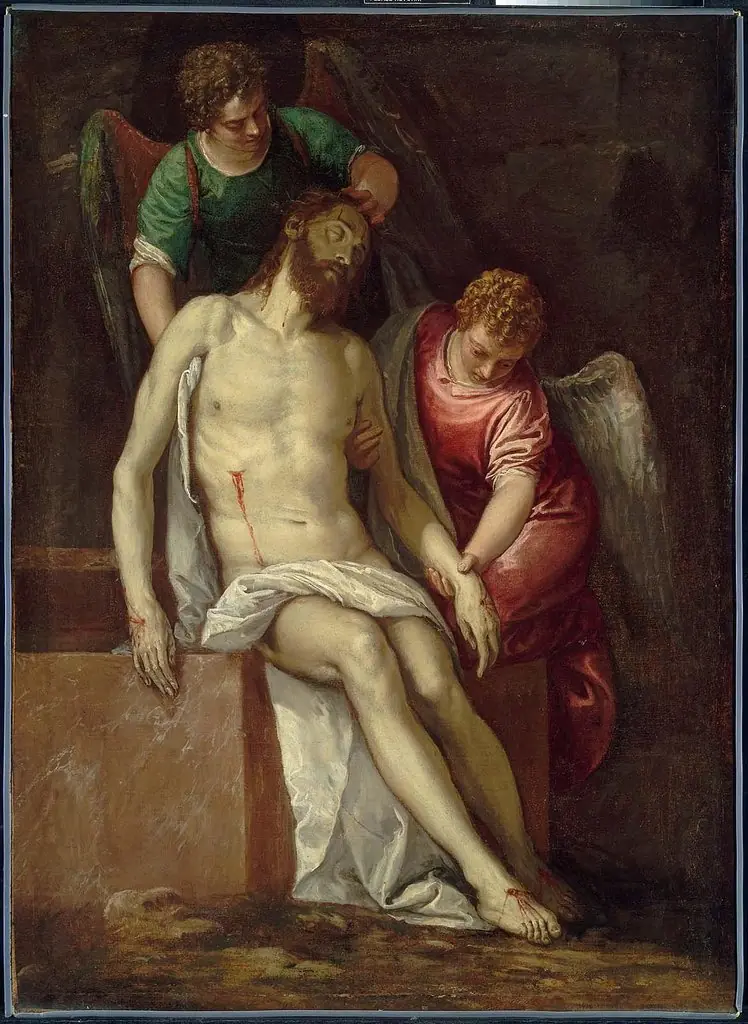 The Dead Christ Supported by Angels
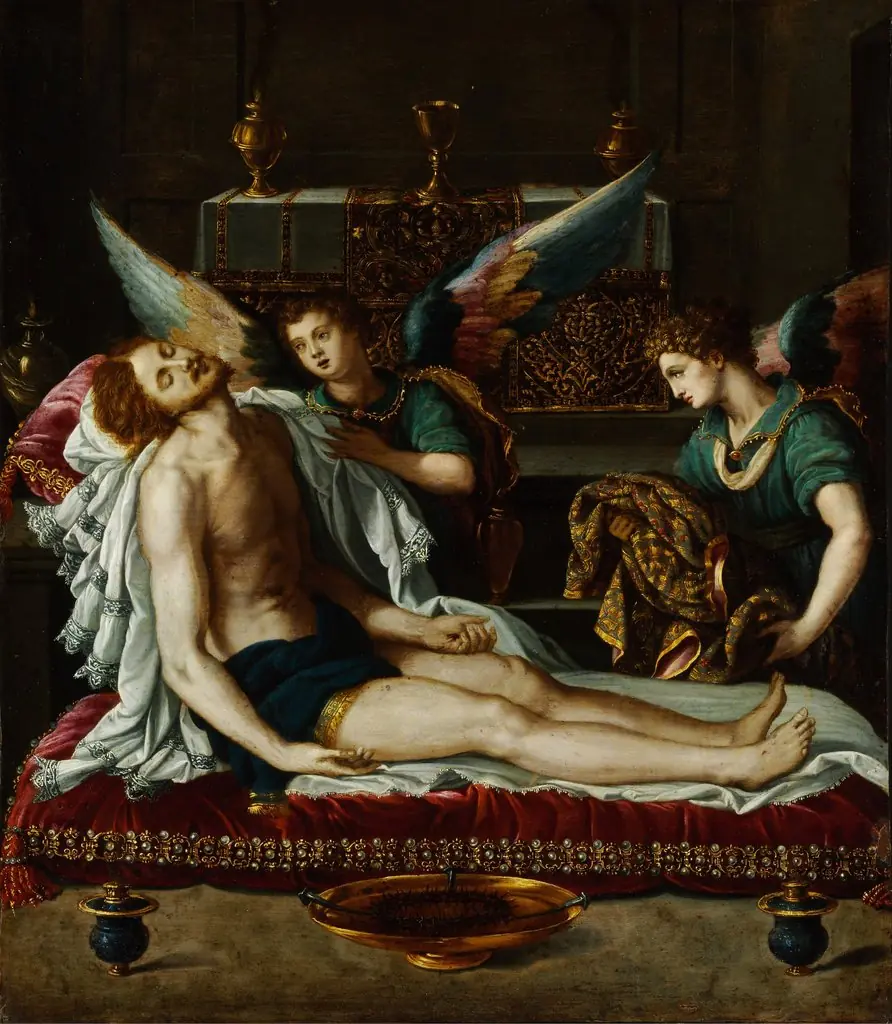 The Body of Christ Anointed by Two Angels
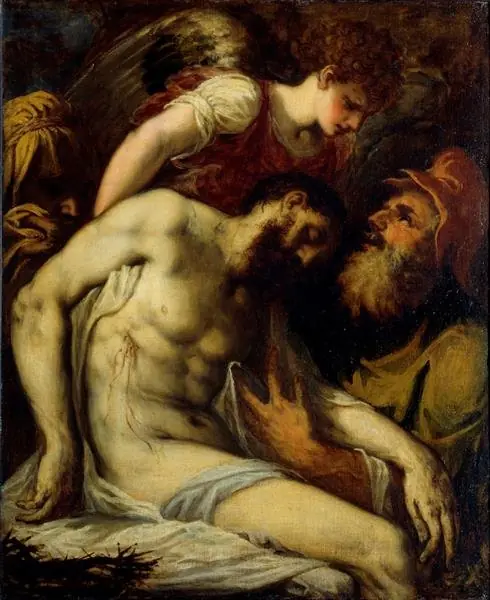 Dead Christ supported by Angels