Artwork
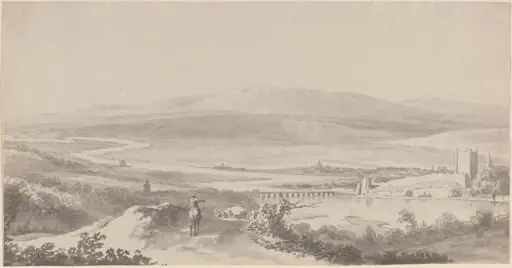
Stirling from Kinnell
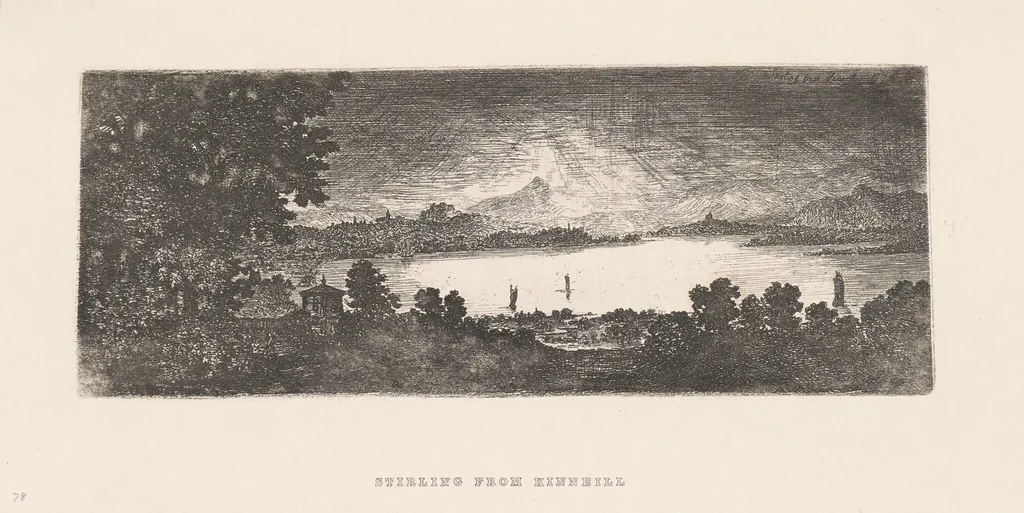
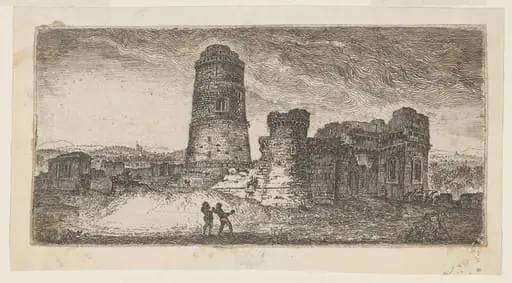
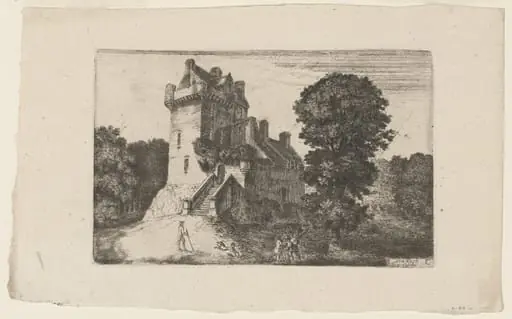
Stirling from Kinnell is an ink print by the Romanticist artist of Eldin, John Clerk. It is held in the collection of the National Gallery of Art.
- Inscription
- Inscribed:lower center below plate: STIRLING FROM KINNEILL; by later hand, lower left in graphite: 78; by later hand, lower right verso in graphite: from the / Bannatyne Club / 1817
About this work
Overview
Stirling from Kinnell is an 1776 etching on wove paper by the Scottish draughtsman John Clerk of Eldin. Executed as a single‑plate print, the work measures the modest dimensions typical of eighteenth‑century landscape etchings and presents a tranquil riverine scene viewed from the Kinnell estate.
Subject & Meaning
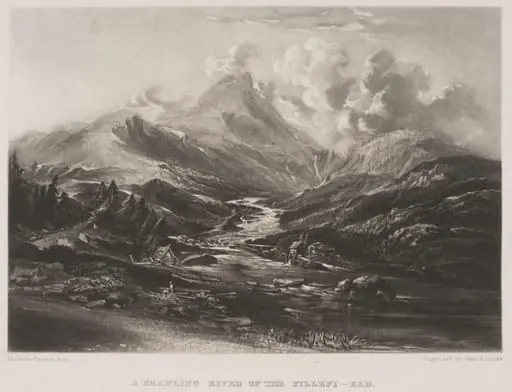
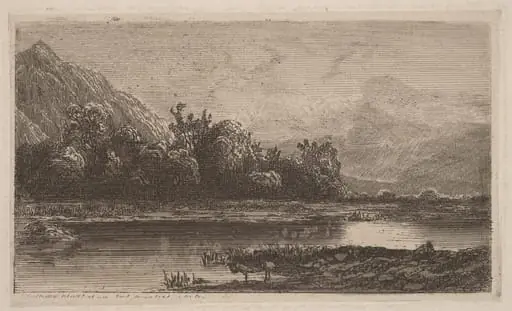
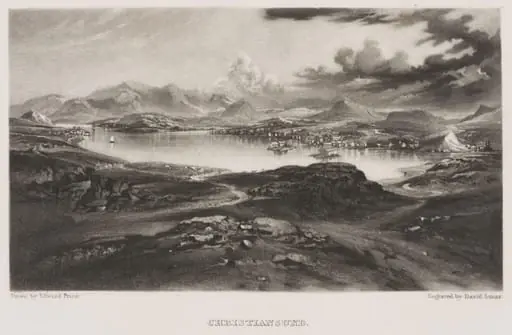
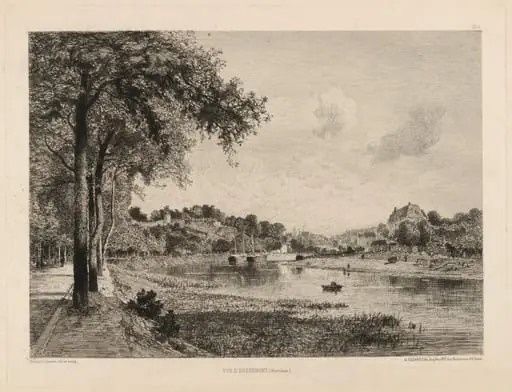
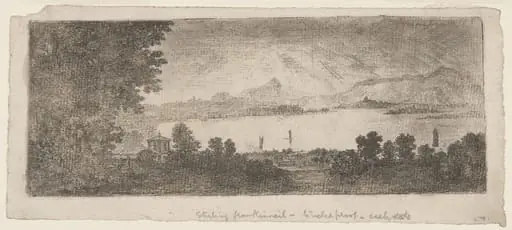
The composition depicts a gentle river winding through a pastoral setting, flanked on the left by a stand of trees. A modest building rests near the water’s edge, while a small town clusters along the far shore and low hills rise beyond. The title identifies the vista as the city of Stirling observed from Kinnell, suggesting an interest in documenting familiar Scottish topography.
Technique & Style
Clerk employed the traditional etching process, incising the image into a copper plate with a needle before immersing it in acid to bite the lines. Ink was then drawn into the etched grooves and transferred to wove paper, producing the characteristic grainy texture and soft, sketch‑like outlines that convey atmospheric depth.
History & Provenance
Created in 1776, the print reflects Clerk’s broader engagement with topographical illustration during the Enlightenment. While specific ownership records are scarce, the work has appeared in catalogues of eighteenth‑century British prints and is held in several public collections that focus on Scottish art and printmaking.
Artist & collection