Subject
Lake
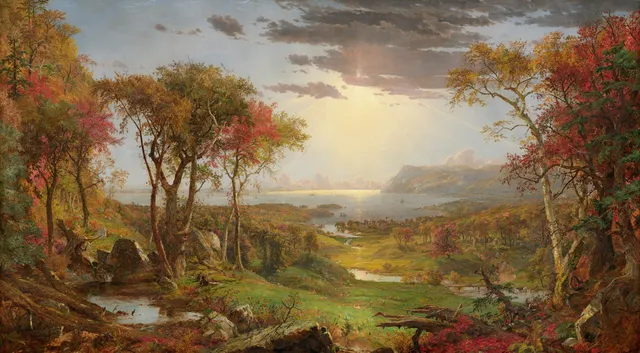
Lake is a subject in art. The gallery holds 89 works in this subject in art, including works by Thomas Cole, Albert Bierstadt and Thomas Chambers.
Lakes occupy a special place in landscape art because of a simple optical gift: a still body of water doubles the world above it, mirroring sky, mountains, and trees in a second, inverted image. As landscape painting gained independence in seventeenth-century Holland and matured through the Romantic era, the lake became a favored motif precisely for this reflective stillness, which let painters explore light, atmosphere, and the relationship between the eternal and the transient. Unlike the restless sea, the lake reads as enclosed, contemplative, and intimate—"localized in a basin or interconnected basins surrounded by dry land," yet charged with meditative calm.
In nineteenth-century Europe, the Italian lakes drew Romantic and Grand Tour artists toward the picturesque. J. M. W. Turner sketched and painted Lago Maggiore and the Borromean island of Isola Bella across several decades, dissolving water and Alpine light into luminous washes. These Italian subjects, with their terraced gardens and hazy distances, established a template of the lake as a site of beauty, leisure, and atmospheric reverie that later artists would carry home.
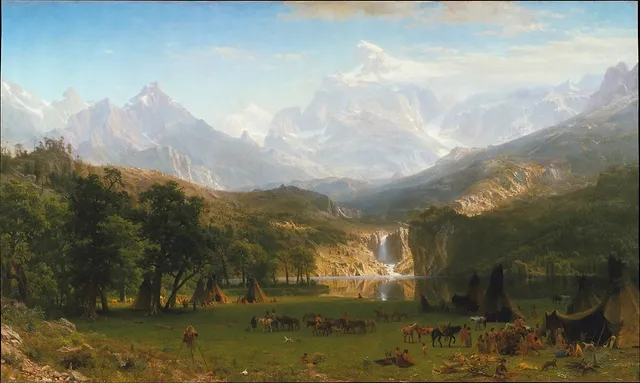
The theme reached its fullest expression in mid-nineteenth-century America with the HudRiver River School and its quieter offshoot, Luminism. John Frederick Kensett, the acknowledged master of the luminist mode, returned repeatedly to Lake George, transforming it into spare, horizontal meditations in which the water acts as a mirror for the sky's glow—as in his *Lake George* (1869, Metropolitan Museum). Albert Bierstadt won his first national success with *Lake Lucerne* (1858, National Gallery of Art) and used reflective water dramatically in *The Rocky Mountains, Lander's Peak* (1863); Sanford Robinson Gifford carried American eyes back to Italy in *Isola Bella in Lago Maggiore* (1871), and Jasper Francis Cropsey, "the painter of autumn," set blazing foliage against still water in *Autumn—On the Hudson River* (1860).
Visually, the lake subject favors low, asymmetric horizons, mirror-like surfaces, and a precise rendering of light and air that subordinates incident to mood. This legacy fed directly into later art: the Impressionists, above all Claude Monet with his water-lily ponds, pushed the reflective surface toward pure color and dissolution. From Romantic grandeur to luminist serenity to modern abstraction of reflection, the lake has remained one of landscape's most enduring and adaptable themes.
Key artists

Works
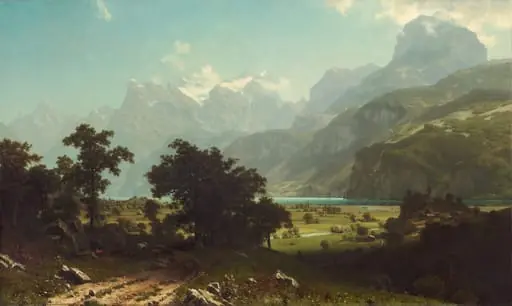 Lake Lucerne
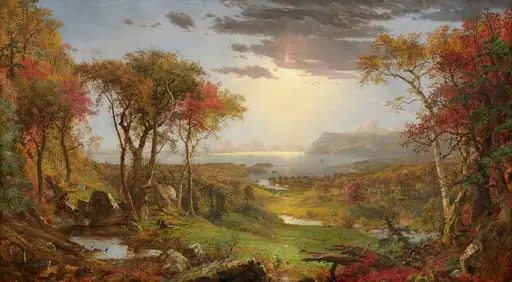 Autumn - On the Hudson River
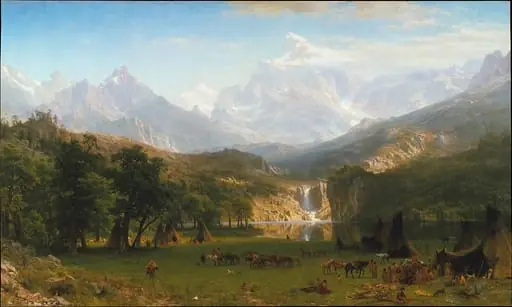 The Rocky Mountains, Lander's Peak
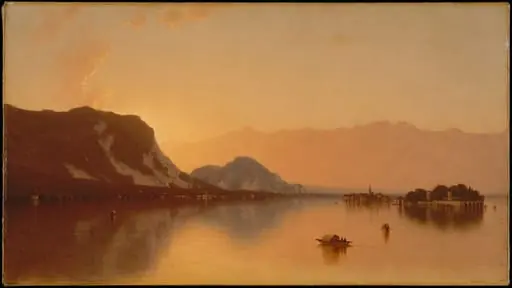 Isola Bella in Lago Maggiore
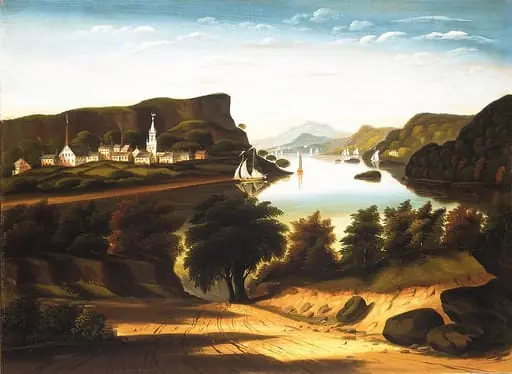 Lake George and the Village of Caldwell
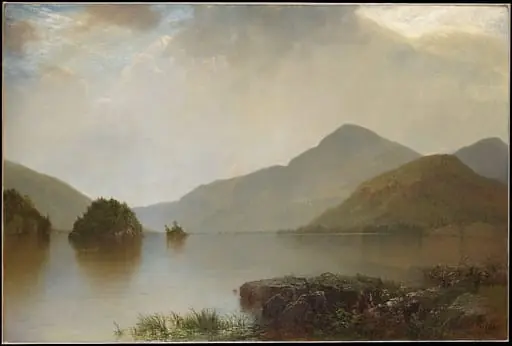 Lake George
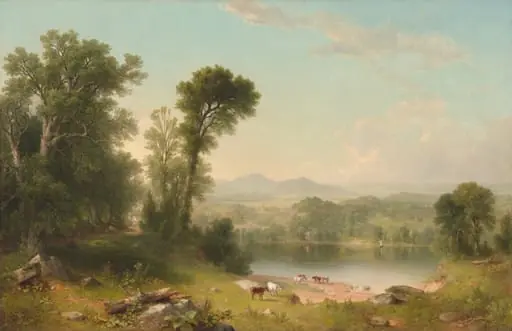 Pastoral Landscape
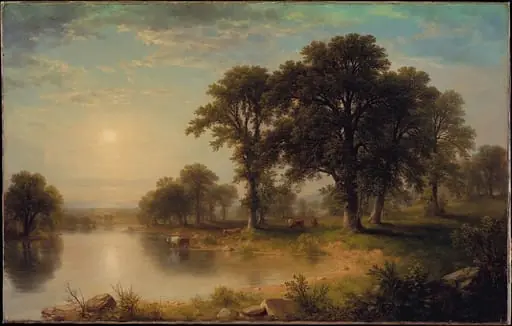 Summer Afternoon
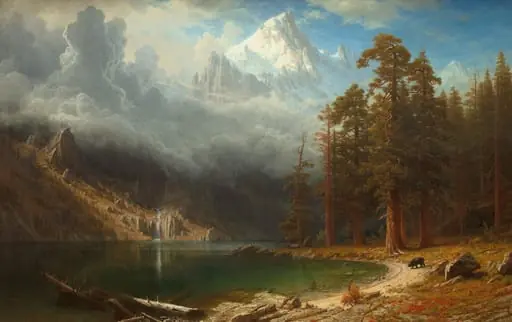 Mount Corcoran
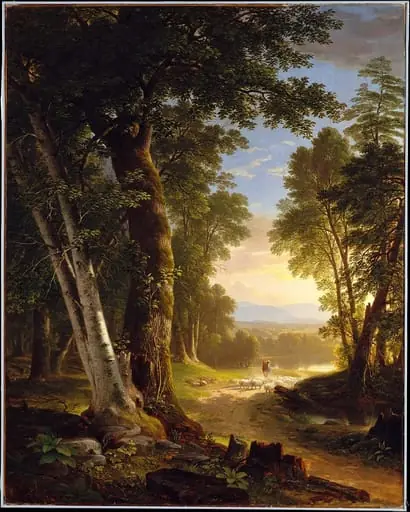 The Beeches
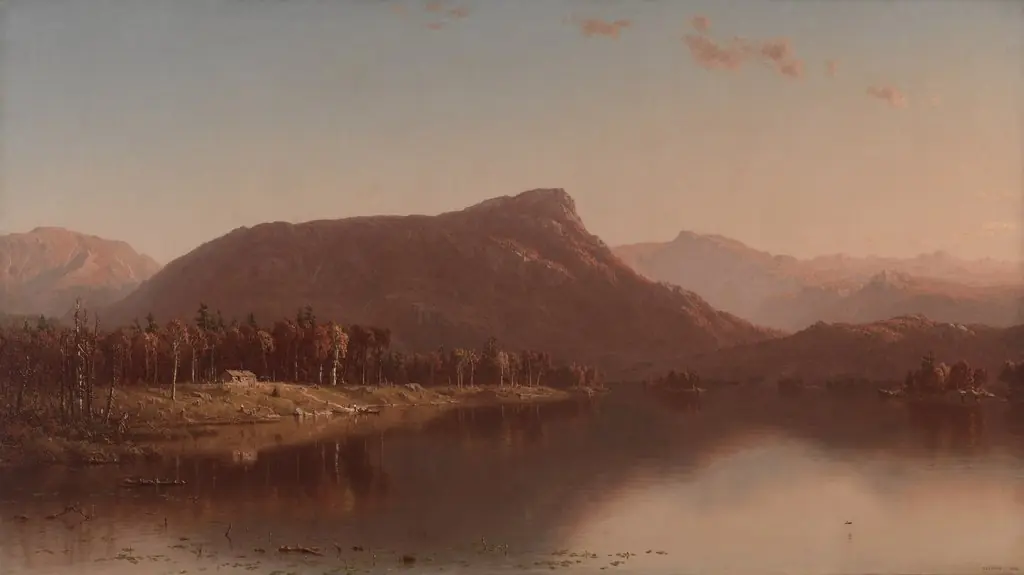 A Home in the Wilderness
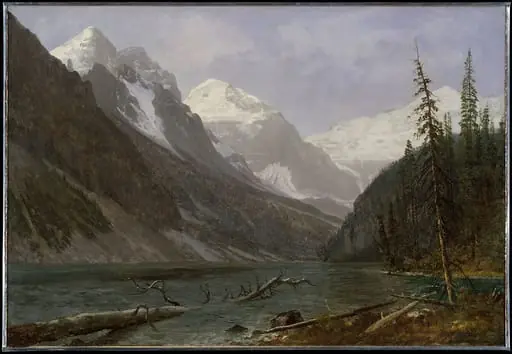 Canadian Rockies (Lake Louise)
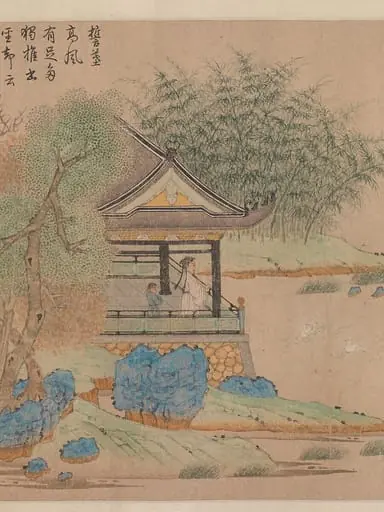 元 錢選 王羲之觀鵝圖 卷|Wang Xizhi watching geese
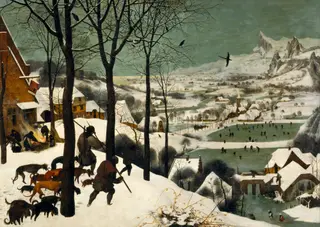 The Hunters in the Snow
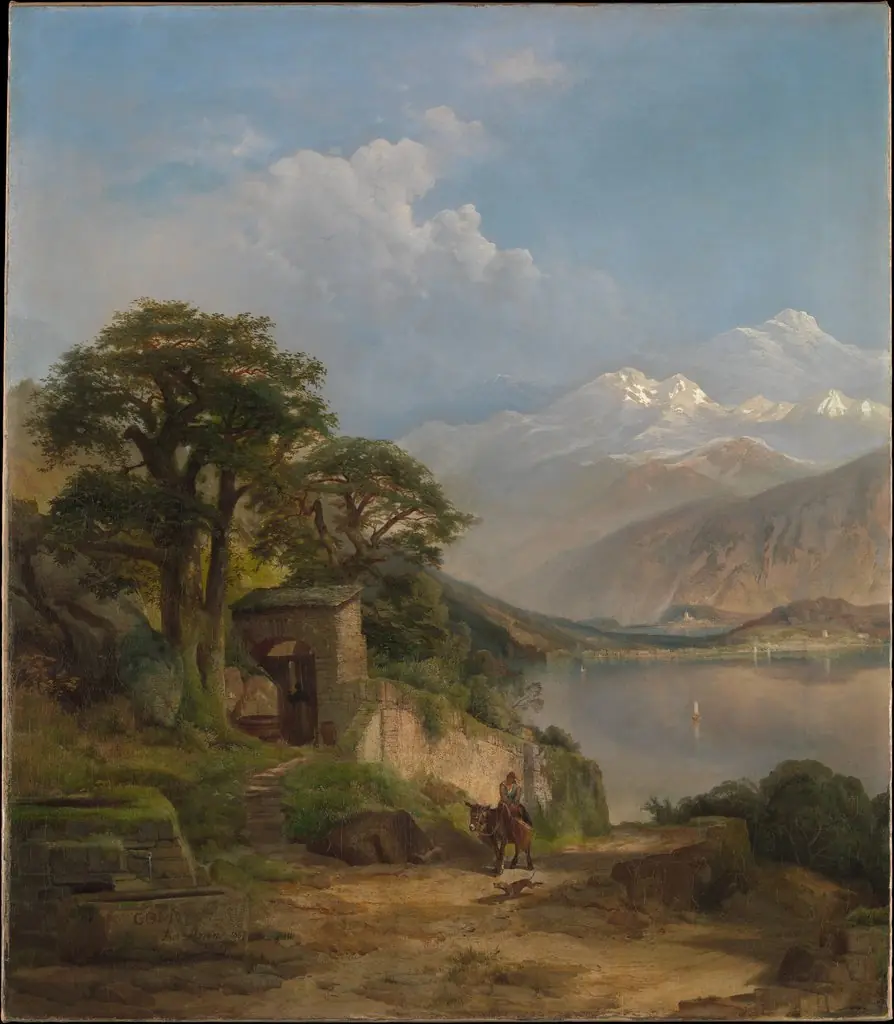 Lierna
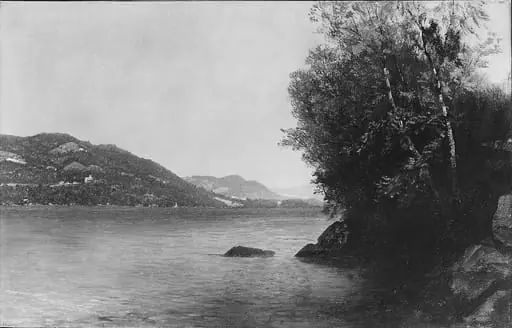 Lake George, A Reminiscence
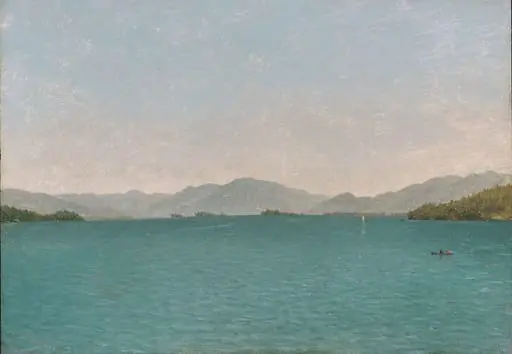 Lake George, Free Study
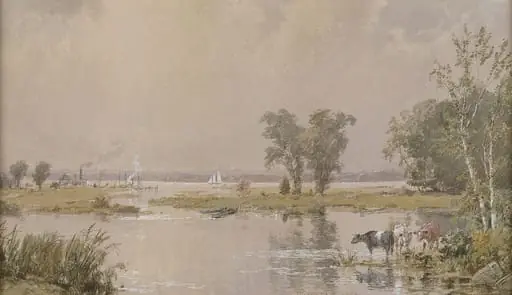 Hackensack Meadows
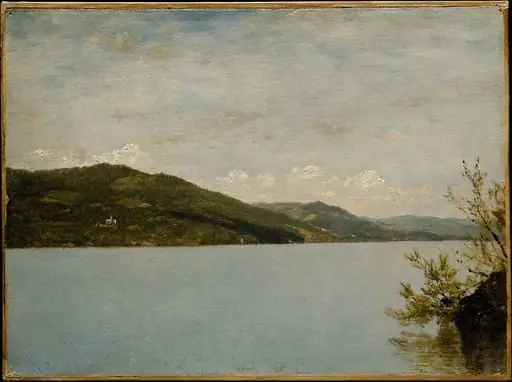 Lake George, 1872
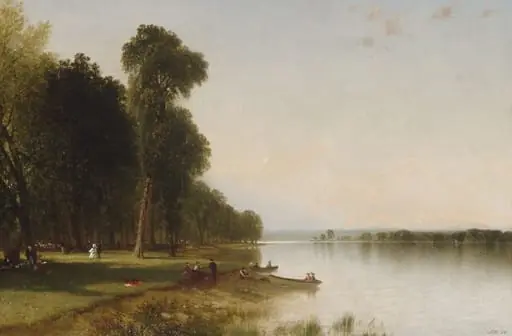 Summer Day on Conesus Lake
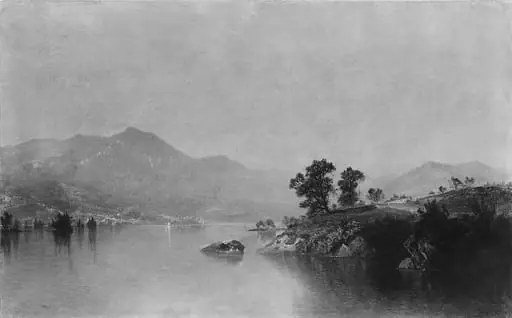 Lake George, New York
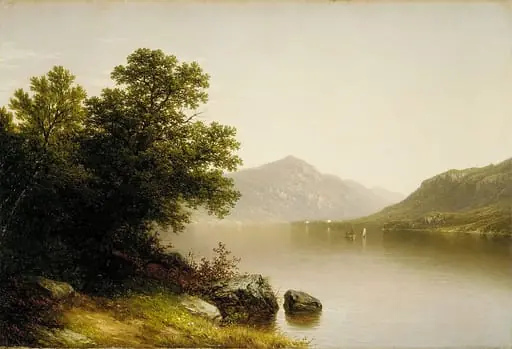 Lake George
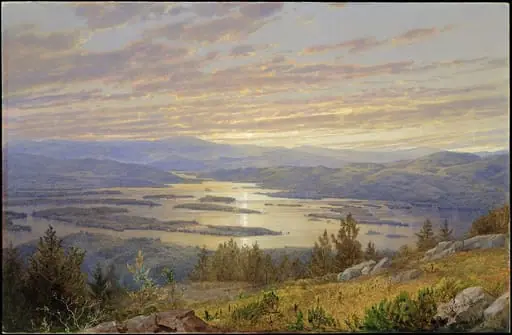 Lake Squam from Red Hill
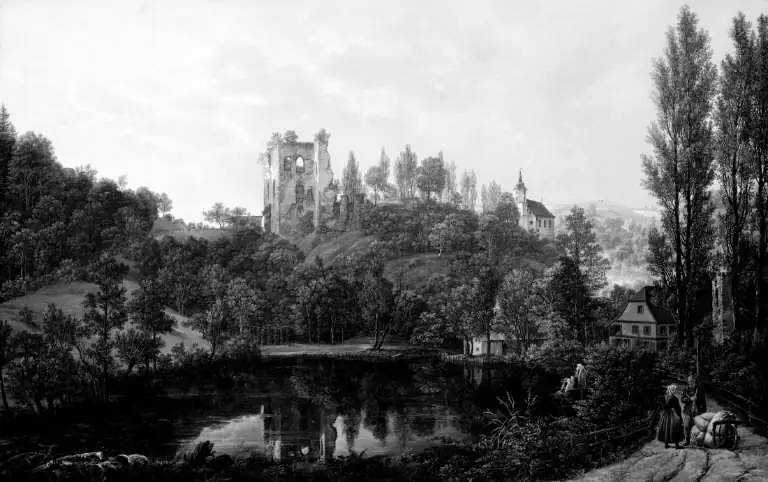 The Castle Ruin at Tharandt
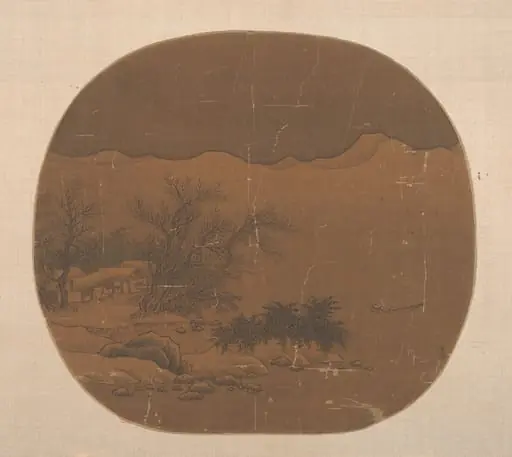 Untitled
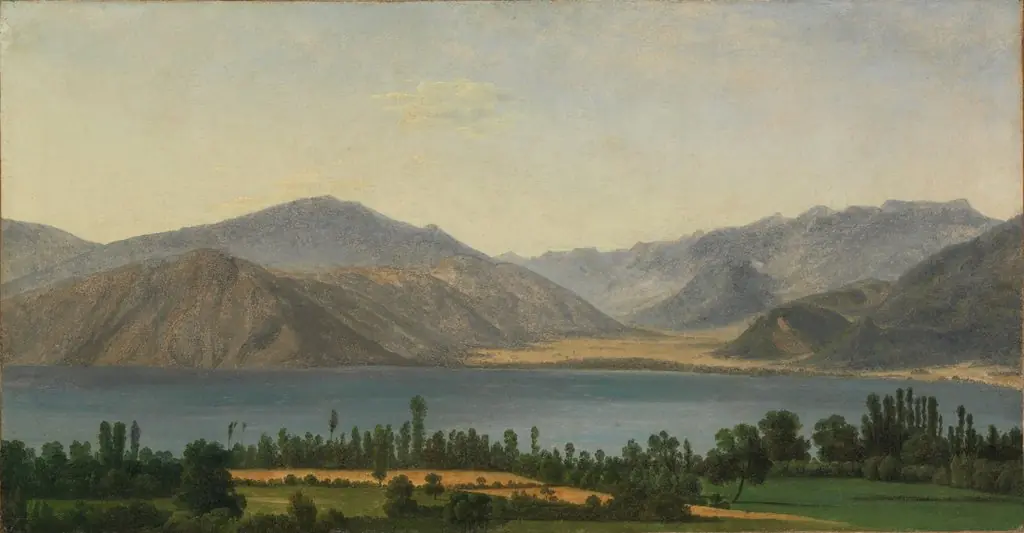 Lake Fucino and the Abruzzi Mountains
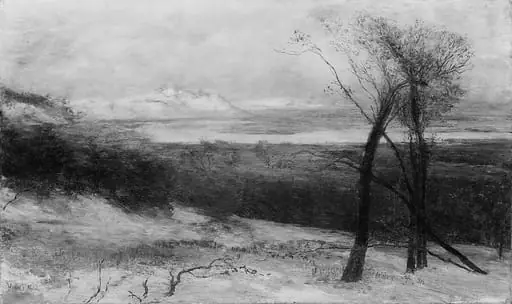 Behind Dunes, Lake Ontario
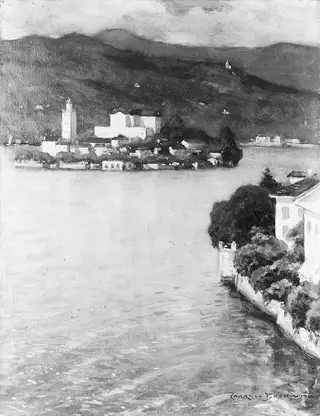 Lake of Orta
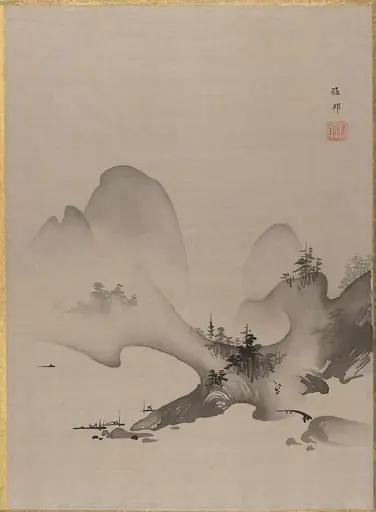 Untitled
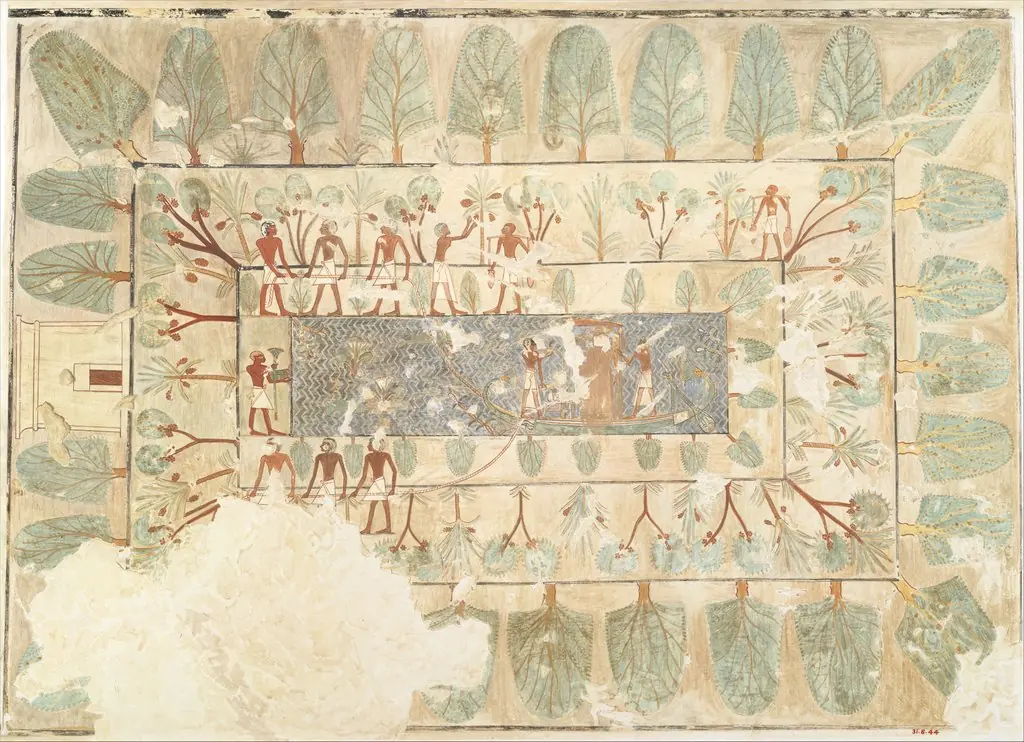 Deceased Being Towed in a Boat, Tomb of Rekhmire
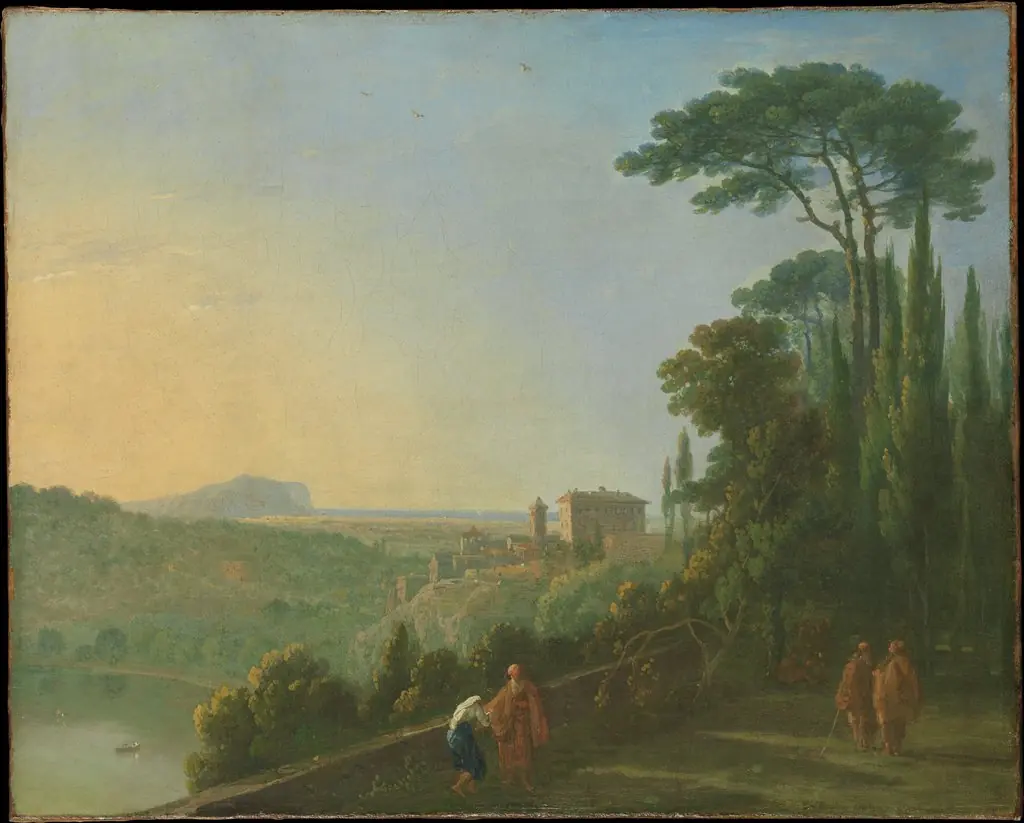 Lake Nemi and Genzano from the Terrace of the Capuchin Monastery
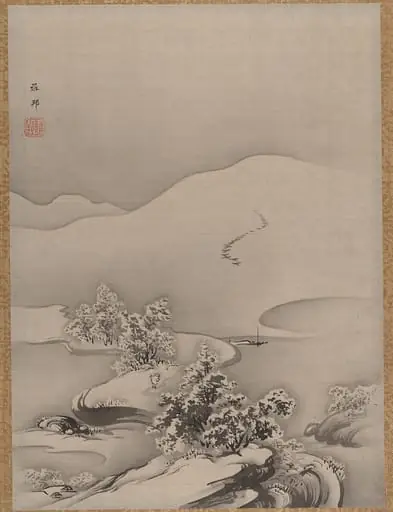 Untitled
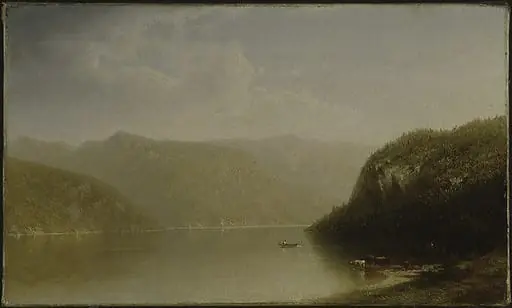 Mountain Lake Scene
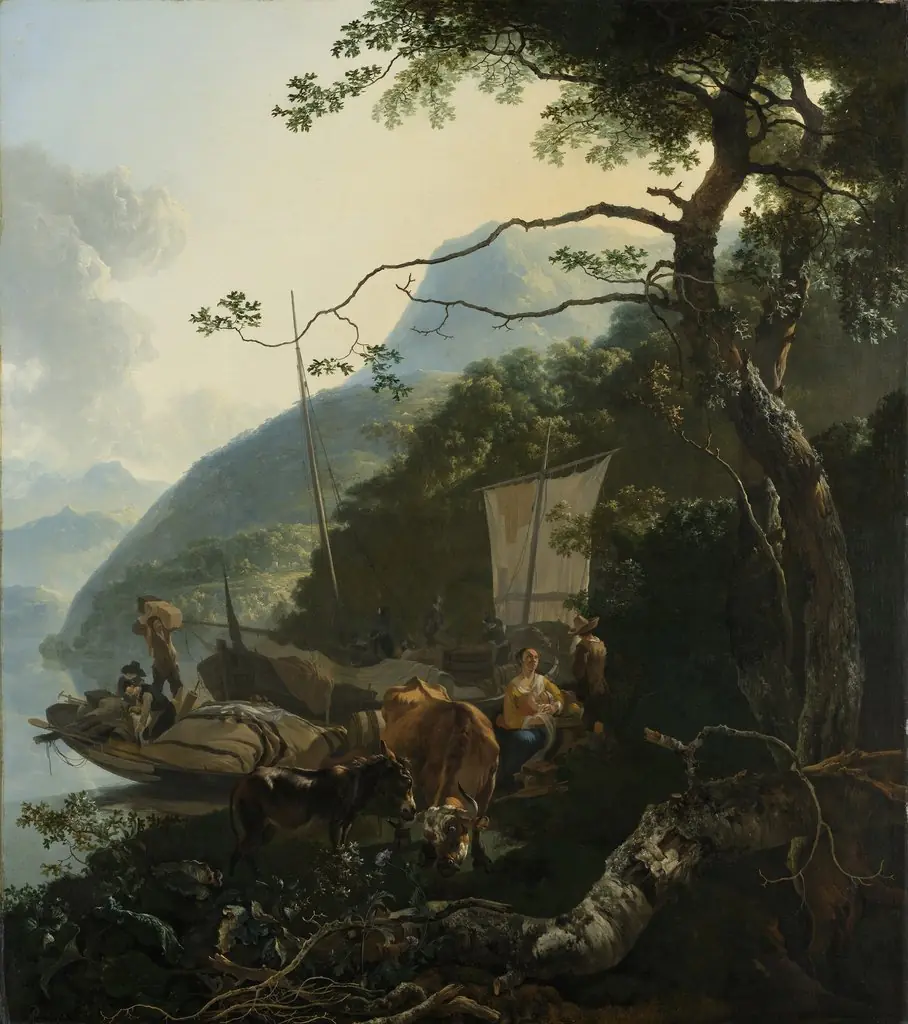 Boatmen Moored on the Shore of an Italian Lake
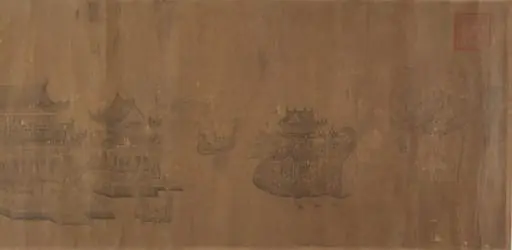 元 佚名 臨王振鵬 金明池圖 卷|Dragon Boat Regatta on Jinming Lake
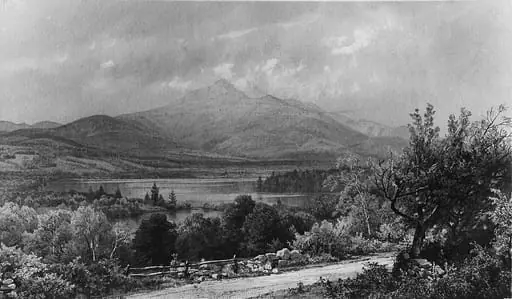 Mount Chocorua and Lake
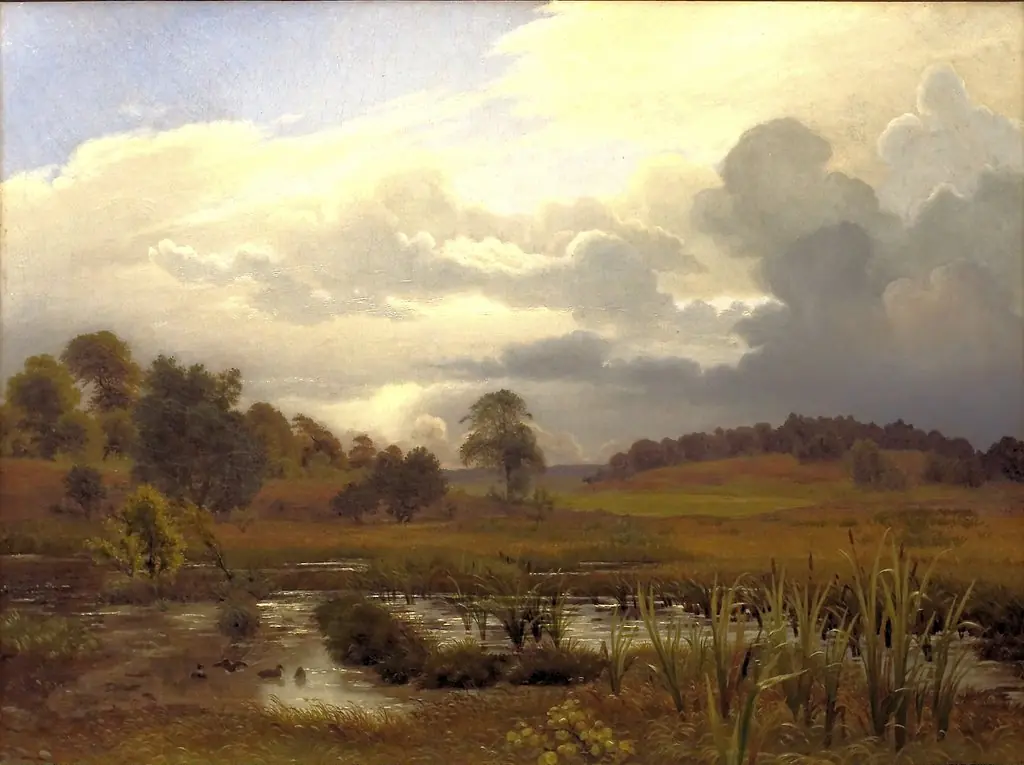 Landscape near the Forest Nordskoven, Jægerspris, Zealand
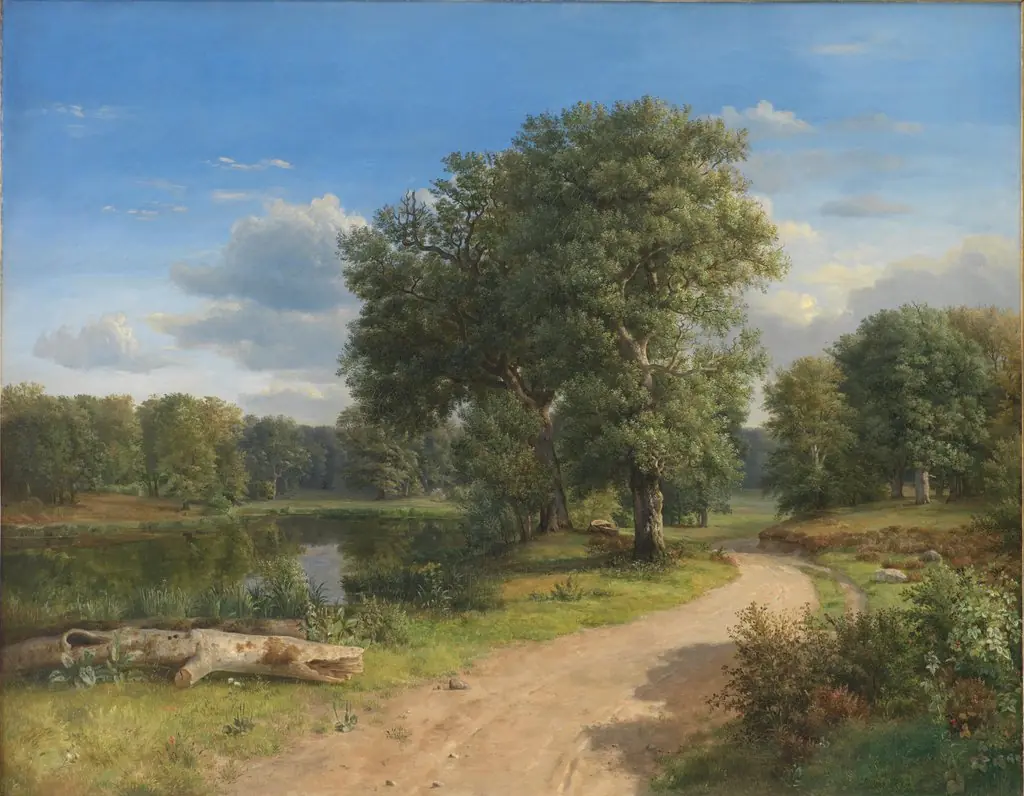 Landscape near Hammermøllen, North Zealand
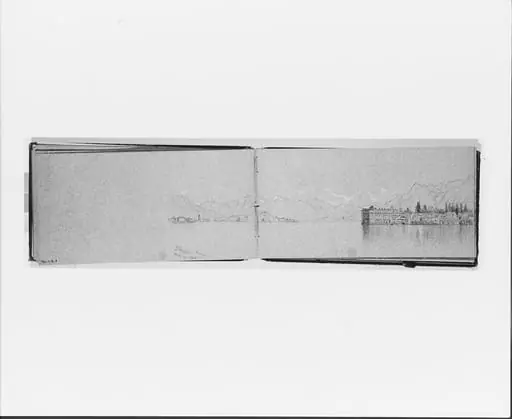 Lake Maggiore May 12 1869 (recto, from sketchbook)
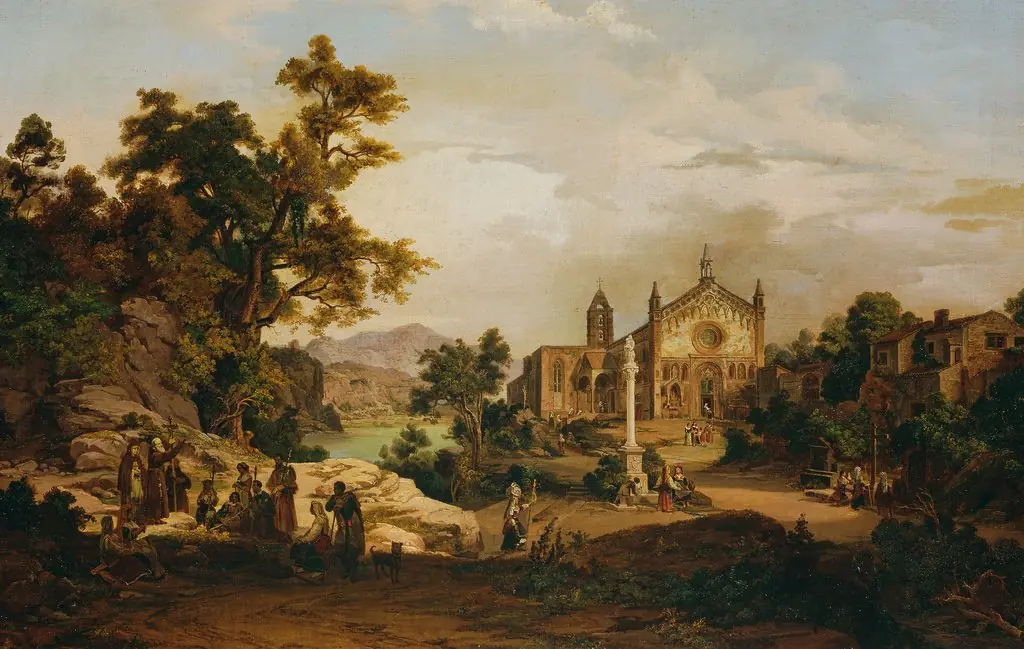 Italienische Landschaft mit Pilgern
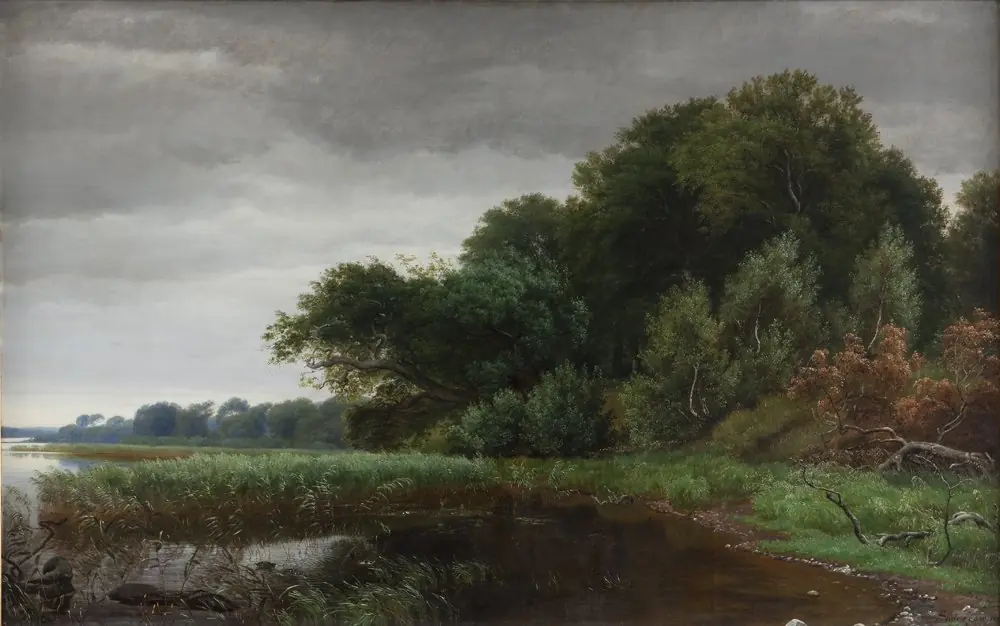 Clearing weather after a rain shower at Gurre Lake
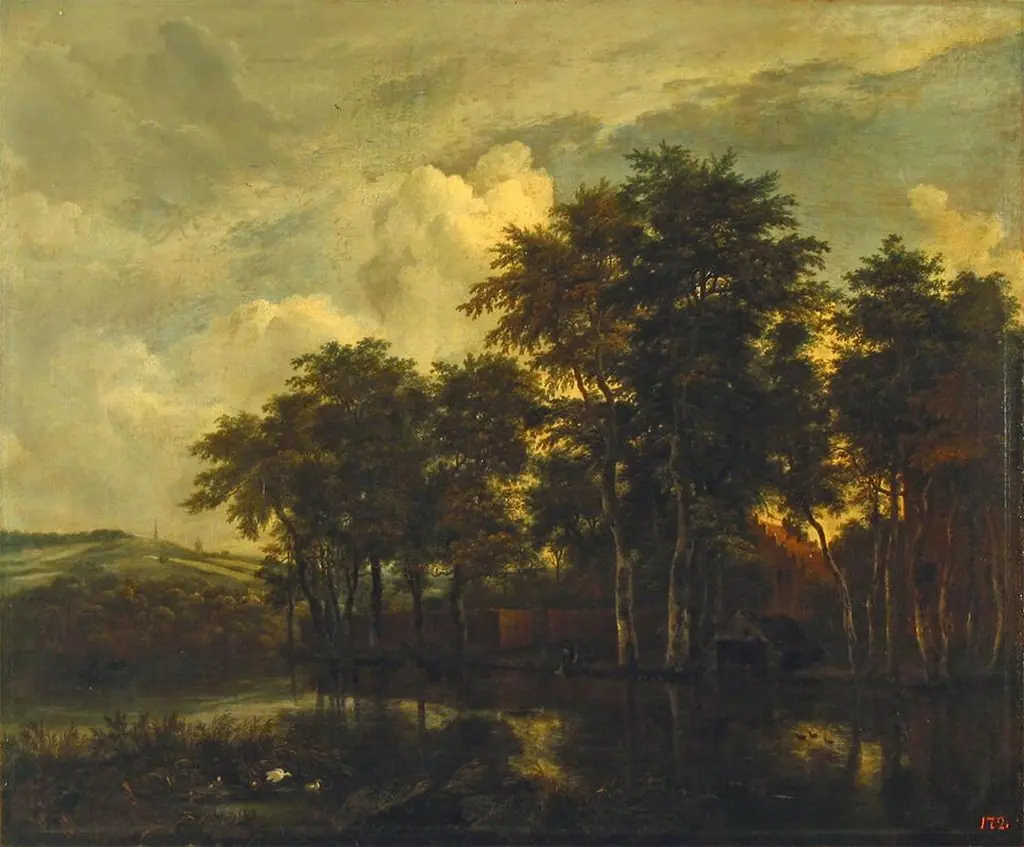 Farm
Farm![Village, Mountains, and Lake [Maggiore?] (recto, from sketchbook)](https://artifactworldgallery.com/img/jervis-mcentee--village-mountains-and-lake-maggiore-recto-from-sketchbook--3cfb09e258099ce7-w320.webp) Village, Mountains, and Lake [Maggiore?] (recto, from sketchbook)
Village, Mountains, and Lake [Maggiore?] (recto, from sketchbook)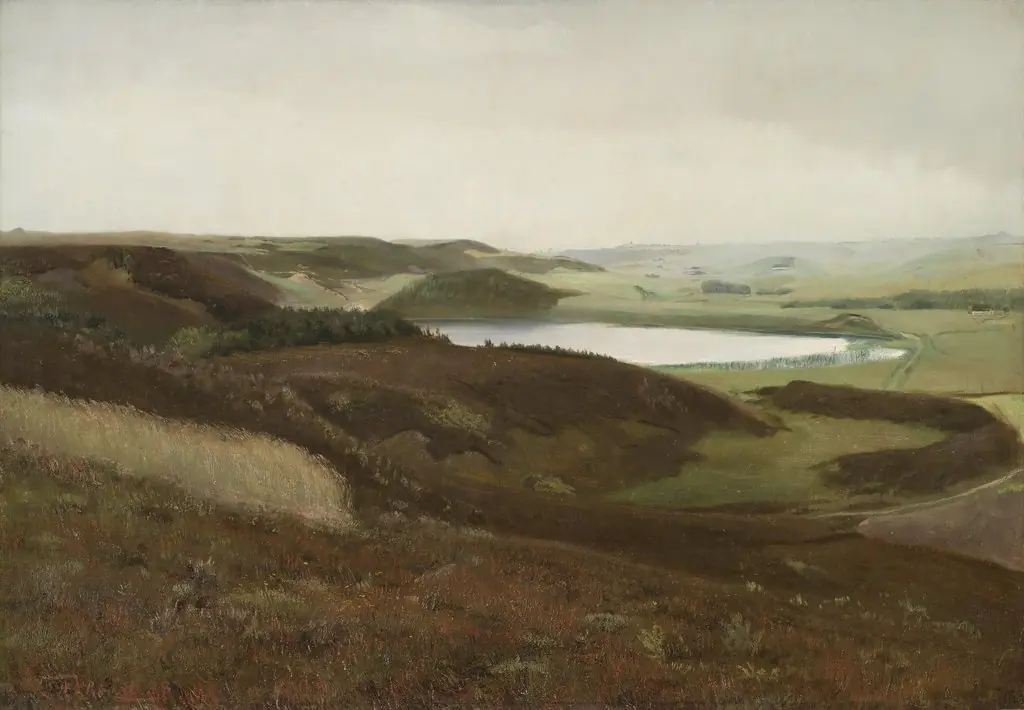 A landscape near Bryrup, Jutland
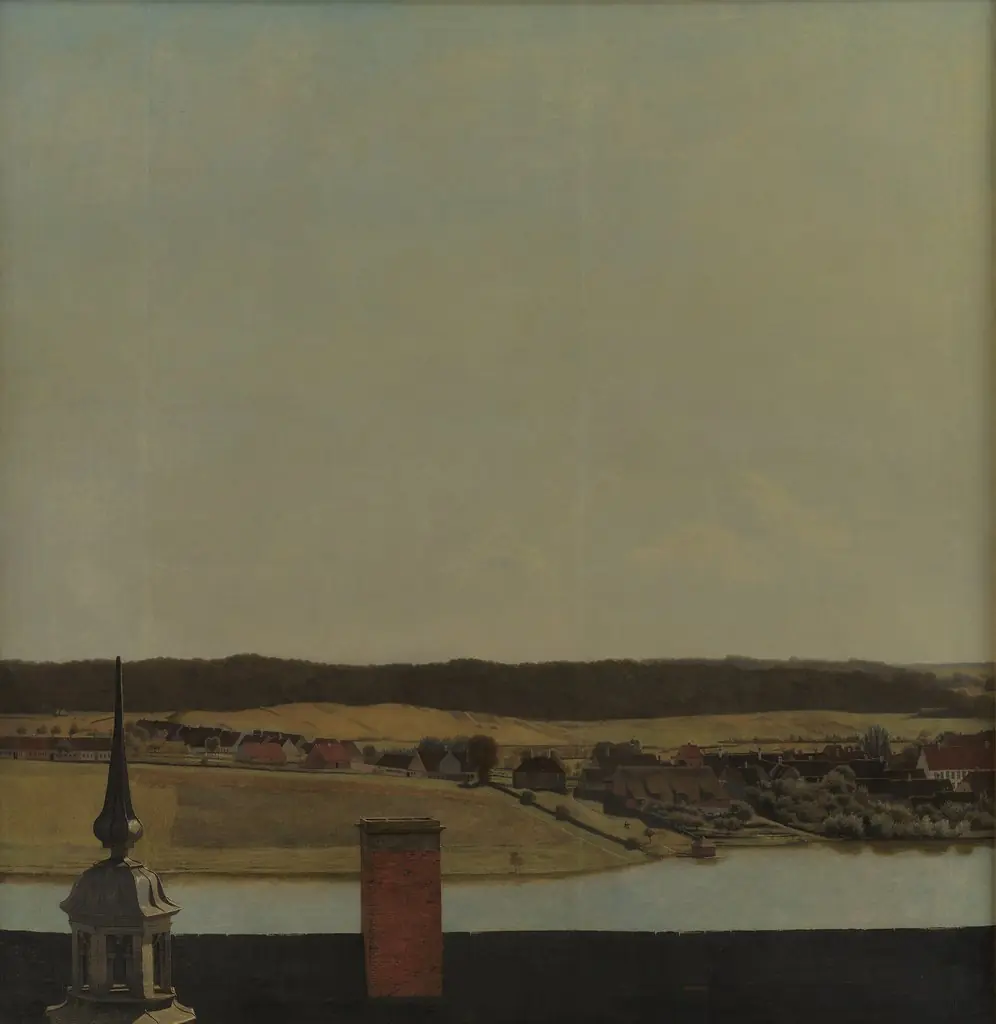 Roof Ridge of Frederiksborg Castle with View of Lake, Town and Forrest
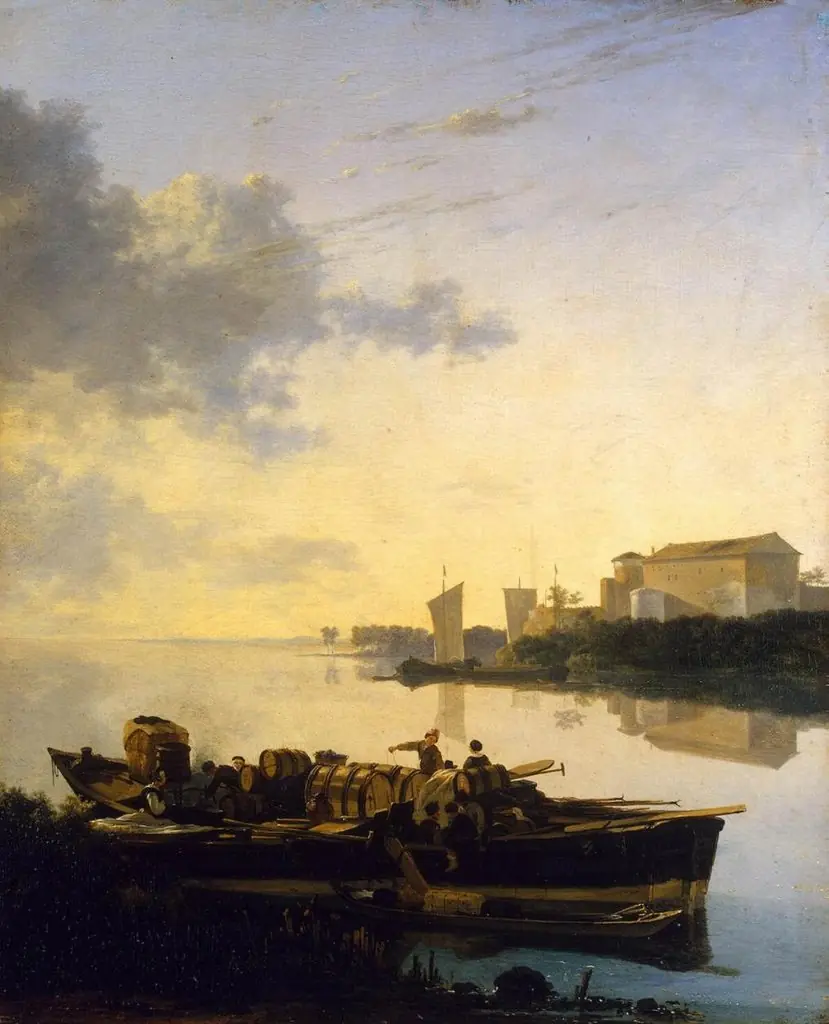 Boat at Sunset
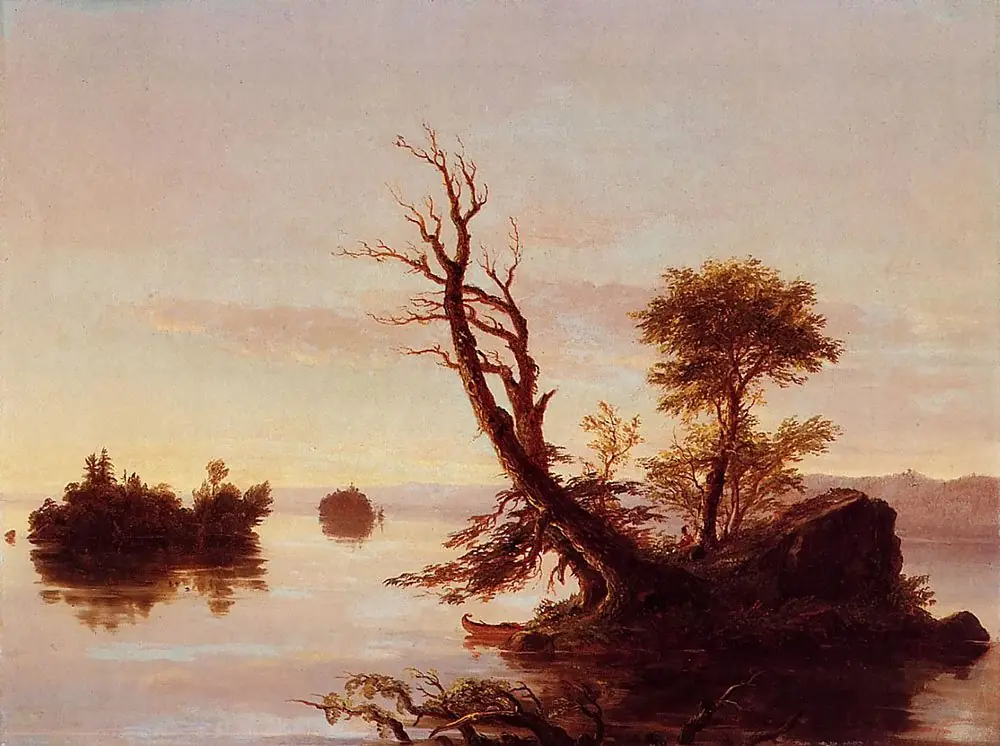 American Lake Scene
 Lake Como, May 1, 1869 (verso, from sketchbook)
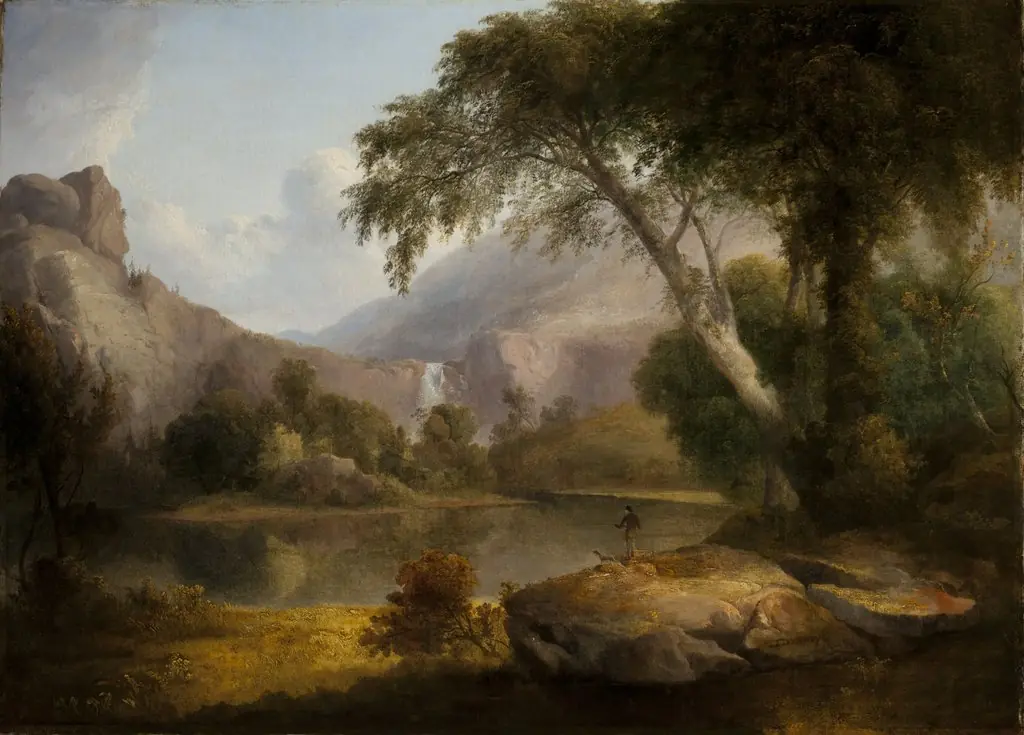 White Mountains, New Hampshire
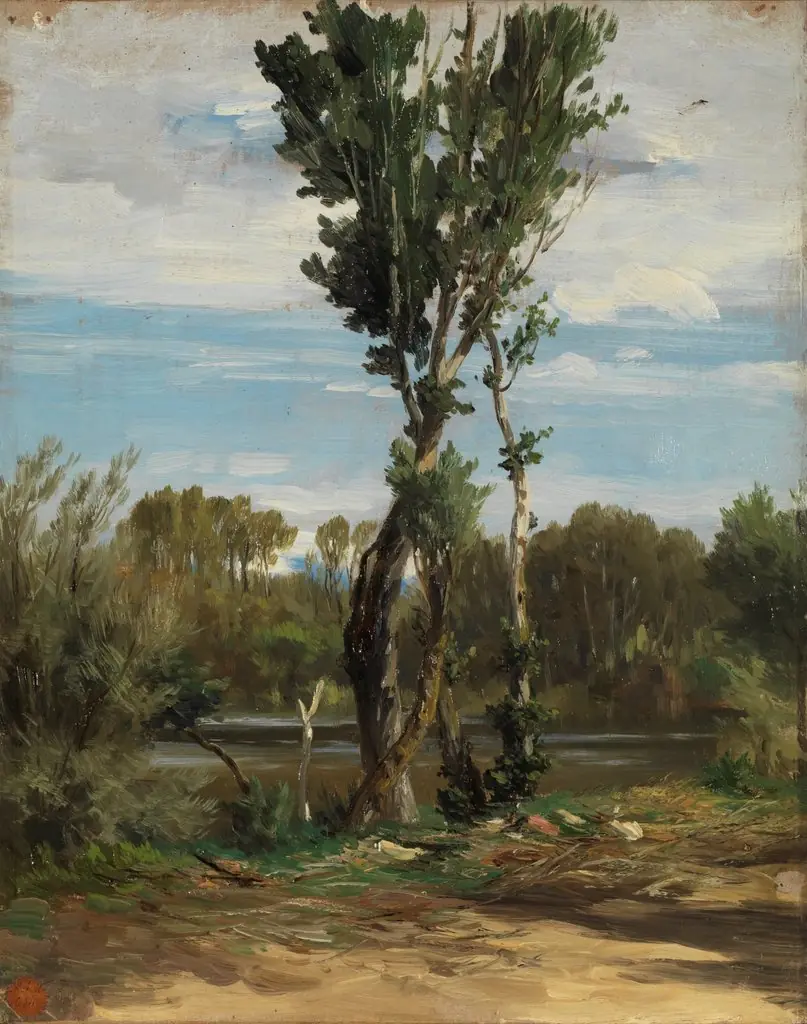 El lago de la Casa de Campo
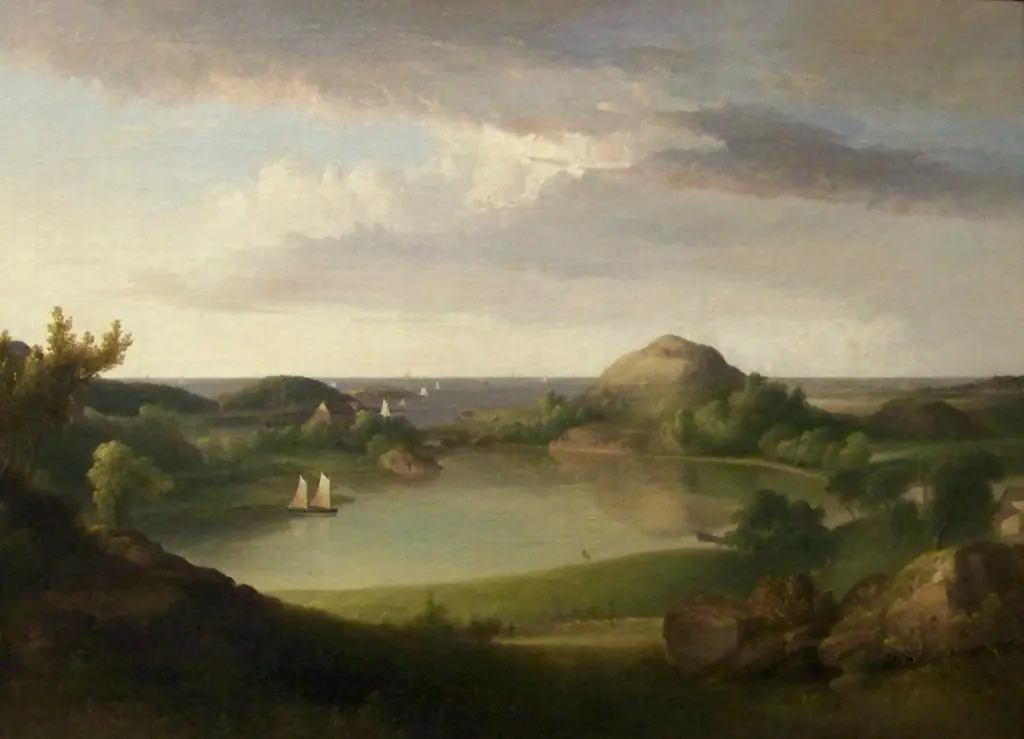 Harbor Landscape
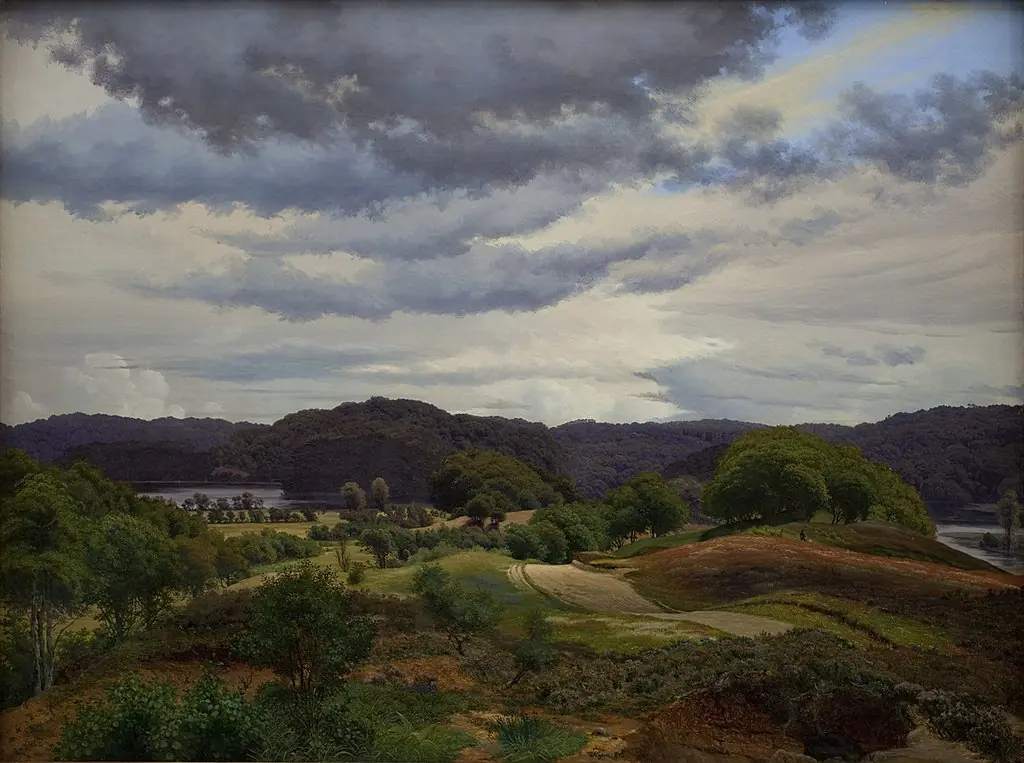 Lakes in Wooded Landscape near Silkeborg
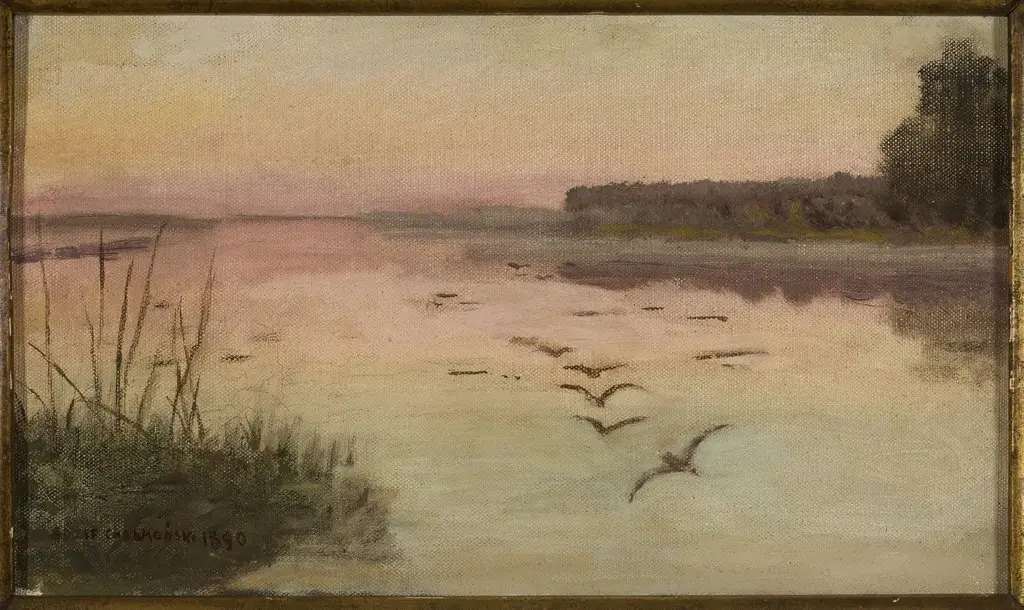 Lake at dusk
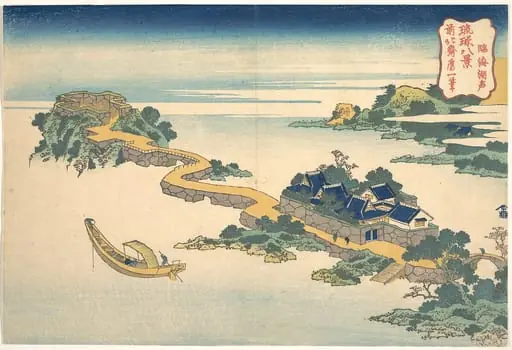 琉球八景 臨海潮(湖)聲|Sound of the Lake at Rinkai (Rinkai kosei), from the series Eight Views of the Ryūkyū Islands (Ryūkyū hakkei)
 Village on Lake Como: May 1, 1869 (verso, from sketchbook)
 Lake Como, May 1, 1869 (recto, from sketchbook)
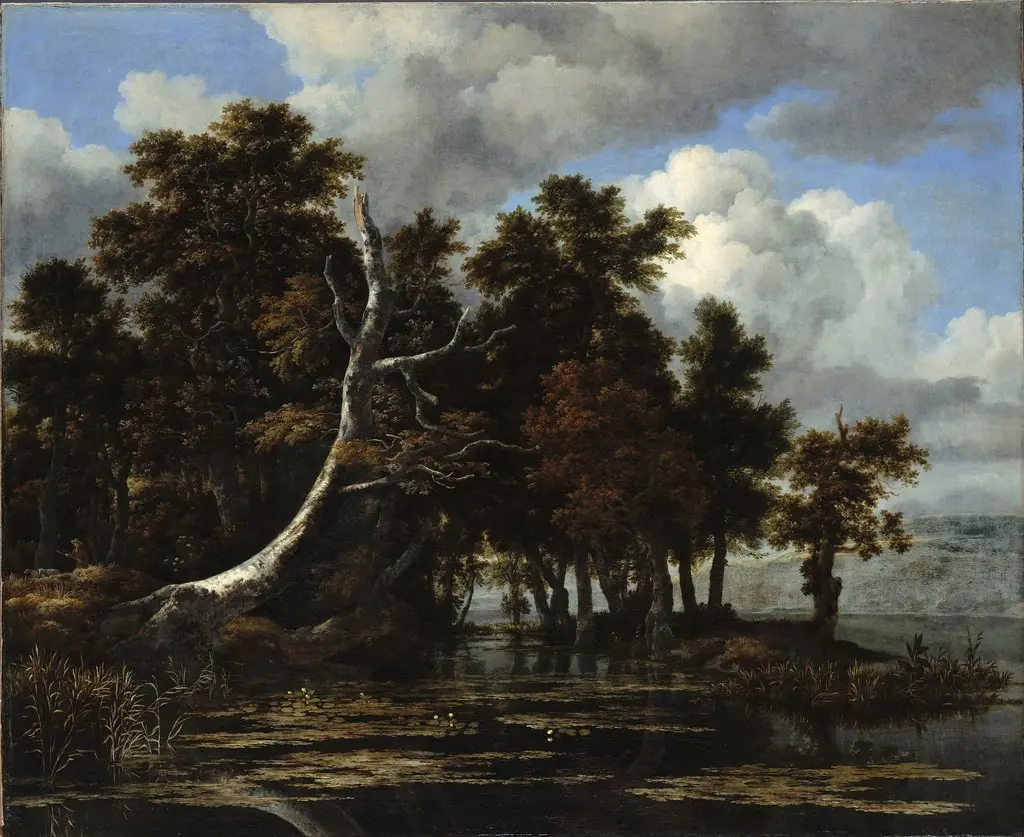 Oaks at a lake with Water Lilies
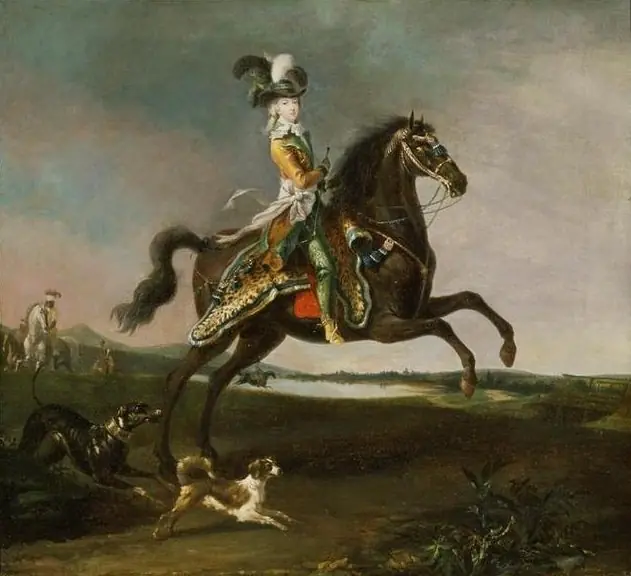 Marie-Antoinette, queen of France on horseback
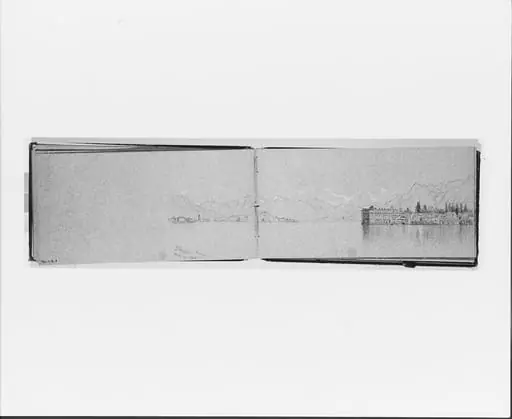 Lake Maggiore, May 12, 1869 (verso, from Sketchbook)
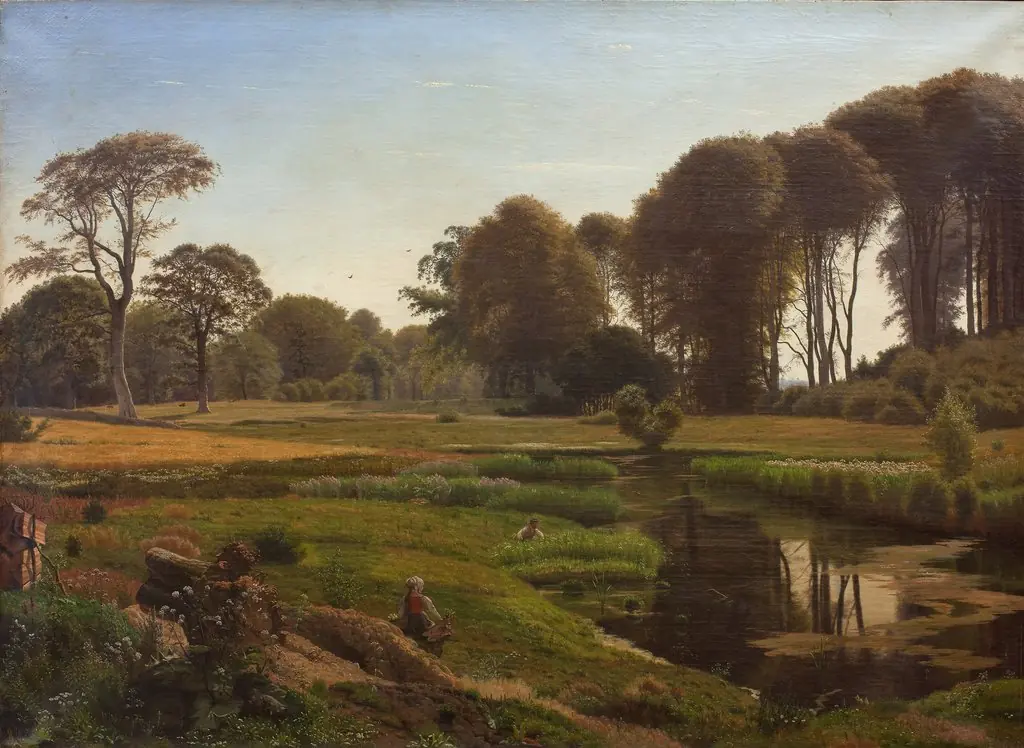 En sommerdag. Motiv fra Horneland ved Fåborg
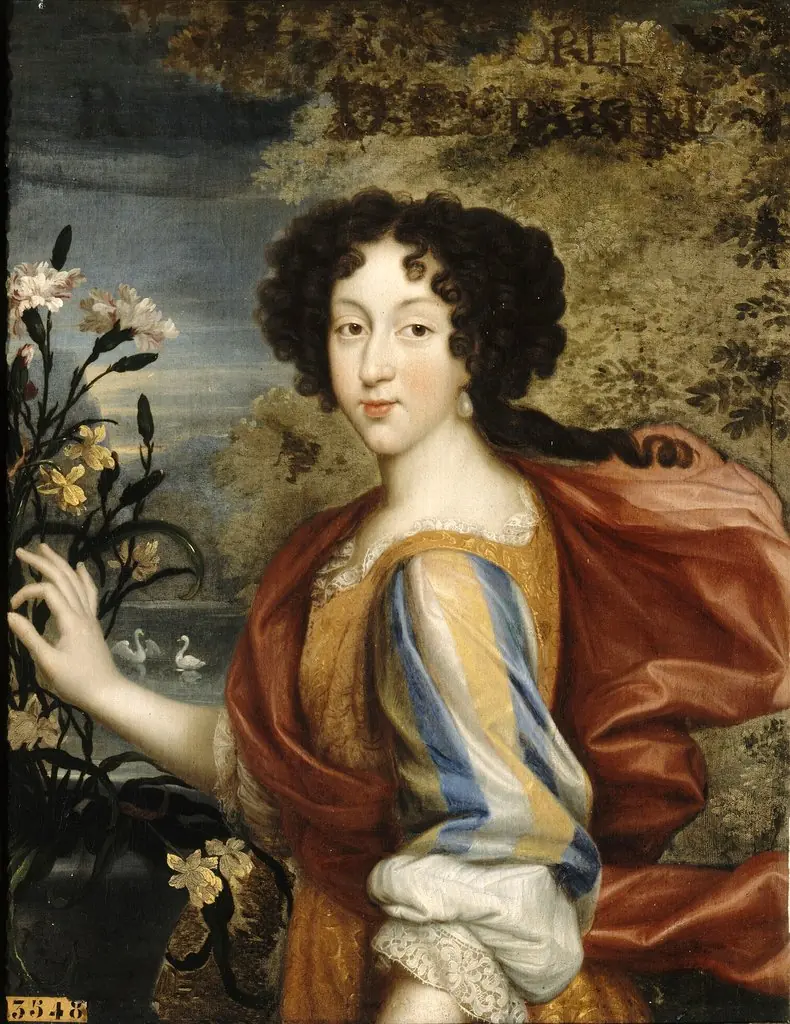 Portrait of Marie Louise d'Orléans (1662–1689)
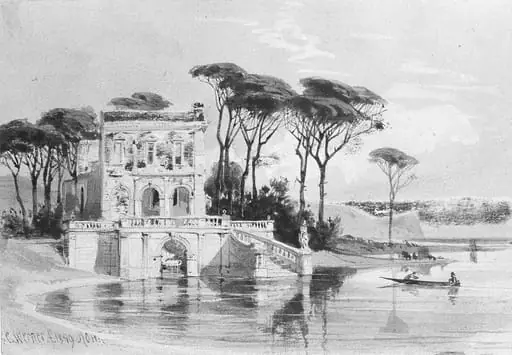 Italian Lake Scene with Villa (from Cropsey Album)
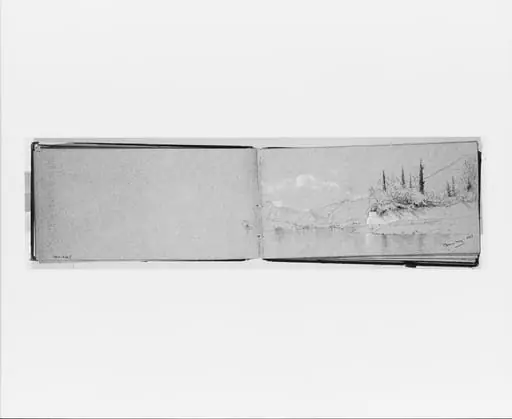 Lake Como, May 1, 1869 (recto, from Sketchbook)
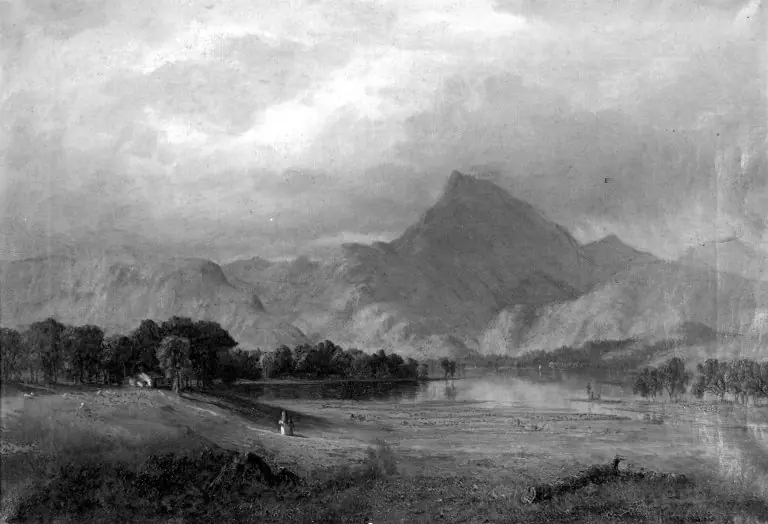 Derwentwater
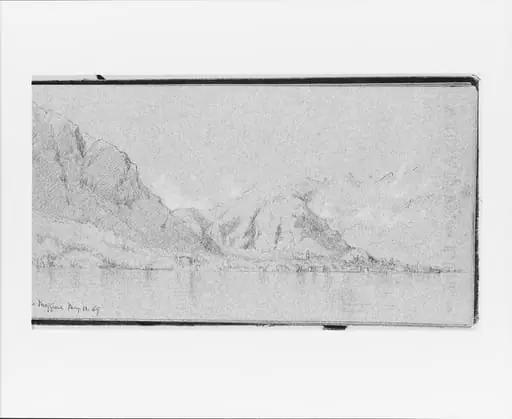 Lake Maggiore, May 11, 1869 (recto, from Sketchbook)
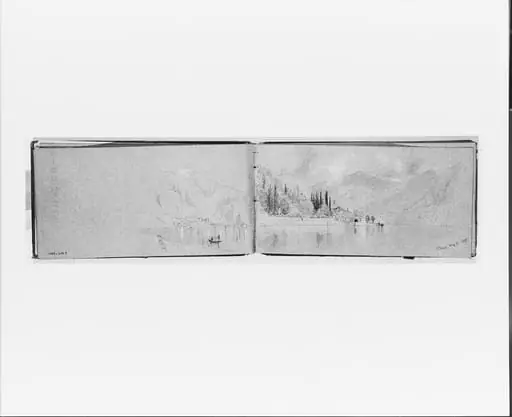 Lake Como, May 3, 1869 (verso, from sketchbook)
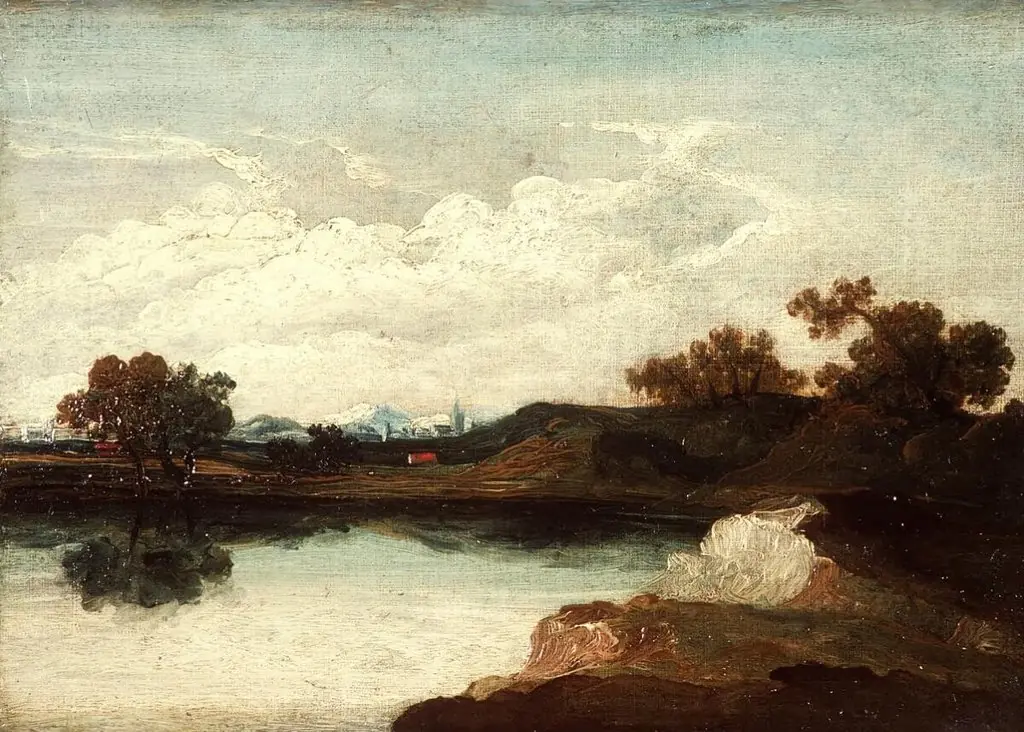 Landscape
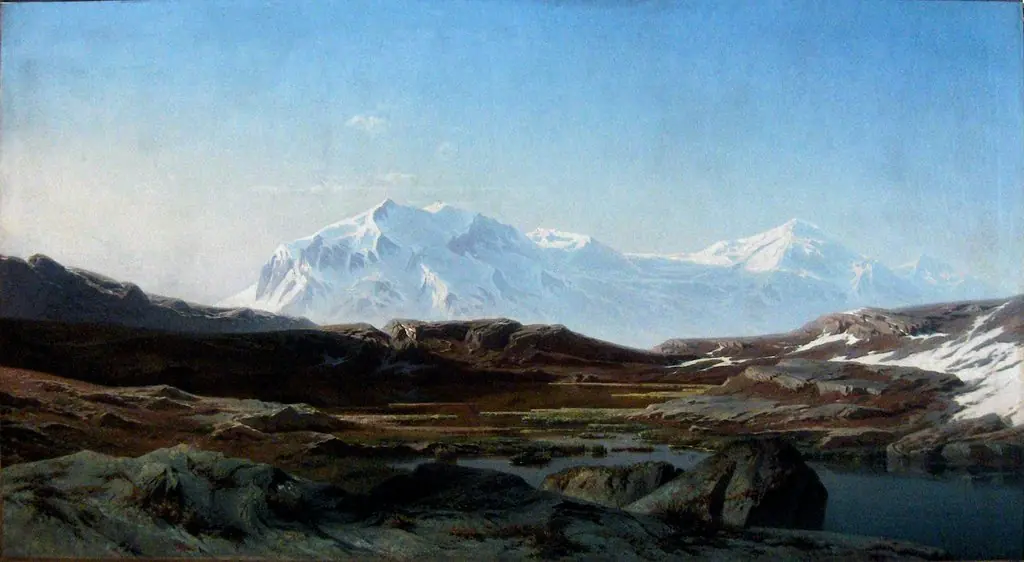 The Monte Rosa
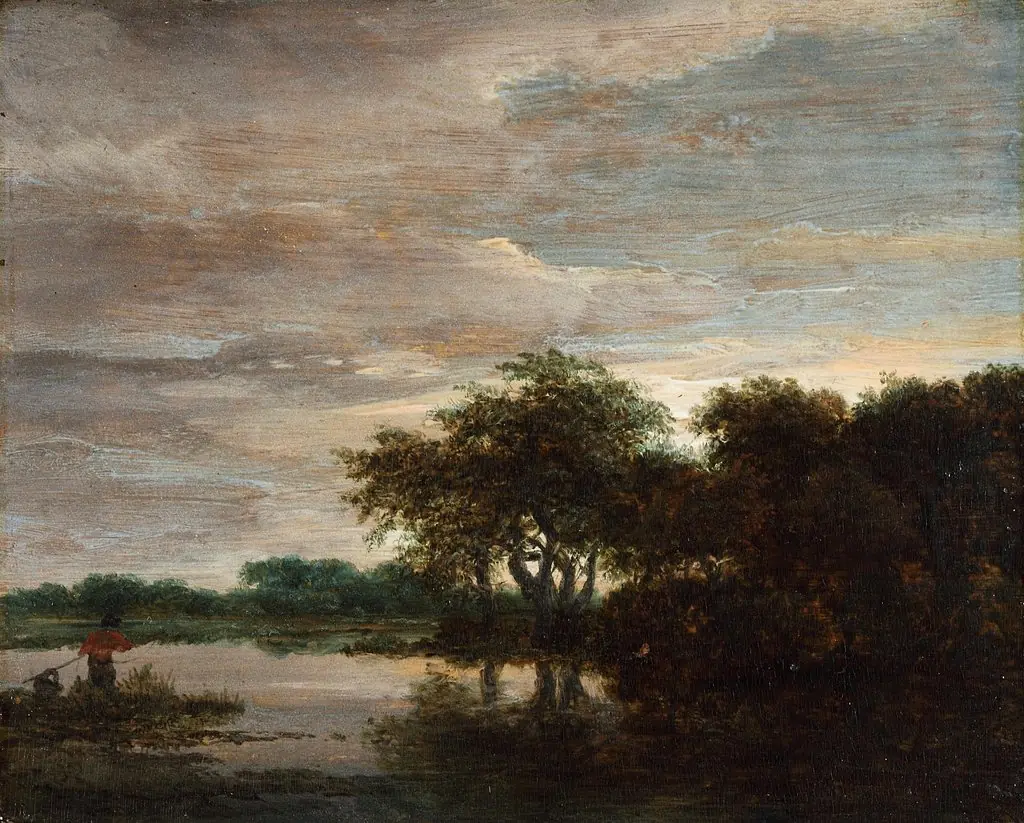 Woodland Scene with Lake
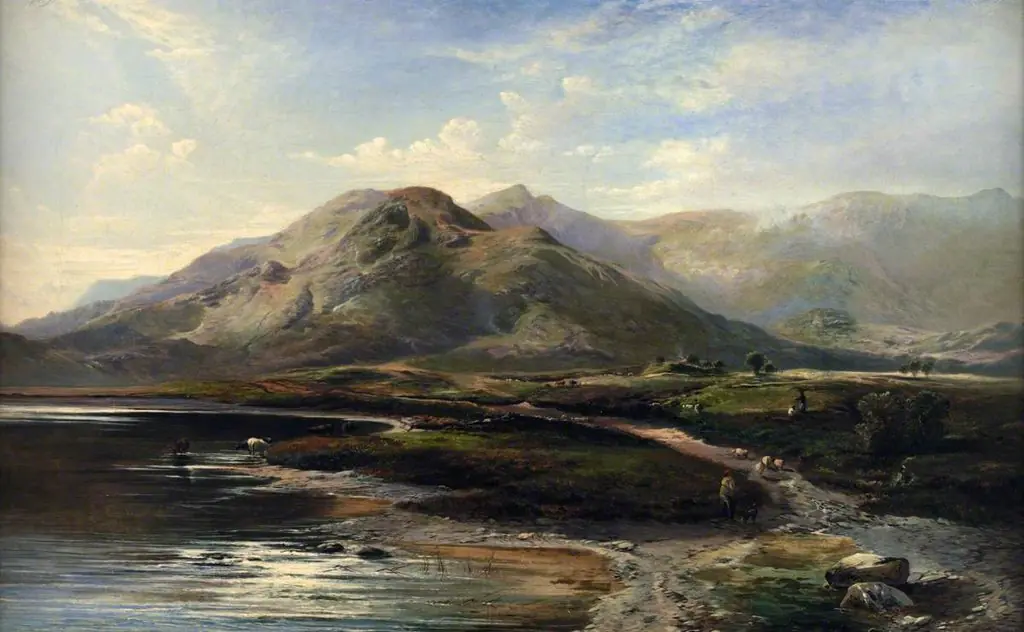 Llyn Gader
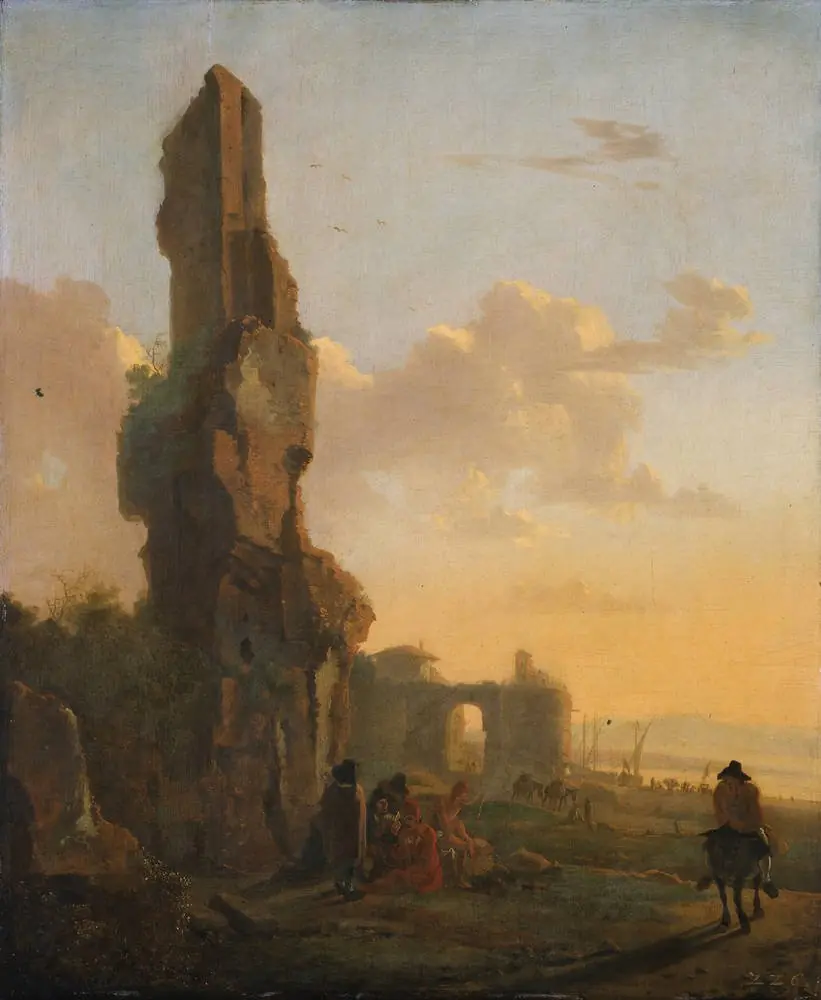 Ruins on the Edge of a Lake
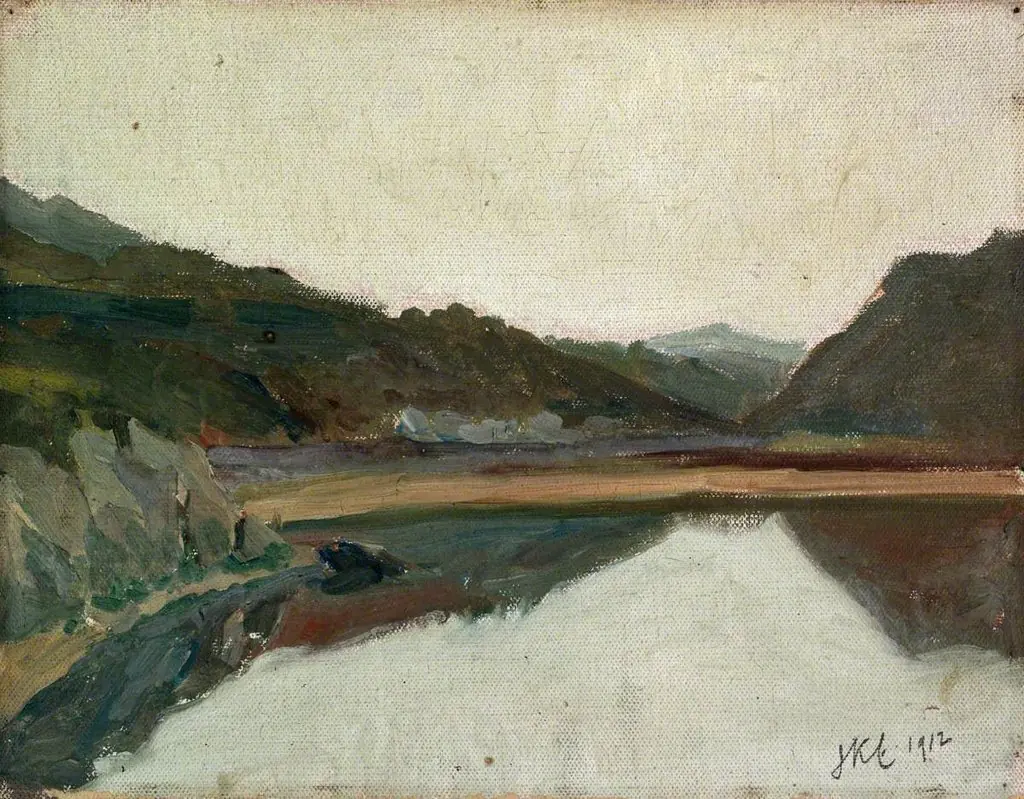 Reflections
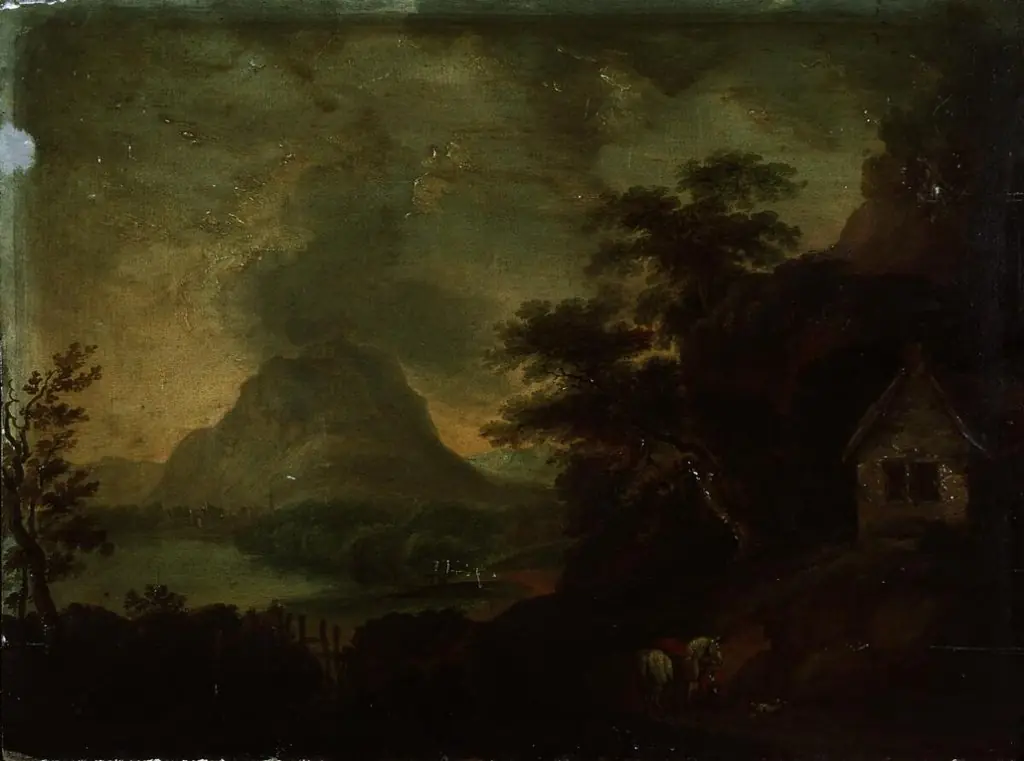 Landscape with lake and mountains
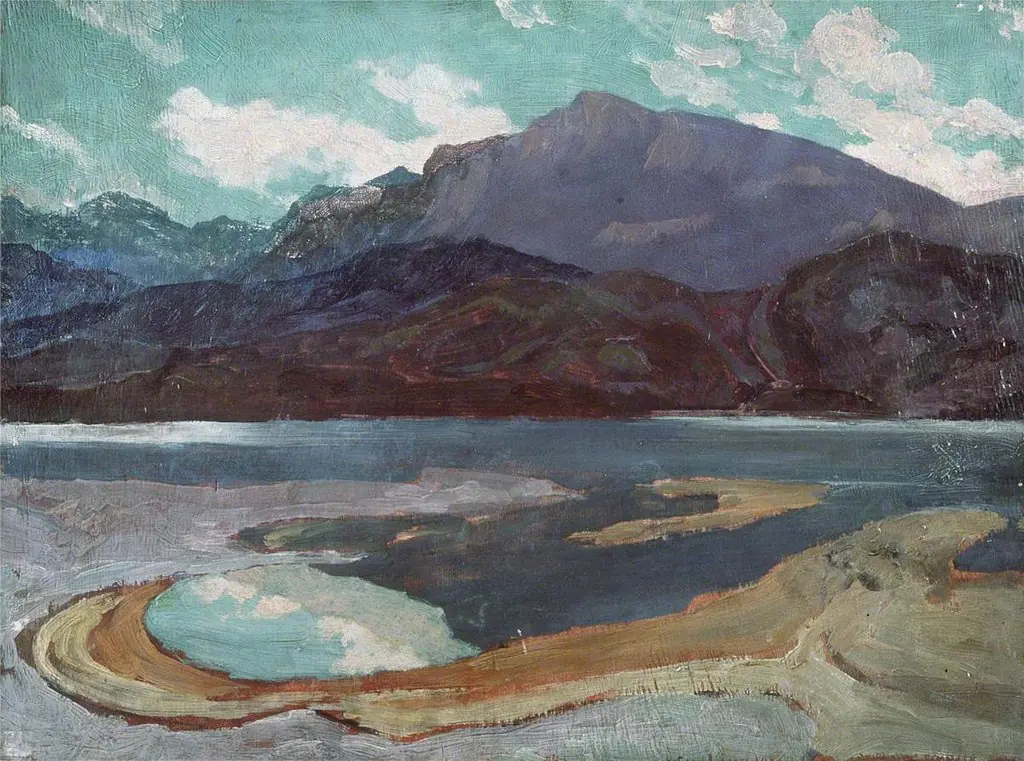 Tyrau Mawr
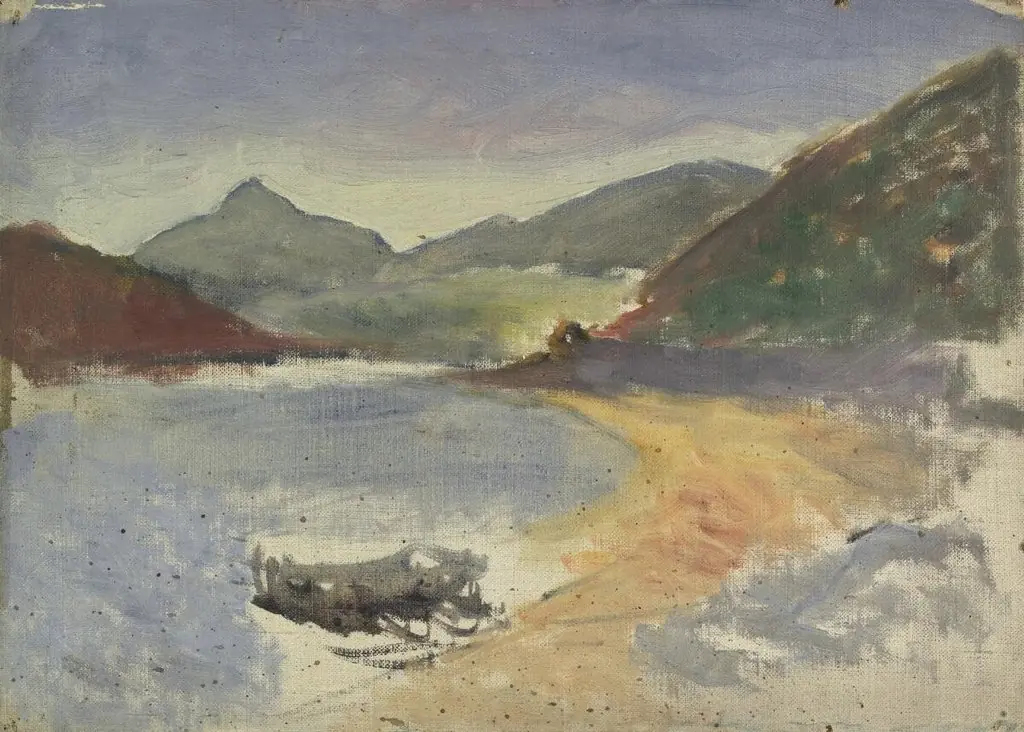 Lake and mountains
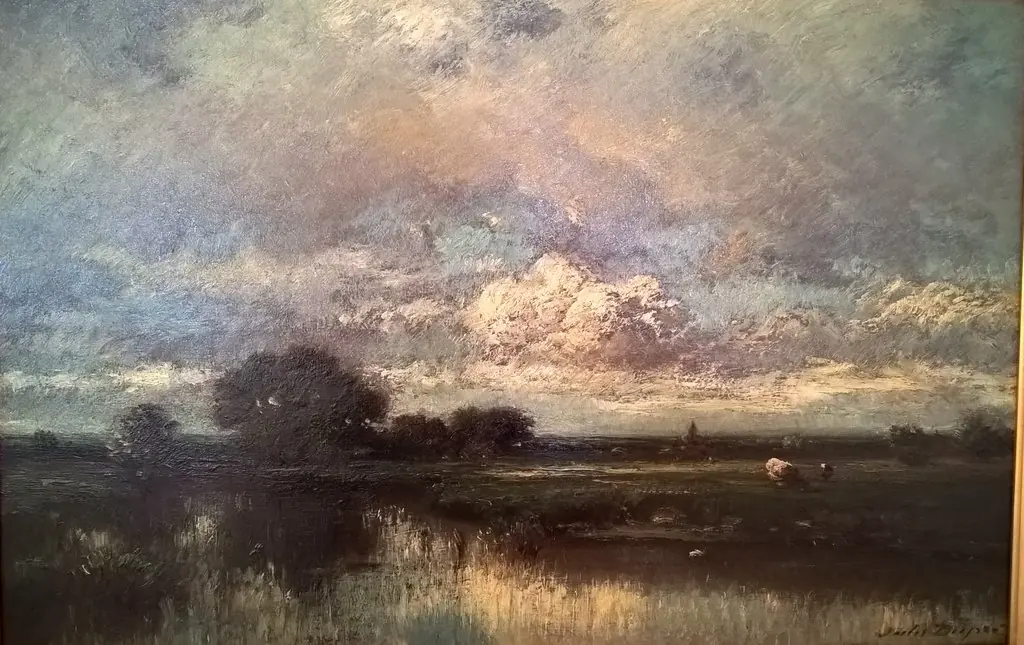 Paisagem
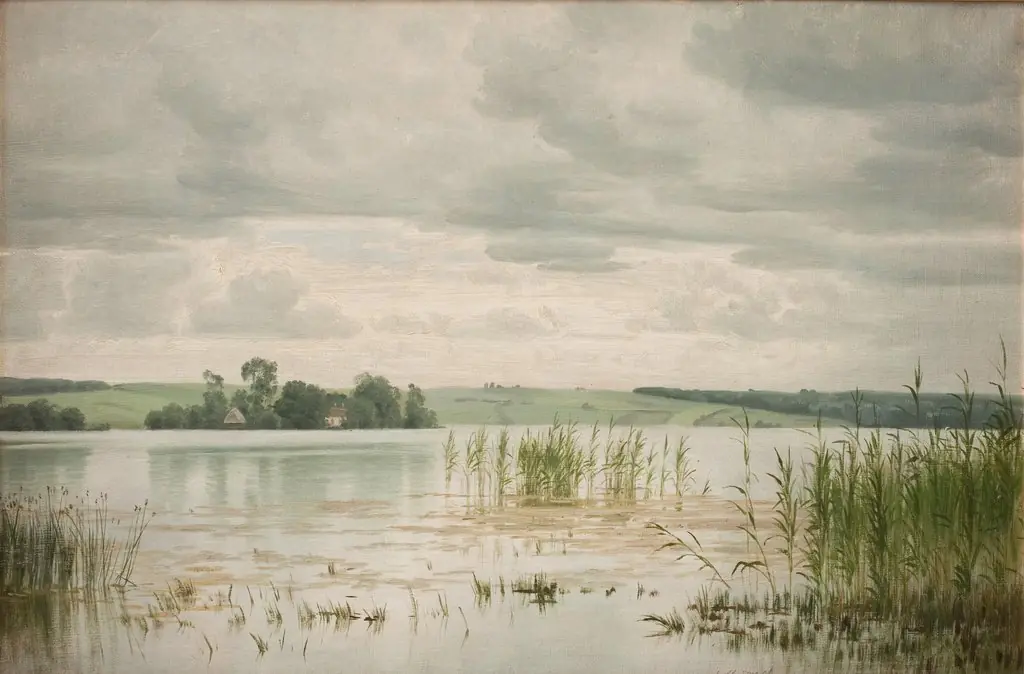 Esrom sø
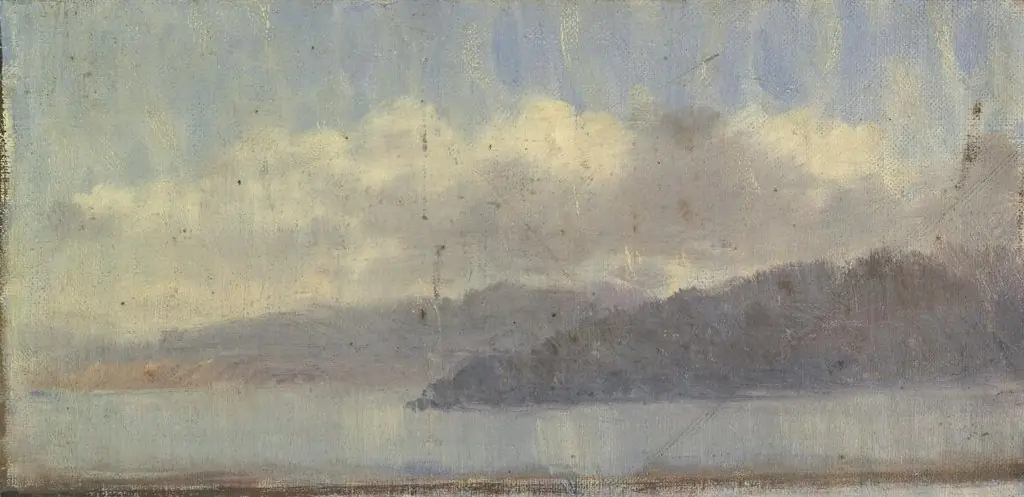 Lake
Lake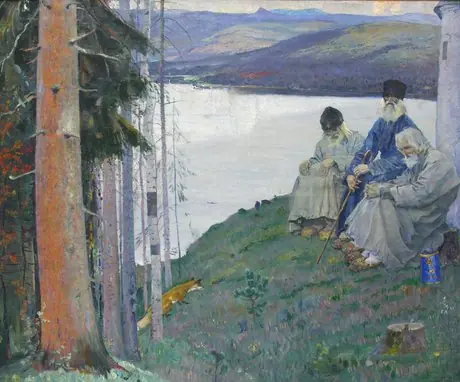 Three old men
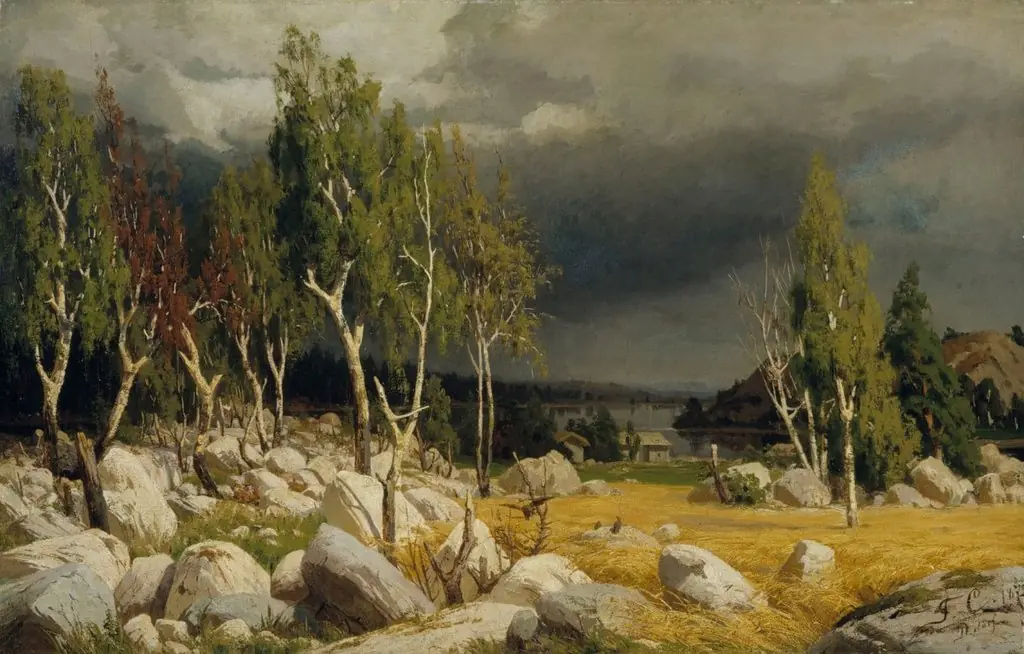 A Clearing, Uusimaa Landscape
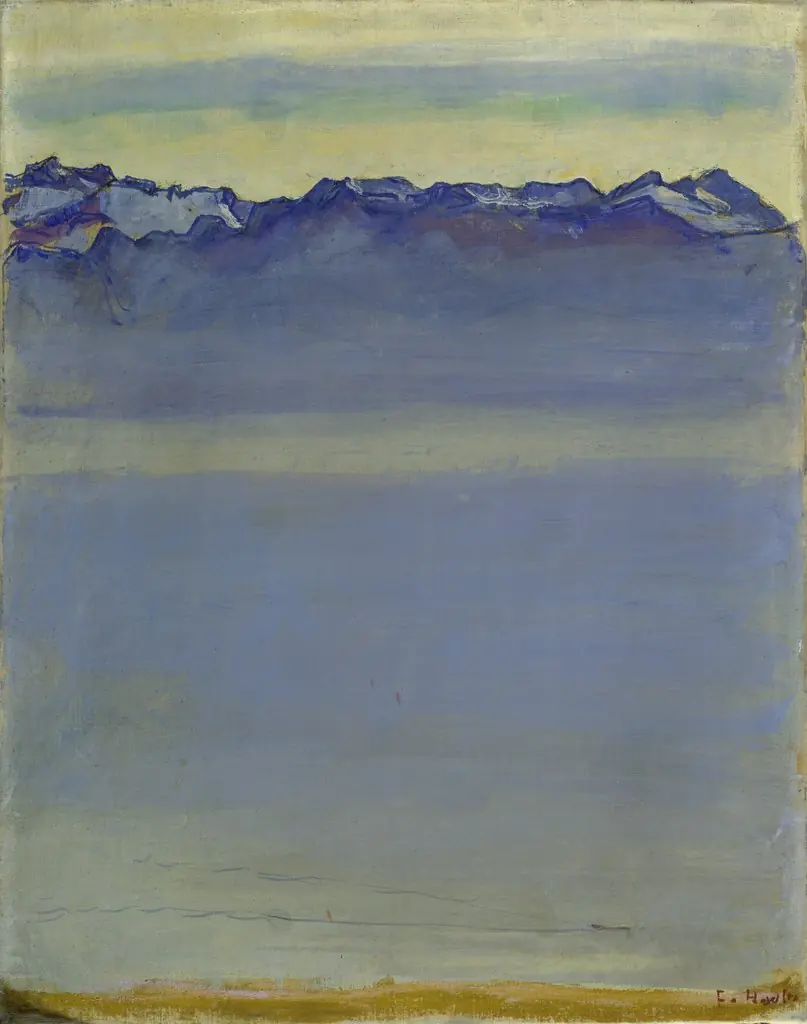 Lake Geneva with the Savoy Alps
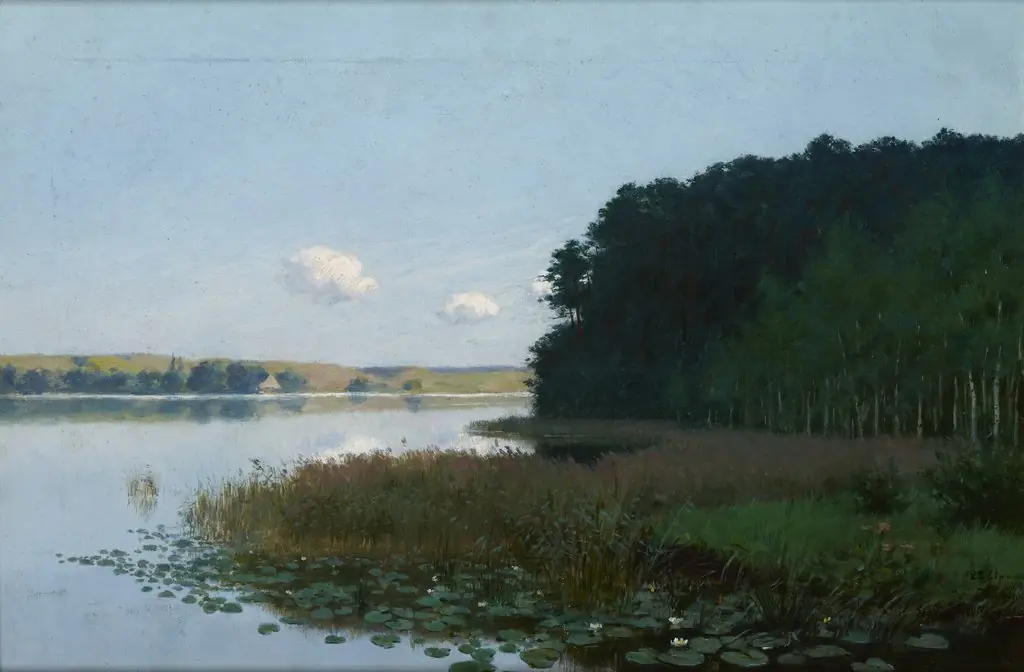 Lake with Water-Lilies
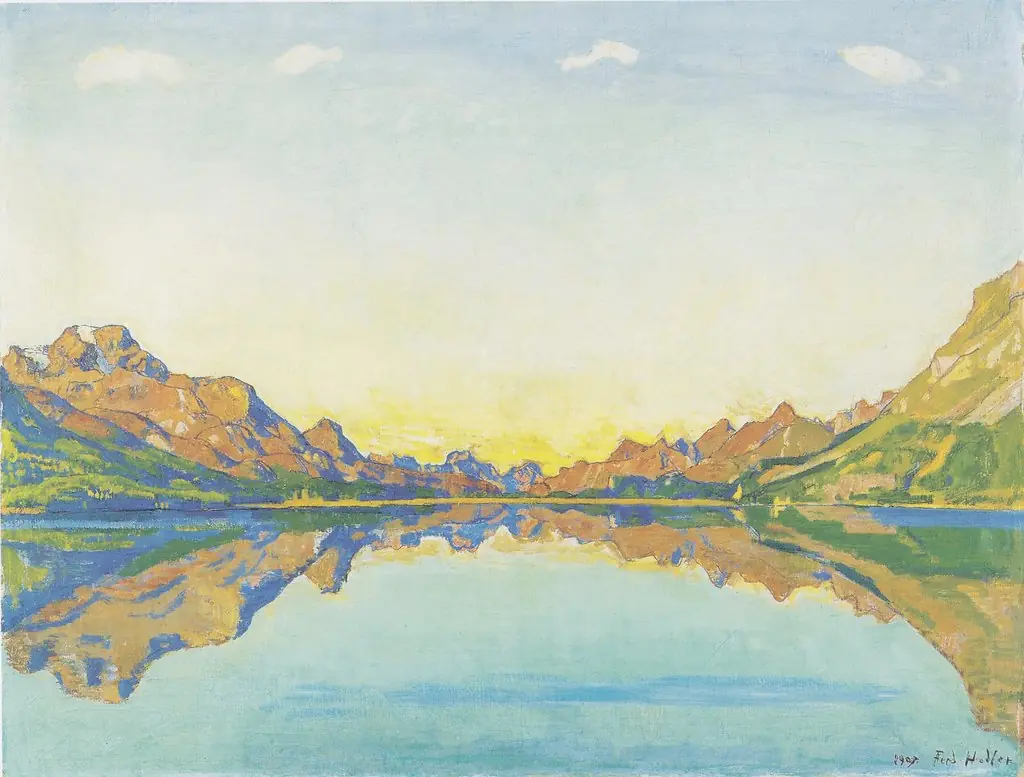 Der Silvaplanersee im Herbst
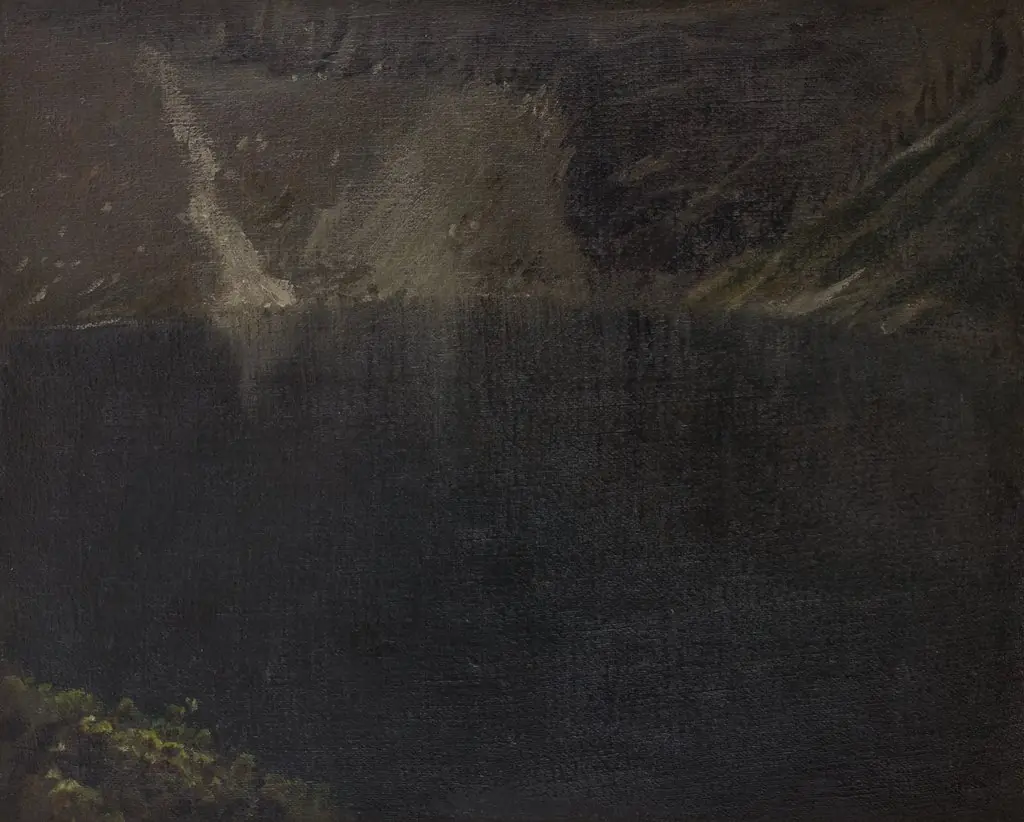 Black Lake
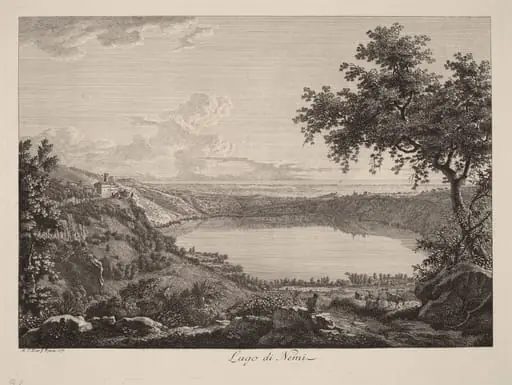 Lago di Nemi (Lake Nemi)
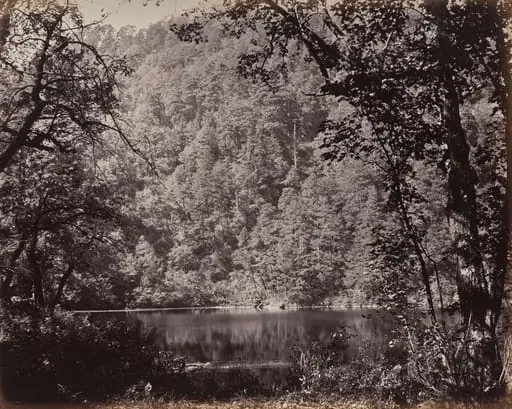 The Upper Himmalayahs. The Dodee Tal in Lake
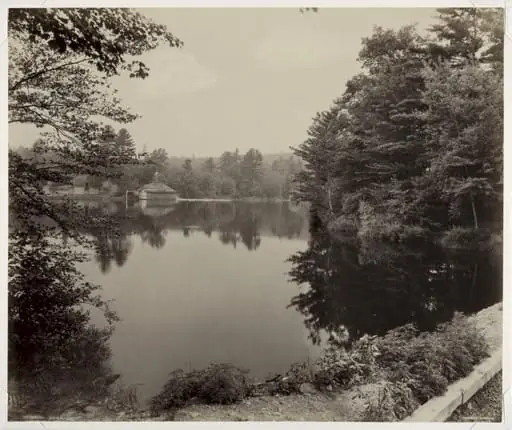 Bear Lake, LVRR
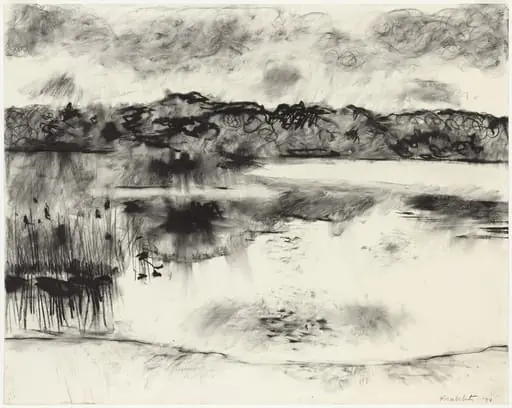 Untitled
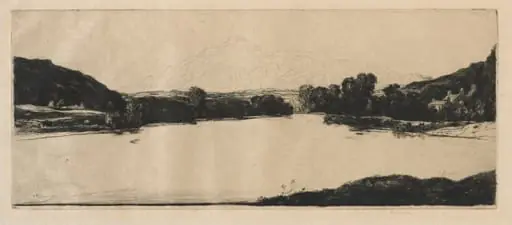 Glen Strae
Frequently asked questions
What is Lake?
Lake is a subject in art. A lake is often a naturally occurring, relatively large and fixed body of water on or near the Earth's surface.
How many Lake works does Artifact World Gallery have?
Artifact World Gallery holds 89 public-domain Lake works, all free to view and download.
Who are the key Lake artists?
Key Lake artists in the collection include Thomas Cole, Albert Bierstadt and Thomas Chambers.
Where can I see Lake works?
Lake works in the collection are held by Metropolitan Museum of Art, Statens Museum for Kunst and National Library of Wales.