Artwork
Nell Gwyn
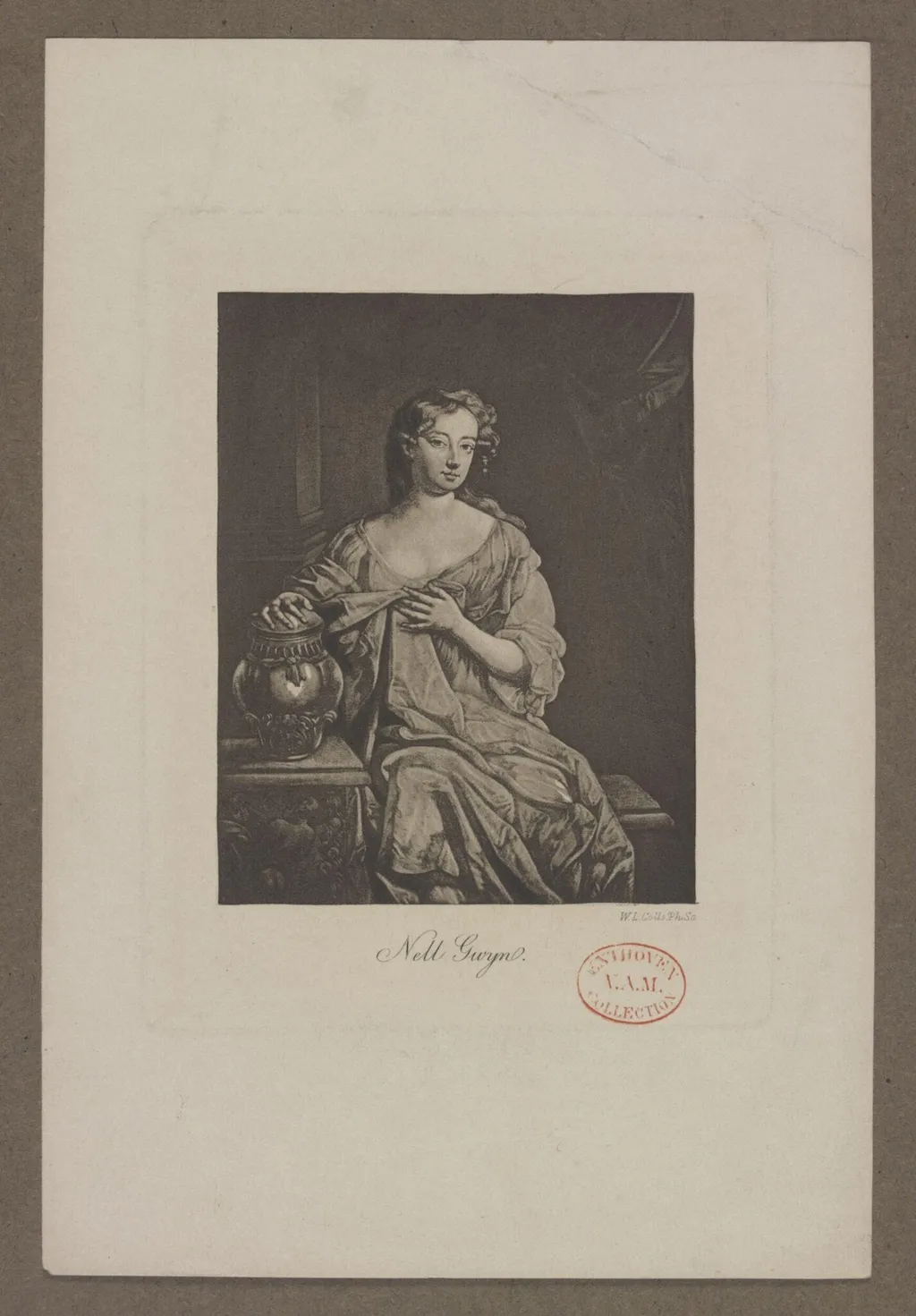
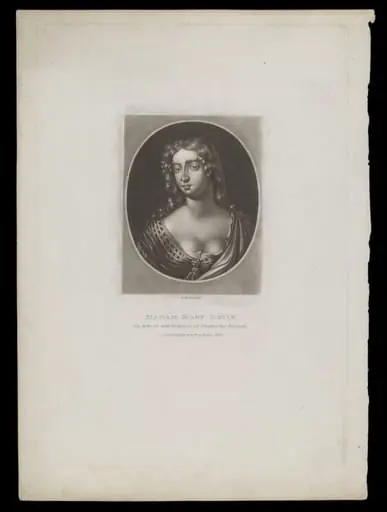
Nell Gwyn is a print by Walter Colls. It dates from 1850 and is held in the collection of the Victoria and Albert Museum.
About this work
This print shows Nell Gwyn, a well-known figure from 17th-century England. Walter Colls made it in the 19th century. It’s a print, so it’s a single image copied many times.
The print was made by W. L. Colls, who worked with Walter Colls. It shows Nell Gwyn, a famous actress and mistress of King Charles II.
See one of her portraits at the Victoria and Albert Museum.
Overview
This 19th‑century print depicts Nell Gwyn, the celebrated actress and royal consort of Charles II. Produced by the printer W. L. Colls, the image is reproduced in a single‑plate format typical of the period, allowing multiple copies to circulate. The work functions as a visual reminder of Gwyn’s enduring place in English cultural memory.
Subject & Meaning
Nell Gwyn (1650–1687) rose from modest origins to become one of the most famous women of the Restoration era, known for her stage talent and her relationship with the king. The print emphasizes her public persona, presenting her in a manner that aligns with 19th‑century nostalgia for the flamboyant court of Charles II.
Technique & Style
Executed as a relief print, the image relies on carved lines and shading to render facial features and costume details. Colls employed a restrained palette of black ink on paper, a common approach for affordable reproductions in the Victorian market, which prioritises clarity of likeness over elaborate coloration.
History & Provenance
Printed by W. L. Colls, a London‑based publisher active in the mid‑1800s, the work reflects the Victorian fascination with historical figures. Copies of the print have appeared in private collections and occasionally surface in auction records, confirming its circulation among collectors of historical portraiture.
Context
The print belongs to a broader 19th‑century trend of reviving Restoration icons, paralleling contemporary portraiture such as the oil painting of Gwyn held by the Victoria and Albert Museum. These visual revivals served both educational and decorative purposes, reinforcing a romanticized view of England’s theatrical past.
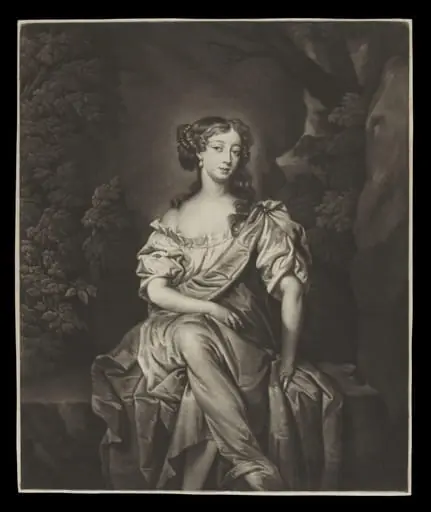
Own this work as a print
Artist & collection
Artist
Walter Colls carved his living sculpting shop signs in 19th-century London’s Fleet Street alleys, where the smell of hot metal and printer’s ink clung to his coat sleeves.

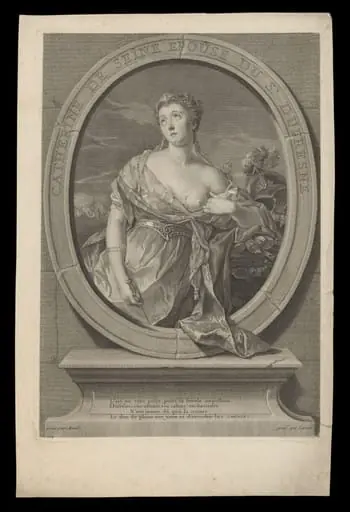 H Beard Print Collection
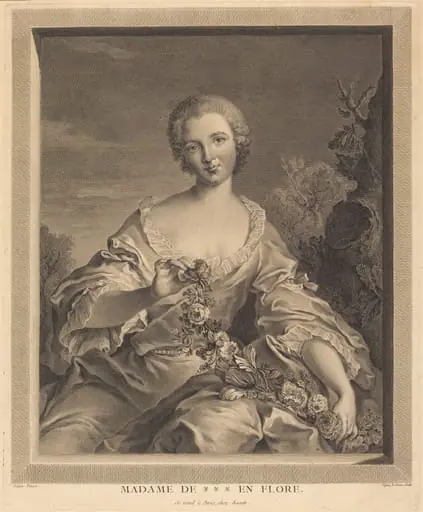 Mme. XXX en Flore
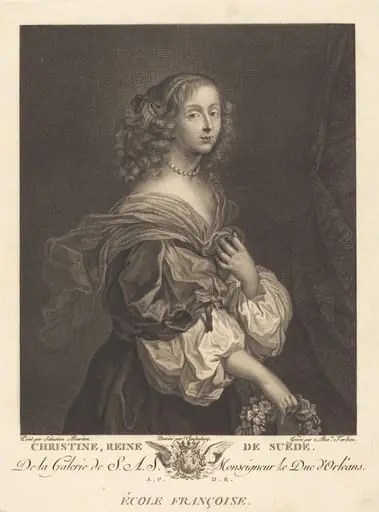 Queen Christina of Sweden
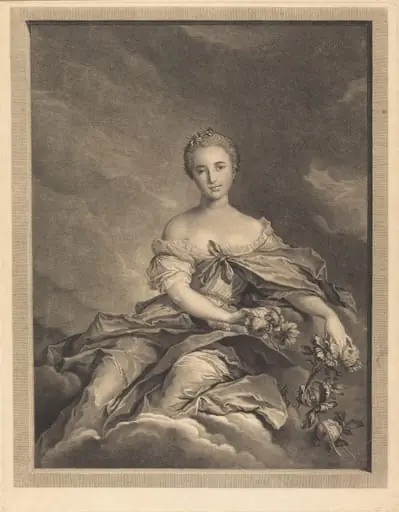 Flore a son lever
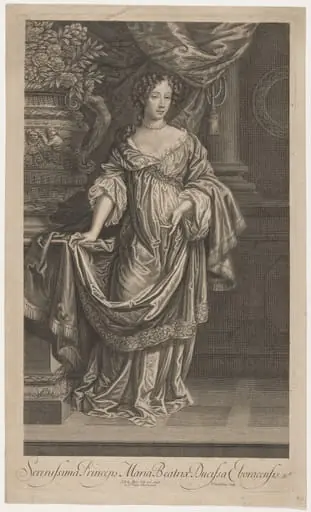 Mary of Modena, as Duchess of York
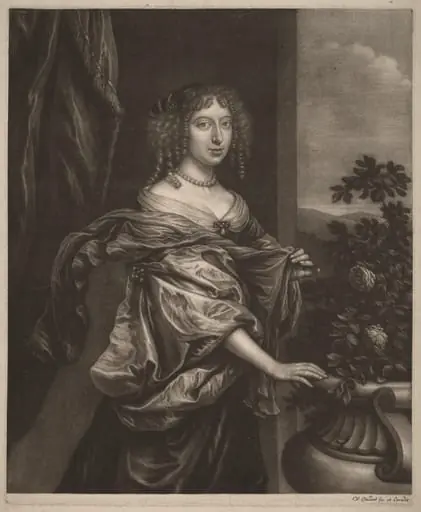 Portrait of a Lady beside a Rose Bush
 Untitled
 La Belle Hamilton
 The Right Honorable Lady Elizabeth Butler, Countess of Chesterfield
 Mulier Nobilis aut Generosa Gallica
 H Beard Print Collection
- H Beard Print Collection