Artwork
Portrait of a Young Man
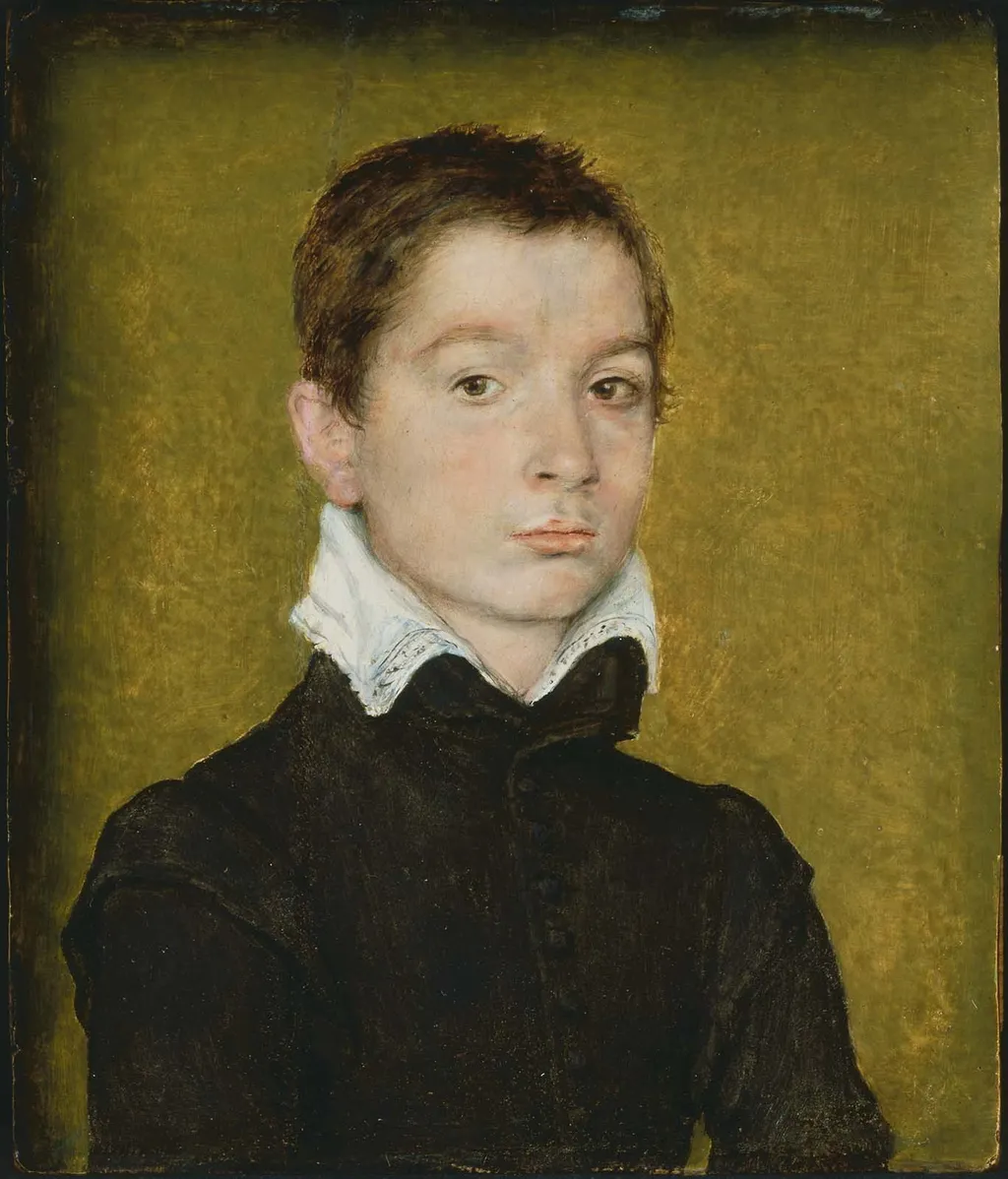
Portrait of a Young Man is an oil painting by the Dutch Golden Age artist Corneille de Lyon. It dates from 1550 and is held in the collection of the Museum of Fine Arts Boston.
About this work
Overview
2 cm and is held in the collection of the Museum of Fine Arts, Boston.
Portrait of a Young Man is an oil painting on panel by the Dutch-born French Renaissance portraitist Corneille de Lyon, active from 1533 until his death in 1575. The work measures 18.1 by 15.2 cm and is held in the collection of the Museum of Fine Arts, Boston. It exemplifies the intimate, small-scale portraiture that made Corneille one of the most sought-after portraitists of sixteenth-century France, serving the royal family and the bourgeois elite of Lyon with a distinctive style that privileged psychological immediacy over grandeur.
Subject & Meaning
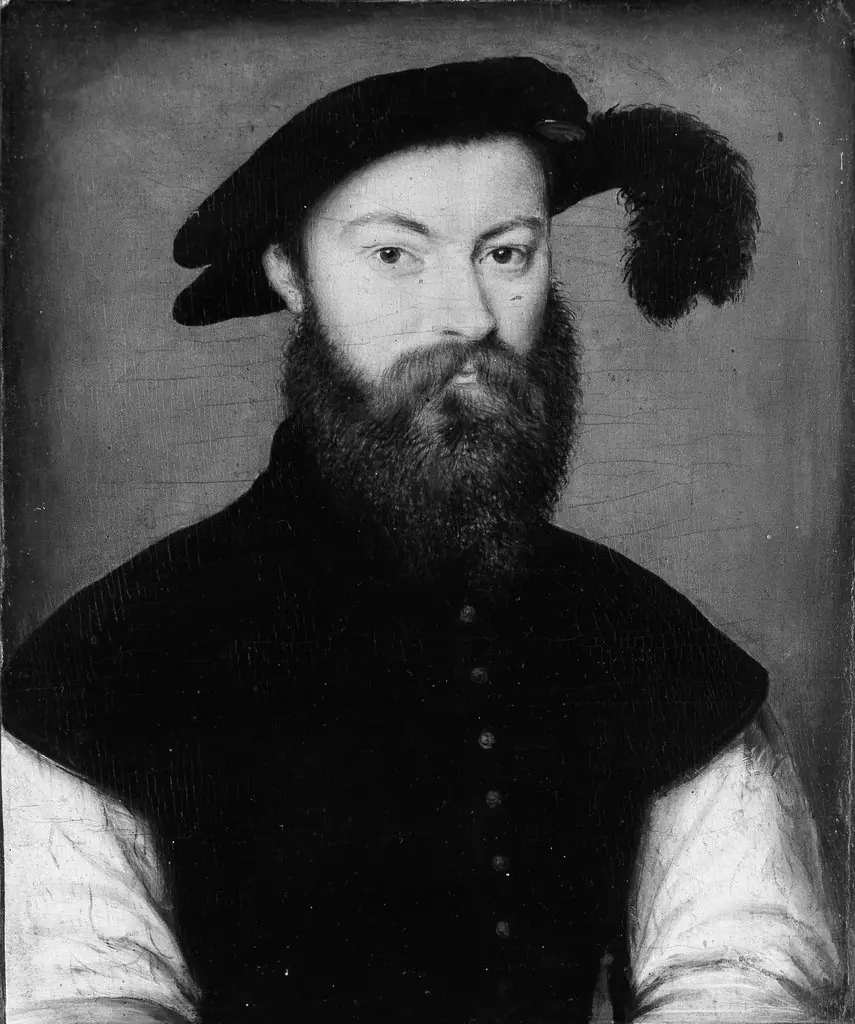
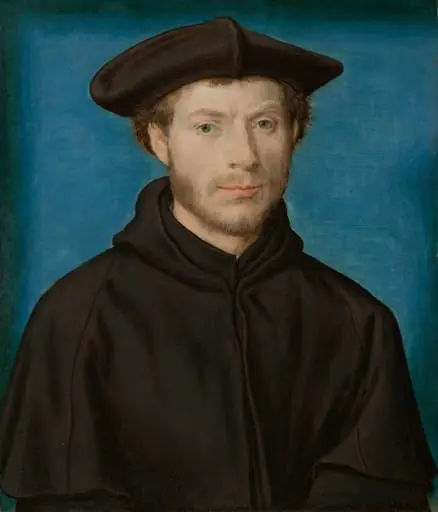
The painting presents a bust-length depiction of a young man, centered against a flat olive-green background. The subject faces slightly right while turning his head toward the viewer, establishing direct eye contact. He wears a dark brown or black garment with a high collar and a white ruffled collar at the neck. His short, brown, somewhat tousled hair frames a face illuminated by even light from the left, casting subtle shadows on the right side. No objects or symbols appear in the composition, directing full attention to the sitter's expression and presence. This restraint is characteristic of Corneille's approach, which relies on the essential elements of face and expression rather than iconographic elaboration to convey the sitter's identity and social position. The confident posture and expensive clothing suggest a subject of high social status, consistent with Corneille's clientele among the court and bourgeois elite.
Technique & Style
The work is executed in oil on panel, a medium Corneille employed with exceptional precision. The palette is deliberately restrained: muted greens, dark browns, black, and the pale tones of the face and collar. Light falls evenly from the left, modeling the face with subtle gradations. The brushwork is smooth in the facial rendering, with more visible texture in the background and clothing. This handling reflects Corneille's signature approach of reducing the portrait to its essential elements, where the small scale demands extraordinary precision in depicting eyes, mouth, and the subtle modulations of flesh tone. The bust-length format against a plain colored ground became his characteristic compositional formula. The edges of the panel show slight wear, consistent with the work's age and modest dimensions. The overall effect creates an intimate, almost precious quality that distinguishes Corneille's production from the more monumental portraiture of his contemporaries.
History & Provenance
The painting is dated to approximately 1538 and has been in the collection of the Museum of Fine Arts, Boston, where it remains today. Its presence in an American museum reflects the broader pattern of collecting French Renaissance art in the United States during the nineteenth and early twentieth centuries. While specific details of its earlier provenance are not recorded in the available sources, the work's attribution to Corneille de Lyon has placed it within the secure corpus of his authenticated paintings. The Museum of Fine Arts, Boston, holds the work as part of its permanent collection, making it accessible for public viewing and scholarly study.
Context
Corneille de Lyon occupied a distinctive position in French Renaissance art. Born in The Hague, he became peintre du roi in Lyon and served as portraitist to the French royal family, including Henri II and Catherine de' Medici. His workshop produced numerous small-scale portraits that were collected avidly in sixteenth-century France, where their intimate scale and precise characterization made them valued personal possessions. The artist's works traveled widely even during his lifetime, testament to their portability and appeal. Scholarship on Corneille has emphasized his role in developing a specifically French mode of portraiture that synthesized Netherlandish technical precision with Italianate compositional clarity. The Portrait of a Young Man participates in this synthesis, demonstrating the qualities that made his work desirable across social strata, from royalty to the wealthy bourgeoisie. Critical reception has consistently valued Corneille for his ability to capture individual character without exaggeration, achieving psychological depth within severely restricted formats.
Legacy
Corneille de Lyon's portraits, including this work, established a model for intimate French portraiture that influenced subsequent generations. The American appetite for French Renaissance art, which brought this and other works across the Atlantic, has ensured their preservation and continued study in major museum collections. The Portrait of a Young Man remains representative of Corneille's enduring reputation as a master of the small-scale portrait, a genre he effectively defined for sixteenth-century France. His works continue to be studied for their technical refinement and for what they reveal about the culture of portraiture and personal representation in Renaissance France. The painting's residence in the Museum of Fine Arts, Boston, places it within a significant collection of European art where it contributes to broader narratives of Renaissance portraiture across national schools.
Own this work as a print
Artist & collection
Artist
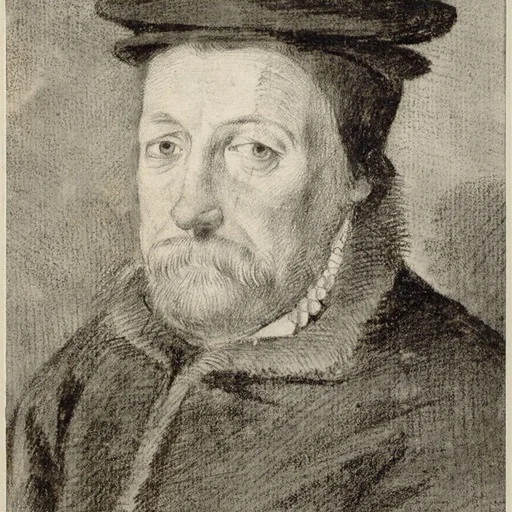
Corneille de Lyon was a Dutch painter of portraits who was active in Lyon, France, from 1533 until his death. In France and the Netherlands he is also still known as Corneille de La Haye after his birthplace, The Hague.

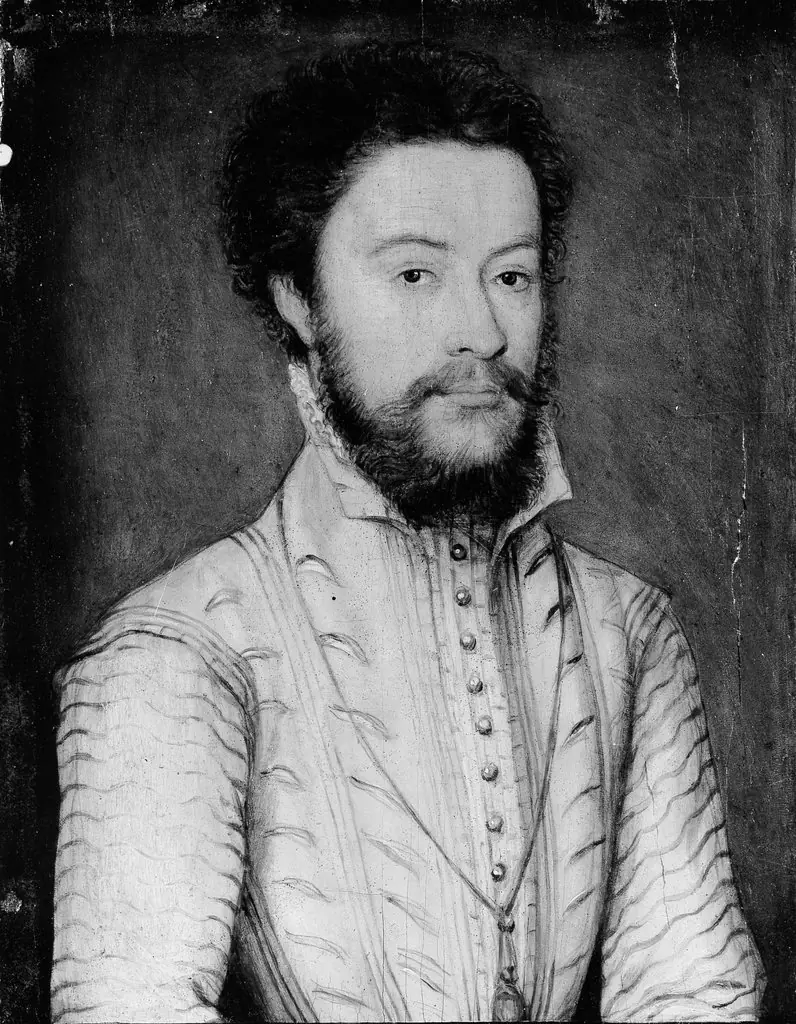
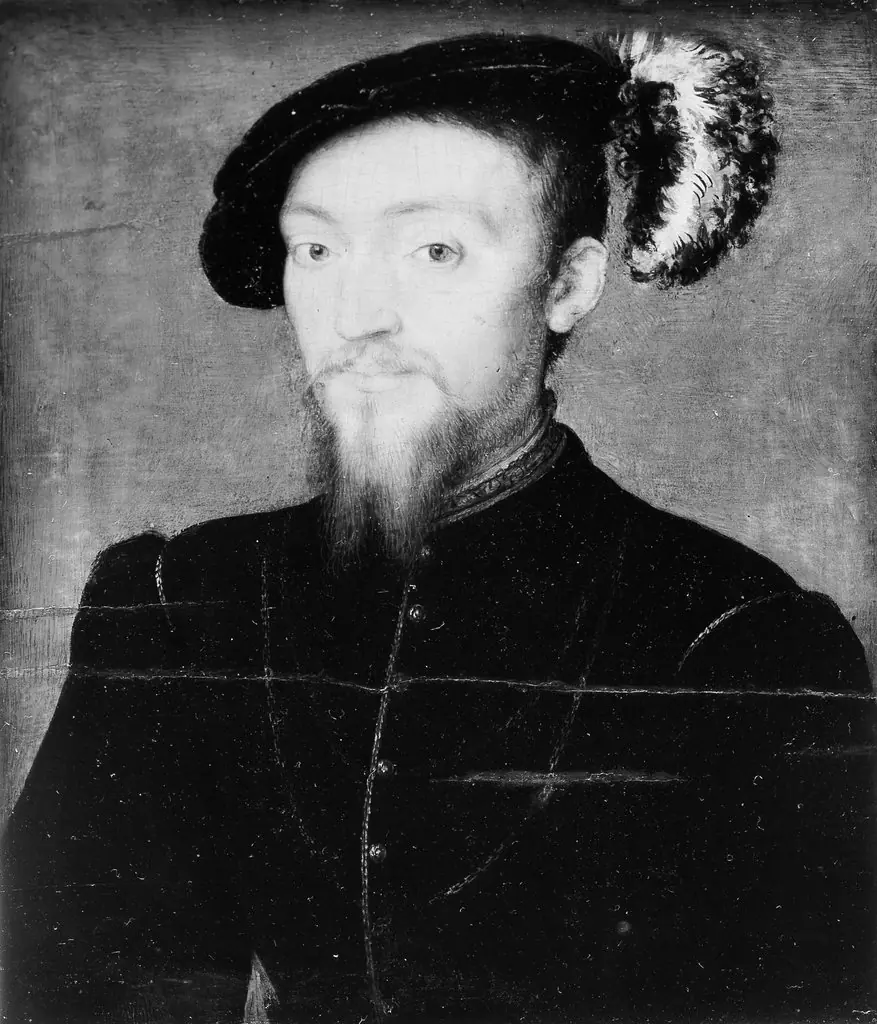
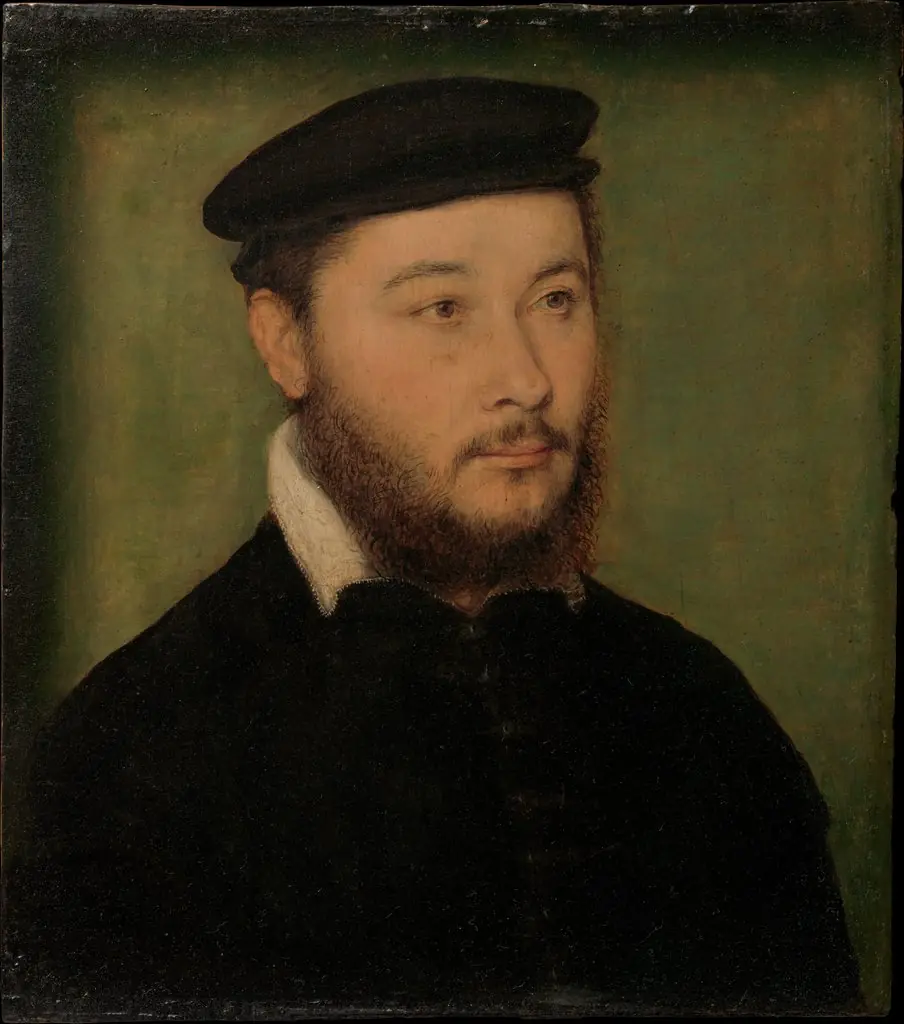
- Portrait of a Young Man
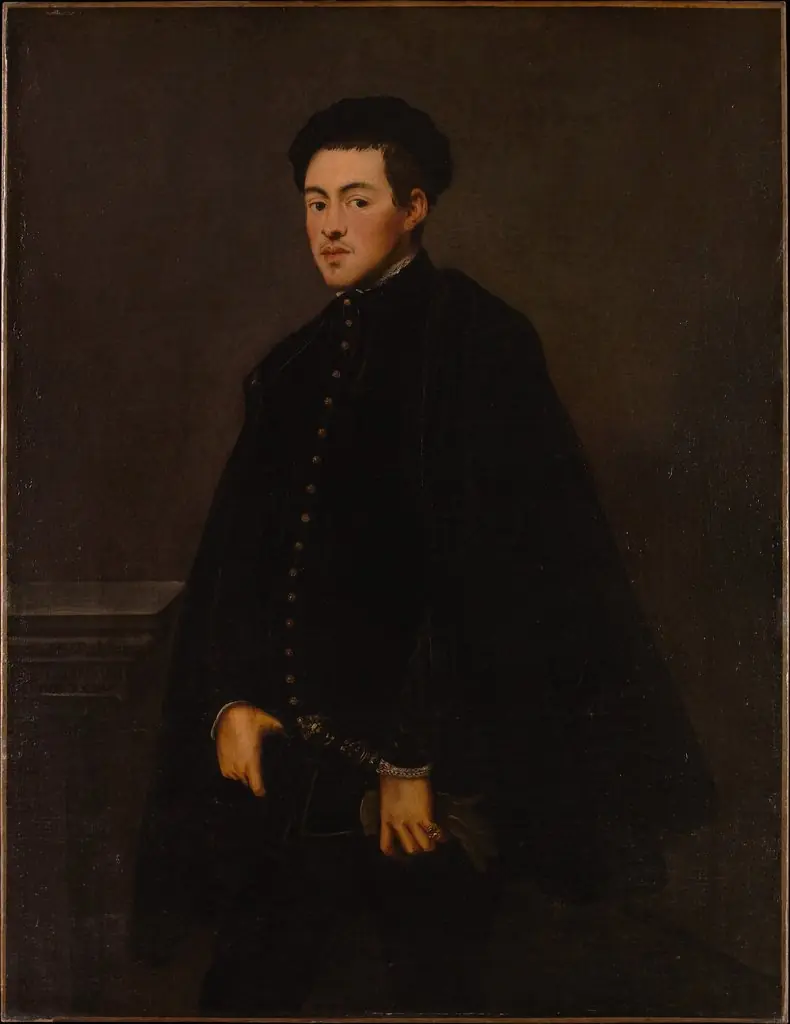 Portrait of a Young Man
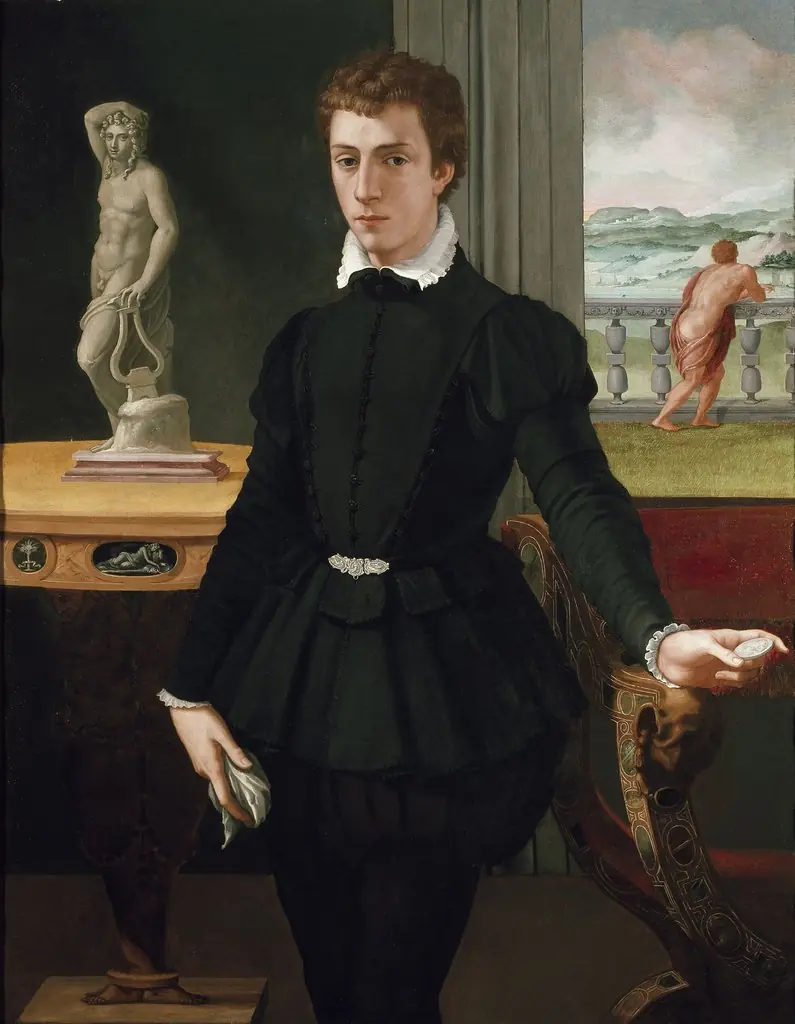 Portrait of a young Man
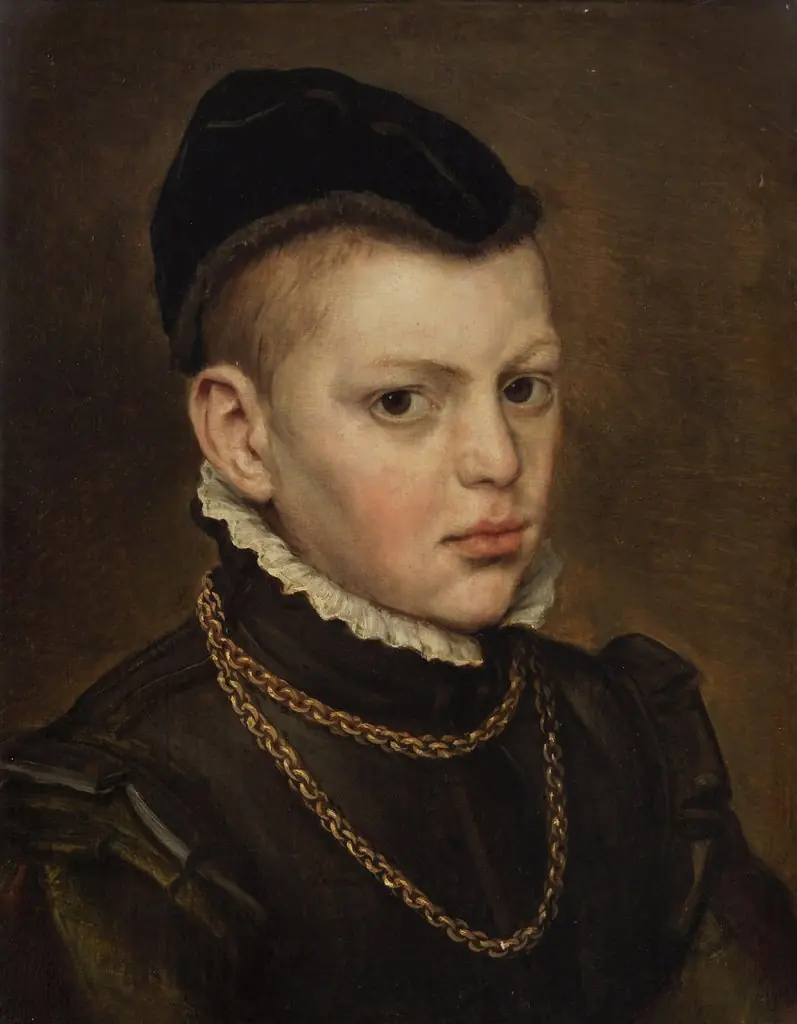 Head of a Boy
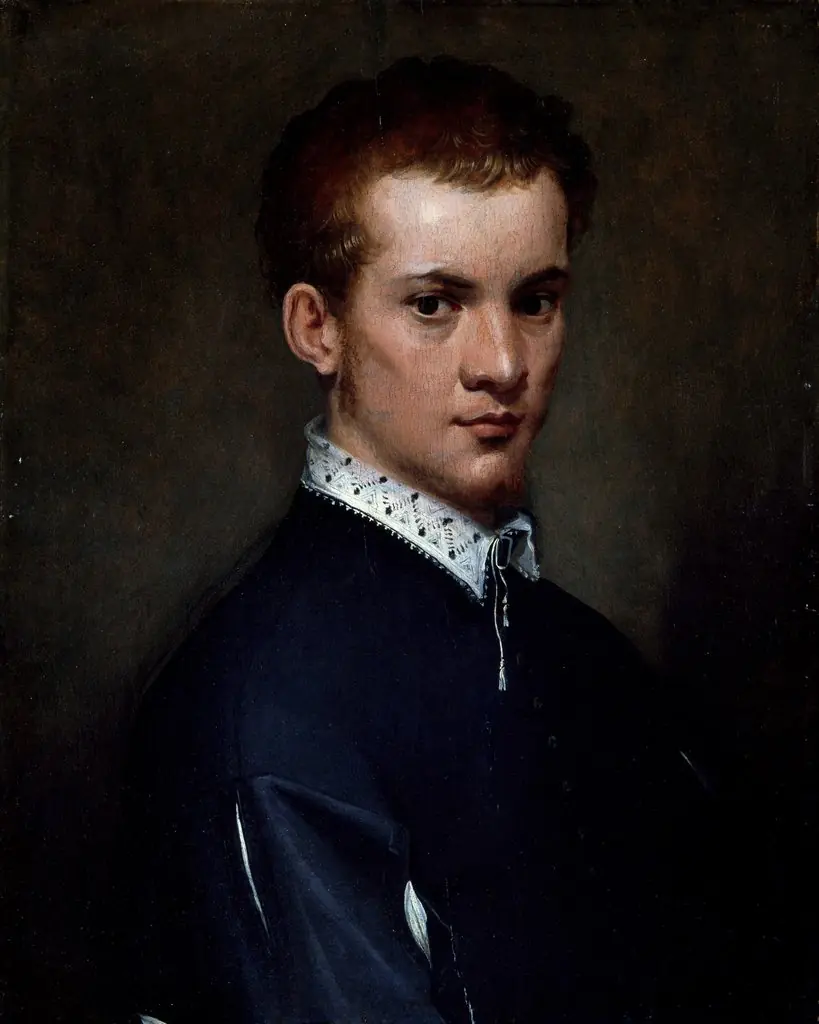 Portrait of a Young Man
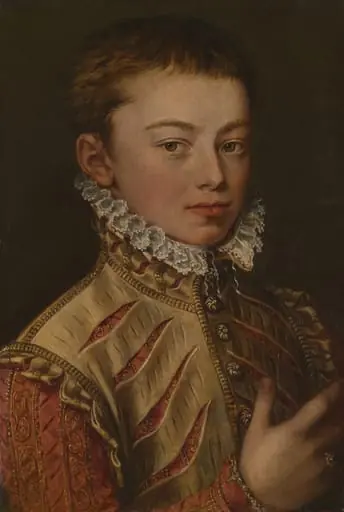 Portrait of Don Juan of Austria
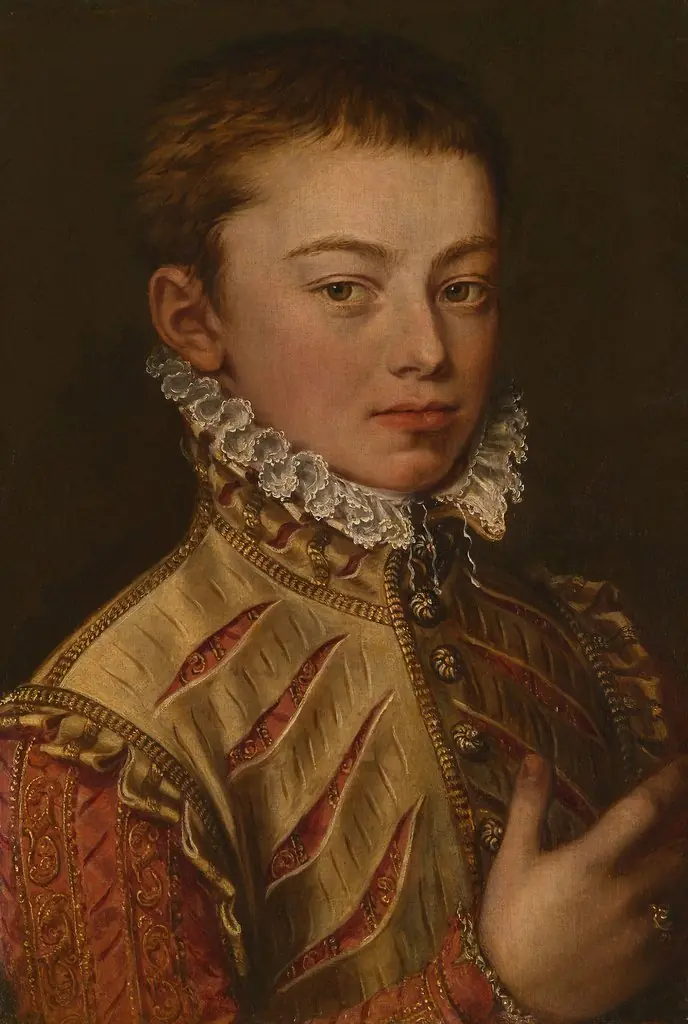 Portrait of Don Juan of Austria
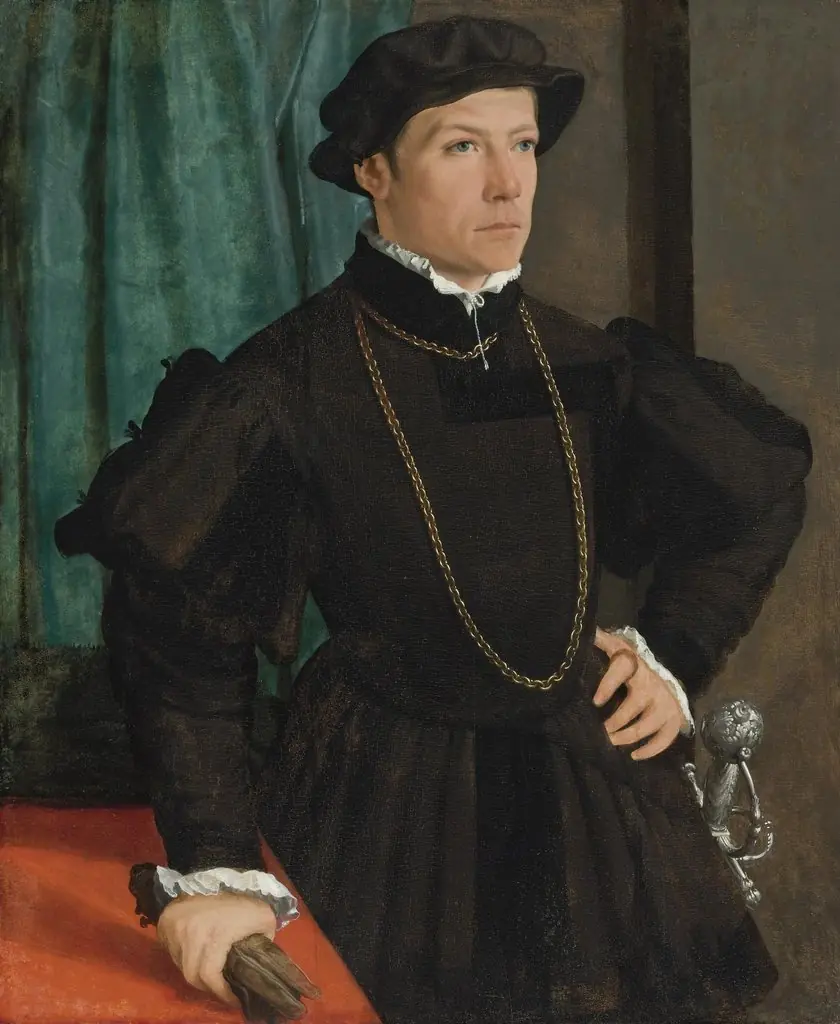 Portrait of Johann Jakob Fugger
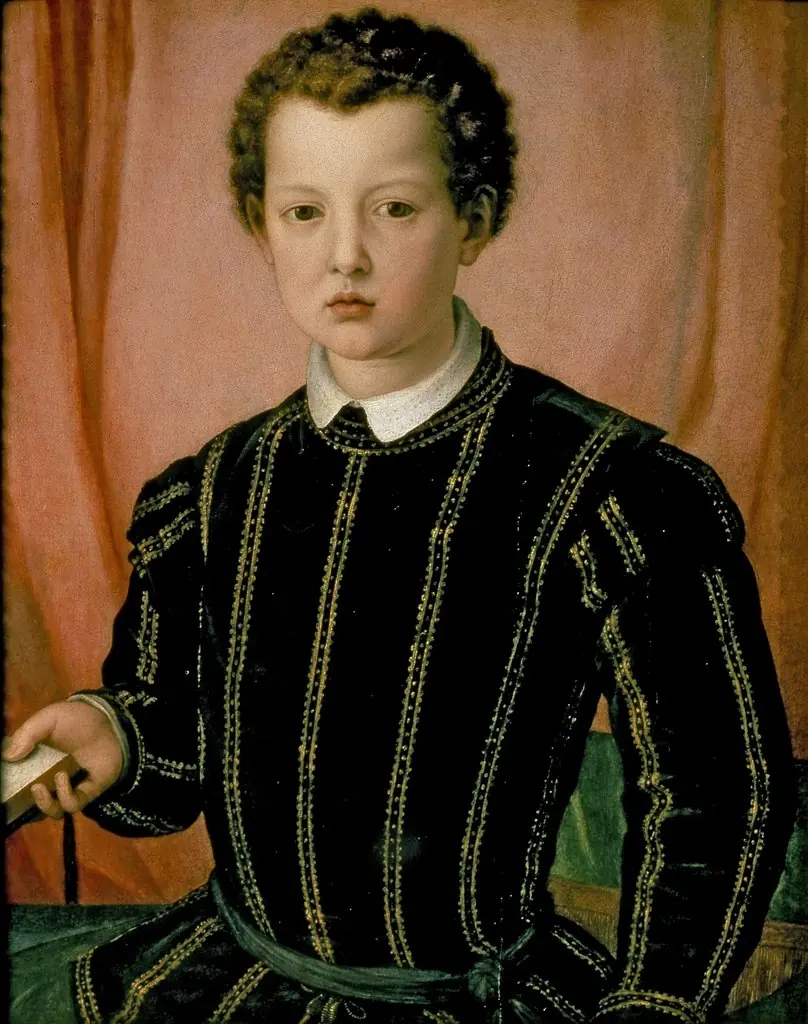 Giovanni de' Medici
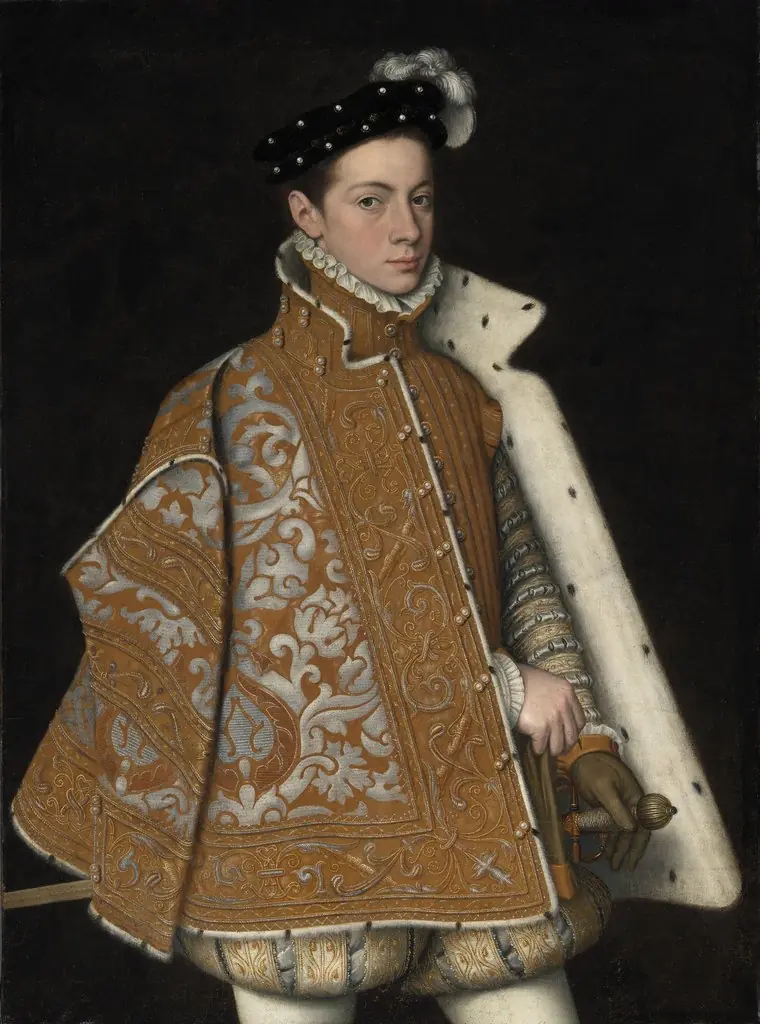 Portrait of Prince Alessandro Farnese
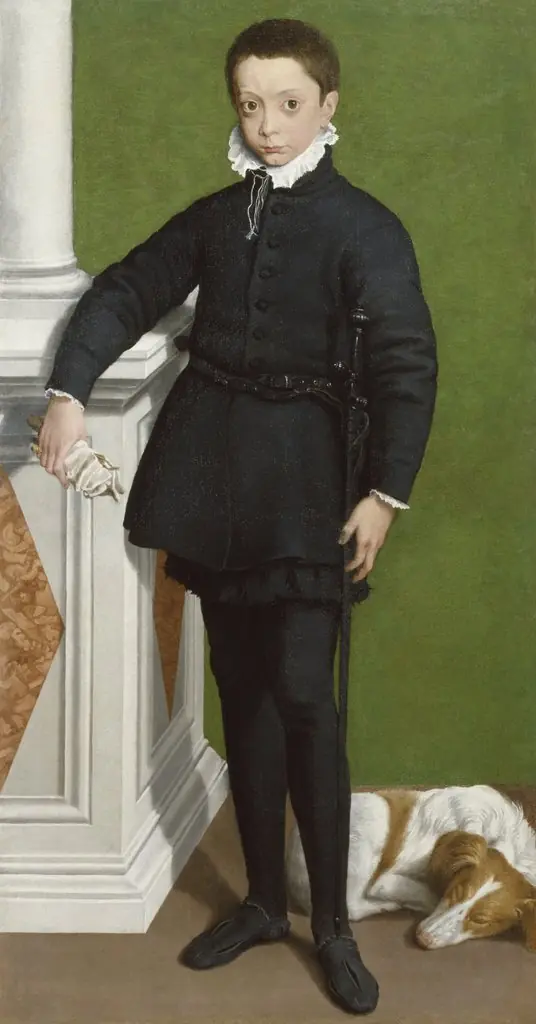 Portrait of Marquess Massimiliano Stampa
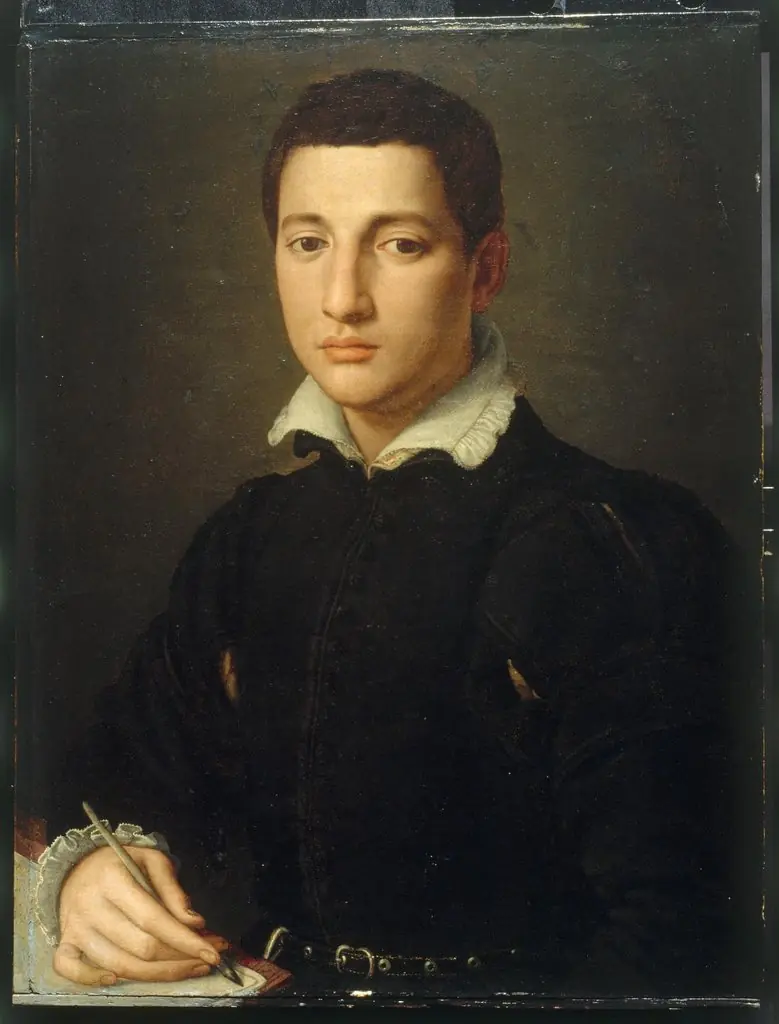 Portrait of a Young Man Writing