Artwork
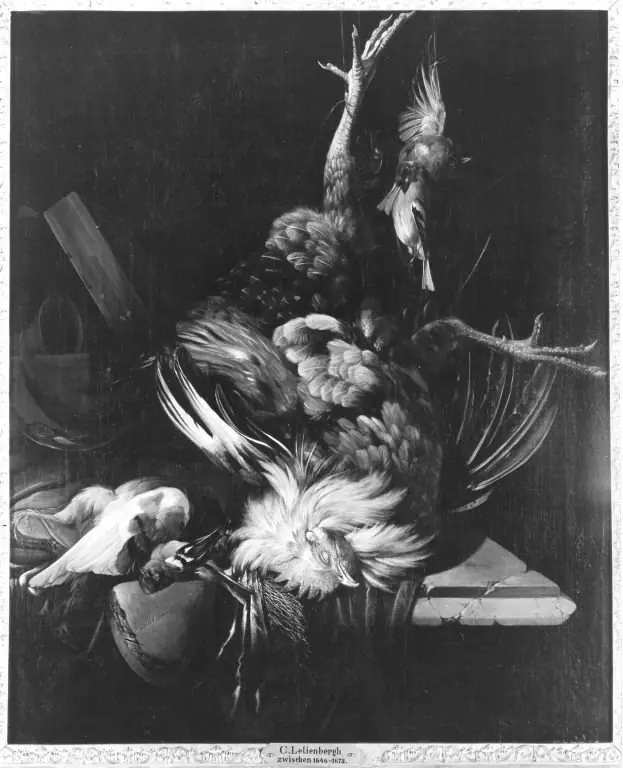
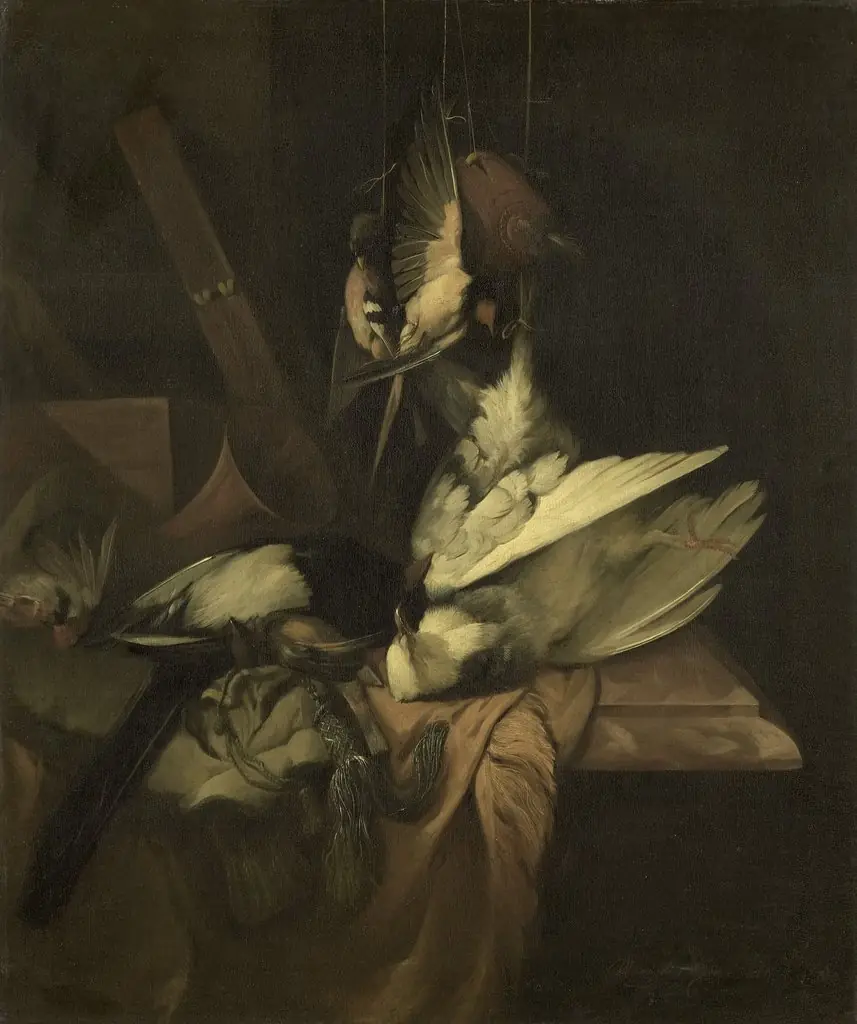
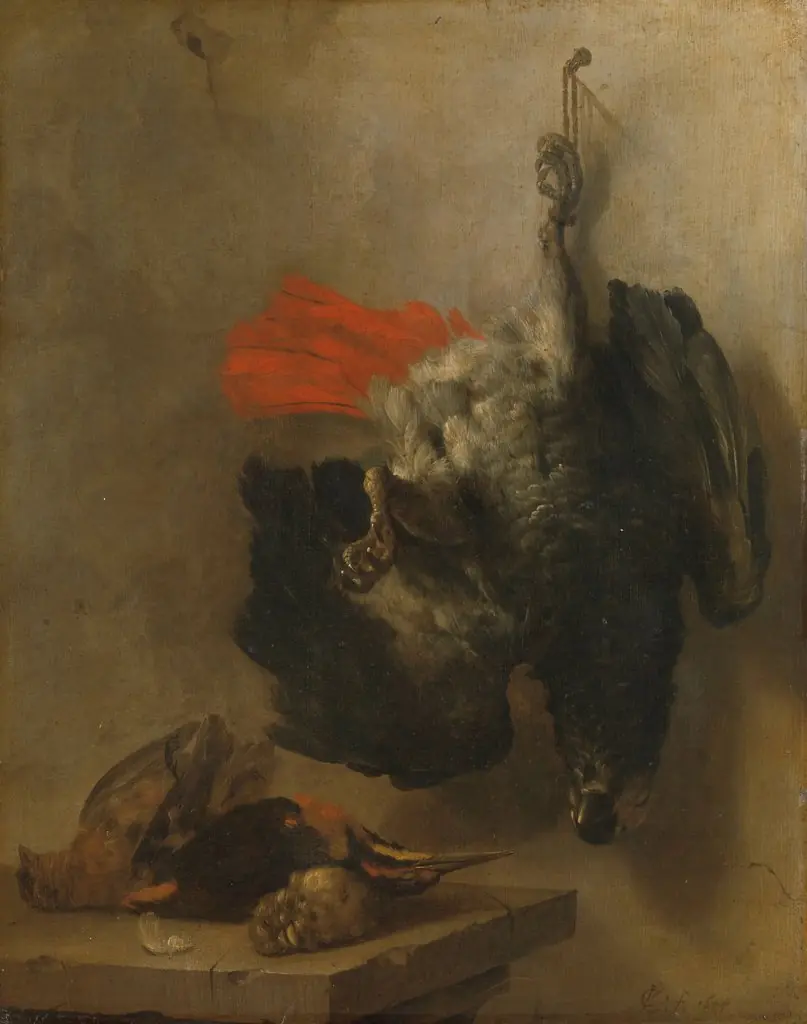
Still life with woodpecker and snipes
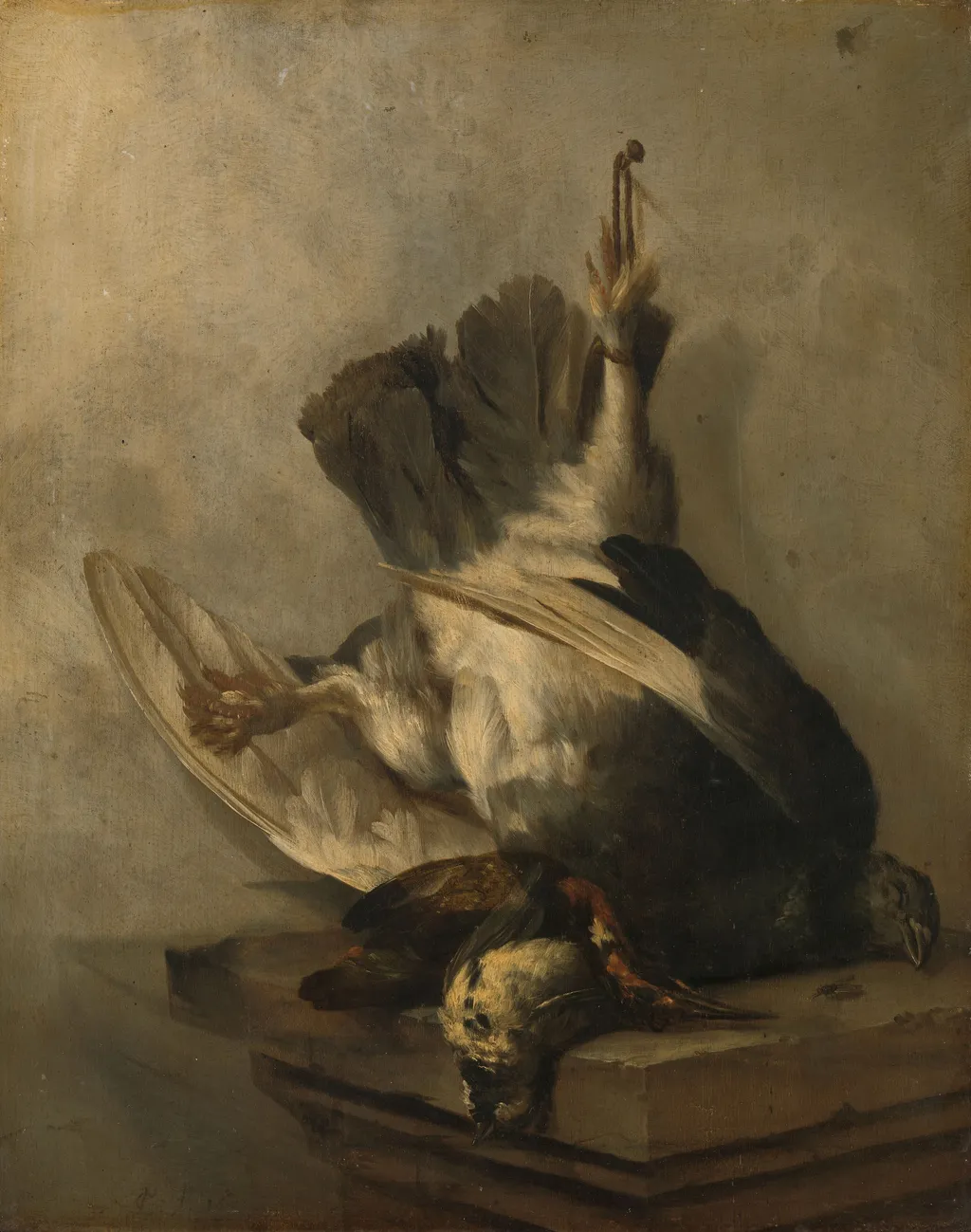
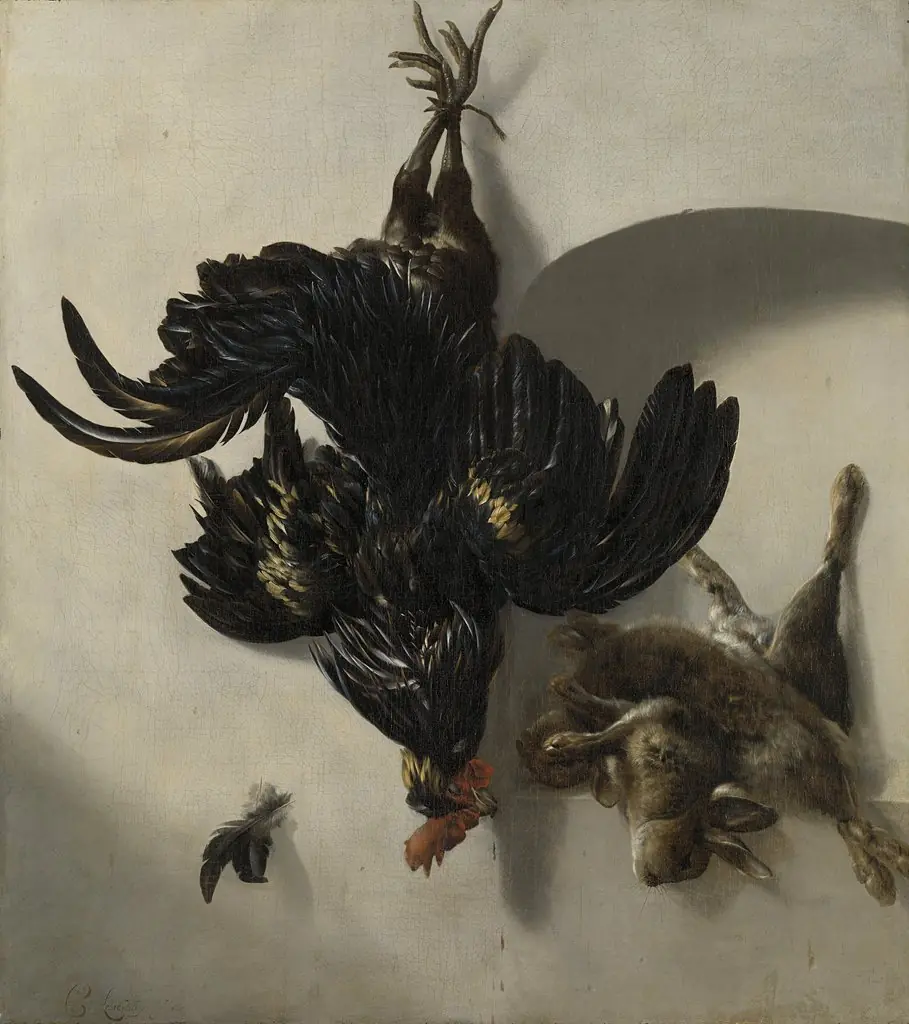
Still life with woodpecker and snipes is an oil painting by the Dutch Golden Age artist Cornelis Lelienbergh. It dates from 1655 and is held in the collection of the Rijksmuseum.
About this work
Technique & Style
Handling is precise and restrained, with smooth blending in the plumage and fur to render lifelike texture and subtle tonal gradations.
Executed in oil on a vertical oak panel, the work measures 47 cm in height and 37.5 cm in width. Handling is precise and restrained, with smooth blending in the plumage and fur to render lifelike texture and subtle tonal gradations. The composition balances naturalistic detail against a muted palette, using earthy browns and muted greens to unify the scene.
Subtle glazing enhances depth in the feathers and the reflective surfaces of the snipes’ beaks, while the woodpecker’s red crest is heightened with a more opaque, saturated application. The still-life format foregrounds the birds against a dark, neutral background, emphasizing their anatomical accuracy and the quiet drama of their juxtaposition.
History & Provenance
The painting Still life with woodpecker and snipes by Cornelis Lelienbergh is held in the collection of the Rijksmuseum. Created in 1655, the work is executed in oil paint on a panel measuring 47 cm in height and 37.5 cm in width. The provided sources confirm its current location and classification as a still life within the museum's holdings, though specific inventory numbers or a detailed history of exhibitions are not included in the available records.
Context
Cornelis Lelienbergh's 1655 painting depicting birds in a landscape situates his work within the Dutch Golden Age still life tradition, characterized by meticulous naturalistic detail and symbolic potential in fauna. The composition of woodpecker and snipes on a wooded bank reflects contemporary naturalist interests in avian life, though Lelienbergh's specialized focus on such subjects remains less documented than peers like Melchior d'Hondecoeter. This piece was acquired by the Rijksmuseum, affirming its recognized significance within Dutch painting history.
Scholarly attention to Lelienbergh's oeuvre highlights his contribution to specialized animal painting, a niche genre that influenced later artists but was often overshadowed by more commercially prominent still life subgenres. His documented activity in the mid-17th century positions him within a network of artists exploring nature's intricacies, though critical reception of his work during his lifetime remains sparse in surviving records.
Legacy
The painting's presence in the Rijksmuseum collection has contributed to renewed scholarly attention on Lelienbergh's role in Dutch Golden Age still life, particularly regarding his depiction of birds in naturalistic settings. Its inclusion in major exhibitions of 17th-century Dutch art has prompted reassessment of the artist's technique and influence on later ornithological painters.
Overview
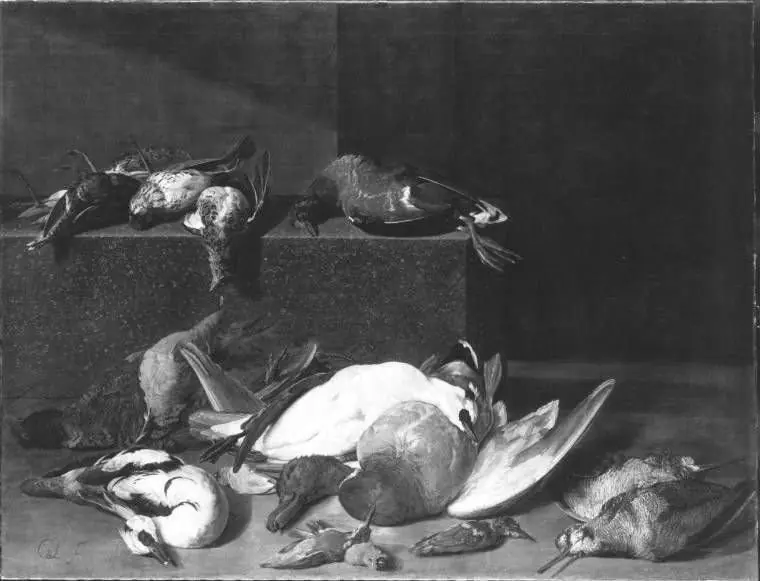
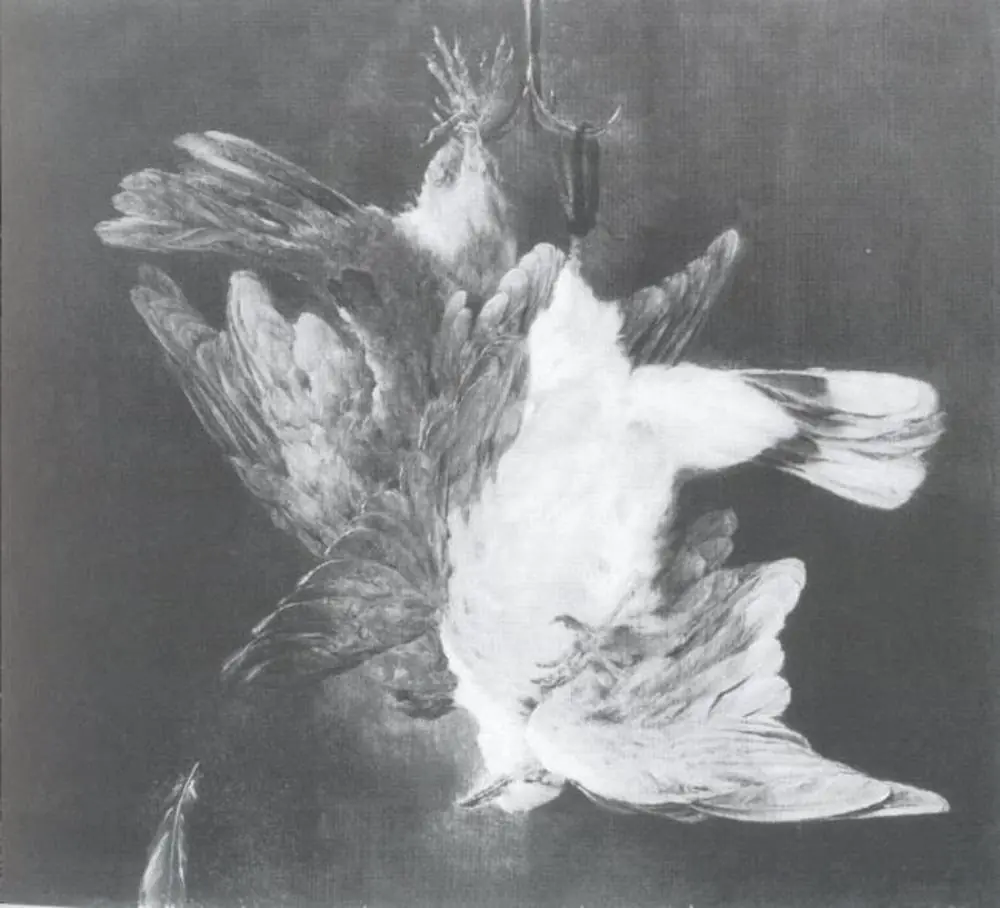
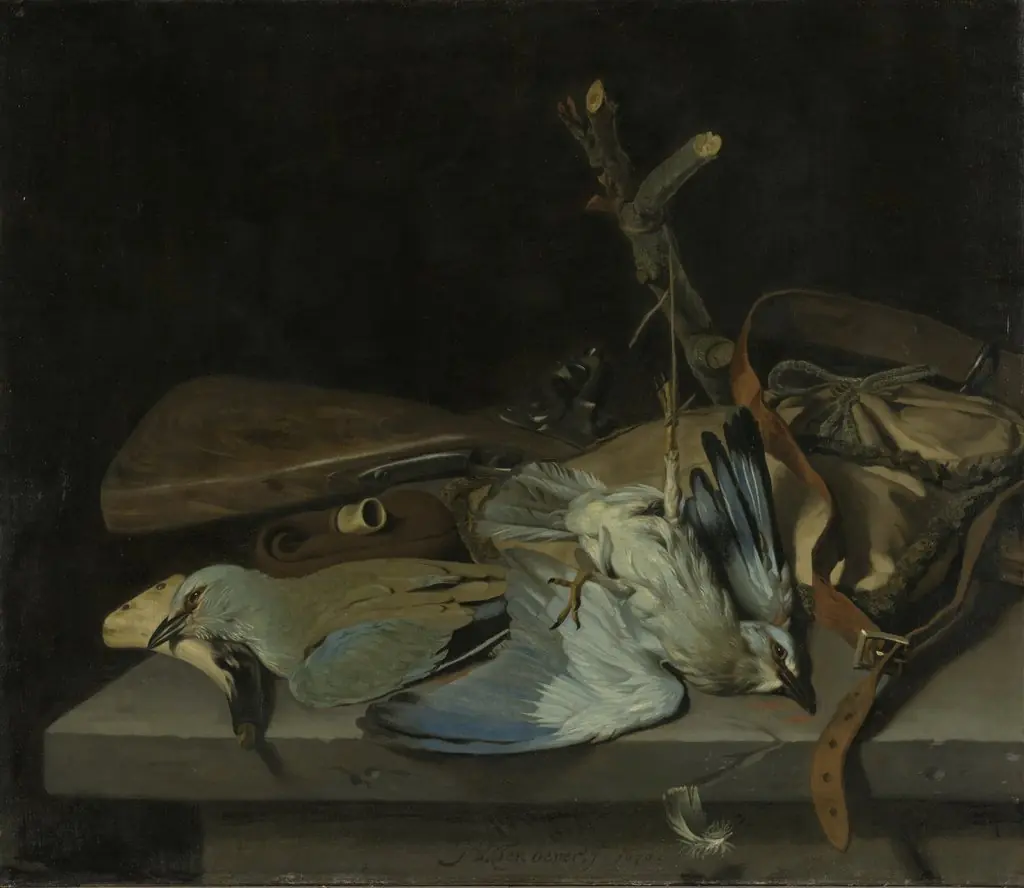
Cornelis Lelienbergh’s oil painting, dated 1655, presents a stark still‑life composition centered on a dead woodpecker with its wings fully extended. The bird rests on a textured surface, while two smaller, disheveled birds lie beneath it. A plain, dark background isolates the subjects, emphasizing their forms and the contrast between light and shadow.
Subject & Meaning
The work depicts a moment of death and decay, common in seventeenth‑century Dutch vanitas themes. The prominently displayed woodpecker, a creature associated with persistence, alongside the limp snipes, may suggest the fleeting nature of life and the inevitability of mortality, inviting contemplation of the viewer’s own transience.
Own this work as a print
Artist & collection