
Subject
Game
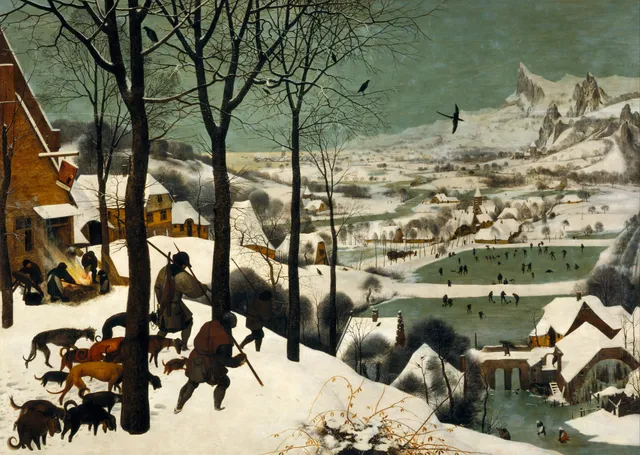
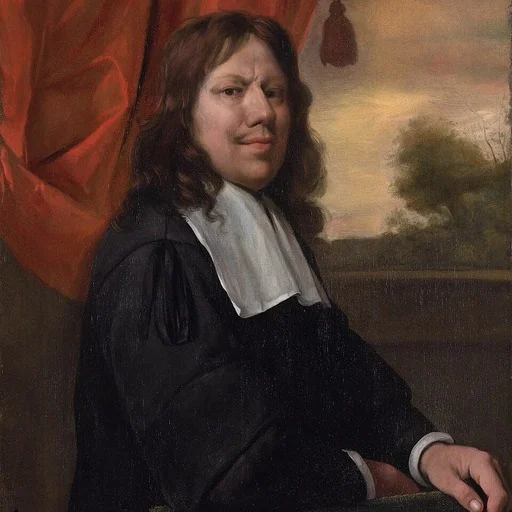
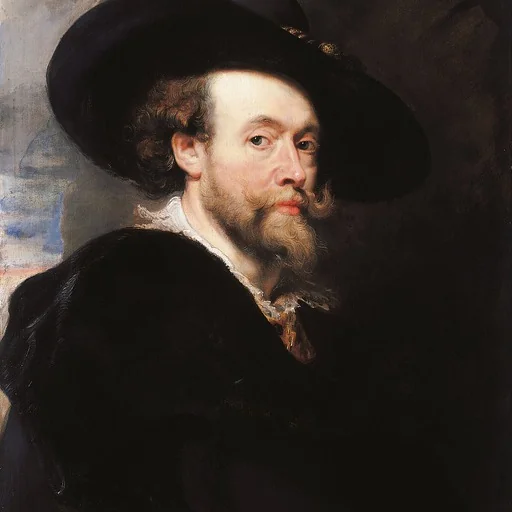
Game is a subject in art. The gallery holds 52 works in this subject in art, including works by Jean Honoré Fragonard, Jan Steen and Peter Paul Rubens.
A game is an activity defined by a challenge and a set of rules, typically done for enjoyment, competition, or development. Games may be played informally or in professional competitive settings before audiences.
Key artists
Overview
The motif of the game, understood as a structured activity defined by rules, challenge, and typically pursued for enjoyment or competition, has been a persistent and culturally significant subject in visual art. Within the Courtauld Institute of Art collection, the theme appears in 57 works, spanning diverse media, periods, and geographical origins. These depictions range from mythological and allegorical scenes to genre paintings of everyday leisure, reflecting the universal and cross-cultural nature of games as human activity. The artistic treatment of games encompasses card playing, board games, outdoor sports, and courtly entertainments, offering insight into social customs, moral attitudes, and the aesthetics of recreation across history.
Iconography & meaning
In art, the game carries multivalent symbolic meanings that extend beyond mere recreation. Philosophical discourse on games, notably Ludwig Wittgenstein's analysis in Philosophical Investigations, emphasizes that the concept resists single definition, existing instead through family resemblances among diverse activities. This philosophical elusiveness parallels the visual iconography of games, which can signify opposing values: leisure and vice, fortune and ruin, social harmony and discord. Roger Caillois's framework of agon (competition), alea (chance), mimicry, and ilinx (vertigo) provides a useful lens for understanding how artists encode these dynamics. Card games frequently symbolize the vagaries of fortune and moral danger, as seen in Dutch Golden Age paintings where they illustrate prodigality. The game of chess, by contrast, often represents intellectual striving and courtly refinement. In East Asian contexts, Go embodies strategic mastery and philosophical depth. The French linguistic tradition, deriving jeu from Latin jocus (pleasantry), further enriches the semantic field, connecting games to playacting, musical performance, and even social convention through expressions like regle du jeu (the rules of the game).
Across movements & periods
The treatment of games in art evolves markedly across periods and cultures. Ancient civilizations invested games with religious significance: Senet boards in Egyptian tombs represented the soul's journey through the netherworld, while the Royal Game of Ur in Mesopotamia combined recreation with ritual meaning. Medieval and Renaissance artists often depicted games within courtly or biblical contexts, using them to illustrate hierarchy, temptation, or divine justice. The Northern European tradition, particularly in the Netherlands during the seventeenth century, transformed game playing into a major genre subject, with artists like David Teniers the Younger and the followers of Caravaggio producing numerous tavern and card-playing scenes that carried implicit moral messages about vice and virtue. The Rococo period, exemplified by Fragonard's The Stolen Kiss, aestheticized games as part of an elegant, playful aristocratic culture. Japanese court culture, as preserved in The Tale of Genji handscroll, presents games as refined literary and social accomplishments. The modern period saw games increasingly absorbed into narratives of modern leisure and, eventually, mass culture, though the Courtauld collection's strength lies primarily in earlier periods.
Legacy
The artistic legacy of games extends from ancient ritual objects to contemporary digital culture. The philosophical debates initiated by Wittgenstein and continued by Caillois, Bernard Suits, and others have informed scholarly approaches to games as cultural phenomena. In the twenty-first century, the global video game industry has surpassed film and music in annual revenue, reflecting the centrality of structured play in contemporary life. Art institutions have increasingly recognized this evolution, though the Courtauld collection's historical focus preserves earlier manifestations of the theme. The continued scholarly attention to game imagery in Dutch Golden Age painting, Rococo art, and Japanese court culture demonstrates how games serve as diagnostic tools for understanding social structures, gender relations, and economic conditions. The motif's persistence across 57 works in a single collection testifies to its enduring capacity to generate meaning, whether as moral allegory, social document, or aesthetic pretext.
Works
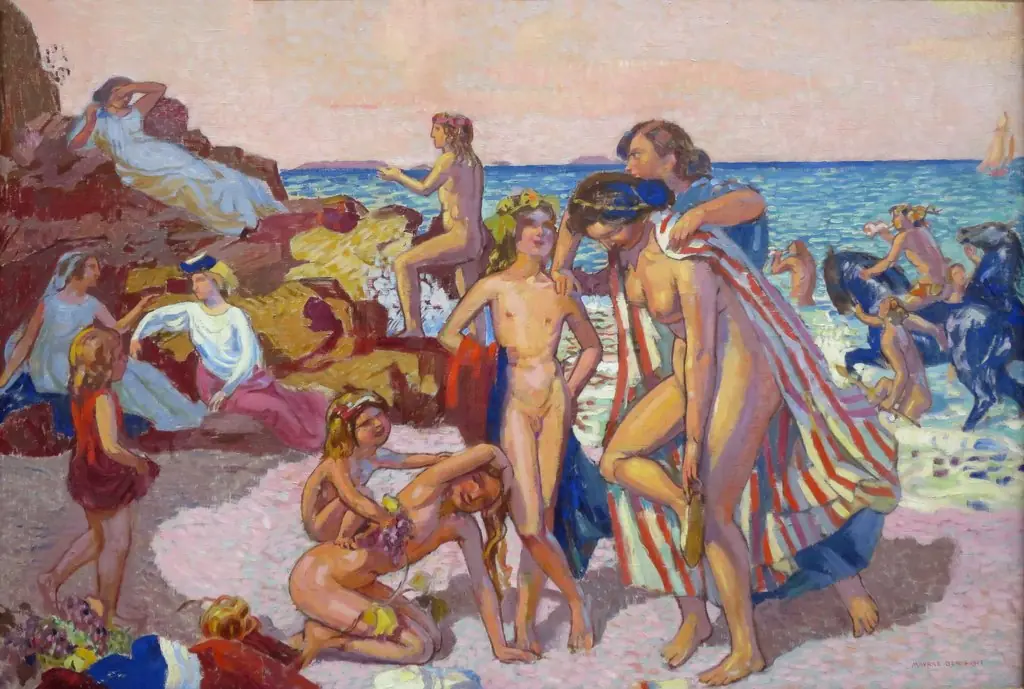 Bacchus and Ariadne
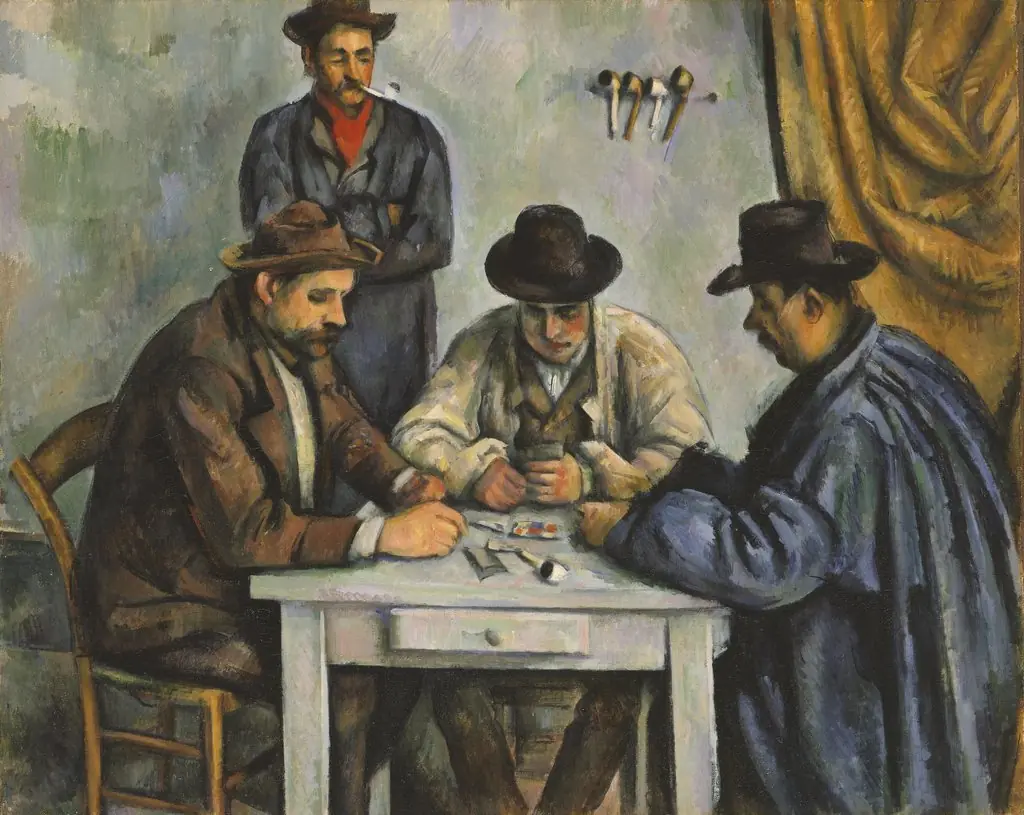 The Card Players
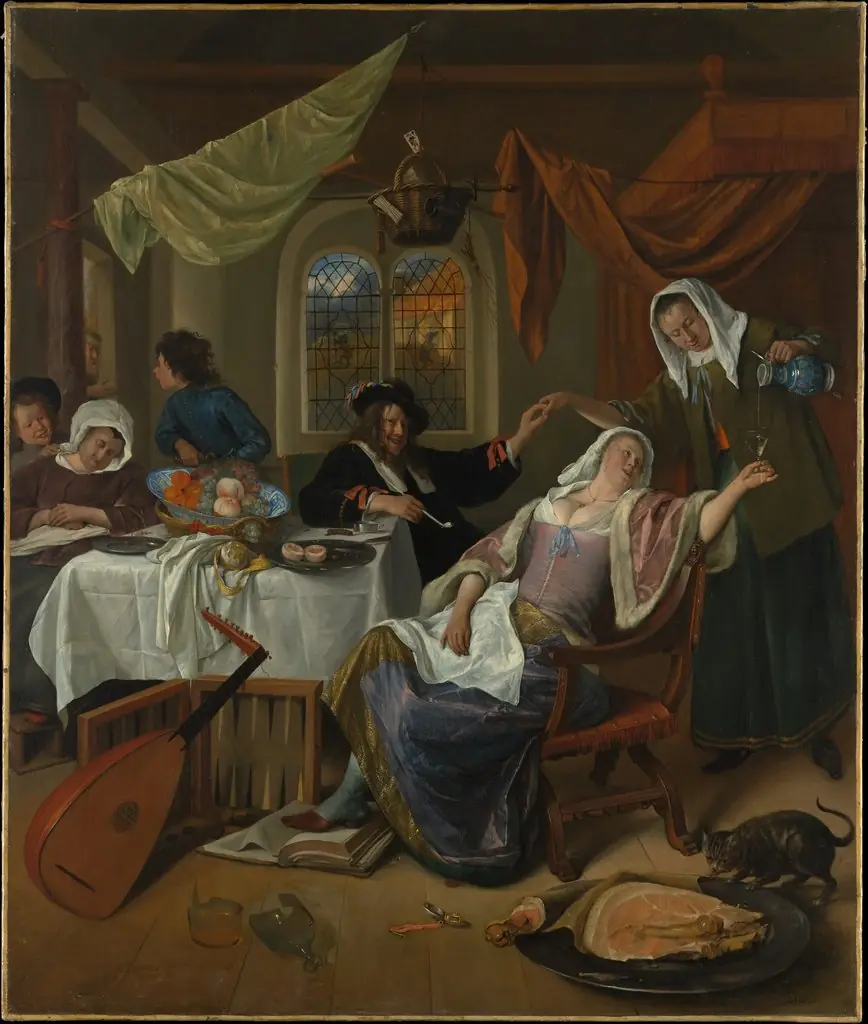 The Dissolute Household
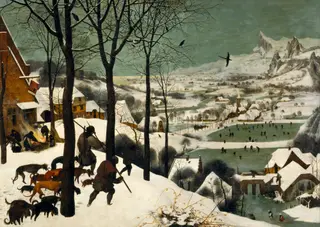 The Hunters in the Snow
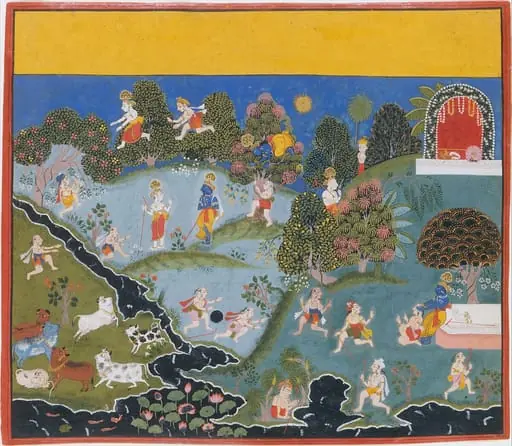 Untitled
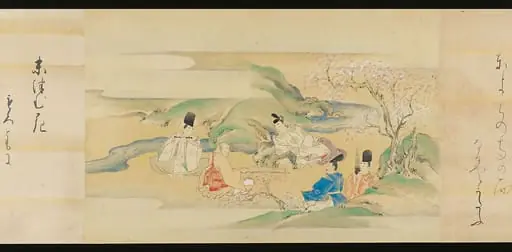 伝海北友雪筆 『源氏物語』 絵巻|The Tale of Genji
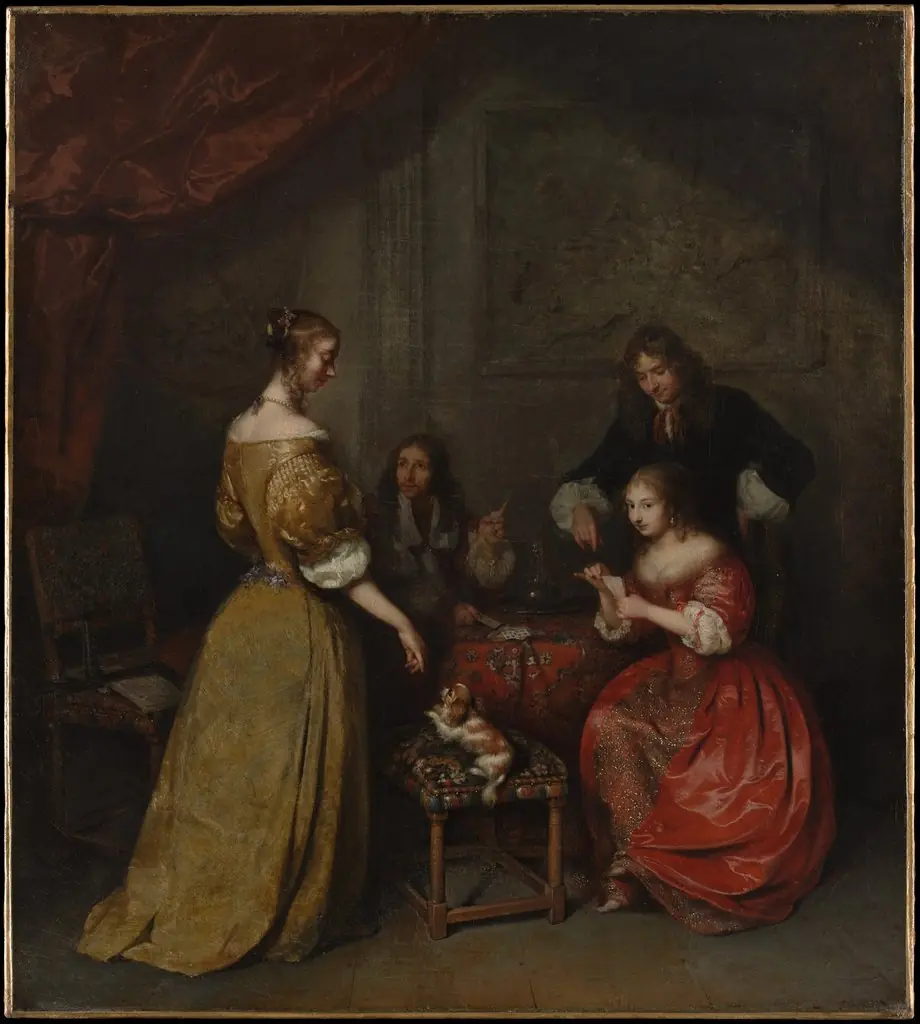 The Card Party
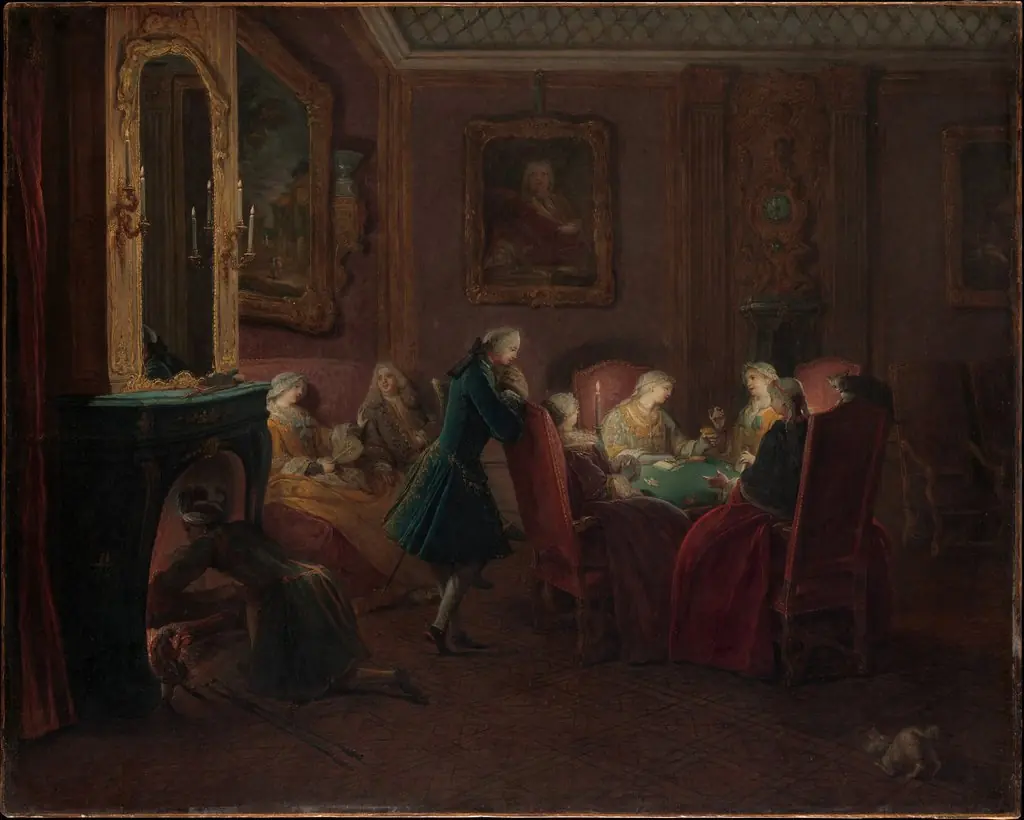 Card Players in a Drawing Room
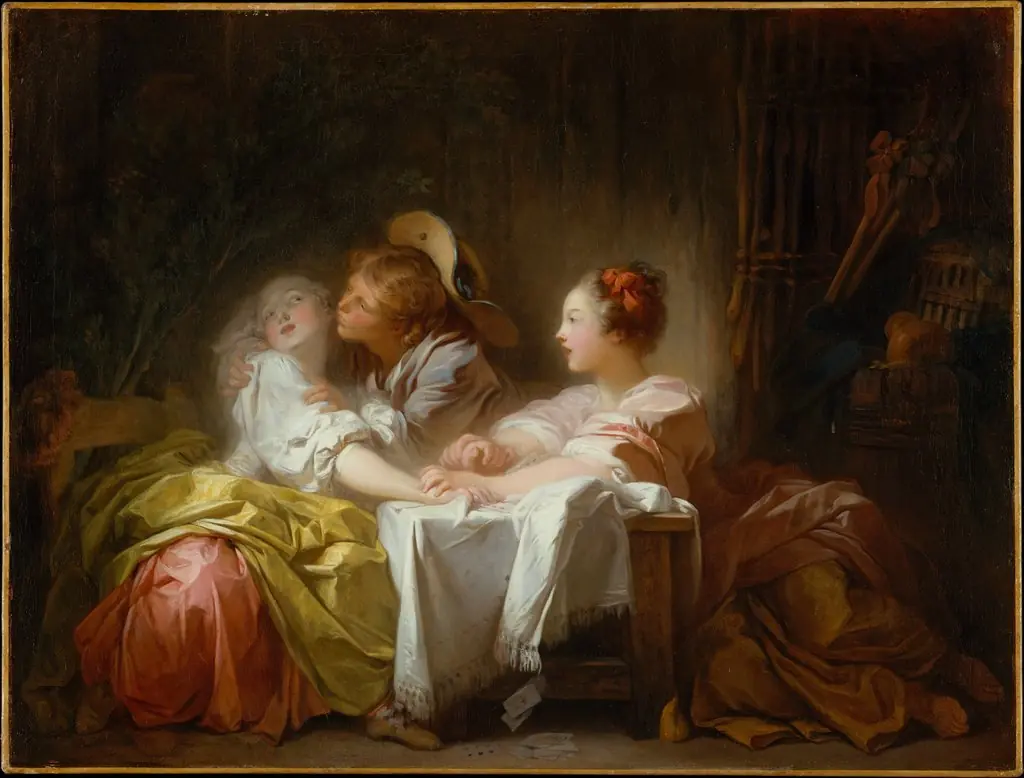 The Stolen Kiss
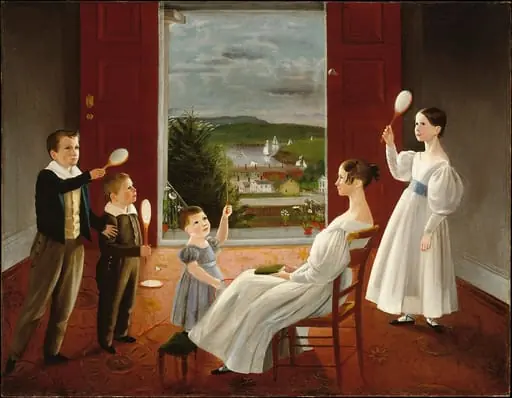 The Children of Nathan Starr
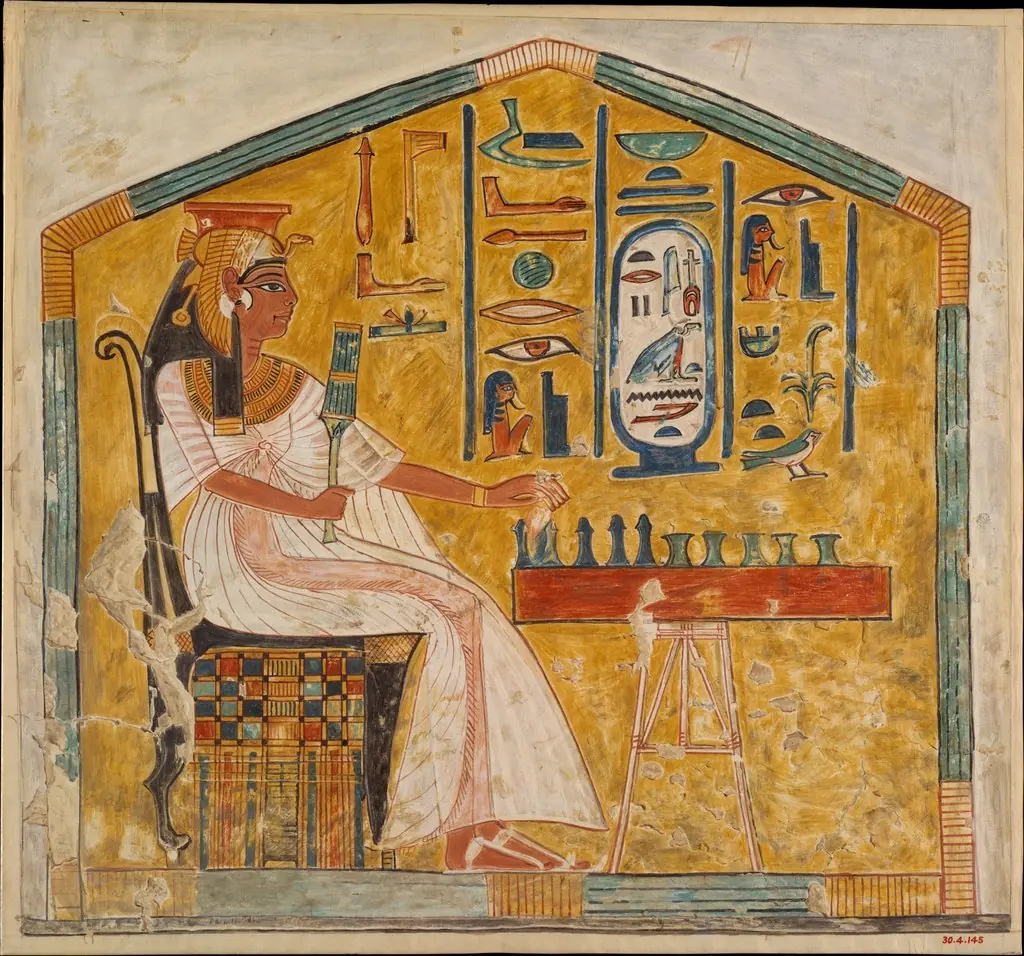 Queen Nefertari Playing Senet
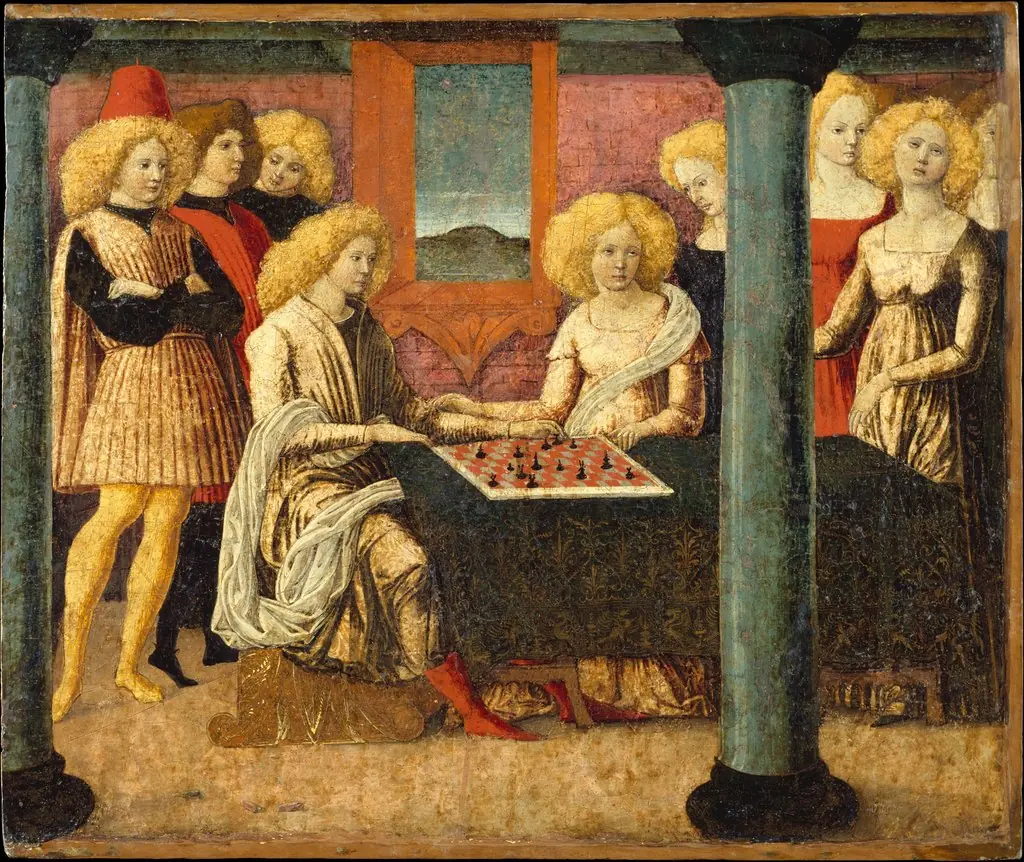 The Chess Players
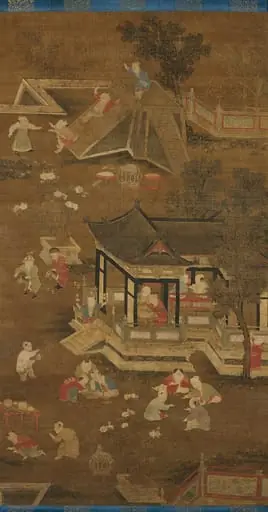 元末明初 佚名 絹本設色 嬰戯圖 軸|Children playing in the palace garden
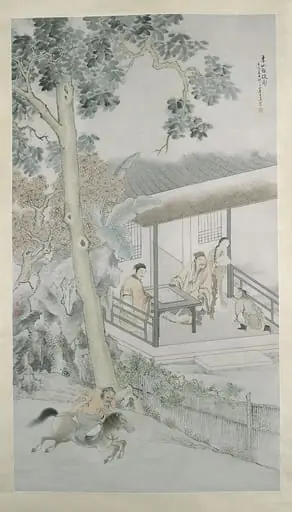 清 王素 東山報捷圖 軸|Bringing the Message of Victory to Dongshan
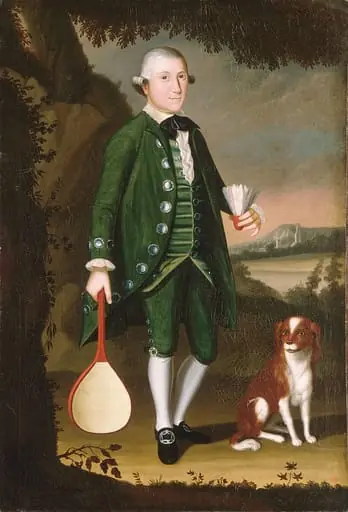 Portrait of a Boy, Probably of the Crossfield Family
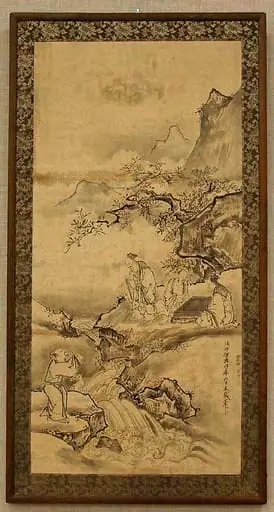 Untitled
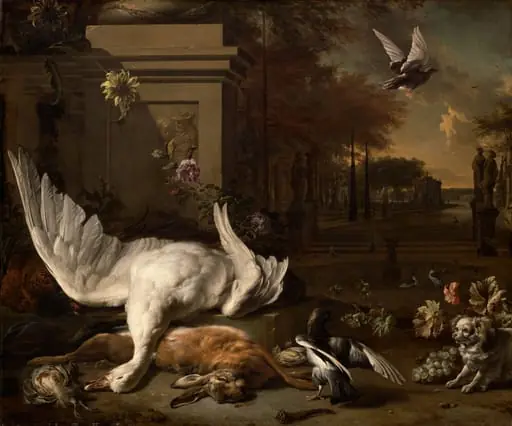 Still Life with Goose and Game before a Country Estate
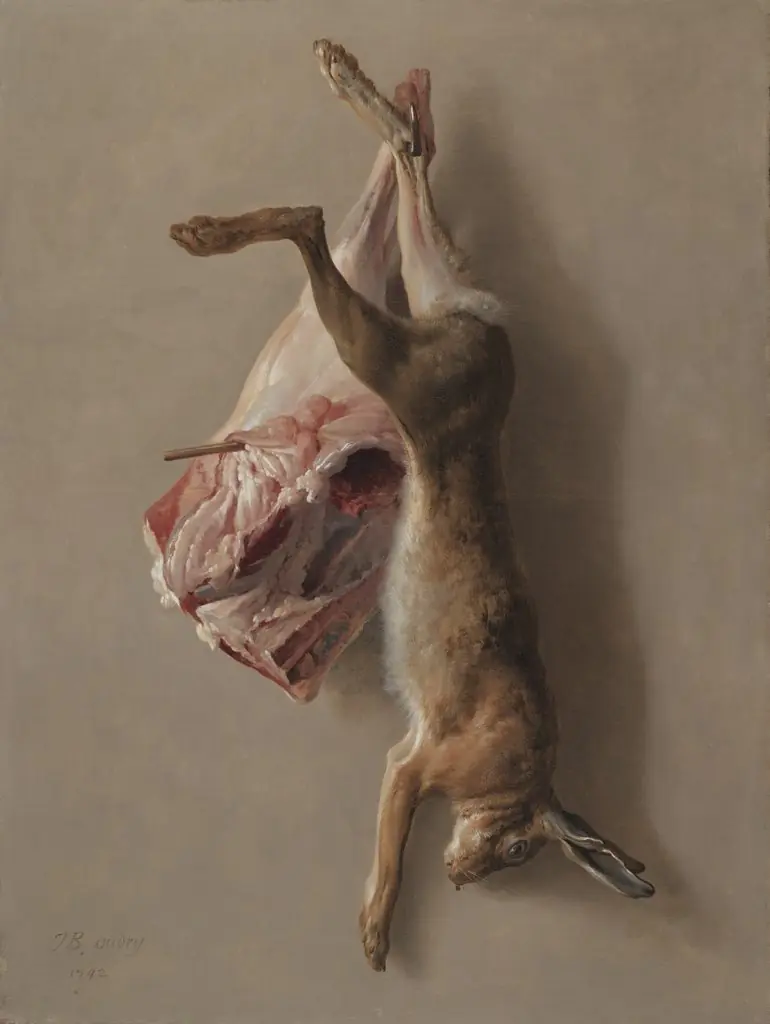 A Hare and a Leg of Lamb
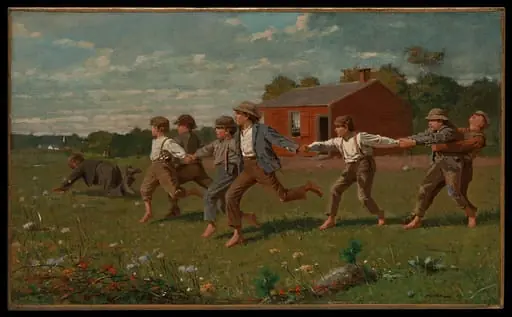 Snap the Whip
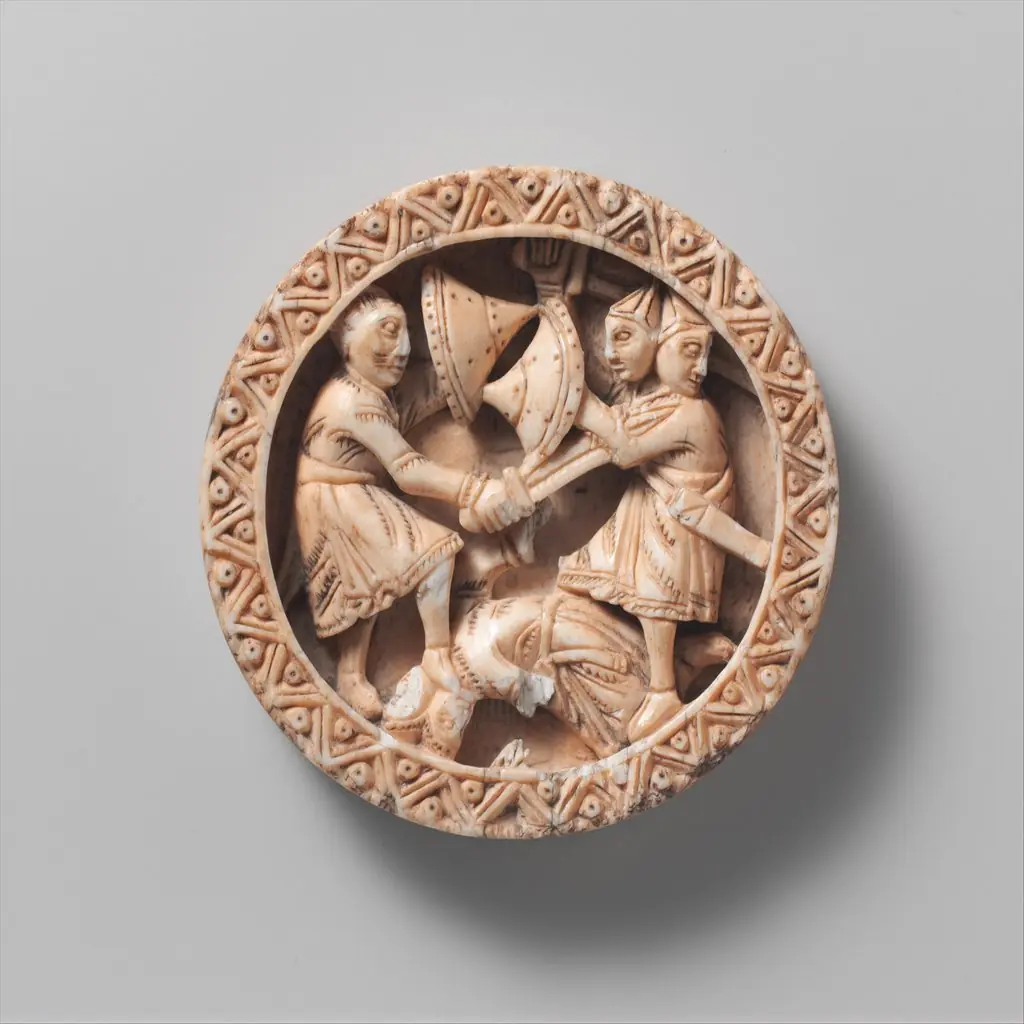 Game Piece with Hercules Slaying the Three-Headed Geryon
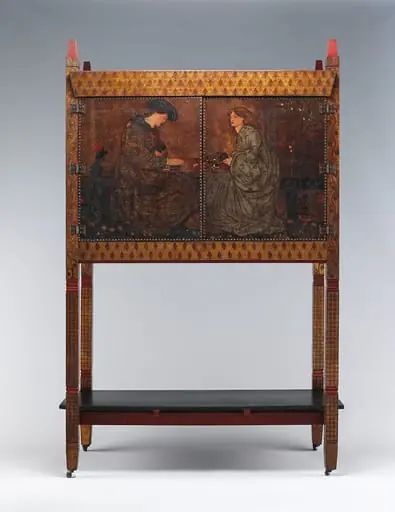 The Backgammon Players
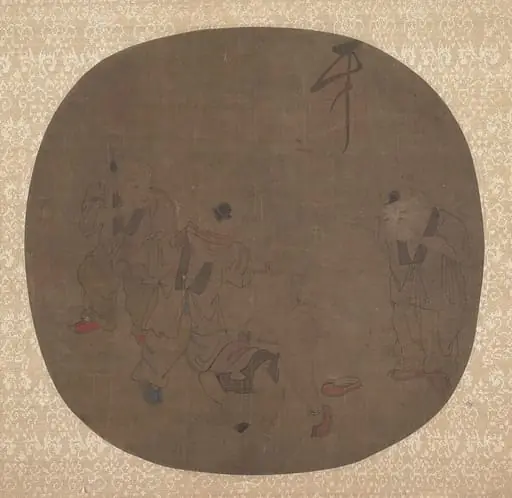 Untitled
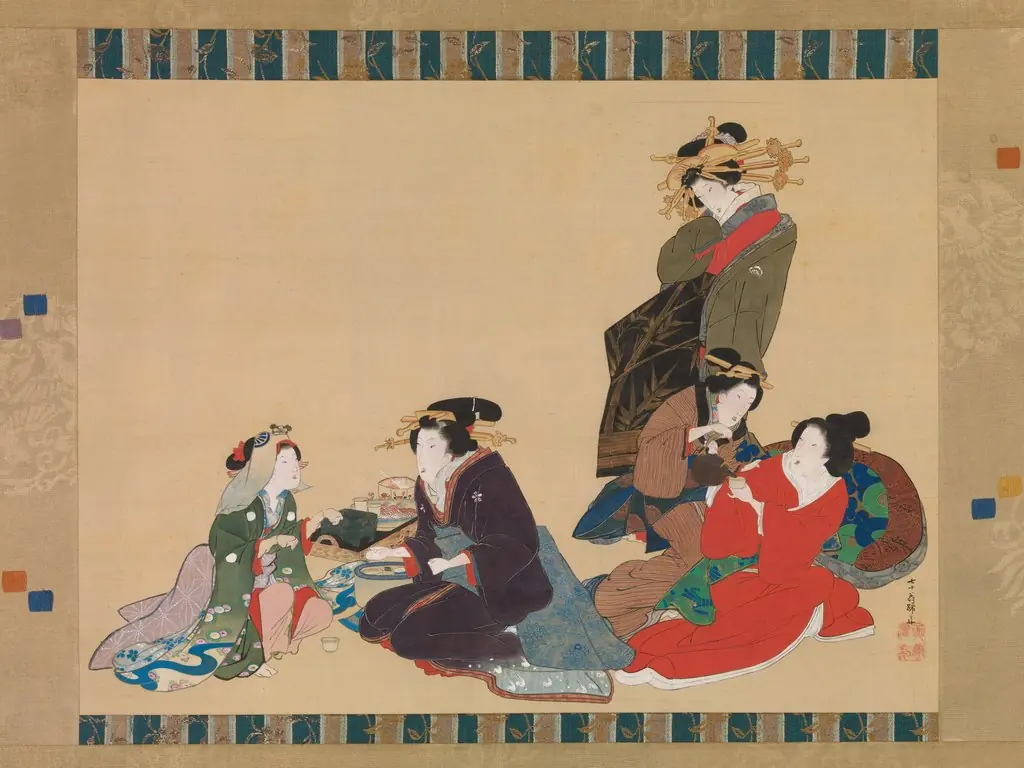 Five Beauties
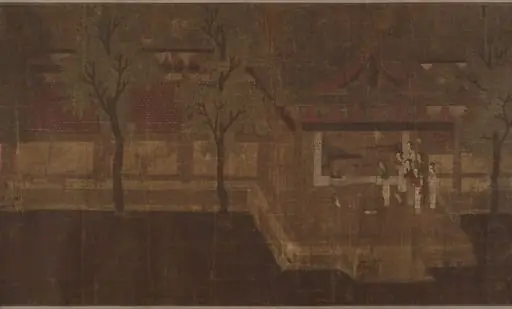 明/清 佚名 傳蕭照 中興瑞應第七圖 卷|Pavilion with Figures
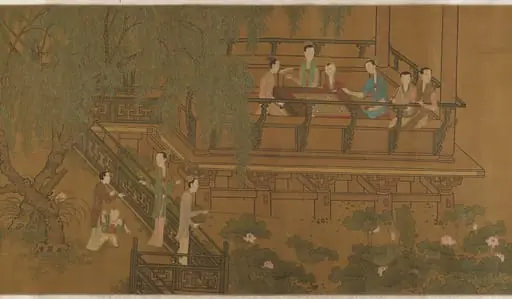 明 佚名 舊傳周昉 閑庭仕女圖 卷|Women and children in a garden
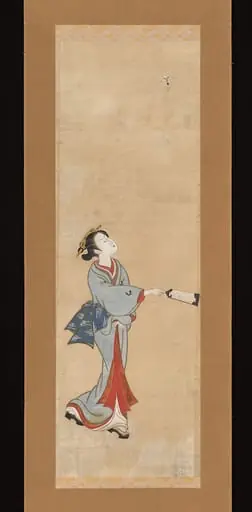 Untitled
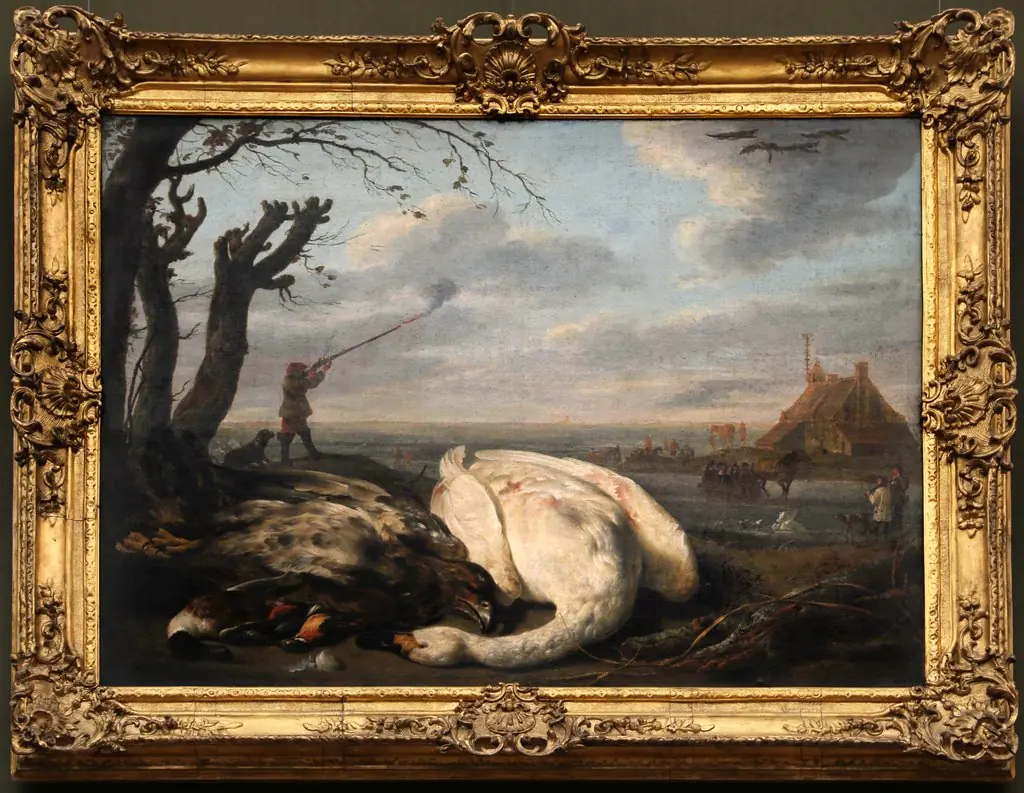 Winter landscape with dead birds and hunters
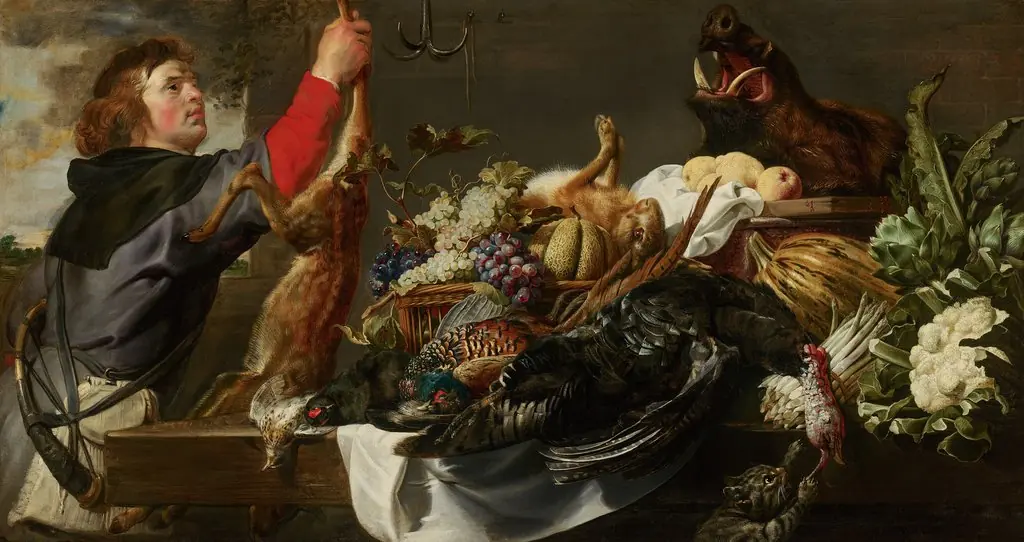 Still Life with Huntsman
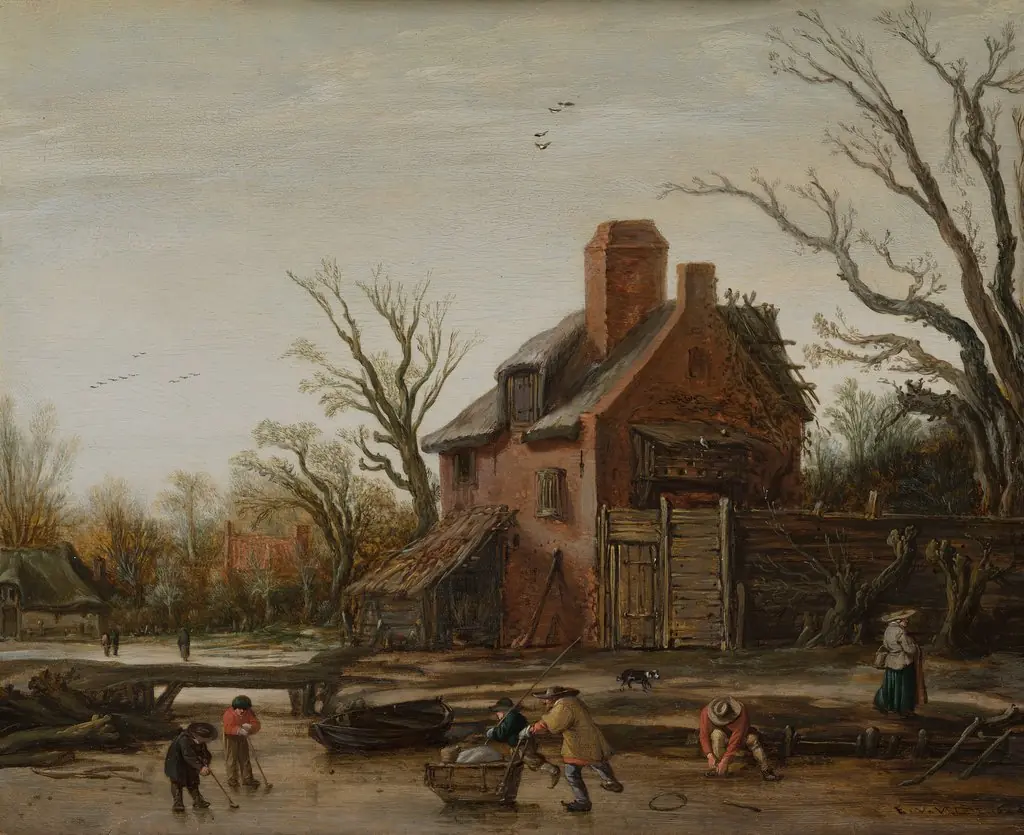 Winter landscape with farmhouse
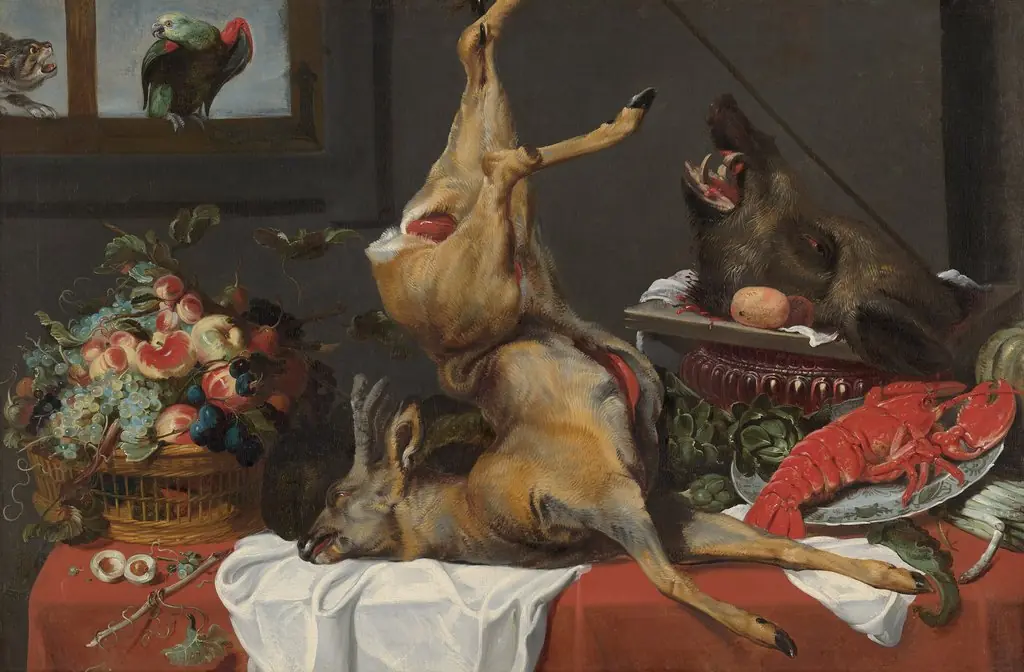 Still Life with a Dead Stag
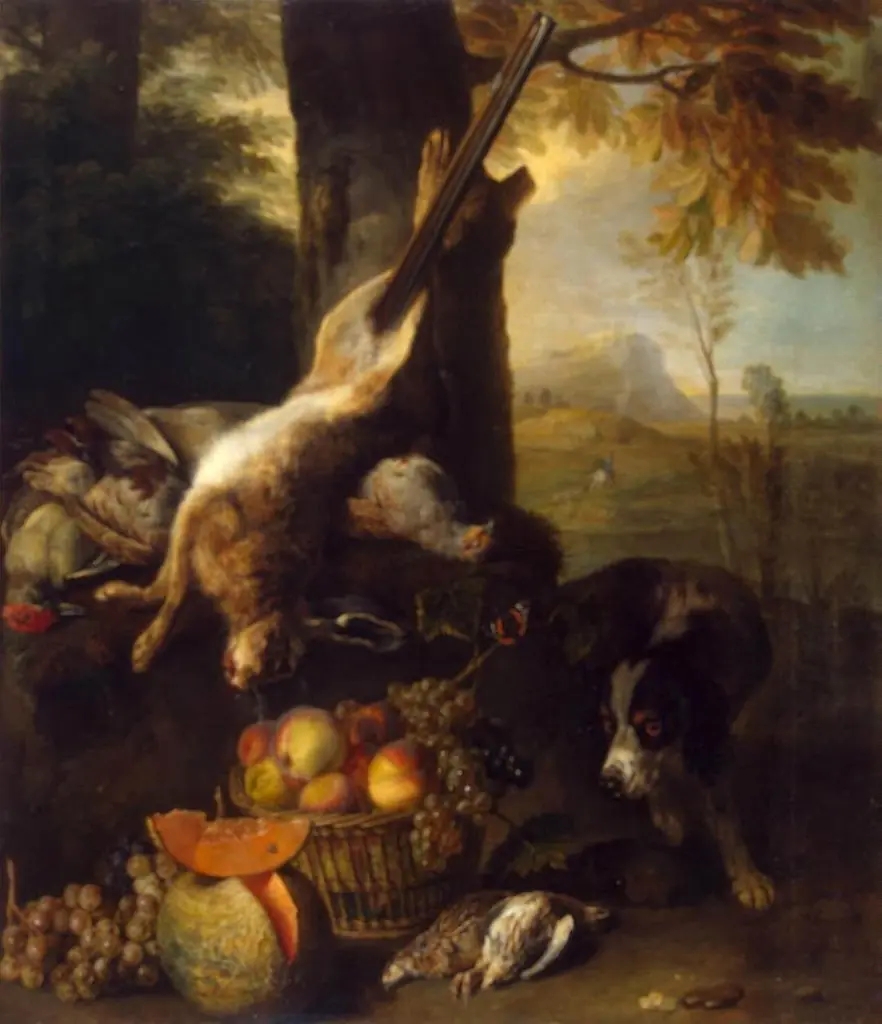 Still Life with a Dead Hare and Fruit
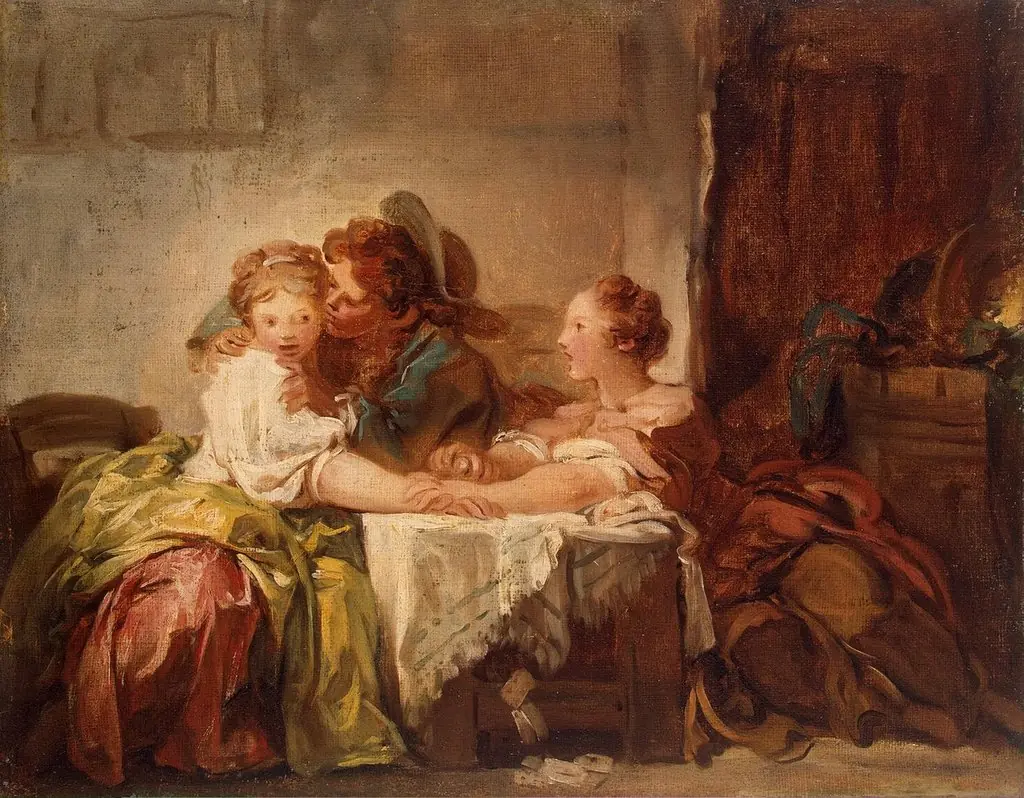 The Captured Kiss
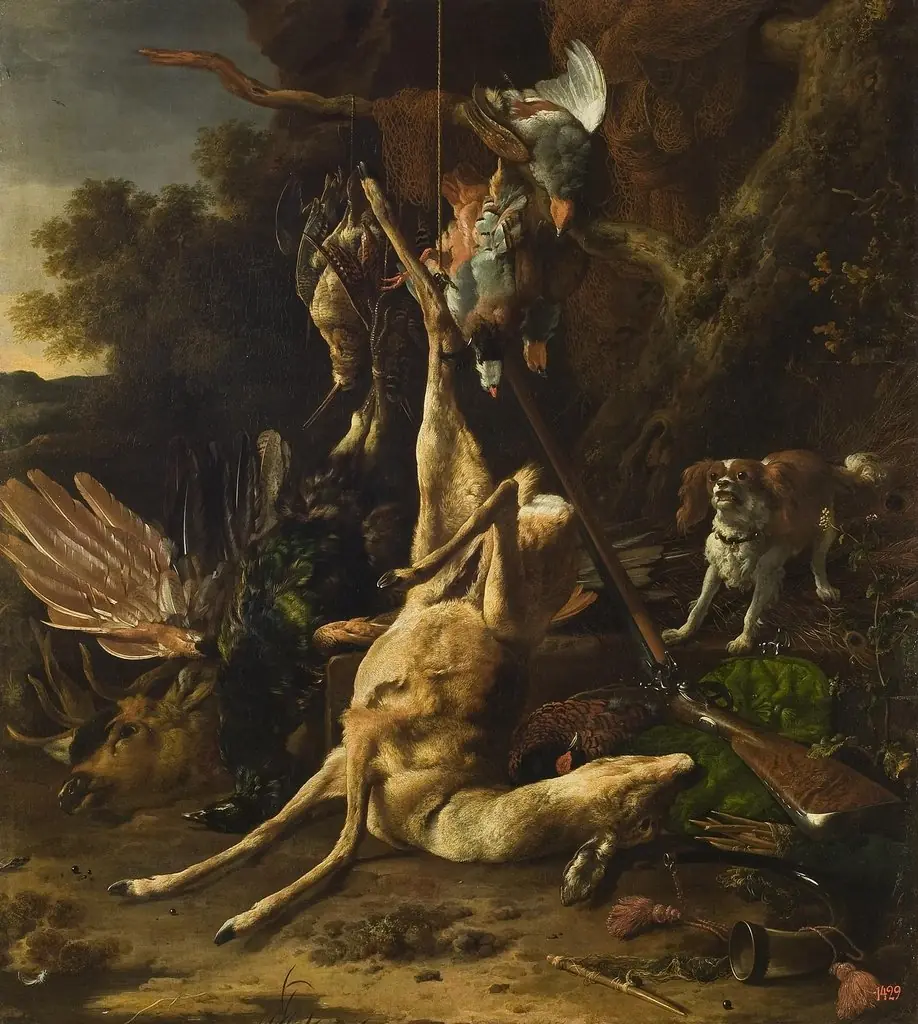 Hunting Trophies
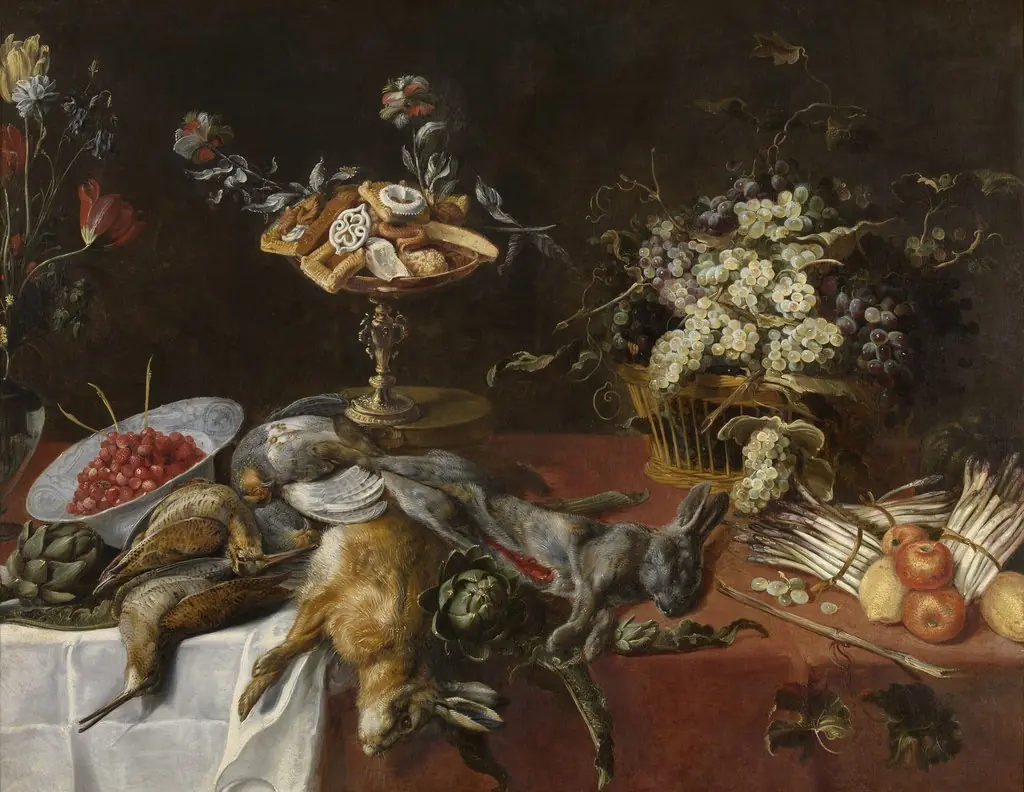 Still Life
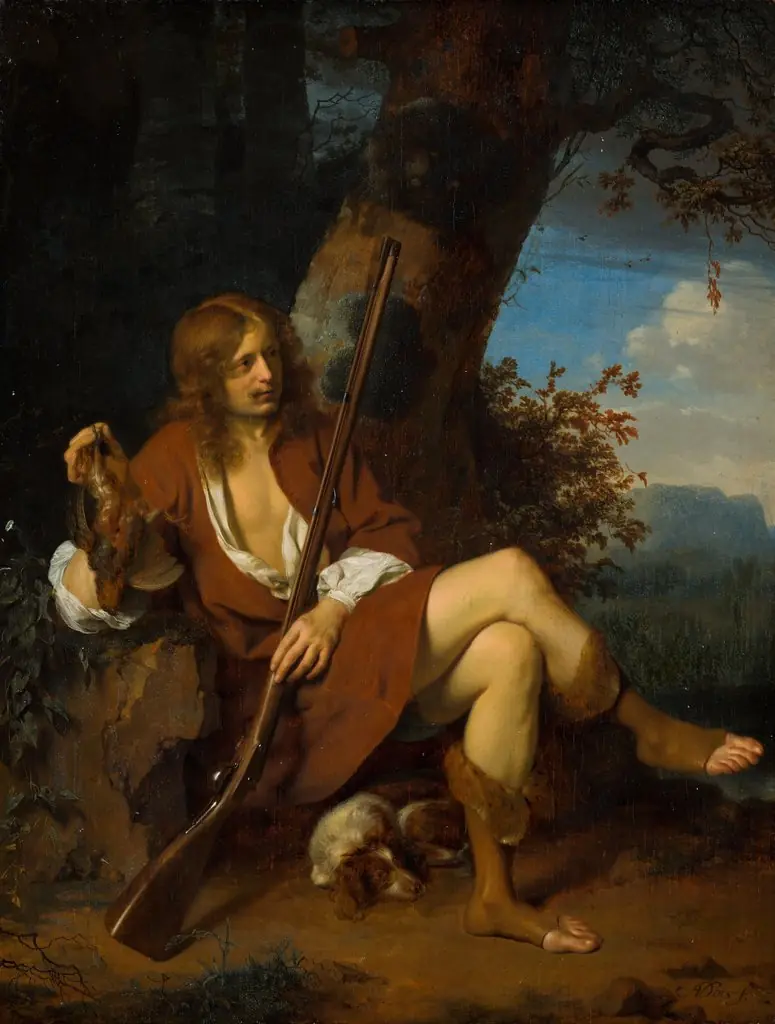 Self-Portrait as a Hunter
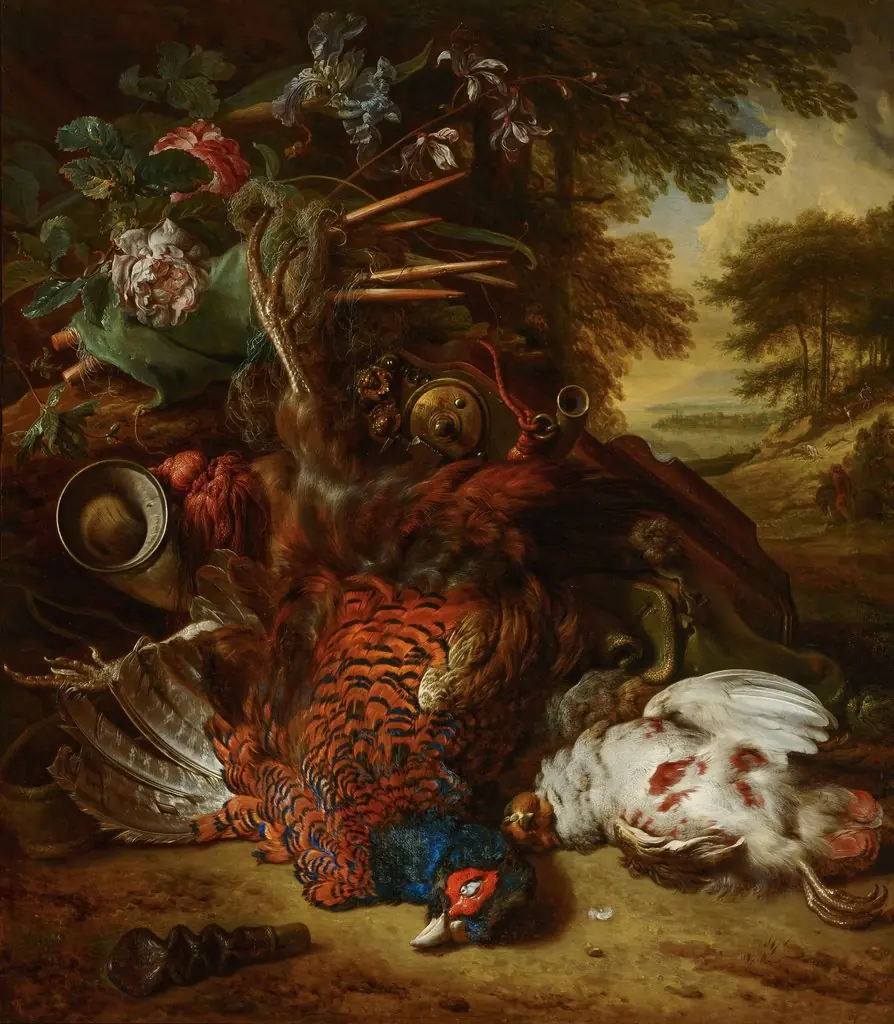 Hunting Still Life
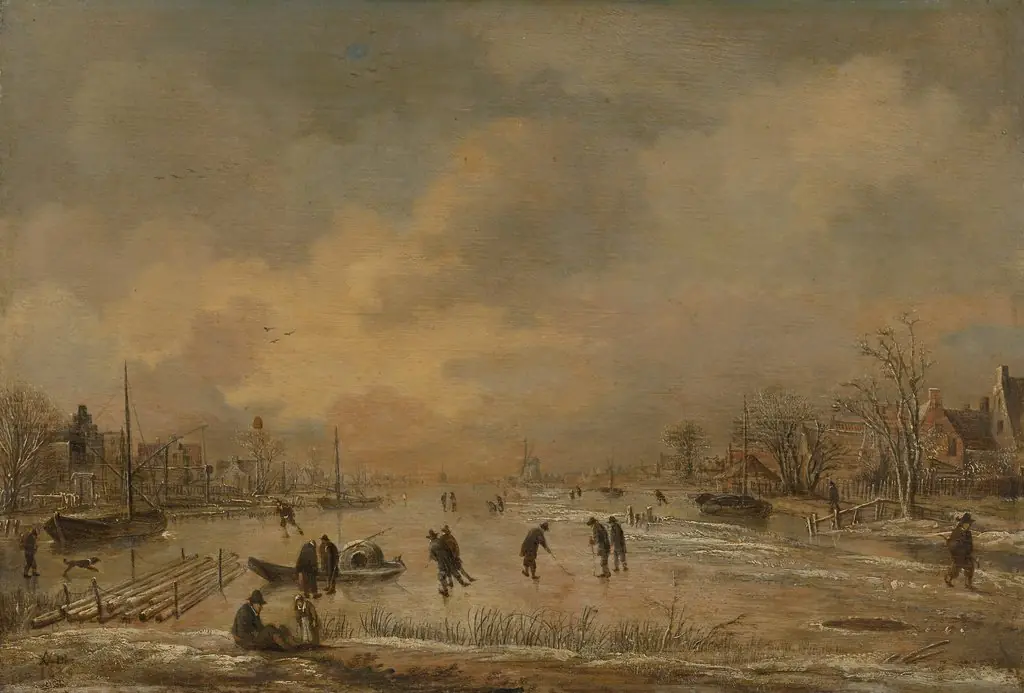 Winter landscape with houses
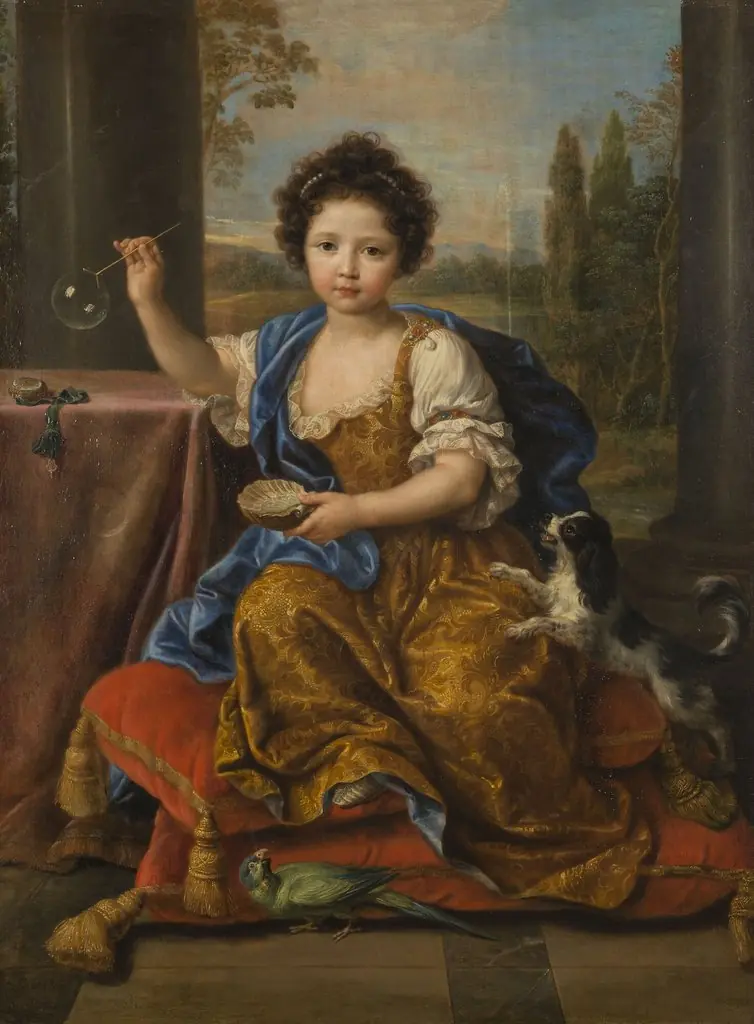 Louise-Marie de Bourbon (1674-1681)
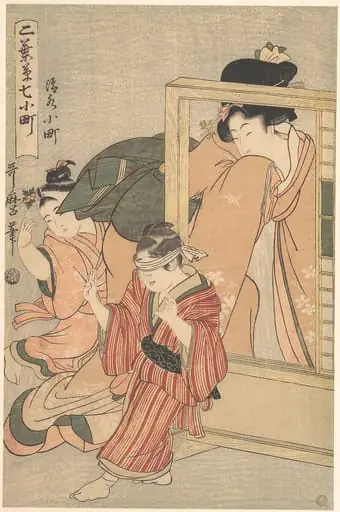 二葉草七小町 清水小町|Kiyomizu Komachi
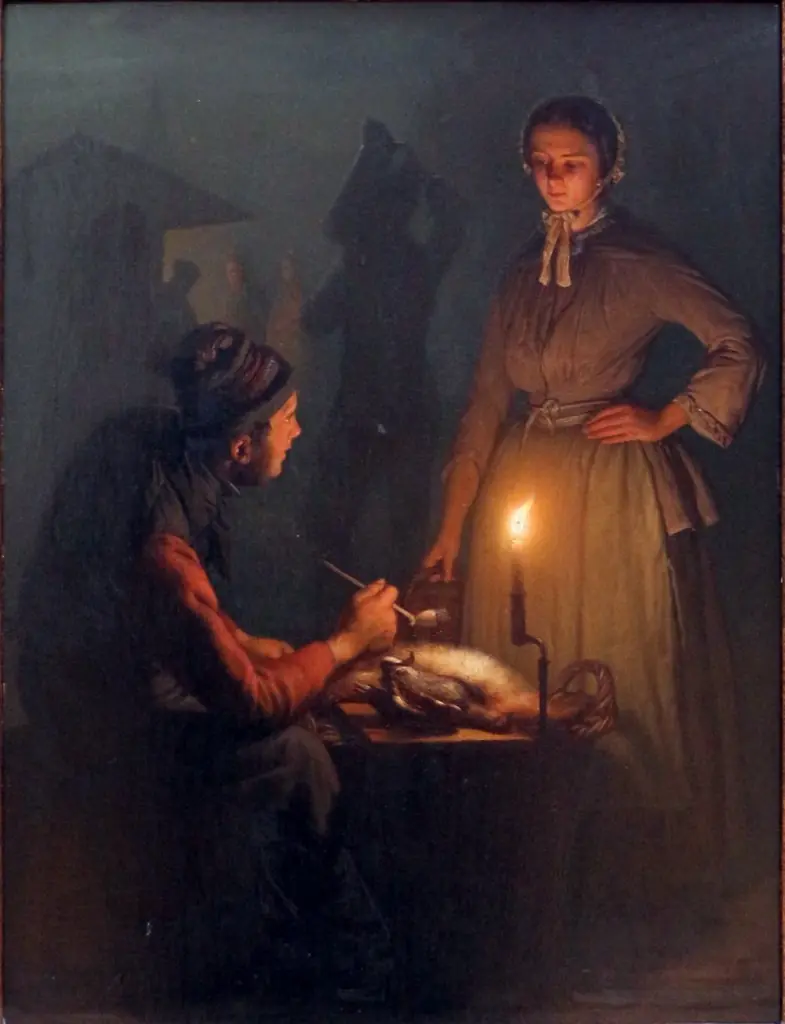 A Merchant by Candlelight
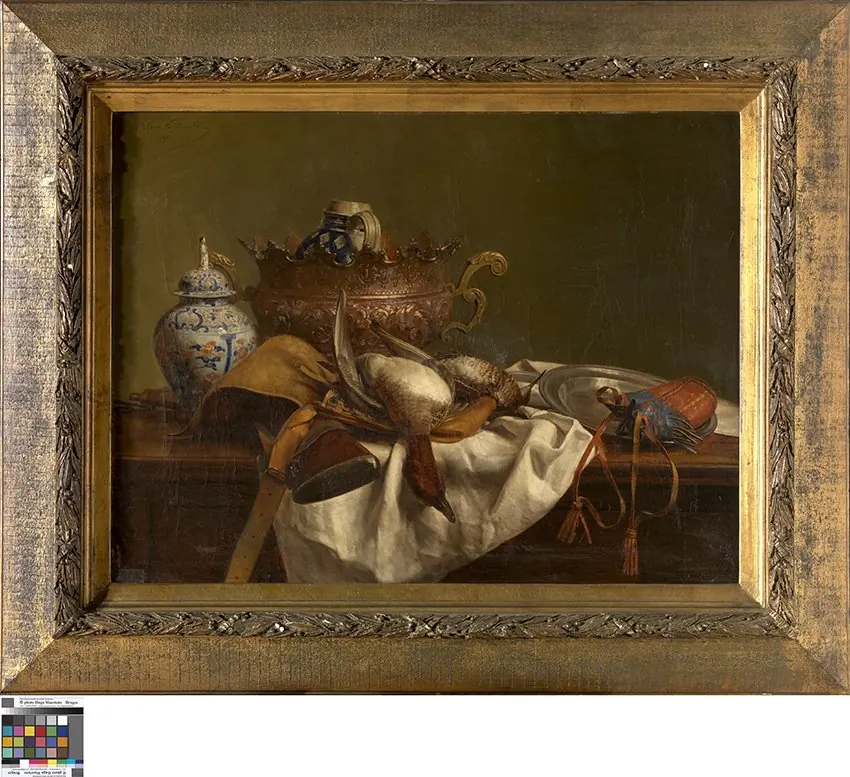 Stilleven met jachtbuit
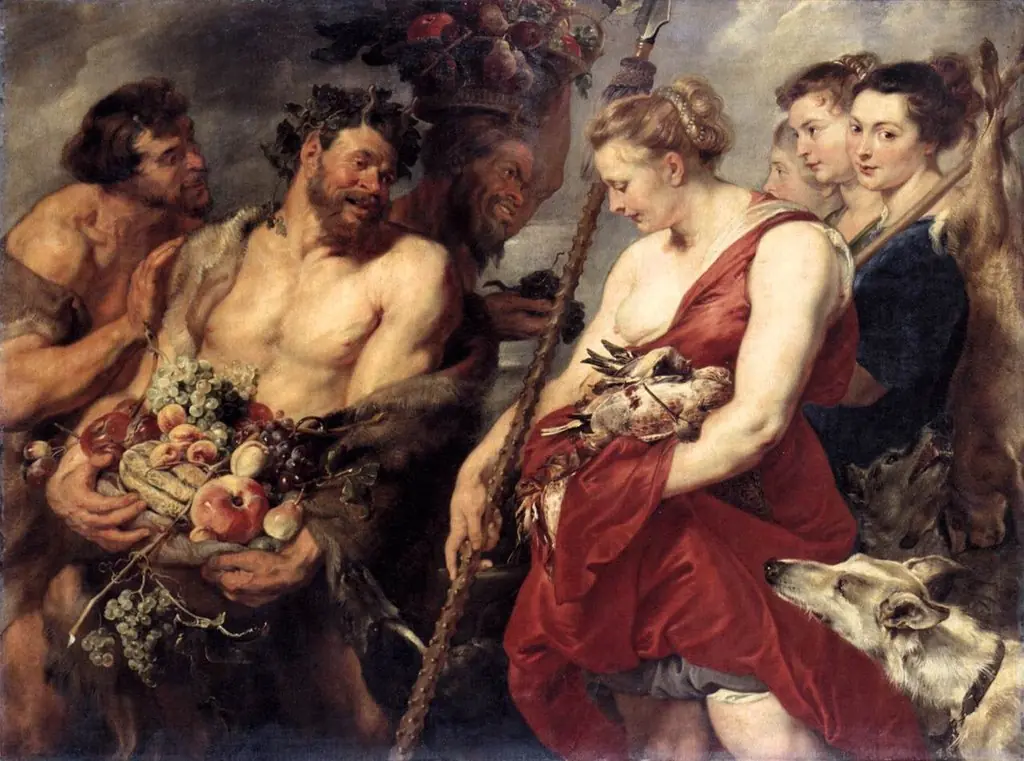 Diana returning from the Hunt
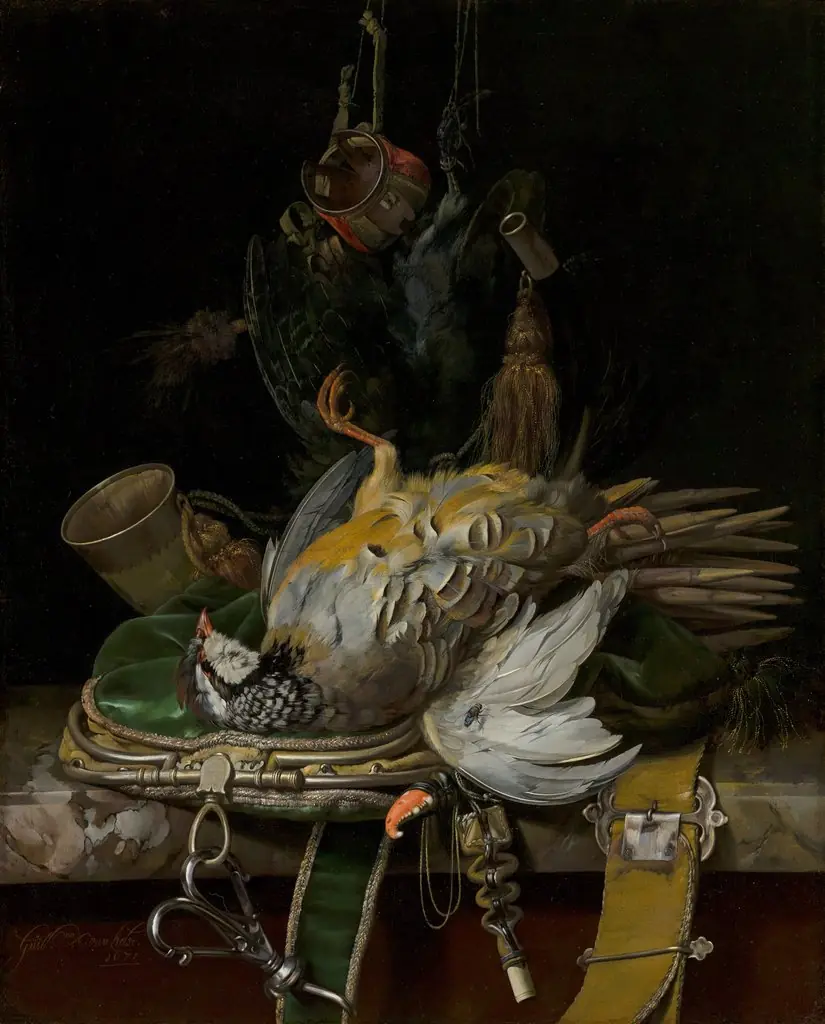 Still Life with Partridges
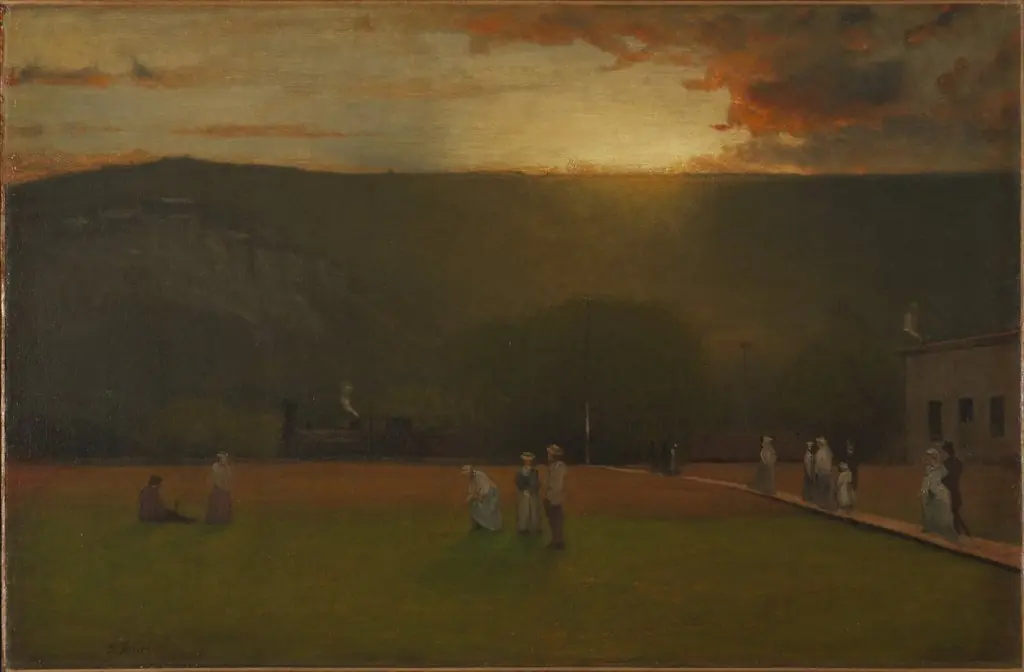 The Rigor of the Game, Kearsarge Hall, North Conway, New Hampshire
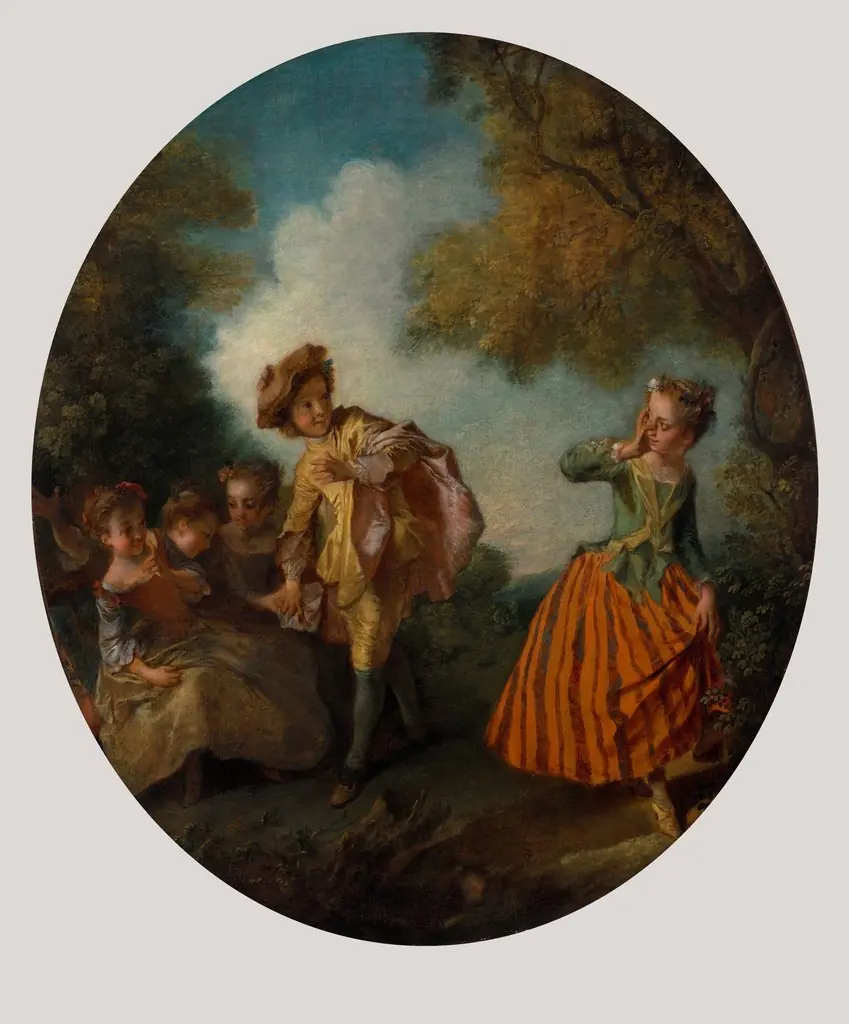 Blind Man's Bluff
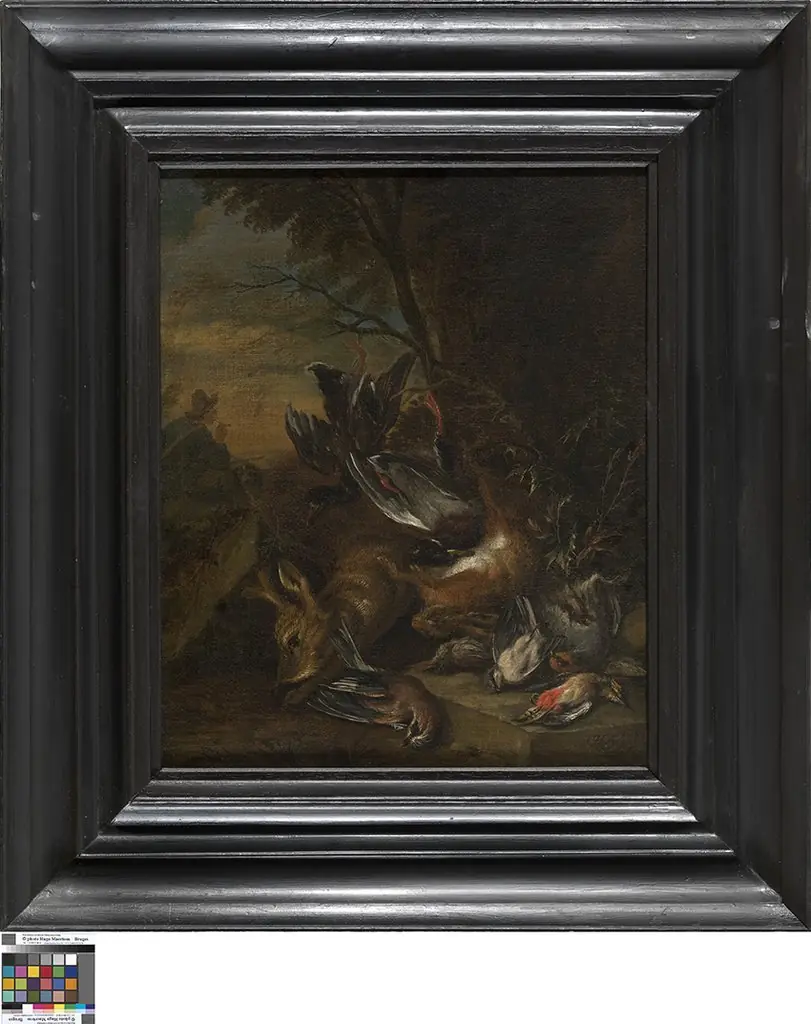 Stilleven met jachtbuit
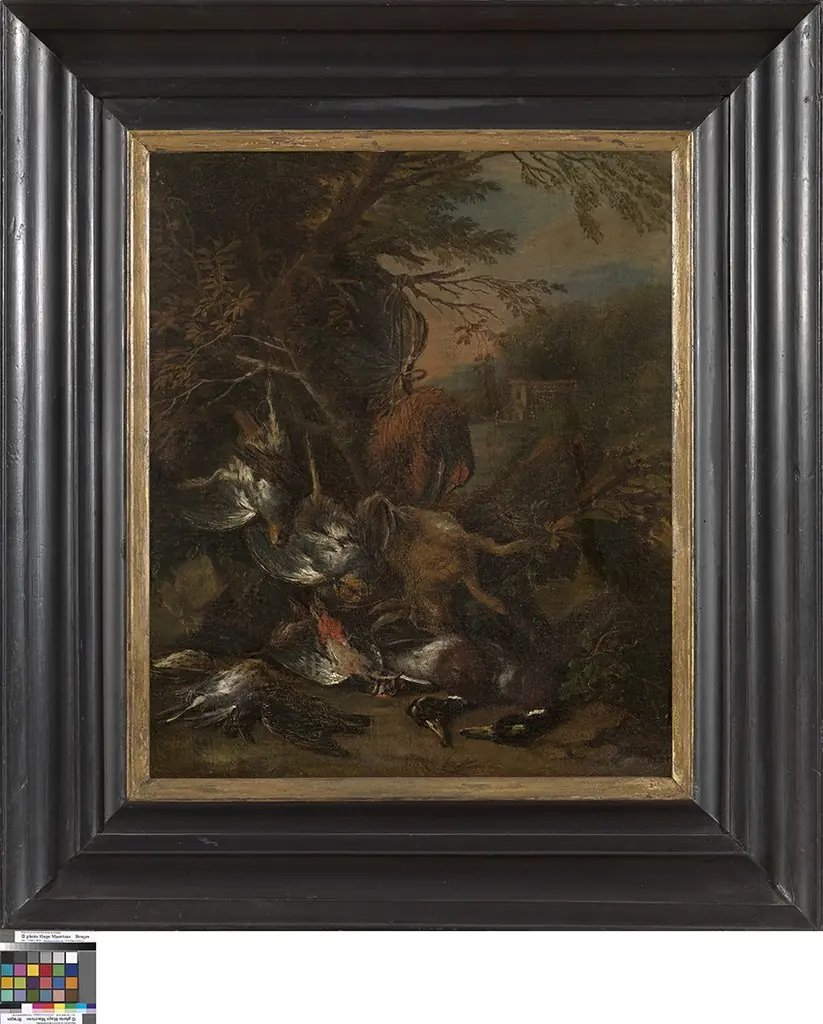 Stilleven met jachtbuit
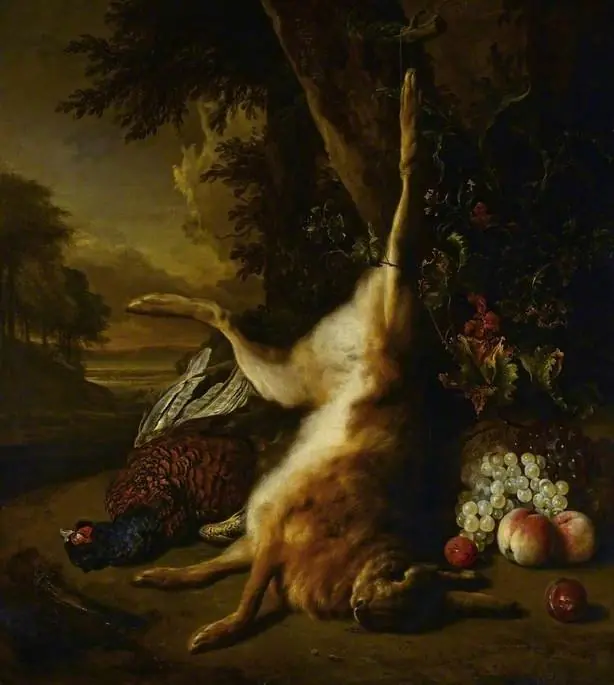 Dead game and fruit
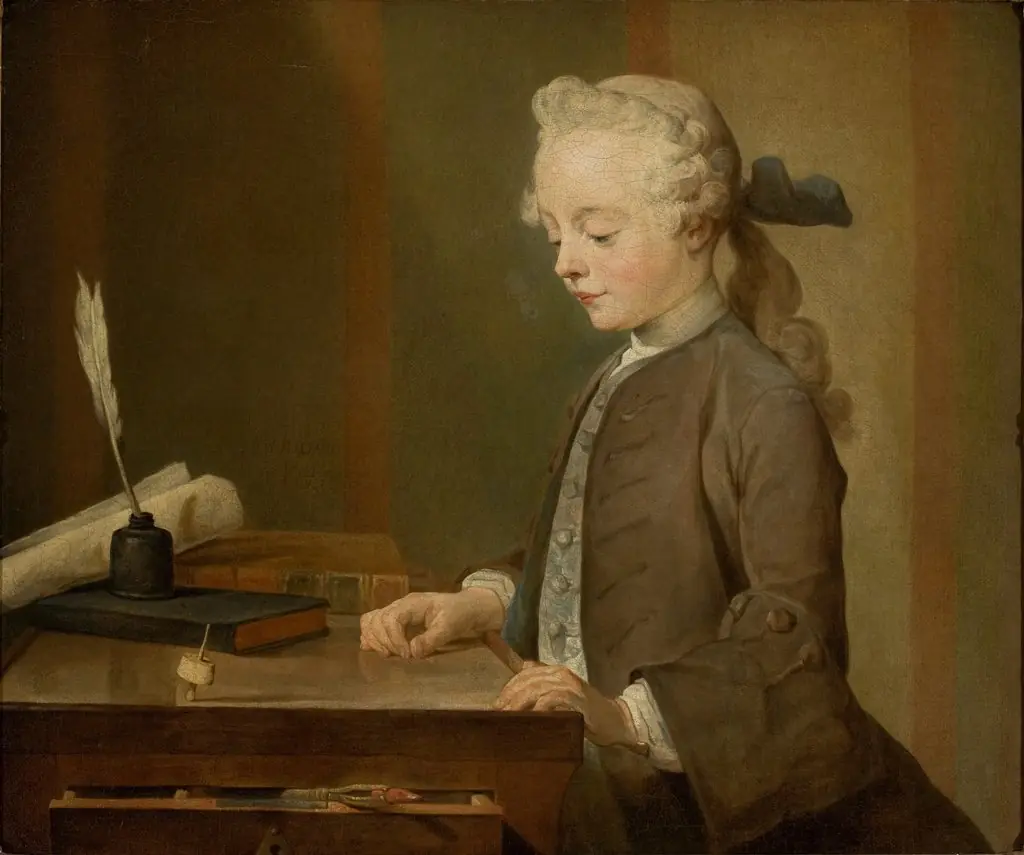 Portrait of Auguste Gabriel Godefroy
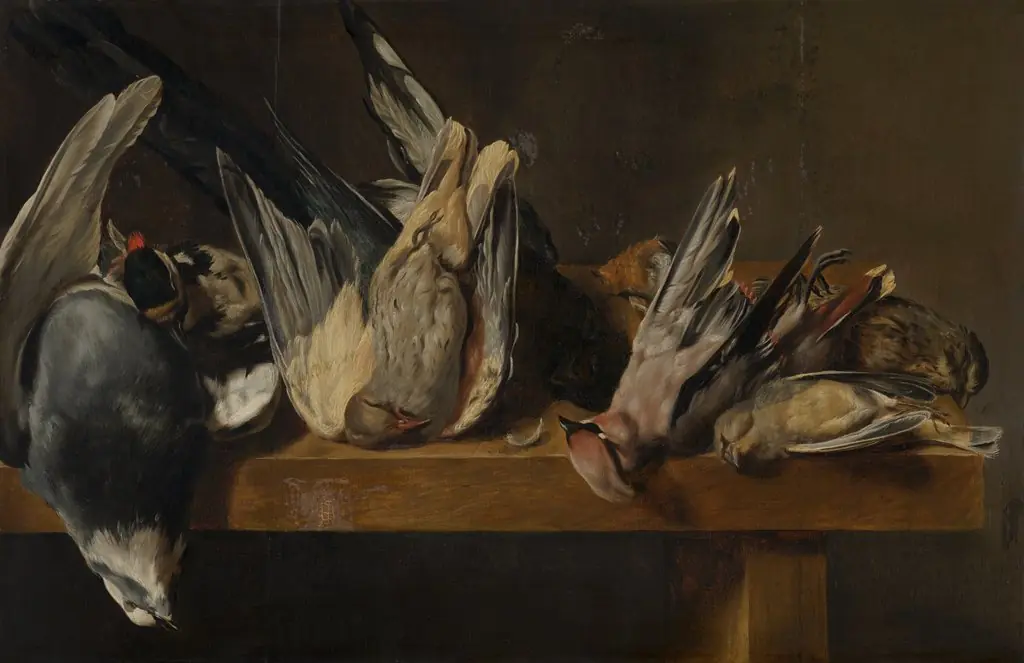 Dead Birds
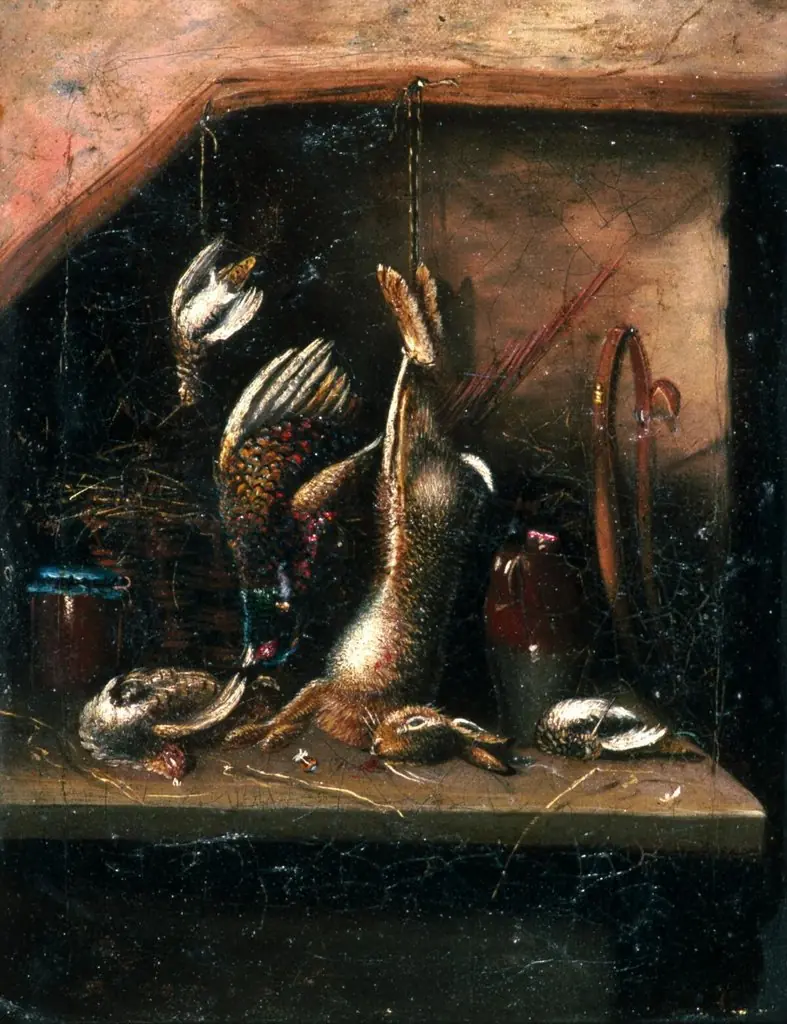 Still life with game
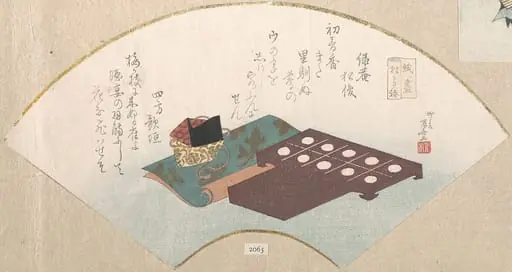 Untitled
Frequently asked questions
What is Game?
Game is a subject in art. A game is an activity defined by a challenge and a set of rules, typically done for enjoyment, competition, or development.
How many Game works does Artifact World Gallery have?
Artifact World Gallery holds 52 public-domain Game works, all free to view and download.
Who are the key Game artists?
Key Game artists in the collection include Jean Honoré Fragonard, Jan Steen and Peter Paul Rubens.
Where can I see Game works?
Game works in the collection are held by Metropolitan Museum of Art, Mauritshuis and Hermitage Museum.