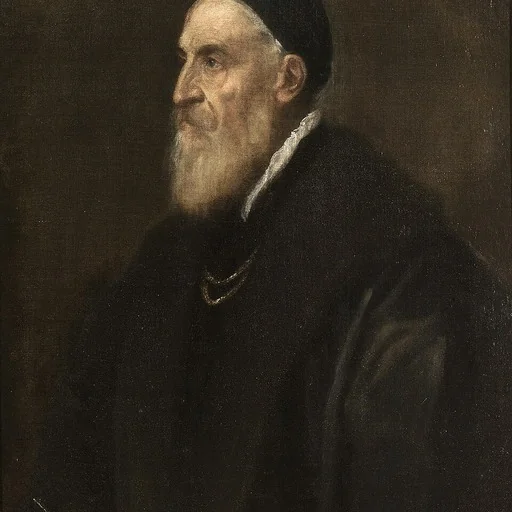
Subject
Hunting
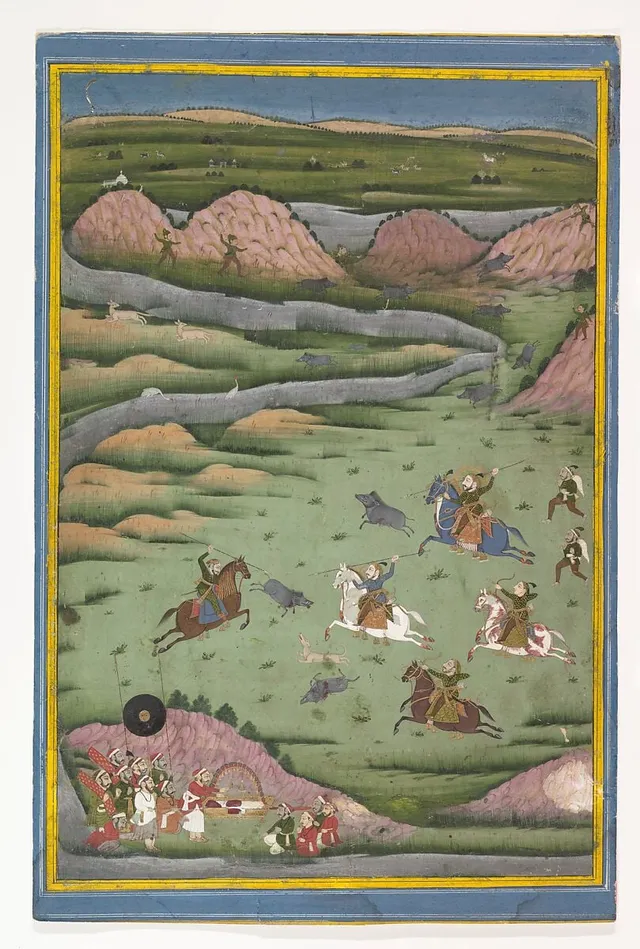
Hunting is a subject in art. The gallery holds 200 works in this subject in art, including works by Titian, Thomas Eakins and Gustave Courbet.
Hunting is among the oldest and most persistent subjects in art, reaching back to the dawn of image-making itself. A limestone cave panel on the Indonesian island of Sulawesi, dated to at least 43,900 years ago, depicts therianthropic figures pursuing wild pigs and dwarf buffalo and is widely regarded as the oldest known narrative artwork. Across the ancient and medieval worlds the chase carried meanings far beyond the kill: it signified princely power, martial skill, and moral allegory. The stag hunt became one of the defining secular themes of the European Middle Ages, recurring on carved ivories and tapestries, and in courtly poetry the pursuit of the deer doubled as a metaphor for the pursuit of love.
The Renaissance gave hunting both new spatial rigour and new mythological depth. Paolo Uccello's "The Hunt in the Forest" (c. 1460, Ashmolean Museum), his last known work, marshals horsemen, hounds and deer into a darkening wood organised by a single vanishing point — an early triumph of linear perspective, its crescent moons evoking Diana, chaste goddess of the hunt. Mythology supplied the genre's most enduring figures: in Titian's "Venus and Adonis" (Prado version, 1554, painted for Philip II), the hunter Adonis of Ovid's Metamorphoses tears himself from Venus toward the boar that will kill him.
The Baroque turned the hunt into spectacle and status symbol. Peter Paul Rubens composed thunderous chase canvases, while his collaborator Frans Snyders (1579–1657), the foremost animal painter of the age, specialised in boar hunts and combats of beasts; hunting portraits projected aristocratic authority. By the nineteenth century the subject acquired sentiment and elegy. Edwin Landseer's "The Monarch of the Glen" (1851) monumentalised the Highland stag, while in America hunting underpinned grand narratives of the frontier — Albert Bierstadt's "The Last of the Buffalo" (1888) is a melancholy meditation on the bison's near-extermination.
As a theme, hunting straddles history painting, mythology, portraiture, landscape and still life, and it anticipates the wildlife and animalier traditions. Its imagery has always negotiated the same tension — between celebrating human mastery over nature and mourning what that mastery destroys.
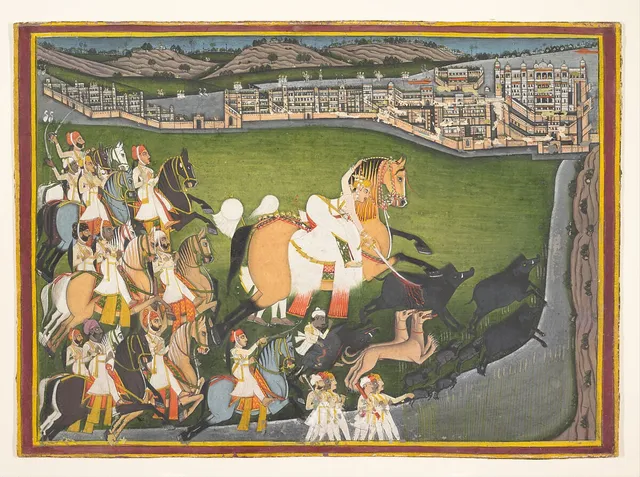
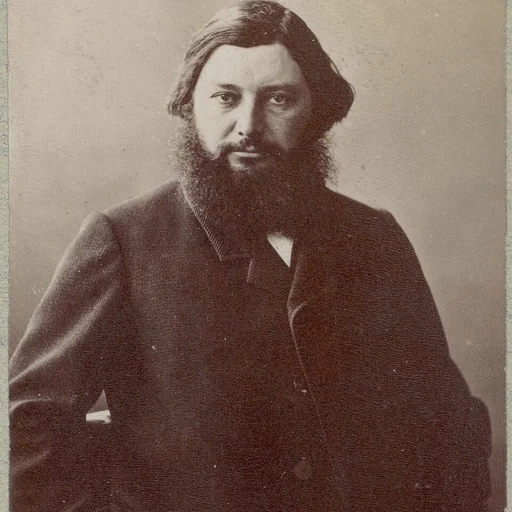
Key artists
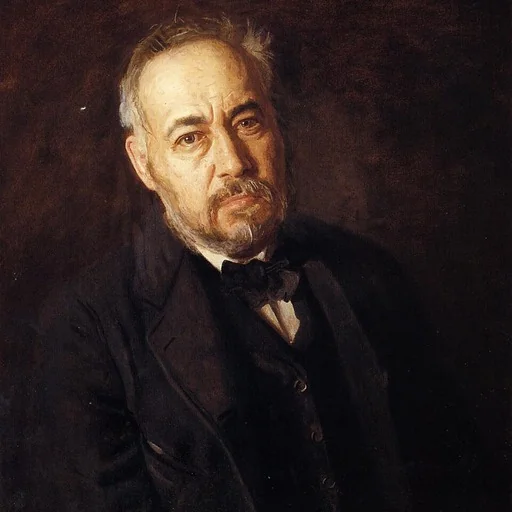

Overview
Hunting is a commune located in the Moselle department within the Grand Est region of north-eastern France. Situated a few hundred meters from the right bank of the Moselle River, the commune lies approximately 13 kilometers north-east of Thionville. Its elevation ranges between 160 and 267 meters above sea level, and it covers a total area of 3.77 square kilometers. As of January 1, 2023, the commune had a population of 673 residents.
Iconography & meaning
The heraldic symbolism of Hunting reflects the historical lords and religious institutions that governed the area. The commune's coat of arms features an eagle and a tournament collar, representing the iconography of its former rulers. Additionally, the arms display two capital S letters, which serve as the initials of Saint Sixtus, the symbol of the Carthusian monastery of Rettel. This heraldic imagery visually encodes the political and ecclesiastical heritage of the municipality.
Across movements & periods
Historically, the territory of Hunting belonged to the former Duchy of Luxembourg and the Carthusian monastery of Rettel, and fell within the Diocese of Trier. It became part of France in 1661, transitioning from its prior status within the Spanish Netherlands. Administratively, prior to 2015, Hunting was part of the arrondissement of Thionville-Est and the canton of Sierck-les-Bains. Following administrative reorganization in 2015, the separate Thionville arrondissements merged into the single arrondissement of Thionville, and the commune was incorporated into the canton of Bouzonville. Similarly, the intercommunal structure shifted when the community of communes of Trois Frontieres merged into the community of communes Bouzonvillois-Trois Frontieres on January 1, 2017.
Notable depictions
The toponymy of Hunting derives from a Germanic personal name, Hundo, followed by the suffix -ingen and later -ing. The name has appeared in various forms throughout history, including Huntinga in the 11th century, Huntingen in 1496, Henting in 1718, Hentange in 1756, Heunting in 1793, Hinting in 1801, Hutring in 1825, and Hüntingen during the period of German administration from 1871 to 1918. In standard German the name is Hentingen, while in Lorraine Franconian it is rendered as Hentengen or Henteng. Historically, residents of the commune bore the sobriquet Di Hentenger Korinther, meaning the Corinthians of Hunting.
Legacy
In terms of its physical and environmental legacy, the commune is characterized by its rural landscape and specific climatic conditions. As of 2018, agricultural territories constituted 68.5 percent of the land area, a decrease from 81.1 percent in 1990, with arable land making up 54.1 percent, forests 18.9 percent, and urbanized zones 12.6 percent. Climatologically, the area experienced an average annual temperature of 9.6 degrees Celsius between 1971 and 2000, with average annual precipitation of 821 millimeters. For the 1991 to 2020 period, the average annual temperature rose to 10.2 degrees Celsius and precipitation increased to 884.1 millimeters. The region recorded a maximum temperature of 39.3 degrees Celsius on July 25, 2019, and a minimum of -17.9 degrees Celsius on January 5, 1985. The built heritage of the commune includes the Church of Saint Fiacre, constructed in 1861.
Works
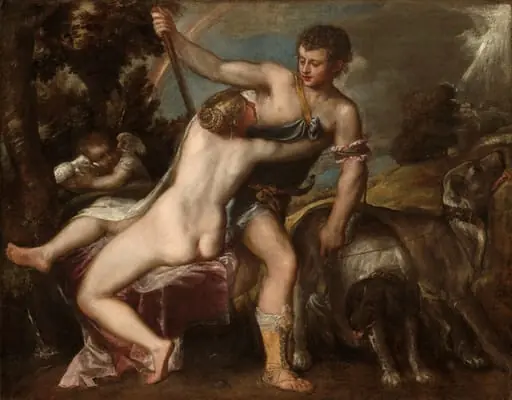 Venus and Adonis
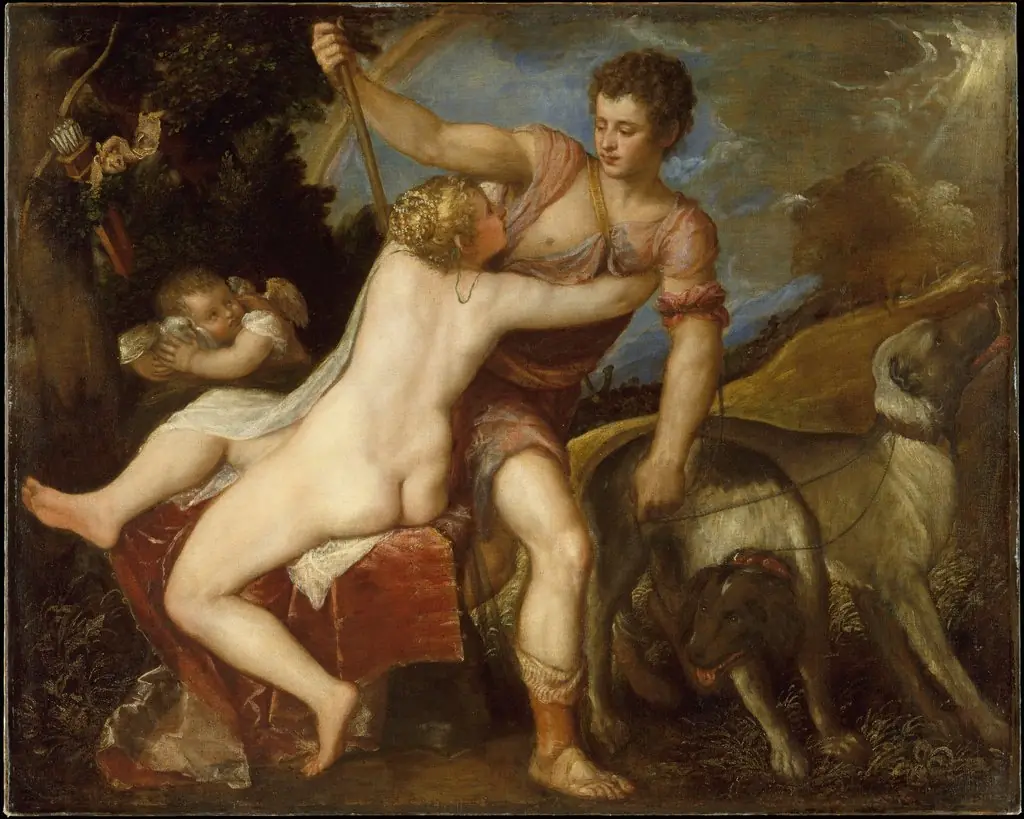 Venus and Adonis
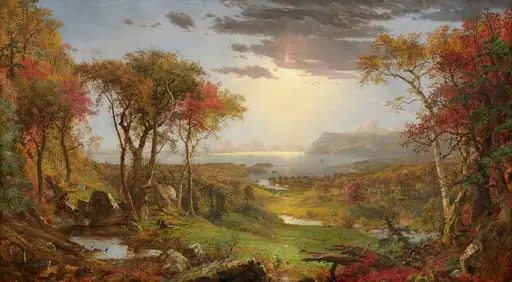 Autumn - On the Hudson River
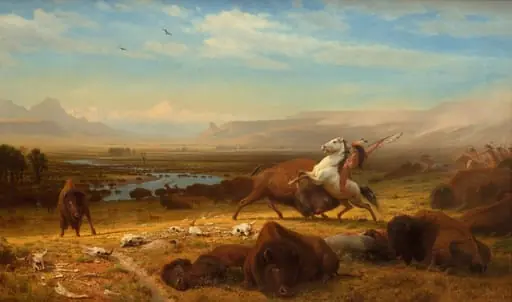 The Last of the Buffalo
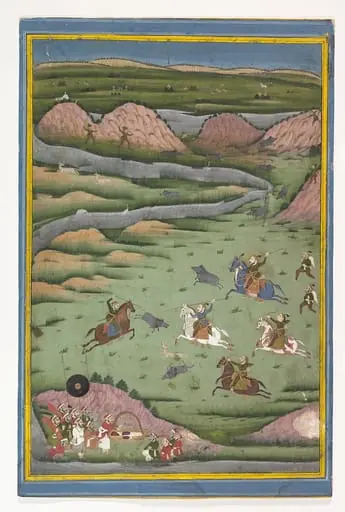 Untitled
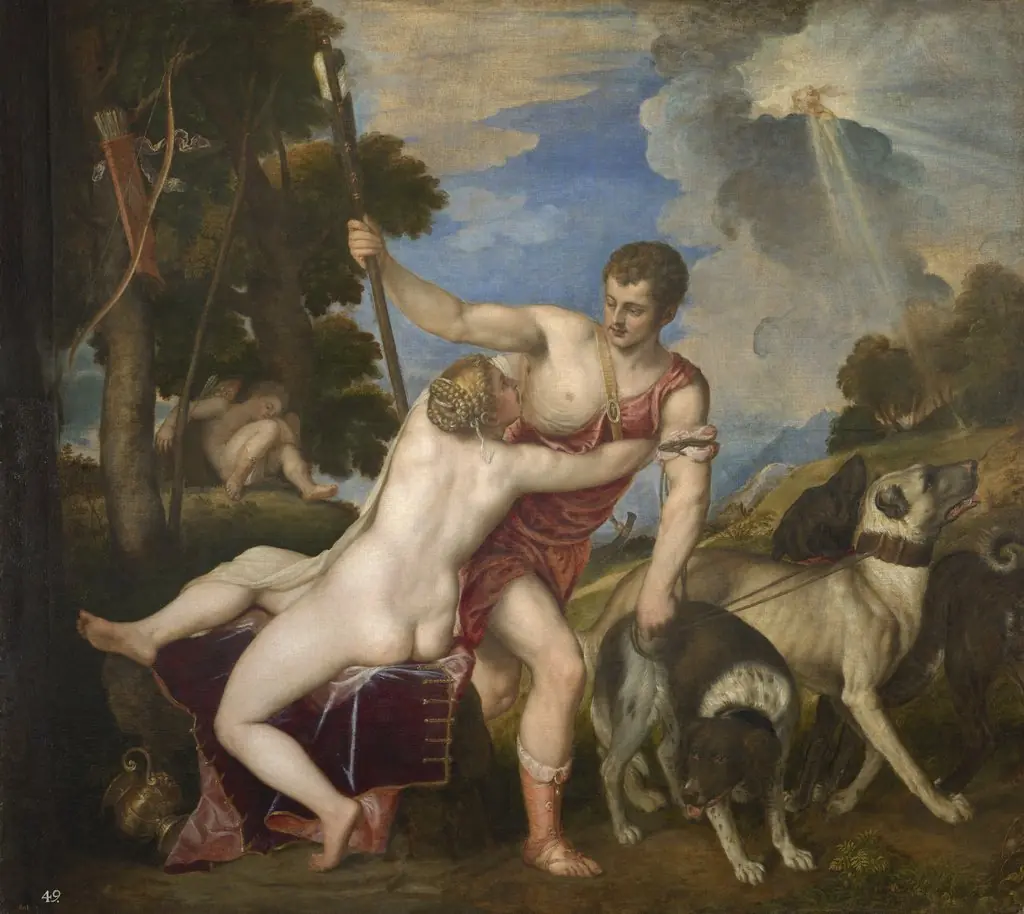 Venus and Adonis
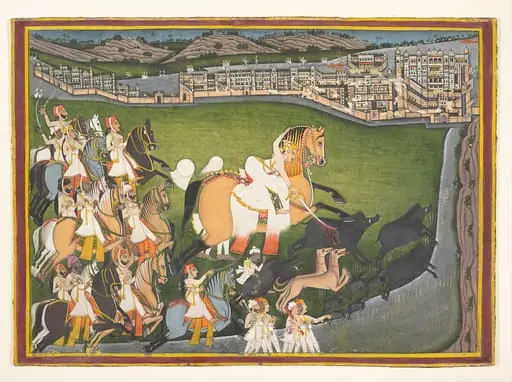 Untitled
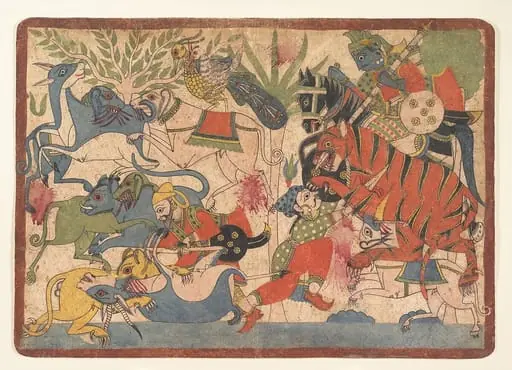 Untitled
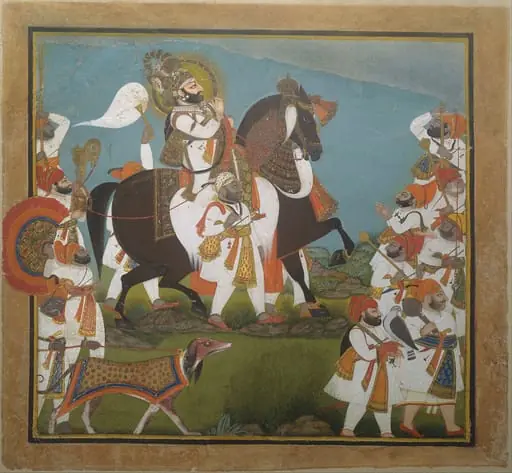 Untitled
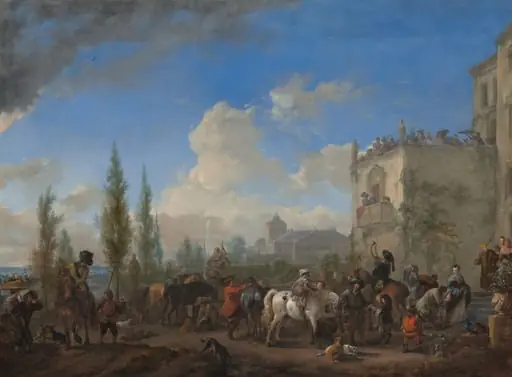 The Departure for the Hunt
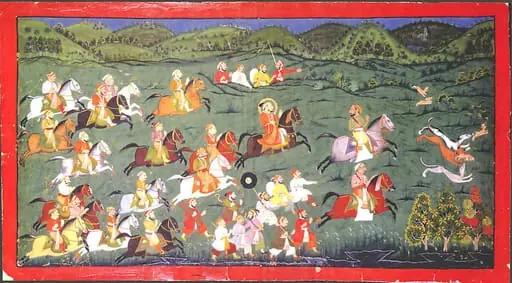 Untitled
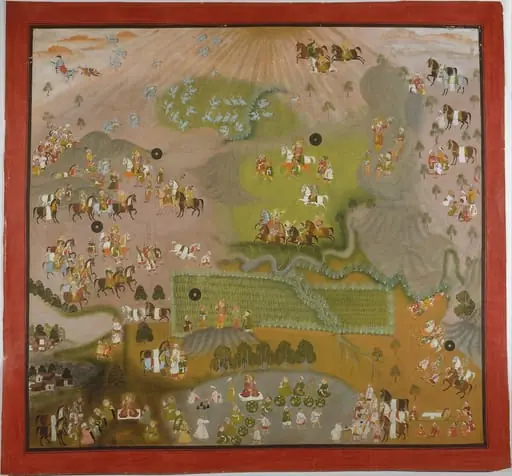 Untitled
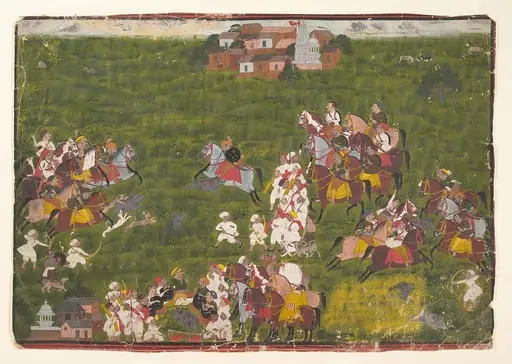 Untitled
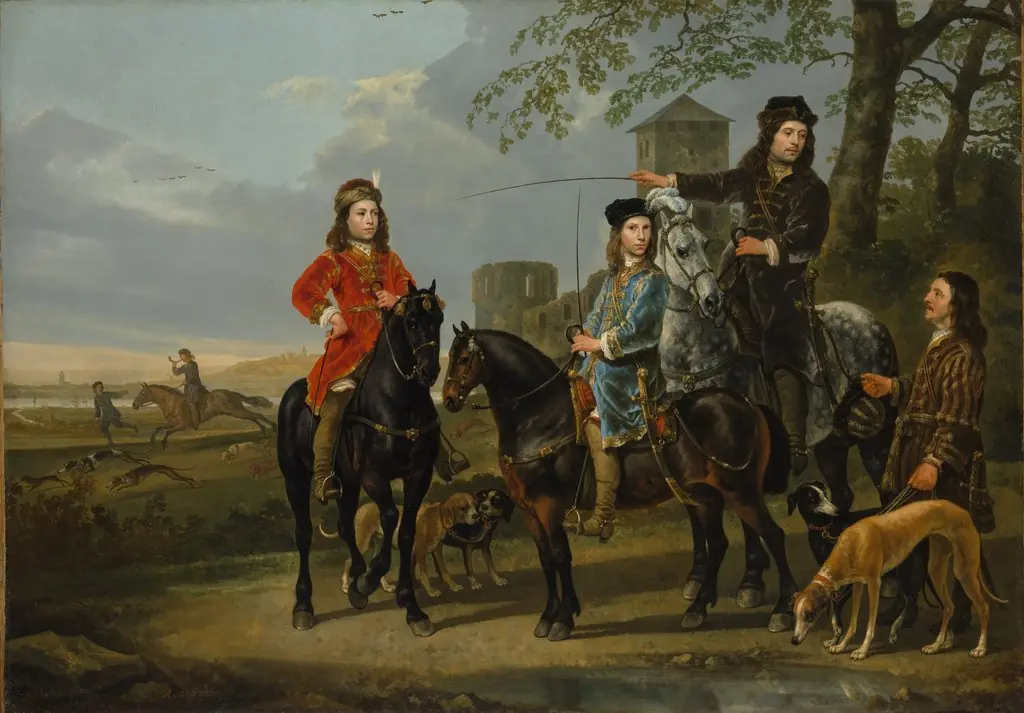 Equestrian Portrait of Cornelis (1639–1680) and Michiel Pompe van Meerdervoort (1638–1653) with Their Tutor and Coachman ("Starting for the Hunt")
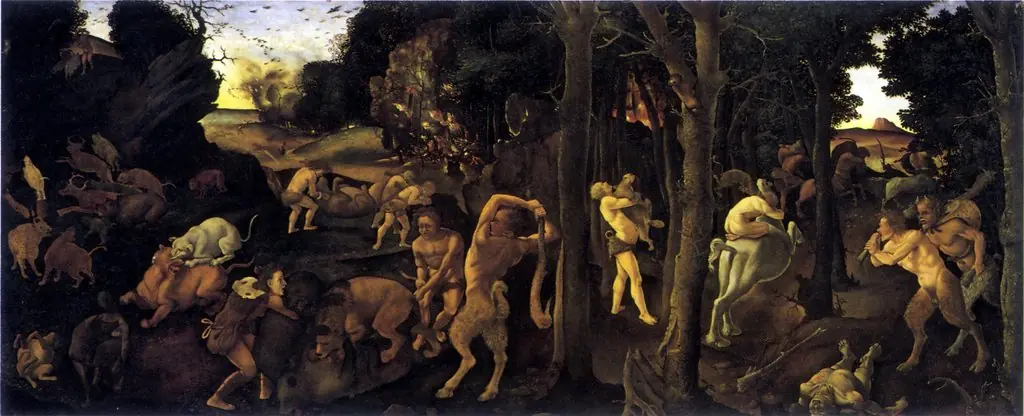 A Hunting Scene
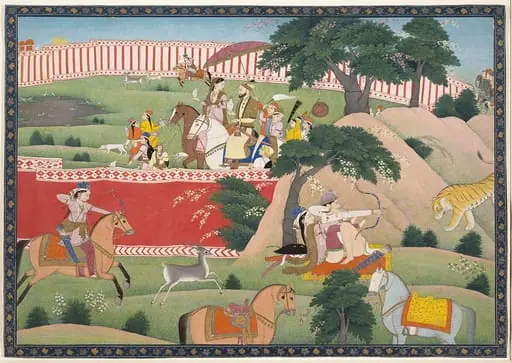 Untitled
 Untitled
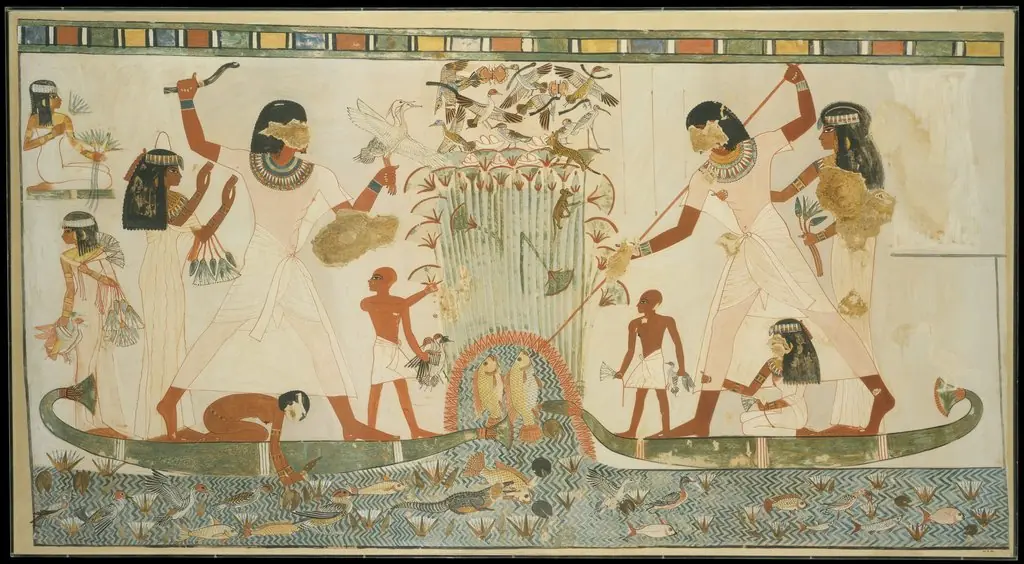 Menna and Family Hunting in the Marshes, Tomb of Menna
 Untitled
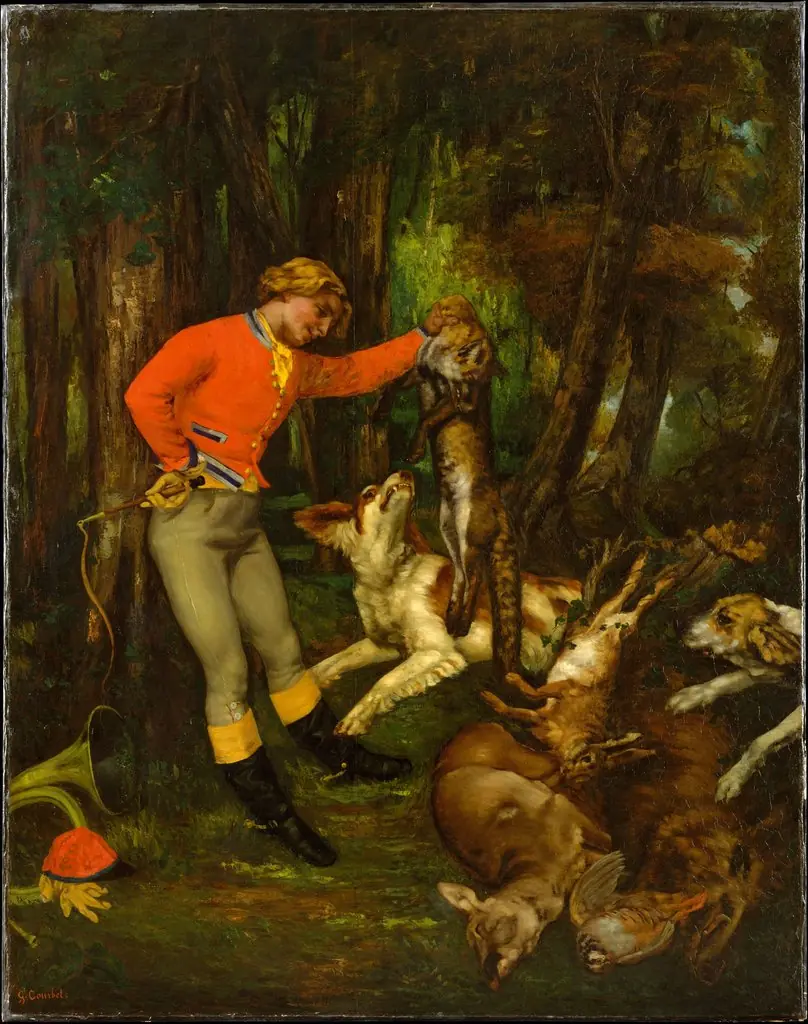 After the Hunt
 Hunting Scene
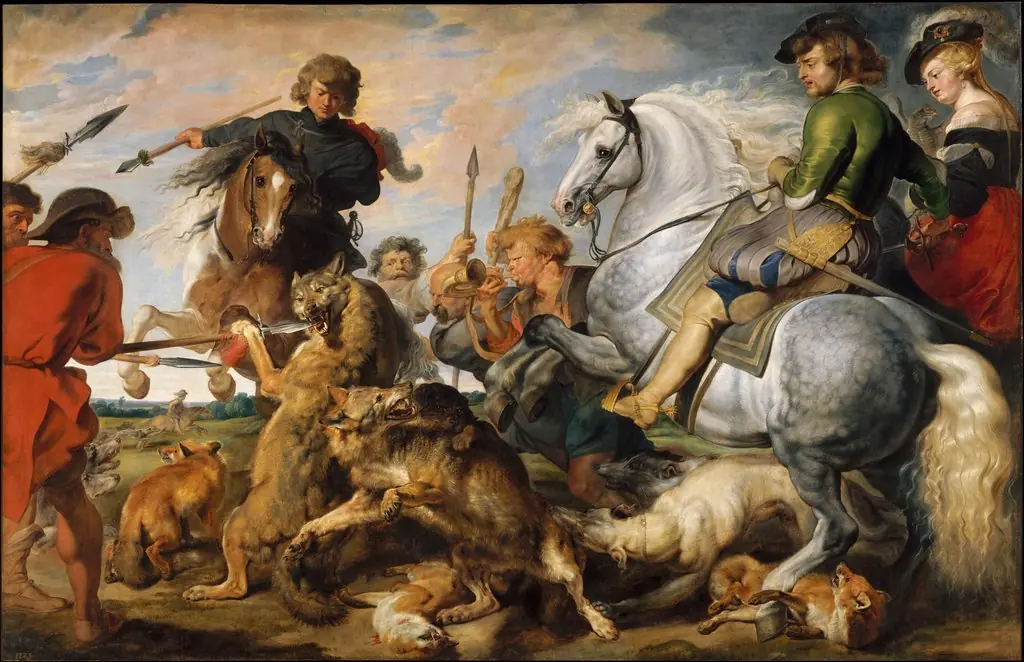 The Wolf and Fox Hunt
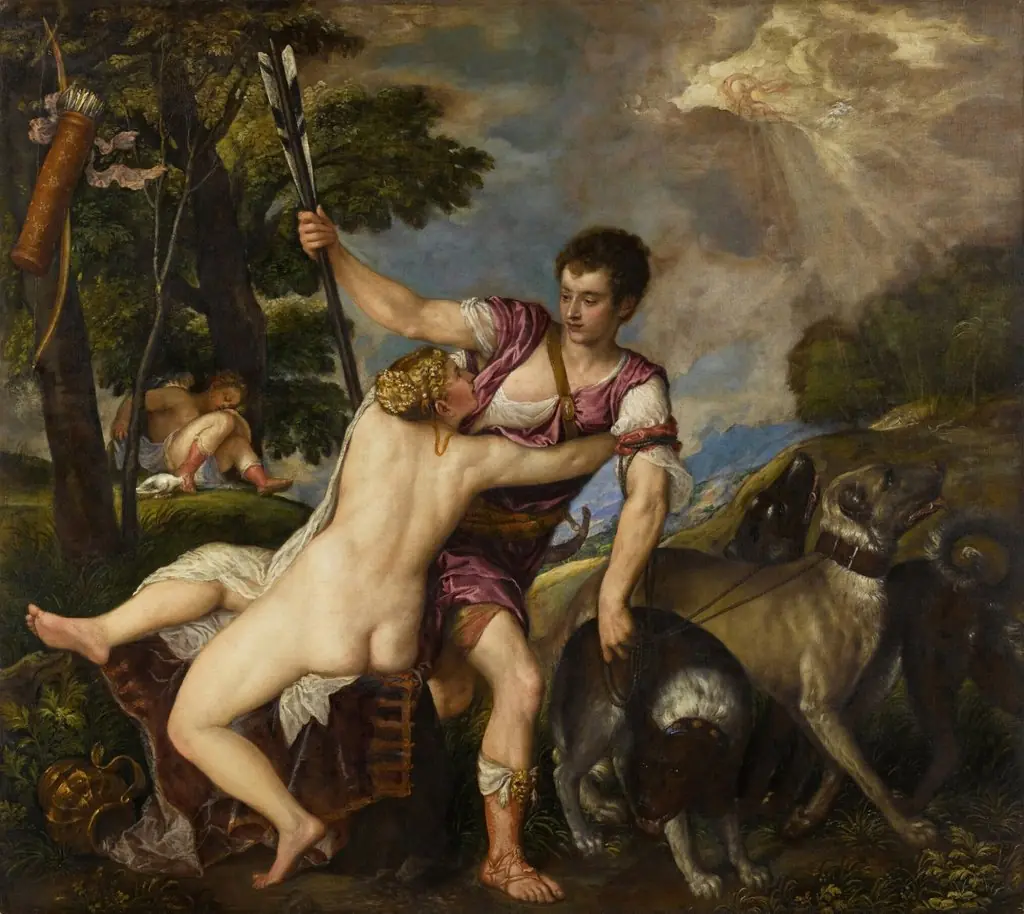 Venus and Adonis
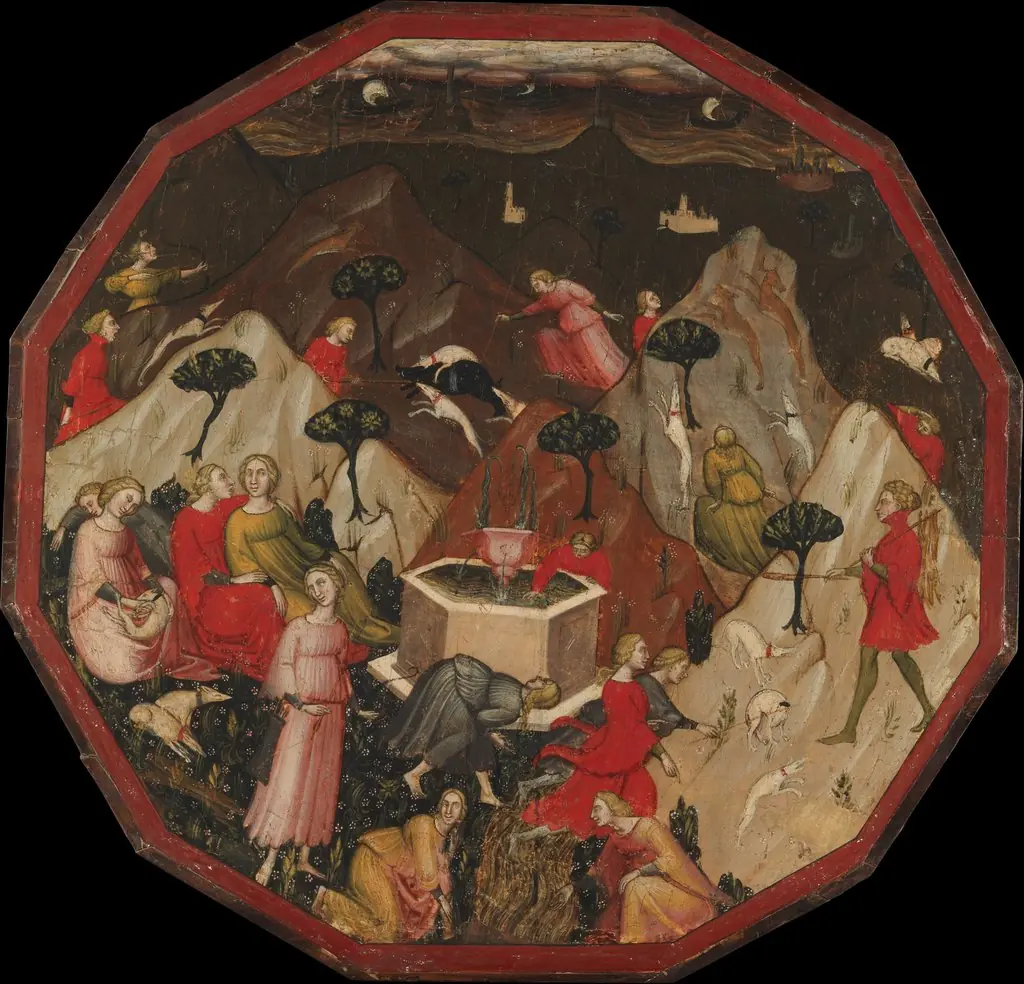 Ameto's Discovery of the Nymphs
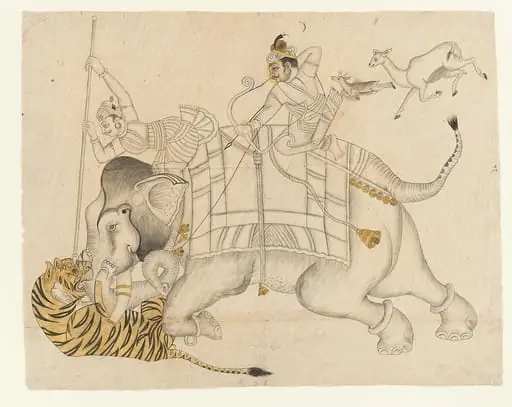 Untitled
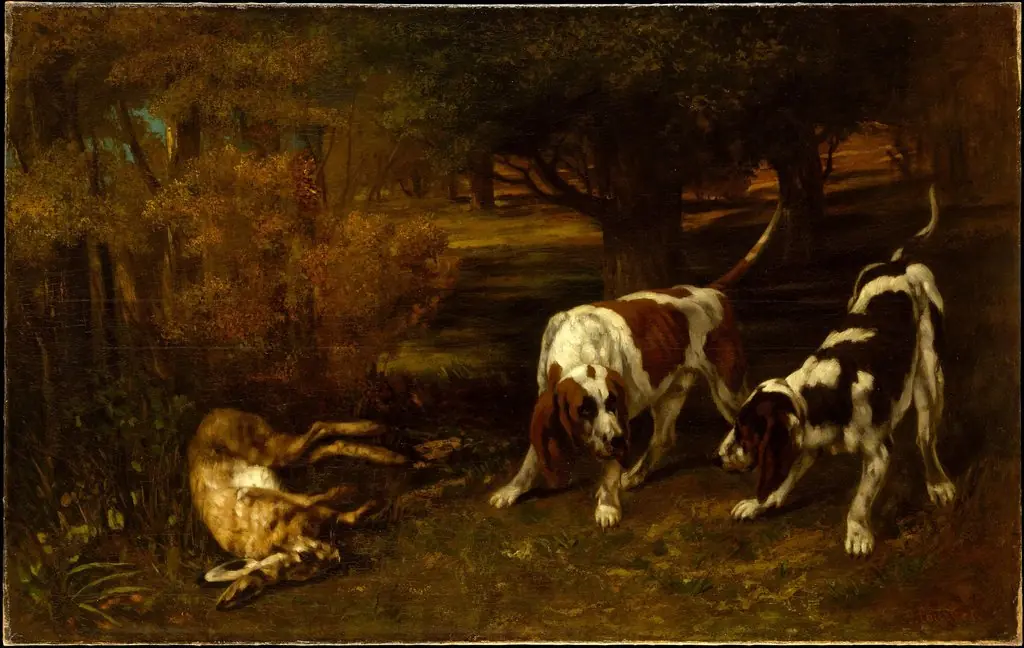 Hunting Dogs with Dead Hare
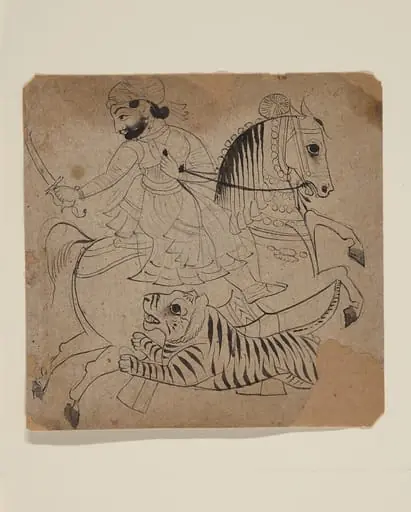 Untitled
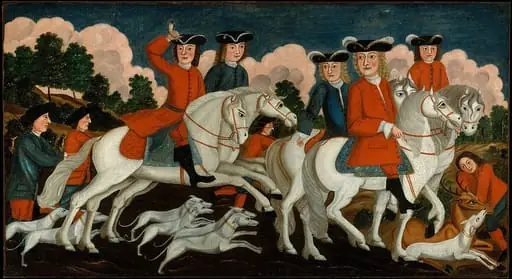 The Hunting Party—New Jersey
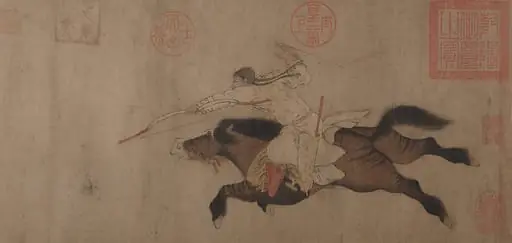 北宋/金 傳黃宗道 舊傳李贊華 獵鹿圖 卷|Stag Hunt
 Untitled
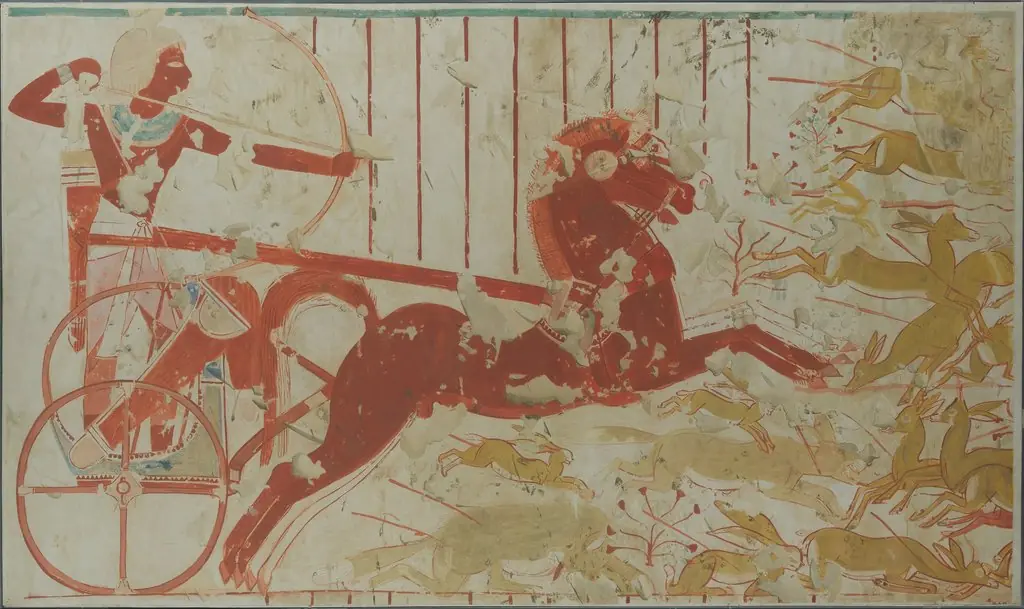 Hunting from a Chariot, Tomb of Userhat
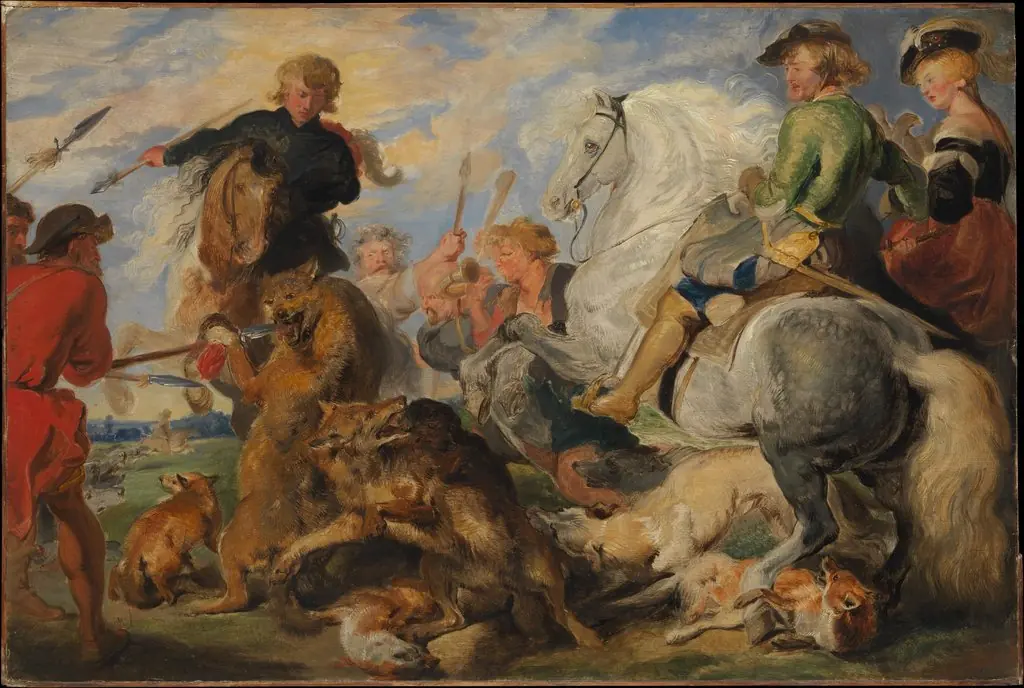 Copy after Rubens's "Wolf and Fox Hunt"
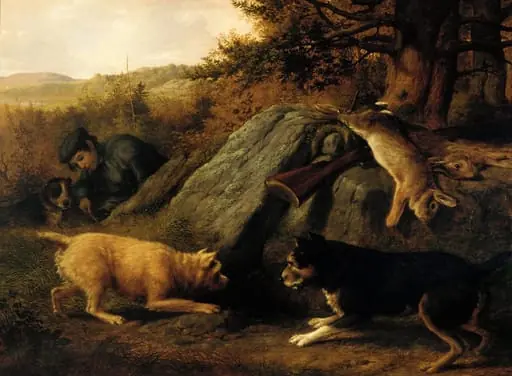 The Rabbit Hunters
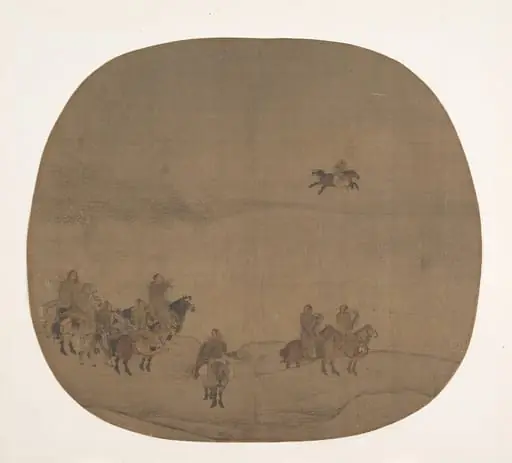 南宋 傳陳居中 胡騎春獵圖 團扇|Nomads hunting with falcons
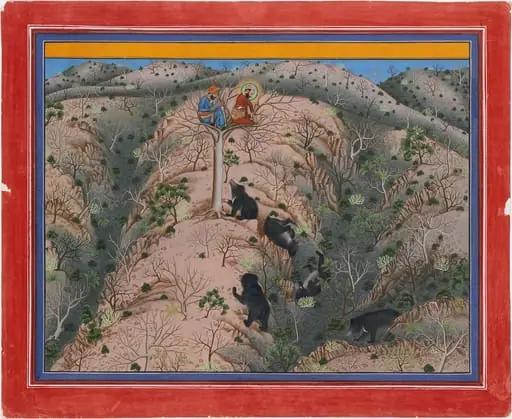 Untitled
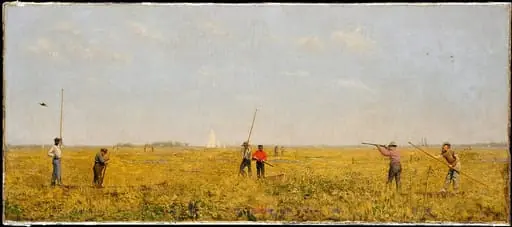 Pushing for Rail
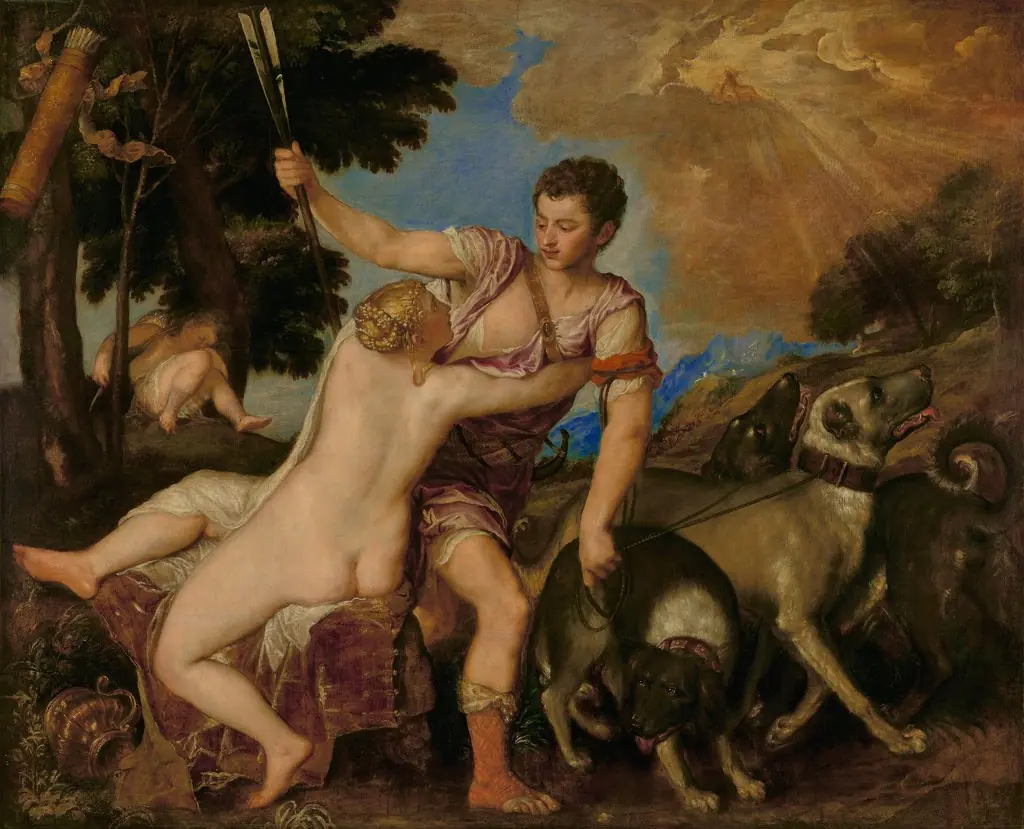 Venus and Adonis
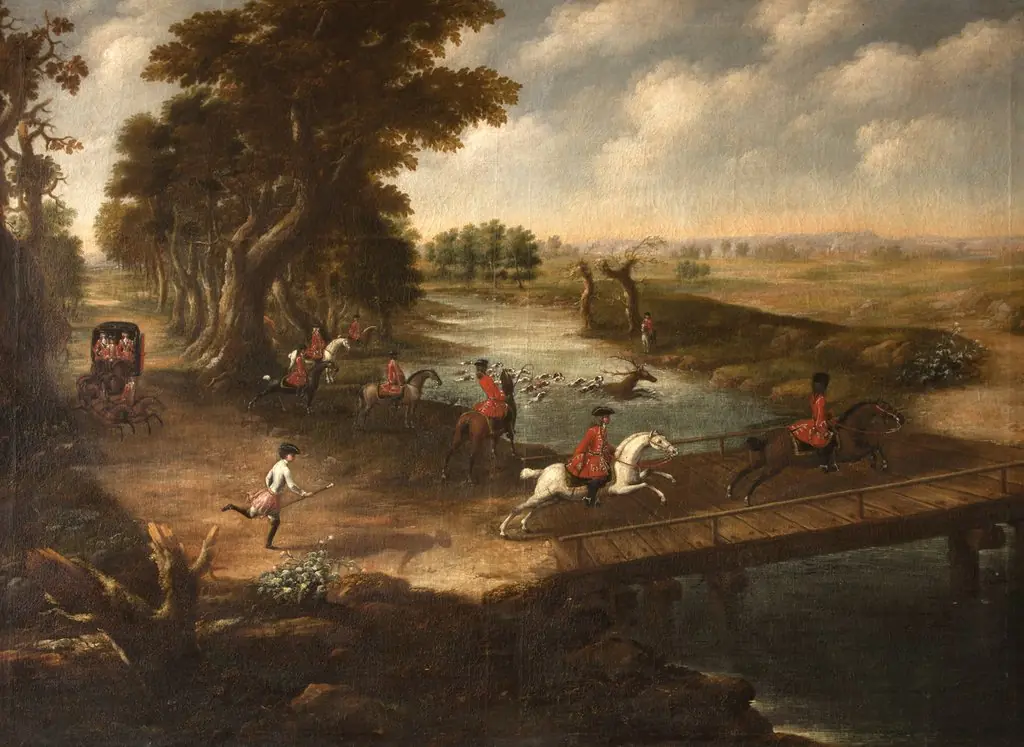 En jagt af kongelige personer
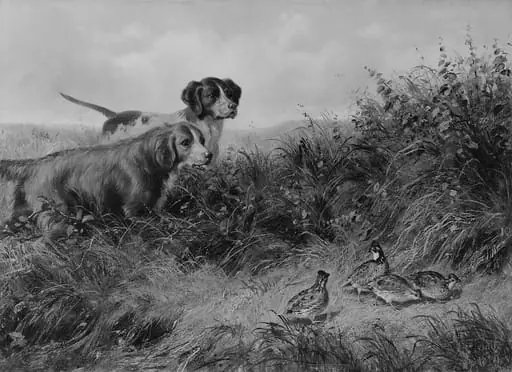 On Point
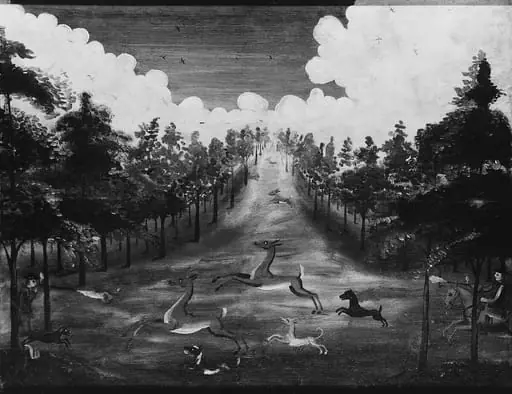 The Deer Hunt
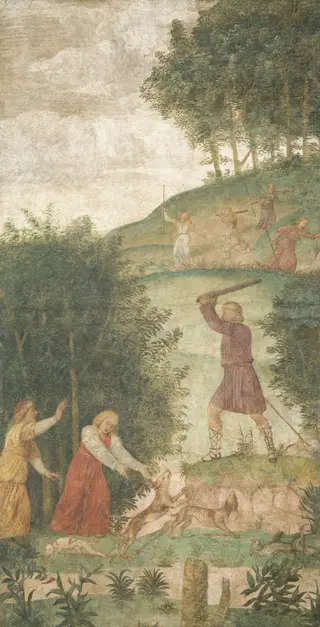 Cephalus Punished at the Hunt
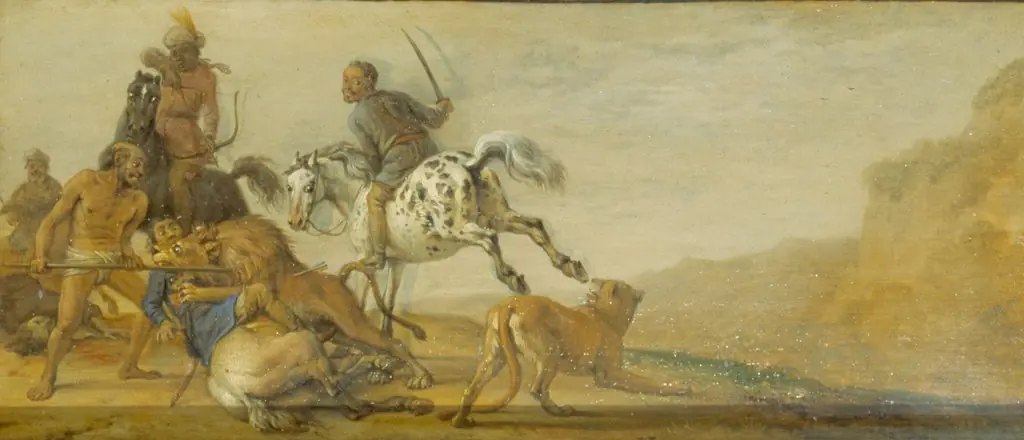 The Lion Hunt
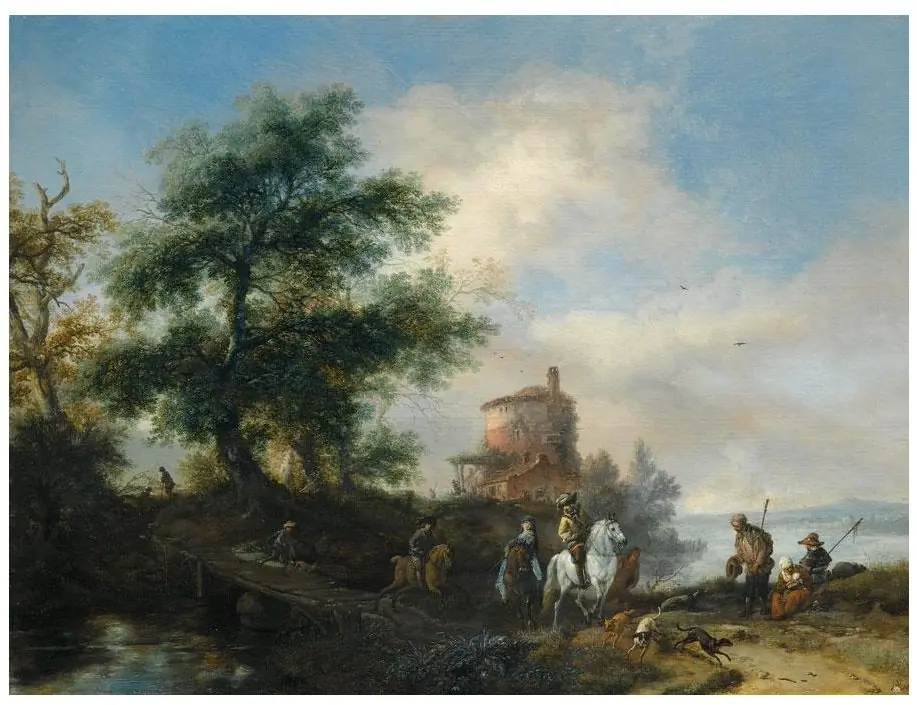 Departure of the hunt
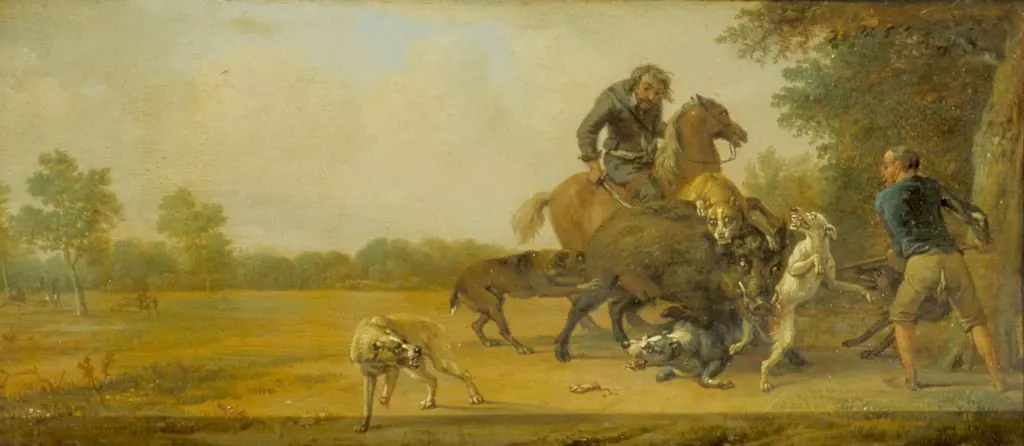 The Boar Hunt
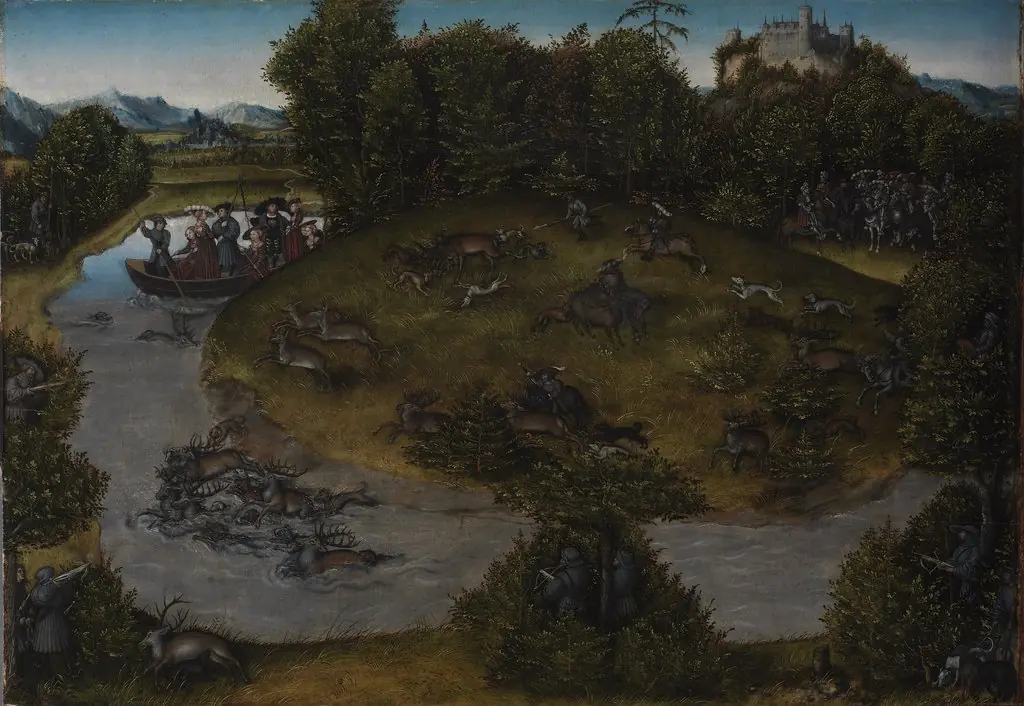 The Stag Hunt of the Elector Frederic the Wise (1463-1525) of Saxony
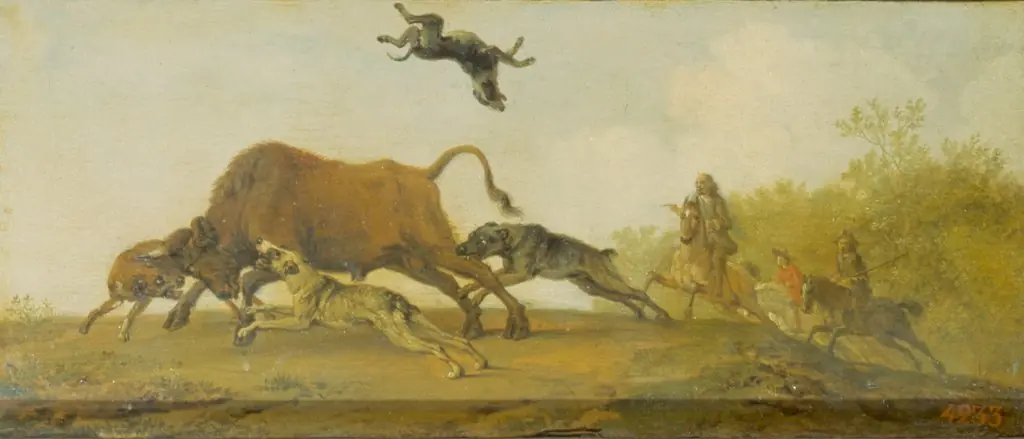 The Bull Hunt
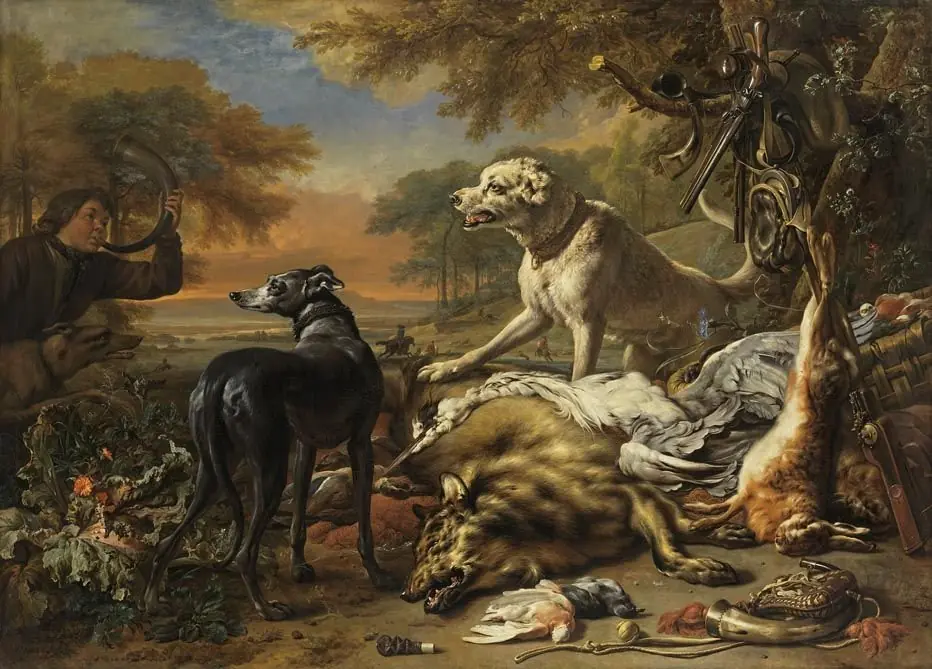 Hunting still life with wolf
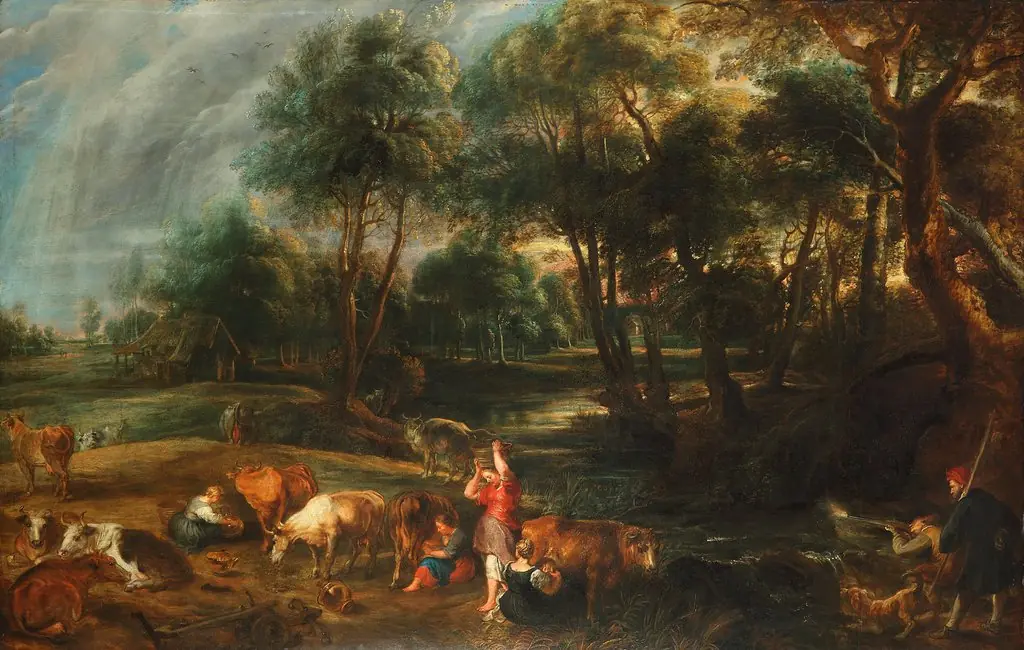 Landscape with Cows and Wildfowlers
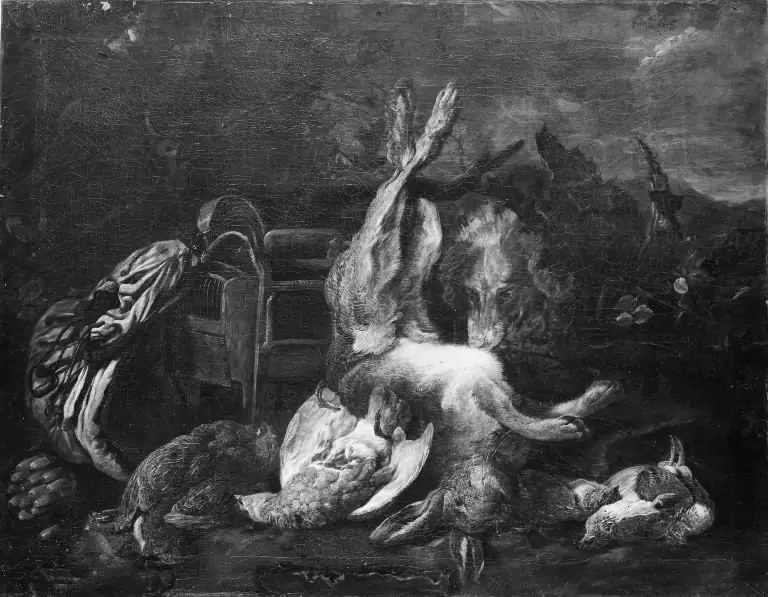 The Spoils of the Chase
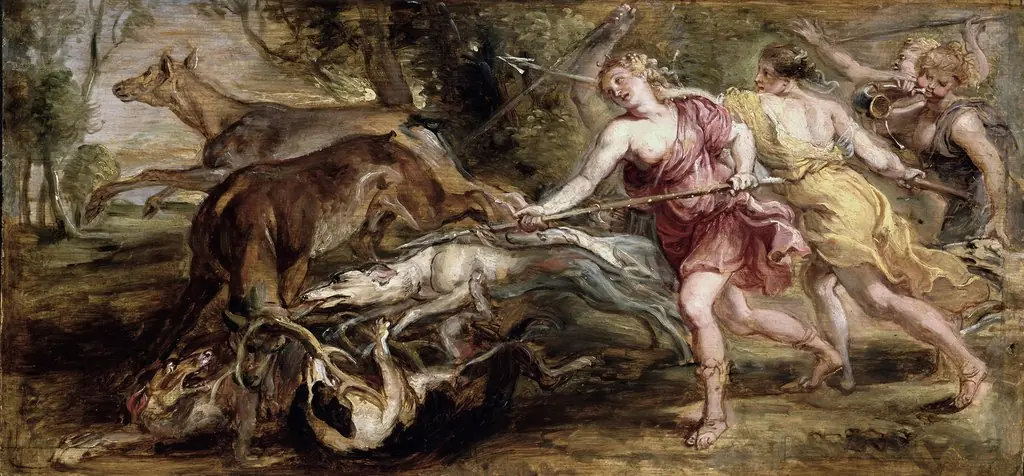 Diana and her Nymphs Hunting
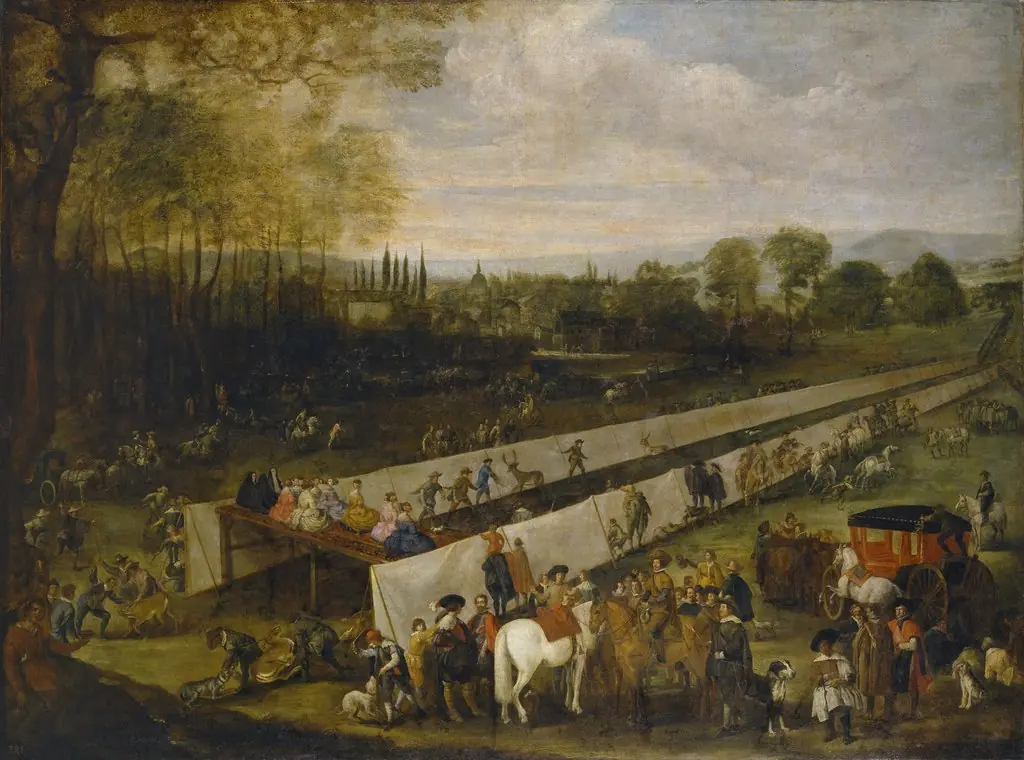 Watching the Hunt in Aranjuez
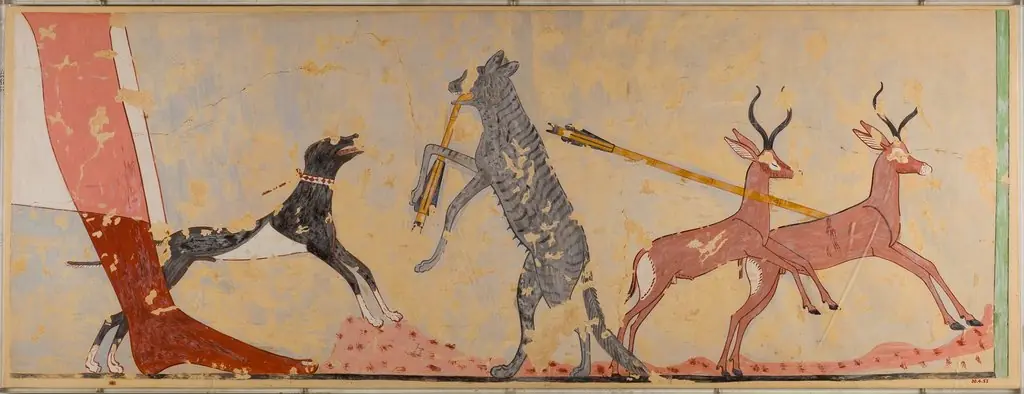 Hunting Scene, Tomb of Ineni
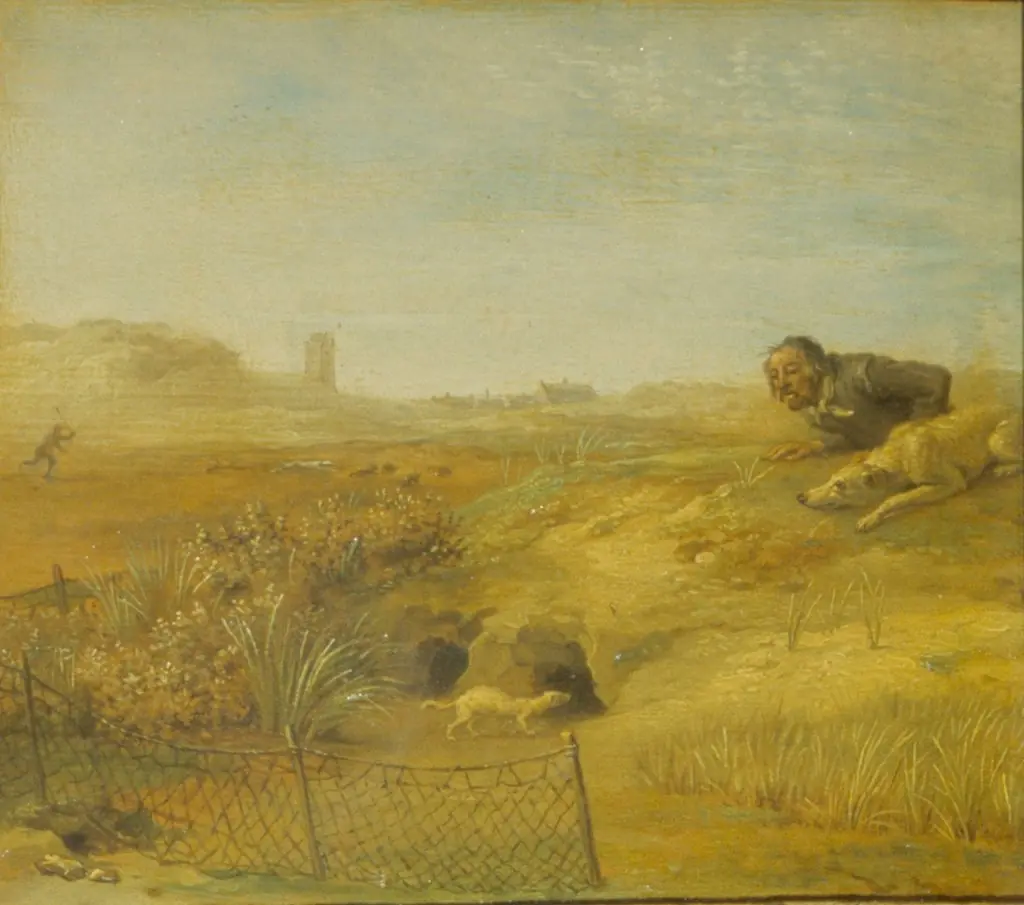 Hunting Hare with a Ferret and Hound
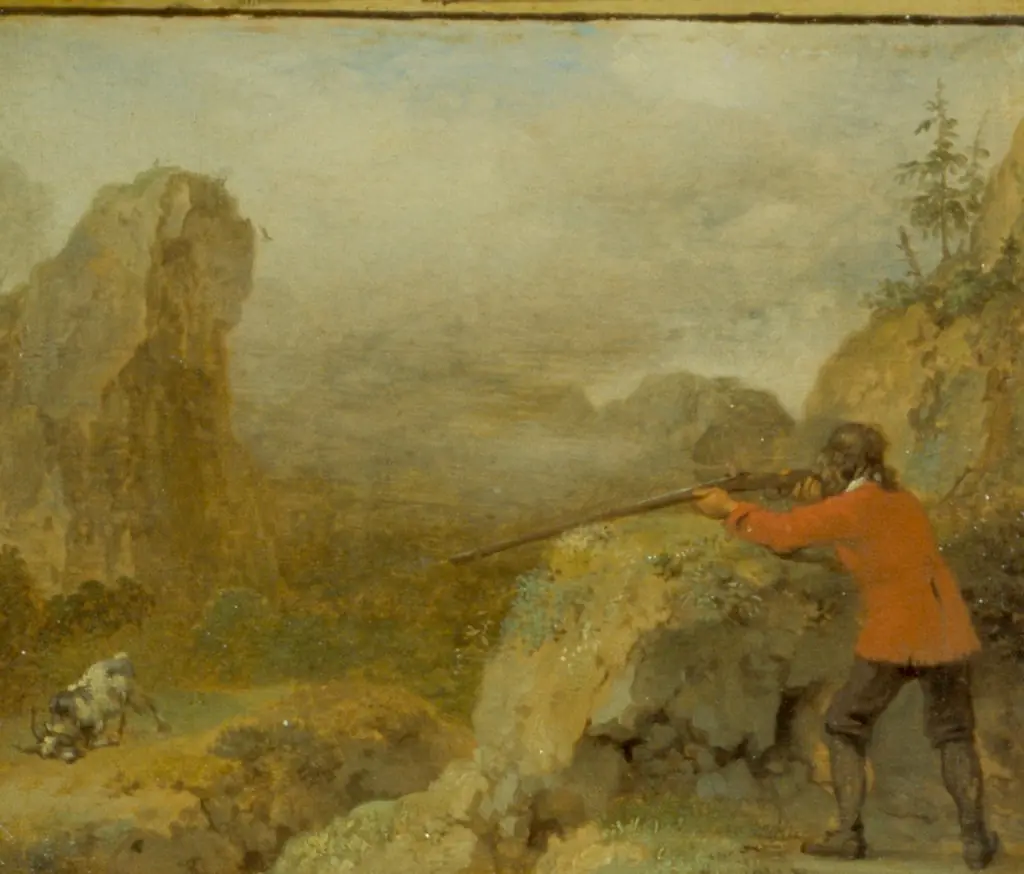 Hunting a Goat
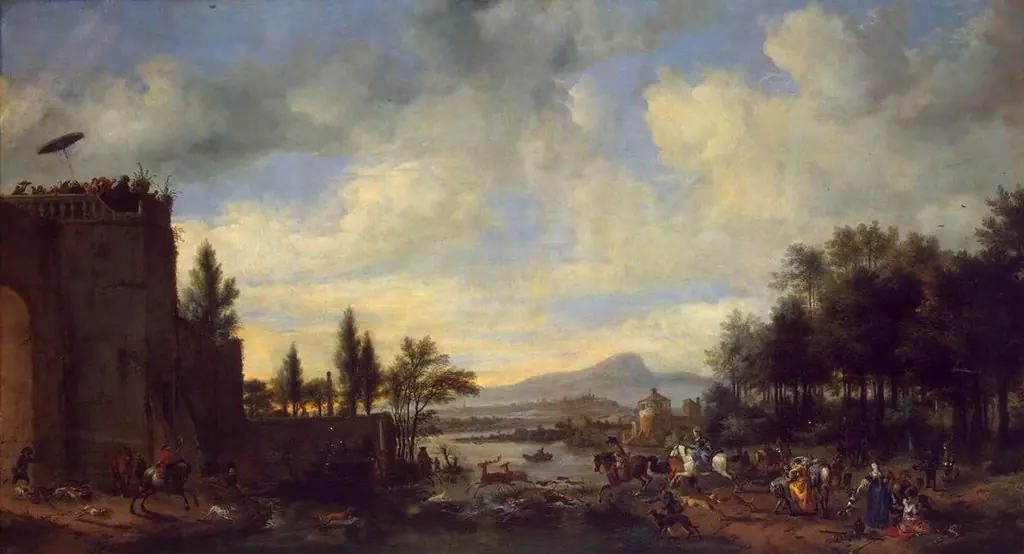 Deer Hunt
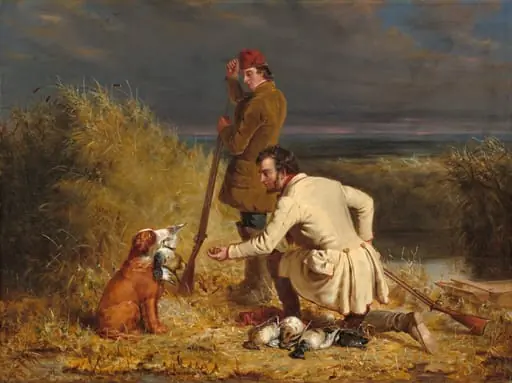 The Retrieve
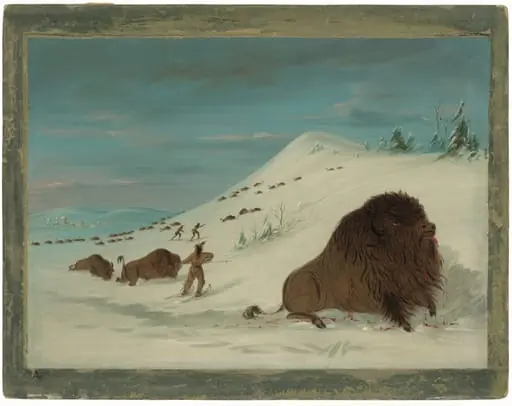 Buffalo Lancing in the Snow Drifts - Sioux
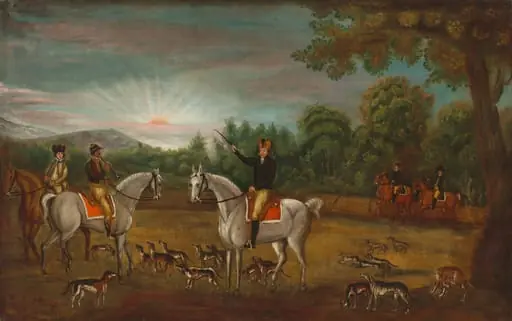 The Start of the Hunt
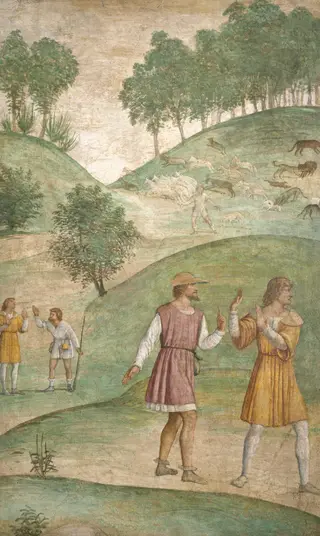 The Misfortunes of Cephalus
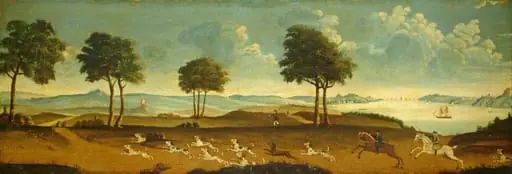 Hunting Scene with a Harbor
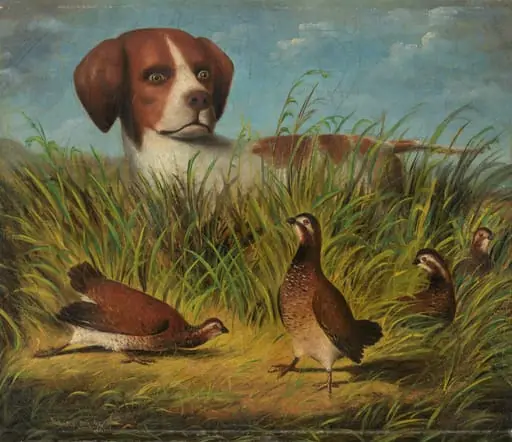 On Point
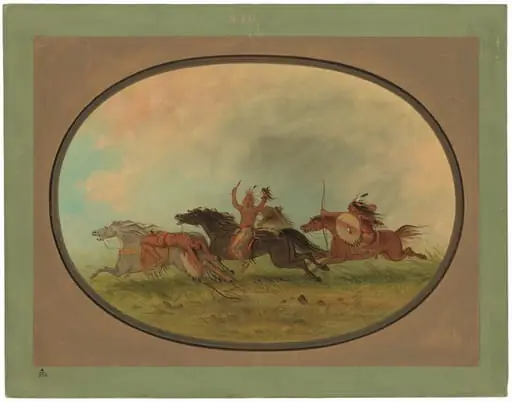 The Scalper Scalped - Pawnees and Cheyennes
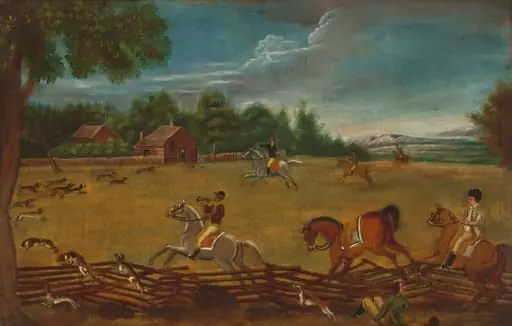 The End of the Hunt
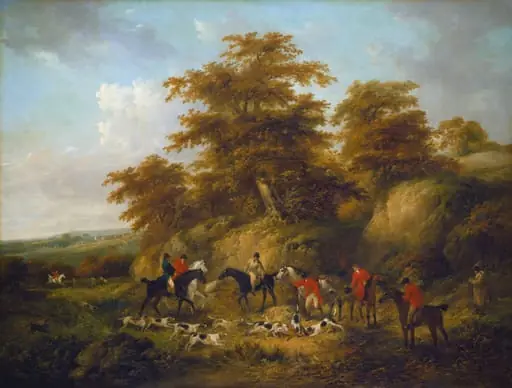 The Death of the Fox
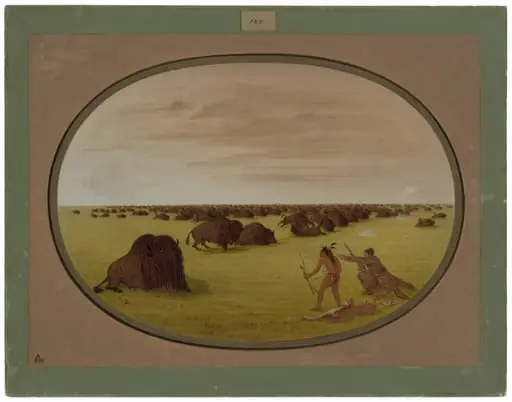 Catlin and Indian Attacking Buffalo
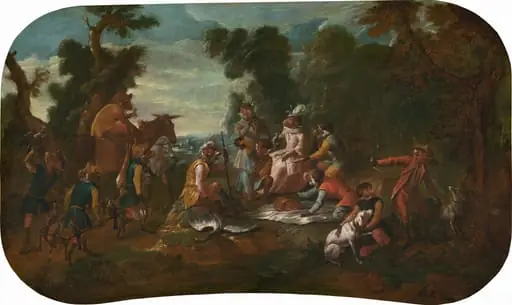 Singerie: The Picnic
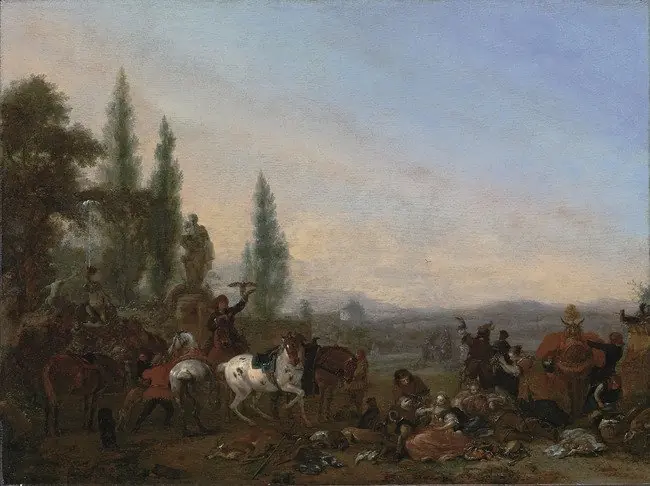 Hawking party resting by a fountain
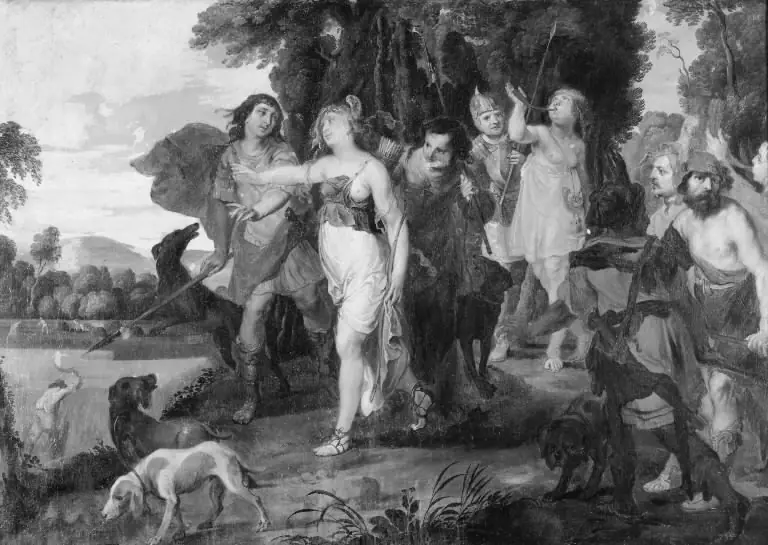 Hunting Party with Diana
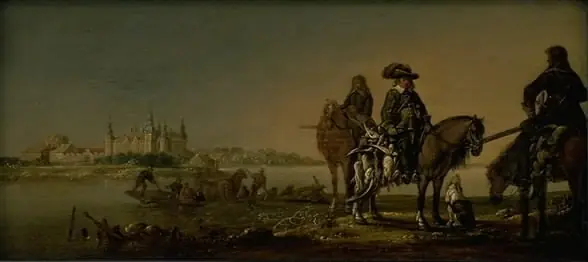 Prince Christian, the Heir Apparent, Hunting Ducks at Nykøbing Castle
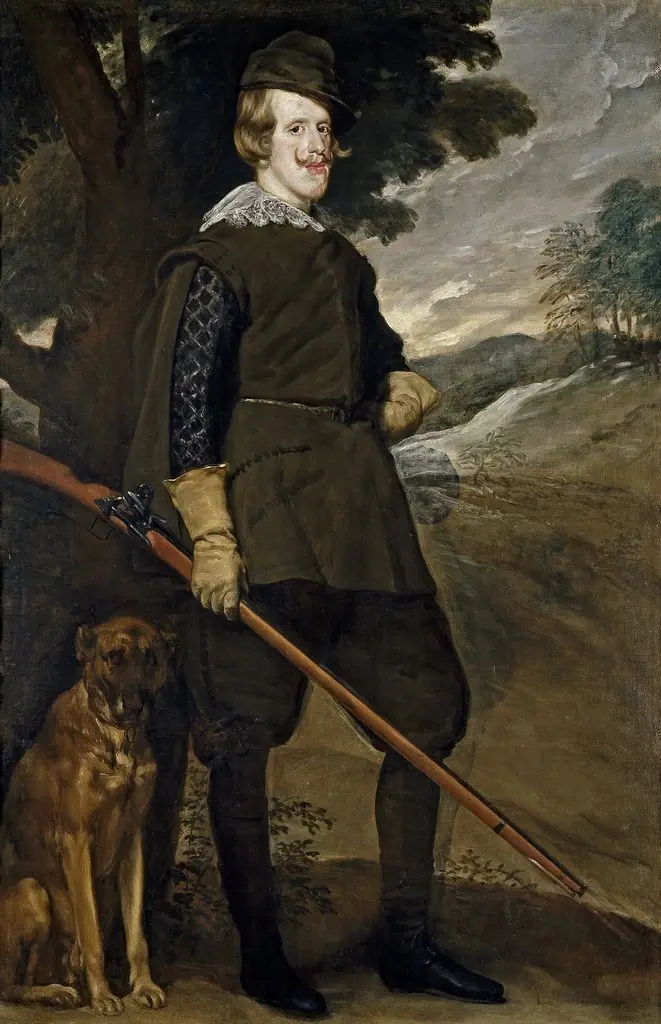 Philip IV as a Huntsman
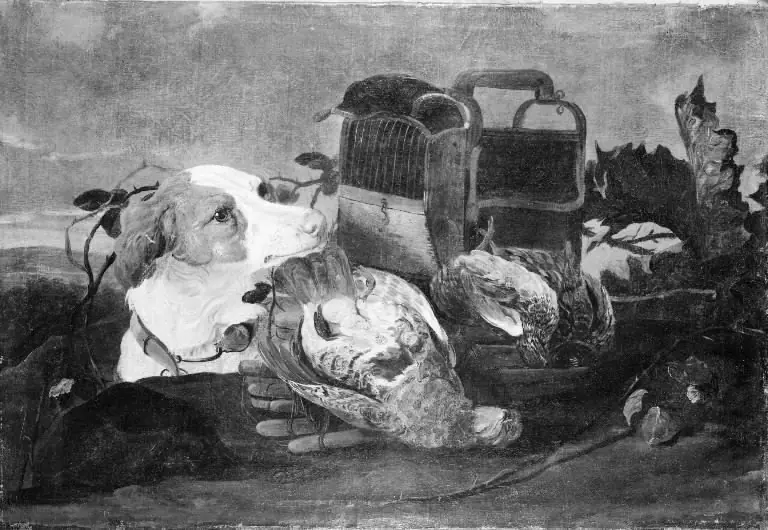 Dead Wildfowl and a Game Dog
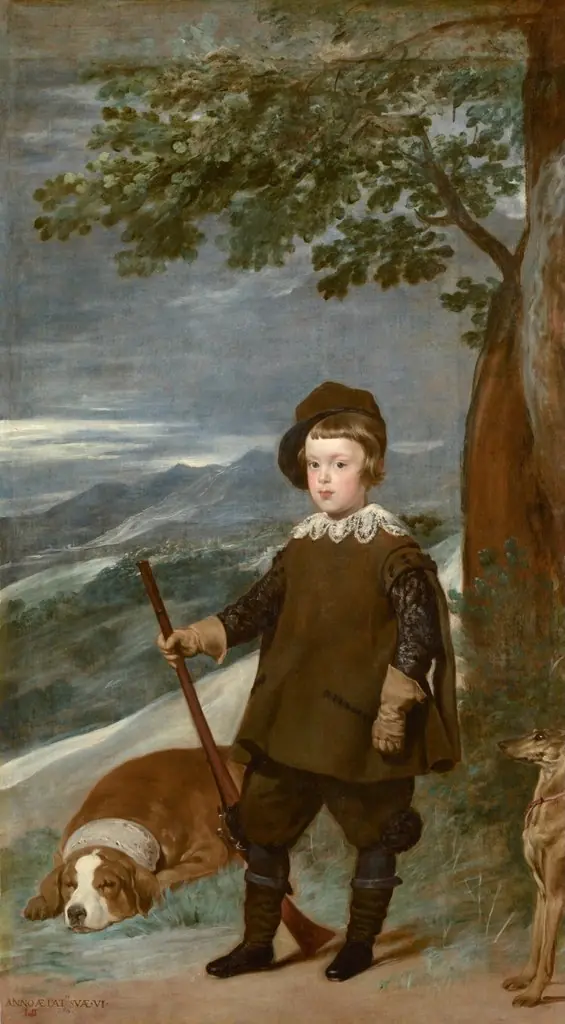 Prince Balthasar Charles as a Hunter
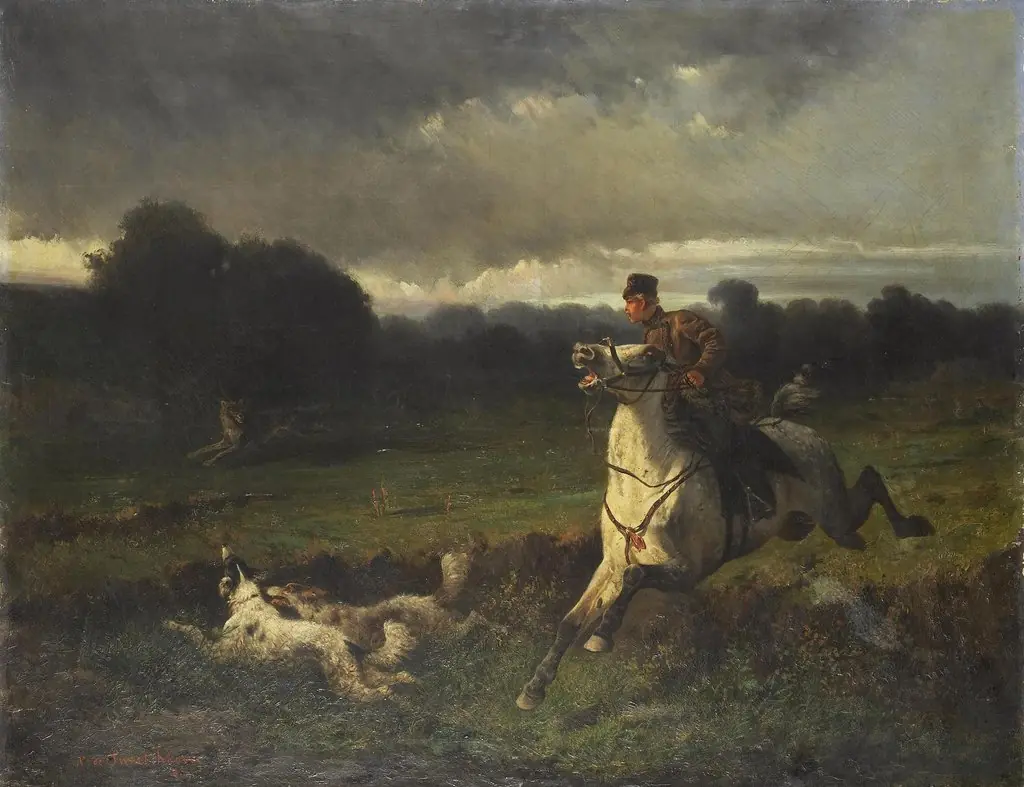 Wolf Hunting
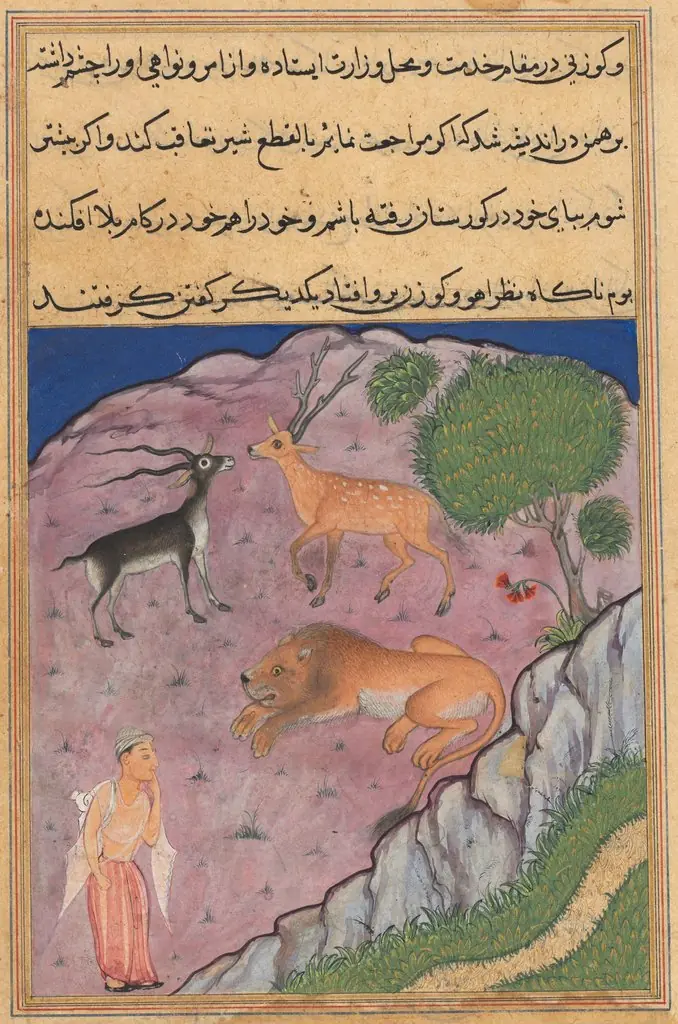 The Brahman comes upon a lion who has a deer and a gazelle as his viziers, from a Tuti-nama (Tales of a Parrot): Twenty-first Night
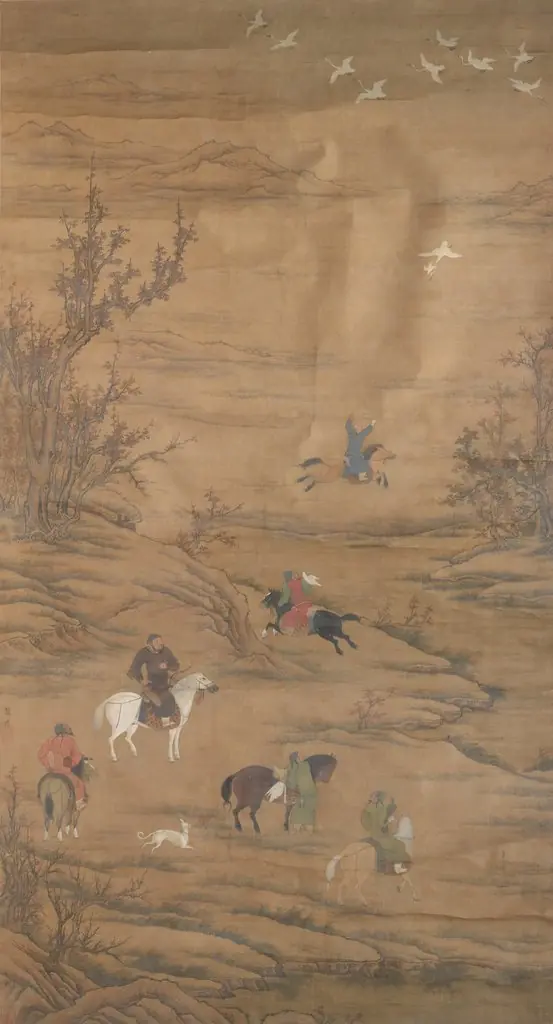 Hunting on Horses
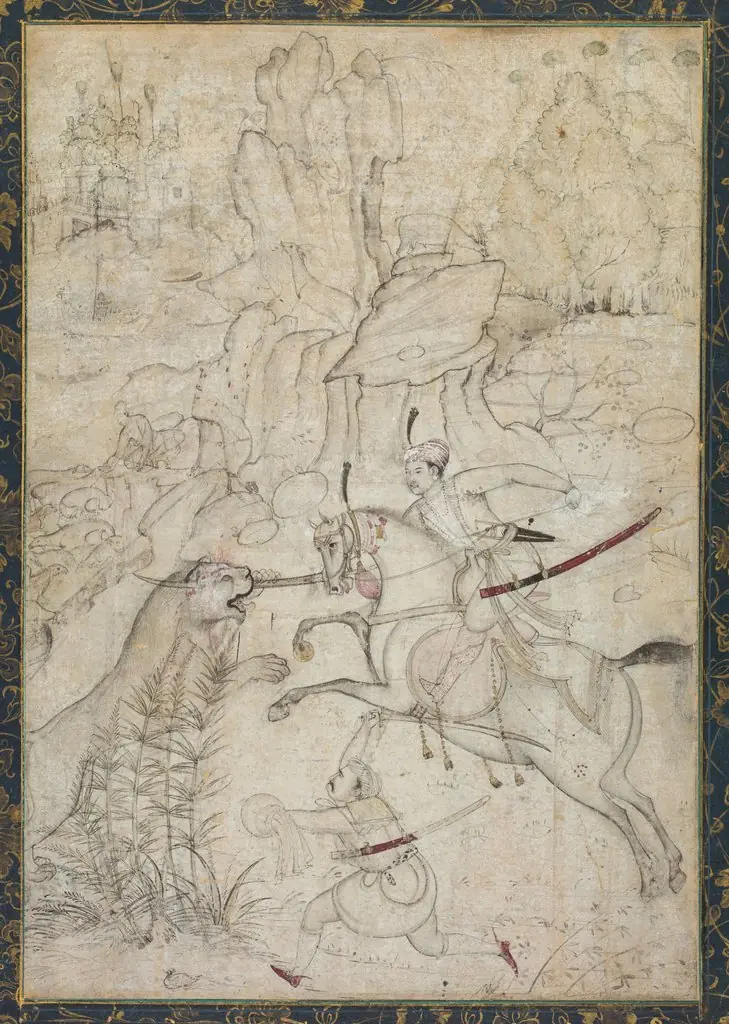 A Mounted Prince Hunting Lion in a Rocky Landscape
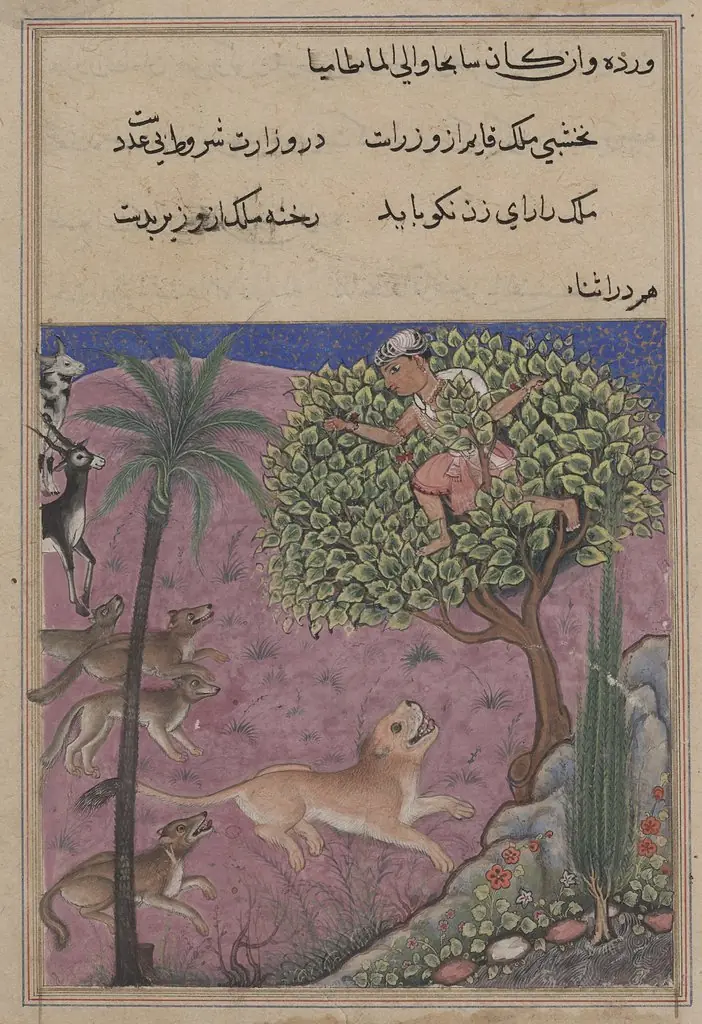 The wolf and the jackal, serving as viziers, instigate the lion who pursues the Brahman up a tree, from a Tuti-nama (Tales of a Parrot): Twenty-first Night
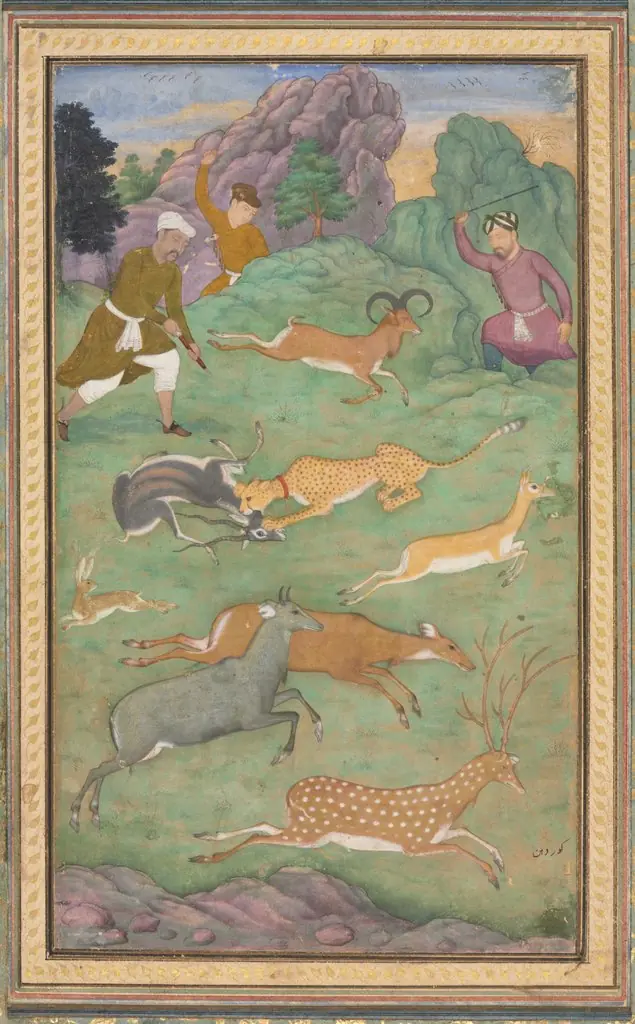 Antelope and deer hunt
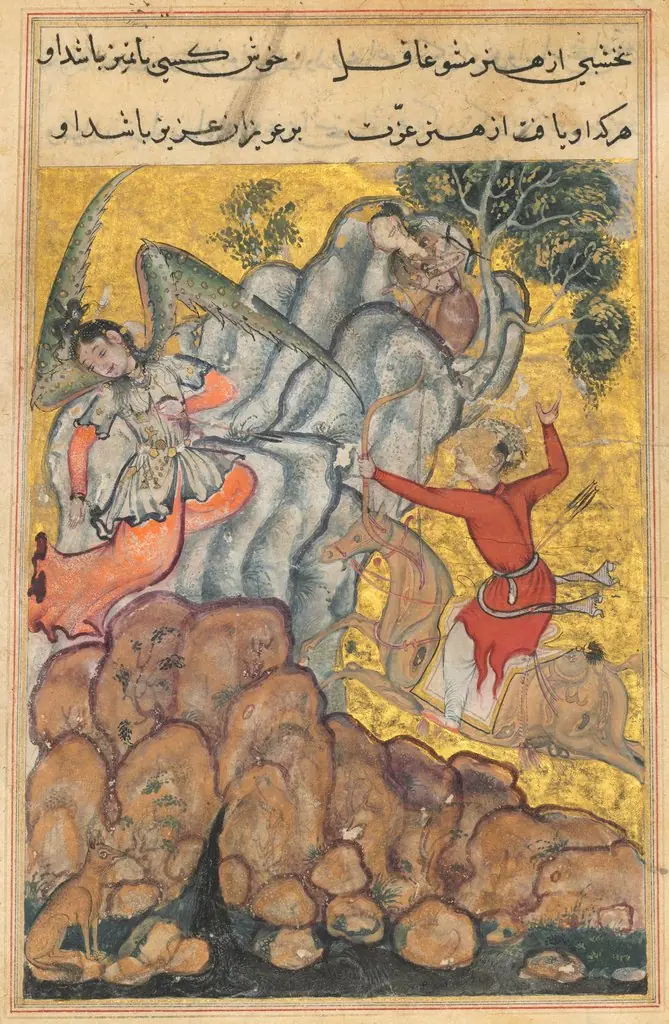 The third suitor, who is an archer, shoots the wicked fairy who has imprisoned Zuhra. He rides on a magic horse prepared by the second suitor and is led to the spot by the divining prowess of the first, from a Tuti-nama (Tales of a Parrot): Thirty-fo
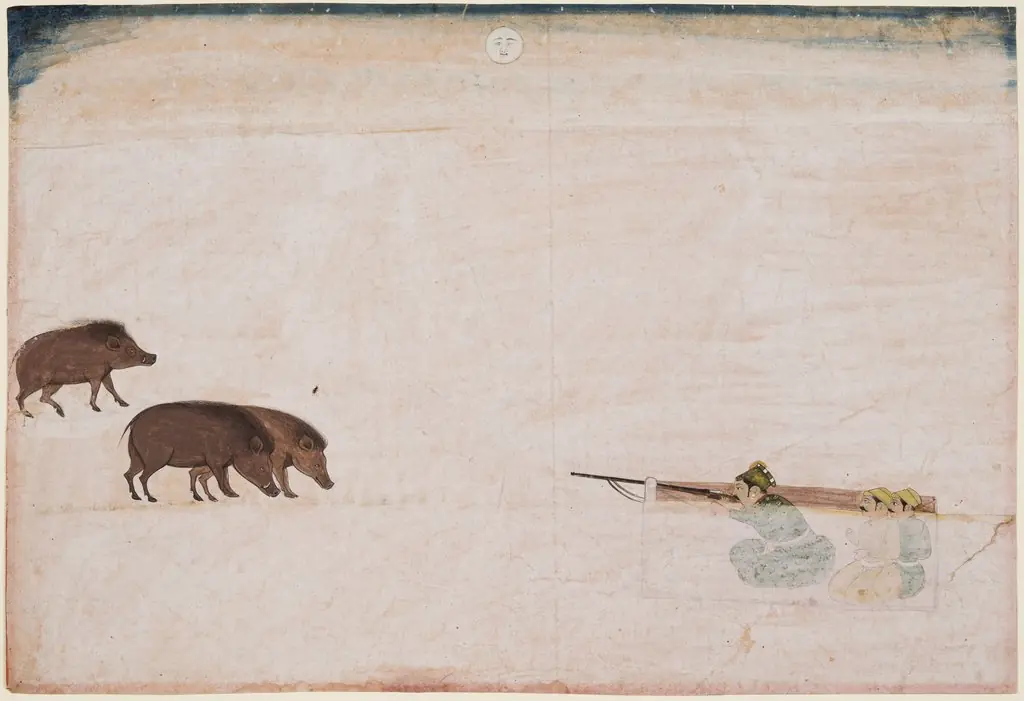 Raja Ram Chand of Amber (r. 1667–88) Hunting Wild Boar
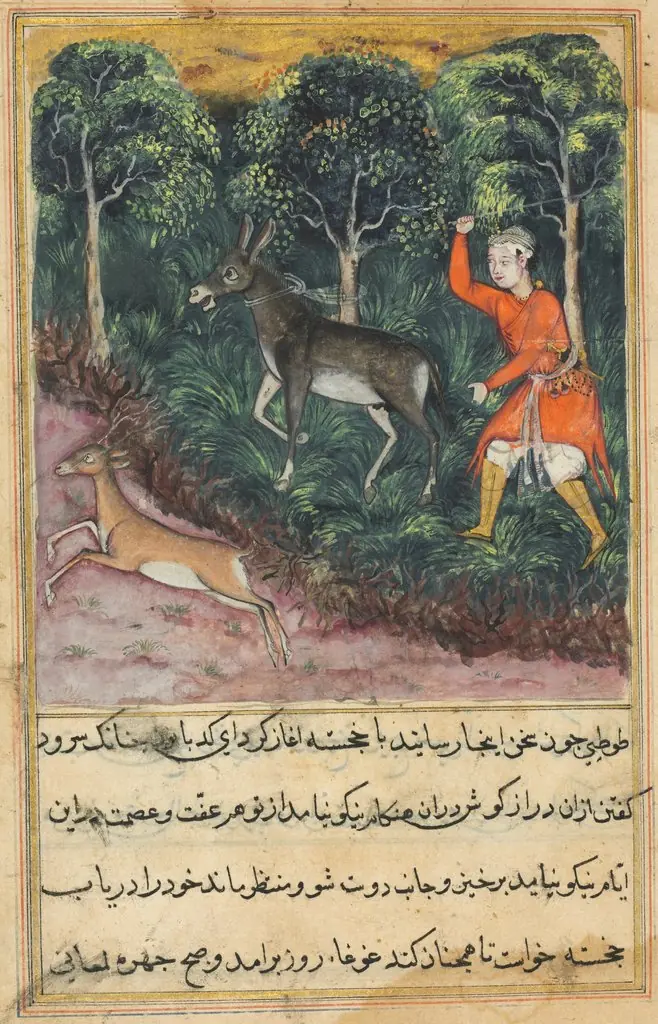 The gardener seizes and beats a donkey who insisted on braying, while the deer, its companion flees to safety, from a Tuti-nama (Tales of a Parrot): Forty-first Night
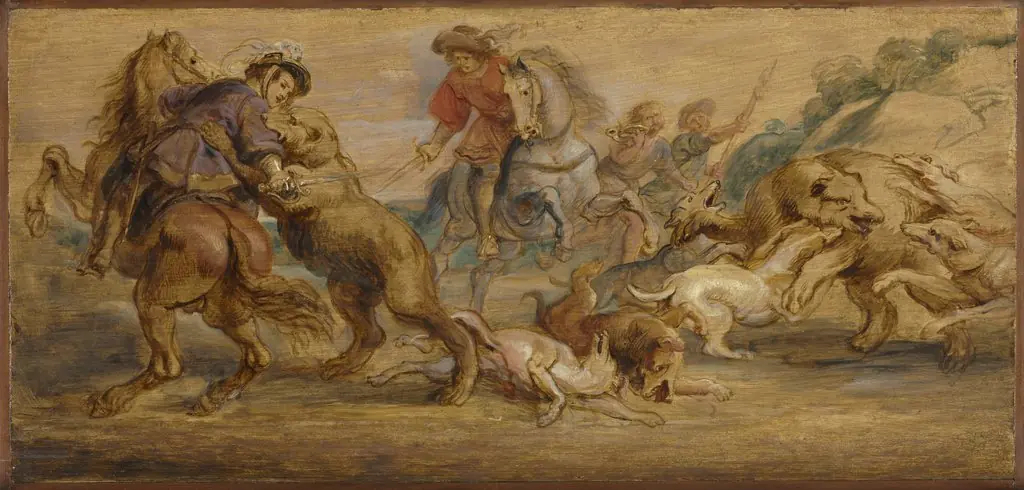 Study for "The Bear Hunt" (for the Alcázar, Madrid)
 Dogs and a bear fighting
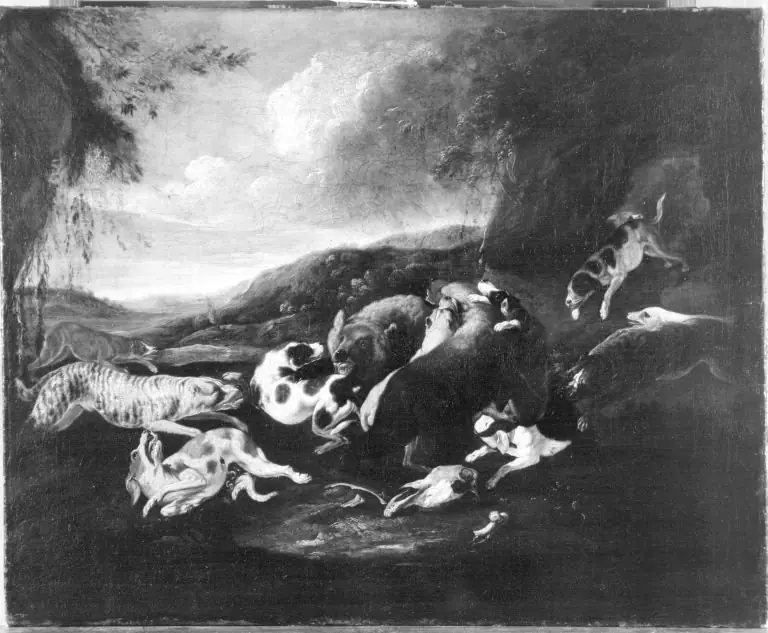 Bärenjagd
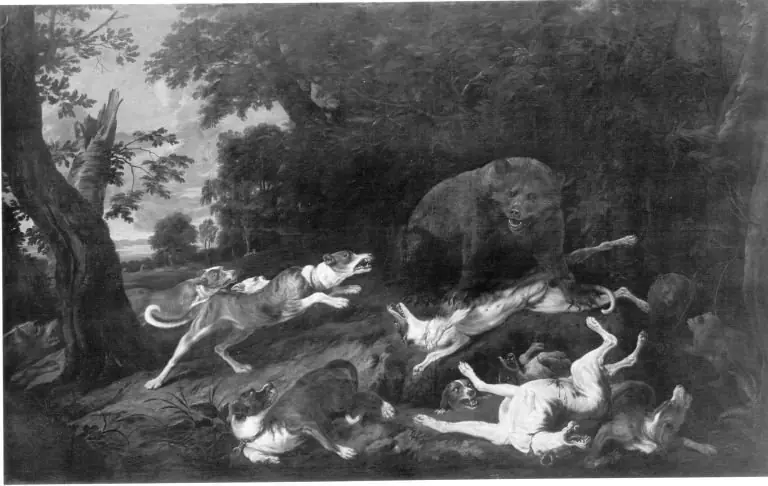 Dogs attacking a bear and her cubs
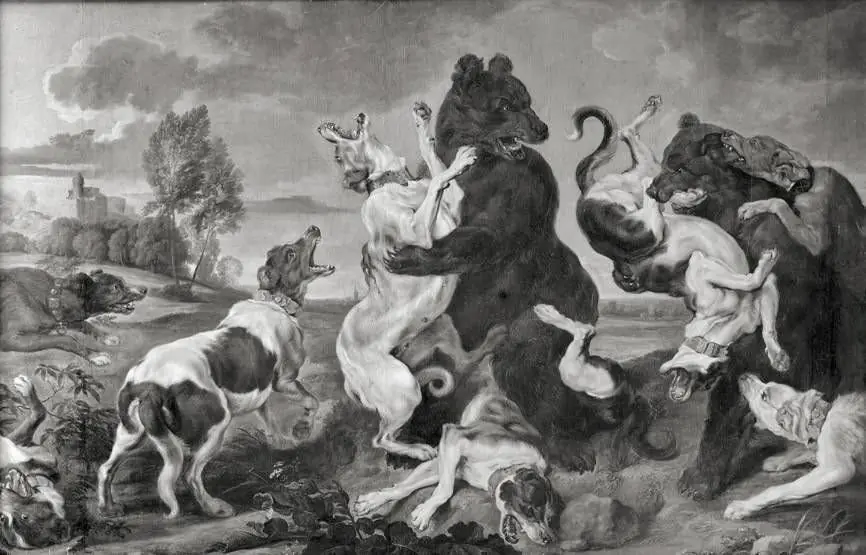 Bärenjagd
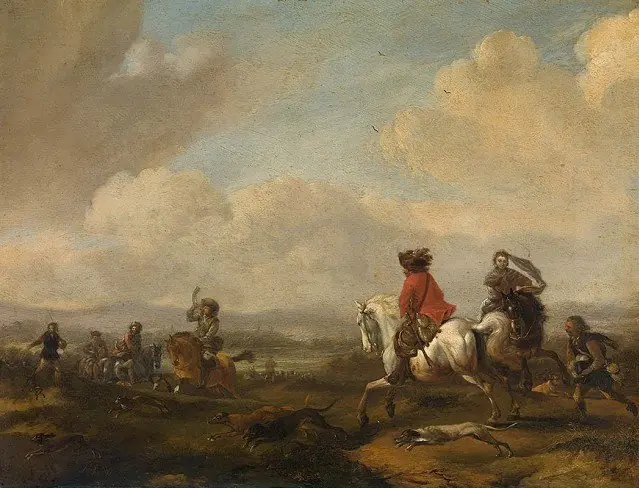 The Hare Hunt
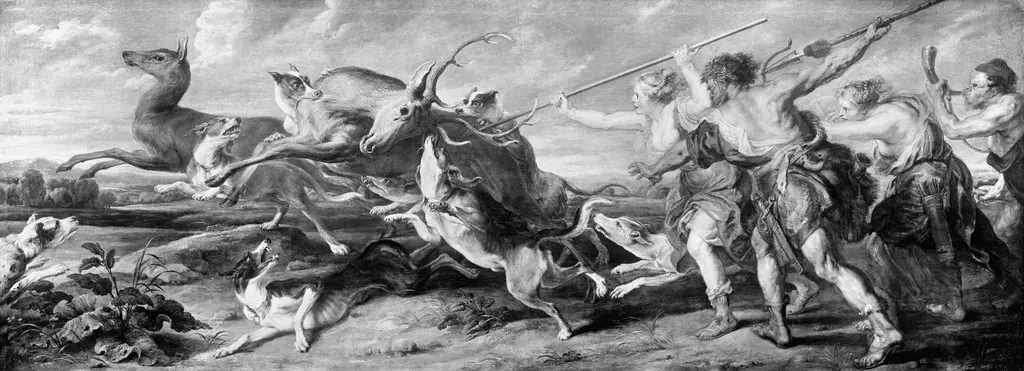 Diana on the stag hunt
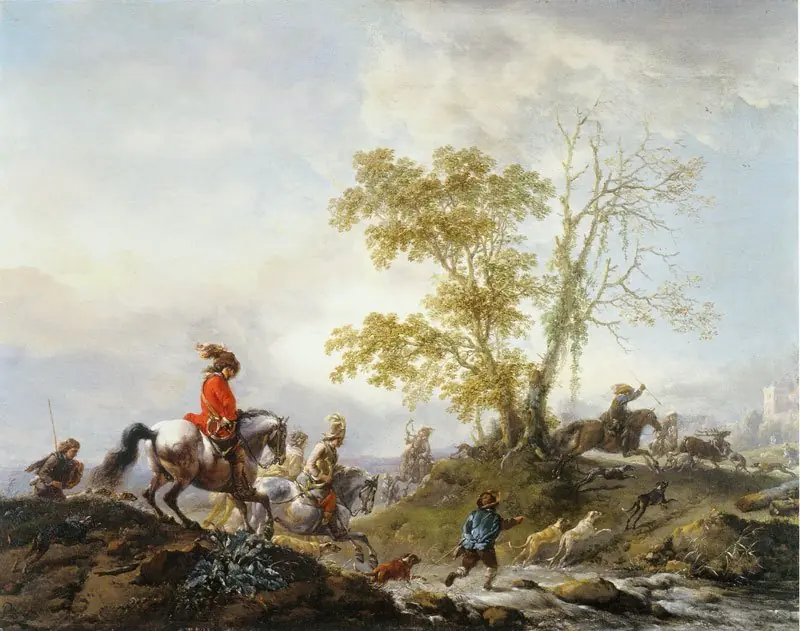 The Stag Hunt (1659)
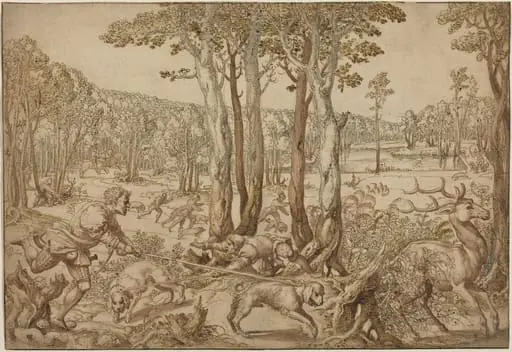 The Hunts of Maximilian: The Stag Hunt (August)
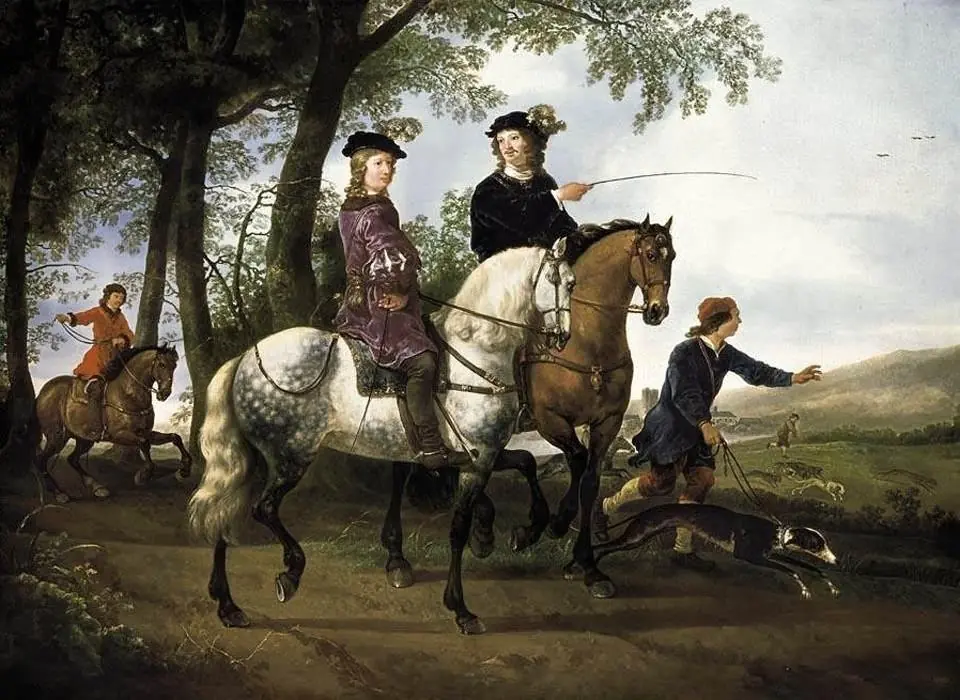 Landscape with a Youth and his Tutor on Horseback
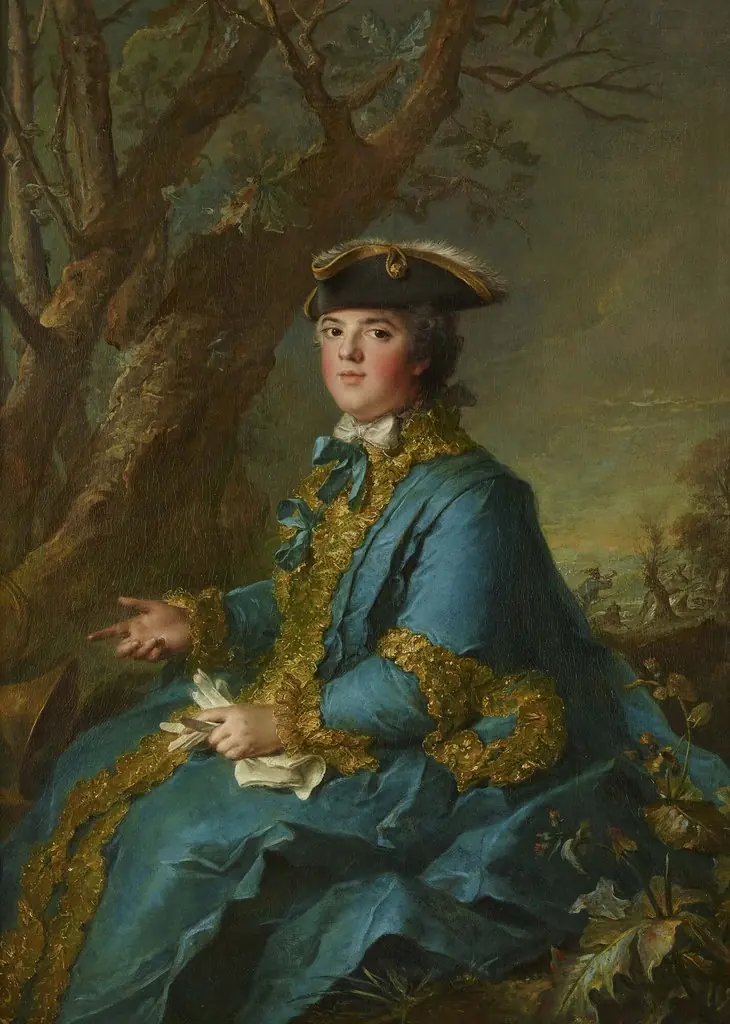 Posthumous portrait of Louise-Élisabeth de France, Duchess of Parma
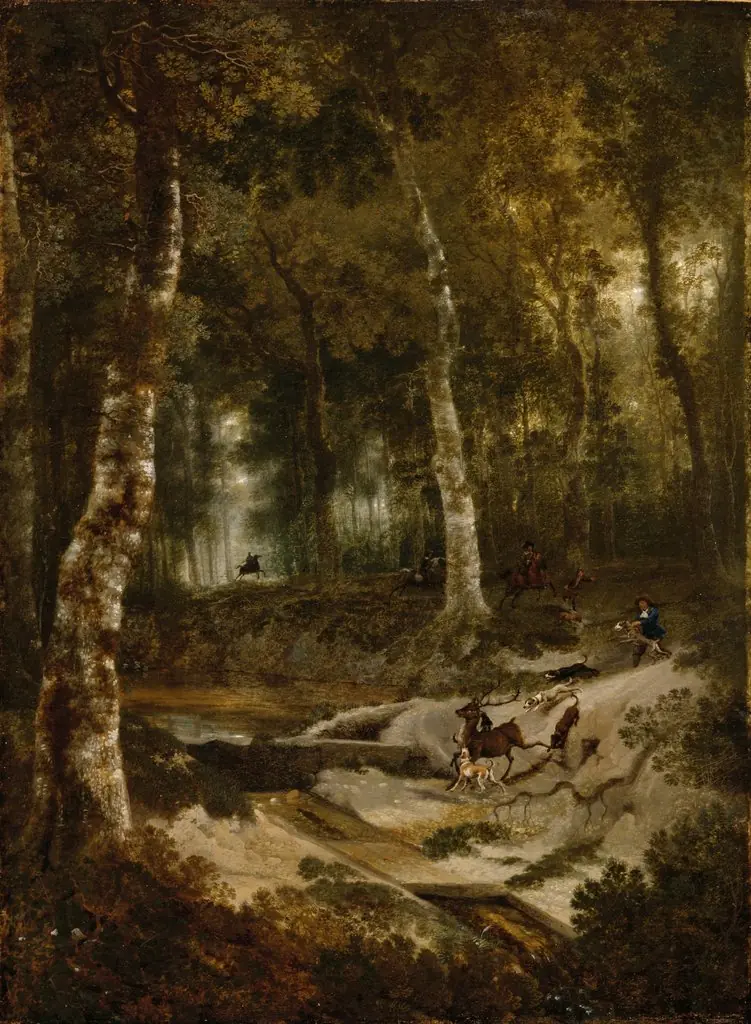 Forest Landscape with Stag Hunt
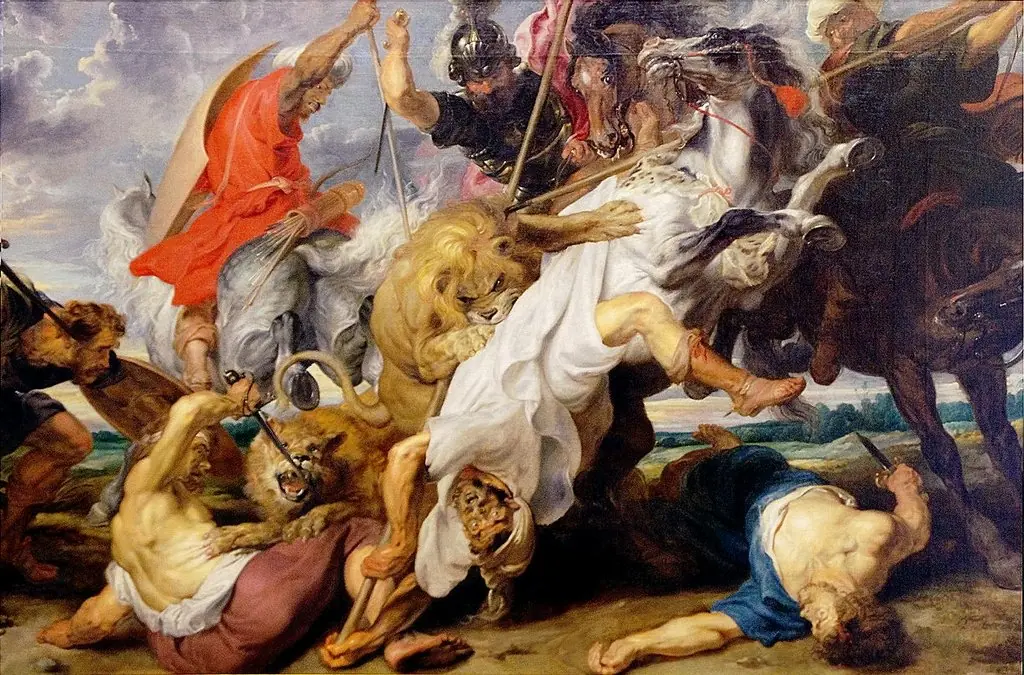 The Lion Hunt
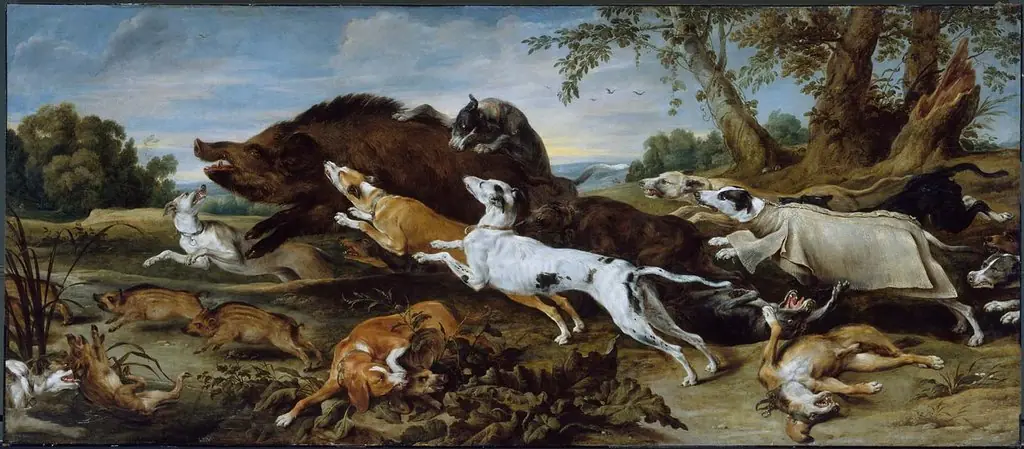 Boar Hunt
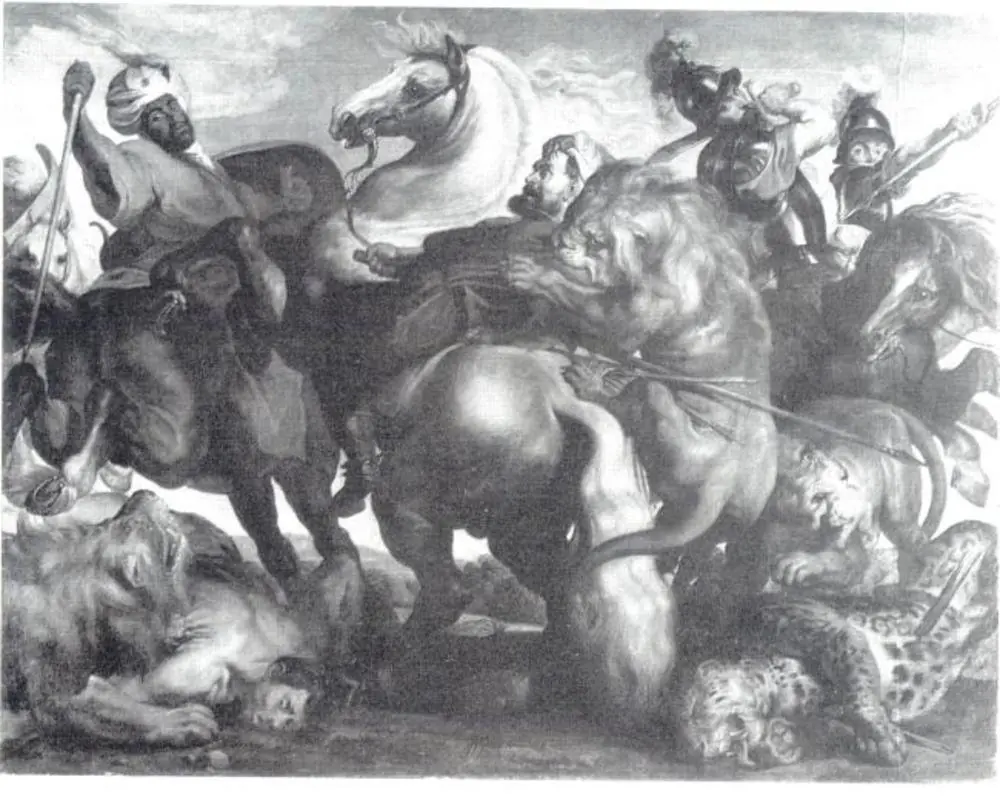 The Lion and Leopard Hunt
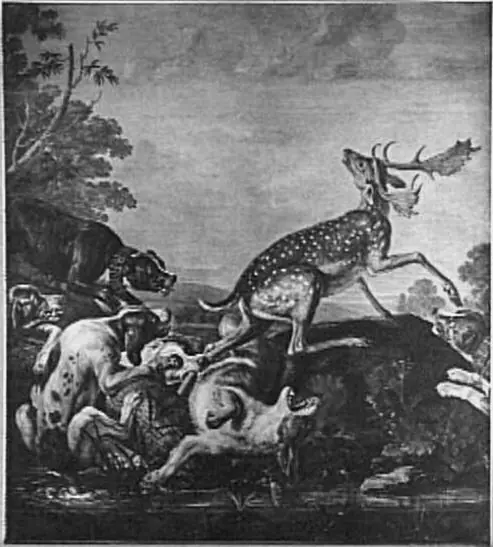 The Stag Hunt
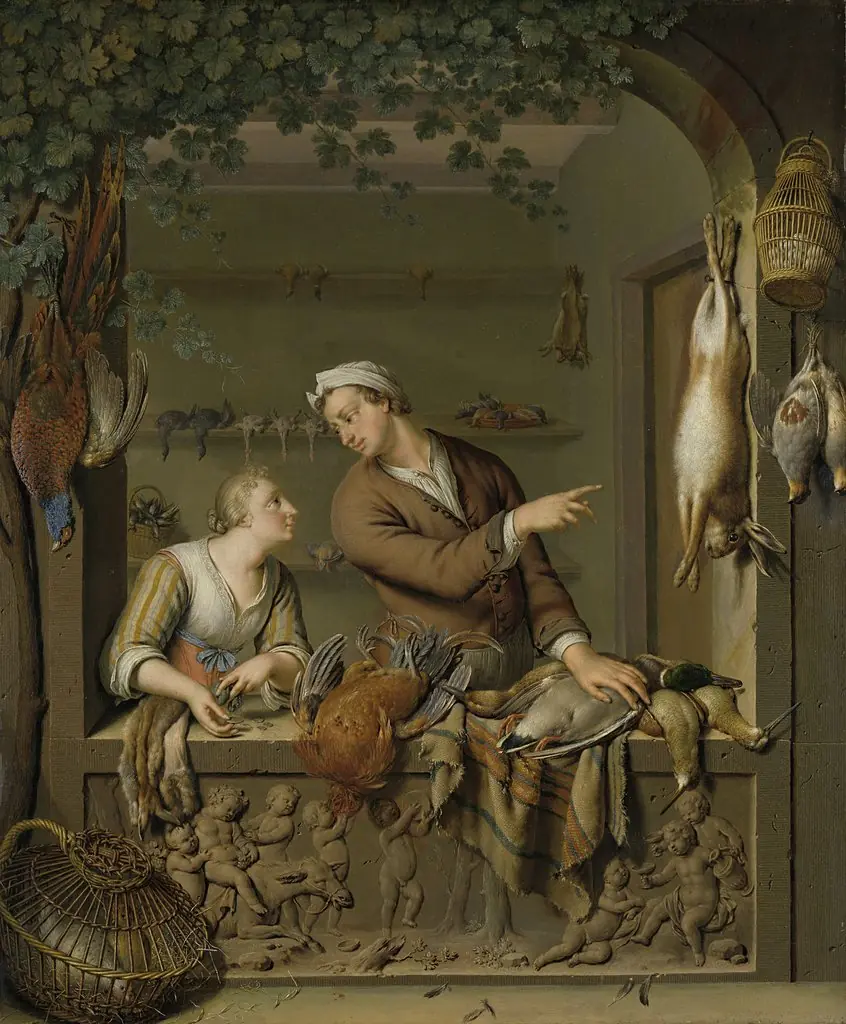 The Poultry Seller
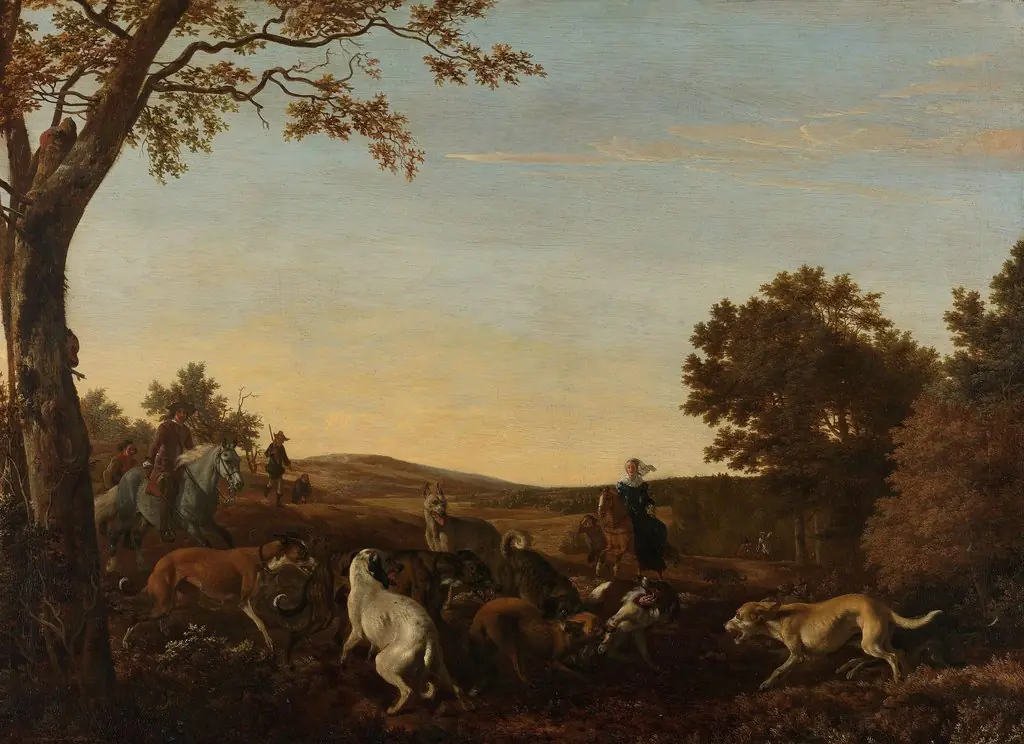 The fox hunt
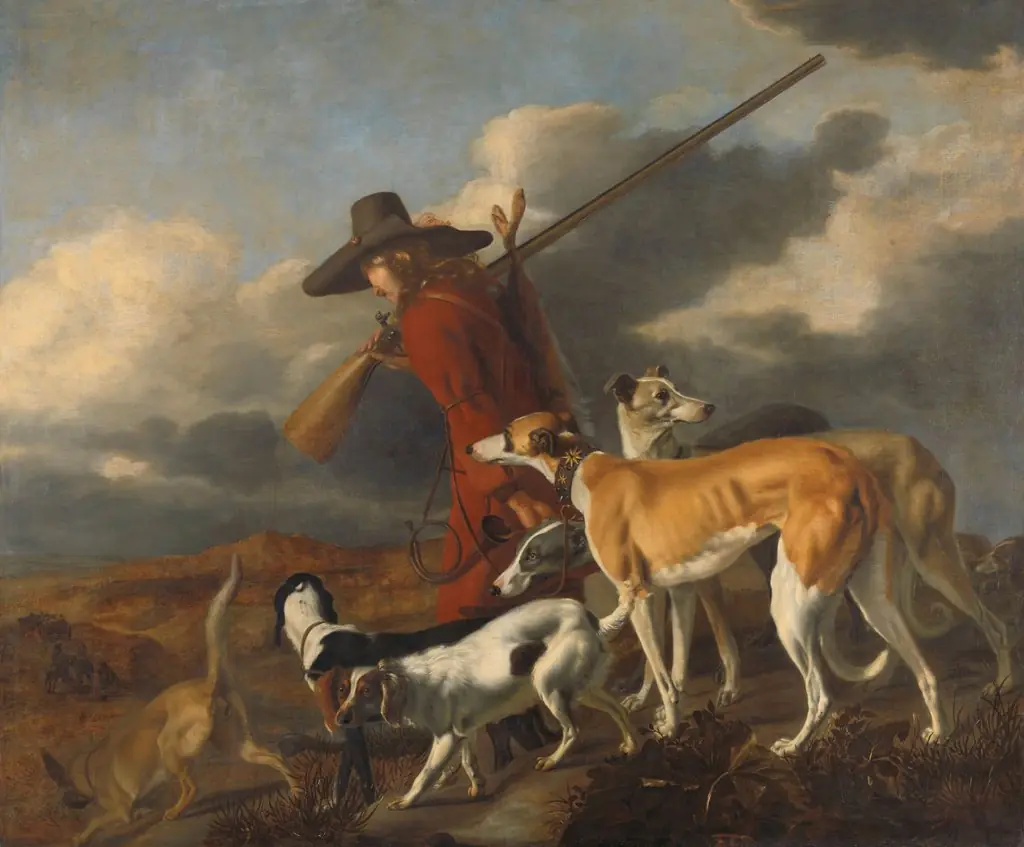 The hunter
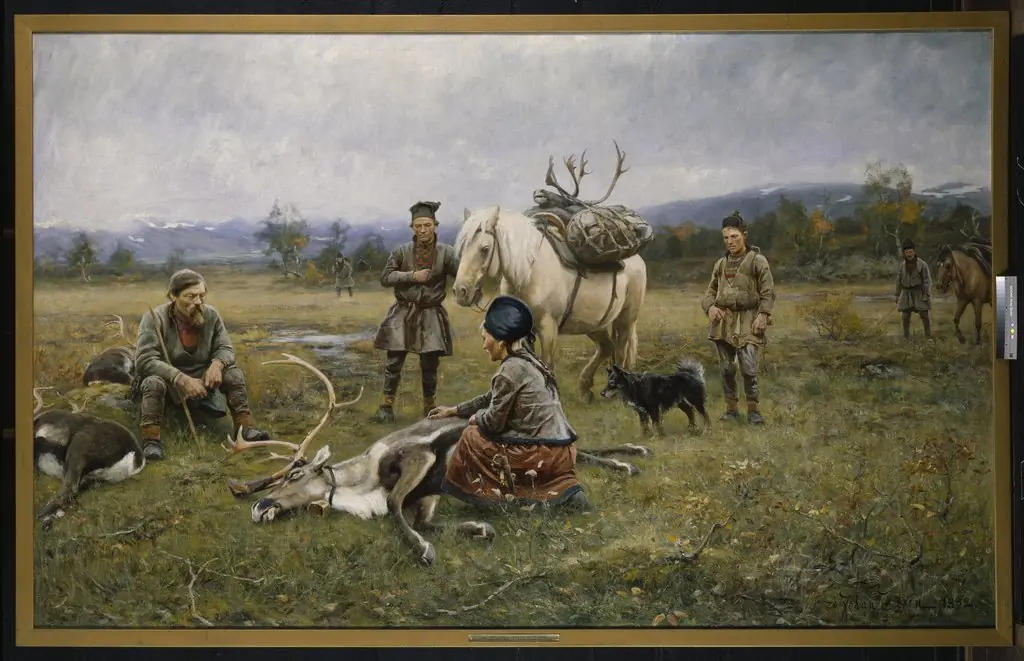 Sami Collecting Reindeer which have Been Shot
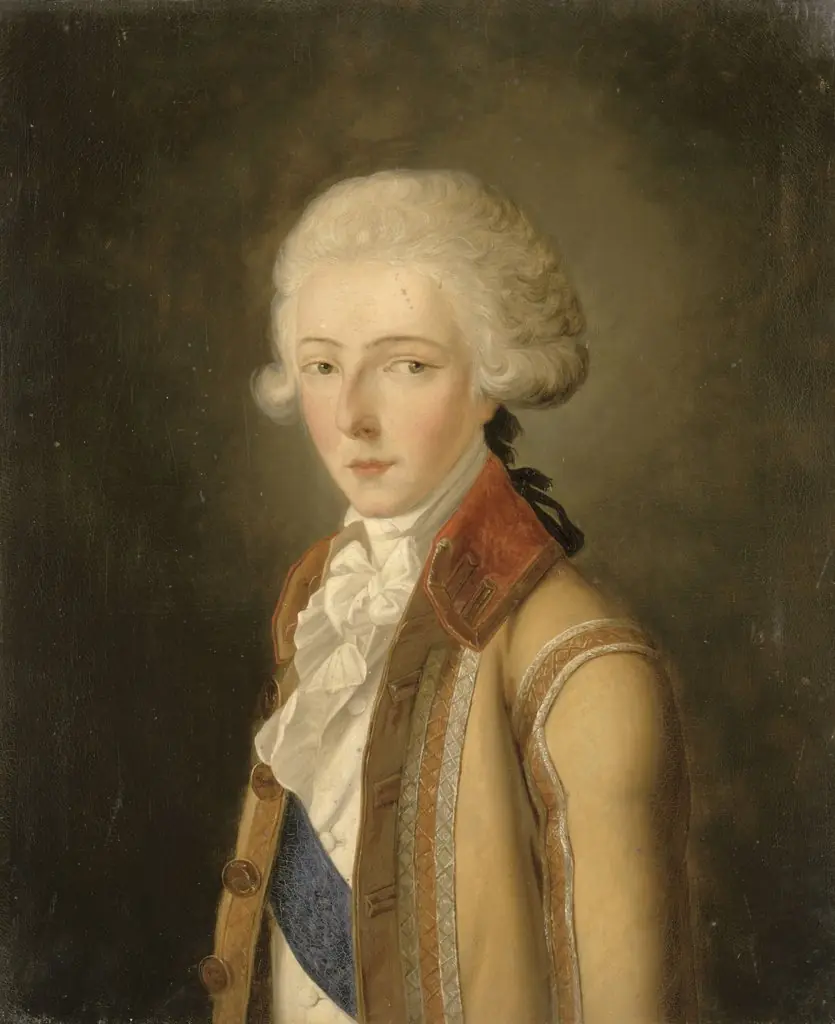 Louis Antoine de Bourbon, Duke of Enghien (1772—1804)
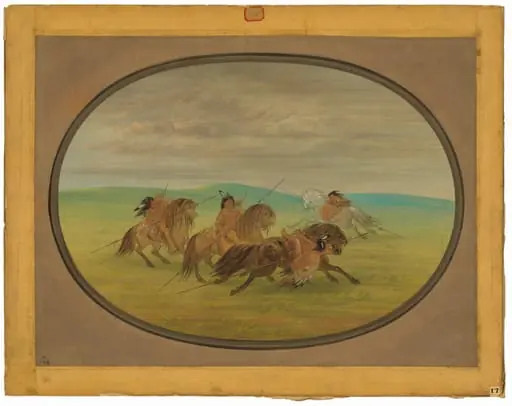 Camanchee Horsemanship
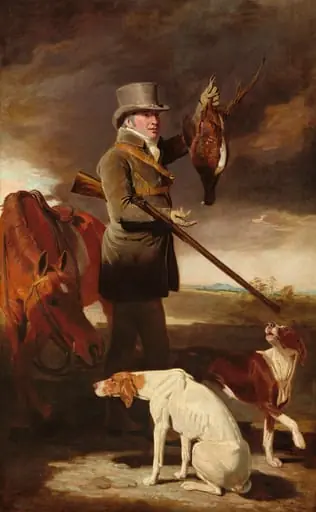 J.G. Shaddick, the Celebrated Sportsman
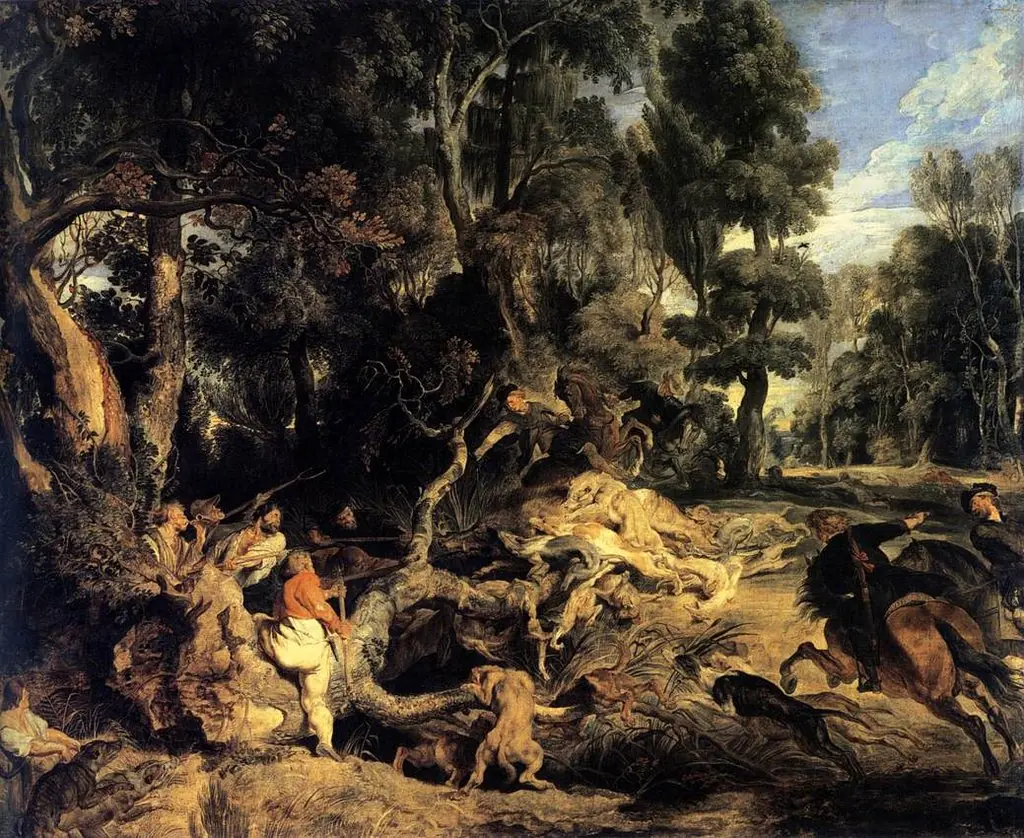 Landscape with Boar Hunt
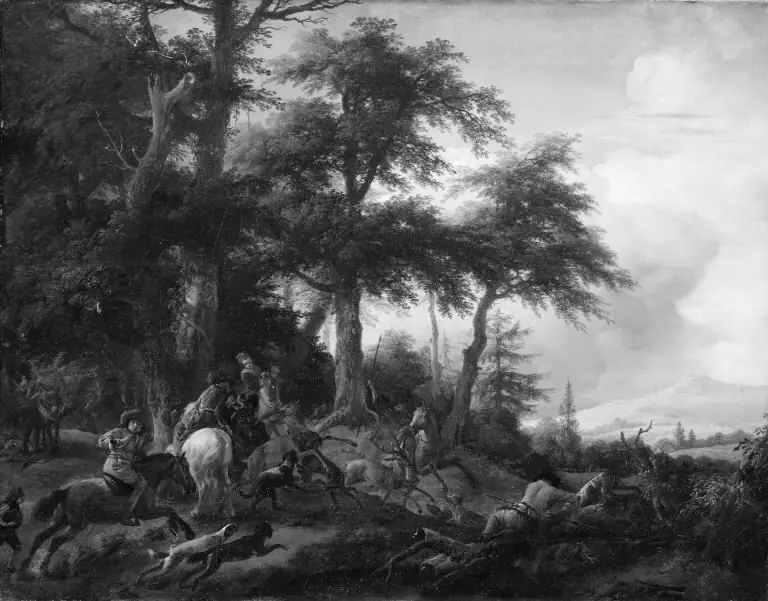 Hunting to Hounds
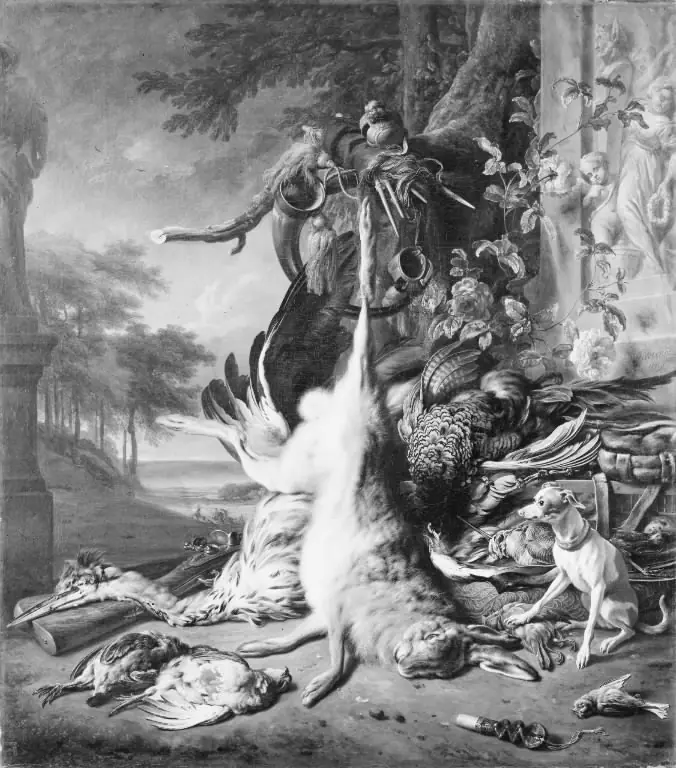 Dead Game
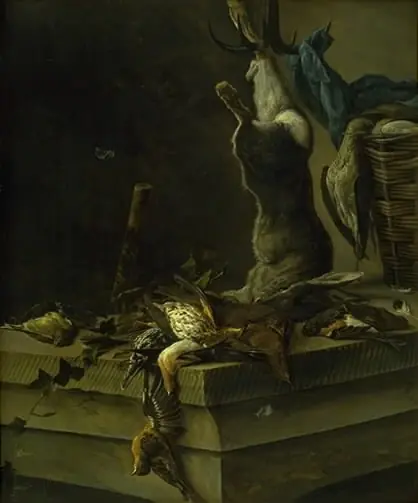 Still Life of Dead Game
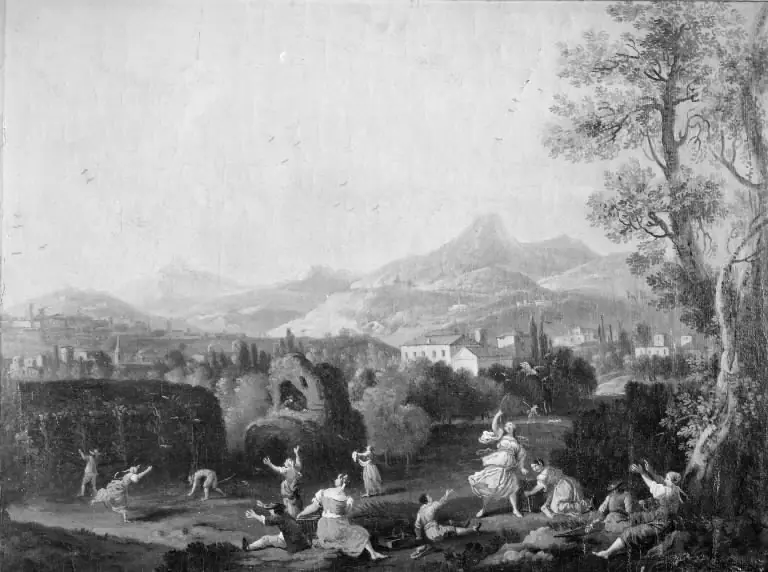 Landscape with Bird-Catching
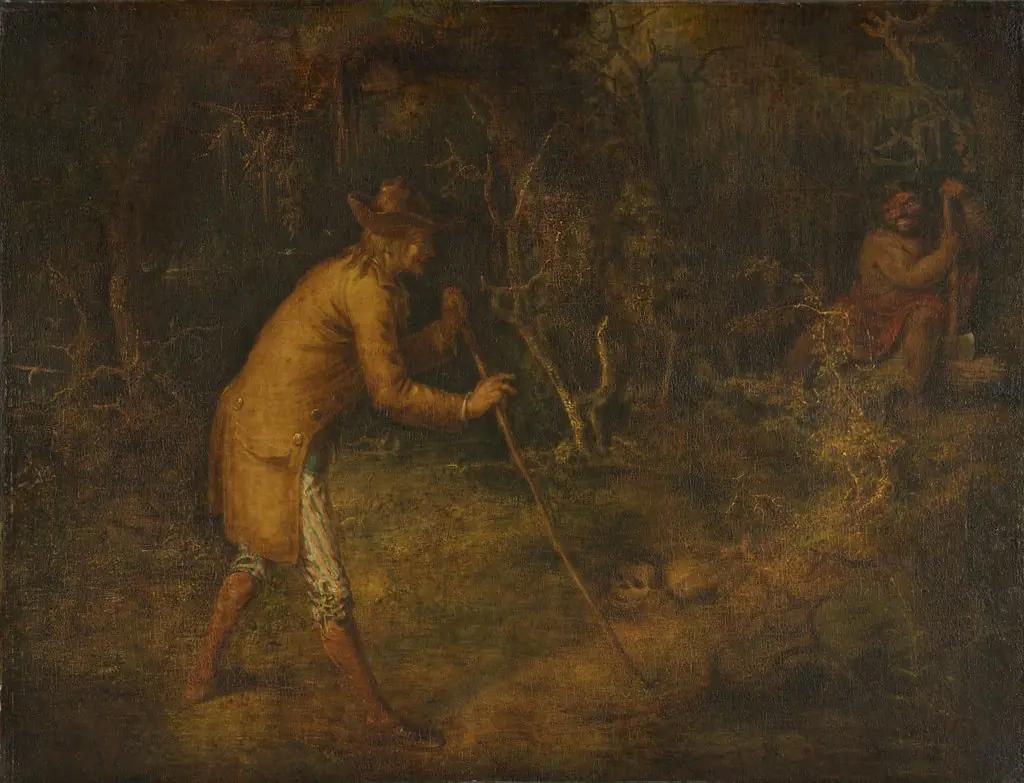 The Devil and Tom Walker
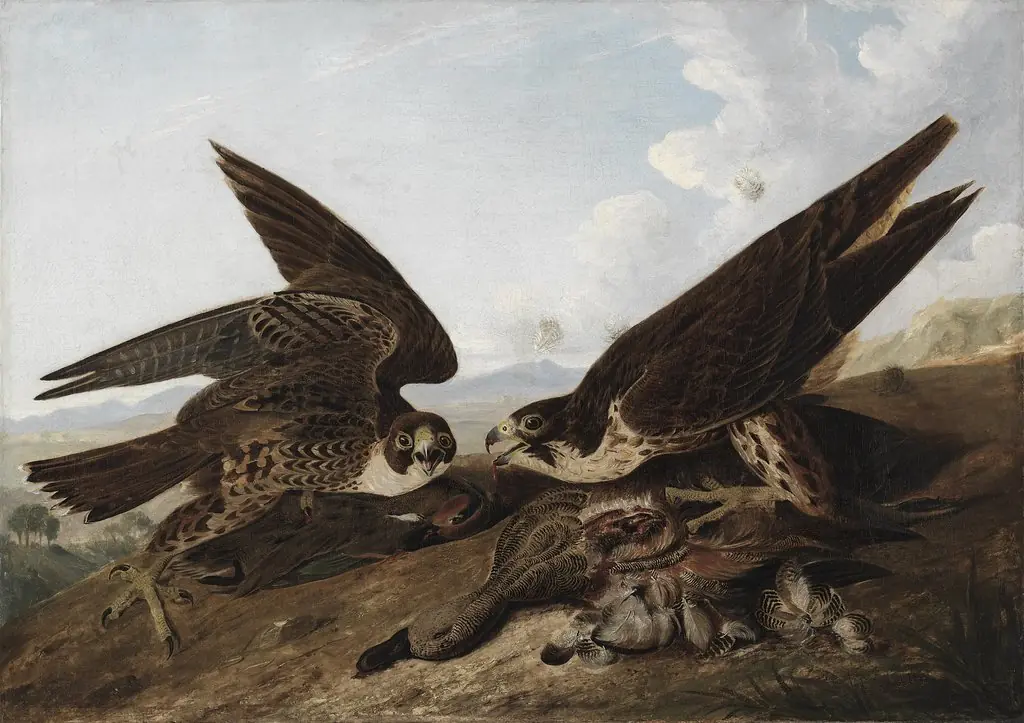 Peregrine Falcons (Duck Hawks)
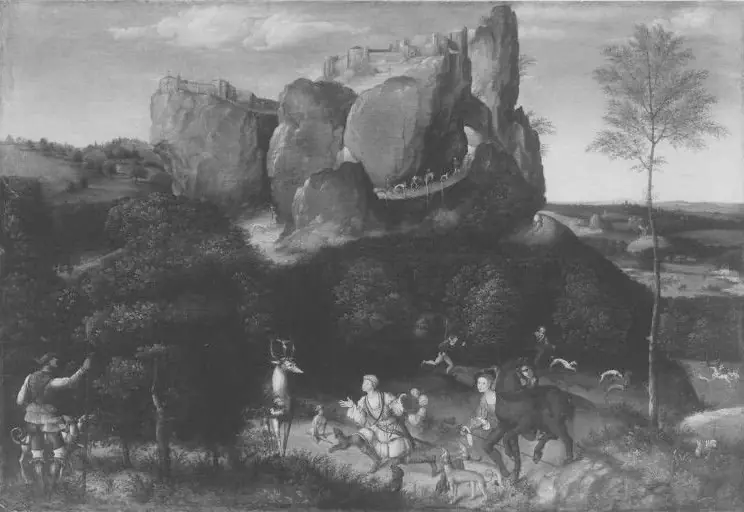 Landschaft mit dem hl. Hubertus
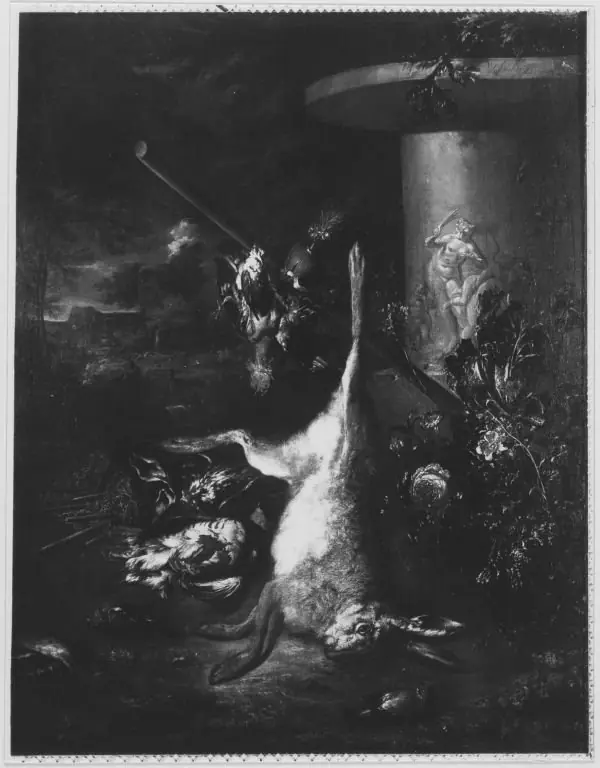 Dead hare
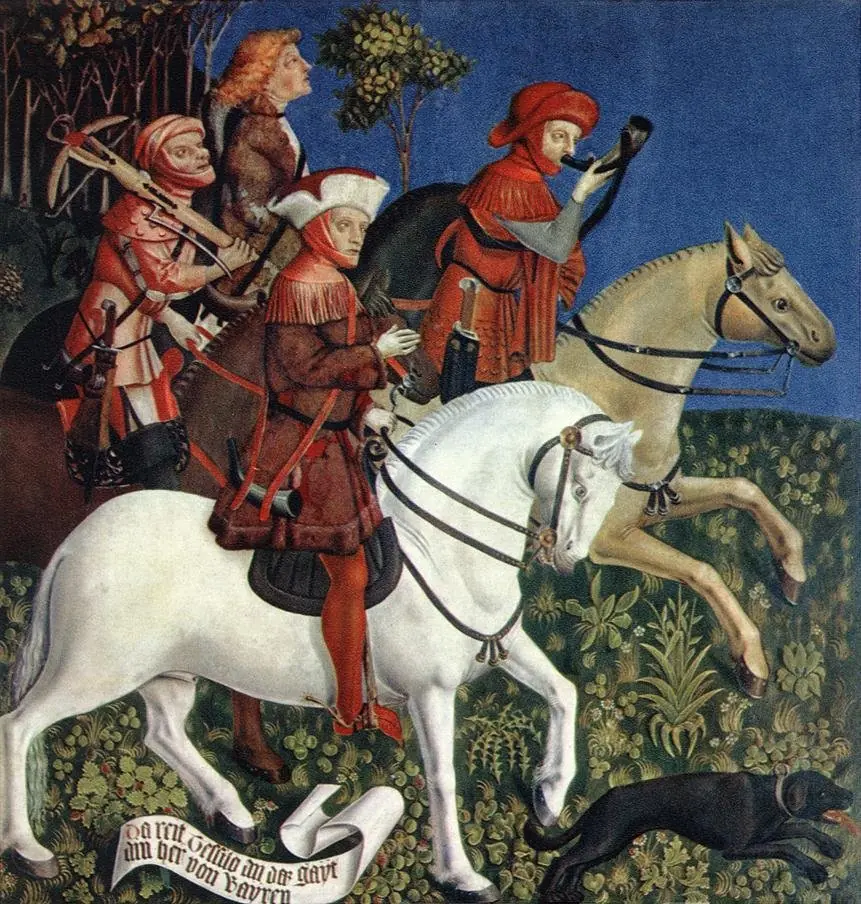 Prince Tassilo Rides to Hunting
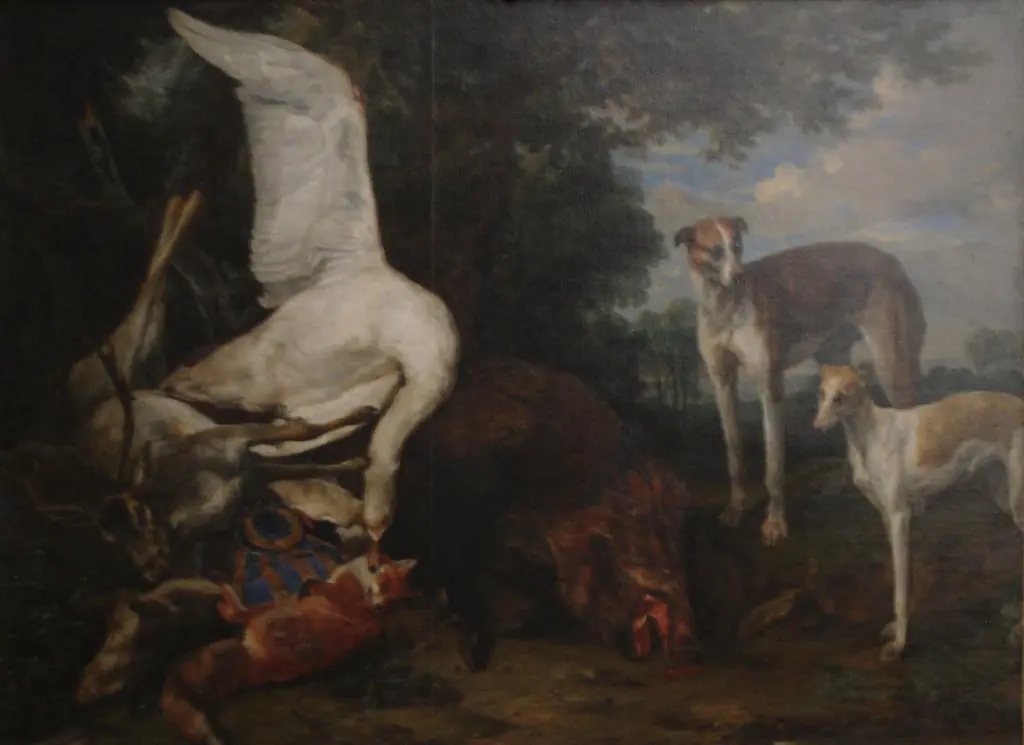 Erlegtes Wild von zwei Hunden bewacht
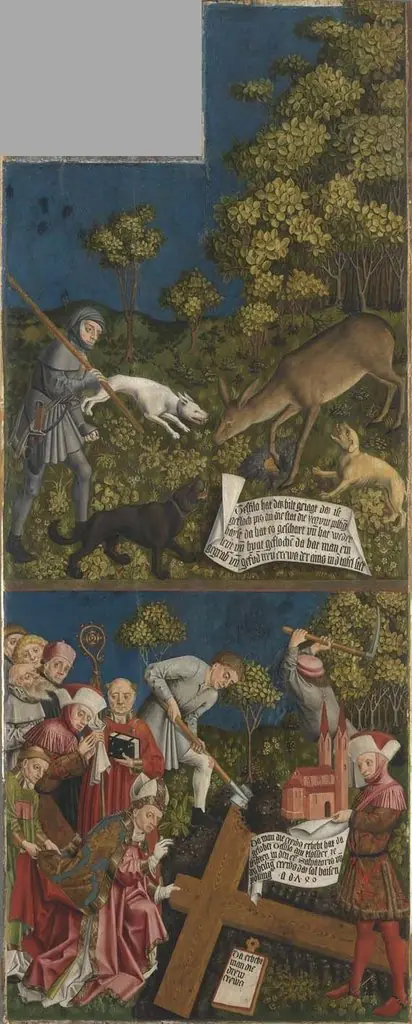 Altar of the Cross: The hinds finds the cross, Excavation of the cross (interior)
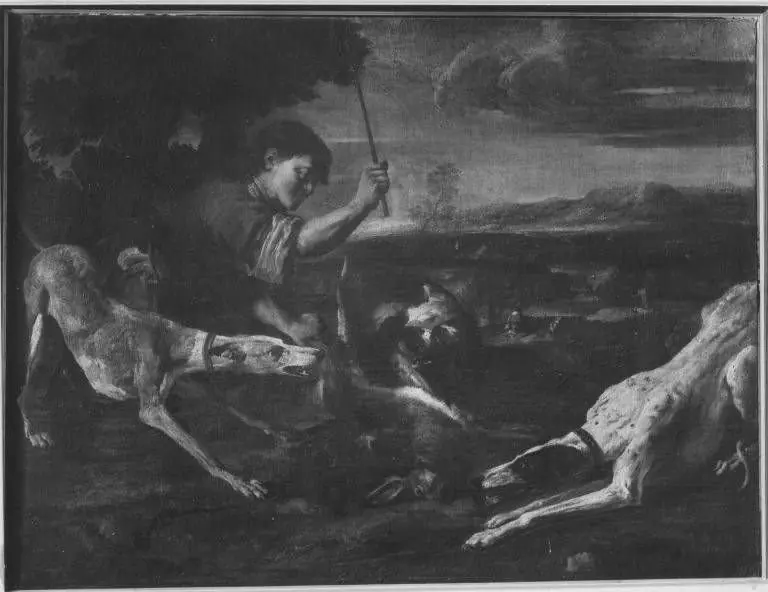 Landscape with a hunter and three dogs that kill a rabbit
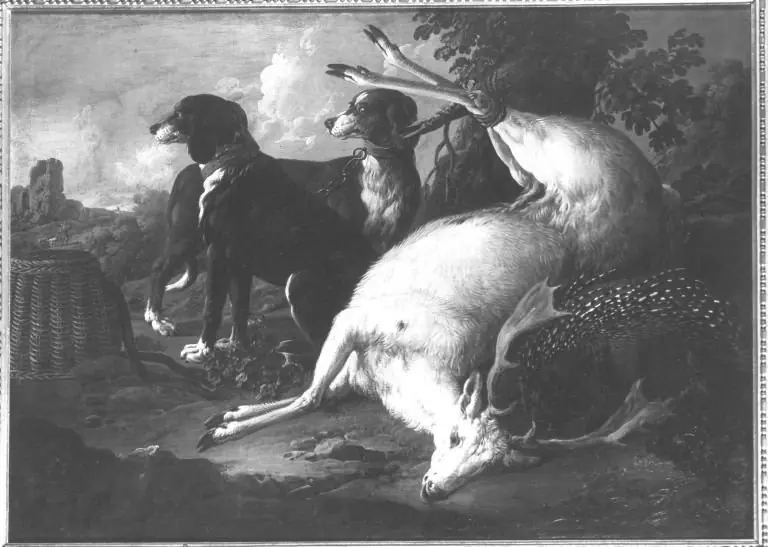 Jagdstillleben
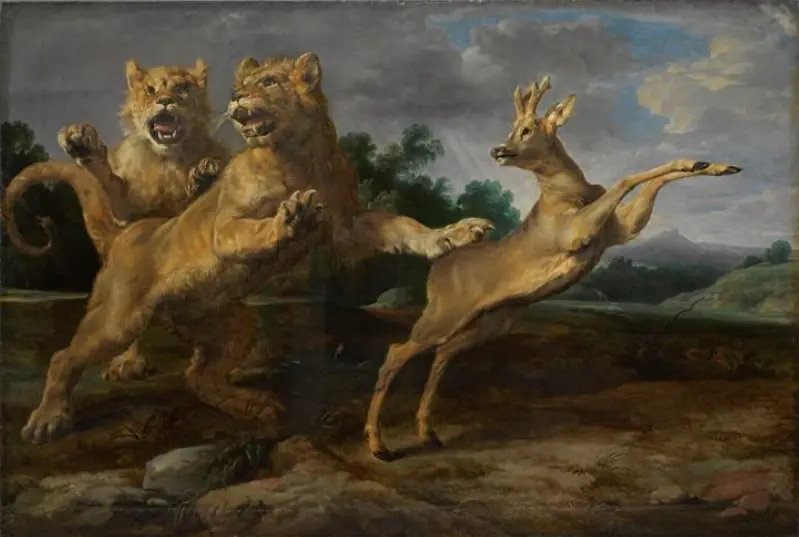 Two young lions chasing a roe
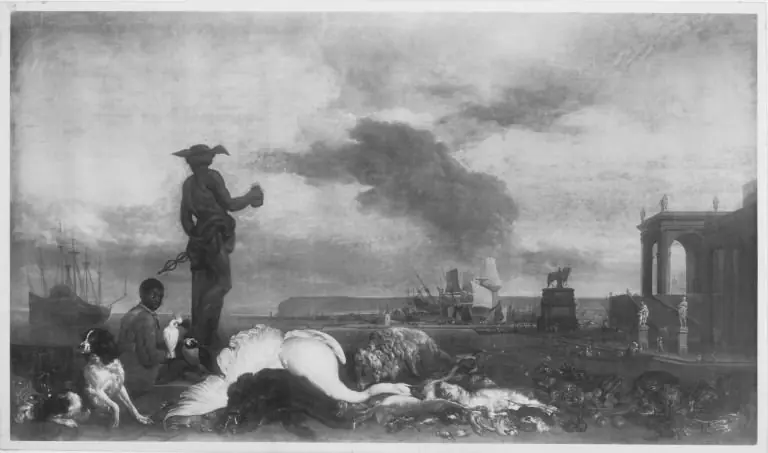 Game on a parapet near a seaport
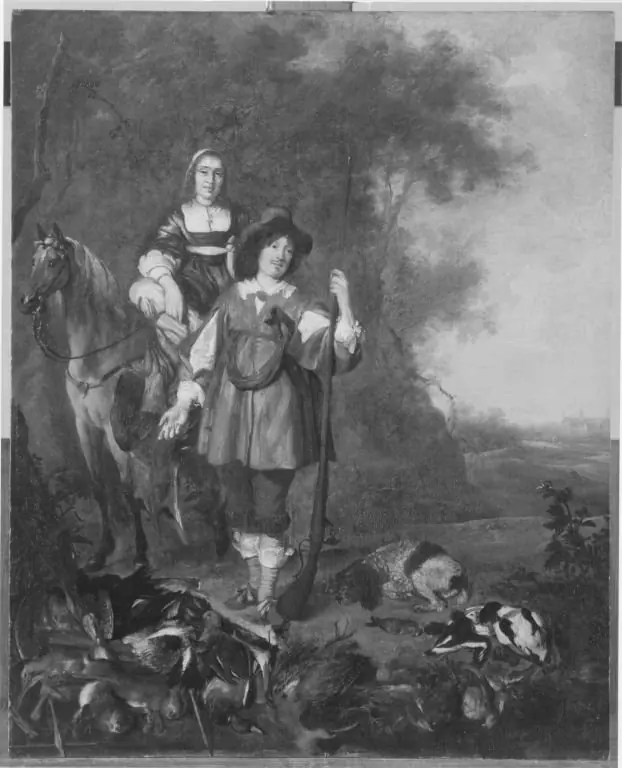 Double portrait of a man and of a woman on horseback
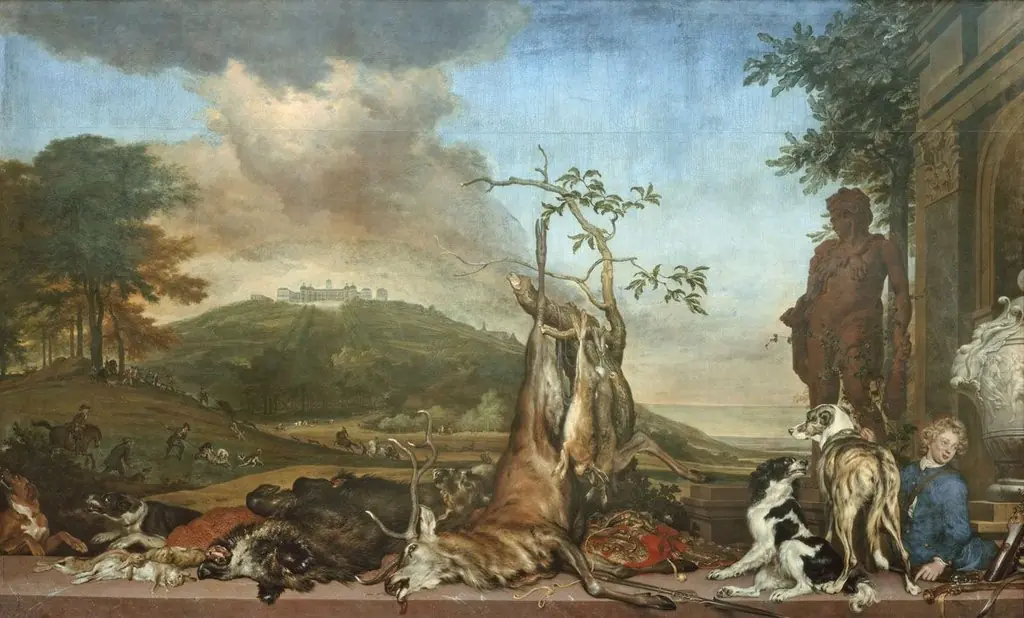 Hunting still life with a landscape and Bensberg Castle
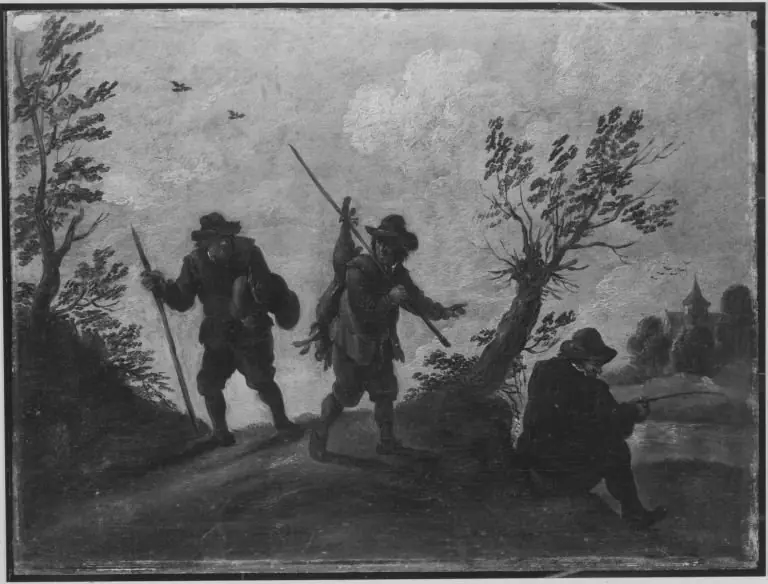 Landschaft mit Staffage (Kopie nach)
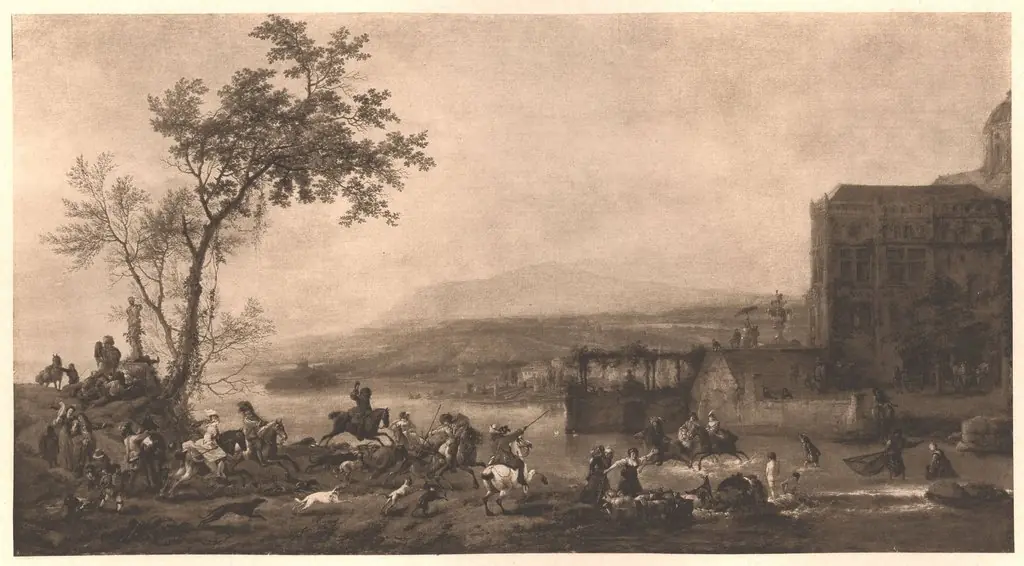 Stag Hunt near a River
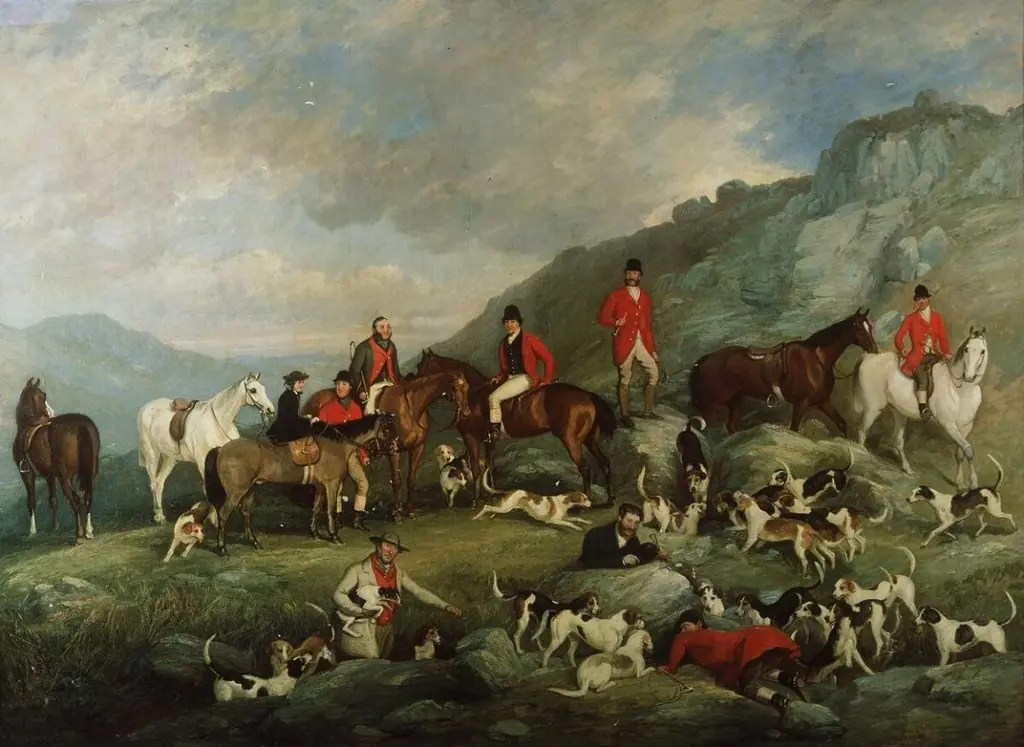 Gogerddan hunt
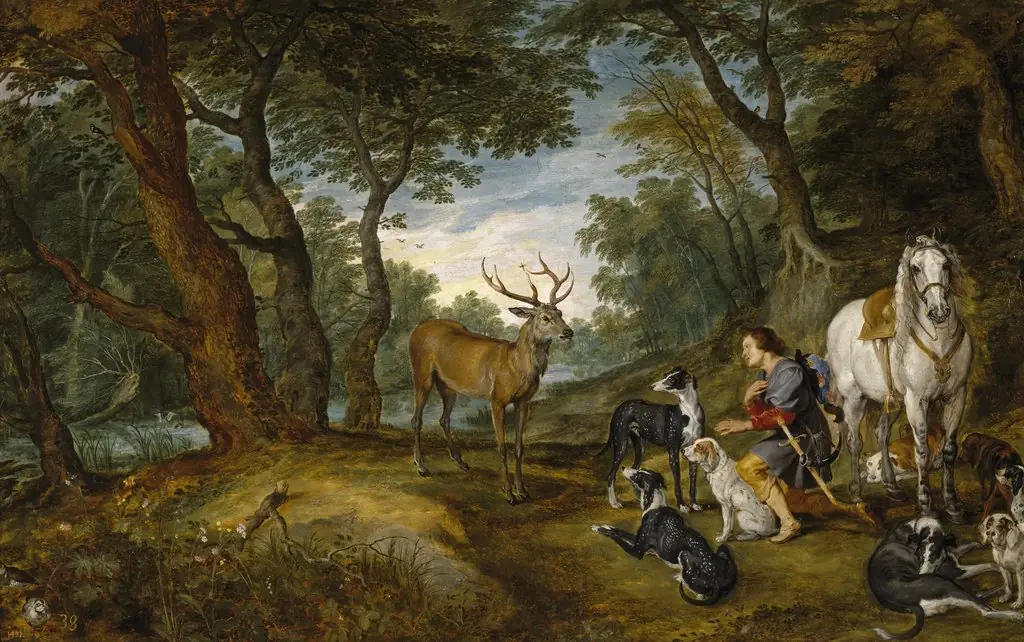 The Vision of St Hubert
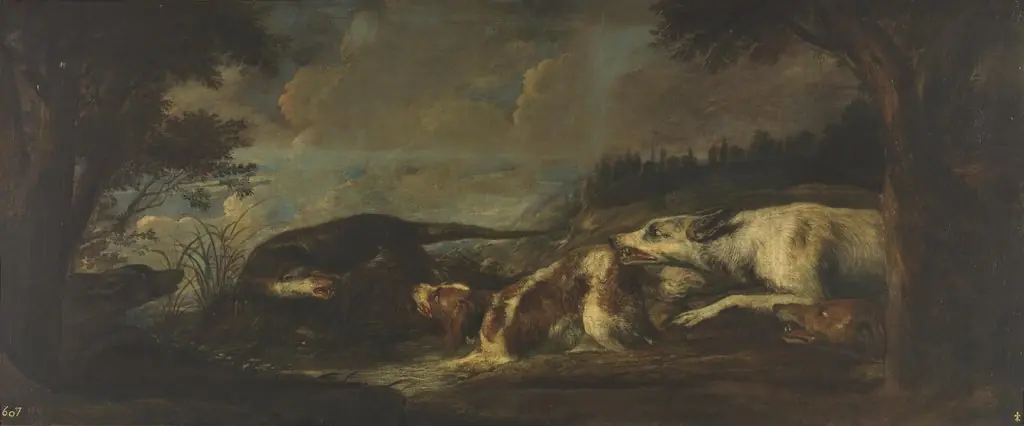 Otter harassed by dogs
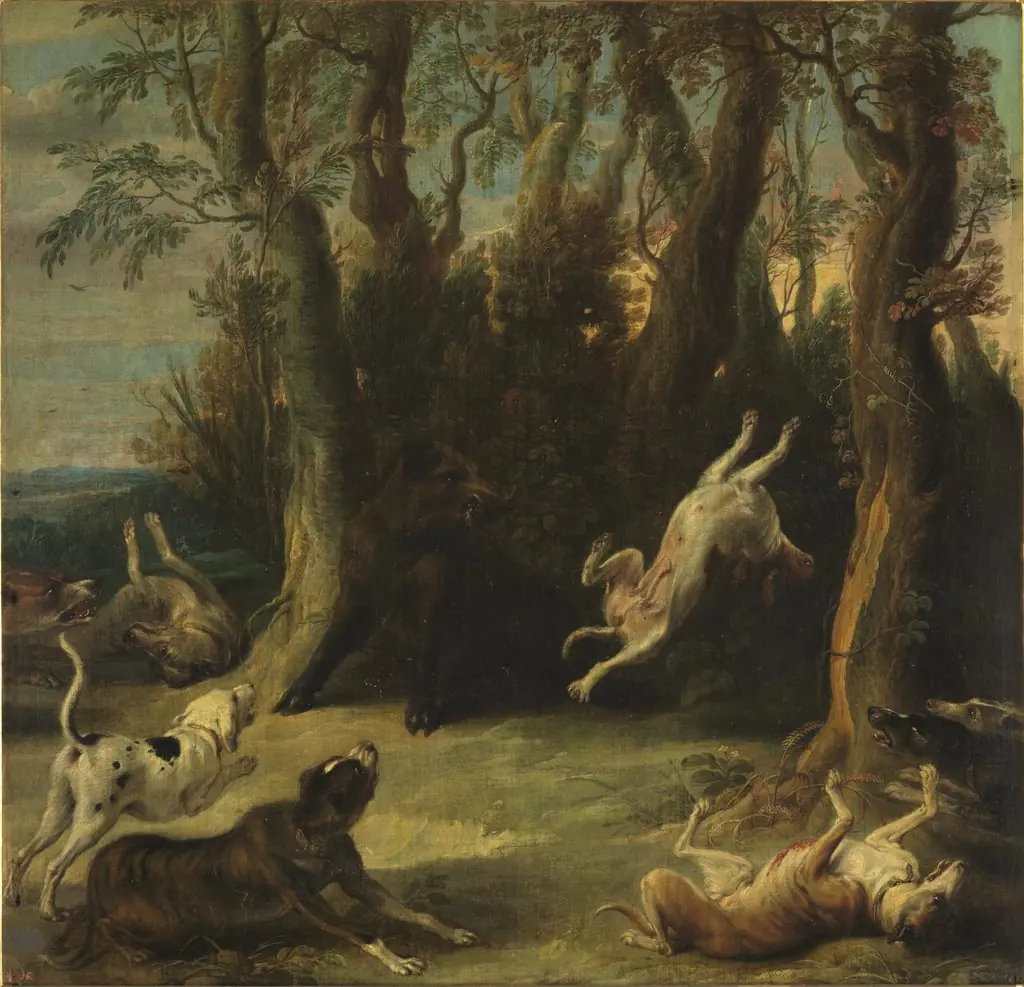 Dogs attacking a wild boar
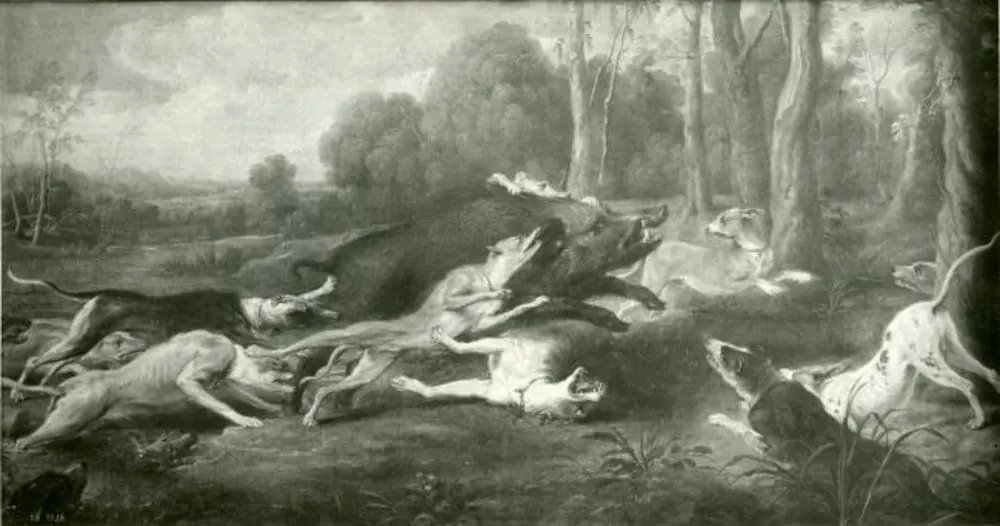 Dogs attacking a wild boar
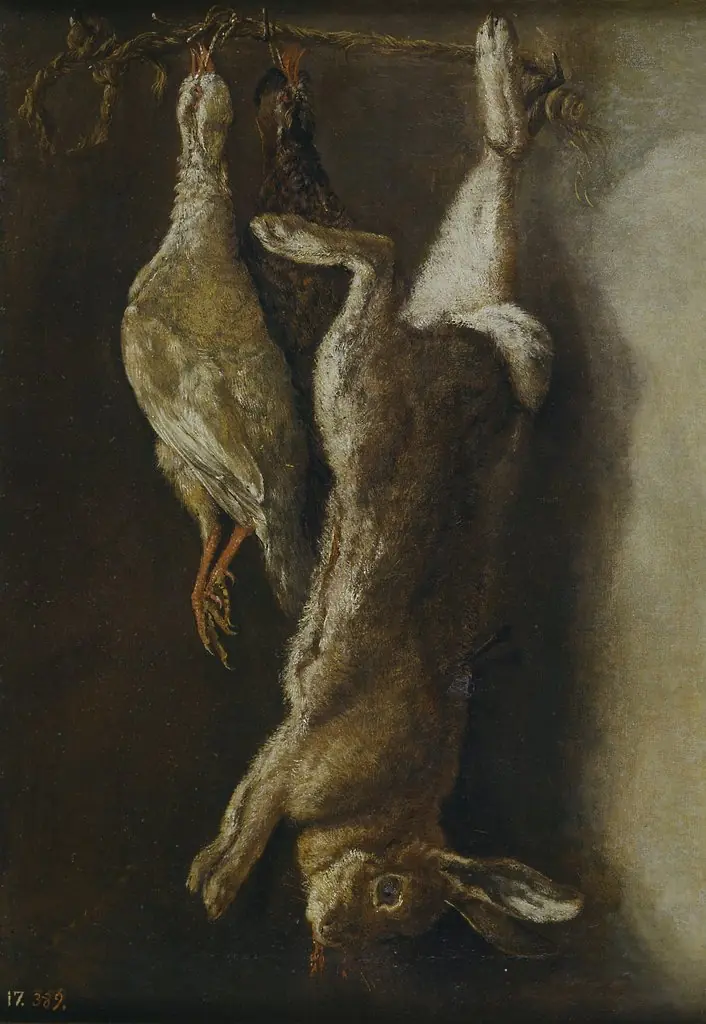 Kitchen still life with a hare and two partridges
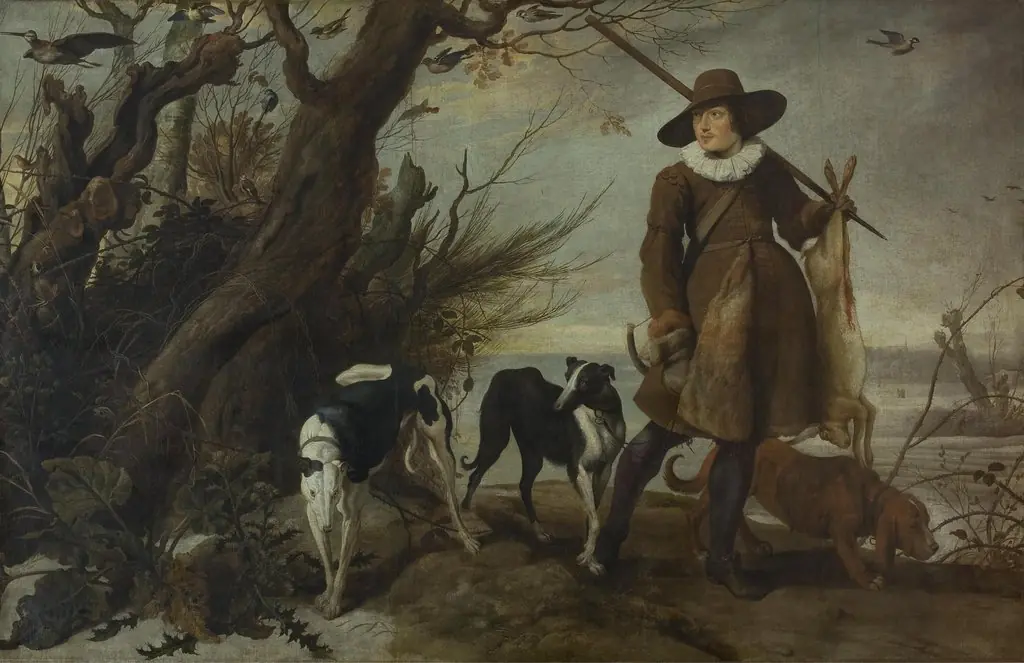 Hunter with Dogs in a Landscape
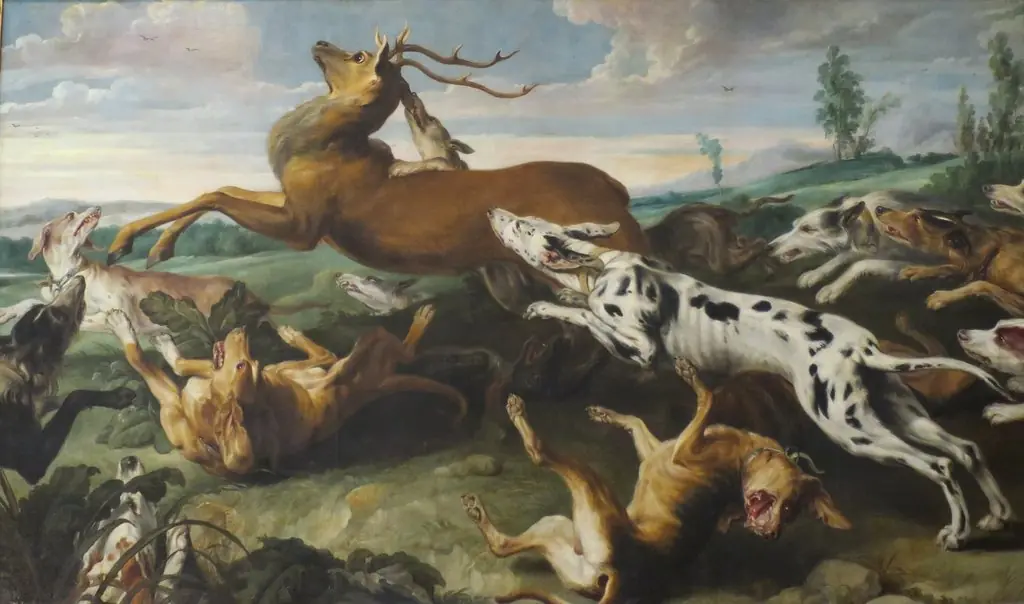 Deer Hunt
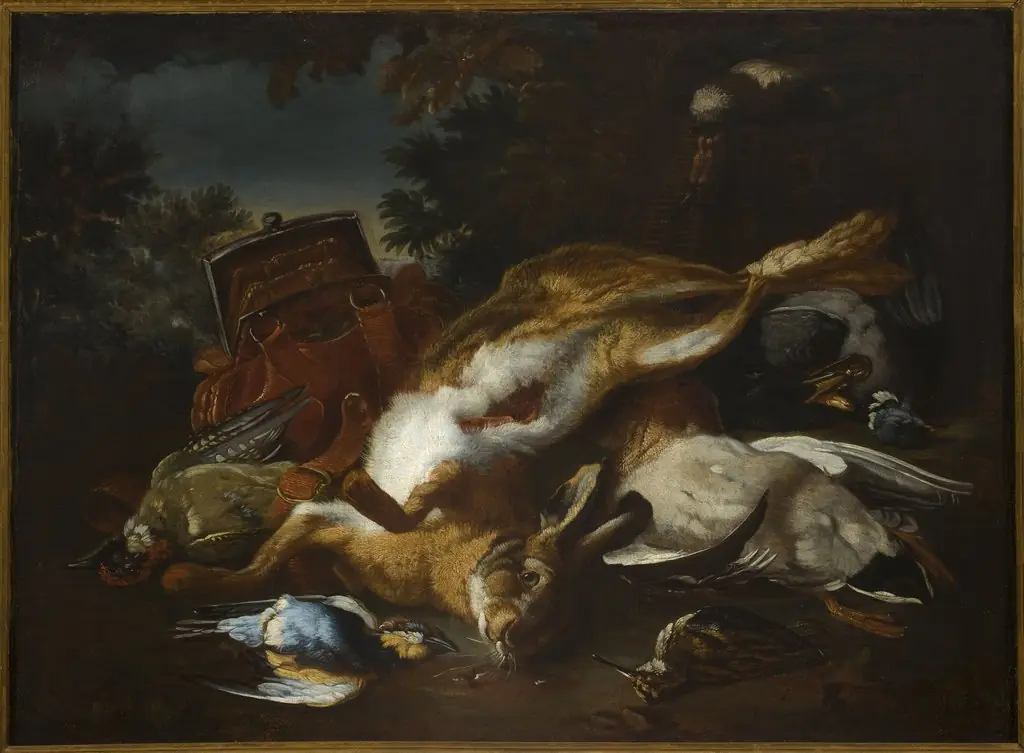 Still Life with a Hare, Wild Fowl and a Hunter's Bag
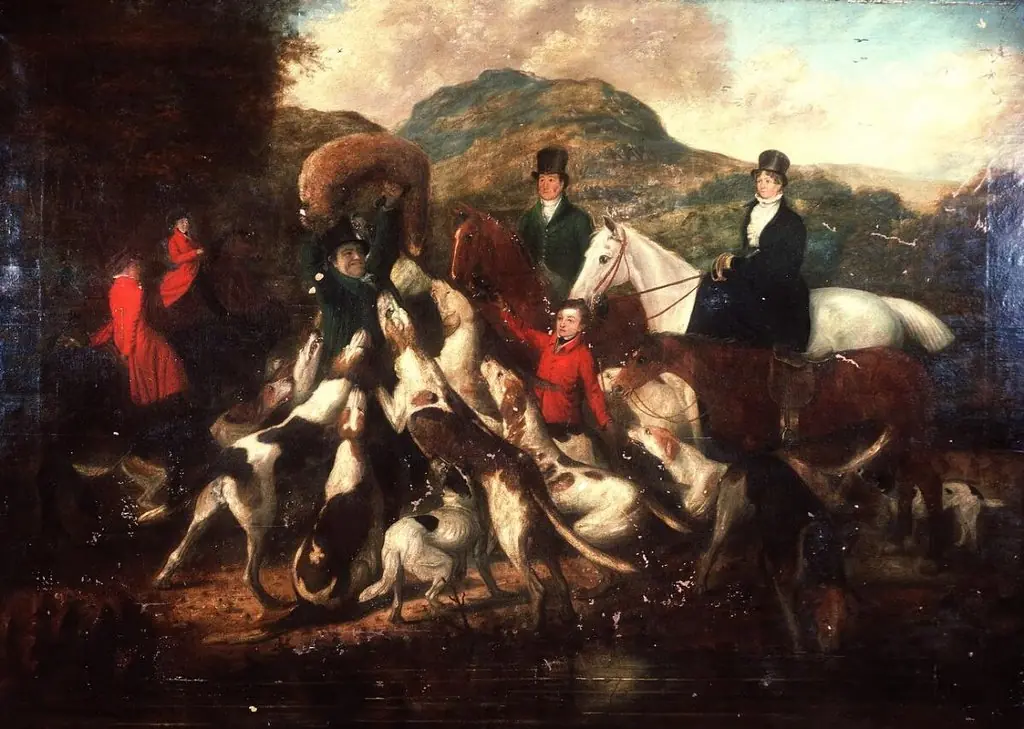 Gogerddan hunt
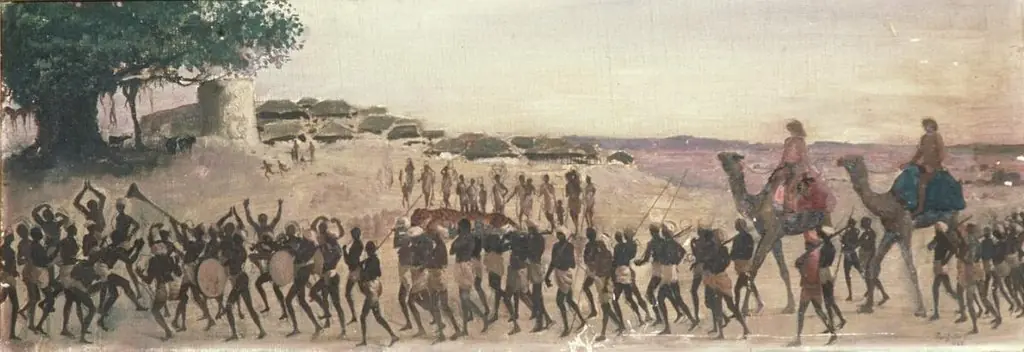 Tiger shooting in East Berar
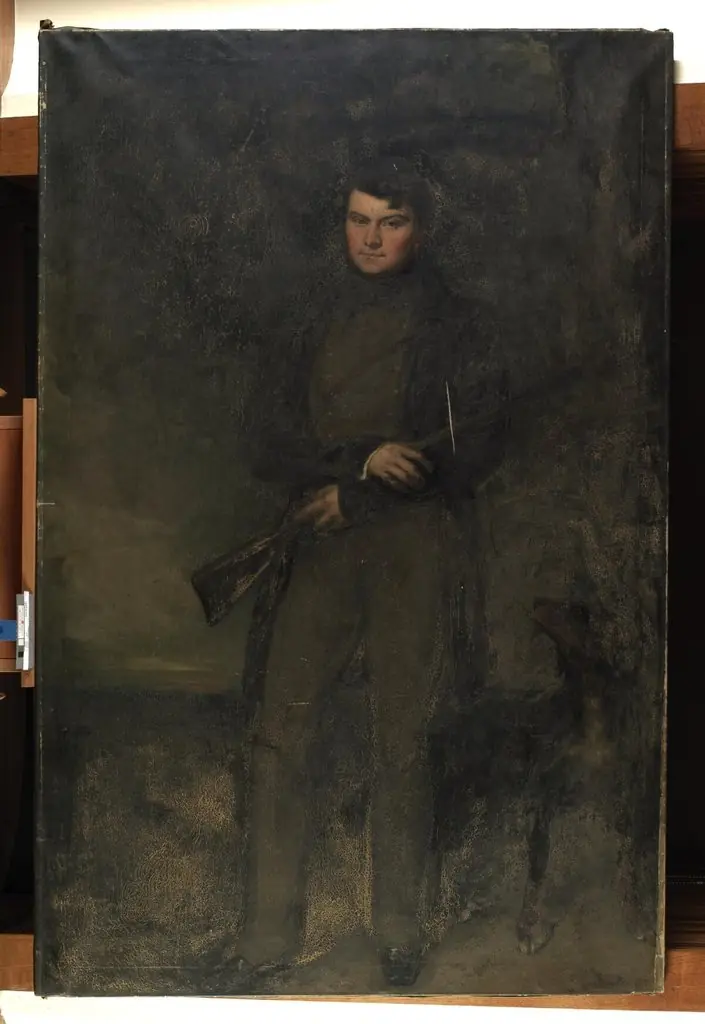 Gentleman huntsman with dog
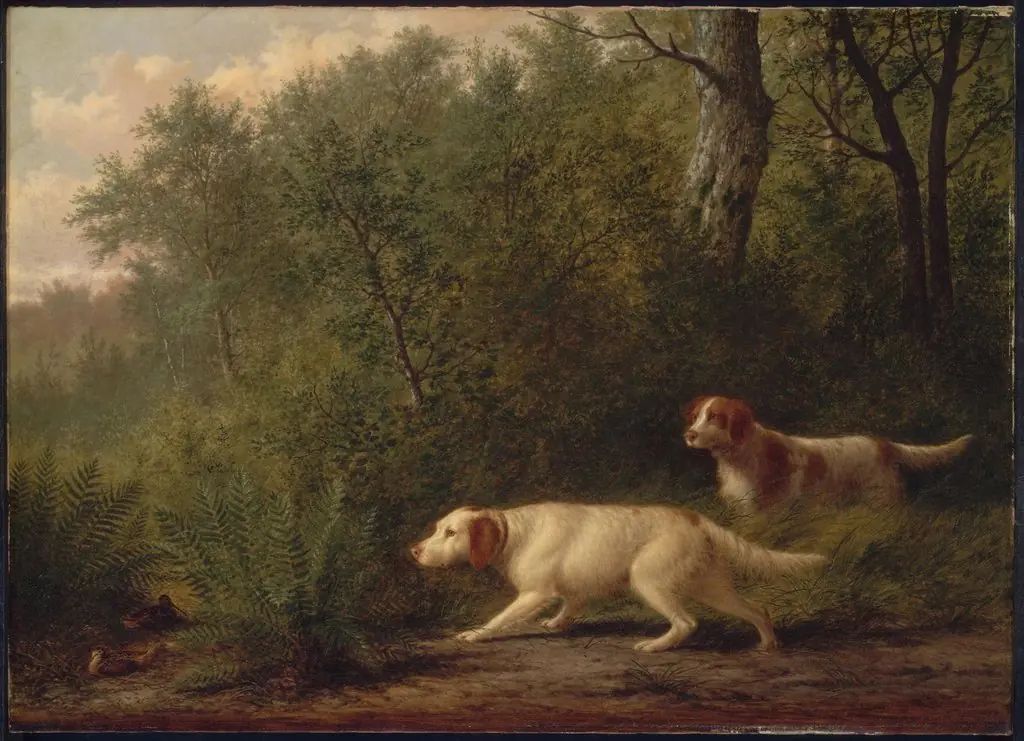 Landscape with Dogs
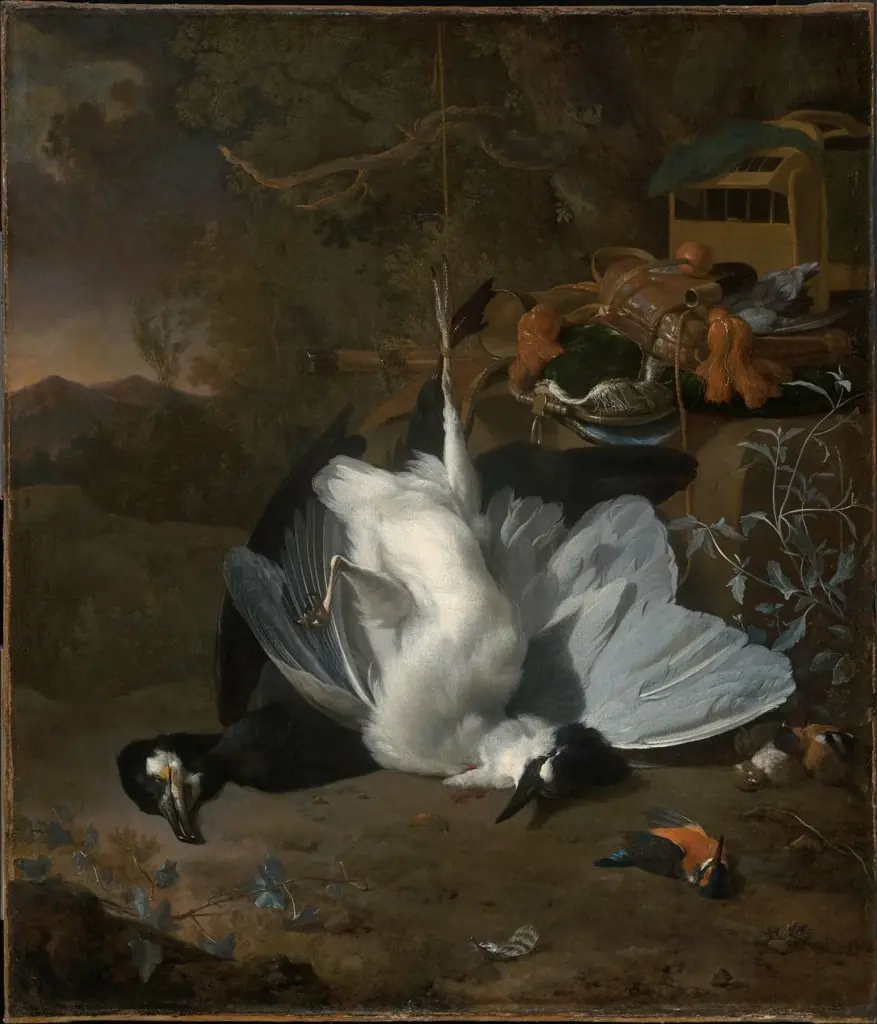 Dead Birds and Hunting Equipment in a Landscape
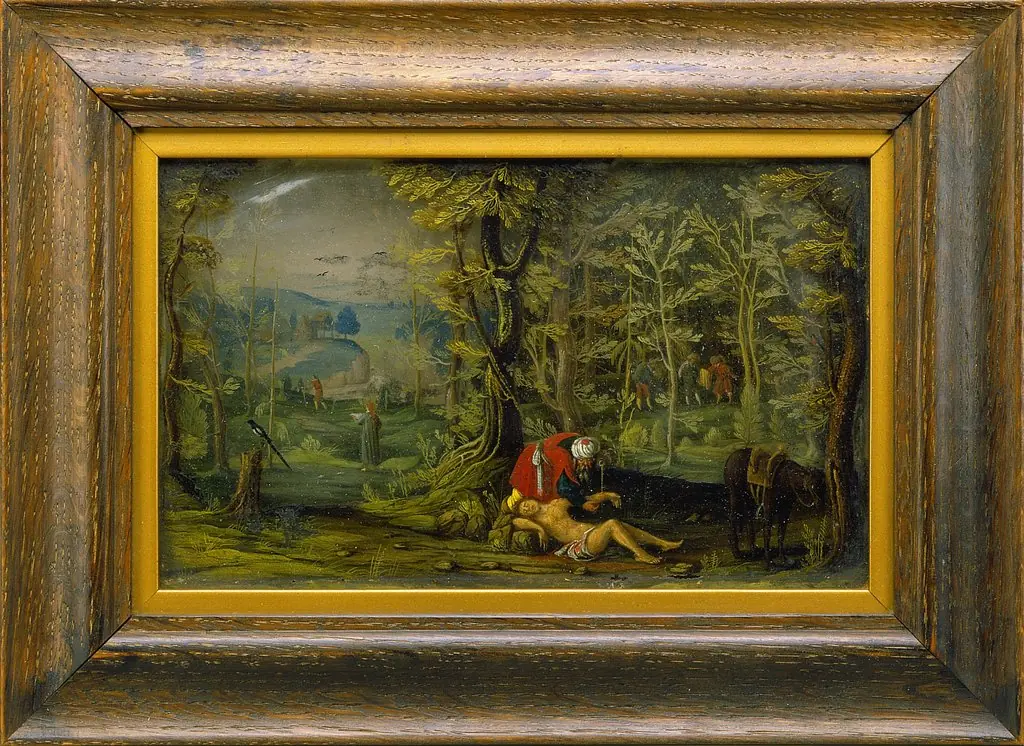 The Good Samaritan
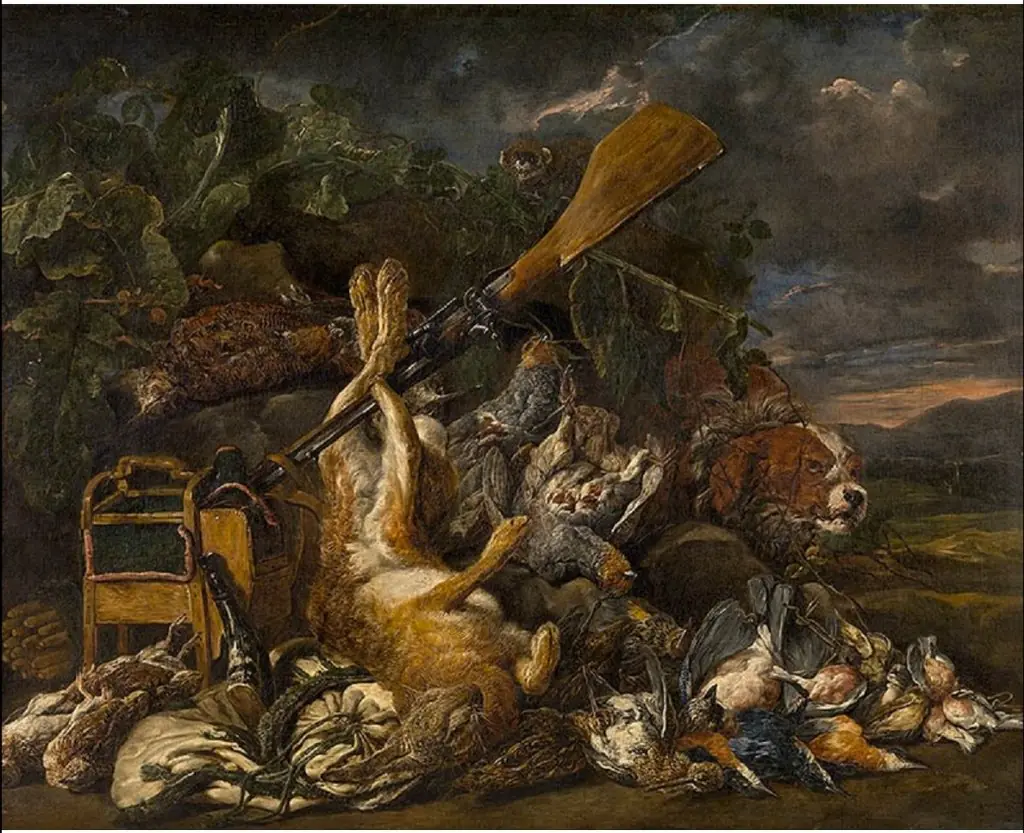 After the Hunt
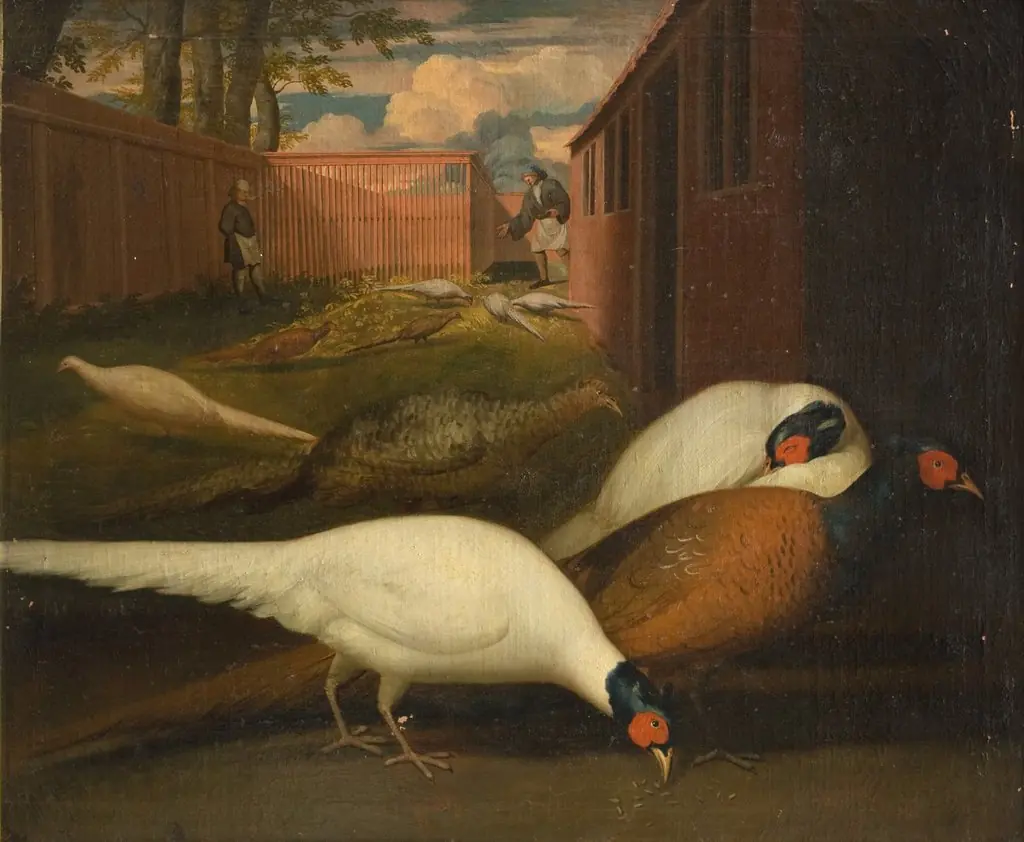 Fasaner i et indelukke
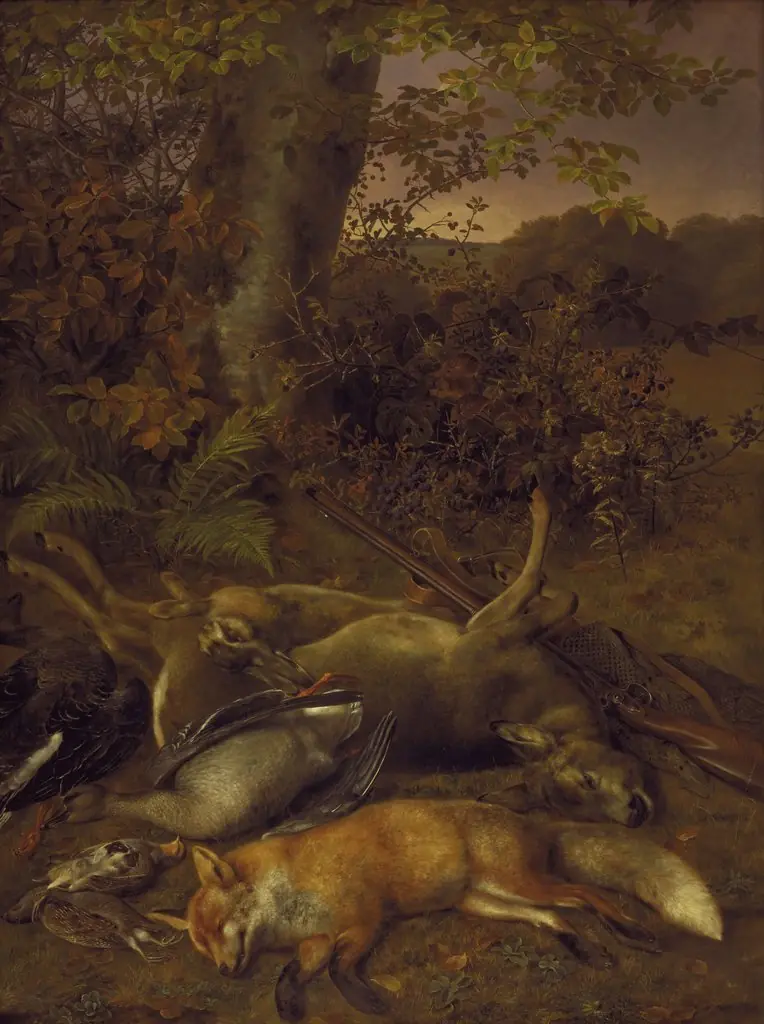 Still Life With Game
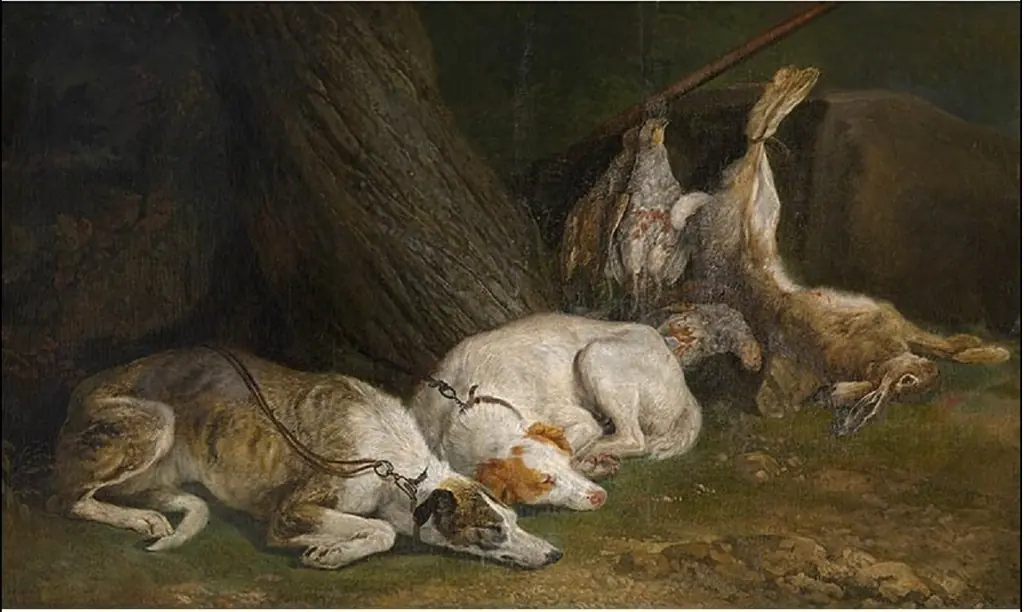 Two Greyhounds
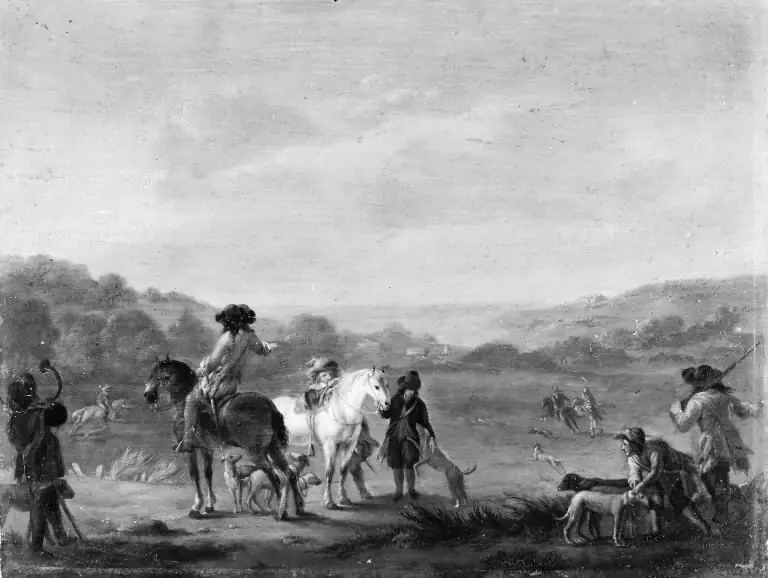 En harejagt
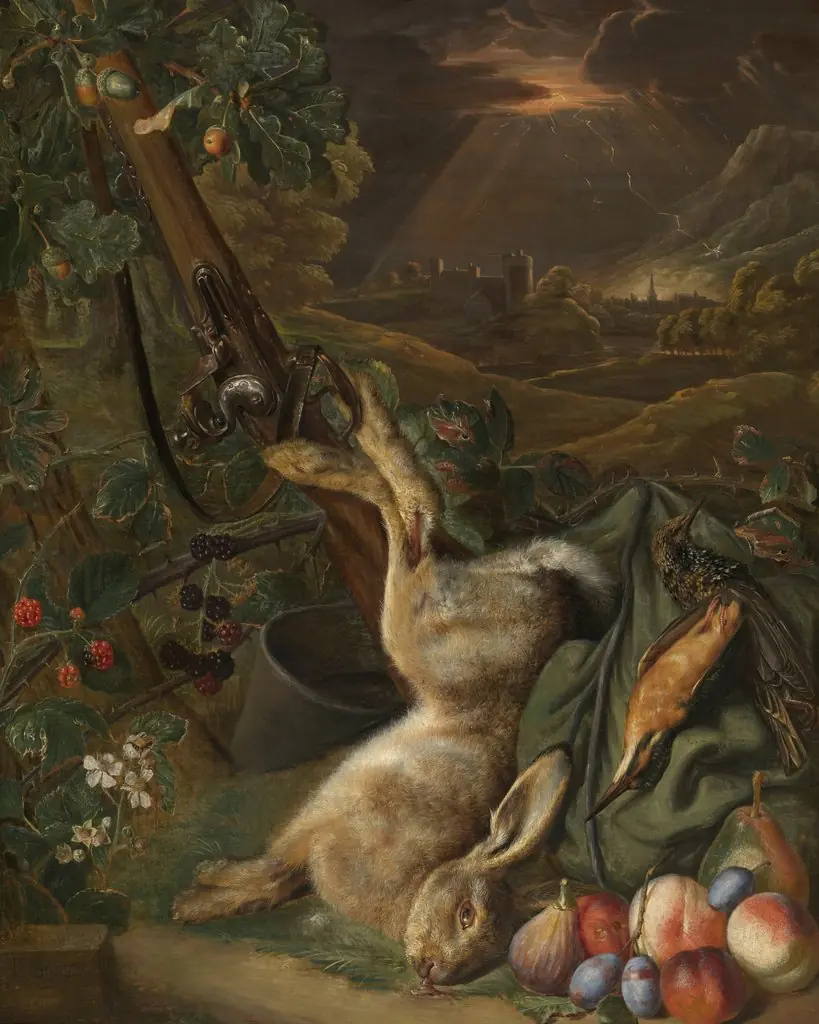 Still Life with Dead Game
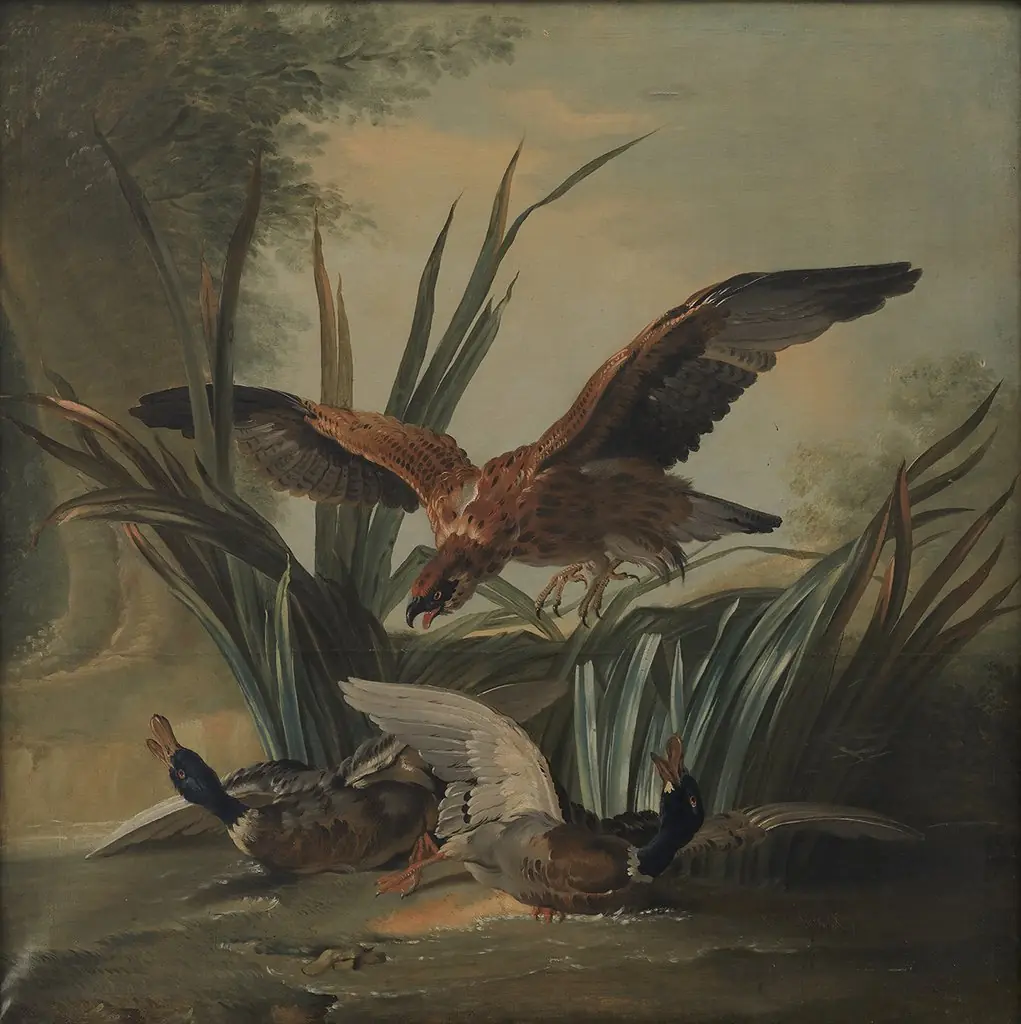 A Hawk Puncing on a Pair of Ducks
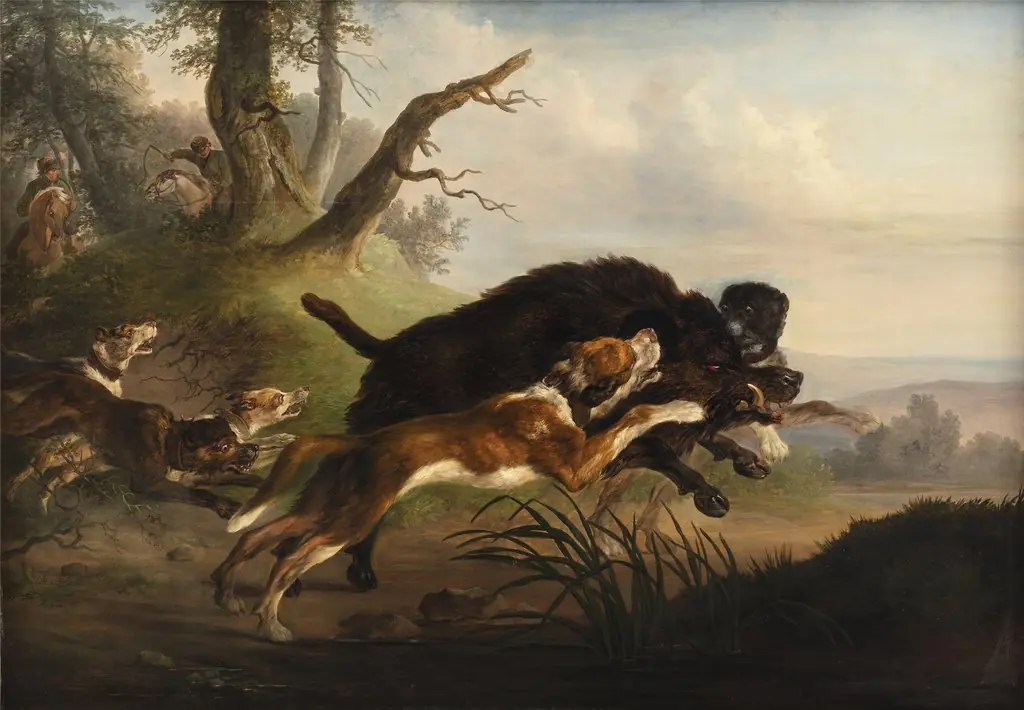 En vildsvinejagt
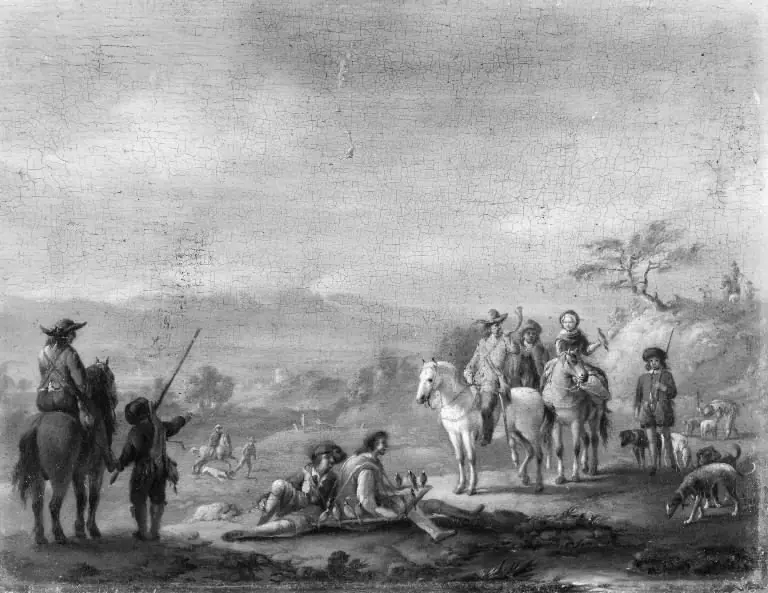 En falkejagt
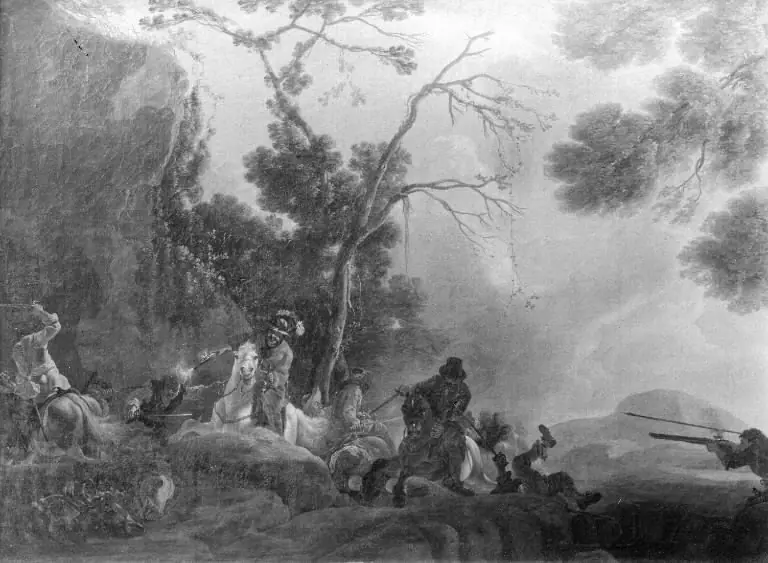 Fight against Robbers
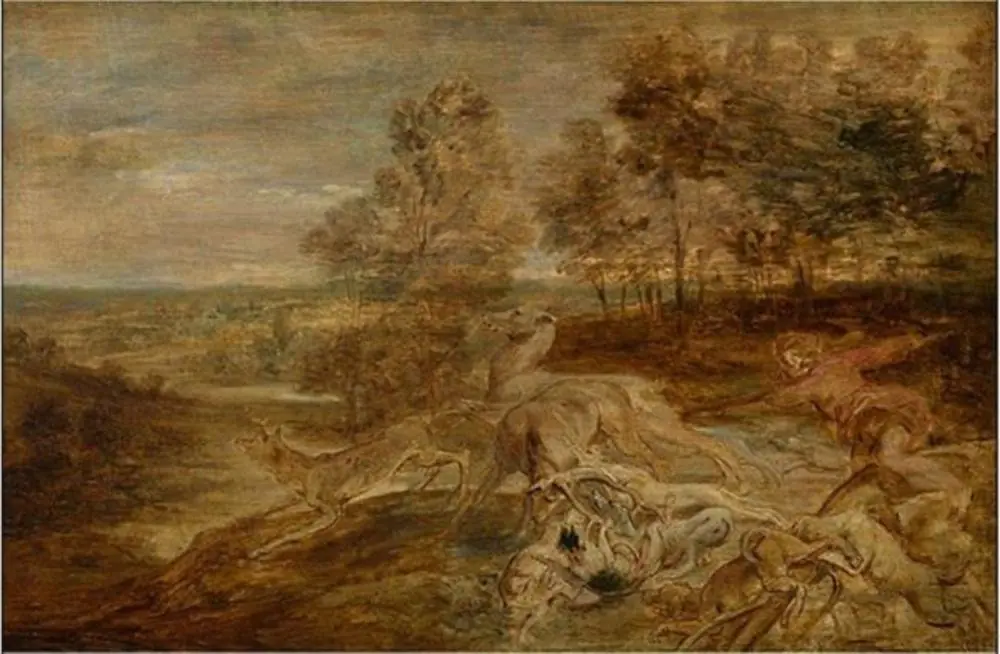 The Hunt
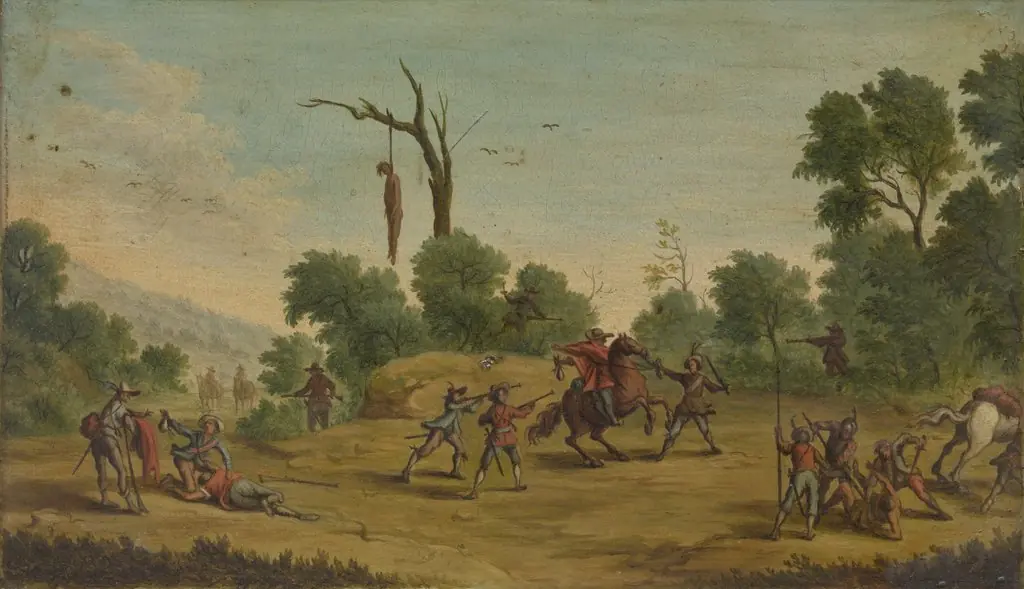 Horsemen Attacked by Robbers
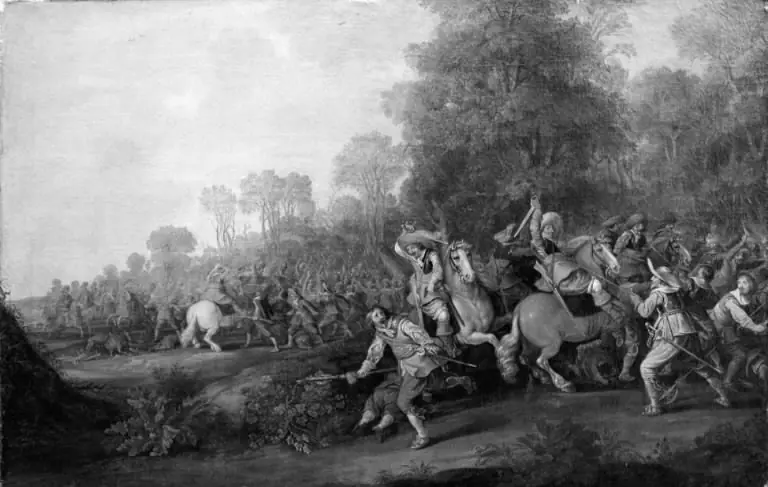 Skirmish between Horsemen and Foot-Soldiers
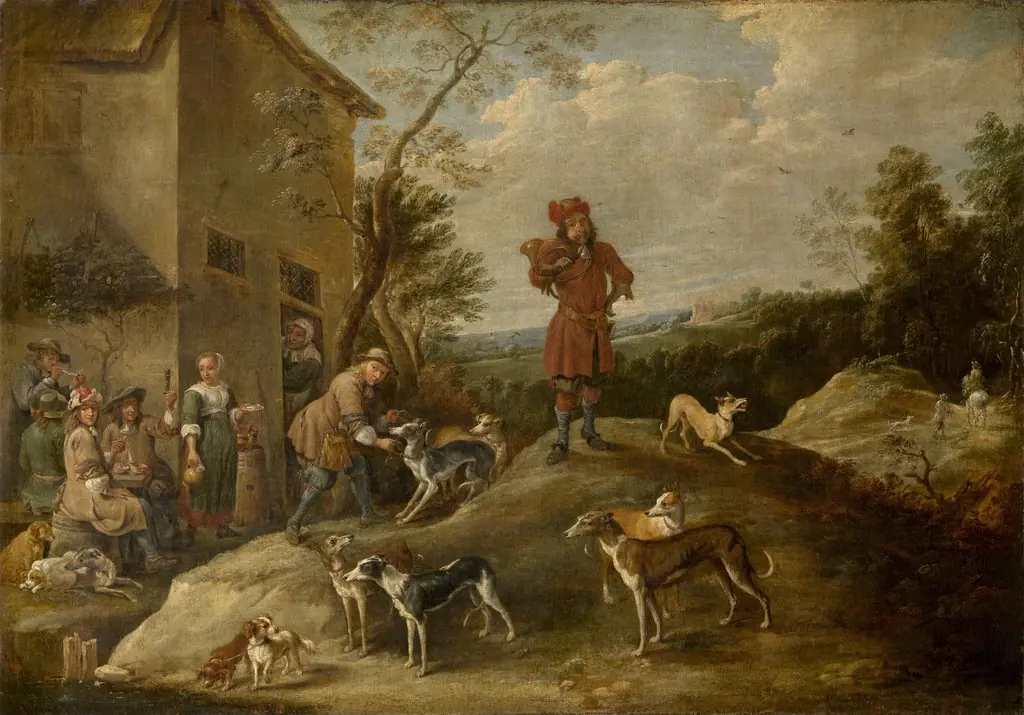 Resting Hunters
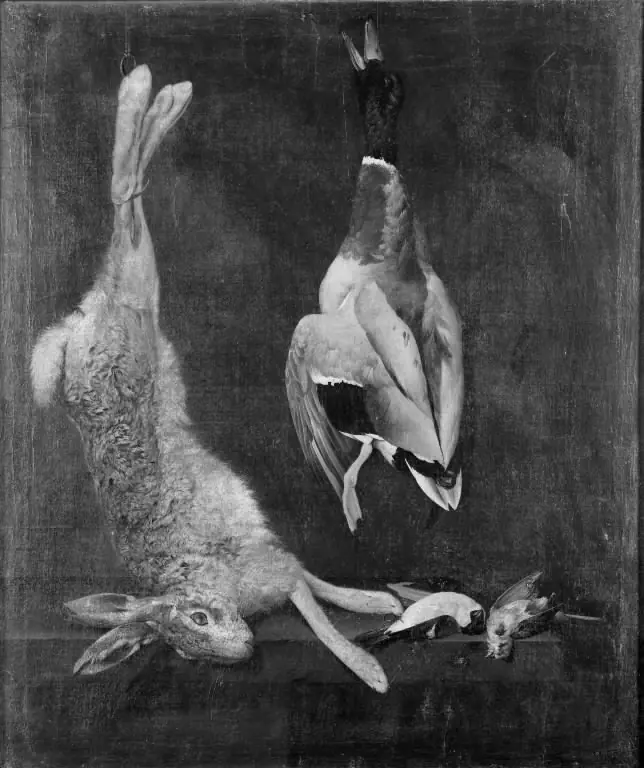 Dead Game
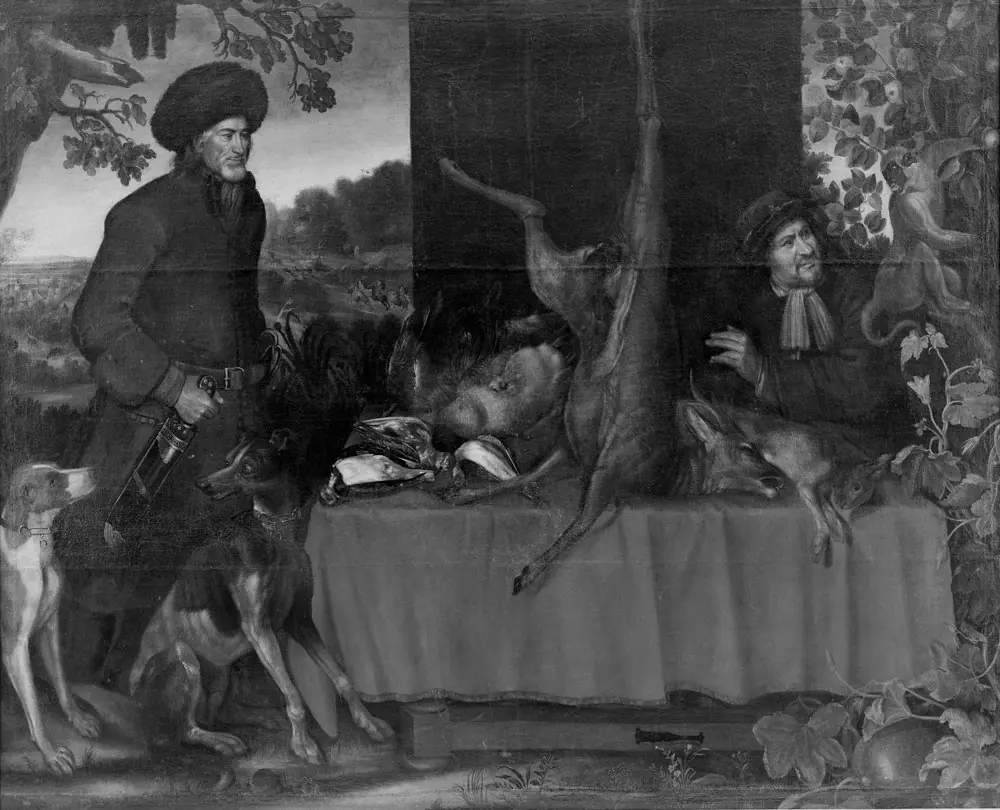 Hunters and Game
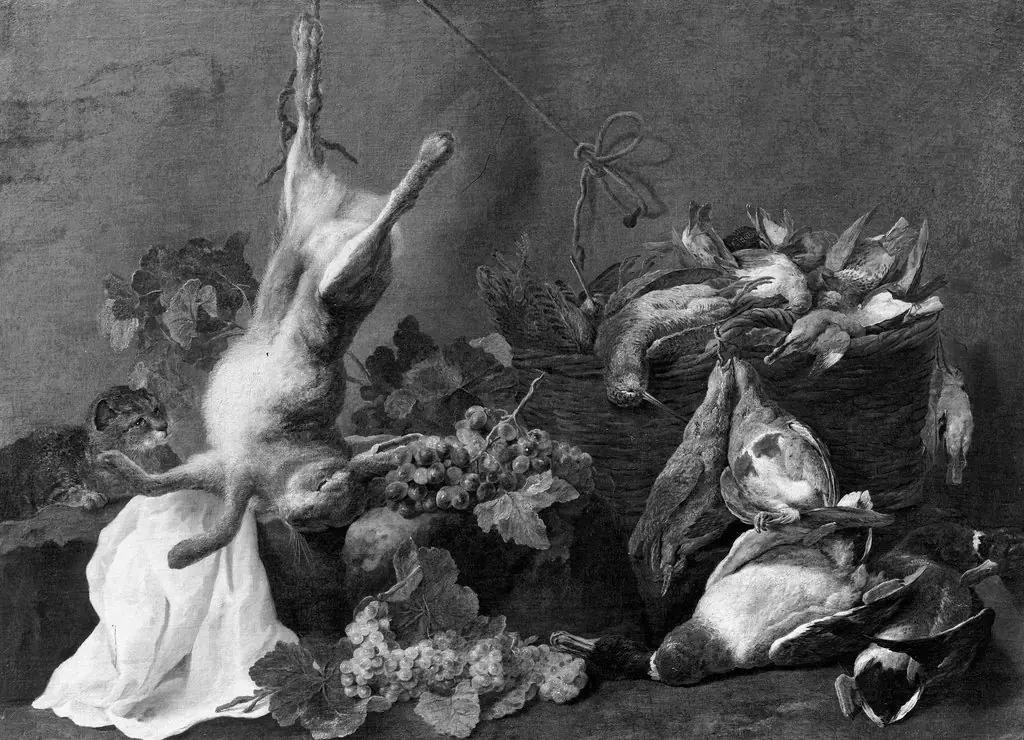 Stilleben
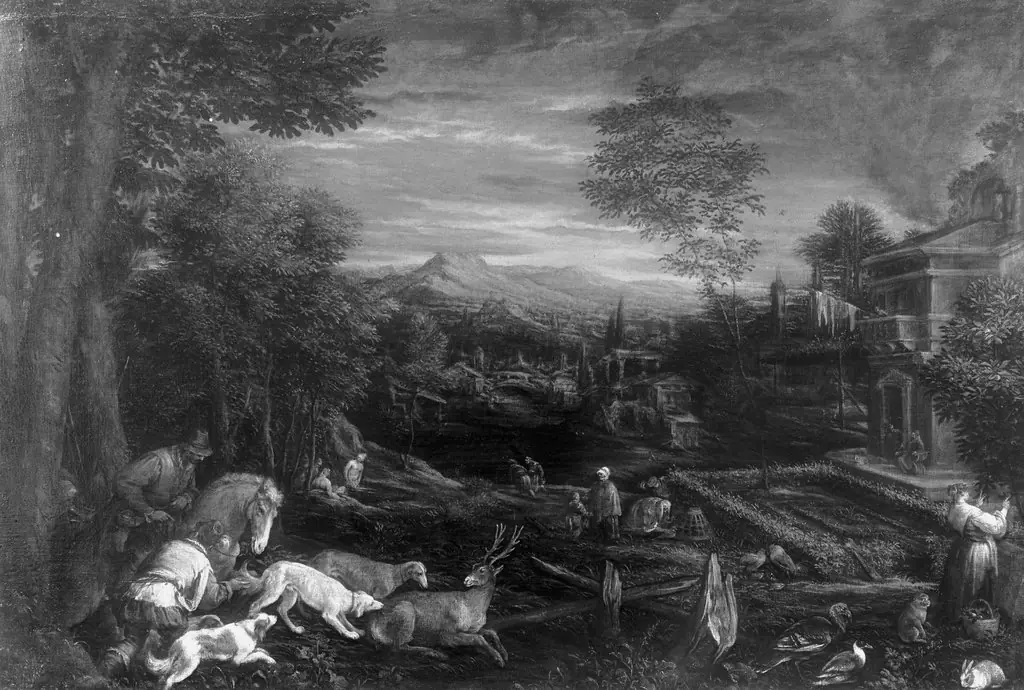 Allegory of autumn
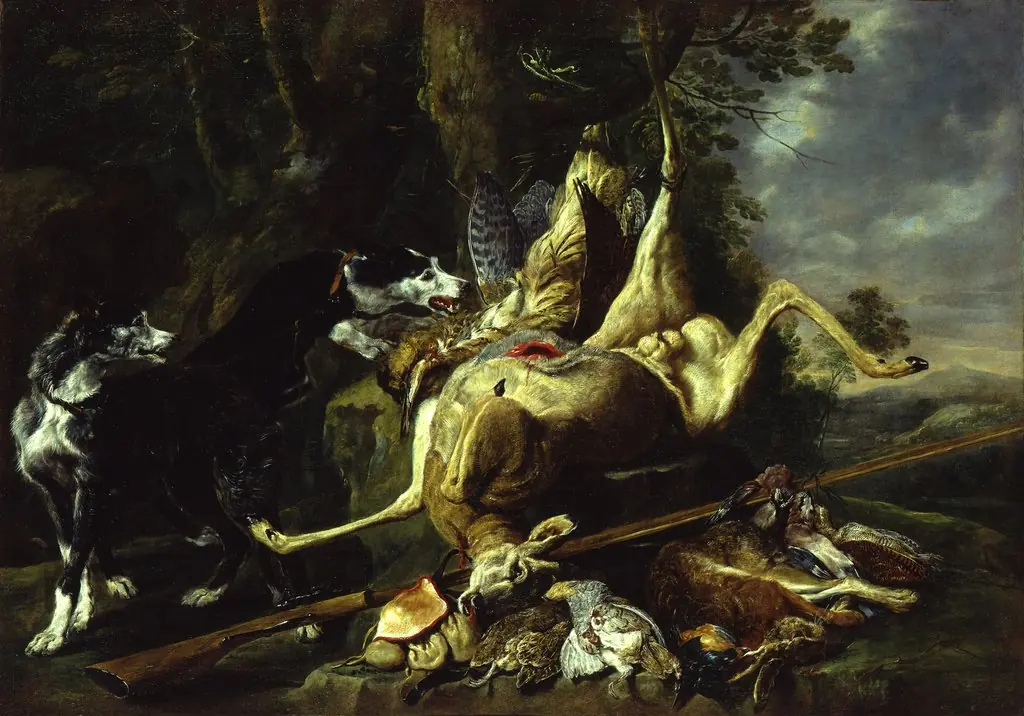 Dogs and Dead Game
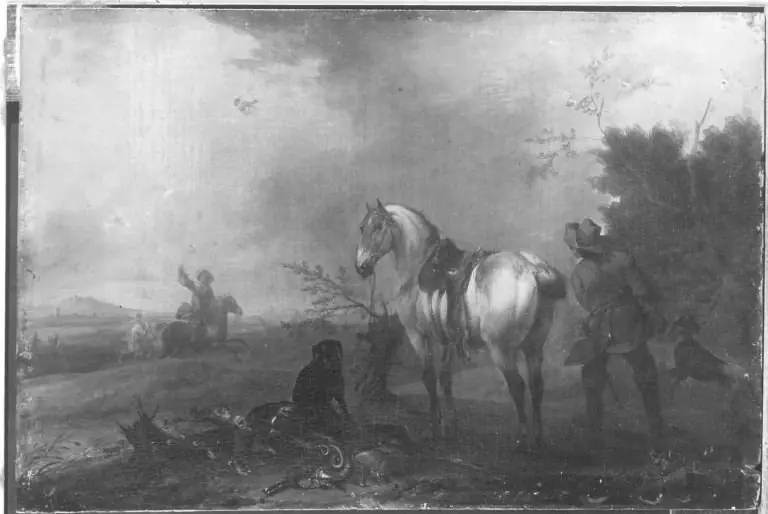 Reiherbeize
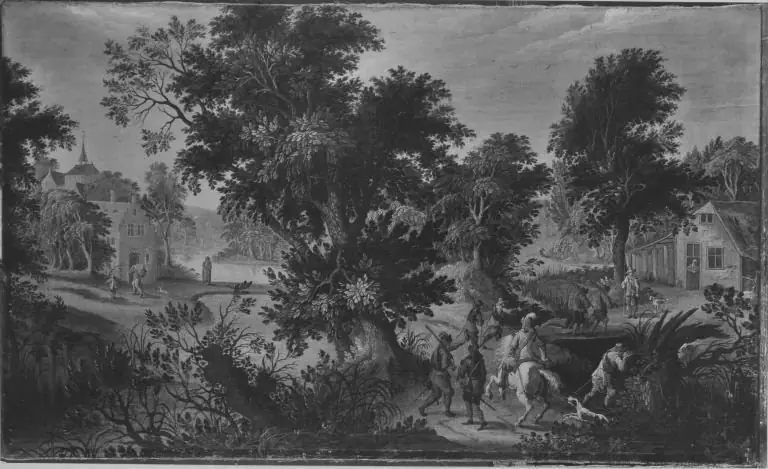 Wooded Landscape
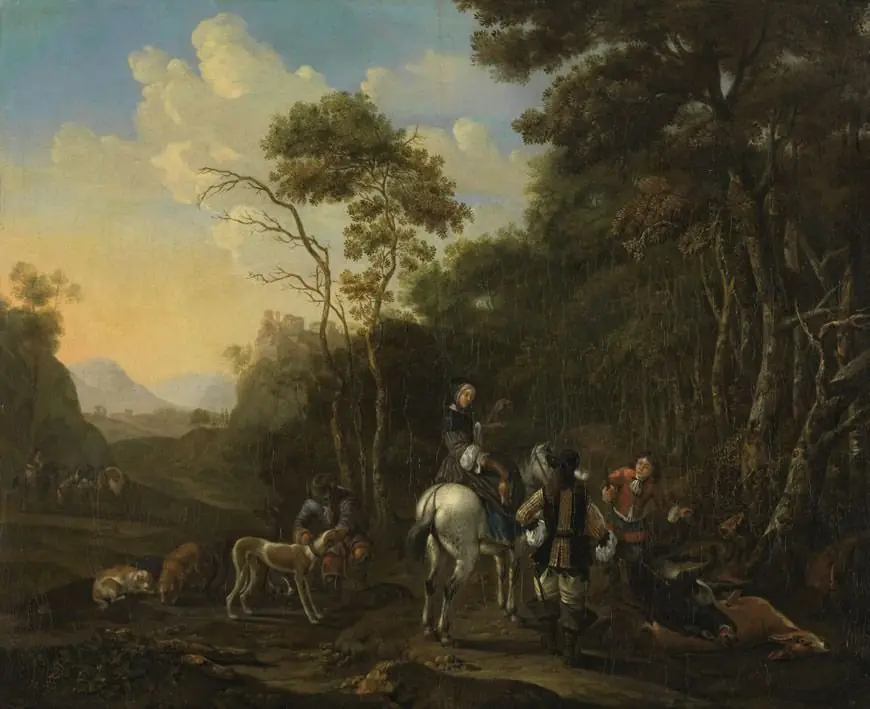 Jagdgesellschaft
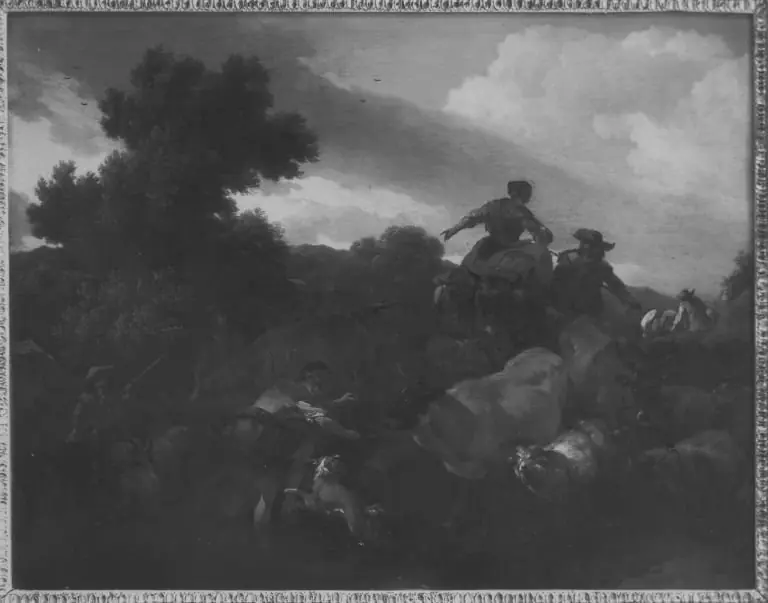 Abendlandschaft mit Viehherde und Hirten
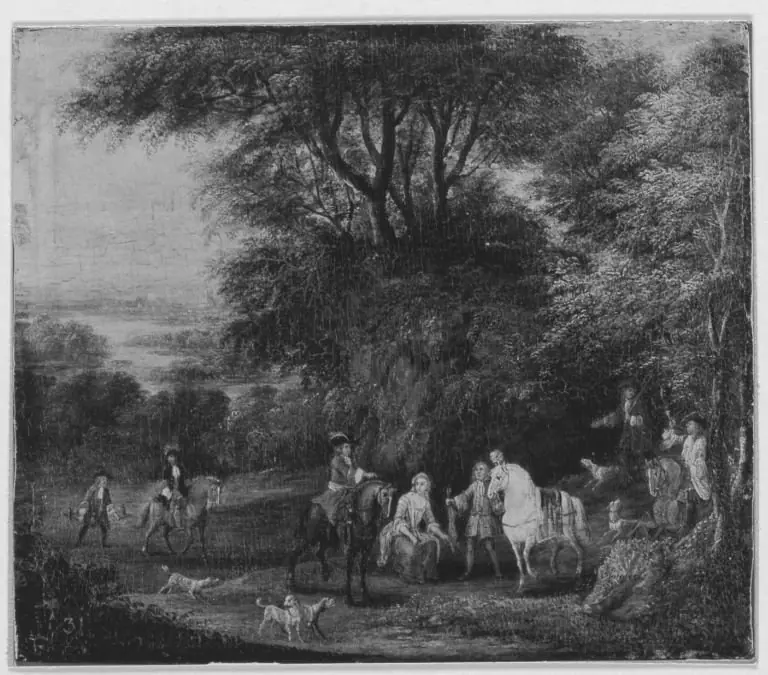 Rast auf der Jagd
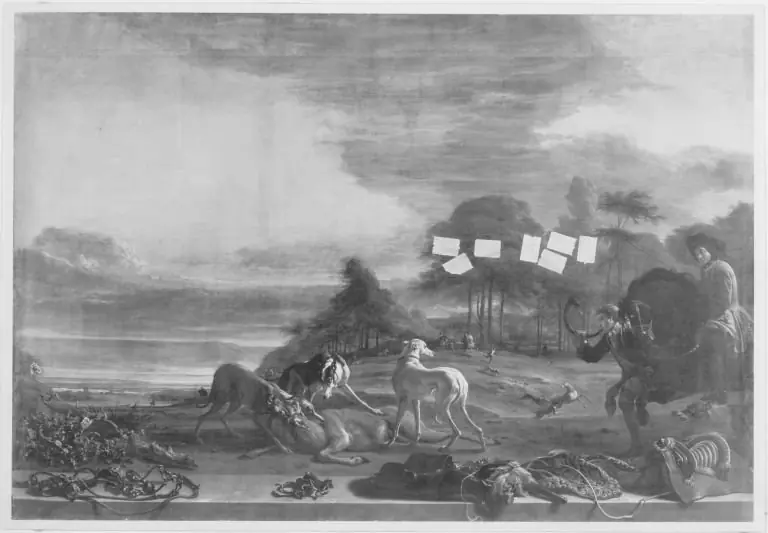 The deer hunt
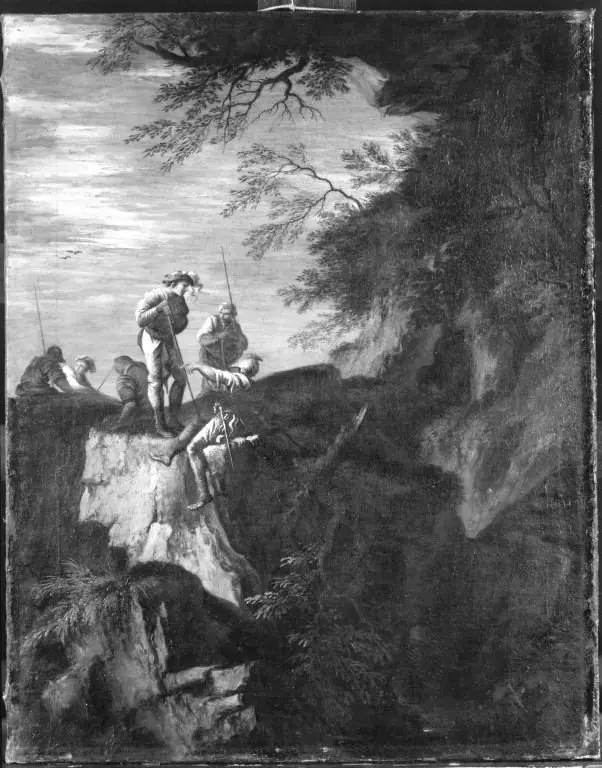 Bewaffnete Räuber in felsiger Gegend
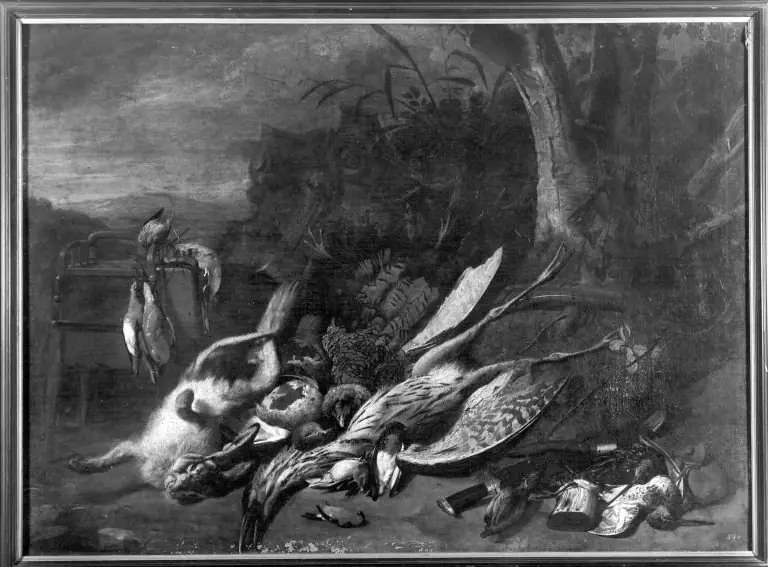 Ein toter Hase
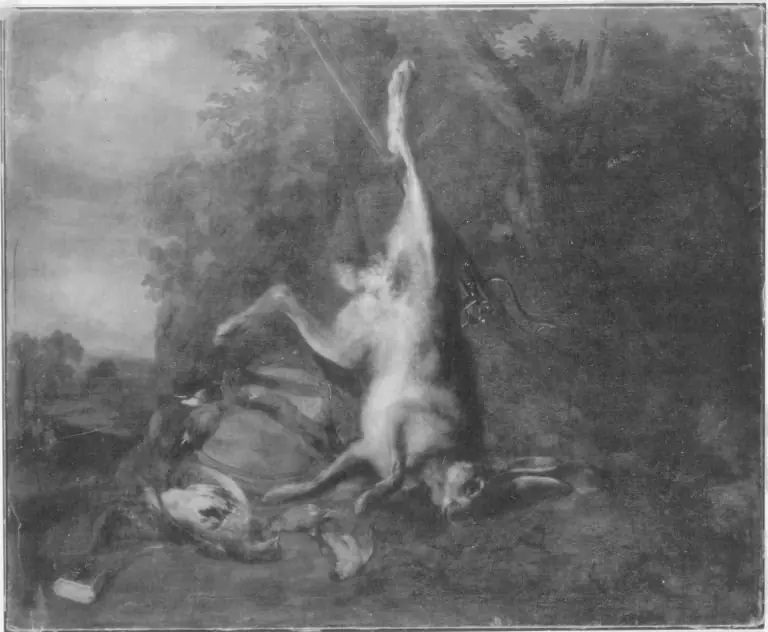 Toter Hase
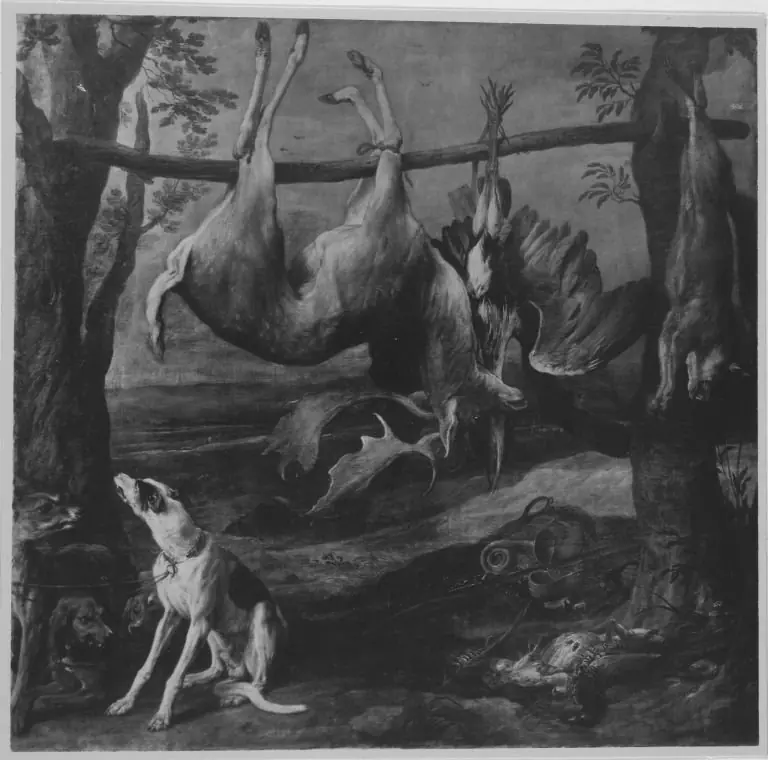 Jagdbeute
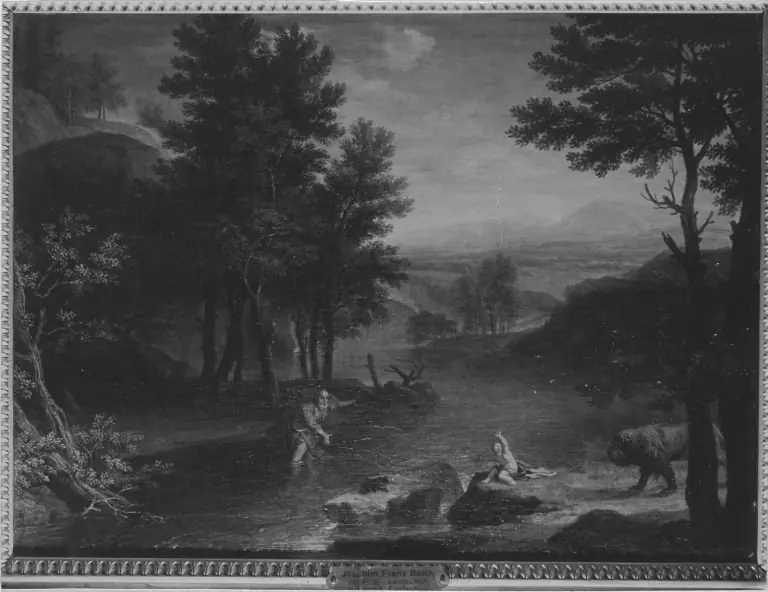 Felsenlandschaft mit Eustachiuslegende
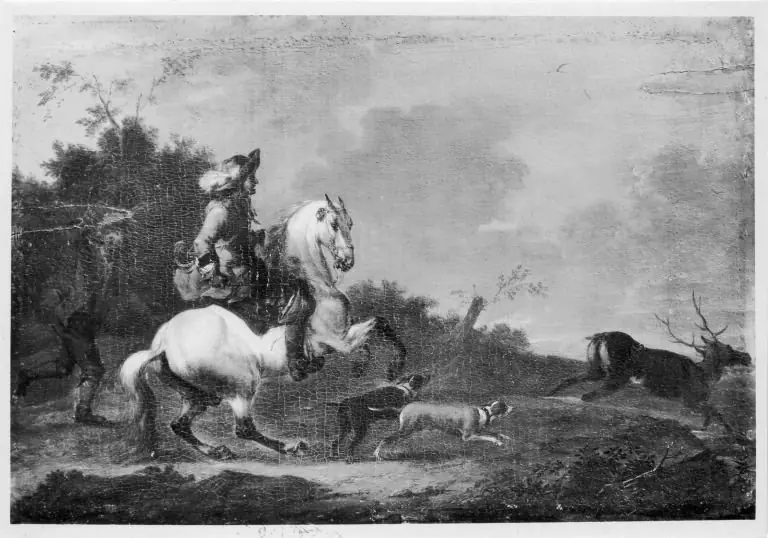 Hirschjagd
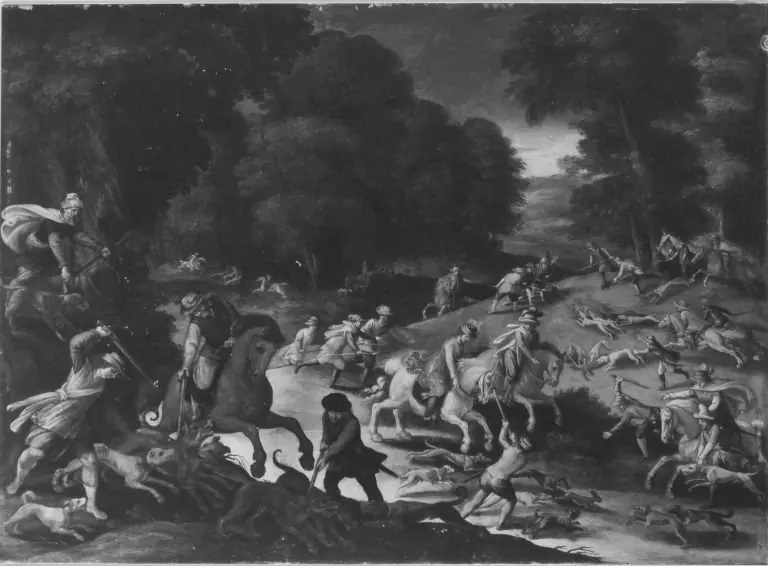 Jagdstück
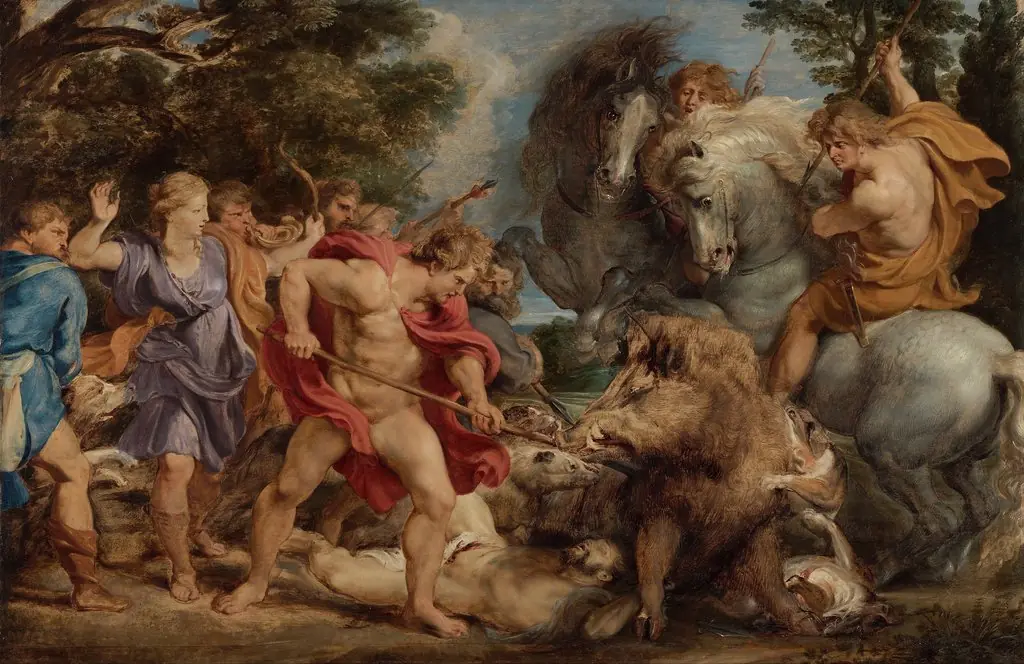 The Calydonian Boar Hunt
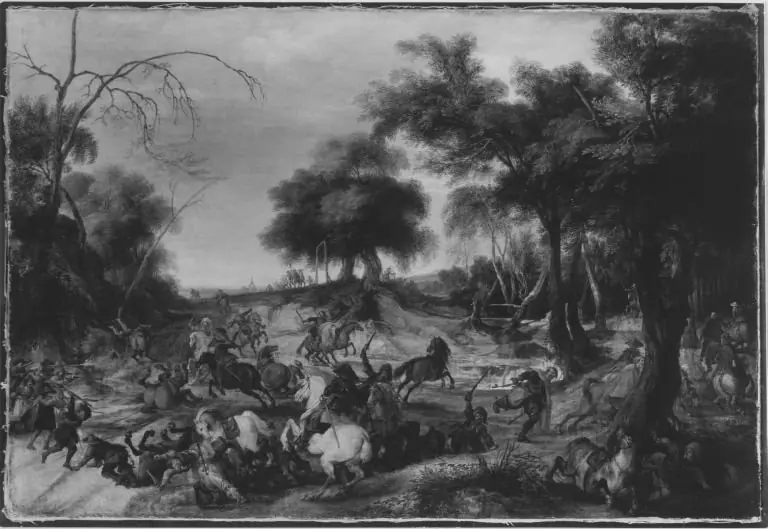 Gefecht im Walde
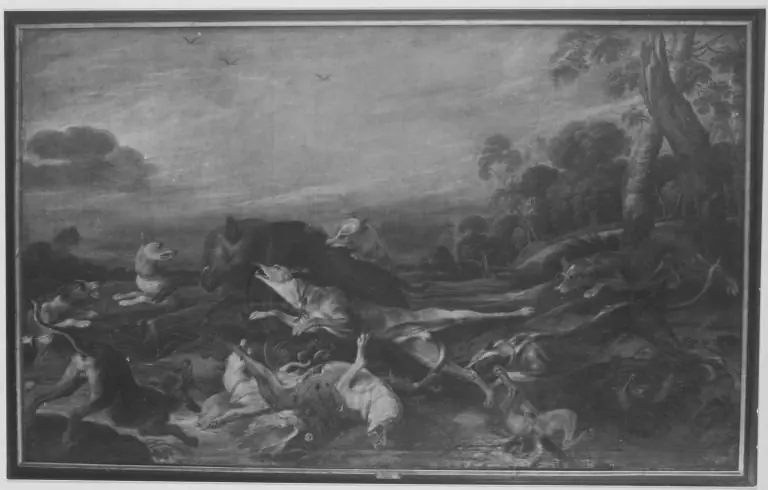 Eine Eberhetze
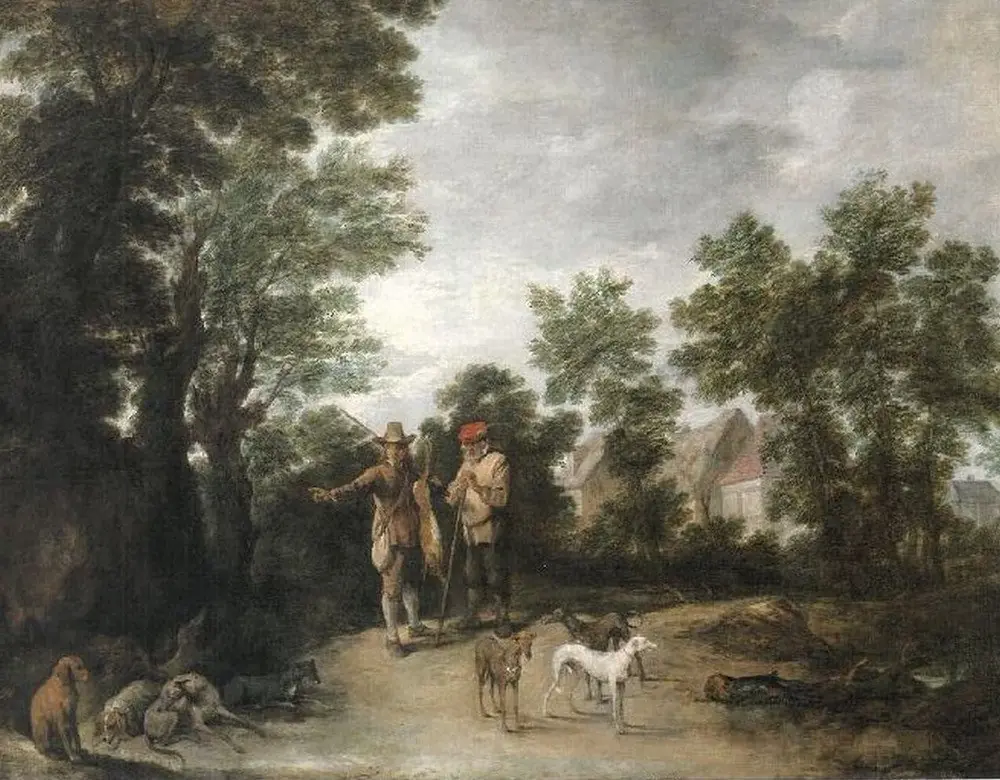 Return from Shooting
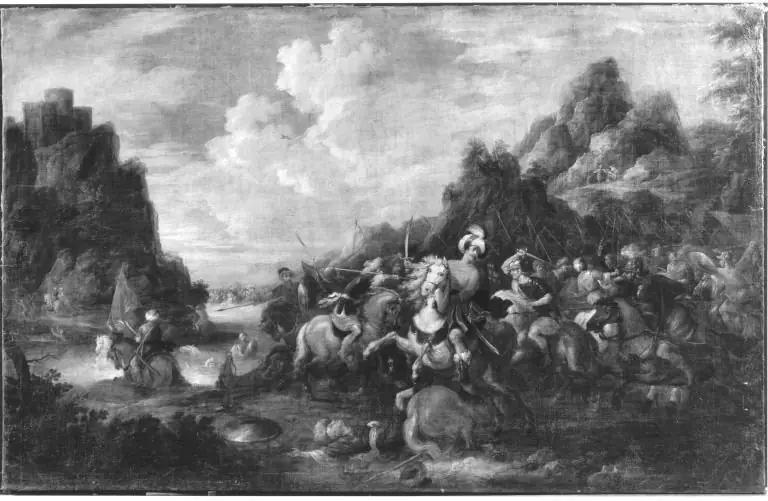 Türkenschlacht
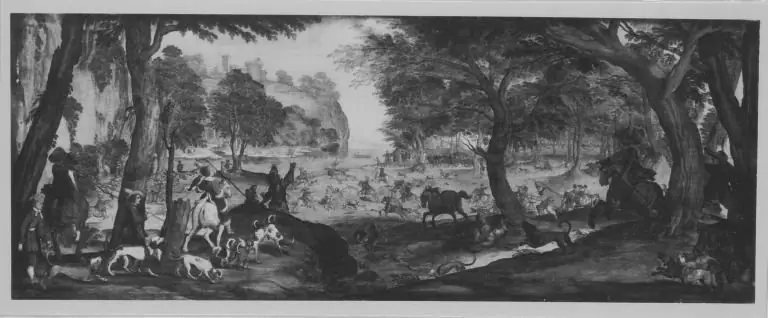 HOW WILL A COVERED PART BE CORRECTED?HOW WIKA A COVERED HEART DEED CORRECTED?
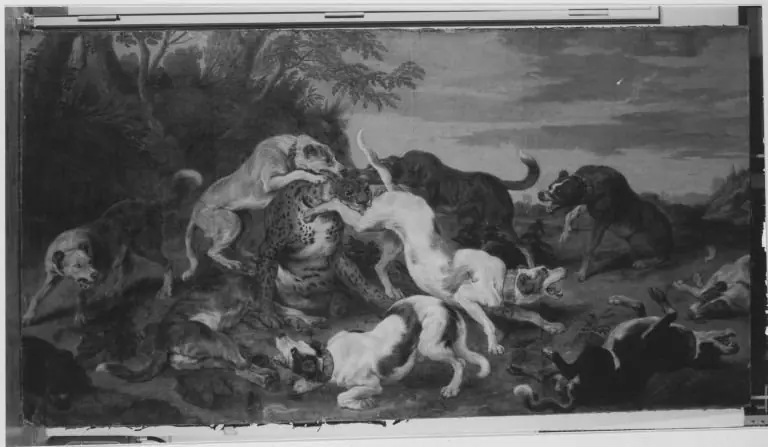 Pantherjagd
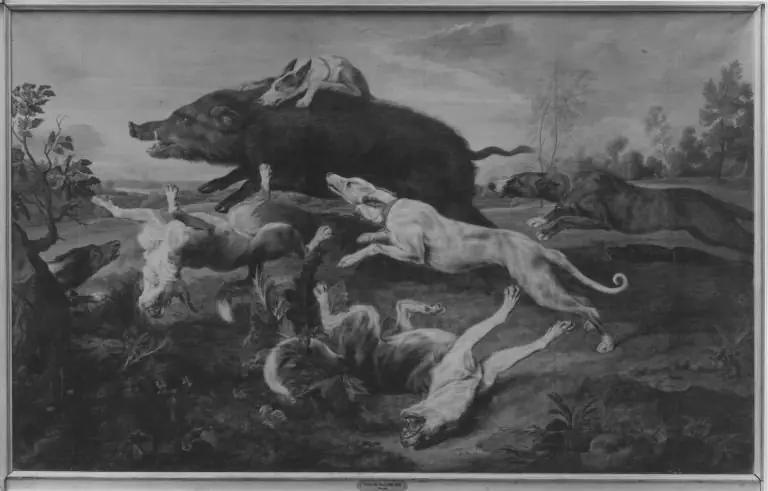 Eberjagd
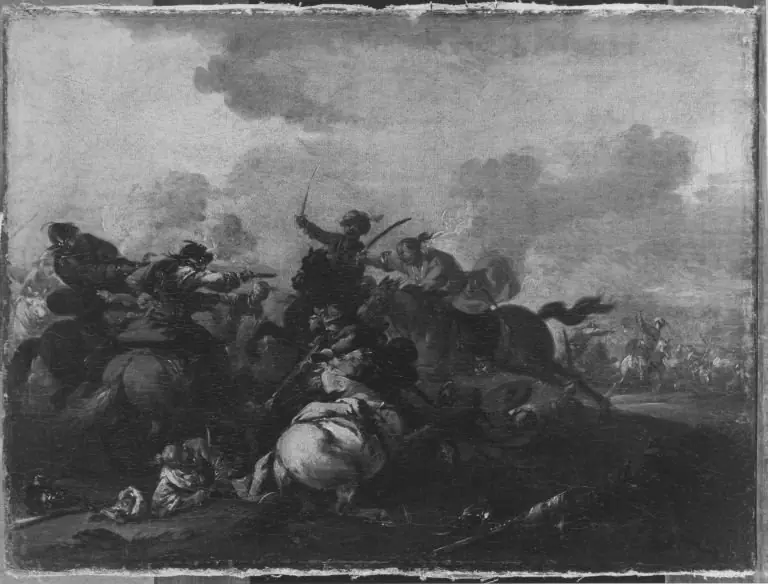 Reitergefecht
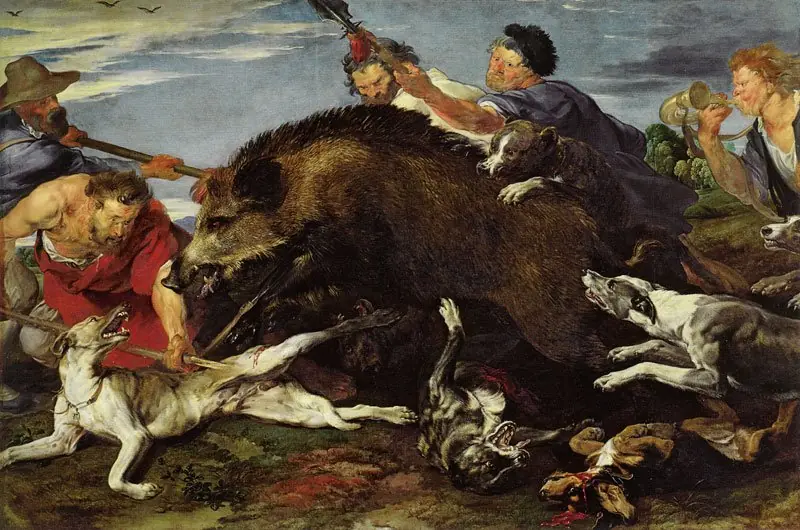 Boar hunt
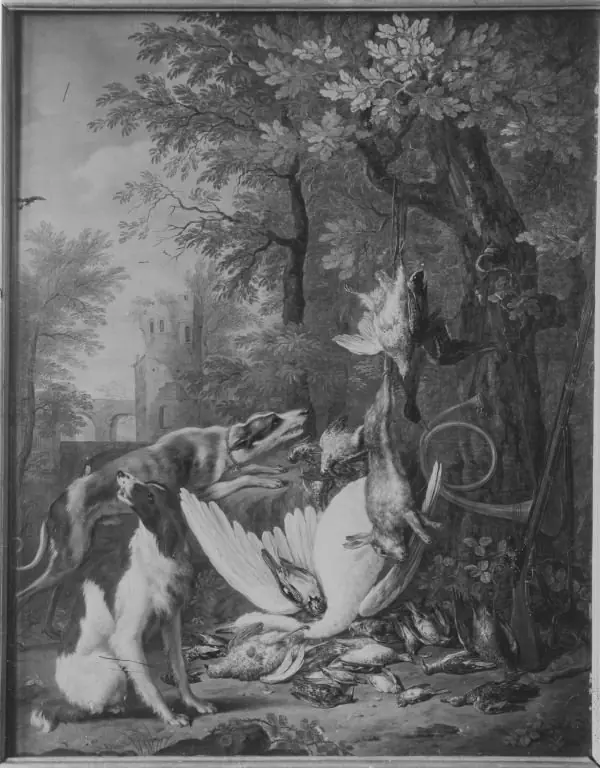 Jagdbeute mit zwei Hunden
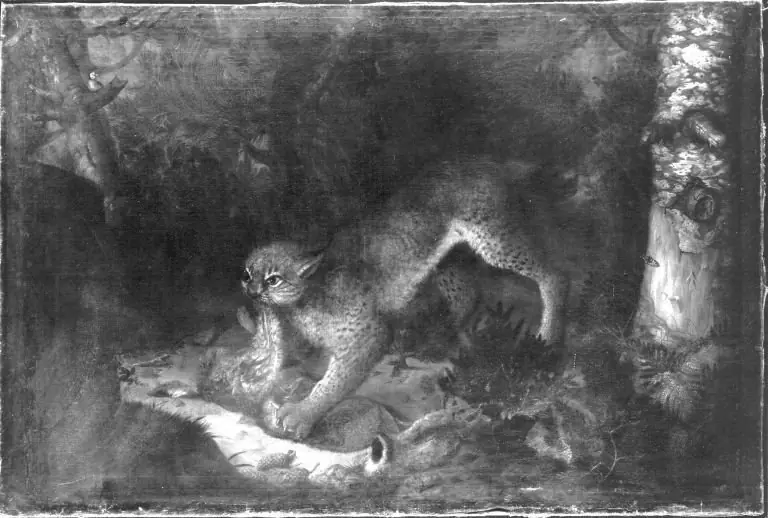 Luchs mit Beute
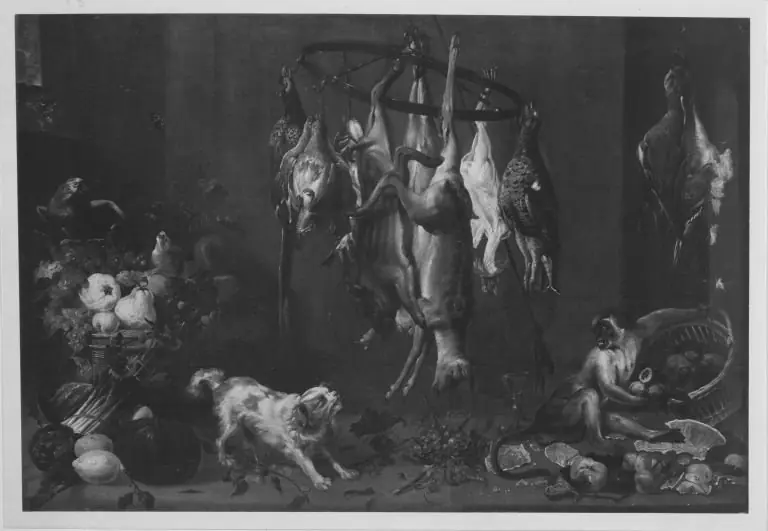 Pantry (Alte Pinakothek)
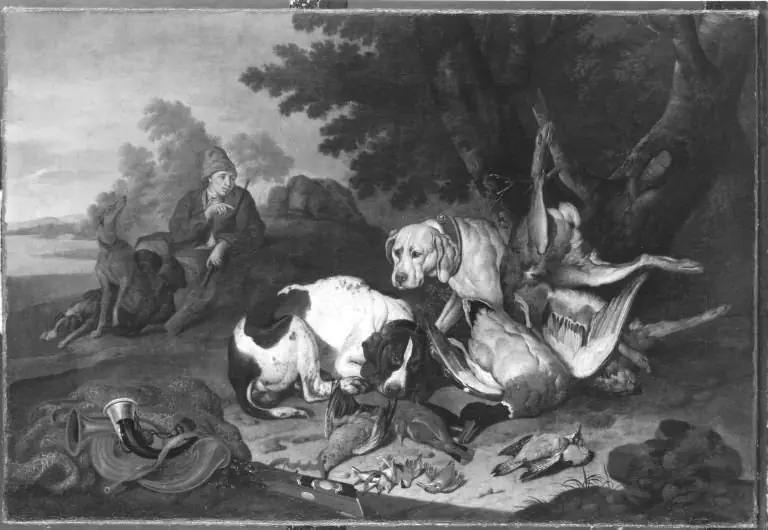 Jagdbeute
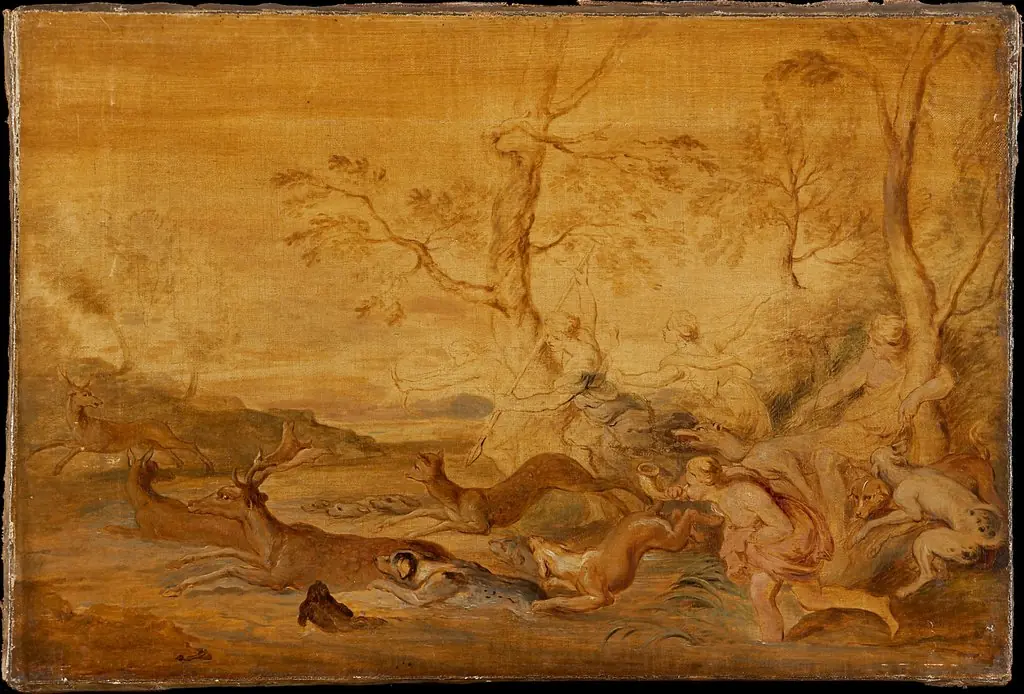 The Hunt of Diana
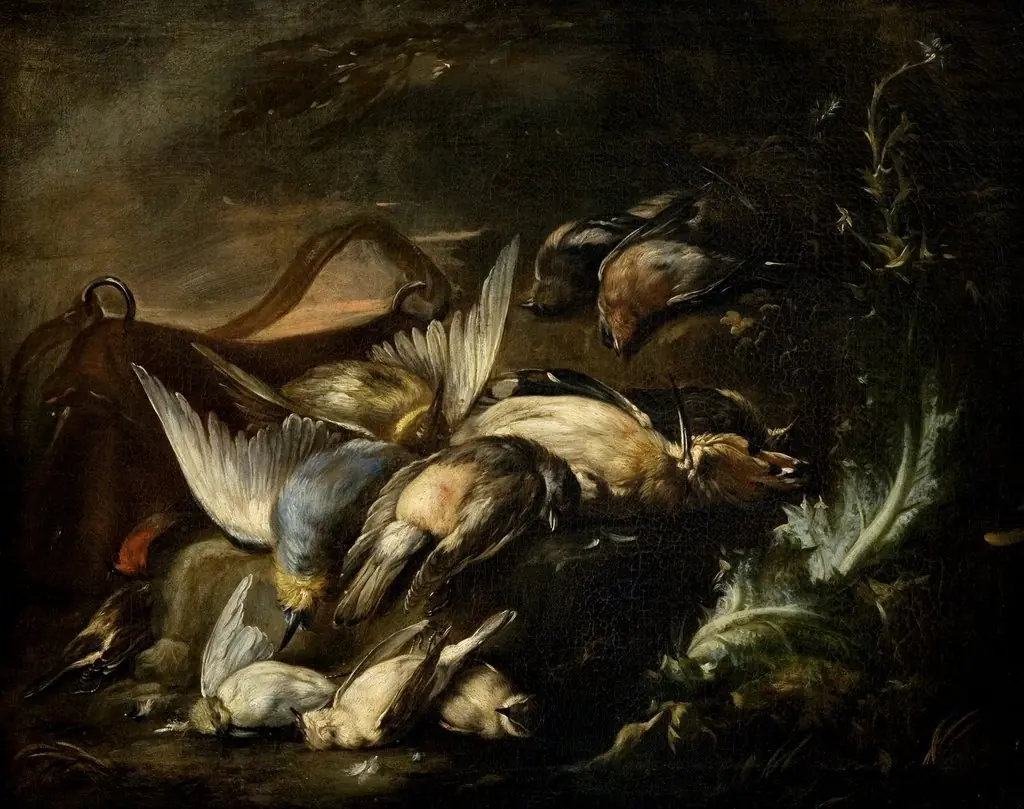 Still Life
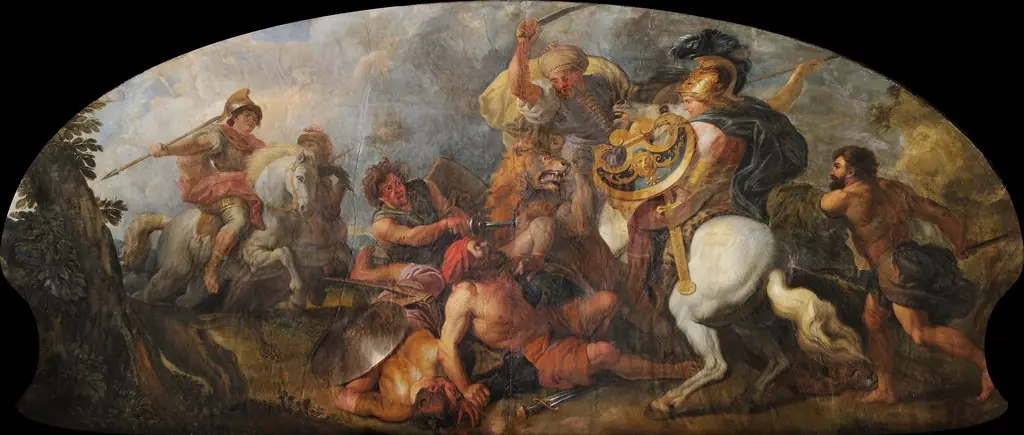 Alexander the Great hunting Lions
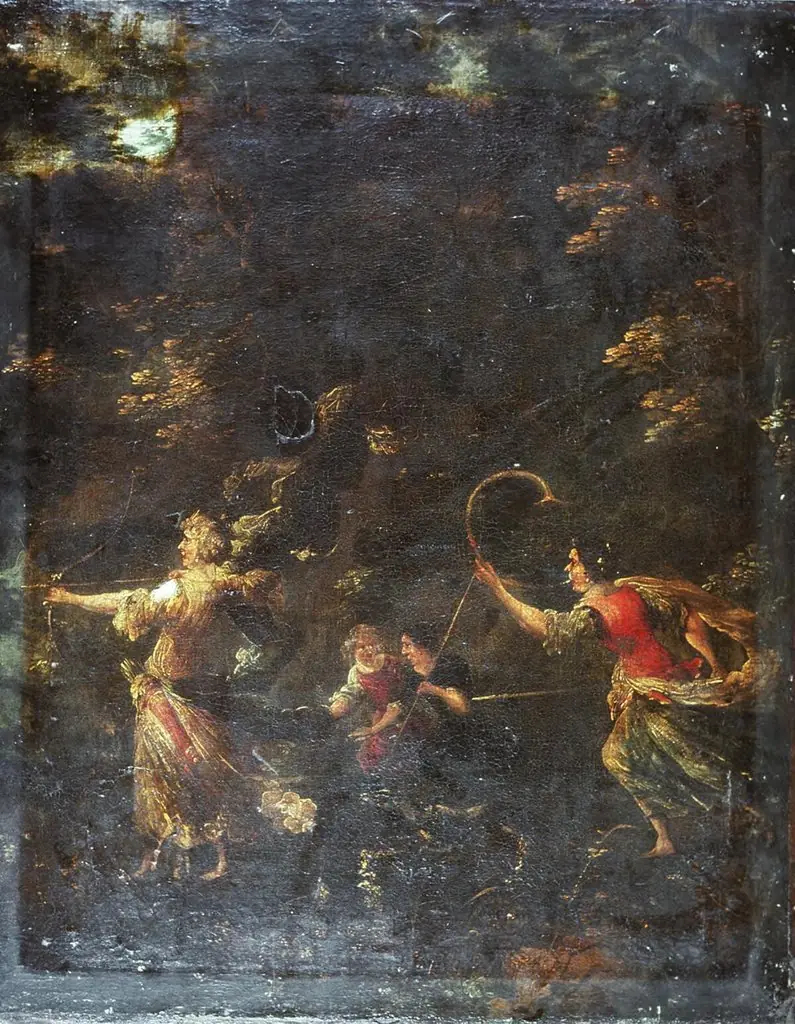 Mythical hunting scene
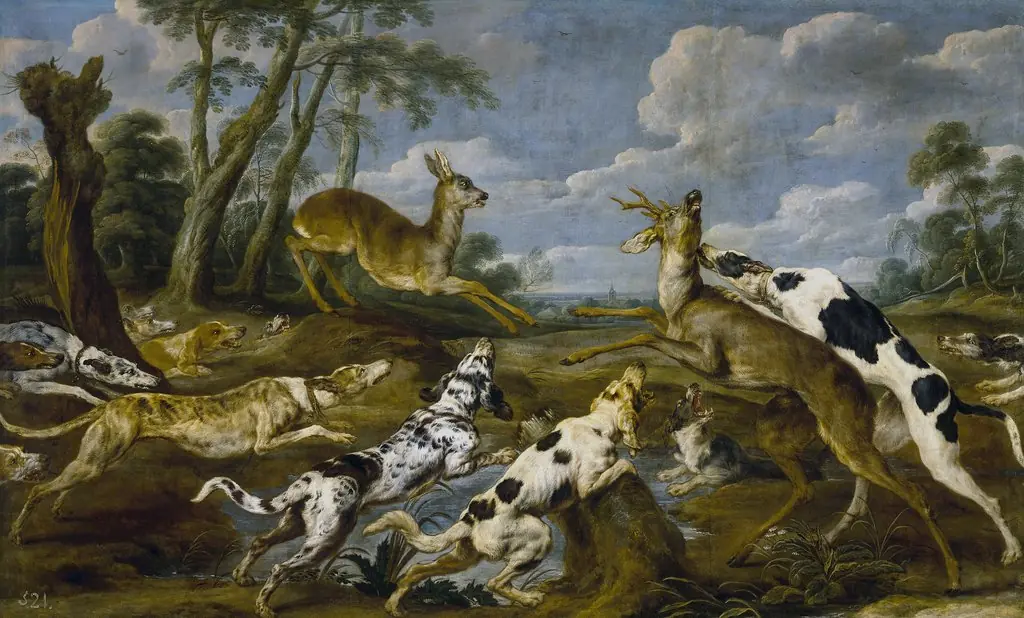 Deer hunt
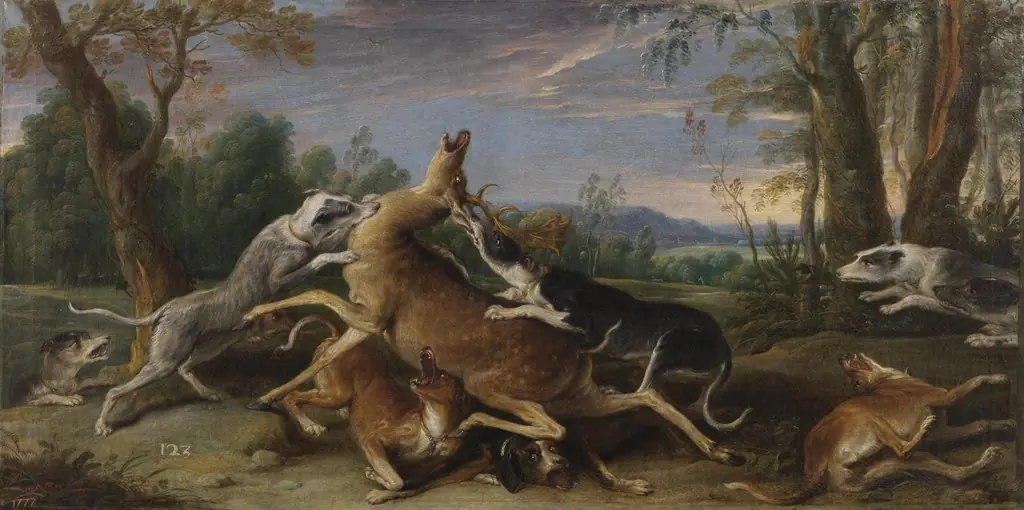 Deer Hunt
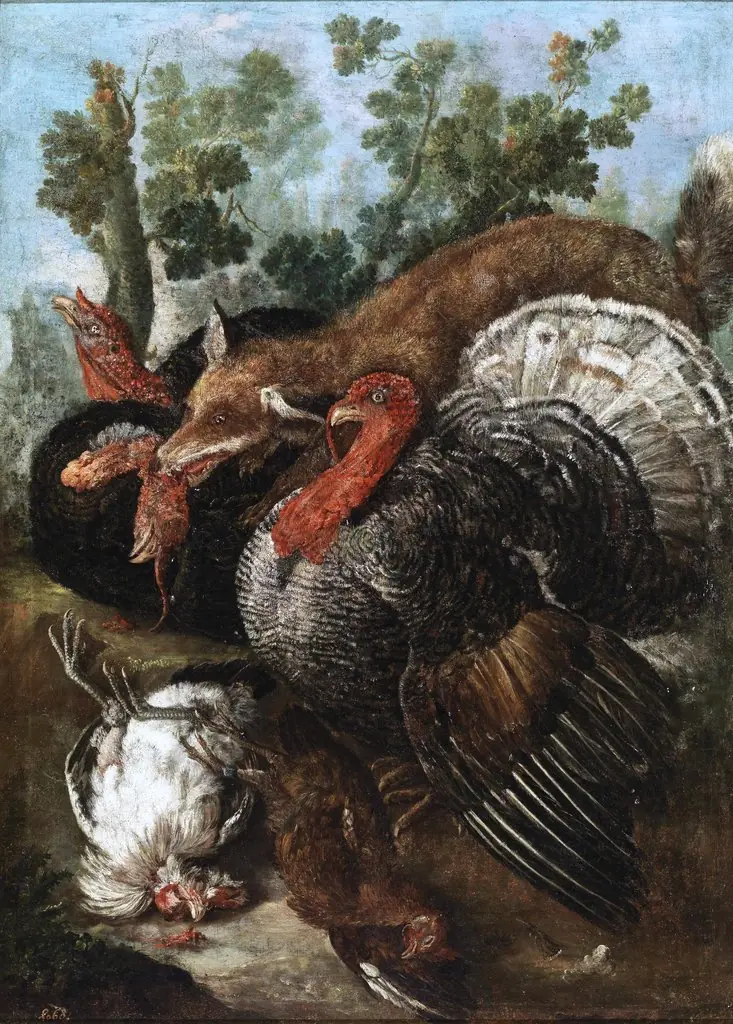 Una zorra devorando aves
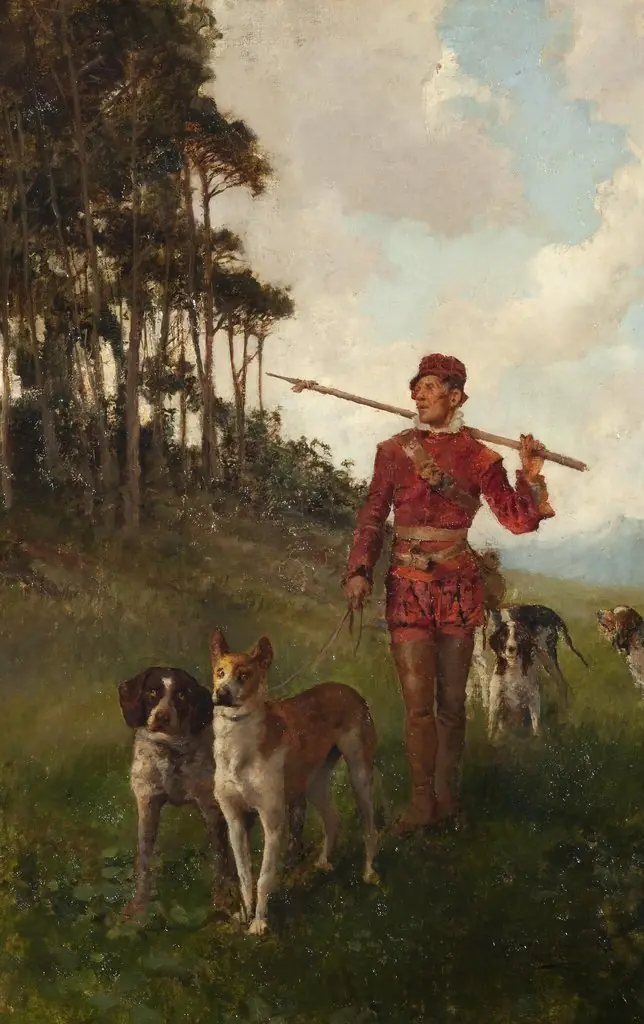 Montero con perros
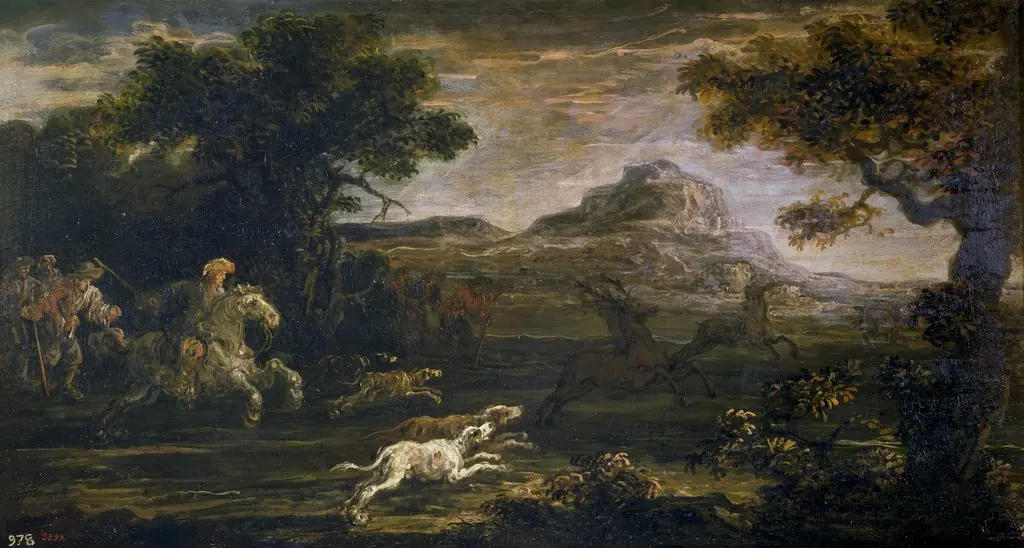 Cacería de venados
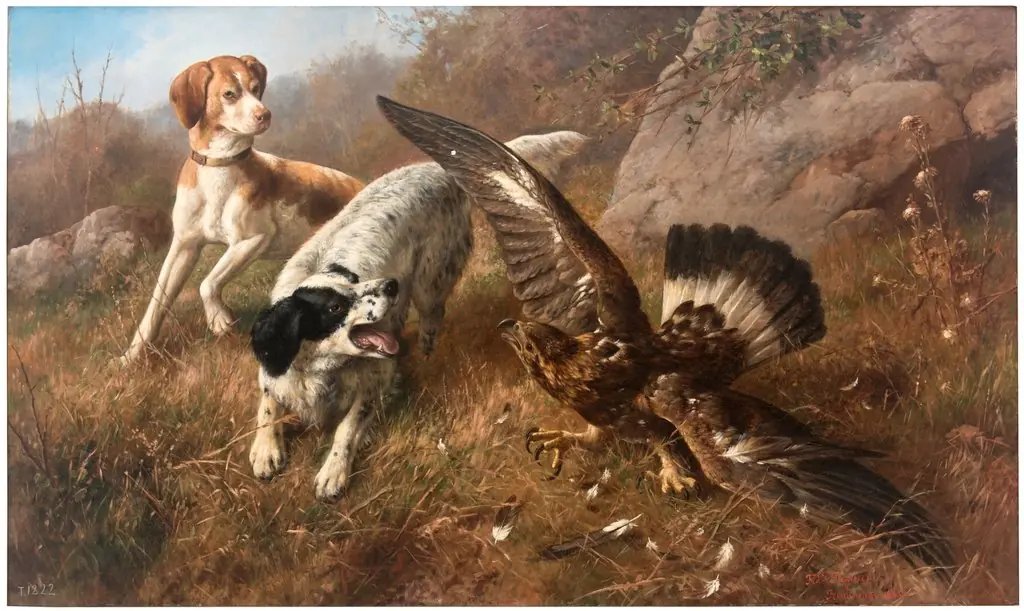 ¡Aún se defiende!
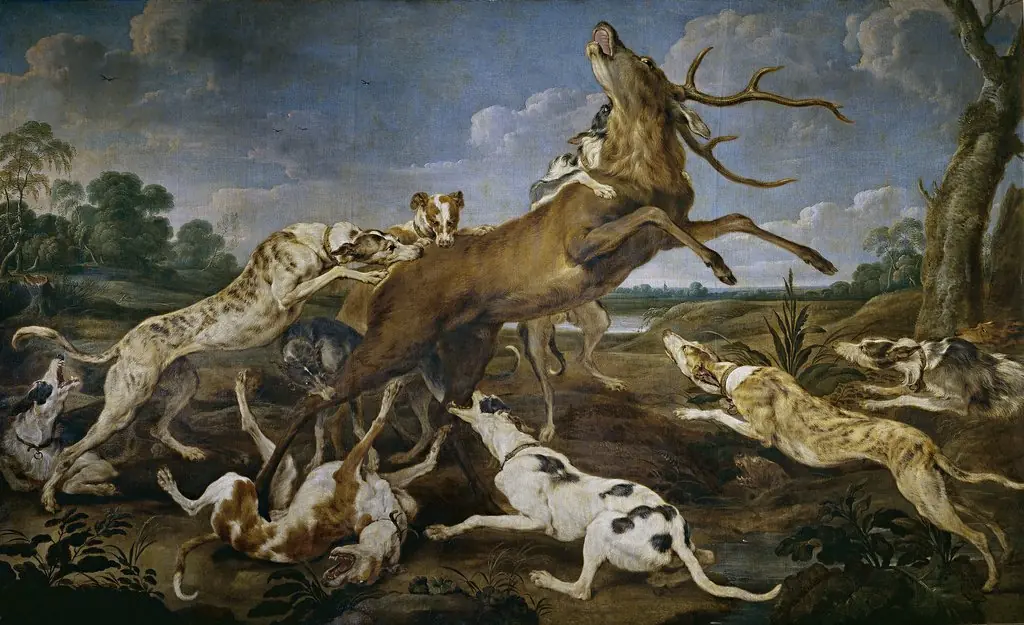 Ciervo acosado por una jauría de perros
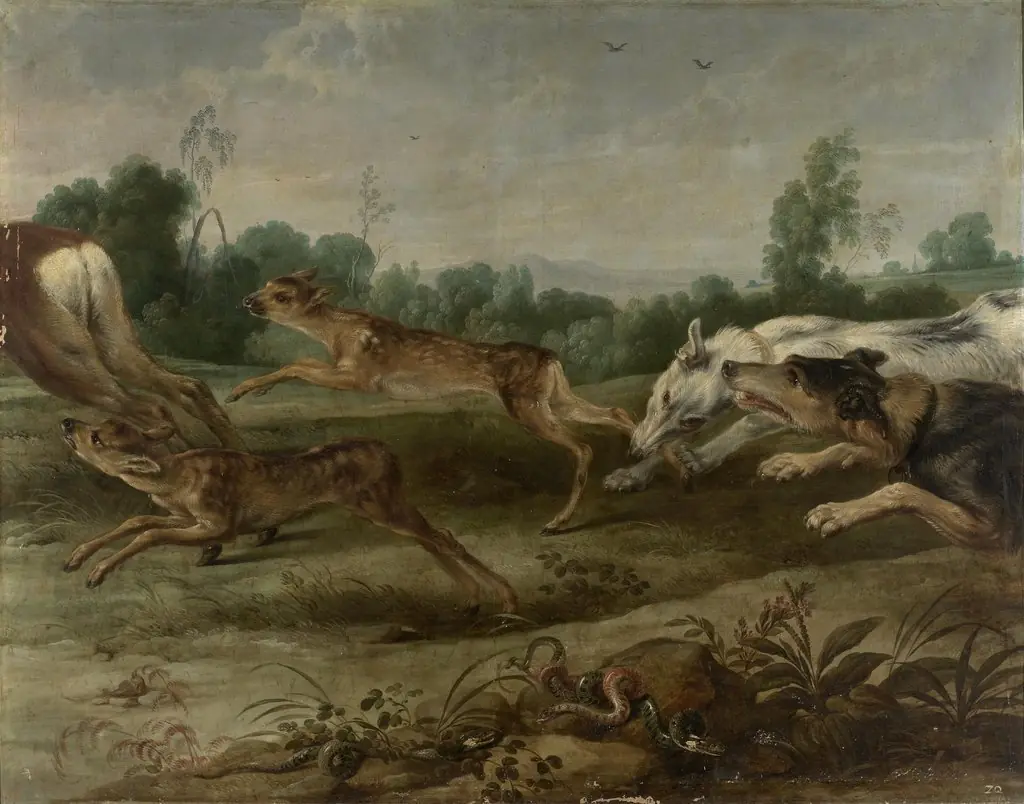 Caza de ciervos
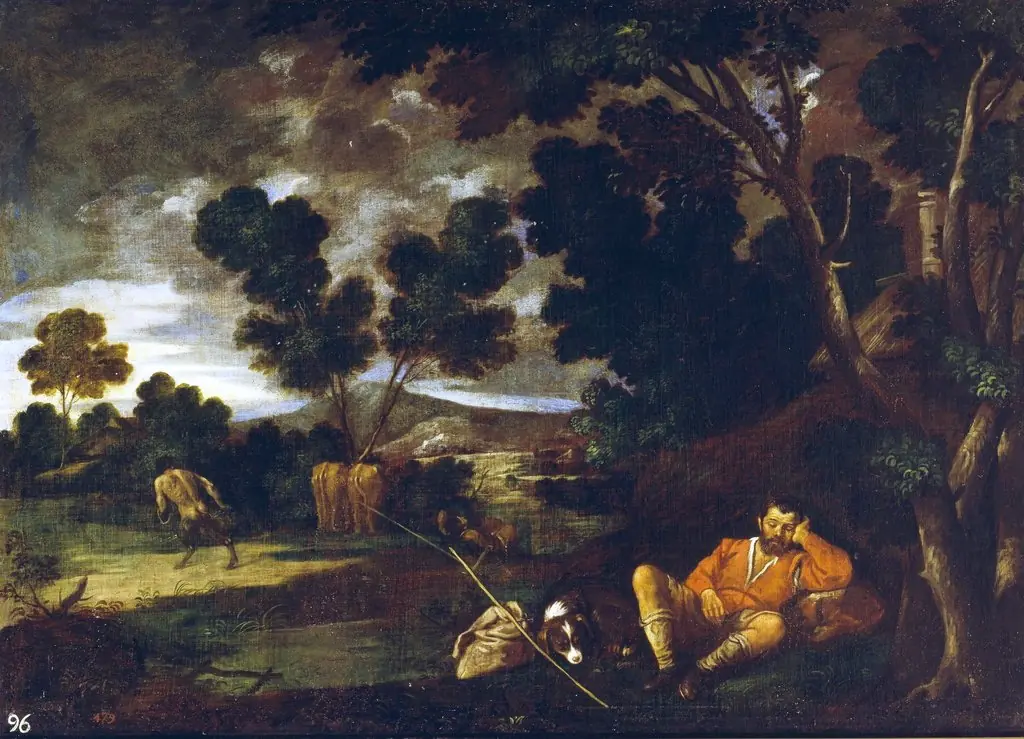 Parábola de la cizaña
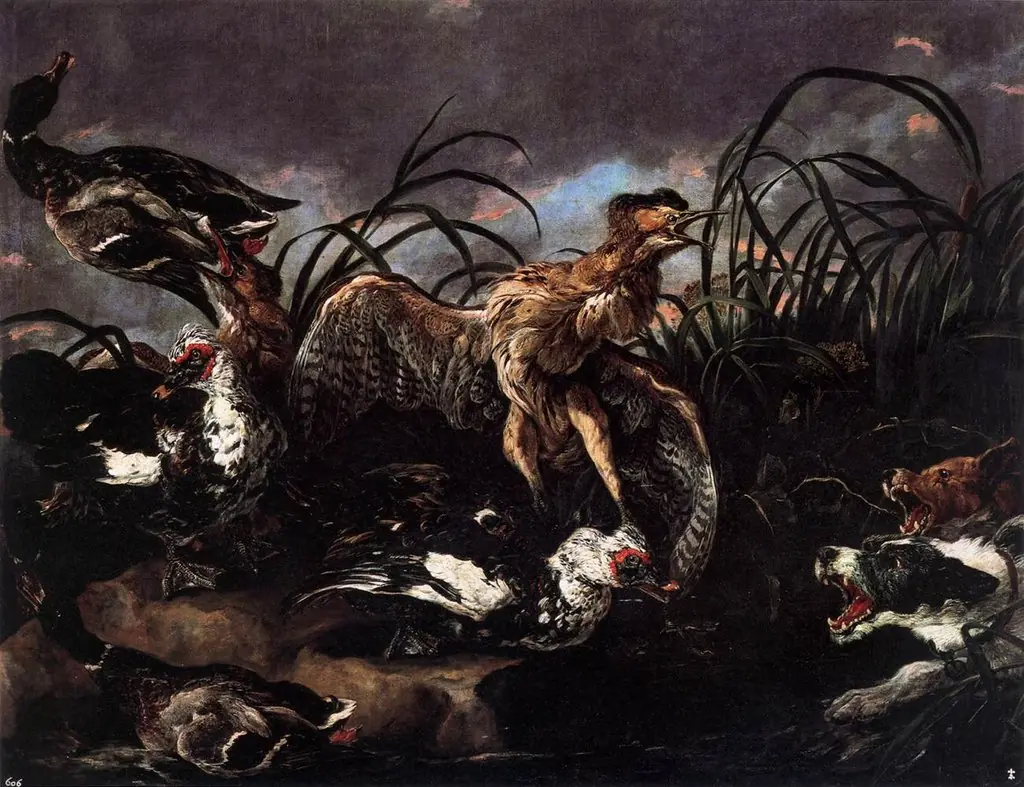 Ducks and Water Hens Surprised by Dogs
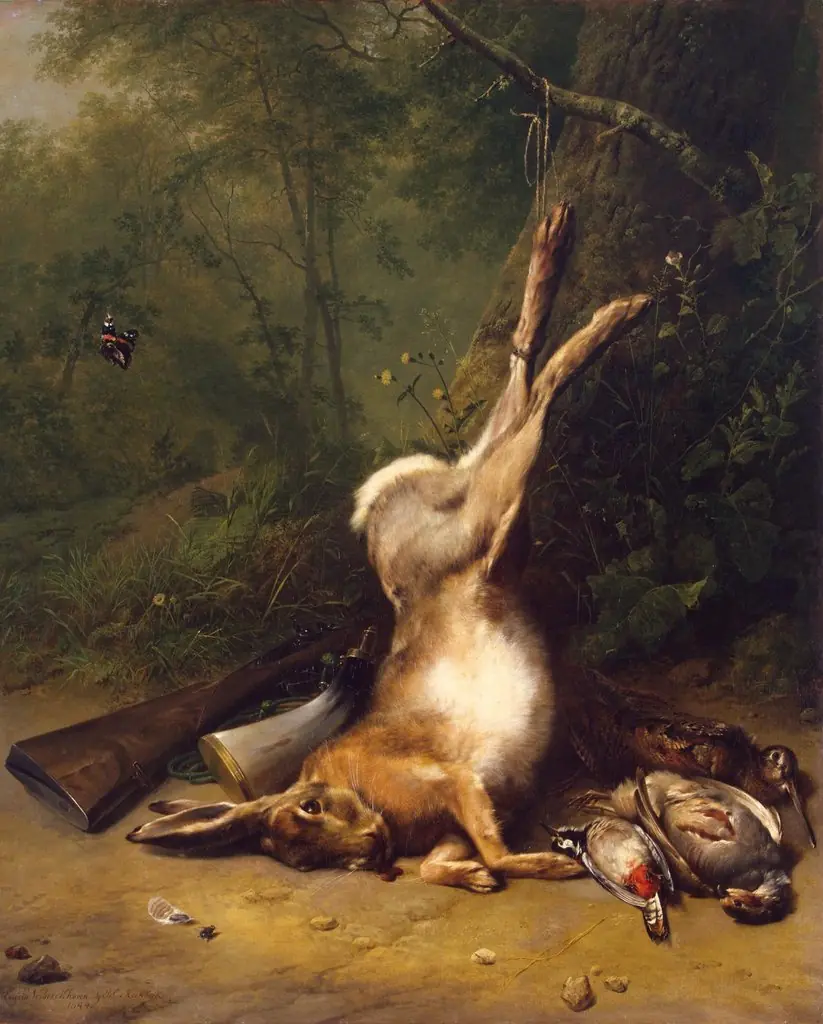 Still Life with a Hare
Frequently asked questions
What is Hunting?
Hunting (French pronunciation: ; German: Hüntingen; Lorraine Franconian: Hënténgen/Hënténg) is a commune in the Moselle department in Grand Est in north-eastern France.
How many Hunting works does Artifact World Gallery have?
Artifact World Gallery holds 200 public-domain Hunting works, all free to view and download.
Who are the key Hunting artists?
Key Hunting artists in the collection include Titian, Thomas Eakins and Gustave Courbet.
Where can I see Hunting works?
Hunting works in the collection are held by National Gallery of Art, Cleveland Museum of Art and Bavarian State Painting Collections.