Artwork
Satire on the trial of Johan van Oldenbarneveldt
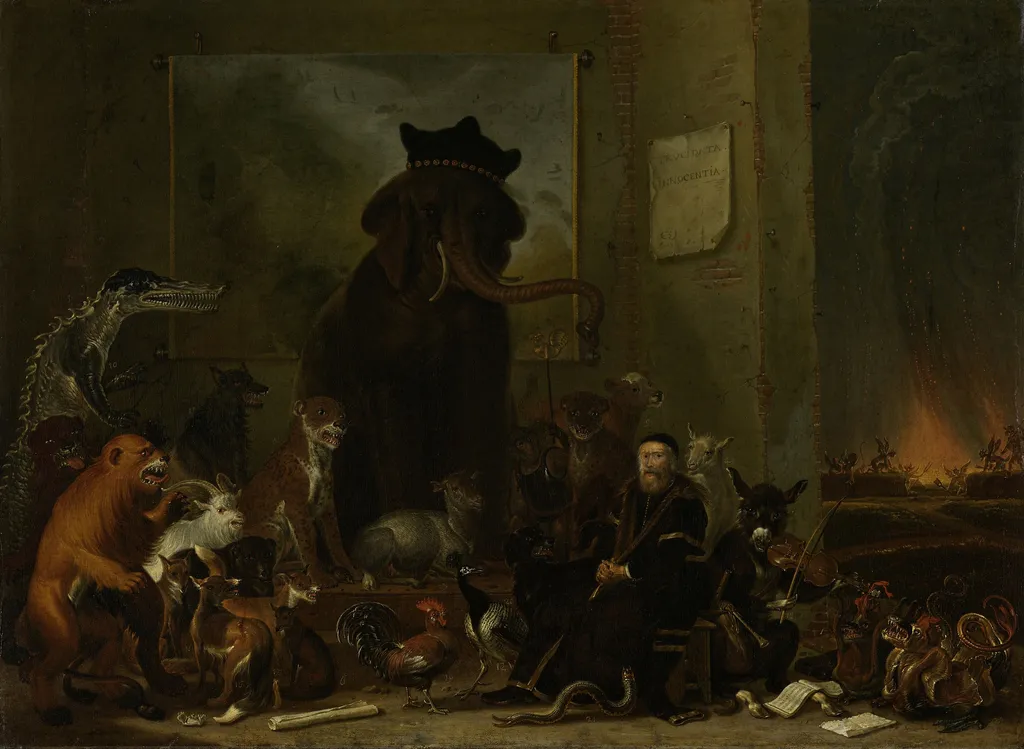
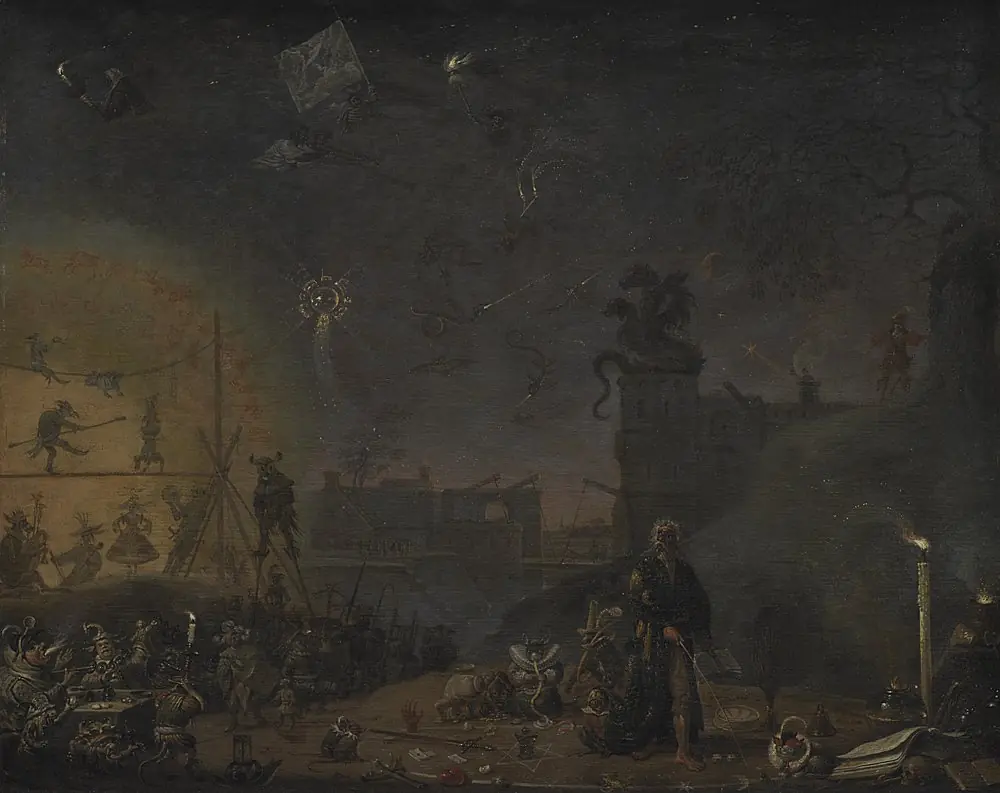
Satire on the trial of Johan van Oldenbarneveldt is an oil painting by Cornelis Saftleven. It dates from 1663 and is held in the collection of the Rijksmuseum.
About this work
Subject & Meaning
As a piece of political satire, the artwork represents a specific contemporary interpretation of the trial's significance and the fate of the statesman.
The painting serves as a satirical depiction of the trial of Johan van Oldenbarnevelt, a central political figure in the Dutch Republic. Created by Cornelis Saftleven in 1663, the work utilizes the genre of satire to comment on this historical legal proceeding. The imagery explicitly portrays Oldenbarnevelt, framing the event through a critical lens rather than a neutral documentary record.
As a piece of political satire, the artwork represents a specific contemporary interpretation of the trial's significance and the fate of the statesman.
Technique & Style
The work is executed in oil paint on canvas, a standard support for seventeenth-century Dutch cabinet paintings of this scale. Its dimensions of 63 by 86 cm place it in the modest, easily handled format typical of satirical cabinet pieces rather than large-scale history paintings.
Stylistically, the painting belongs to the satirical genre tradition, depicting Johan van Oldenbarnevelt in a manner consistent with Cornelis Saftleven's known output of politically and morally charged imagery. The horizontal orientation of the canvas accommodates a multi-figure or wide narrative composition, which is characteristic of satirical scenes that juxtapose allegorical or caricatured figures across a broad stage.
History & Provenance
The painting Satire on the trial of Johan van Oldenbarneveldt was created by Cornelis Saftleven in 1663. Executed in oil on canvas, the work measures 63 cm in height and 86 cm in width. It is currently held in the collection of the Rijksmuseum. Historical records indicate that the artwork was previously owned by Gijsbert de Clercq.
Context
The painting Satire on the trial of Johan van Oldenbarneveldt by Cornelis Saftleven was created in 1663 and depicts the historical figure Johan van Oldenbarnevelt, reflecting contemporary political tensions in the Dutch Republic. Its satirical genre and execution in oil on canvas highlight Saftleven's engagement with legal and civic themes, situating the work within his broader oeuvre of narrative paintings. The piece is held in the Rijksmuseum collection and was part of the estate of Gijsbert de Clercq, underscoring its provenance and institutional significance.
Overview
Cornelis Saftleven's 1663 painting, Satire on the trial of Johan van Oldenbarneveldt, is an oil-on-canvas work satirizing a pivotal Dutch historical event. It is part of the Rijksmuseum's collection.
Own this work as a print
Artist & collection
Artist
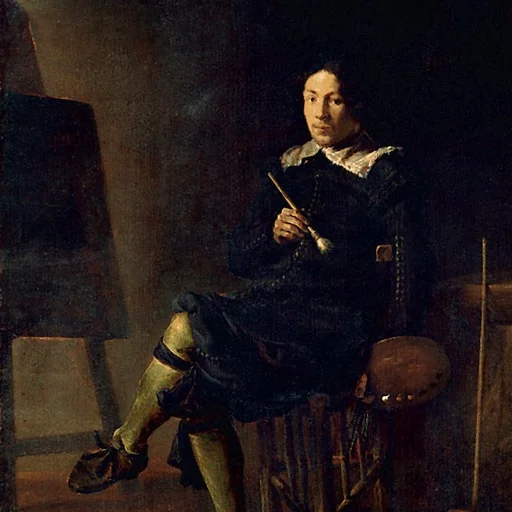
Cornelis Saftleven (c. 1607 in Gorinchem – 1 June 1681 in Rotterdam) was a Dutch painter who worked in a great variety of genres. Known in particular for his rural genre scenes, his range of subjects was very wide and…

- The Display of the Elephant
 Tabakskollegium with monkeys
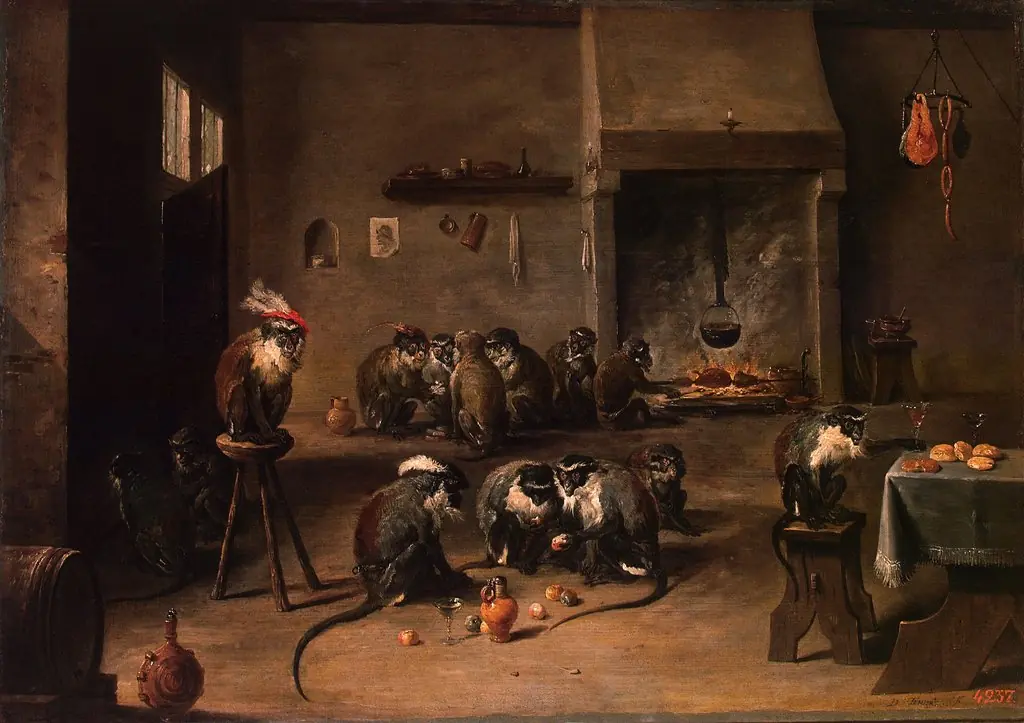 Monkeys in the Kitchen
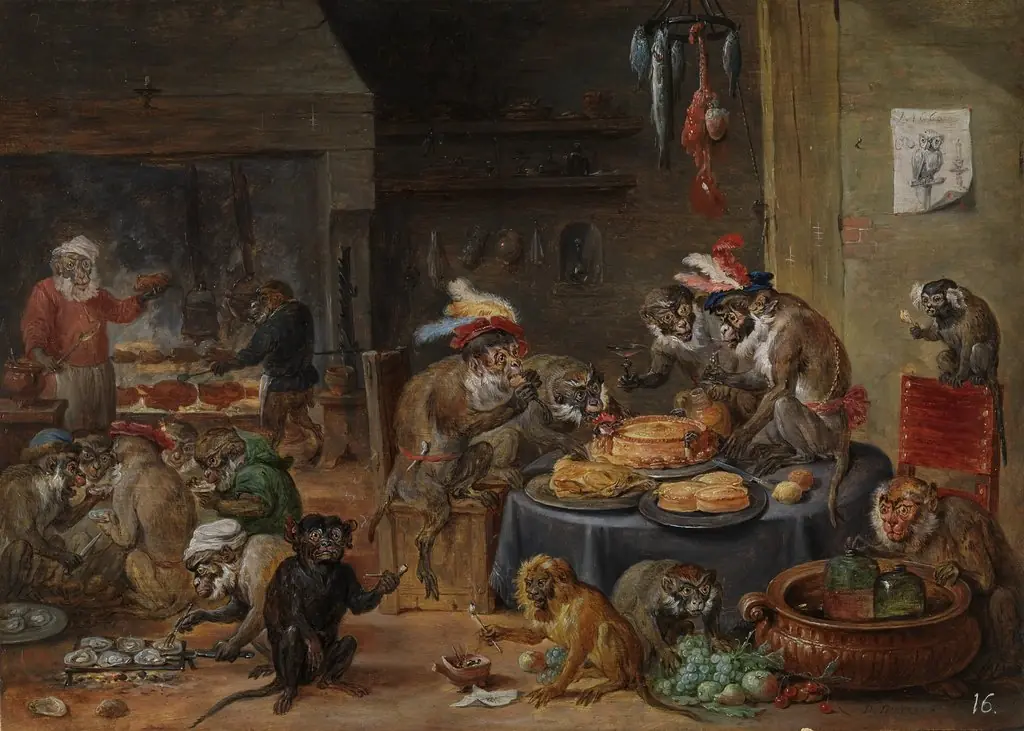 The Monkeys’ Banquet
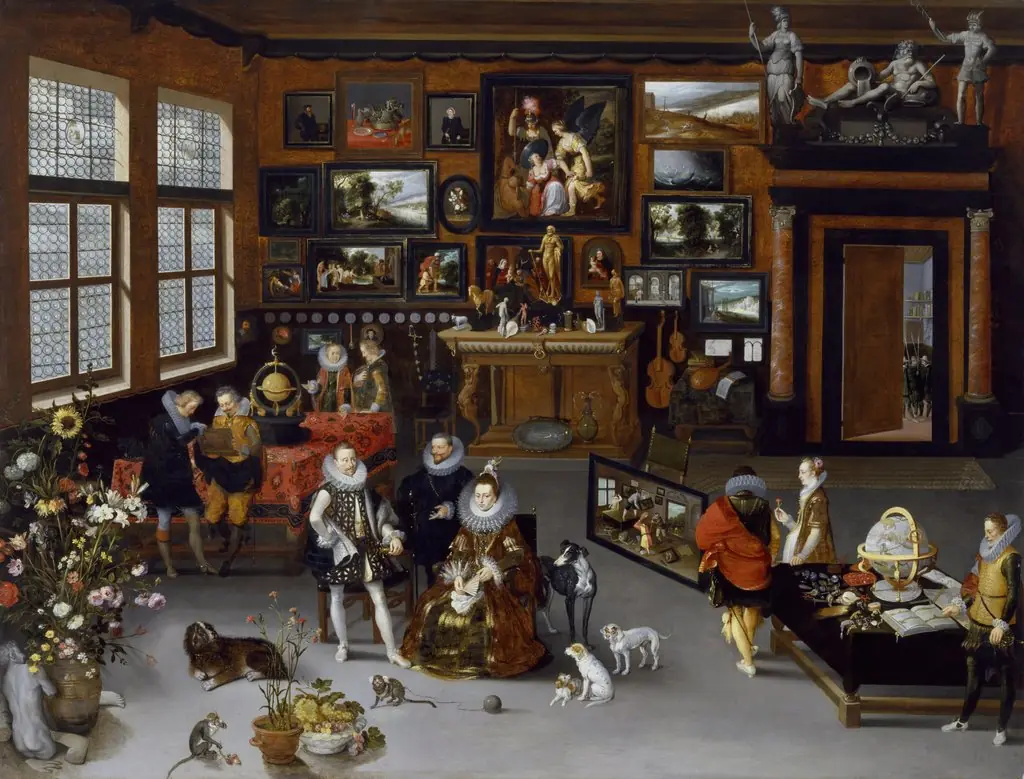 The Archdukes Albert and Isabella Visiting a Collector's Cabinet
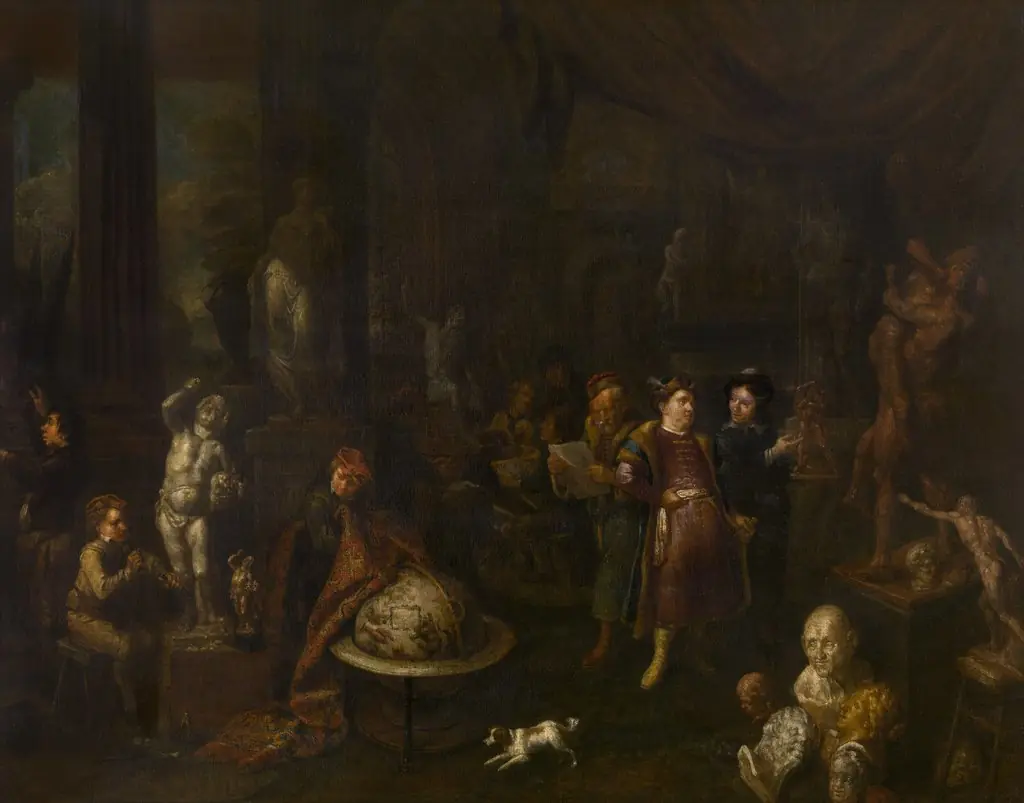 The Sculptors' Workshop
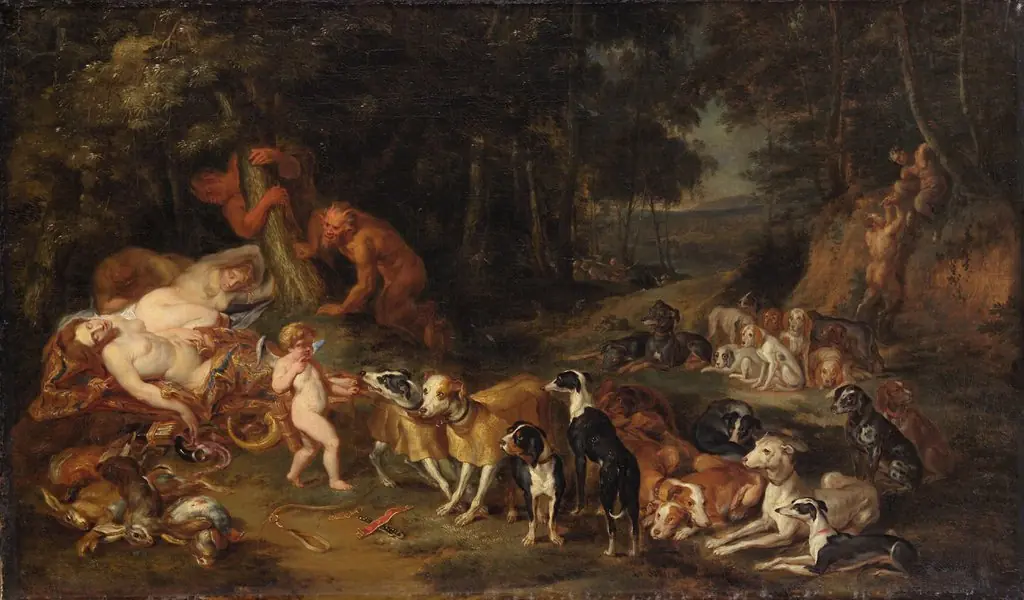 Sleeping Diana
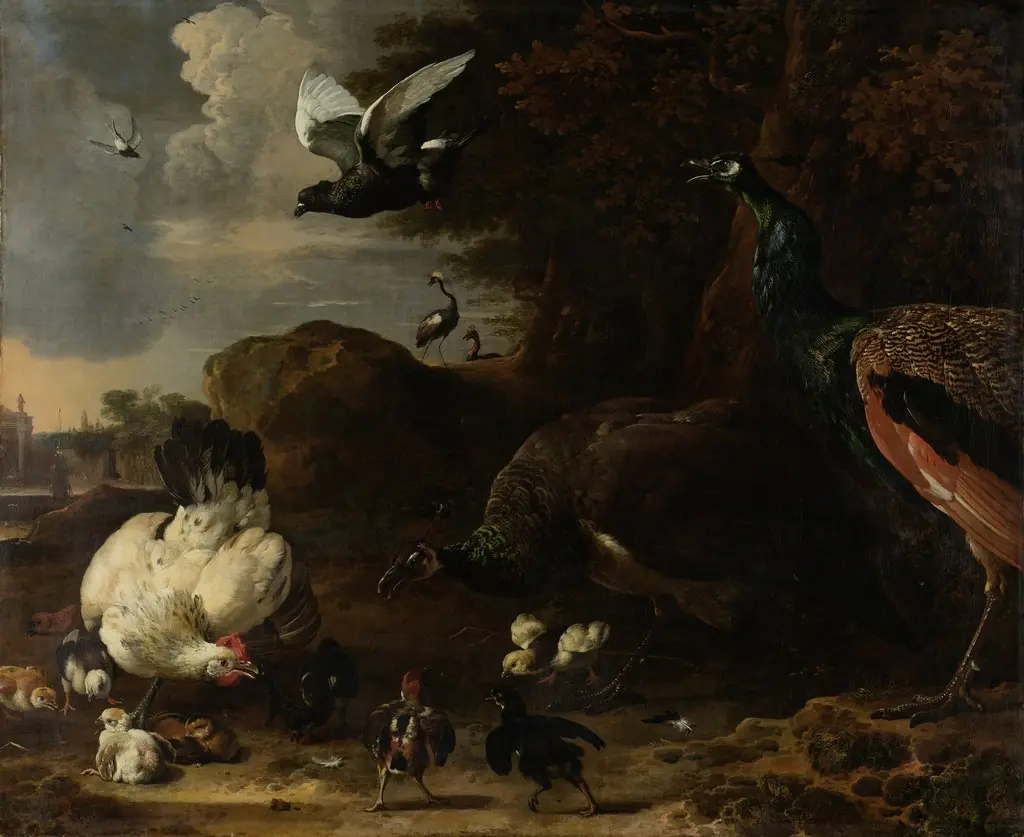 Two Peacocks Threatening a Hen with Chicks, Known as ‘The Threatened Hen’
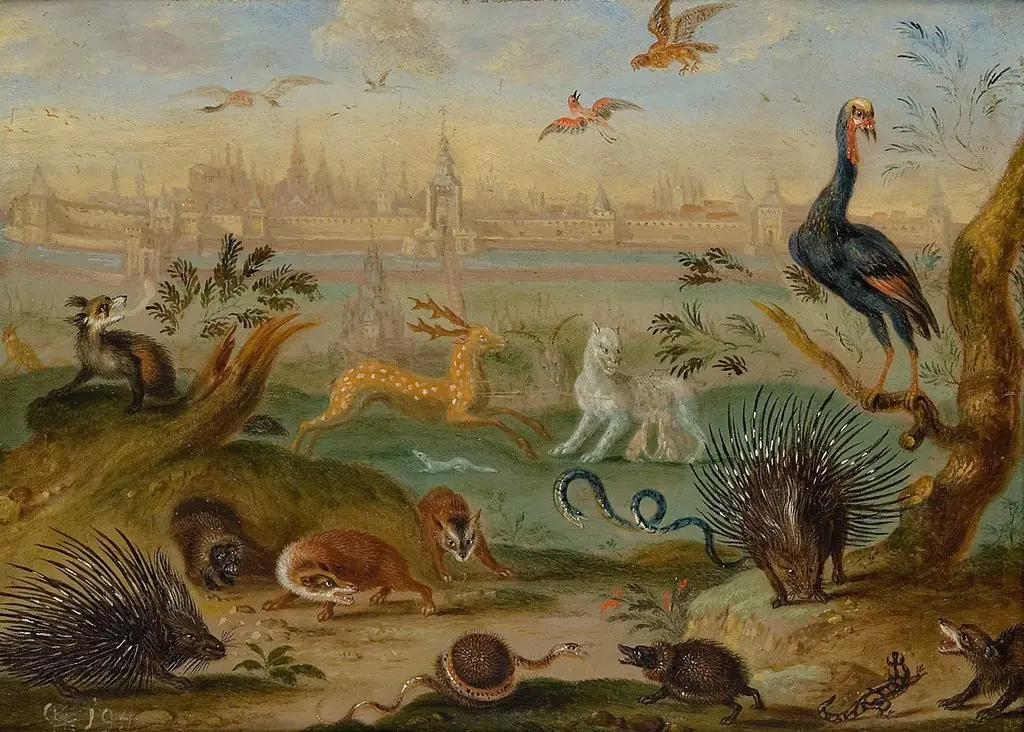 Ansichten aus den vier Weltteilen mit Szenen von Tieren: Moskau
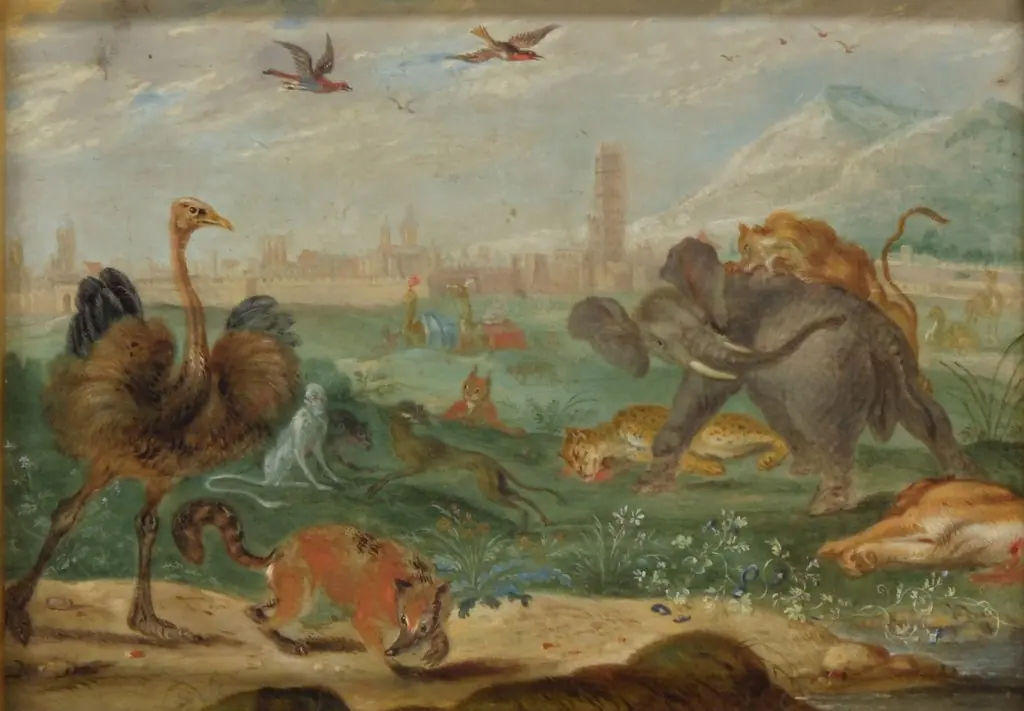 Ansichten aus den vier Weltteilen mit Szenen von Tieren: Marokko
 Monkeys in a Tavern
 Concierto de aves