Artwork
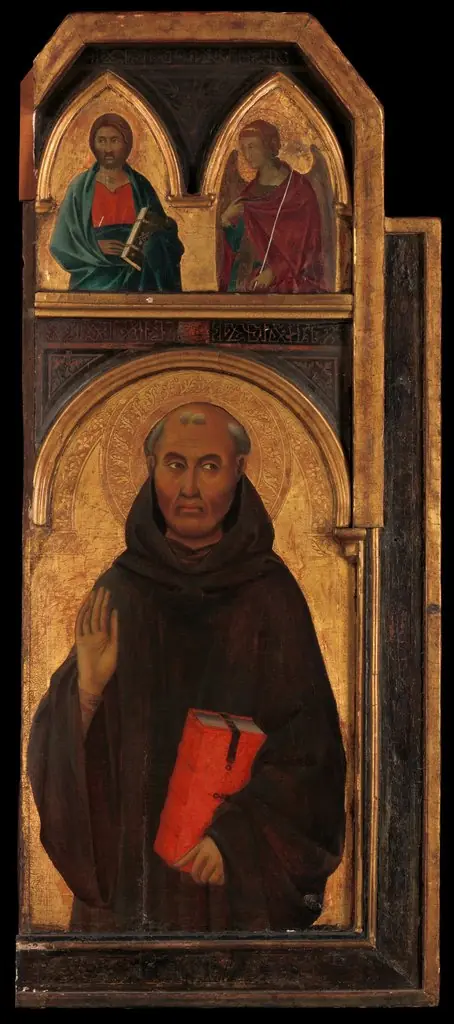
Saint Dominic
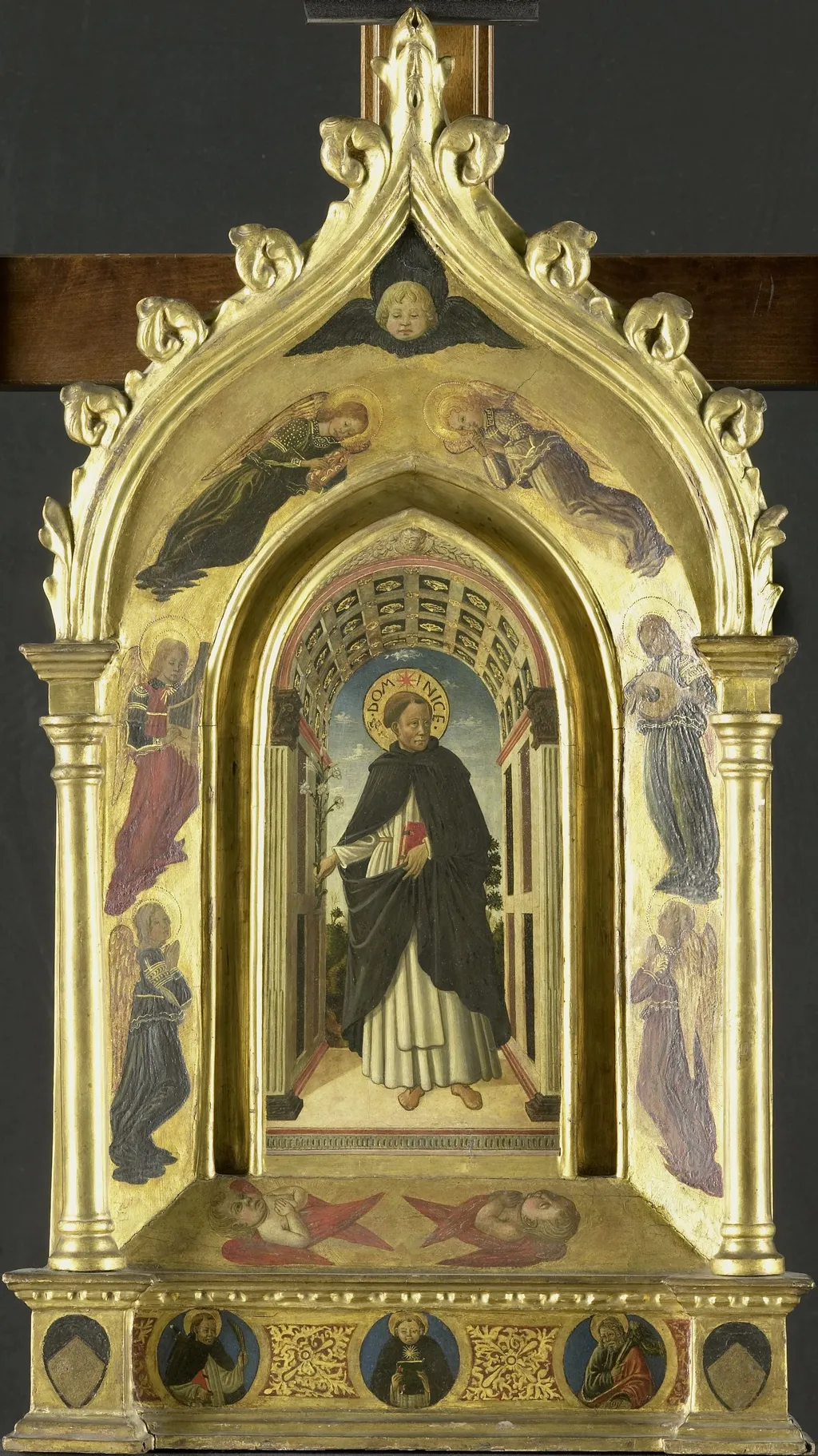
Saint Dominic is an oil painting by the Early Renaissance artist Cosimo Rosselli. It dates from 1450 and is held in the collection of the Rijksmuseum.
About this work
Subject & Meaning
The choice of Saint Dominic indicates the painting likely served Dominican patrons or institutions, promoting veneration of their founding figure.
The painting depicts Saint Dominic, the 13th-century Spanish priest who founded the Dominican Order. As a religious work, it presents the saint as its sole main subject, reflecting the devotional function common to Florentine religious art of the mid-15th century. The choice of Saint Dominic indicates the painting likely served Dominican patrons or institutions, promoting veneration of their founding figure.
The work's identity as a religious image rather than narrative scene suggests a focus on the saint's spiritual presence, inviting contemplation and intercession.
Technique & Style
Cosimo Rosselli painted Saint Dominic circa 1450 using oil paint on a wooden panel. The work belongs to the religious art genre and exemplifies early Renaissance techniques, with careful rendering of the saint's figure and devotional composition. It is housed in the Rijksmuseum collection, where it is preserved as part of their religious art holdings.
History & Provenance
Saint Dominic, attributed to Cosimo Rosselli, dates to 1450 and was produced in Florence. The work is executed in oil paint on panel and depicts Saint Dominic as its principal subject.
The painting entered the collection of the Rijksmuseum, where it is held today. No further details of an earlier ownership chain, commission, or acquisition history are documented in the available sources.
Overview
Created circa 1450, this oil painting by Cosimo Rosselli portrays Saint Dominic within a richly gilded altarpiece. The work is part of the Rijksmuseum’s collection and exemplifies the early Renaissance interest in devotional imagery.
Artist & collection
Artist
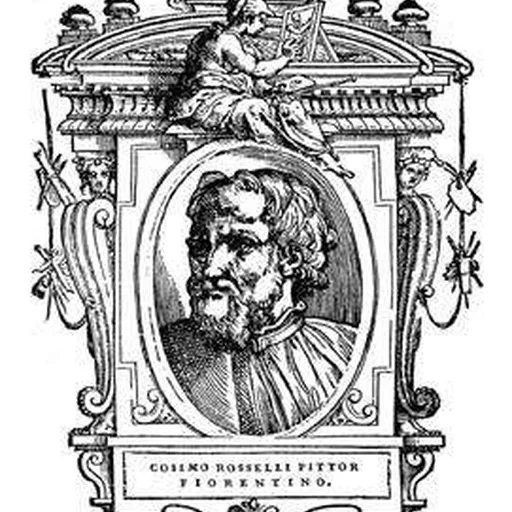
Cosimo Rosselli (Italian:; 1439–1507) was an Italian painter of the Quattrocento, active mainly in his birthplace of Florence, but also in Pisa earlier in his career and in 1481–82 in the Sistine Chapel in Rome, where…

 Saint Benedict
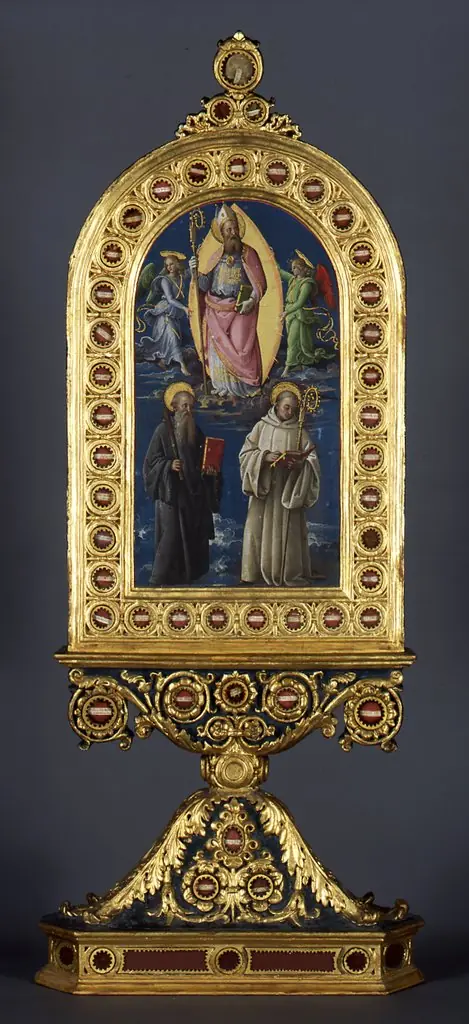 The church father Augustine in glory with two angels and the saints Benedict and Bernhard (reliquary)
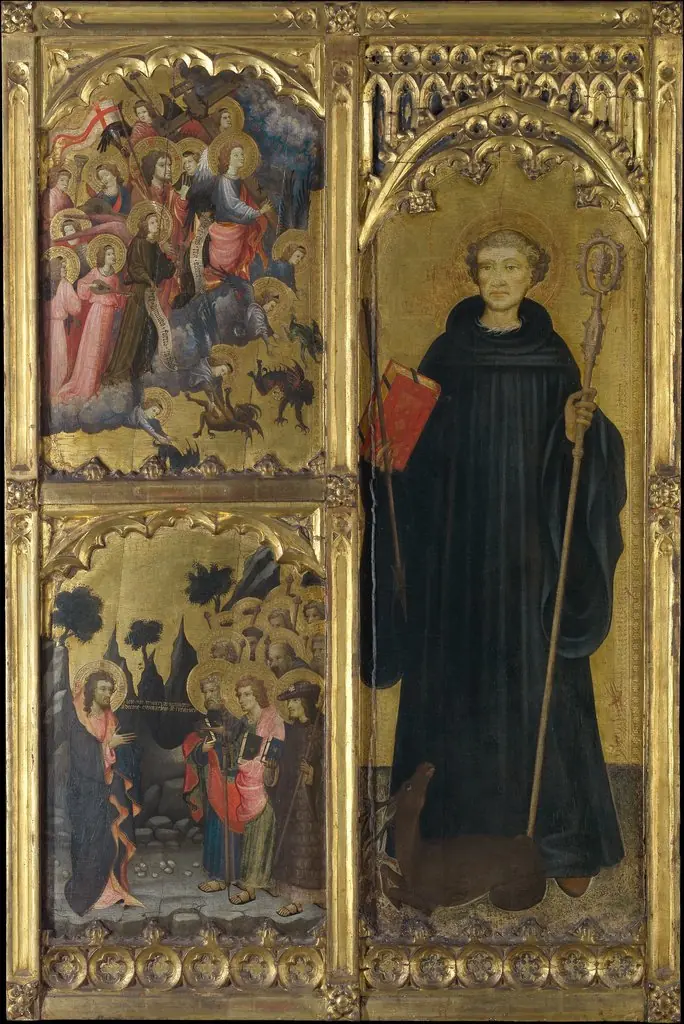 Saint Giles with Christ Triumphant over Satan and the Mission of the Apostles
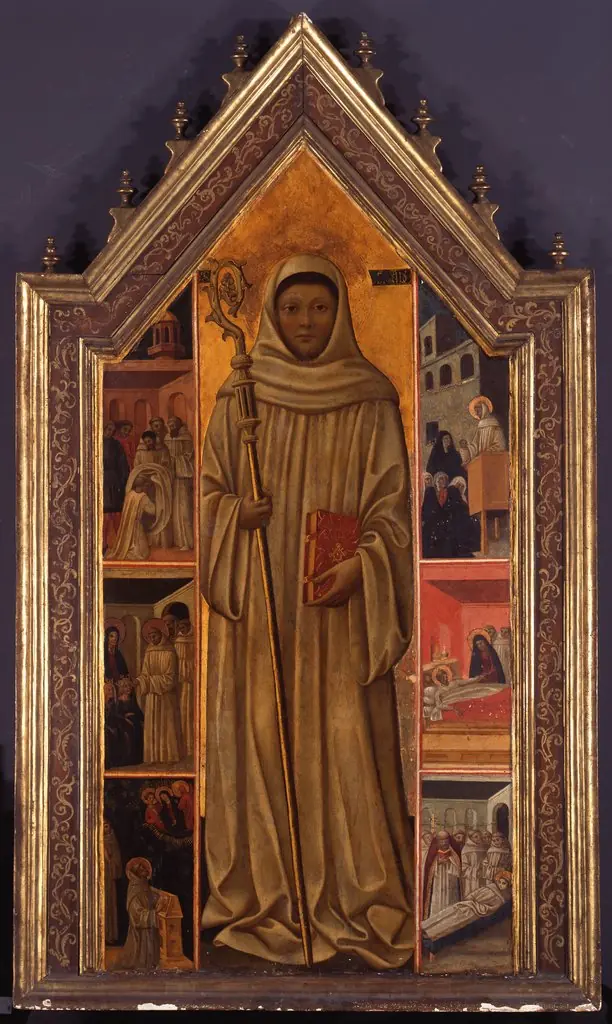 St. Bernard of Clairvaux and scenes of his life
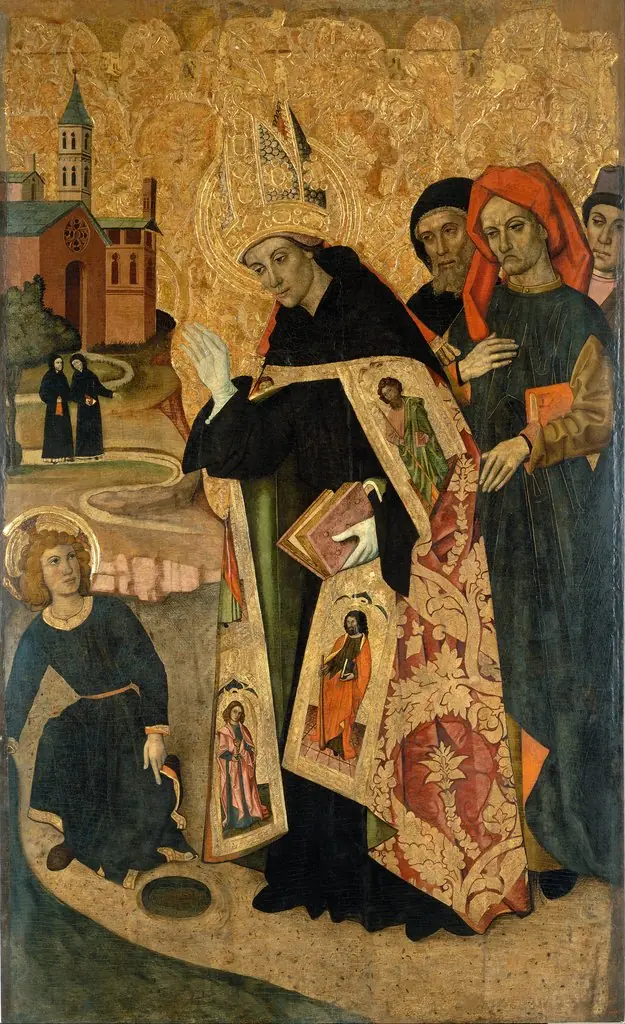 Saint Augustine Meditates on the Trinity when the Child Jesus Appears before him
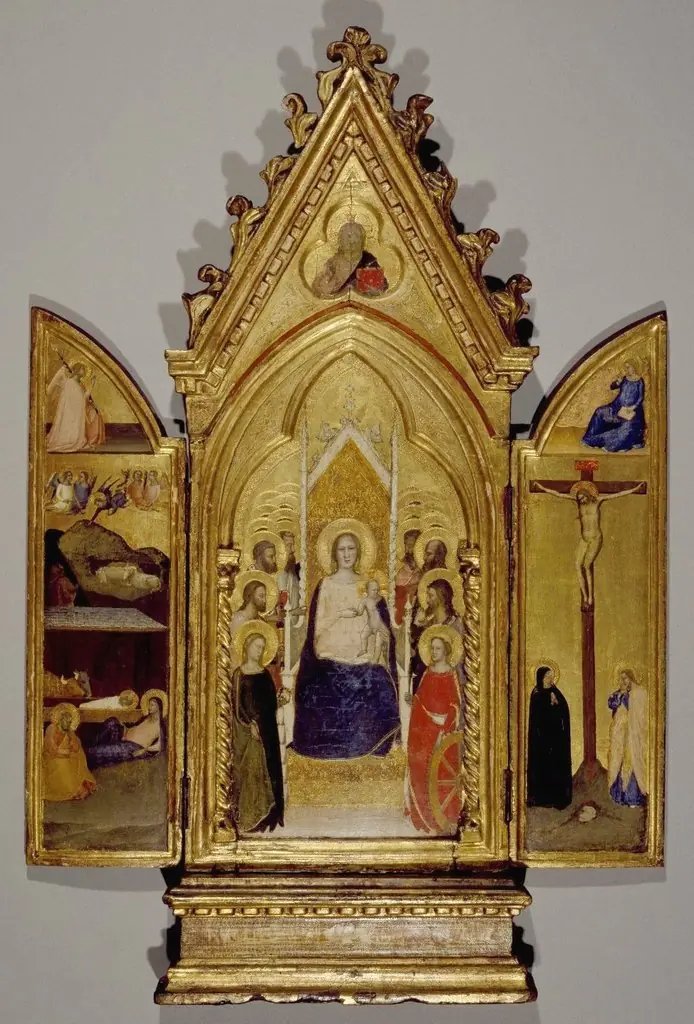 Triptych: Madonna with Saints and Christ Blessing (Center); The Nativity and the Annunciate Angel (Left Wing); Crucifixion and the Virgin Annunciate (Right Wing)
 Saint Sebastian