Artwork
Portrait of a Man
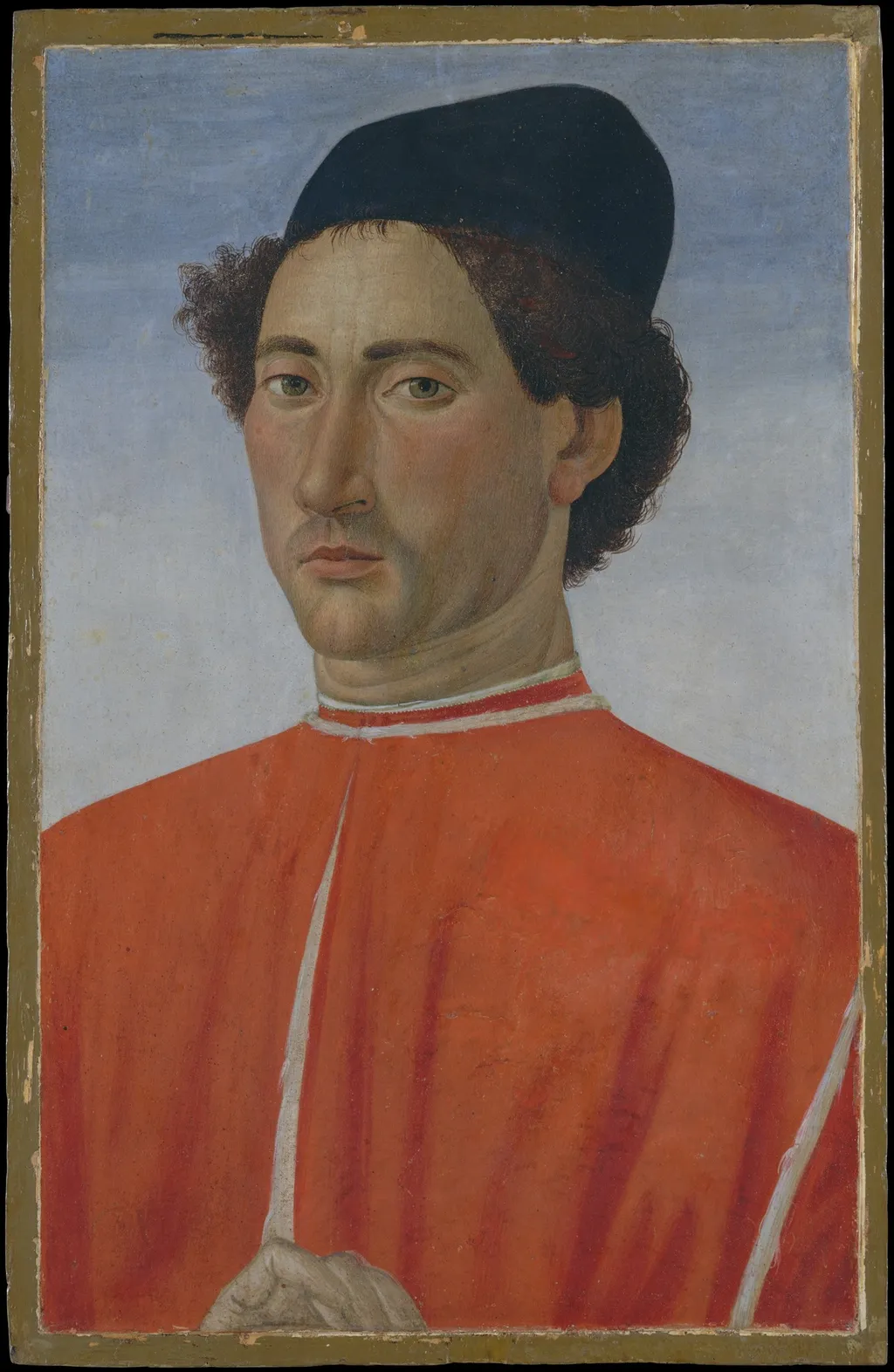
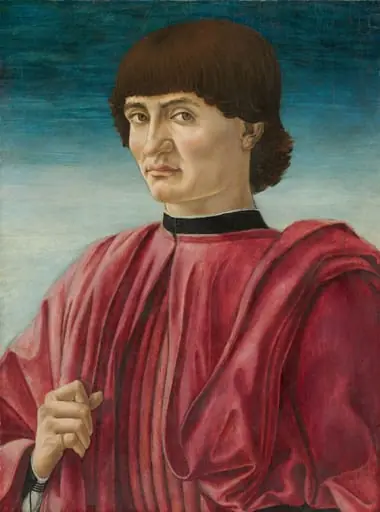
Portrait of a Man is a tempera painting by the Early Renaissance artist Cosimo Rosselli. It dates from 1490 and is held in the collection of the Metropolitan Museum of Art.
About this work
Subject & Meaning
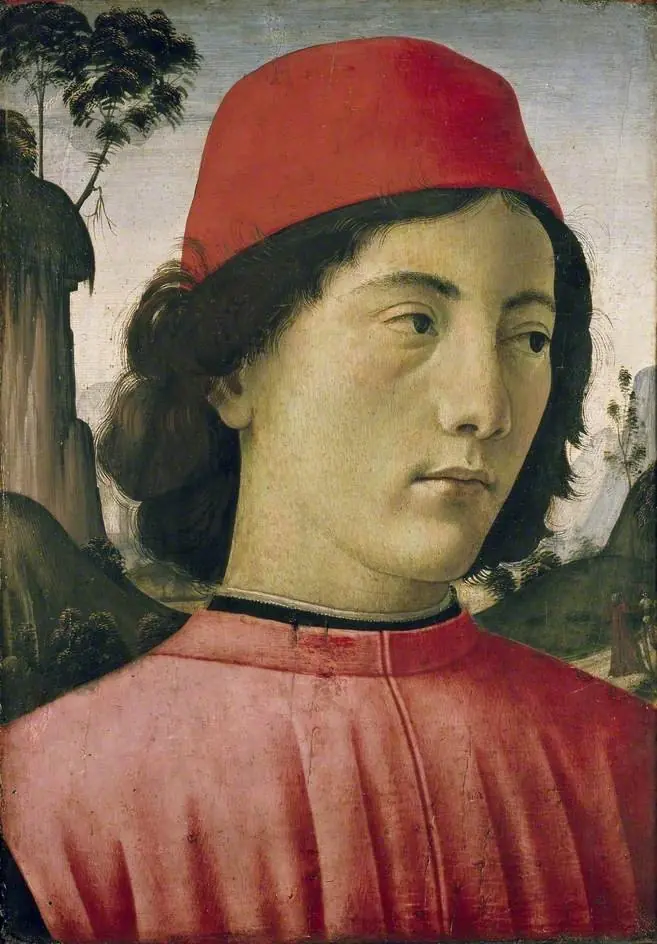
The painting shows an unidentified male sitter rendered in a half-length pose typical of late-15th-century Florentine portraiture.
The painting shows an unidentified male sitter rendered in a half-length pose typical of late-15th-century Florentine portraiture. Rosselli captures the sitter's dignified presence through a sober expression, fine clothing, and careful rendering of facial features, suggesting an emphasis on personal identity and social standing. The work's formal composition, use of tempera on panel, and placement within a gallery of Renaissance faces underscore its role as a representation of civic virtue and humanist ideals.
As documented in the Metropolitan Museum's collection records, the portrait belongs to the early Renaissance genre of individual portraiture, focusing on the subject's psychological presence rather than symbolic allegory.
Technique & Style
Created in 1490, the Portrait of a Man is executed in tempera on a wooden panel support. The work measures 51.8 cm in height and 33 cm in width. As a Renaissance portrait, it depicts a male subject and is classified within the genre of portraiture.
The painting is currently held by the Metropolitan Museum of Art, where it is displayed in Gallery 602 as part of the 'Gesichter der Renaissance' presentation. The medium and support are consistent with Florentine painting practices of the late fifteenth century.
History & Provenance
The Portrait of a Man by Cosimo Rosselli is held in the collection of the Metropolitan Museum of Art in New York City. The work, created in 1490, is currently displayed in Gallery 602 within the exhibition titled Gesichter der Renaissance. The painting, executed in tempera on panel, measures 51.8 cm in height and 33 cm in width.
Its placement in Gallery 602 indicates its active status within the museum's public display program, where it serves as a representative example of Renaissance portraiture.
Overview
Cosimo Rosselli, a Florentine painter of the 15th century, completed Portrait of a Man in 1490. This tempera painting captures a solemn male figure, distinguished by his dark hair and black hat, set against a simple blue ground. His vibrant red robe, accented with white, draws the viewer's eye, while his focused gaze and hand resting on his chest convey a sense of quiet introspection. The work is now part of The Metropolitan Museum of Art's collection.
Context
Active in Florence during the Quattrocento, Cosimo Rosselli was a versatile artist known for both panel paintings and large-scale fresco commissions. While Portrait of a Man exemplifies his engagement with individual likenesses, Rosselli also contributed significantly to monumental projects. Notably, he was among the prominent artists invited to Rome to decorate the Sistine Chapel between 1481 and 1482, demonstrating his standing within the artistic landscape of the late 15th century.
Own this work as a print
Artist & collection
Artist
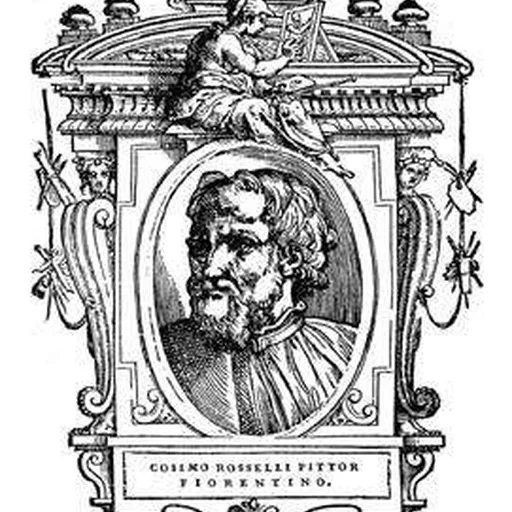
Cosimo Rosselli (Italian:; 1439–1507) was an Italian painter of the Quattrocento, active mainly in his birthplace of Florence, but also in Pisa earlier in his career and in 1481–82 in the Sistine Chapel in Rome, where…

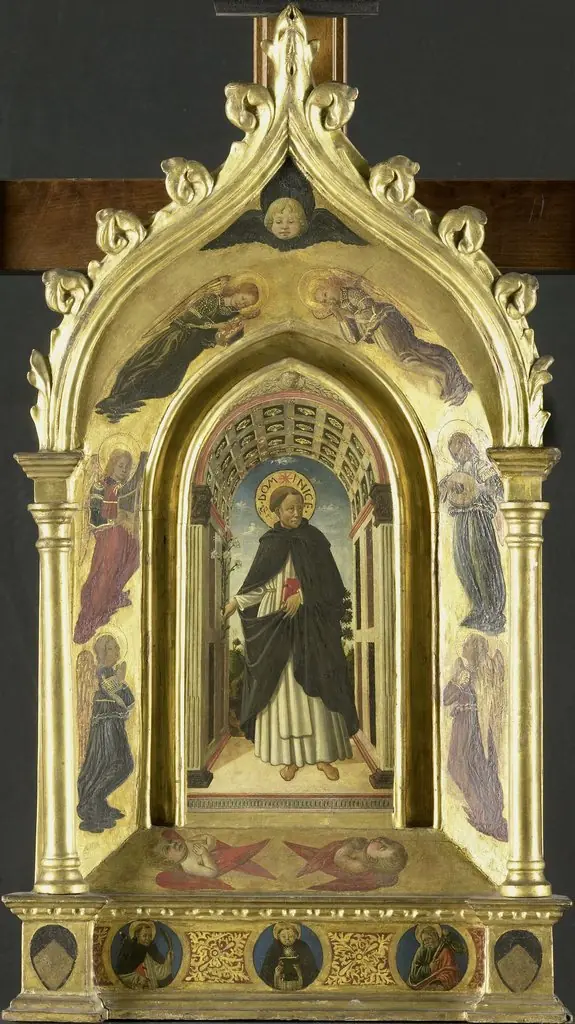
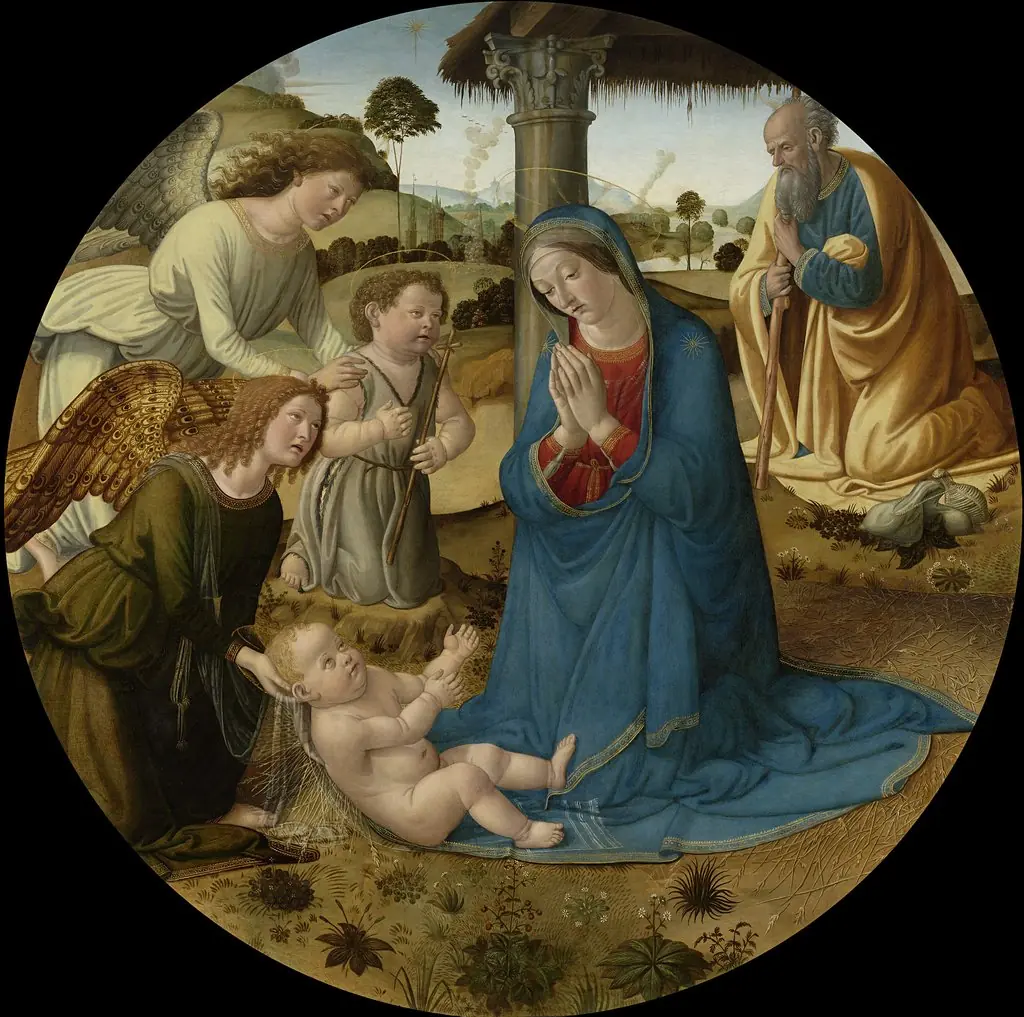
- Portrait of a Young Man, possibly Giuliano de' Medici
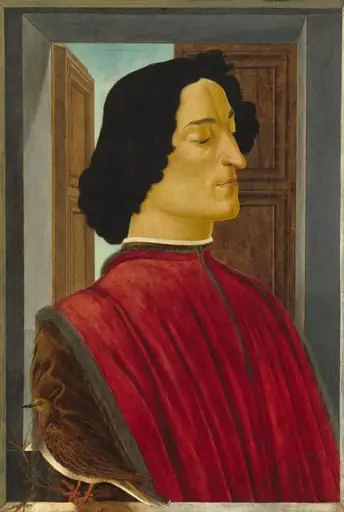 Giuliano de' Medici
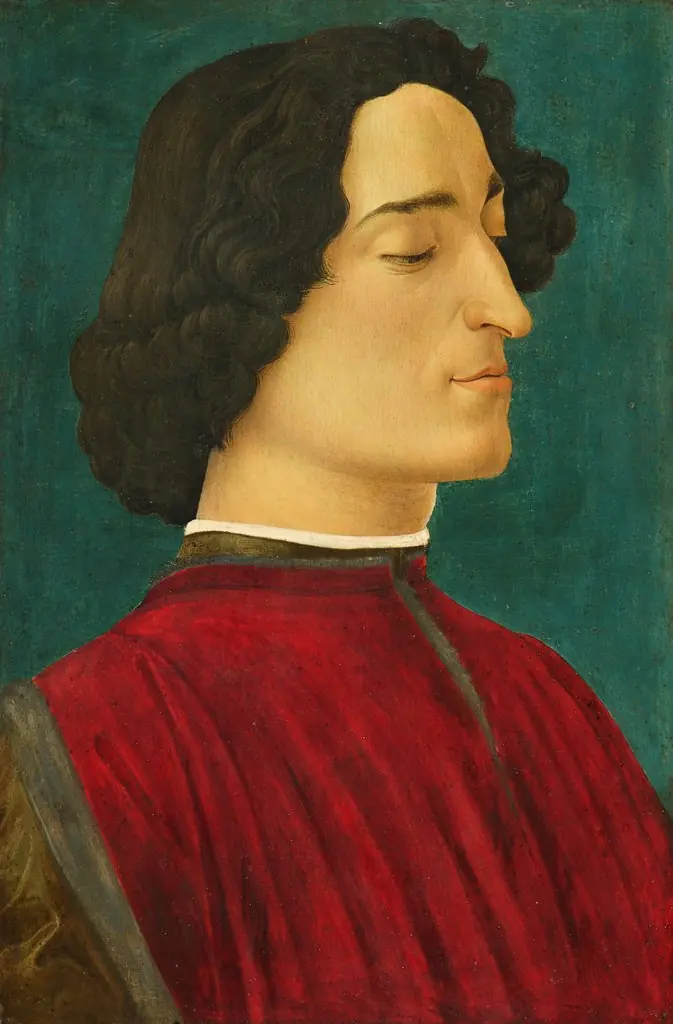 Portrait of Giuliano de' Medici
 Portrait of a Man
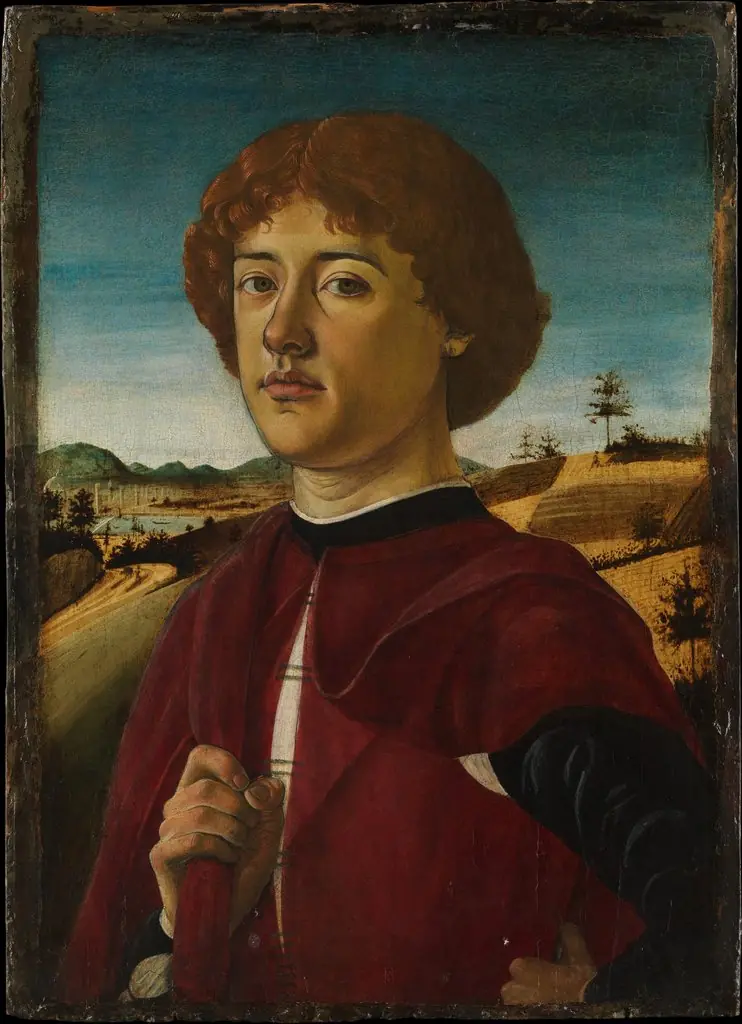 Portrait of a Young Man
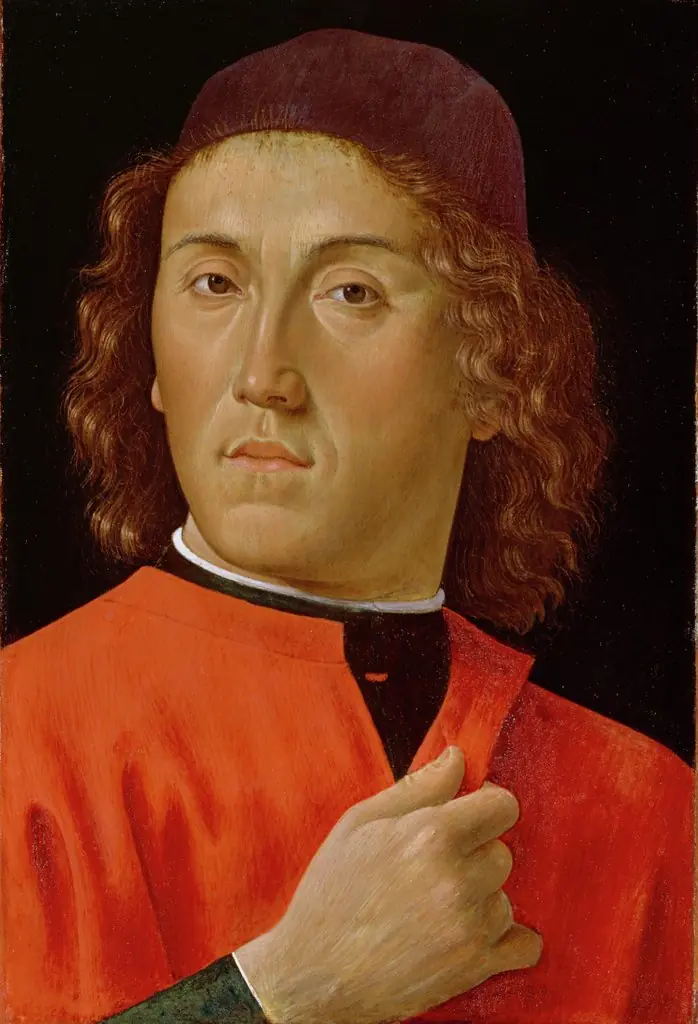 Portrait of a Young Man
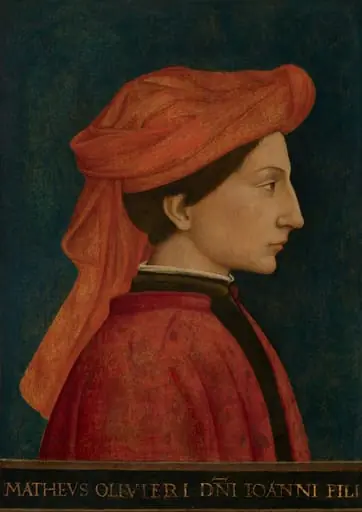 Matteo Olivieri (?)
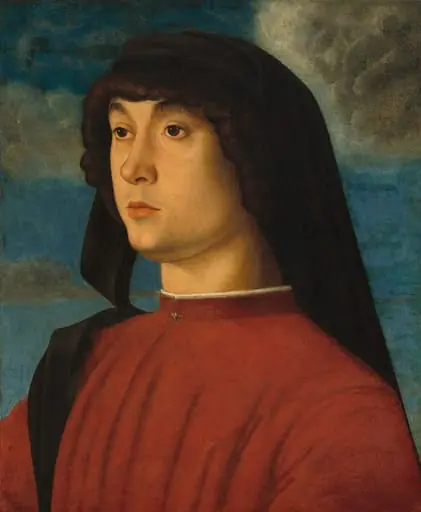 Portrait of a Young Man in Red
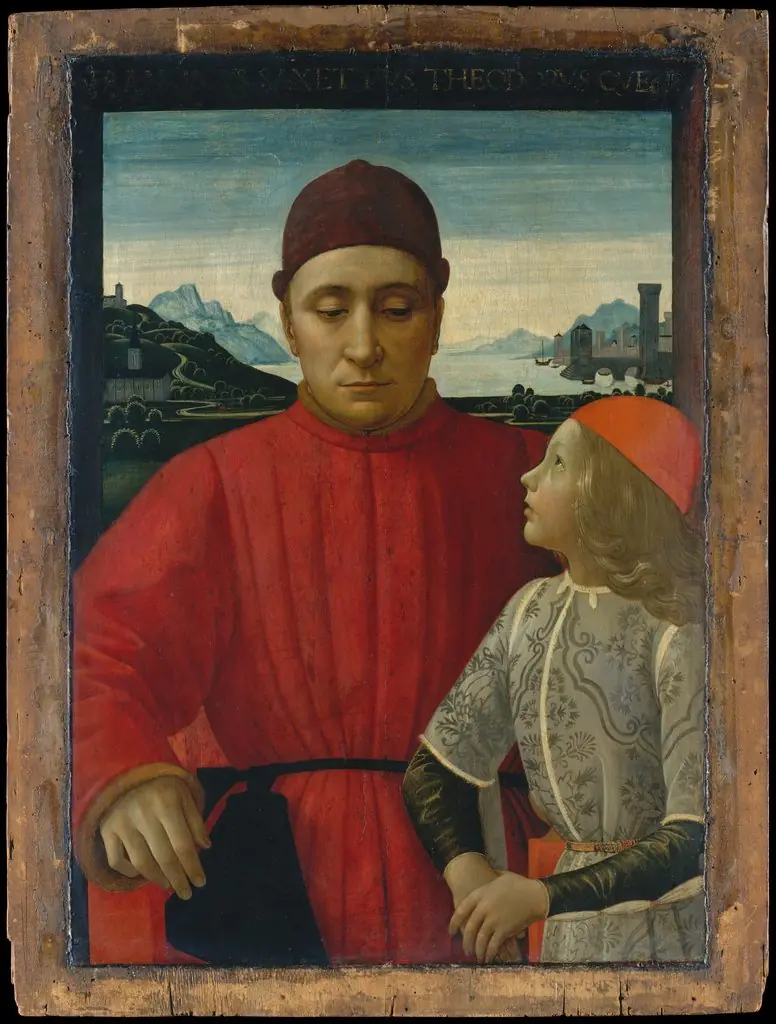 Francesco Sassetti and His Son Teodoro
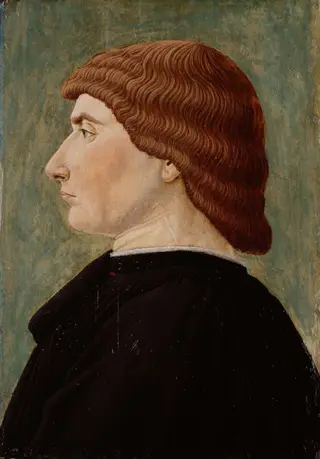 Portrait in profile
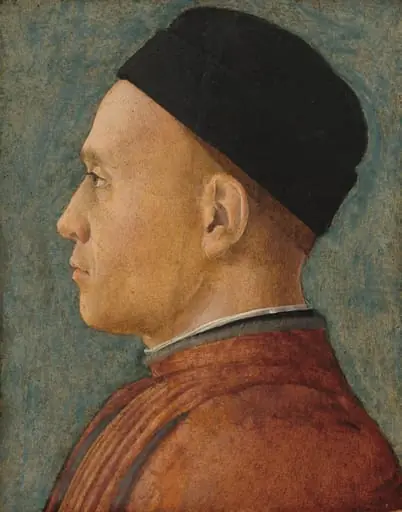 Portrait of a Man
 Portrait of a young Man