Artwork
Rosa de Salazar y Gabiño, Countess of Monteblanco and Montemar
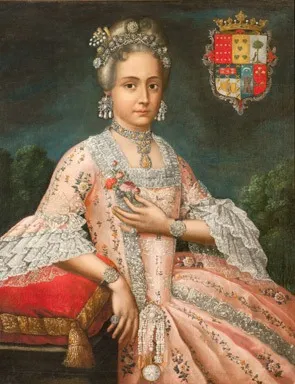
Rosa de Salazar y Gabiño, Countess of Monteblanco and Montemar is an oil painting by the Rococo painting artist Cristóbal Lozano. It dates from 1775 and is held in the collection of the Blanton Museum of Art.
About this work
Technique & Style
The painting is executed in oil on canvas, a standard support for 18th-century Spanish portraiture.
The painting is executed in oil on canvas, a standard support for 18th-century Spanish portraiture. Its dimensions are 96 cm in height by 75.5 cm in width, confirming a full-length format typical of aristocratic subjects. The brushwork demonstrates Lozano’s characteristic blend of Rococo delicacy and emerging Neoclassical clarity, with fine modeling of facial features and rich, muted tonal transitions.
The composition is tightly framed, emphasizing the sitter’s poised elegance through restrained gestures and a subdued palette of deep reds and ochres, reflecting both the sitter’s noble status and the artist’s technical mastery.
History & Provenance
The portrait is held by the Blanton Museum of Art, where it is recorded as accession number 1971.14.
It was exhibited in 1974 at the Blanton Museum of Art as part of the display "Cristóbal Lozano: Paintings from Late Colonial Peru."
Legacy
The painting's enduring reputation stems from its attribution to Cristóbal Lozano and its presence in major institutions, influencing scholarly discourse on 18th-century Spanish portraiture. Its inclusion in prominent collections has cemented its status in art historical narratives, though specific critical reception remains sparse in available records.
The work's legacy is anchored in its scholarly documentation, particularly its recognition within institutional catalogues and exhibitions, which continue to reference its significance in the broader context of Spanish colonial art.
Its material composition and provenance, verified through museum records, contribute to its studied authenticity, reinforcing its role in academic studies of 18th-century portraiture.
Overview
Cristóbal Lozano’s oil portrait of Rosa de Salazar y Gabiño, Countess of Monteblanco and Montemar, dates to 1775 and is part of the Metropolitan Museum of Art’s collection. The work presents the aristocratic sitter in a richly appointed dress, highlighted against a subdued backdrop that emphasizes the vivid hues of her attire.
Subject & Meaning
The painting portrays the countess wearing an elaborate gown with lace trim and a floral motif, complemented by a decorative headpiece resembling a crown. She holds a modest bouquet, a conventional symbol of femininity and status, reinforcing her noble identity and the genteel virtues associated with 18th‑century Spanish aristocracy.
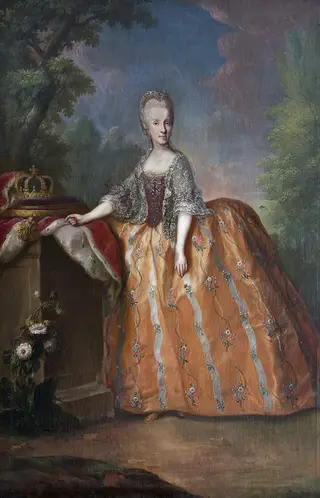
Artist & collection

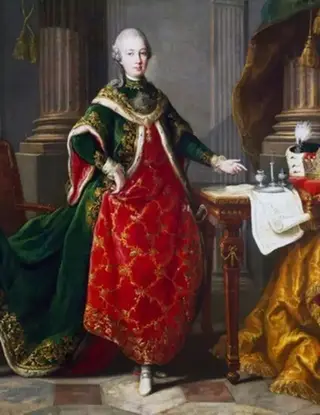 Archduke Ferdinand of Austria-Este (1754-1806)
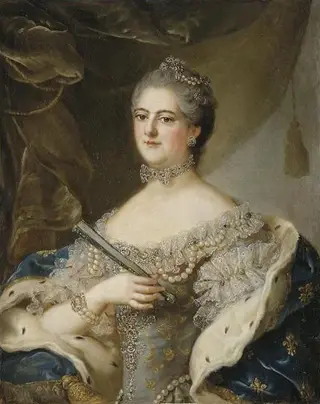 Élisabeth-Alexandrine de Bourbon, Mademoiselle de Sens (1705–1765)
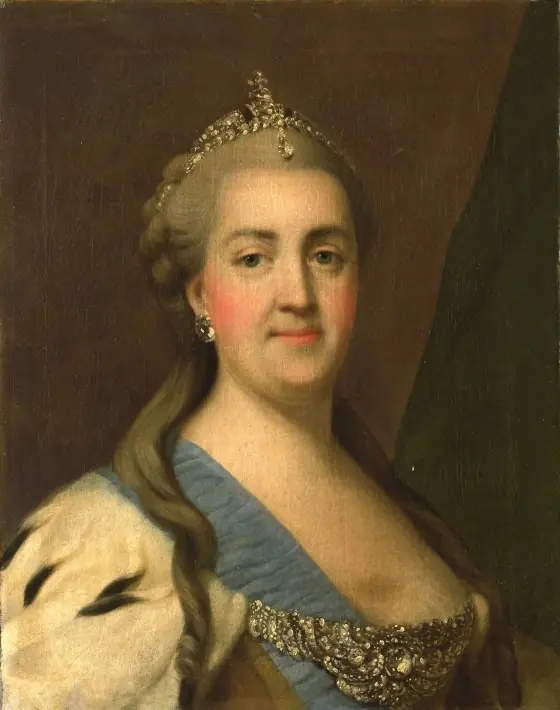 Portrait of Catherine II (1729-96), empress of Russia
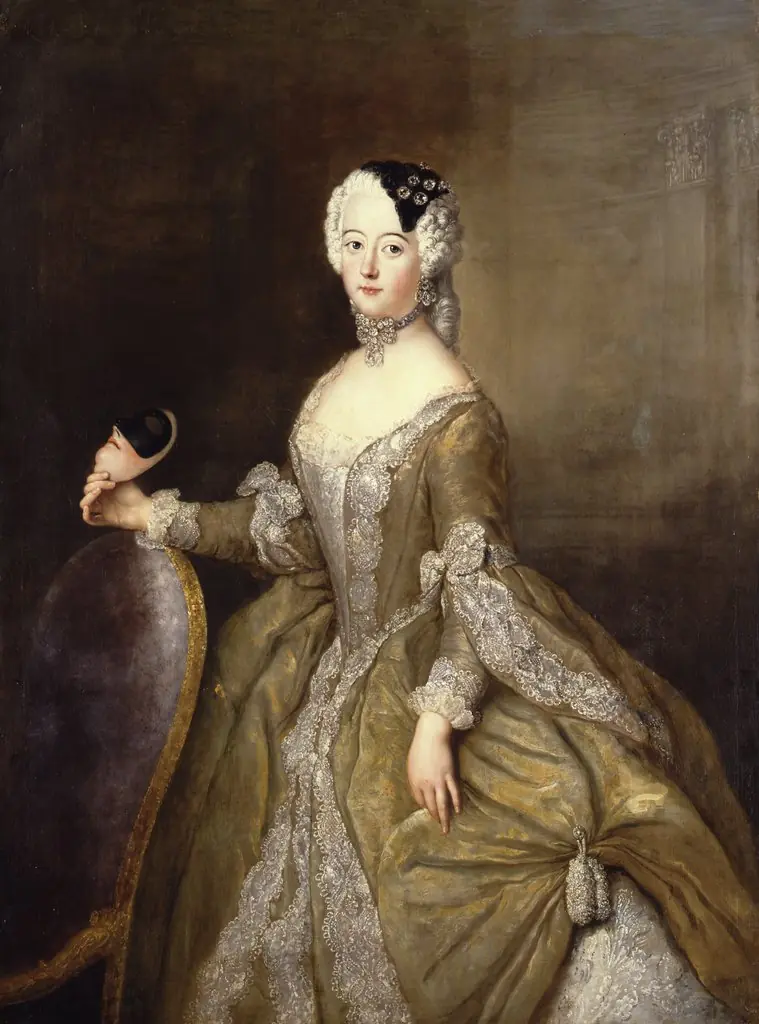 Princess Luise Ulrike of Prussia (1720-1782)
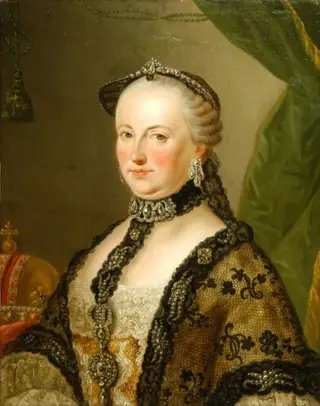 Împărăteasa Maria Tereza
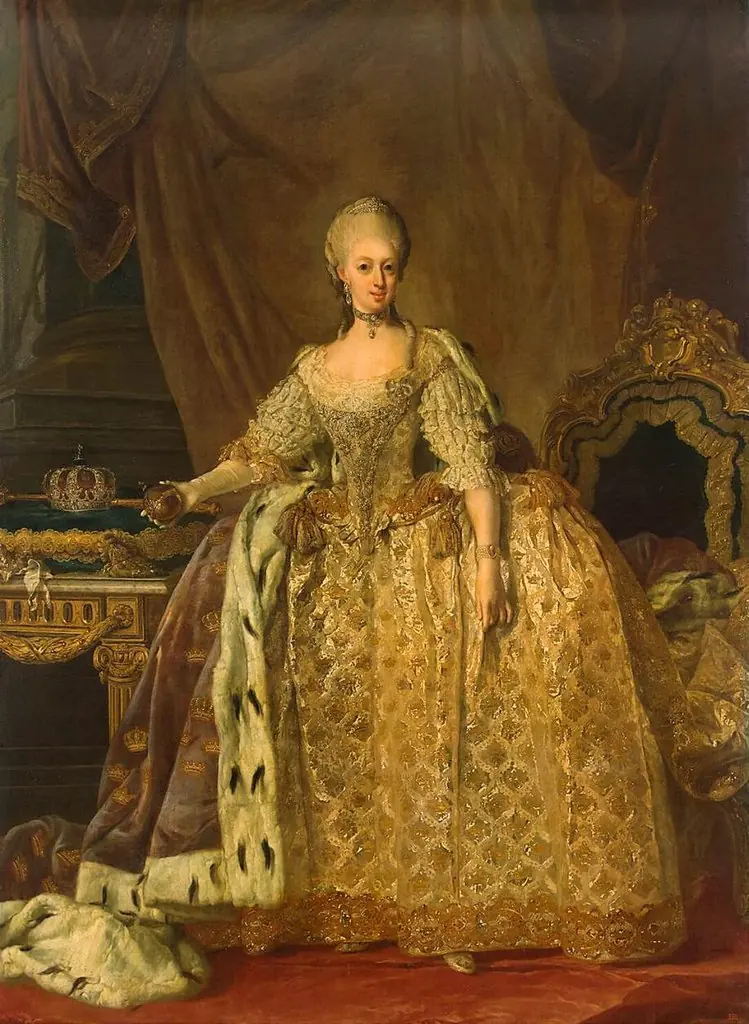 Portrait of Queen Sophie-Magdalene
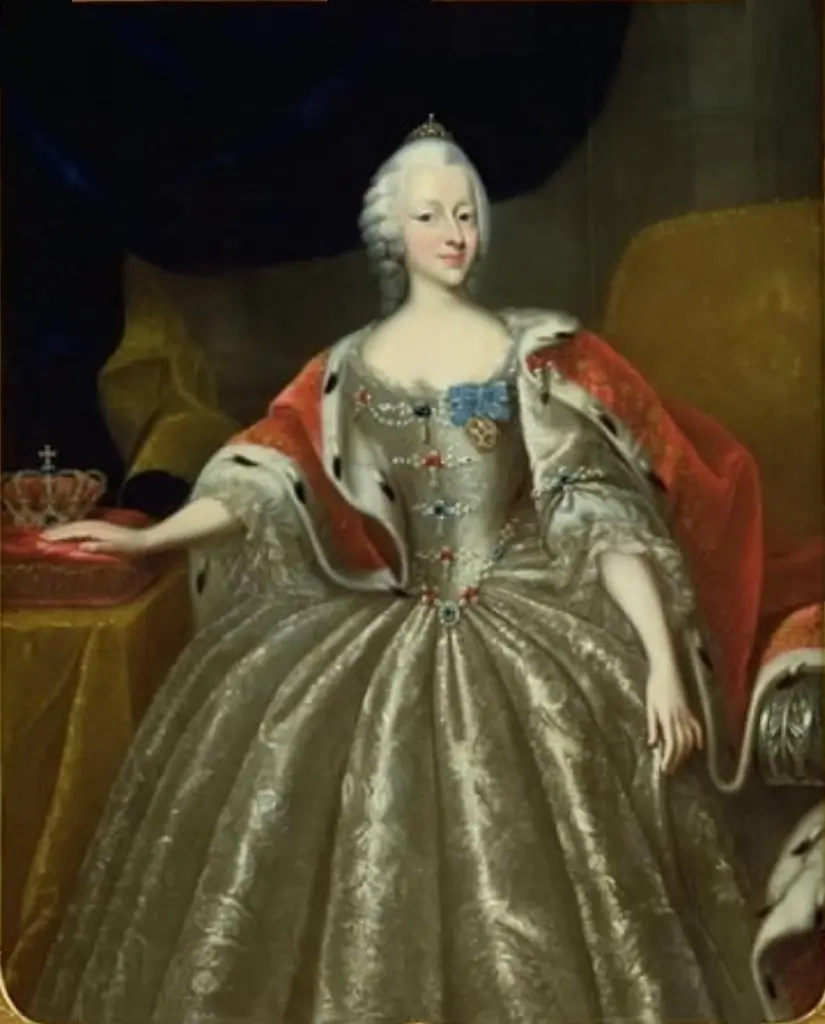 Prinsesse Louise, Christian VI's datter
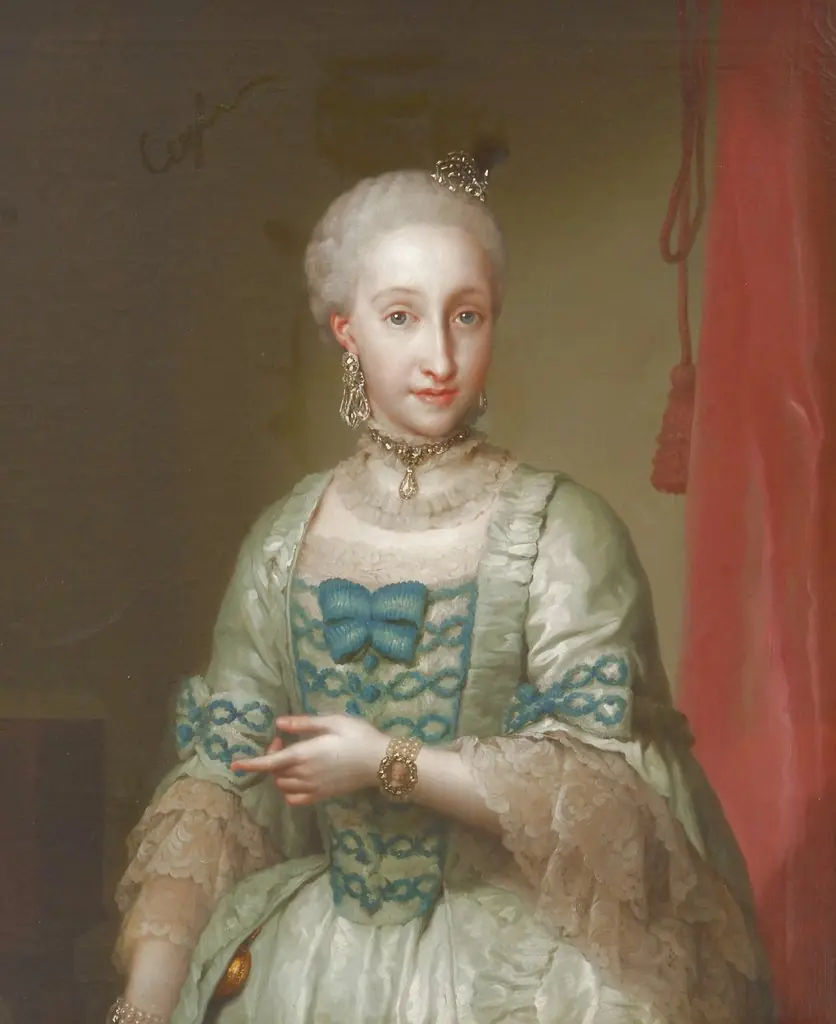 Ritratto di Maria Giuseppa Carmela di Borbone
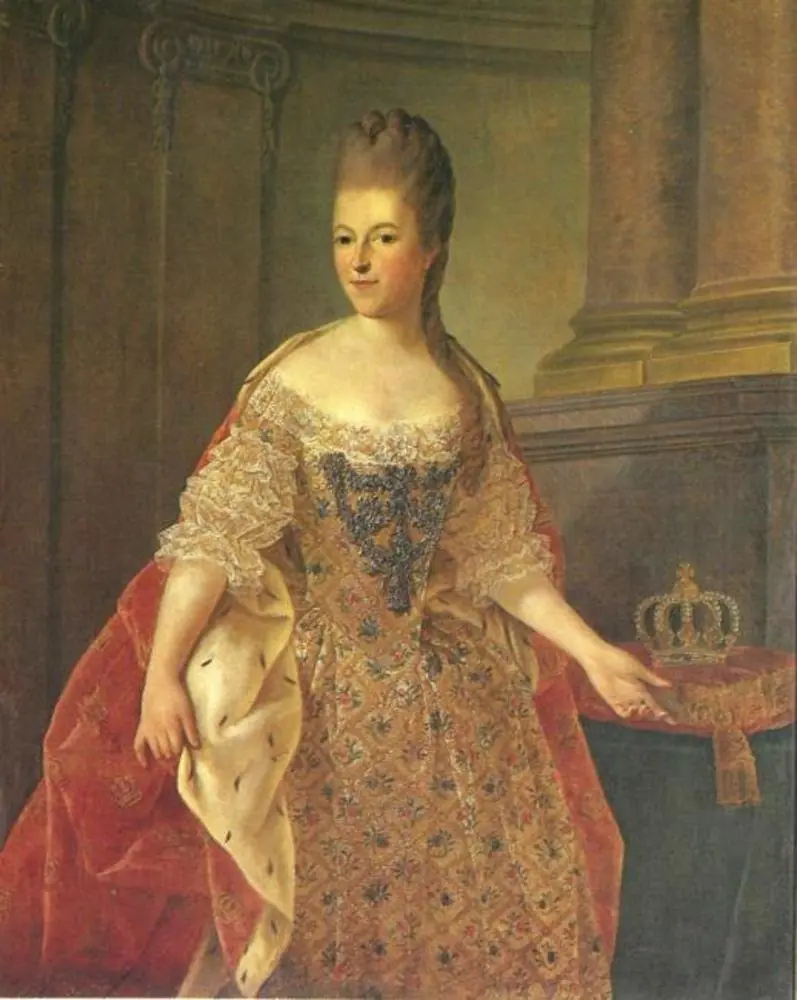 Frederika Sophia Wilhelmina (Wilhelmina; 1751-1820), prinses van Pruisen. Echtgenote van prins Willem V
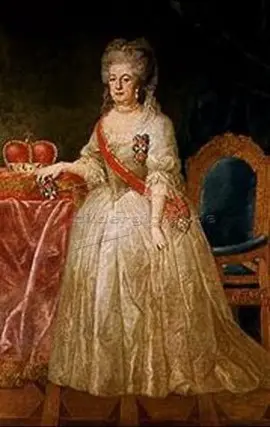 Portrait of the Countess Palatine Elisabeth Auguste of Sulzbach (1721-1794)
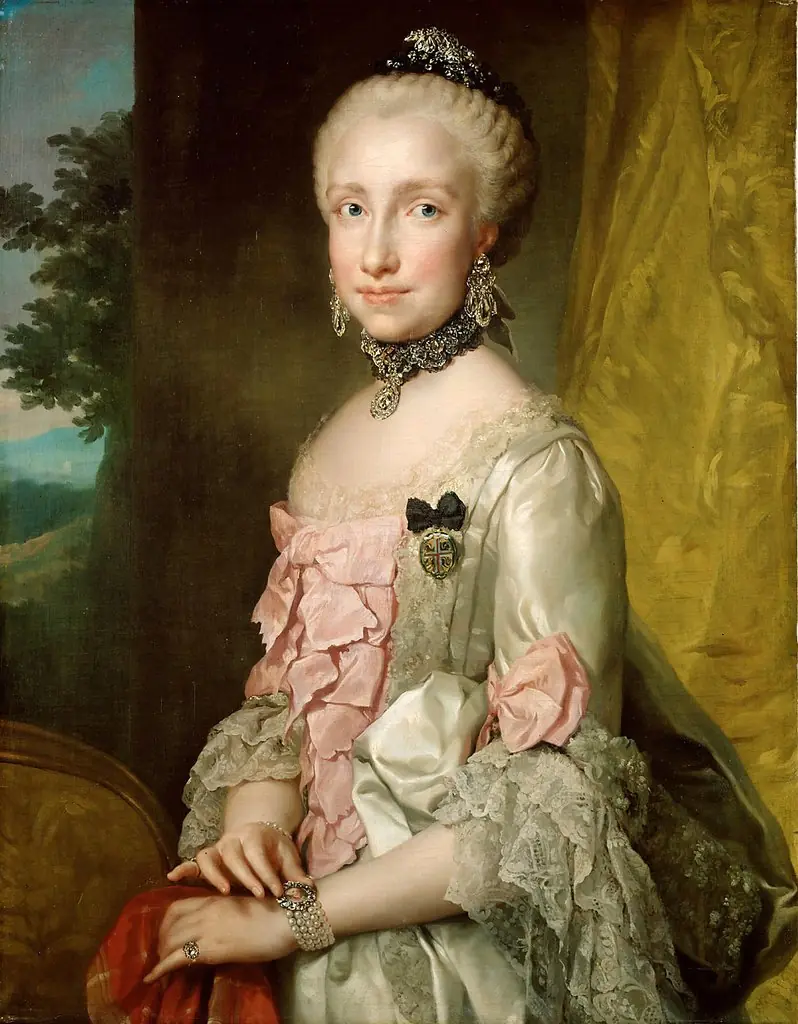 Portrait of Maria Luisa of Spain
- Maria Luisa of Spain, Holy Roman Empress