Artwork
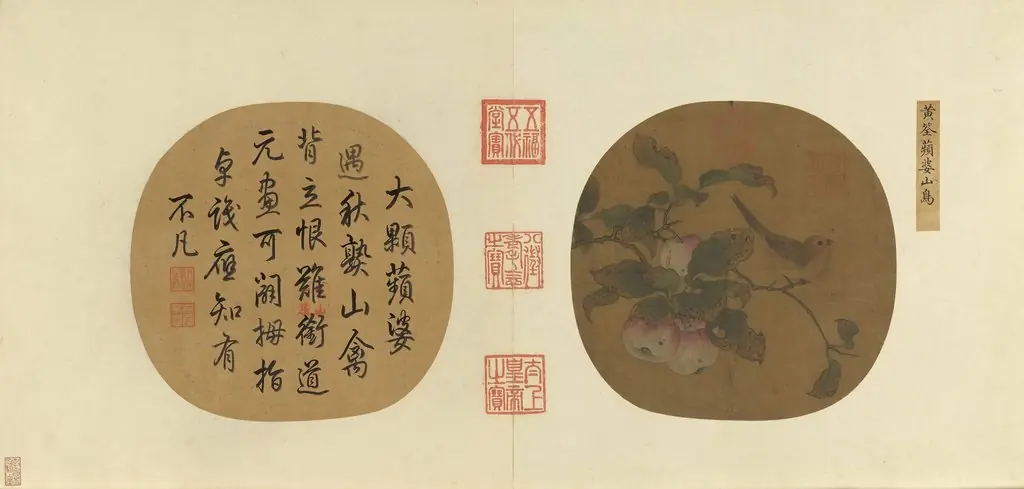
Lycium Berries and a Quail
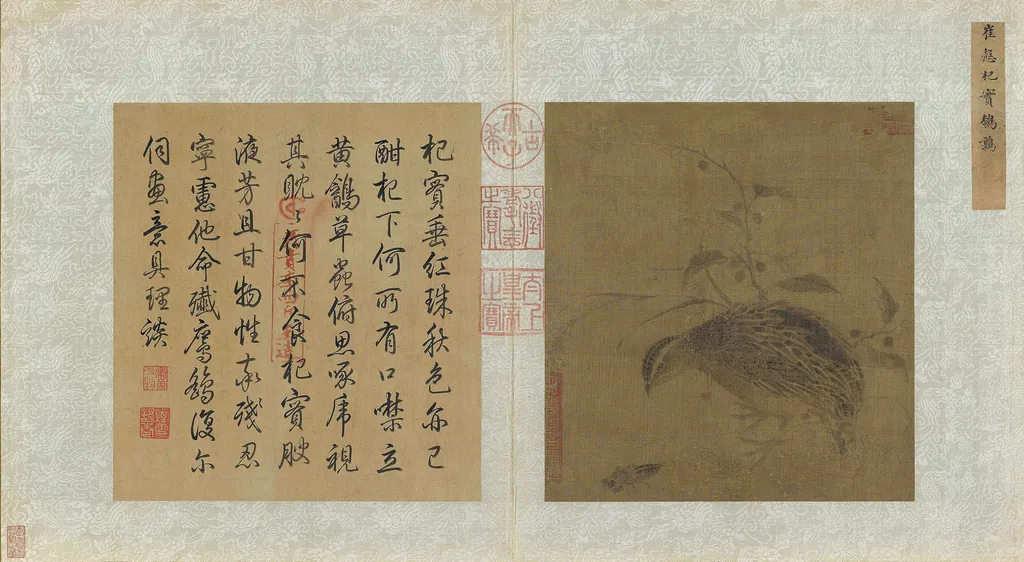
Lycium Berries and a Quail is an unspecified painting by the Song dynasty painting artist Cui Que. It dates from 1050 and is held in the collection of the National Palace Museum.
About this work
Overview
Painted around 1050 by Cui Que, this work depicts a quail resting on a branch laden with lycium berries. Executed in ink on paper, it belongs to a tradition of Chinese bird-and-flower painting that emphasizes quiet observation over ornamentation. The piece is currently held in the collection of the National Palace Museum, where it represents early Northern Song-era naturalism in ink.
Subject & Meaning
The composition avoids narrative or symbolism beyond the natural scene, focusing instead on the quiet presence of the bird and its environment.
The quail, a common subject in Chinese art, symbolizes humility and vigilance, while lycium berries, associated with longevity, add a layer of quiet auspiciousness. The composition avoids narrative or symbolism beyond the natural scene, focusing instead on the quiet presence of the bird and its environment. This restraint reflects a philosophical preference for observing nature as it is, without embellishment.
Technique & Style
Rendered entirely in monochrome ink, the painting uses fine, controlled brushwork to define the quail’s feathers, beak, and the textured bark of the branch. The berries and leaves are suggested with minimal strokes, avoiding excess detail. The light brown paper serves as a neutral ground, with subtle tonal variations in ink creating depth without shading or perspective, characteristic of early Song ink painting.
History & Provenance
The painting has been preserved within imperial collections since the Song dynasty, eventually entering the National Palace Museum’s holdings after the relocation of artifacts from Beijing to Taipei in the mid-20th century. Its survival through centuries reflects its status as a carefully curated example of early ink painting, though little is documented about its early ownership or exhibition history.
Context
Created during the Northern Song period, this work aligns with a broader cultural shift toward intimate, observational art. Court painters like Cui Que were encouraged to study nature closely, producing works that balanced realism with poetic restraint. Such paintings were often collected by scholars and emperors who valued subtlety over grandeur, distinguishing them from more decorative traditions.
Legacy
Cui Que’s work influenced later generations of ink painters who prioritized simplicity and direct observation. While not widely known outside specialist circles, this painting exemplifies the quiet discipline of early Chinese bird-and-flower painting. Its enduring presence in the National Palace Museum underscores its role as a reference point for understanding the evolution of ink aesthetics in East Asia.
Artist & collection
Artist
Cui Que painted delicate still lifes during China’s Northern Song dynasty. His work Lycium Berries and a Quail shows a single bird perched beside a cluster of red berries, each leaf and feather picked out in careful ink…

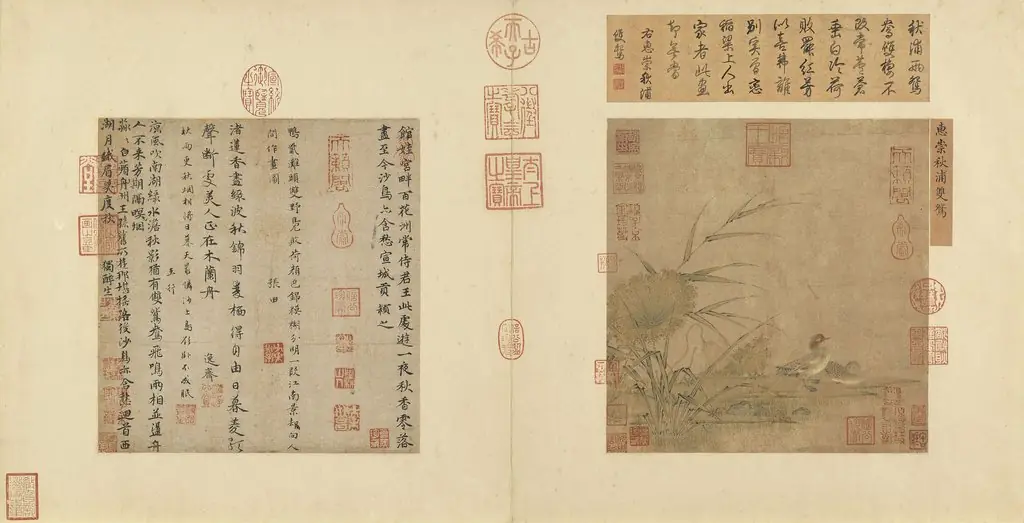
- Pair of Mandarin Ducks on an Autumn Bank
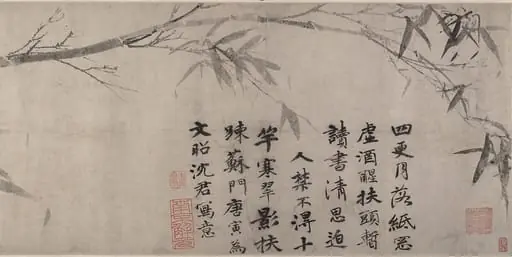 明 唐寅 墨竹圖 卷|Ink bamboo
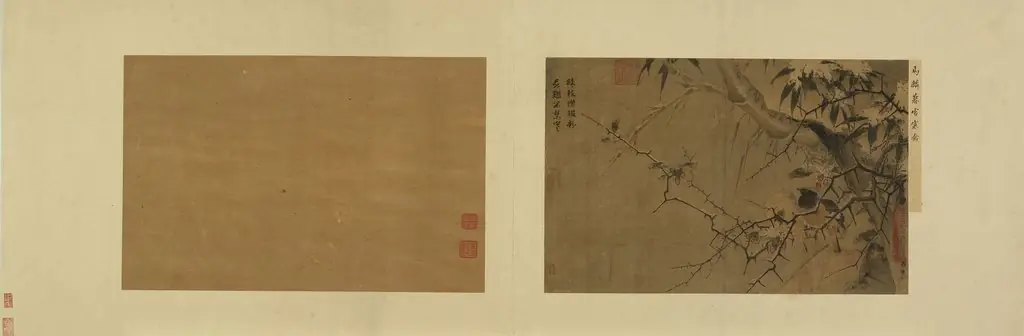 Bird Chilled by a Late Snowfall
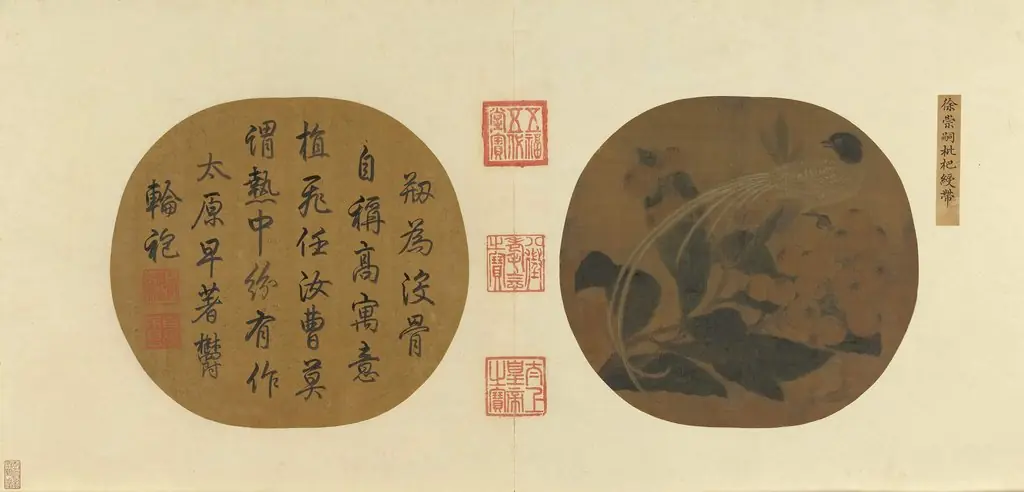 Flycatcher and Loquats
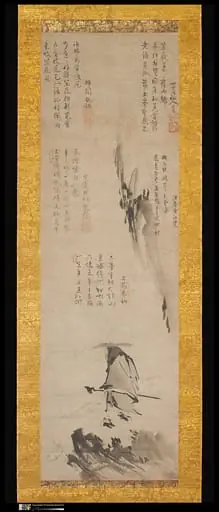 瑞巖龍惺・竹香全悟・九淵龍賝・南江宗沅・ 翺之慧鳳賛 東坡笠屐図|Su Shi (Dongpo) in a Bamboo Hat and Clogs
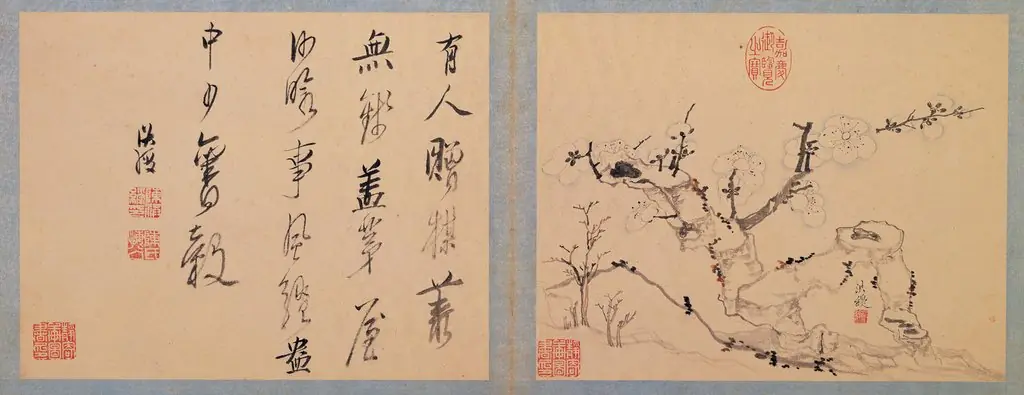 Old Plum
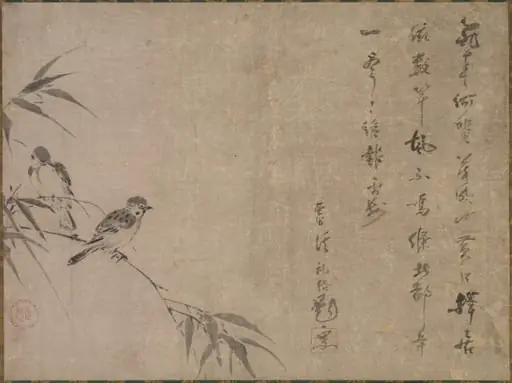 Sparrows and Bamboo
 Album of Miscellaneous Subjects, Leaf 9
 Untitled
 Bird on an Apple Branch
 Account of the Three Springs of Jiangsu Province in China
 元王振鵬龍舟圖 卷