Artwork
ALUM
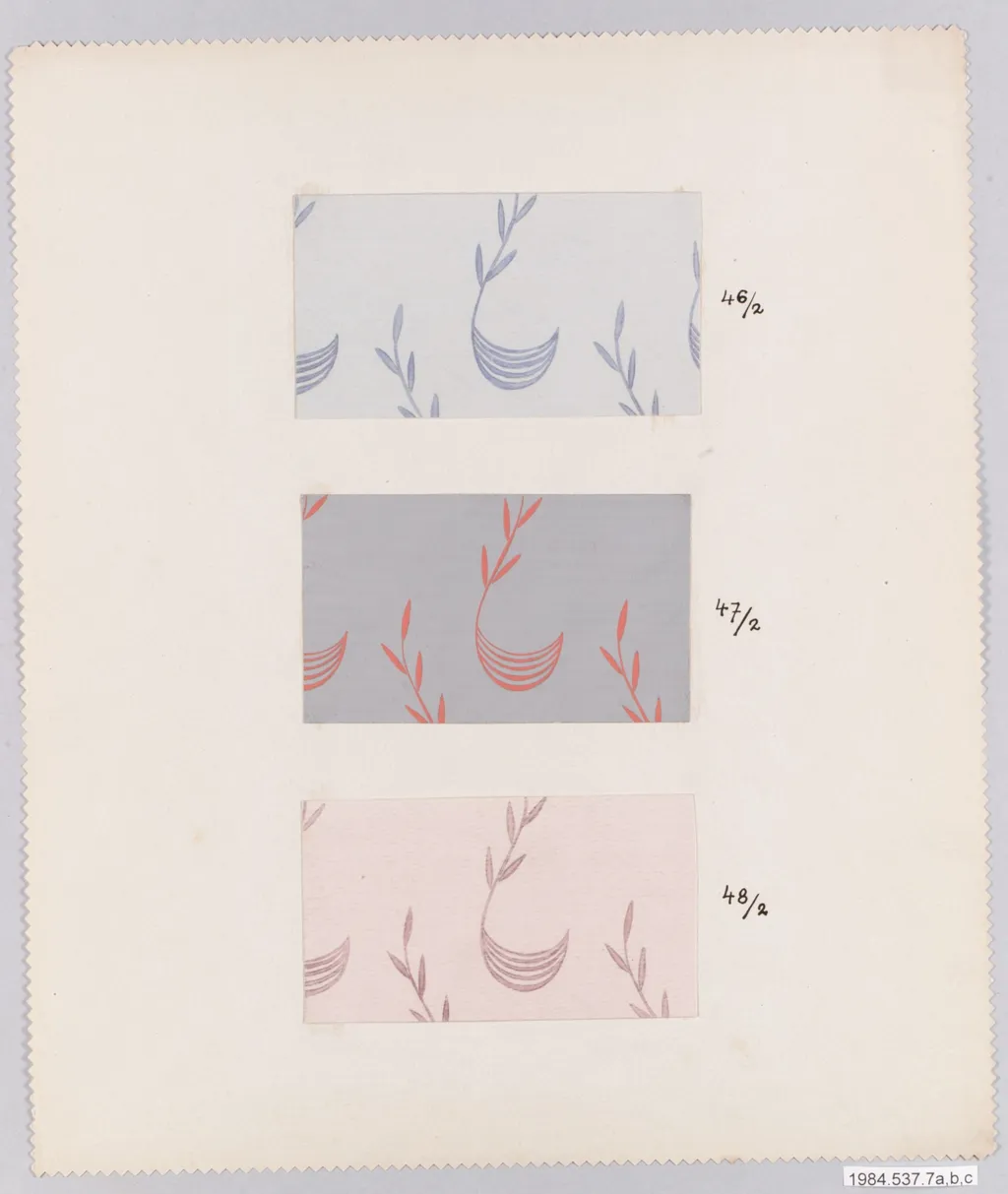
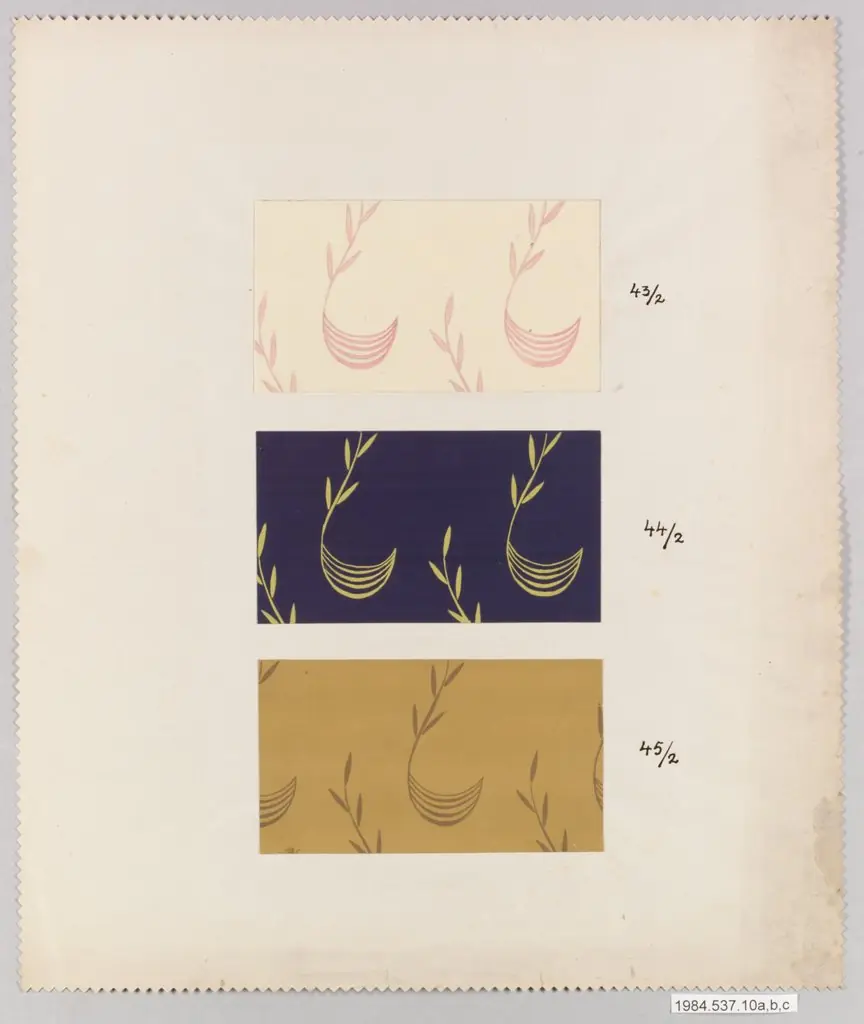
ALUM is an unspecified painting by the Vienna Secession artist Dagobert Peche. It dates from 1922 and is held in the collection of the Metropolitan Museum of Art.
About this work
Subject & Meaning
The work's iconography is reduced to this botanical element, focusing entirely on the natural form without additional figures or complex narrative scenes.
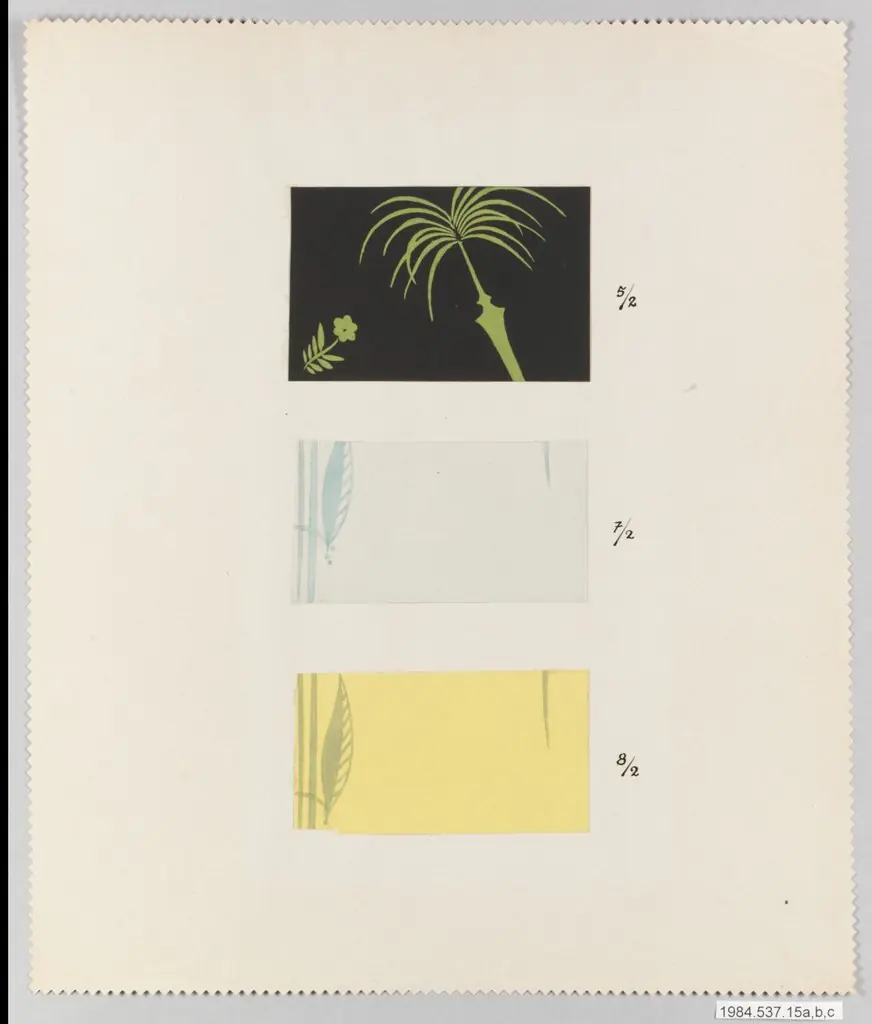
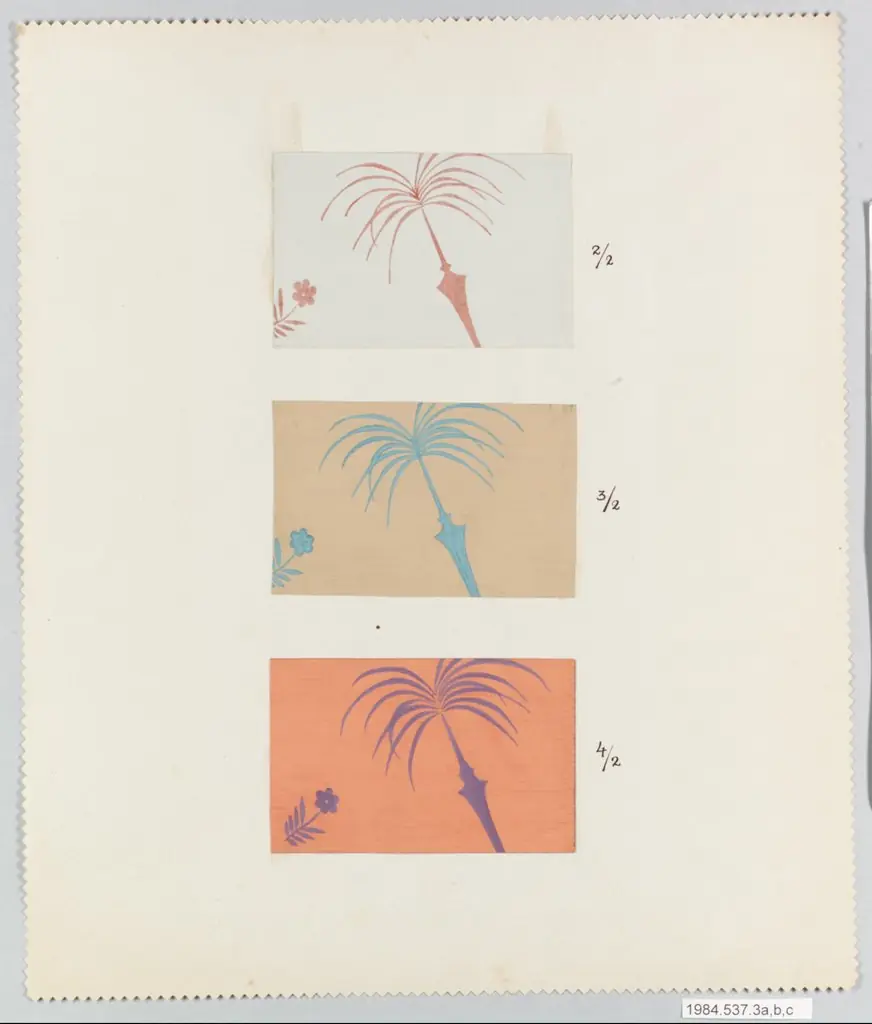
Created in 1922 by Dagobert Peche, the painting Alum depicts a single leaf as its primary subject. The work's iconography is reduced to this botanical element, focusing entirely on the natural form without additional figures or complex narrative scenes. While the specific symbolic intent or broader philosophical meaning behind the choice of a leaf is not explicitly detailed in available records, the composition emphasizes the isolated study of plant life. The piece serves as a representation of organic simplicity within Peche's artistic output of the early 1920s.
History & Provenance
Dagobert Peche created ALUM in 1922, a painting now held by the Metropolitan Museum of Art. The work entered the museum's collection as documented in its records, though specific acquisition details are not provided in the sources. The painting measures 47.3 cm in height and 37.1 cm in width, reflecting its modest scale characteristic of Peche's graphic works.
The painting ALUM (1922) by Dagobert Peche is held in the collection of the Metropolitan Museum of Art in New York, where it is catalogued under the accession number 1975.115. It has been exhibited as part of the museum's presentation of Dagobert Peche's works and was included in the 1975 exhibition of the artist's paintings.
Overview
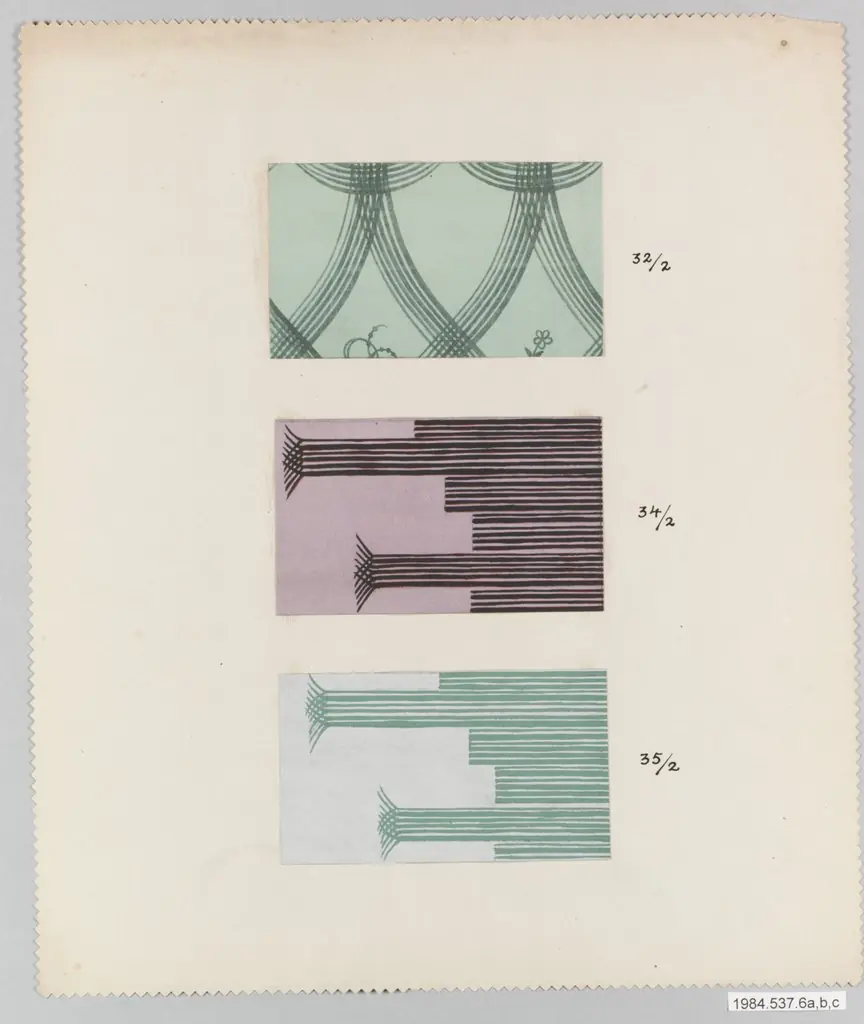
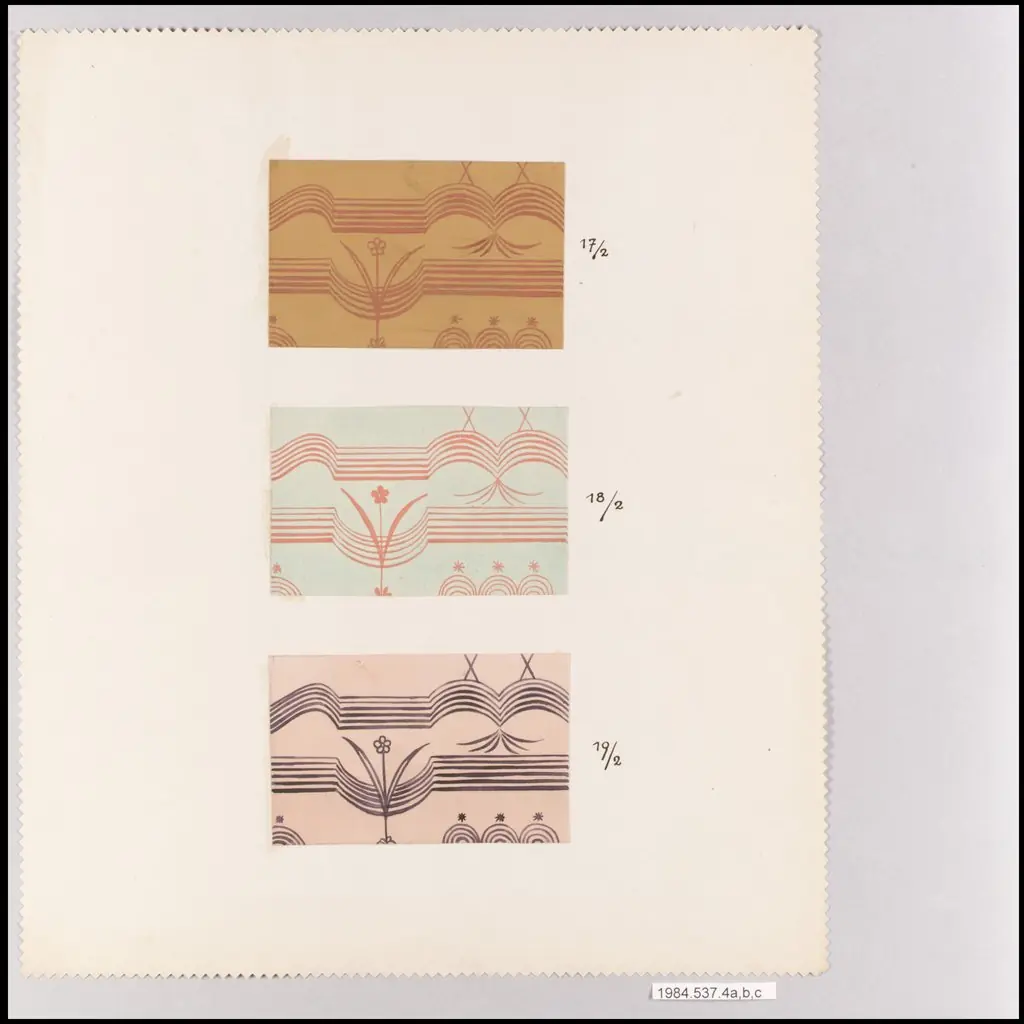
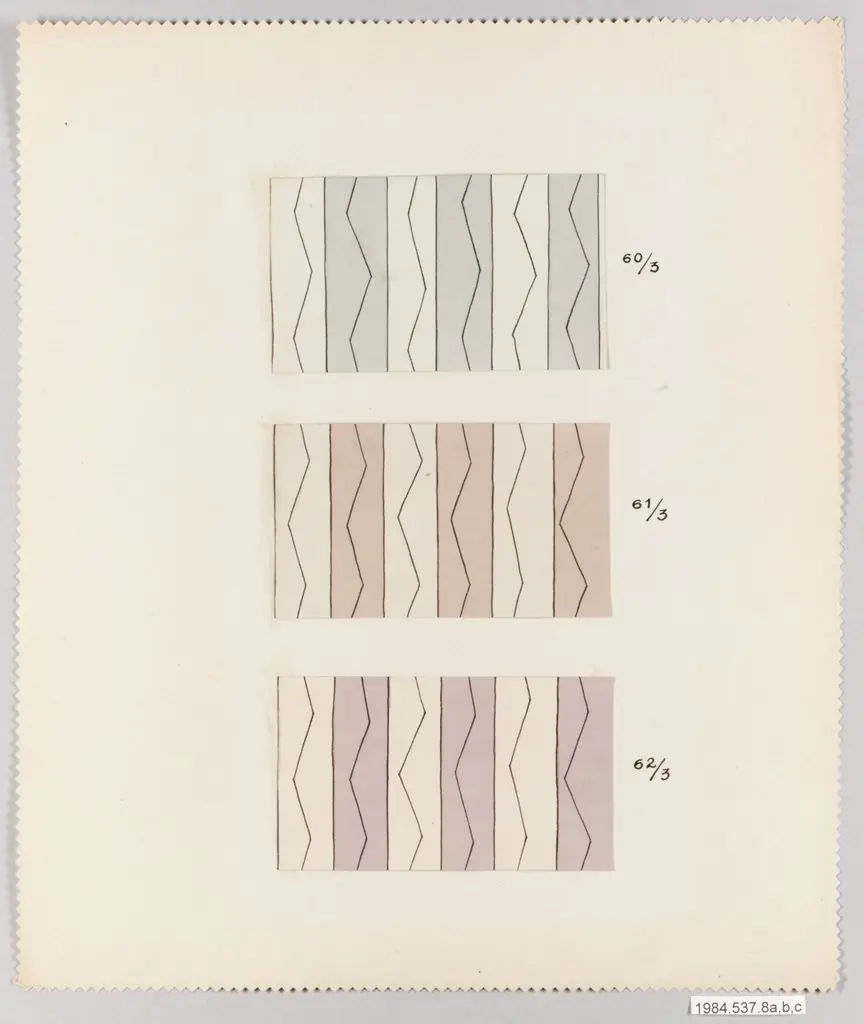
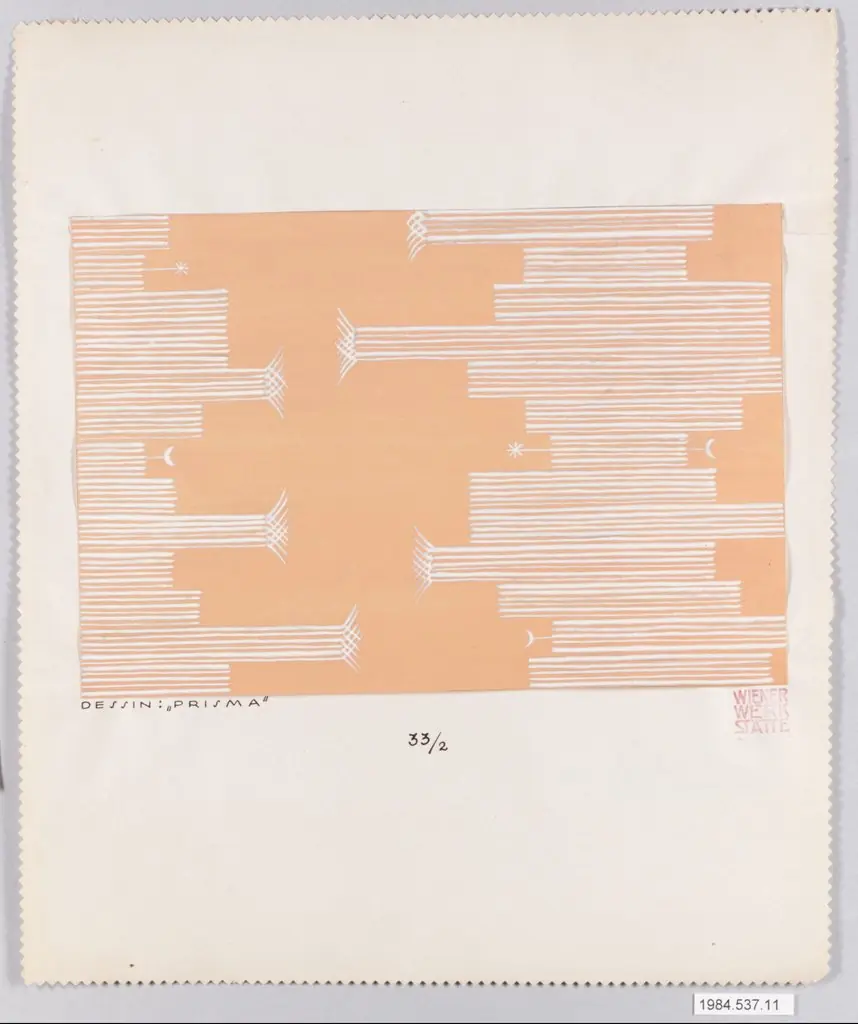
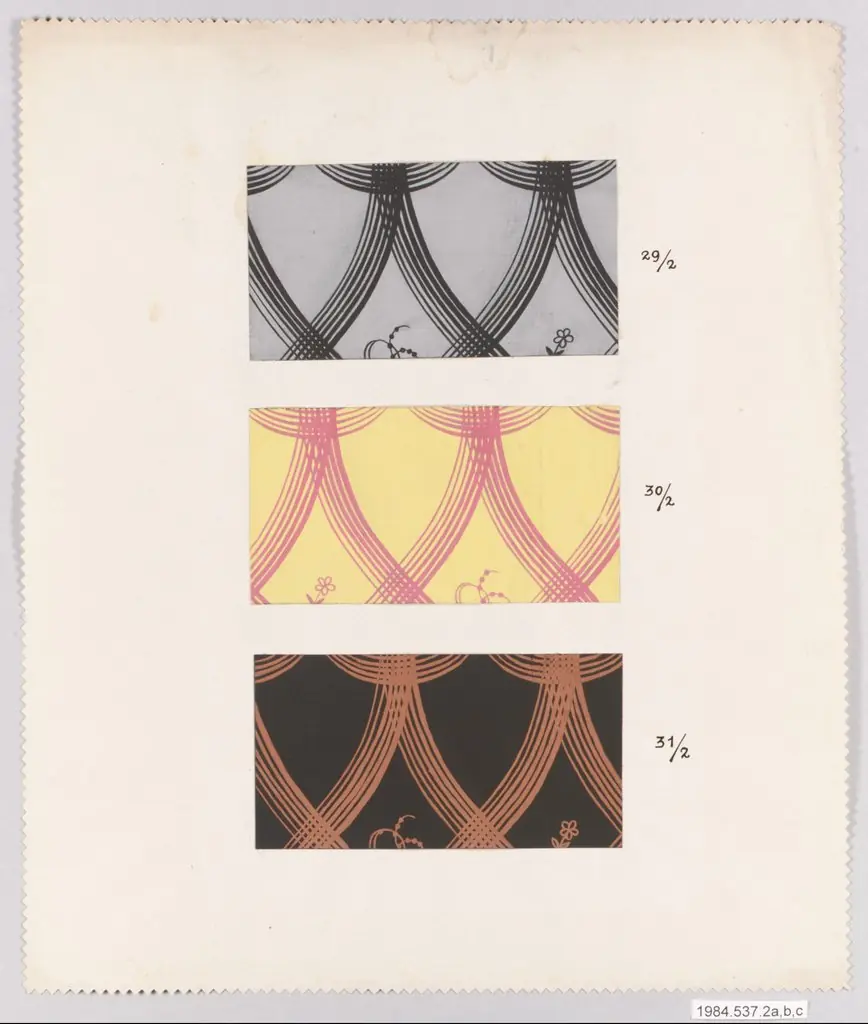
Created in 1922, ALUM is a modestly sized painted work by Austrian artist Dagobert Peche. The piece consists of three framed studies, each presenting a sinuous line rendered in a muted hue, blue, red, or brown. The compositions terminate in tiny leaf‑like forms, and the overall effect is restrained, decorative, and reminiscent of design sketches rather than finished paintings.
Technique & Style
Peche employed quick, fluid brushstrokes on a plain ground, allowing the color to remain subdued and the line to dominate the composition. The three panels function as studies, each exploring a different tonal variation while maintaining a consistent, linear vocabulary. The minimalist palette and precise rendering align with the Secessionist emphasis on clarity, geometry, and the integration of fine and decorative arts.
Context
During the early 1920s, the Vienna Secession promoted a synthesis of fine art and craft, encouraging artists like Peche to blur the boundaries between painting, design, and metalwork. ALUM exemplifies this interdisciplinary approach, translating the decorative motifs typical of his metal designs into a painted format, thereby reinforcing the Secession’s ideal of total art.
Own this work as a print
Artist & collection
Artist
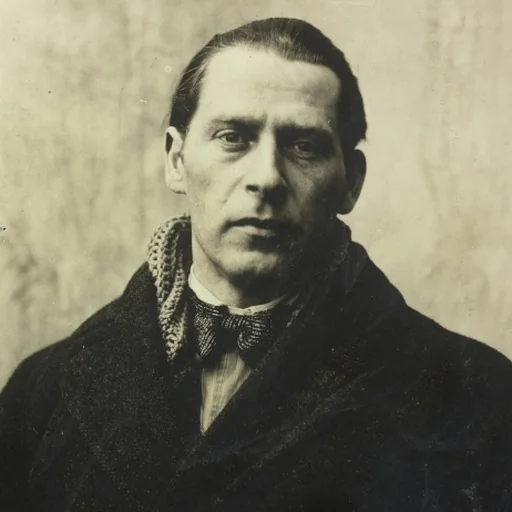
Dagobert Peche (3 April 1887, Sankt Michael/Lungau, Duchy of Salzburg – 16 April 1923, Modling) was an Austrian artist and metalworker designer.