Artwork
ZIGZAG BRAID
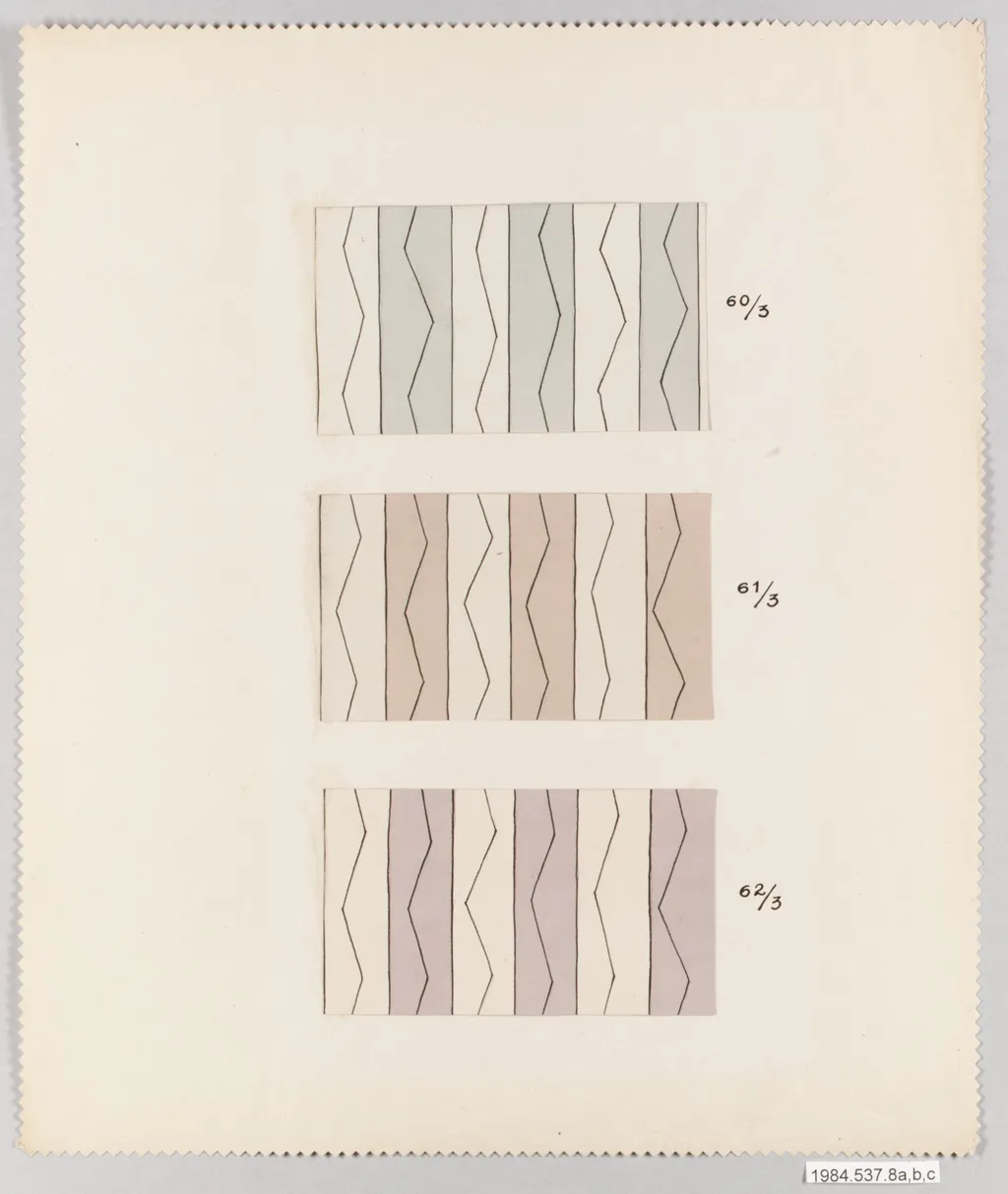
ZIGZAG BRAID is an unspecified painting by the Bauhaus artist Dagobert Peche. It dates from 1922 and is held in the collection of the Metropolitan Museum of Art.
About this work
History & Provenance
The work is currently held in the collection of the Metropolitan Museum of Art in New York, where it is cataloged under the accession number 1984.
Zigzag Braid is a painting created in 1922 by the Austrian artist Dagobert Peche. The work is currently held in the collection of the Metropolitan Museum of Art in New York, where it is cataloged under the accession number 1984.537.8a-c. The museum acquired the piece in 1984, marking the beginning of its documented institutional ownership. No specific details regarding the original commission, earlier private owners, or the precise circumstances of its creation prior to museum acquisition are provided in the available records.
The painting Zigzag Braid, created by Dagobert Peche in 1922, is held in the collection of the Metropolitan Museum of Art. The work was accessioned by the museum in 1984 under the inventory number 1984.537.8a-c. While the entity is classified as a painting, specific records regarding its exhibition history are not provided in the available sources.
Overview
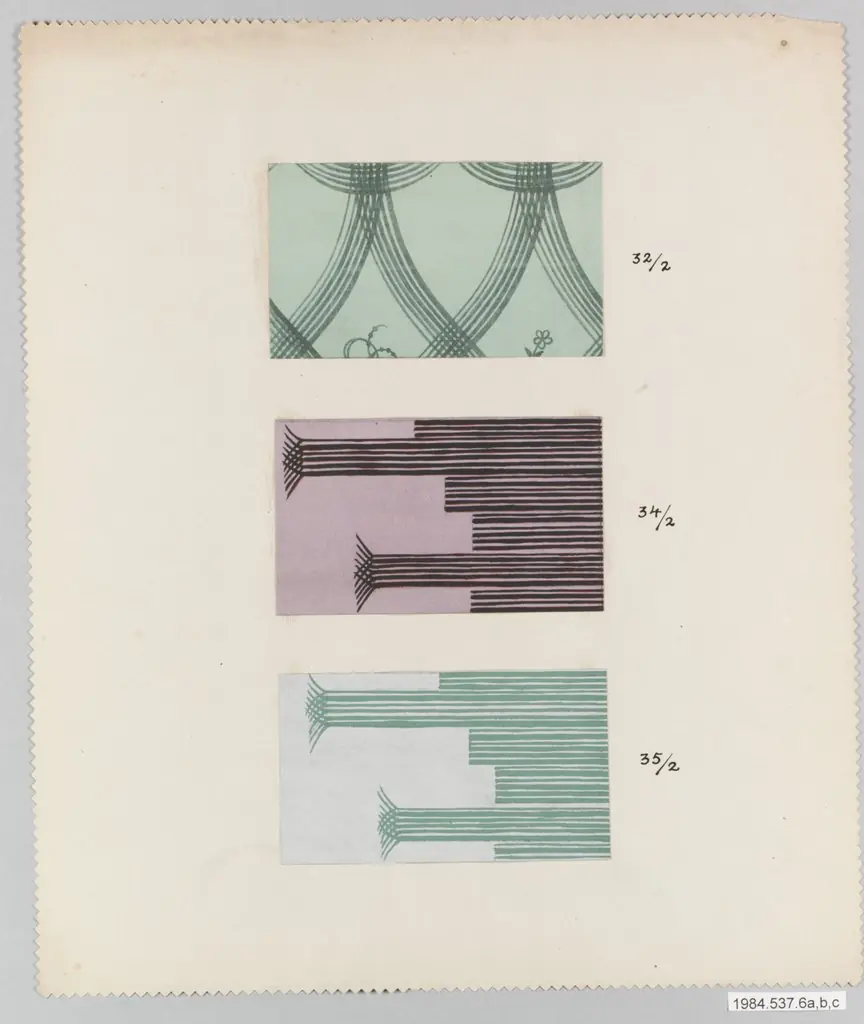
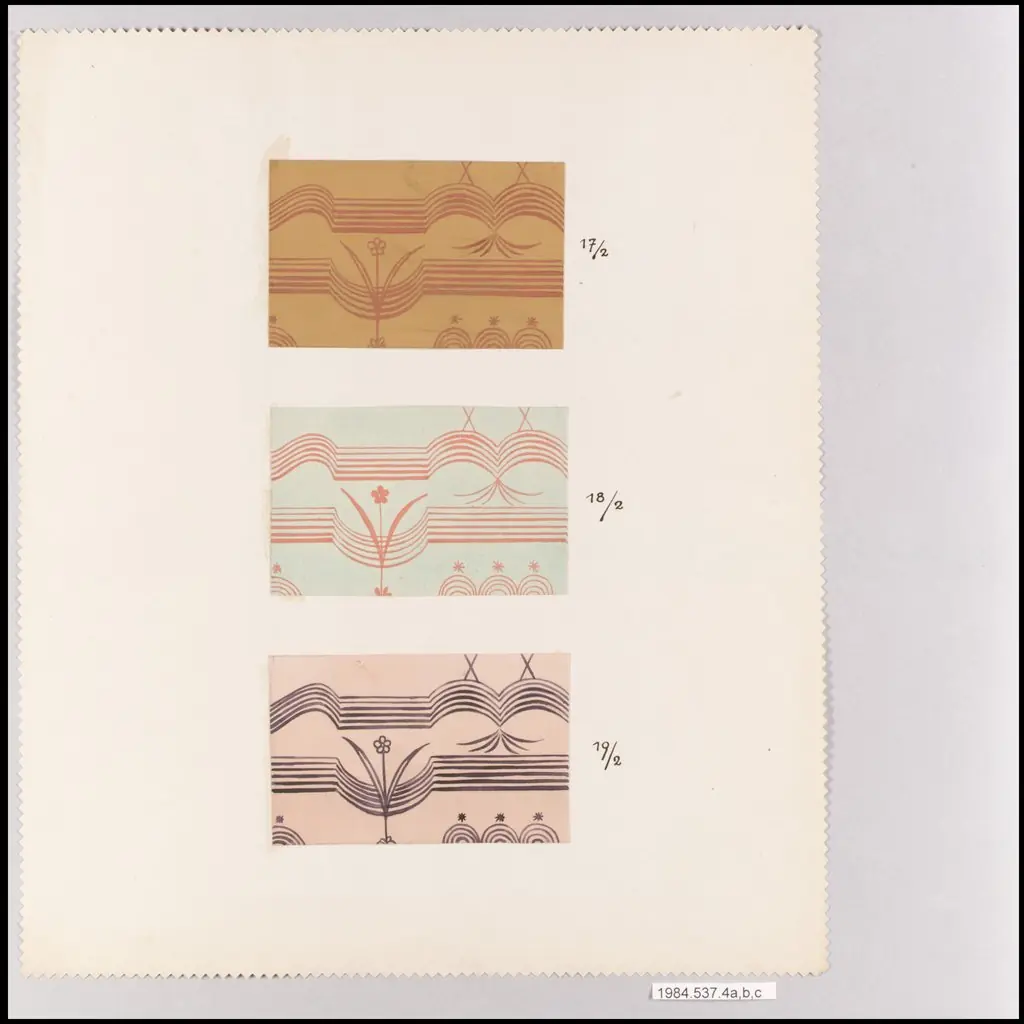
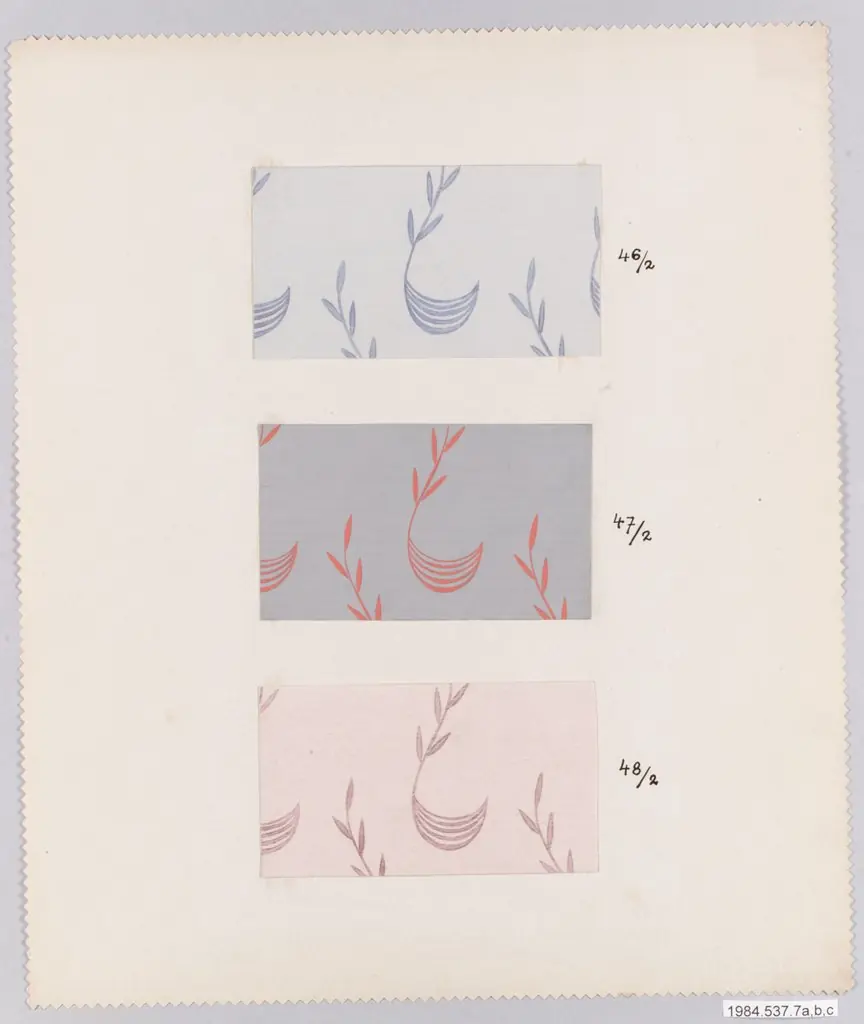
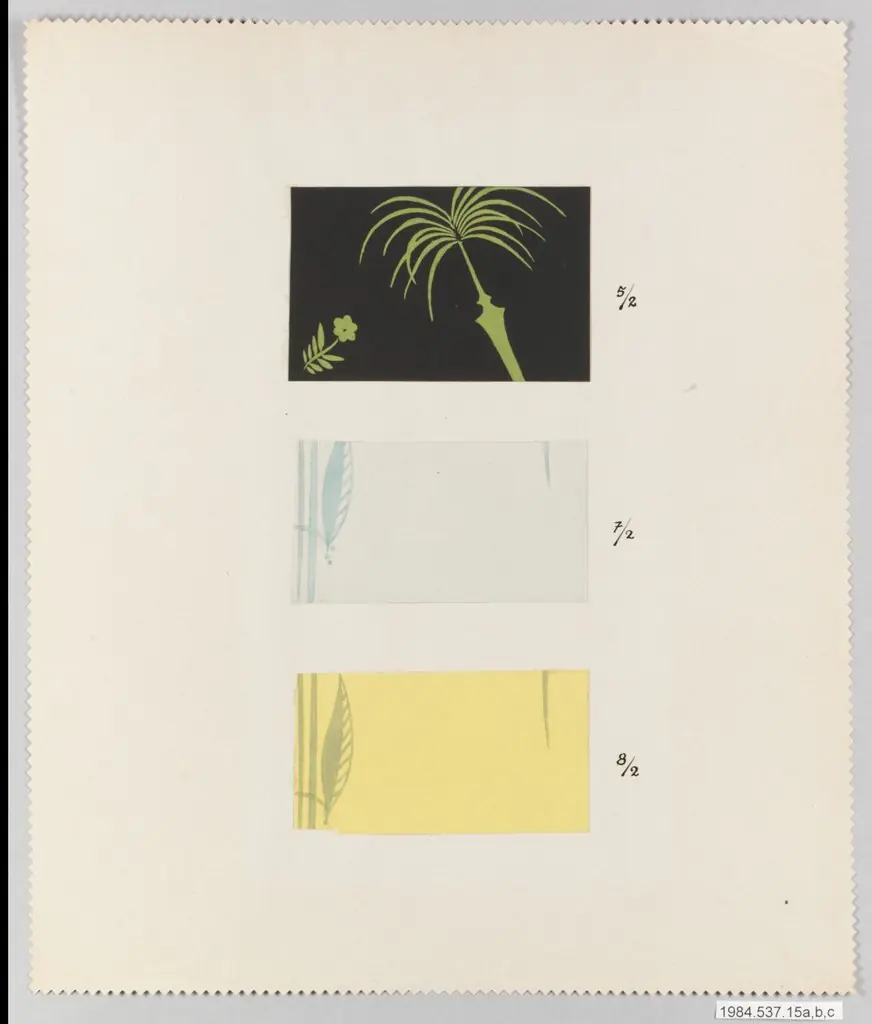
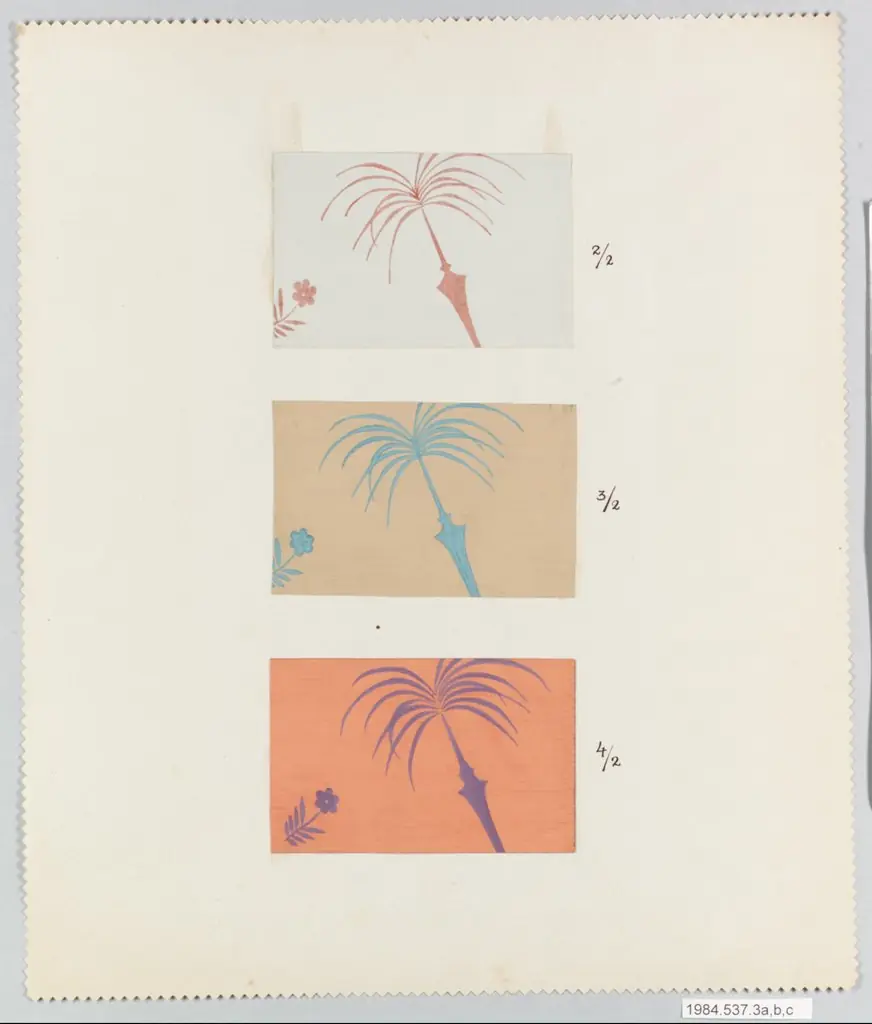
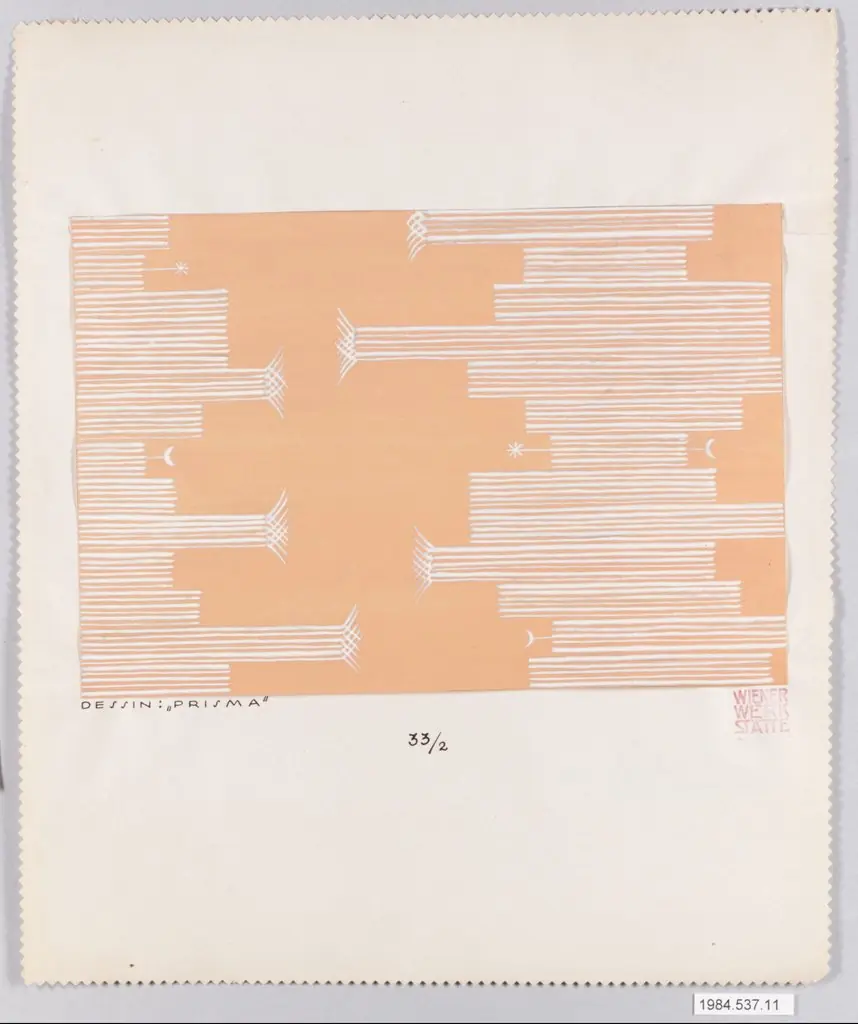
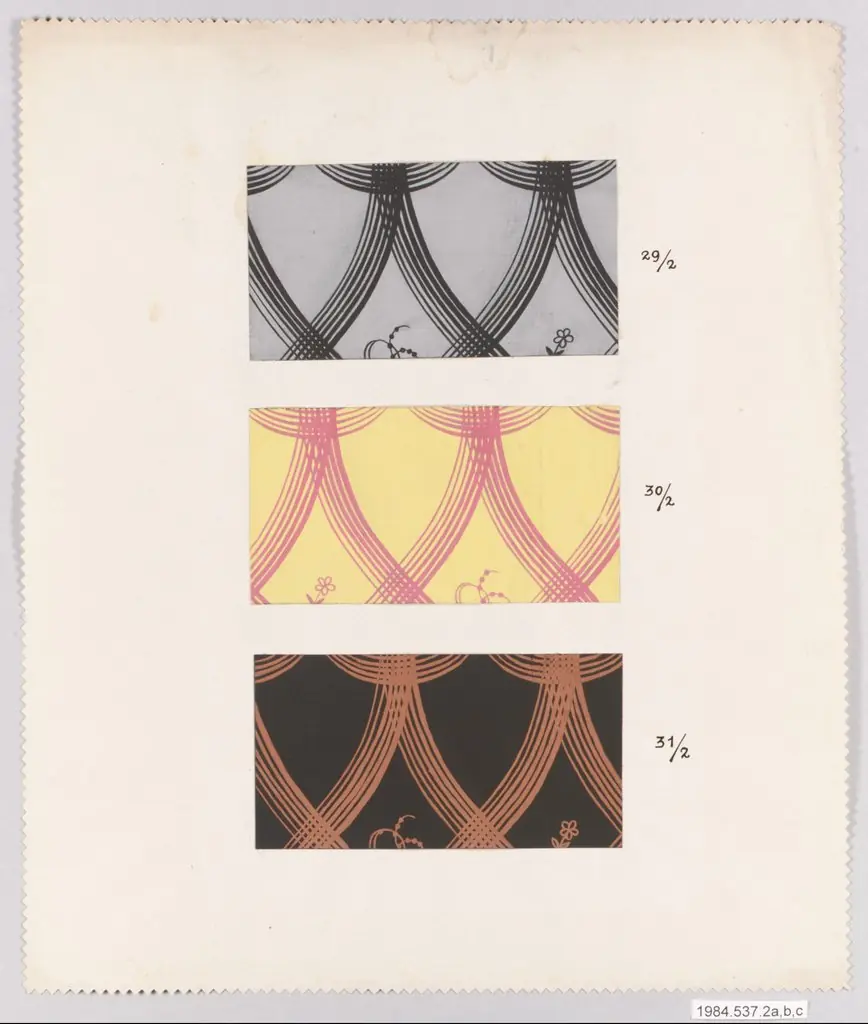
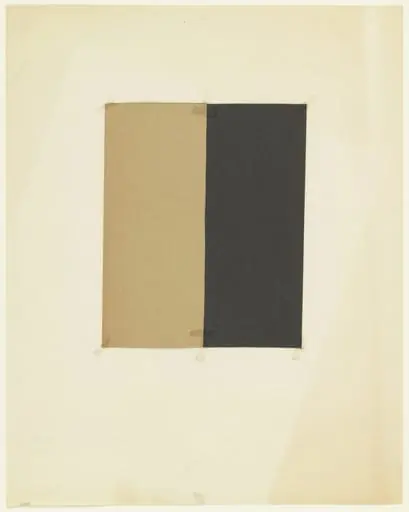
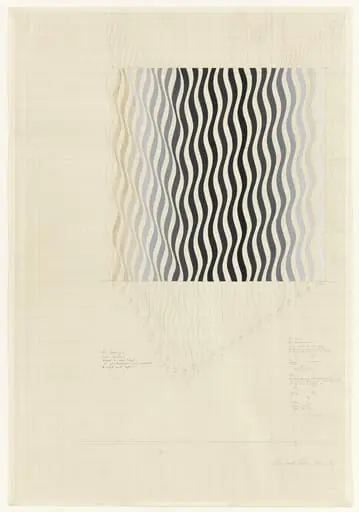
Created in 1922 by Austrian designer Dagobert Peche, Zigzag Braid is a small painted composition composed of three vertically stacked rectangular panels. The work belongs to the Bauhaus period and is part of the Metropolitan Museum of Art’s collection. Its modest size and restrained palette focus attention on the stark black lines that dominate the surface.
Subject & Meaning
The piece presents a series of black, zigzagtinged strokes that interlace across each panel, suggesting the visual impression of a braided rope. By reducing the motif to pure line and form, Peche explores the relationship between decorative pattern and functional clarity, a concern central to his background in applied arts.
Technique & Style
Peche applied the zigzag lines with a hand‑drawn quality; the strokes wobble slightly and the panel edges appear uneven, reminiscent of torn paper. The muted background tones, light gray, beige and white, contrast sharply with the black markings, emphasizing the graphic rhythm while retaining a tactile, handcrafted feel.
Context
Zigzag Braid reflects the Bauhaus ethos of uniting art, craft, and industry. Peche’s training as a metalworker informed his emphasis on functional ornamentation, aligning with the school’s objective to create aesthetically pleasing objects that could be mass‑produced without sacrificing visual integrity.
Own this work as a print
Artist & collection
Artist
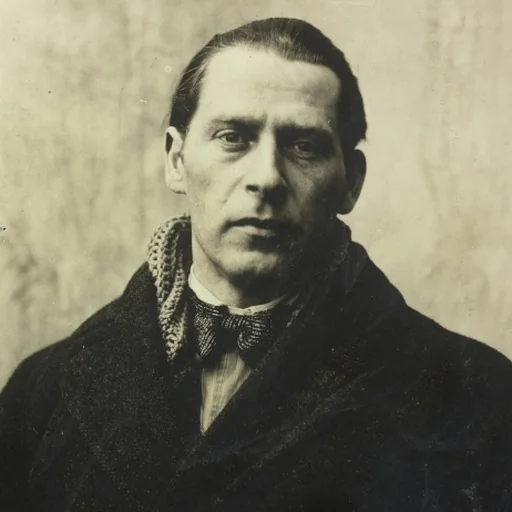
Dagobert Peche (3 April 1887, Sankt Michael/Lungau, Duchy of Salzburg – 16 April 1923, Modling) was an Austrian artist and metalworker designer.