Movement
Vienna Secession
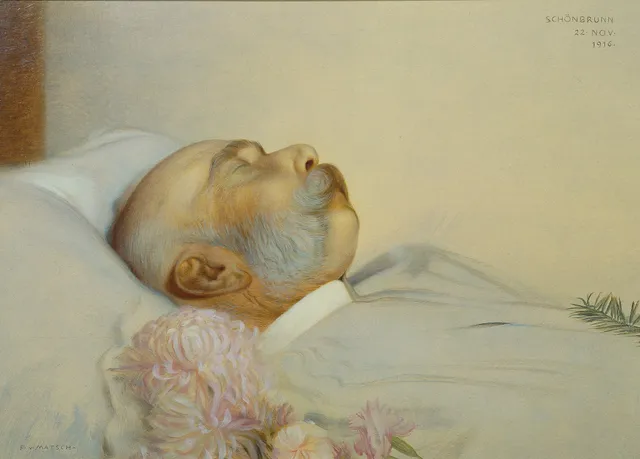
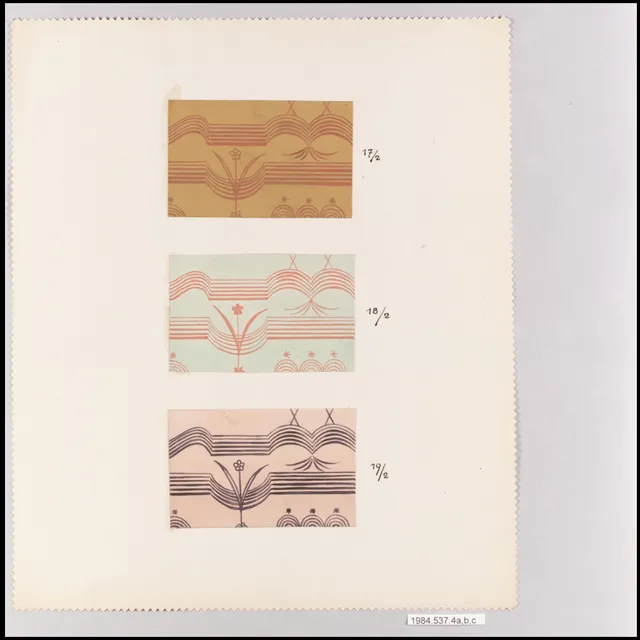
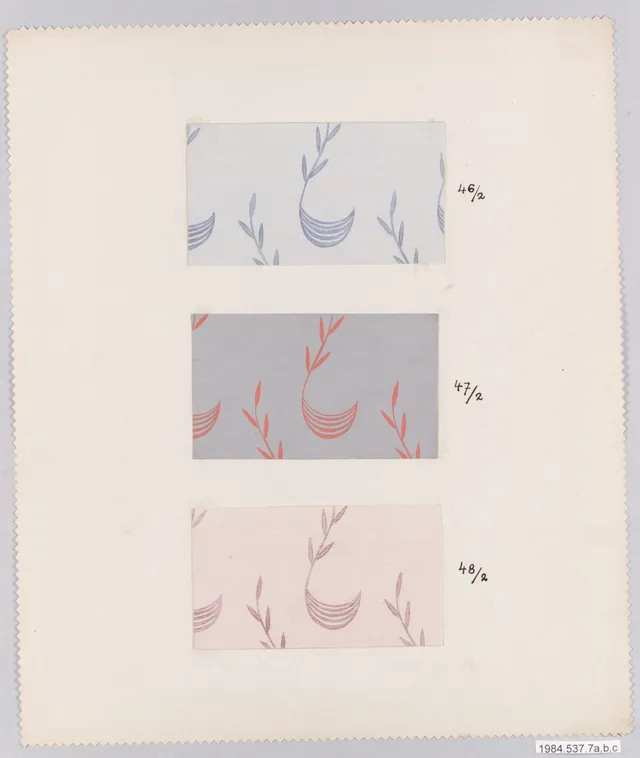
Vienna Secession is an art movement dating from 1897. The gallery holds 6 works in this movement, including works by Dagobert Peche, Franz von Matsch and Josef Hoffmann. Browse Vienna Secession paintings, portraits, pictures and artworks from the world's public-domain museum collections.
The Vienna Secession was founded on 3 April 1897, when nineteen artists meeting in a Viennese coffee house broke away from the Künstlerhaus, the conservative artists' association that controlled exhibitions and patronage in the imperial capital. Calling themselves the Vereinigung bildender Künstler Österreichs and electing the painter Gustav Klimt as their first president, they took their name from the secessio plebis of the Roman Republic — a deliberate gesture of revolt against entrenched authority. Their aims were to free Austrian art from academic historicism, to dignify the decorative and applied arts alongside painting and sculpture, and to open Vienna to international currents. The movement is often described as the Austrian branch of Jugendstil, the German-language counterpart to Art Nouveau.
The Secession's visual identity crystallised in Joseph Maria Olbrich's exhibition pavilion of 1897–98, a severe white cube crowned by a gilded openwork dome of laurel leaves that Viennese wags christened the "Golden Cabbage." Above its portal ran the manifesto-motto "Der Zeit ihre Kunst, der Kunst ihre Freiheit" (To every age its art, to art its freedom). The group's journal, Ver Sacrum ("Sacred Spring"), spread its aesthetic of sinuous line, flattened ornament, symbolist allegory, and luxuriant gold. Its supreme statement was Klimt's Beethoven Frieze (1902), a roughly 34-metre cycle in casein, gold, and silver leaf created for the fourteenth Secession exhibition.
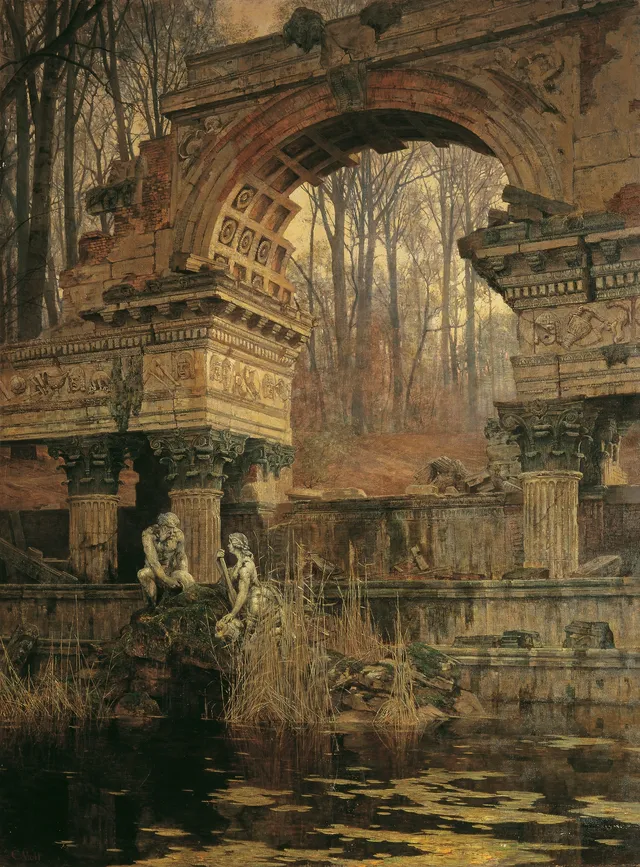
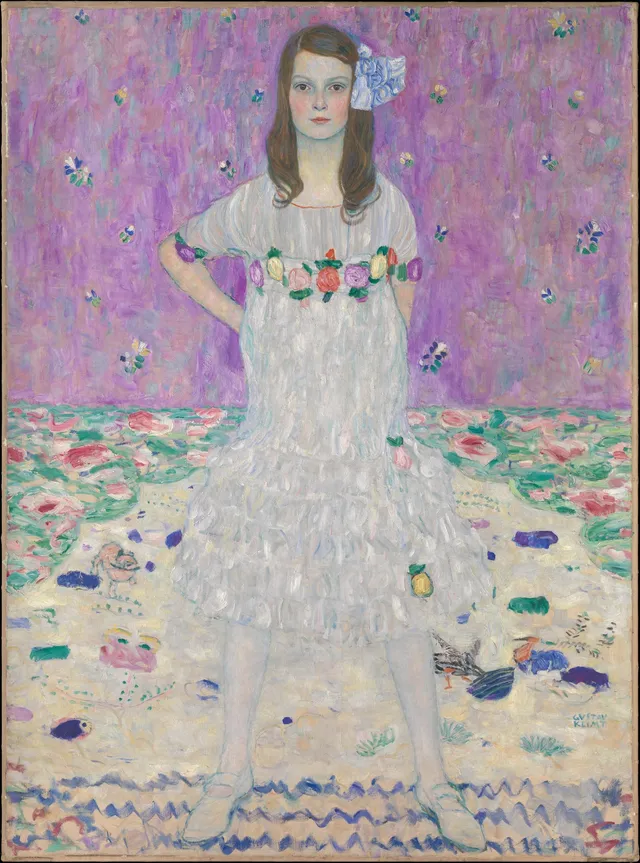
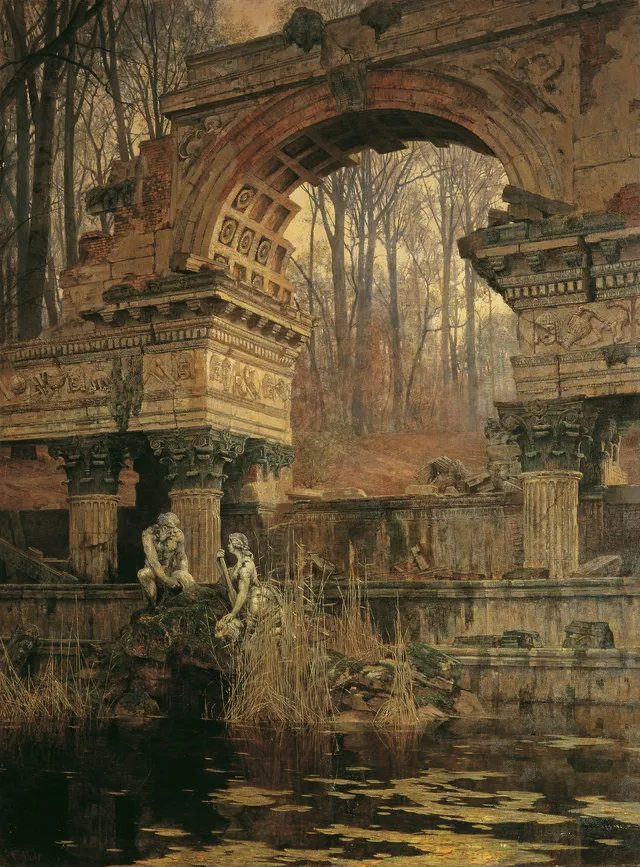
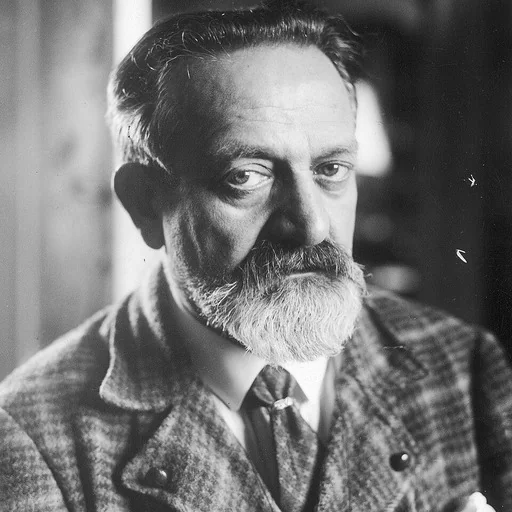
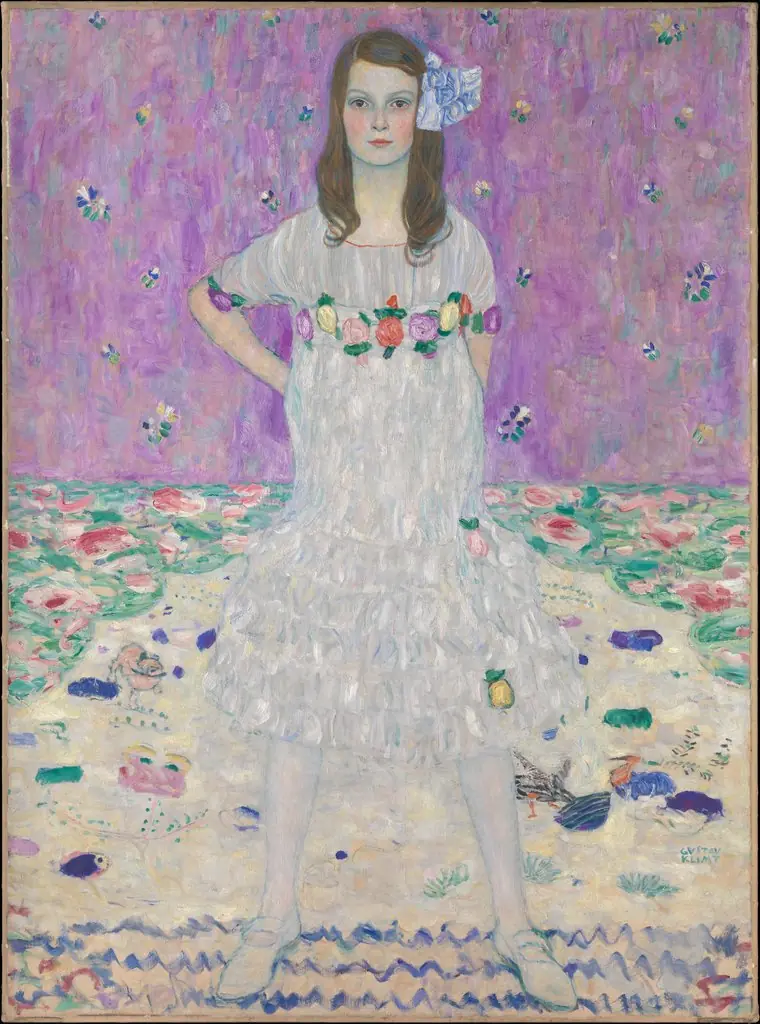
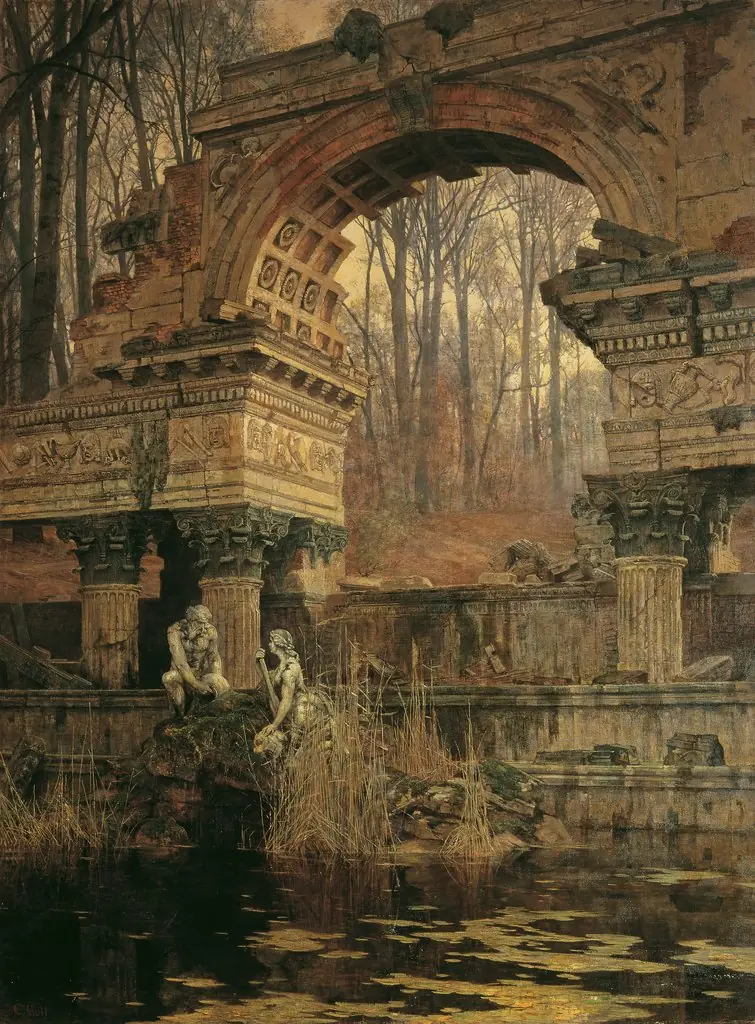
Beyond Klimt, the circle included the designer Koloman Moser, the architect Josef Hoffmann, the landscape painter and organiser Carl Moll — a founding member — and the printmaker Emil Orlik, who joined in 1899 and brought Japanese woodblock techniques into the fold. The architect Otto Wagner, though never a founder, became its most influential elder. Canonical works range from Klimt's shimmering portraits, such as Mäda Primavesi, to Moll's atmospheric Die Römische Ruine in Schönbrunn.
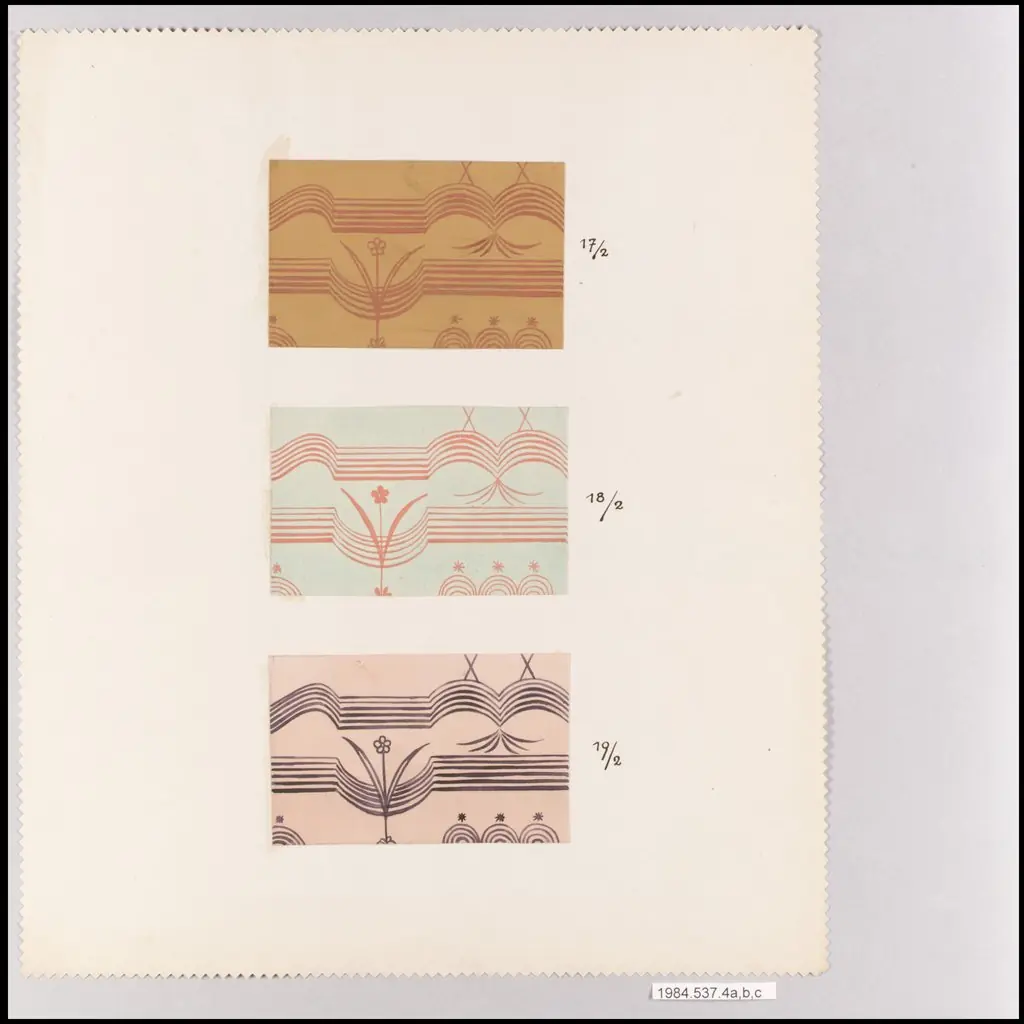
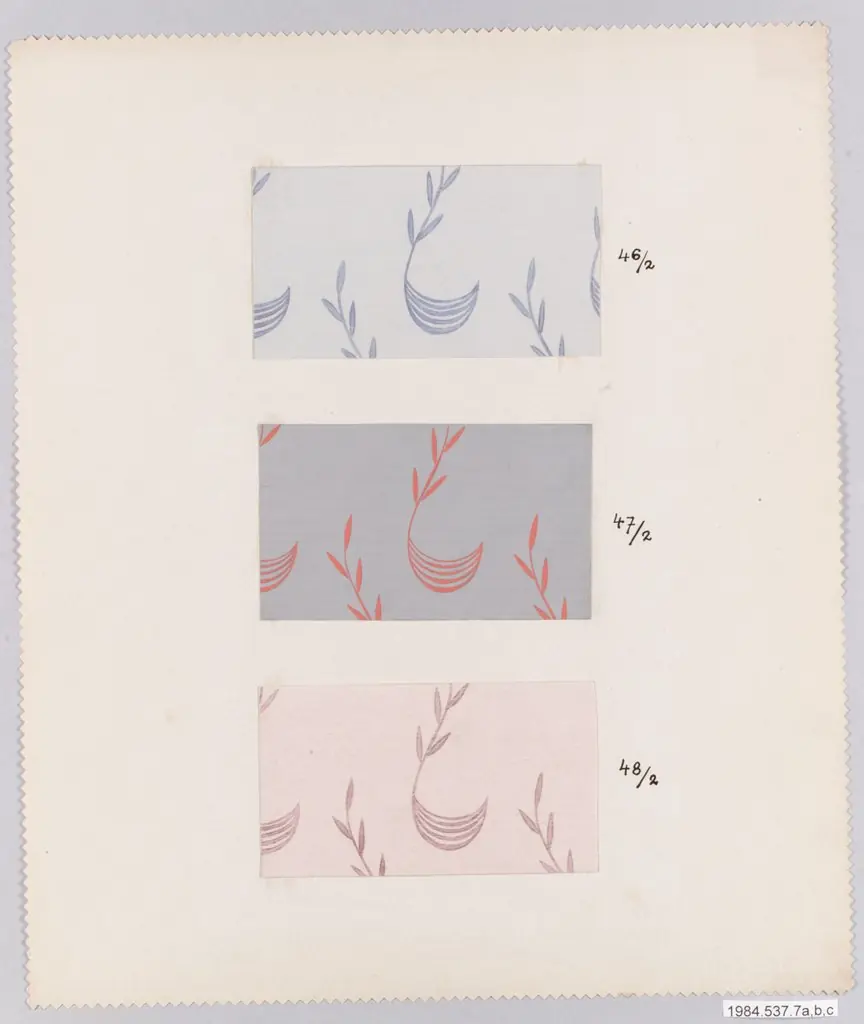
In 1903 Hoffmann and Moser launched the Wiener Werkstätte, extending Secession ideals into furniture, metalwork, and graphics — a lineage later carried by designers like Dagobert Peche. In June 1905 Klimt and his allies, defeated by a single vote, resigned over disputes about the primacy of "fine" versus applied art. Though the group fractured, the Secession's fusion of art, craft, and total design helped shape European modernism and the design vocabulary of the twentieth century.
Key artists
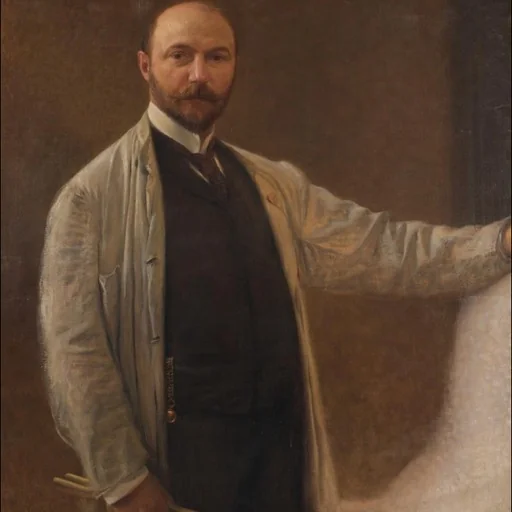
Works
Groups & collectives
Frequently asked questions
What is Vienna Secession?
Vienna Secession is an art movement. The group of Austrian artists who broke from the conservative Vienna Künstlerhaus in 1897, under the presidency of Gustav Klimt.
Who are the key Vienna Secession artists?
Key Vienna Secession artists in the collection include Dagobert Peche, Franz von Matsch and Josef Hoffmann.
When did Vienna Secession take place?
Vienna Secession dates from around 1897.
Where can I see Vienna Secession works?
Vienna Secession works in the collection are held by Metropolitan Museum of Art, Kunsthistorisches Museum and Uffizi Gallery.