Artwork
PALM
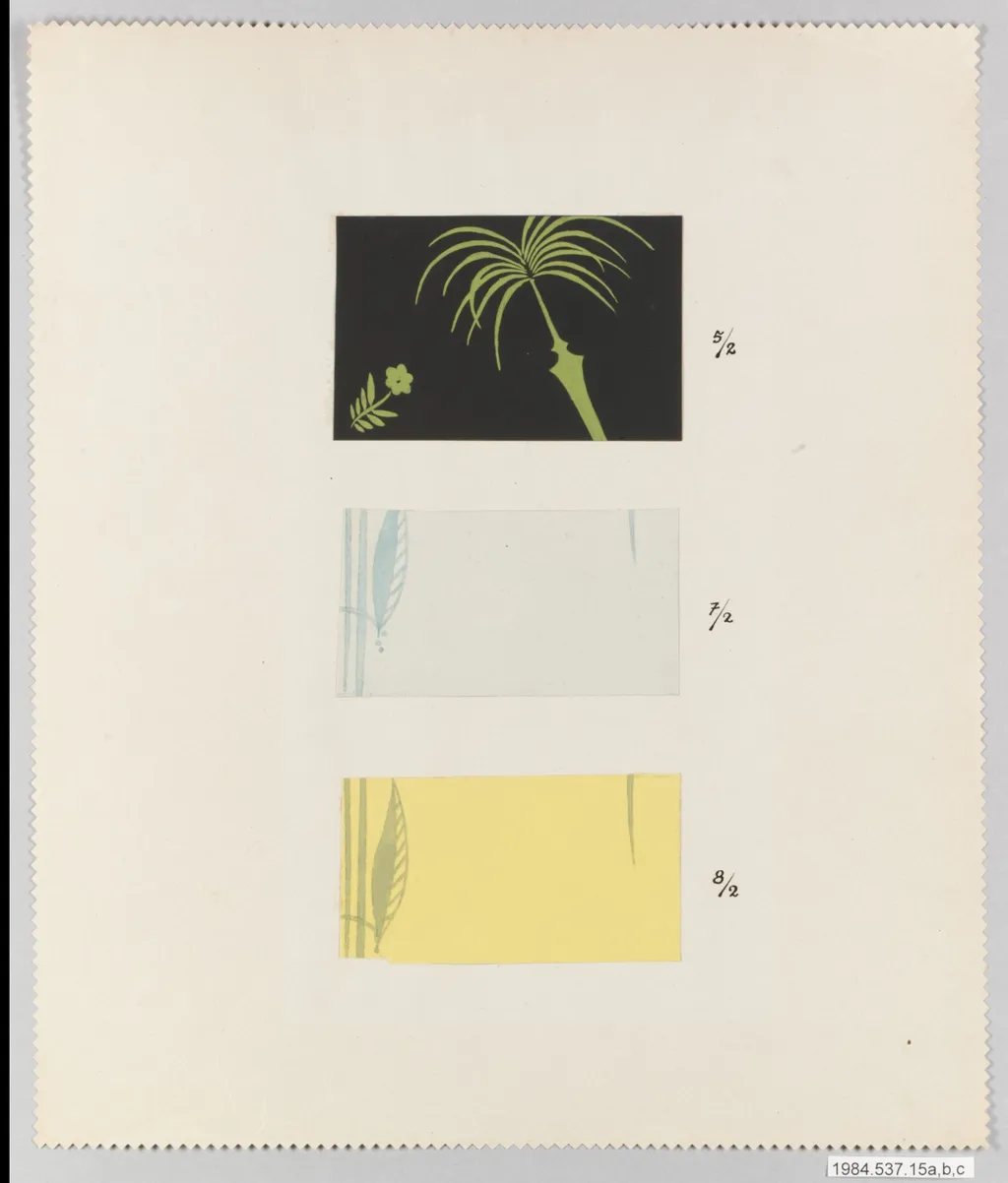
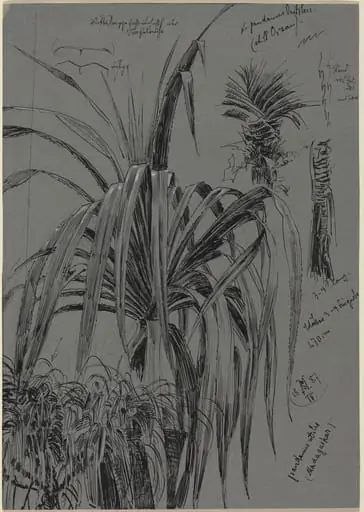
PALM is an unspecified painting by the Art Nouveau artist Dagobert Peche. It dates from 1911 and is held in the collection of the Metropolitan Museum of Art.
About this work
Subject & Meaning
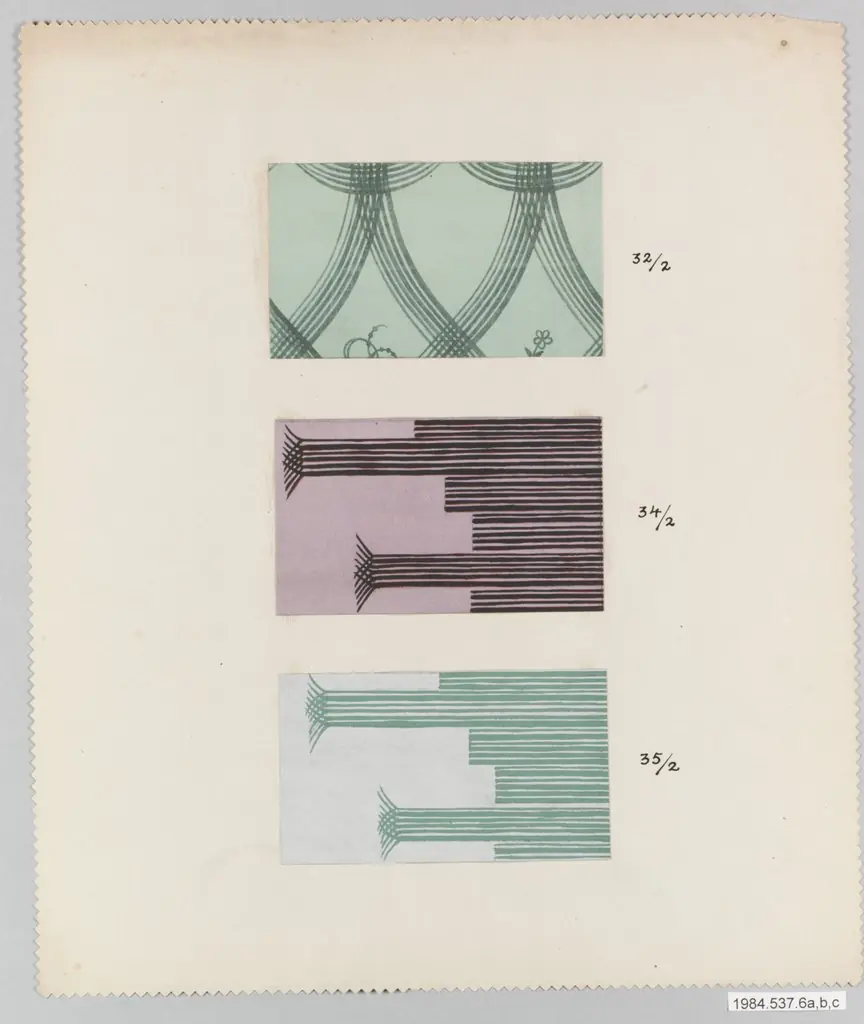
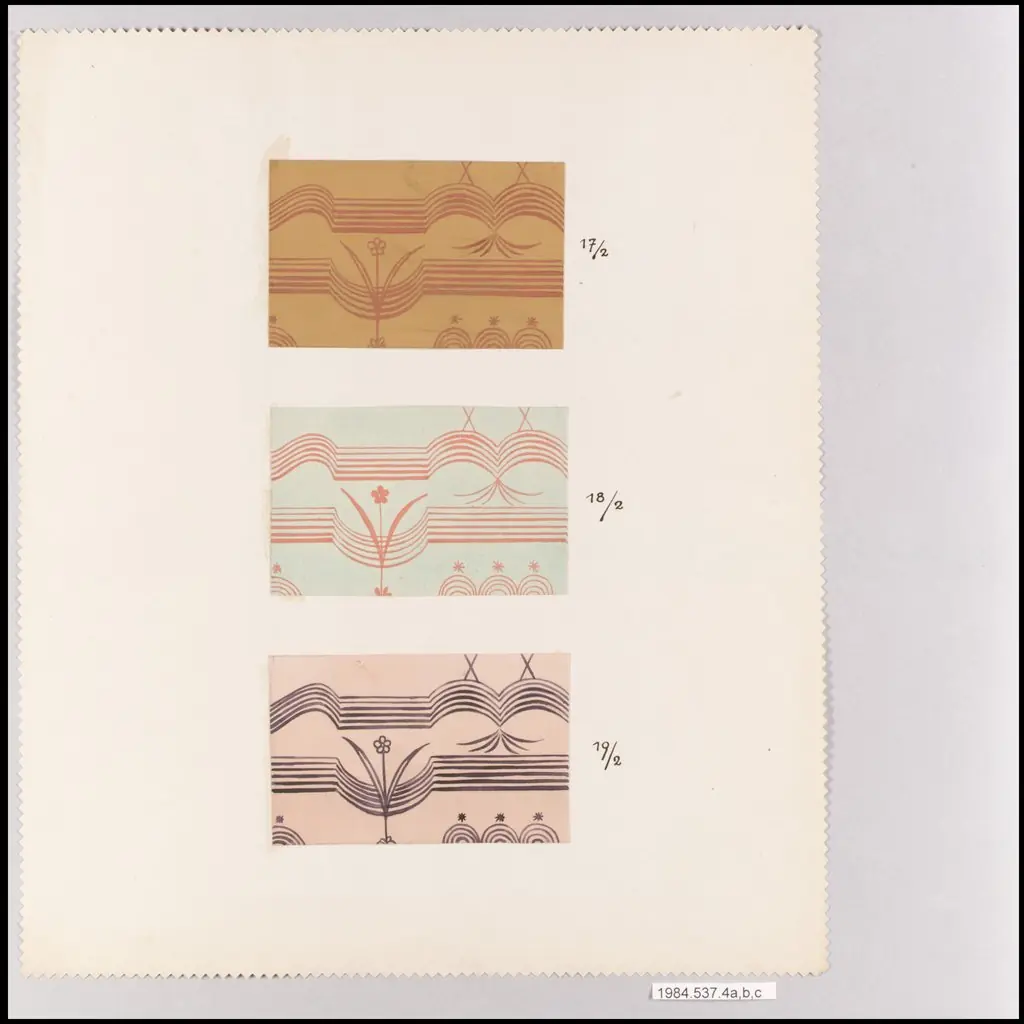
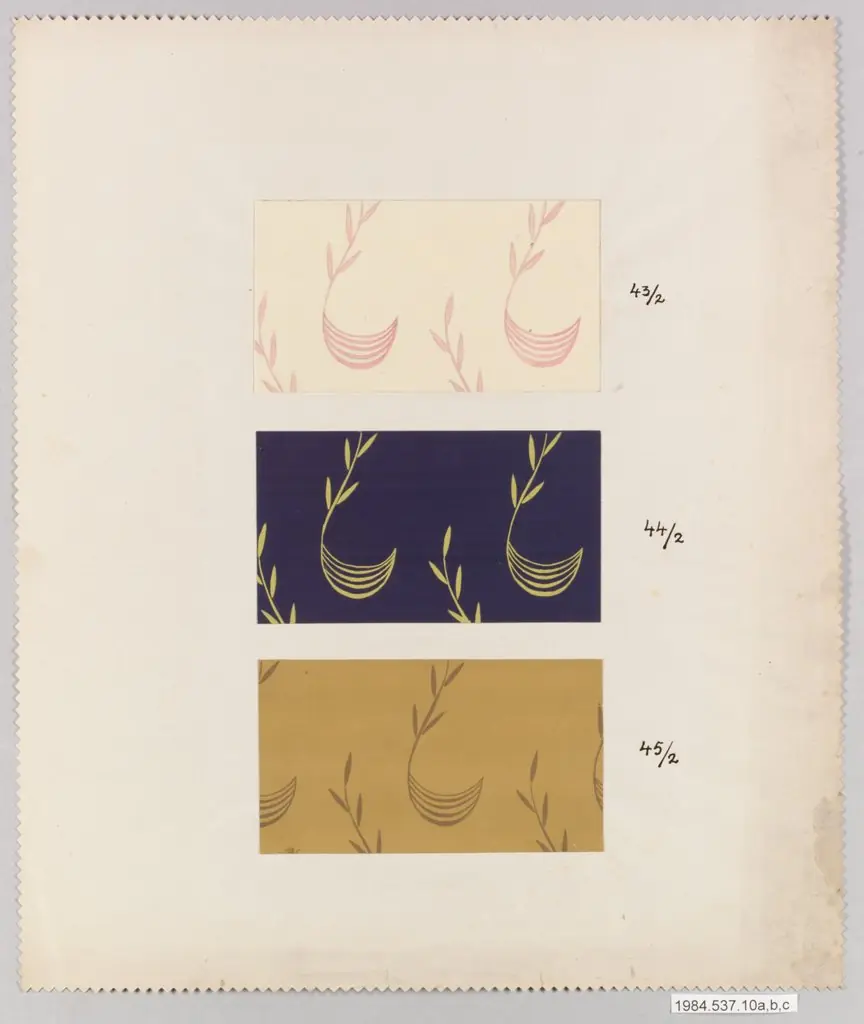
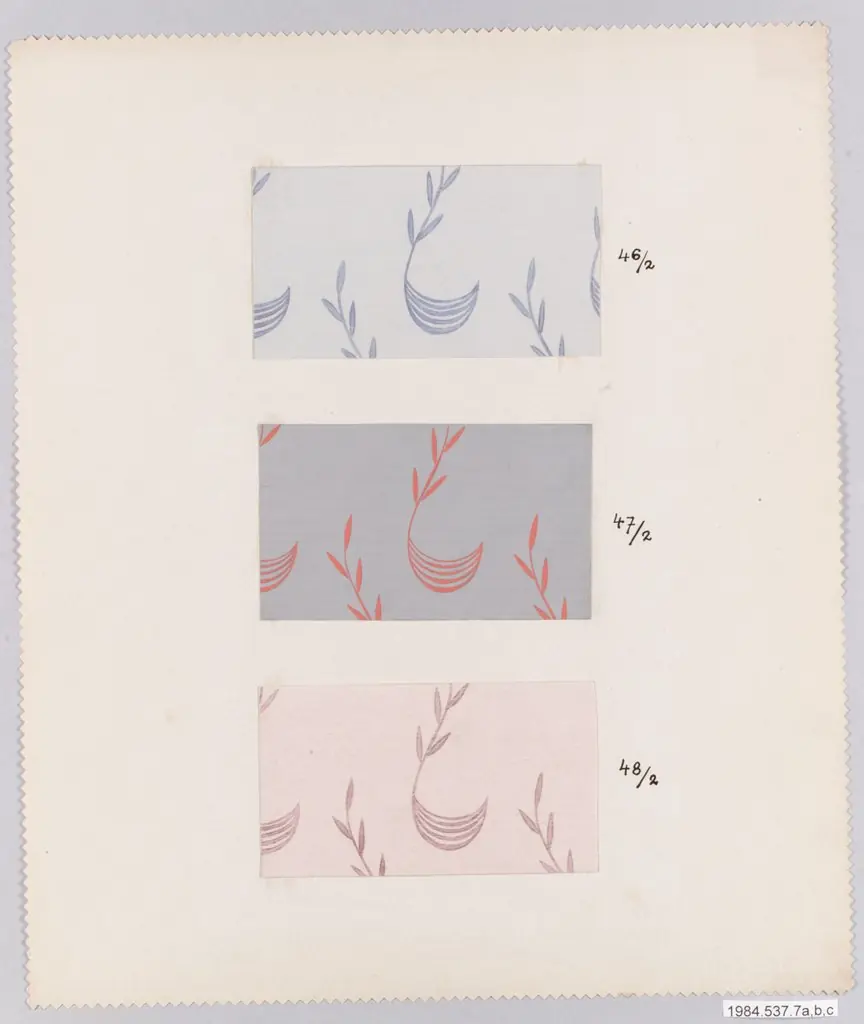
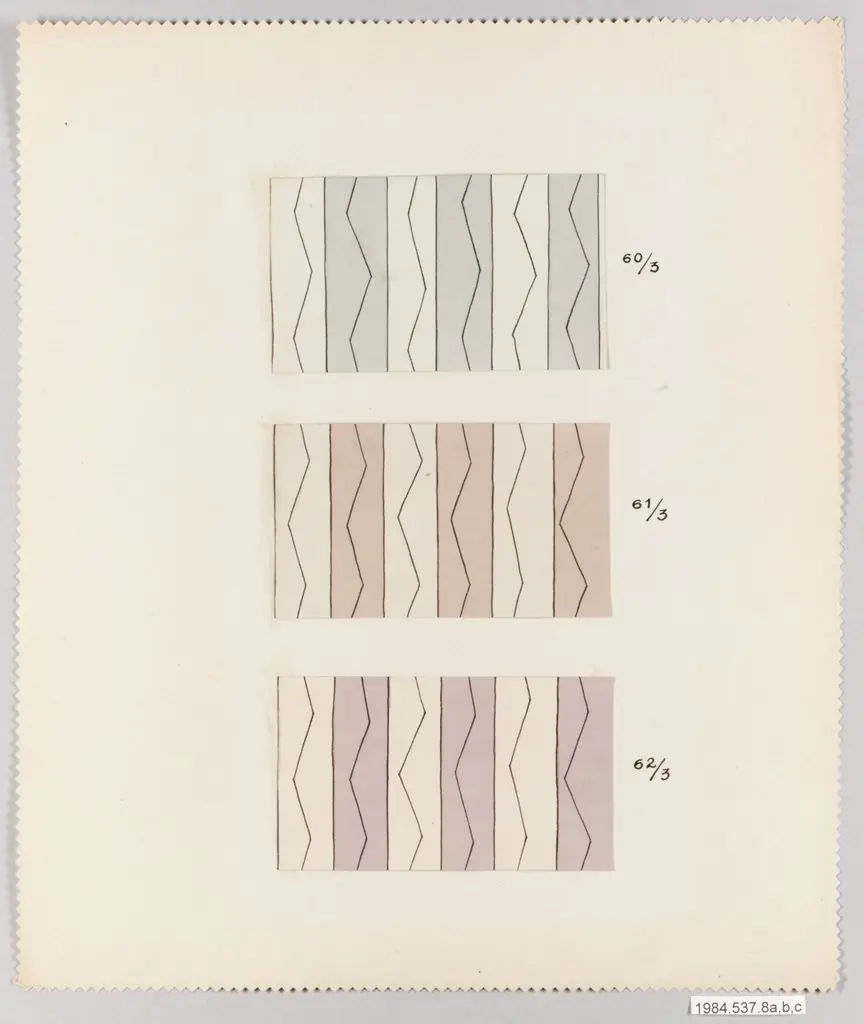
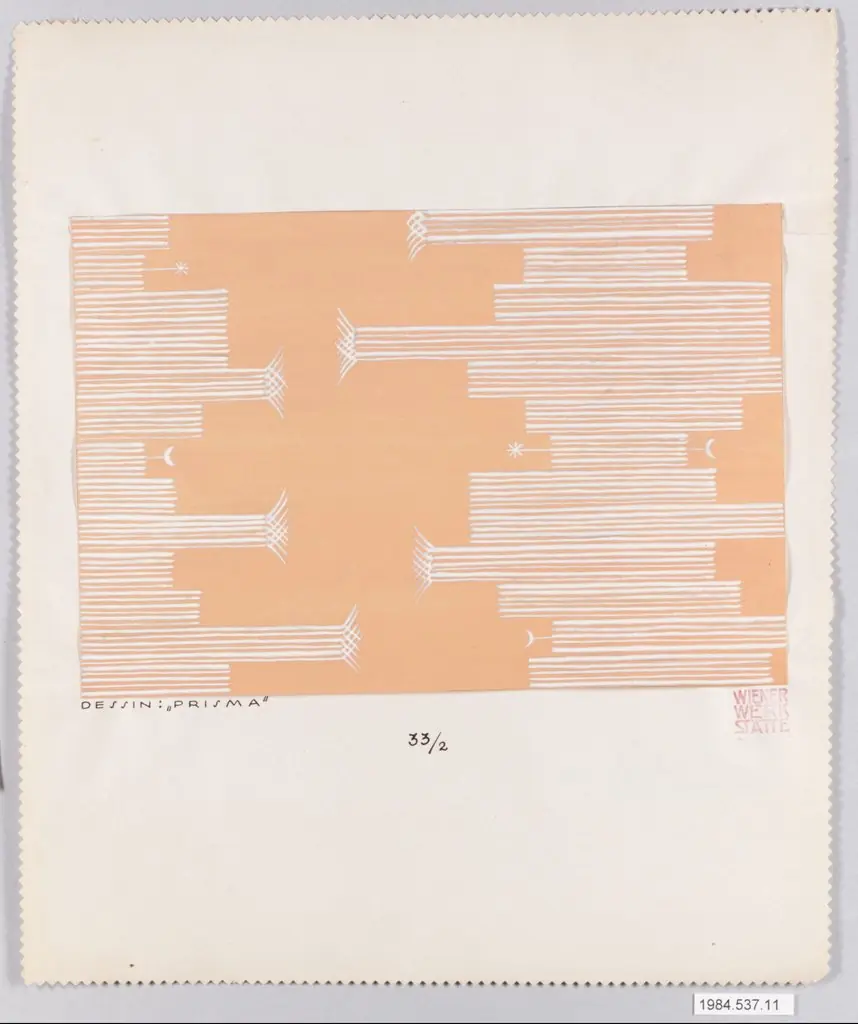
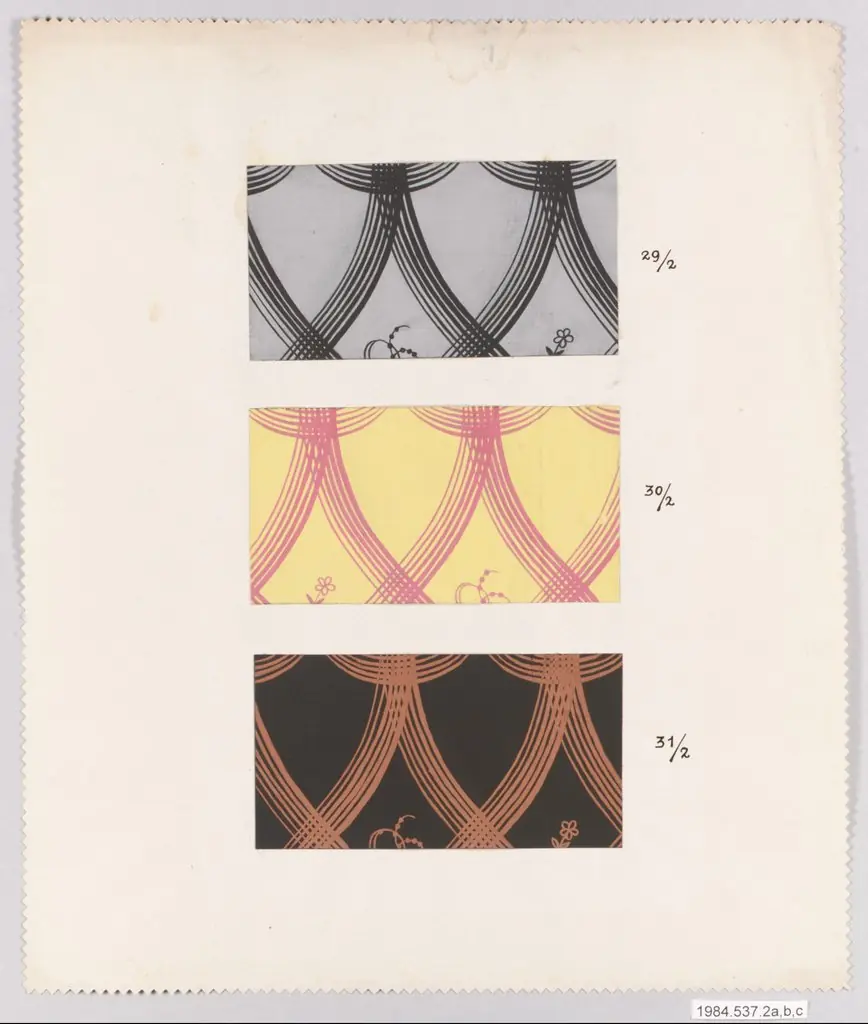
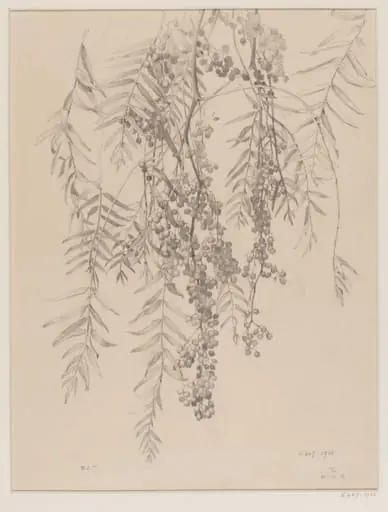
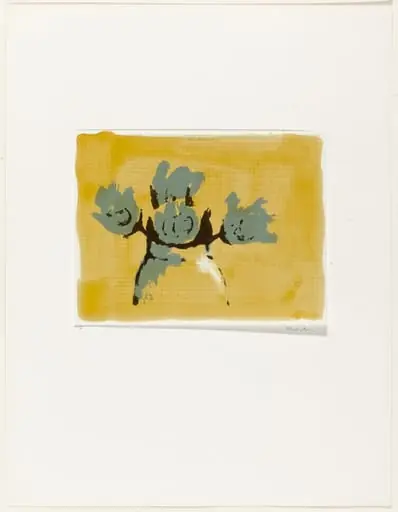
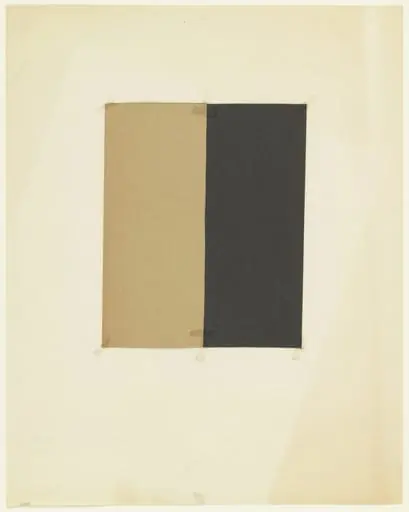
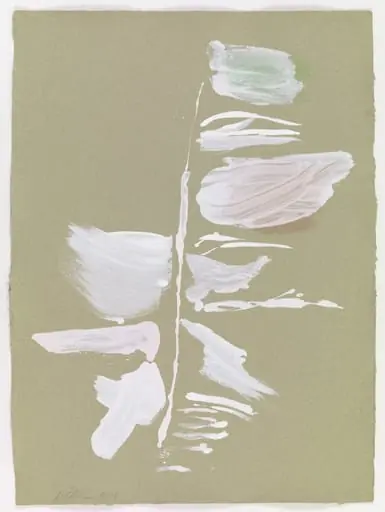
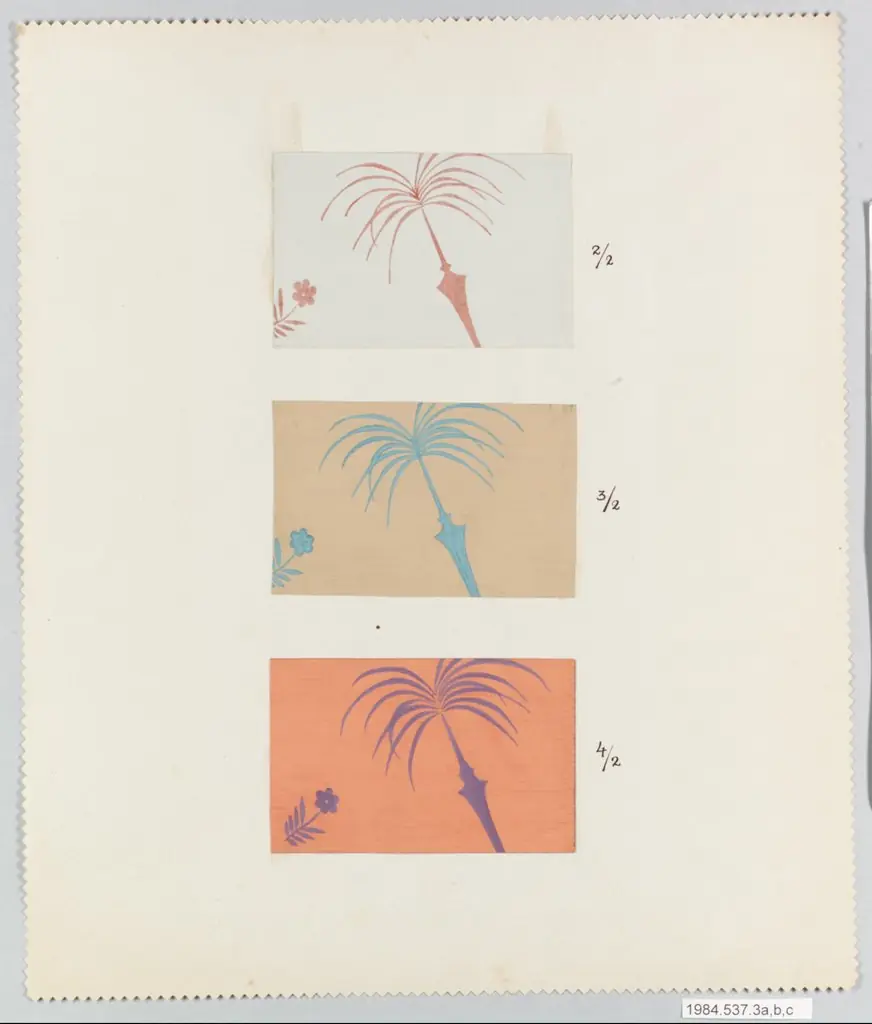
The work depicts a stylized palm in muted tones, its segmented fronds radiating from a slender trunk against a neutral ground.
The work depicts a stylized palm in muted tones, its segmented fronds radiating from a slender trunk against a neutral ground. The image reduces the plant to essential, rhythmic curves that emphasize organic growth rather than botanical detail. By isolating the motif and flattening space, the painting aligns with early-20th-century explorations of decorative abstraction and the integration of nature into modernist design.
In this context, the palm functions as a distilled emblem of vitality and adaptability, emblematic of contemporaneous Viennese art circles that sought to merge utility with aesthetic innovation.
Technique & Style
The work is an oil painting executed on a canvas support in 1911. The dimensions are 47.3 cm in height by 37.1 cm in width. Stylistically, the composition centers on a simplified, rounded palm motif rendered in bold, flat color areas that align with early twentieth-century modernist tendencies toward decorative abstraction.
Handling emphasizes clean contours and a restrained palette, with the foliage articulated through broad, rhythmic strokes rather than naturalistic detail. The surface appears stable, with no overt signs of structural damage reported in the record.
History & Provenance
The painting Palm by Dagobert Peche is dated to 1911 based on its internal records and the Wikidata entry for the work, which both list the year of creation as 1911.
The work entered the collection of the Metropolitan Museum of Art in 1984, where it is currently held as accession number 1984.537.15a–c. The dimensions recorded upon acquisition are 47.3 cm in height and 37.1 cm in width.
The painting Palm by Dagobert Peche is held in the collection of the Metropolitan Museum of Art. The work, created in 1911, is identified within the museum's records by the accession number 1984.537.15a-c. While the piece dates to the early twentieth century, the provided sources do not contain specific details regarding its exhibition history or prior provenance prior to its accession.
Context
Dagobert Peche's 1911 work PALM entered the Metropolitan Museum of Art collection by 1984, recorded under accession number 1984.537.15a-c. The painting measures 47.3 cm in height and 37.1 cm in width, reflecting the artist's integration of botanical motifs within early twentieth-century modernist painting. Its presence in a major institutional collection underscores scholarly attention to Peche's role in bridging decorative arts and fine art practices during his time.
Legacy
The painting's enduring significance is reflected in its inclusion in major museum collections and continued scholarly attention to Peche's body of work. Its presence at the Metropolitan Museum of Art, where it has been part of the collection since 1984, underscores its recognition within the broader narrative of early 20th-century art. The work is frequently referenced in studies of Peche's artistic development and the evolution of decorative painting, contributing to the reassessment of his role in the Viennese Secession movement.
Overview
Created in 1911 by Austrian artist Dagobert Peche, Palm is a small oil painting that belongs to the Met’s collection. The work is situated within the Art Nouveau period, a time when decorative arts and fine arts often overlapped. Its composition is divided into three horizontal zones, each exploring a distinct palette and simplified botanical motif.
Own this work as a print
Artist & collection
Artist
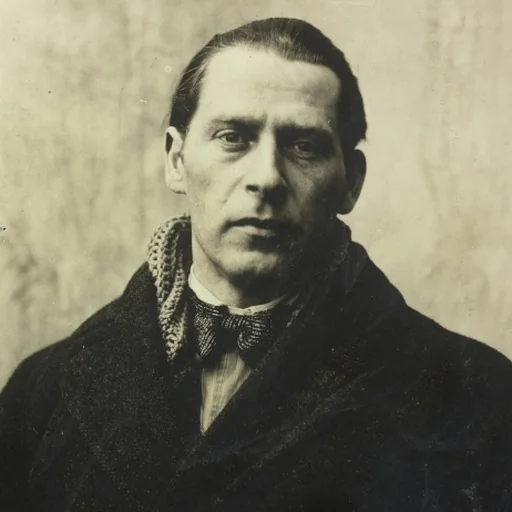
Dagobert Peche (3 April 1887, Sankt Michael/Lungau, Duchy of Salzburg – 16 April 1923, Modling) was an Austrian artist and metalworker designer.