Artwork
PRISM
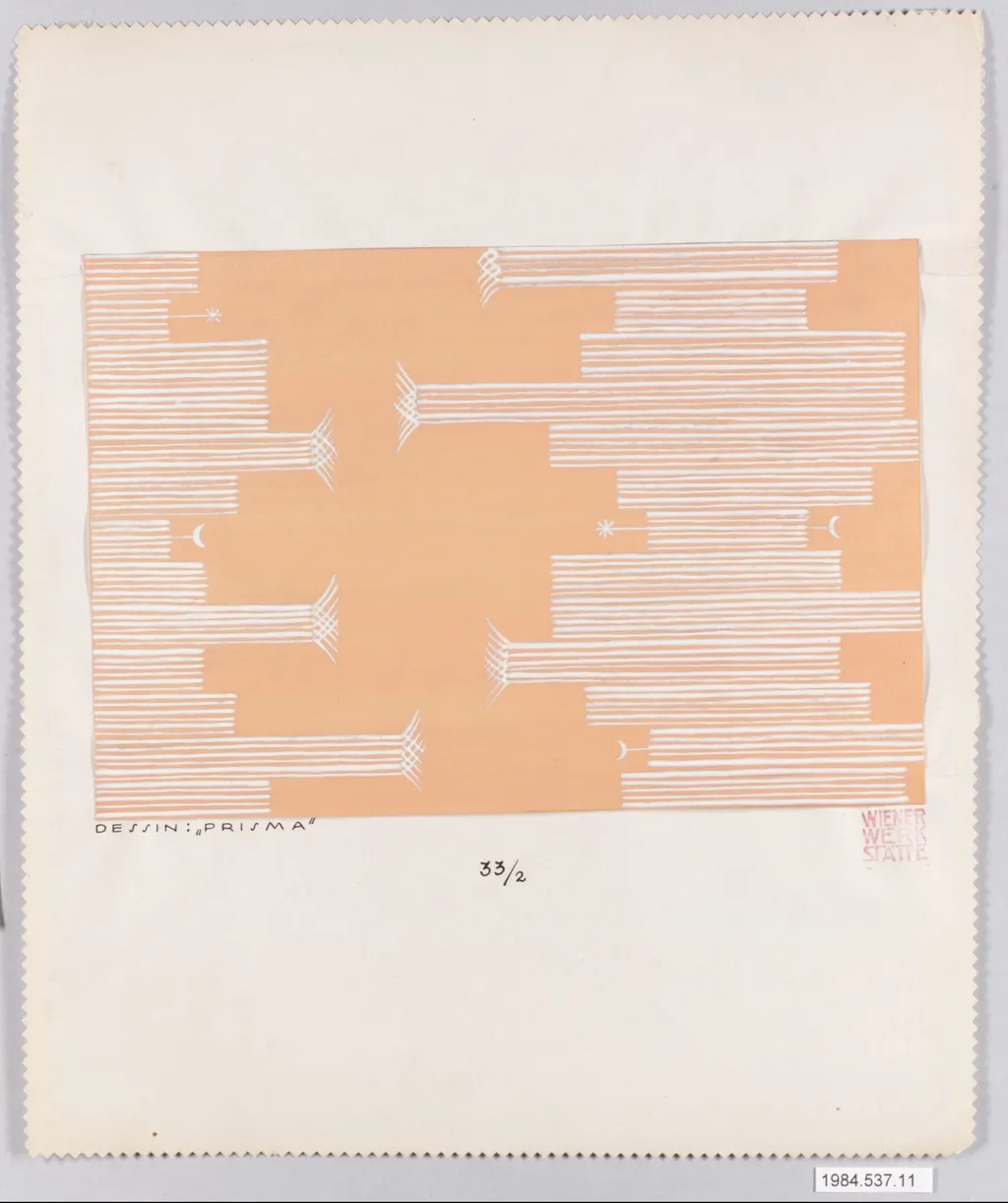
PRISM is an unspecified painting by the Art Brut artist Dagobert Peche. It dates from 1922 and is held in the collection of the Metropolitan Museum of Art.
About this work
Overview
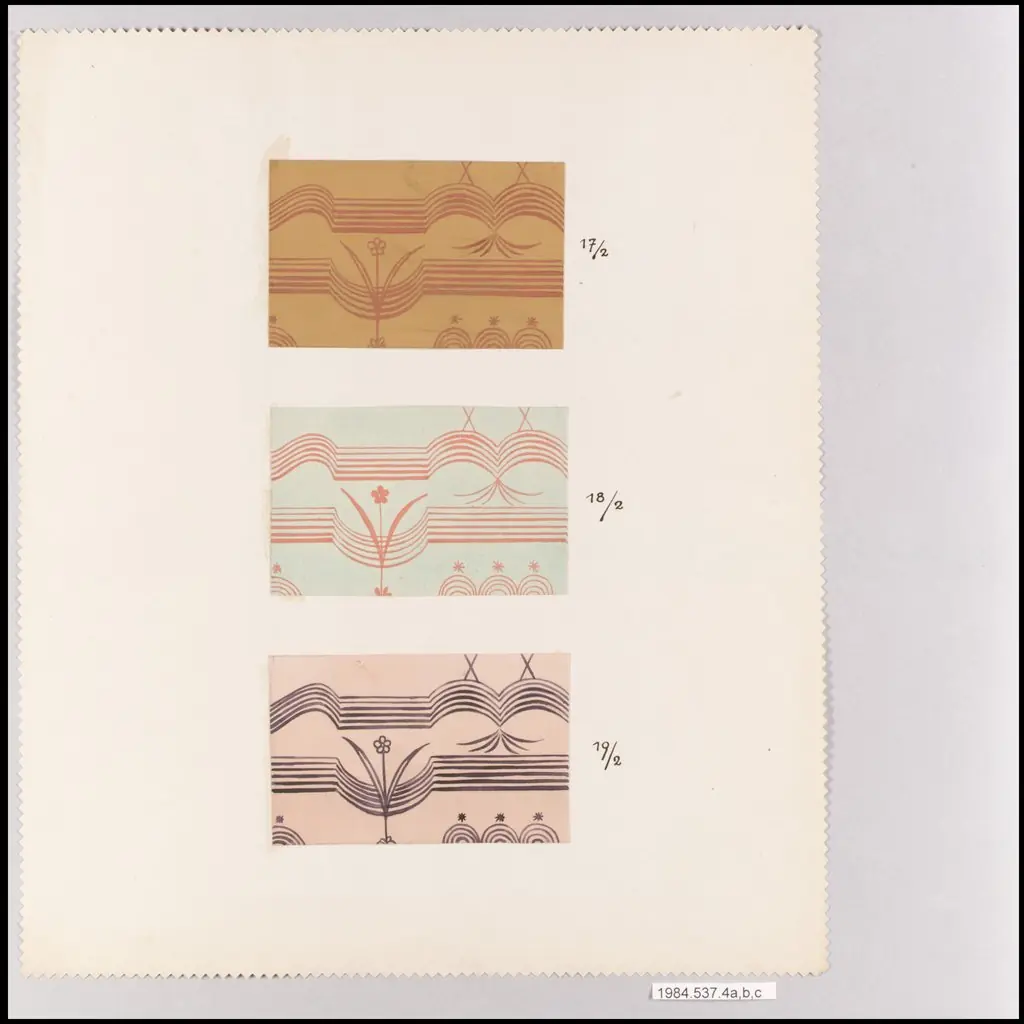
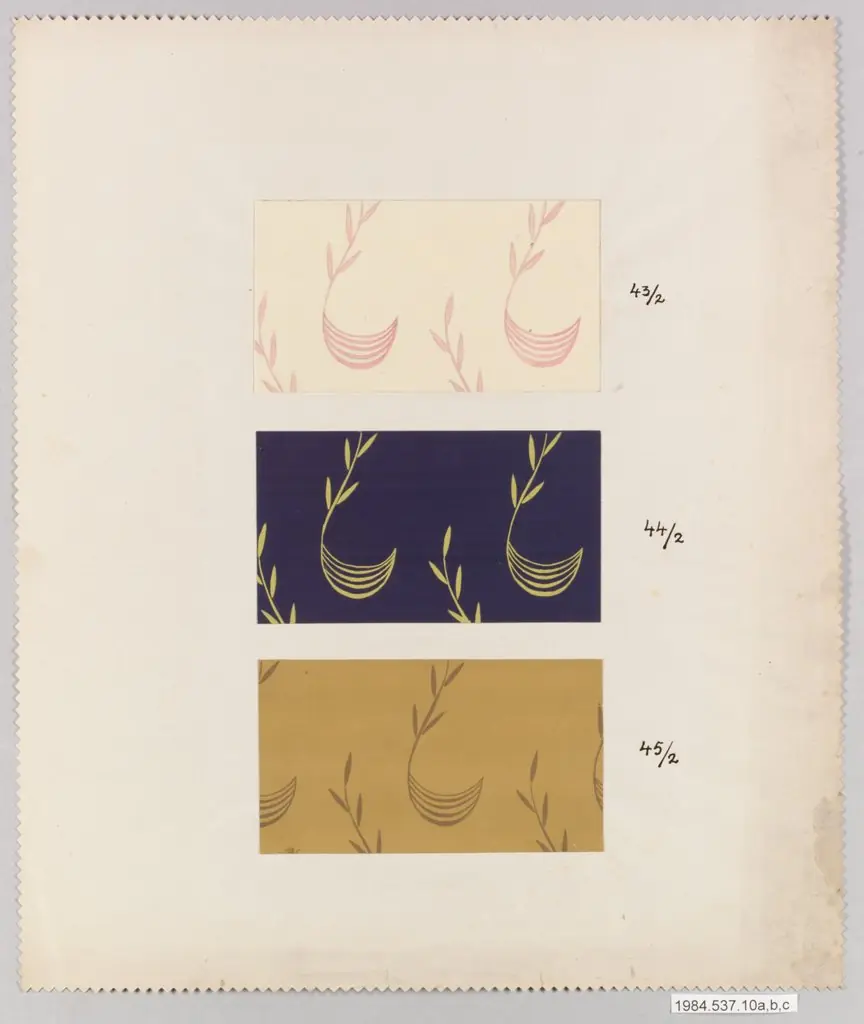
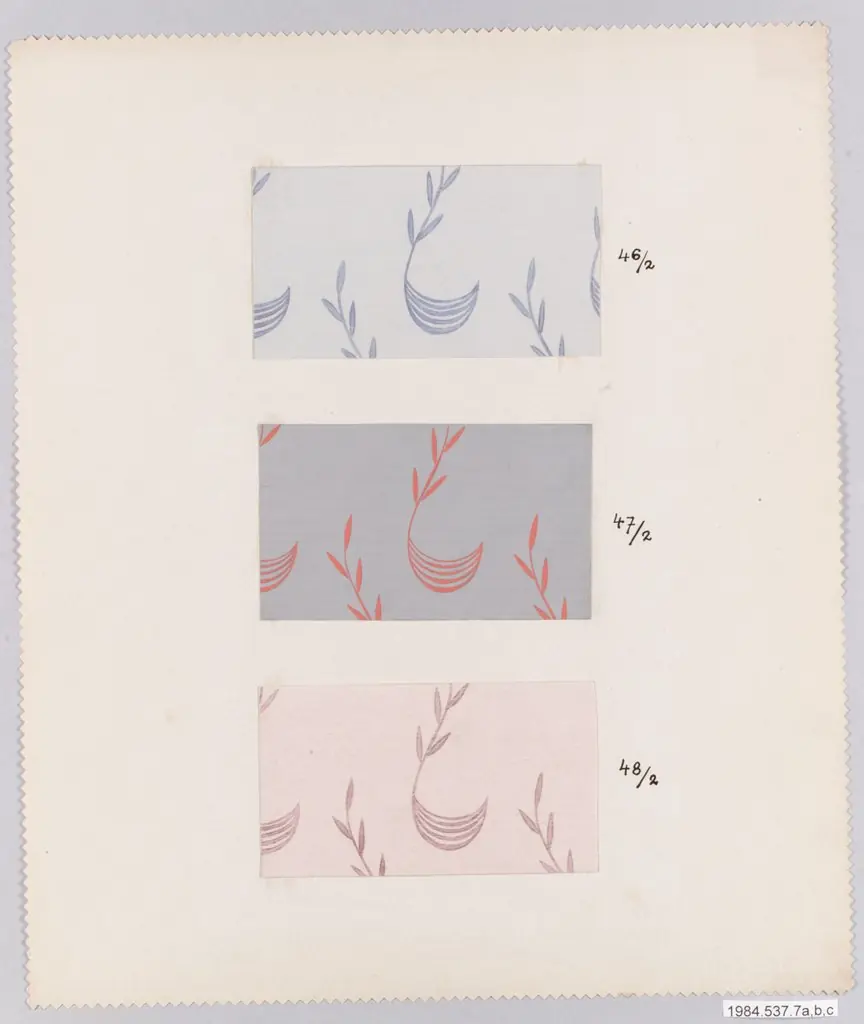
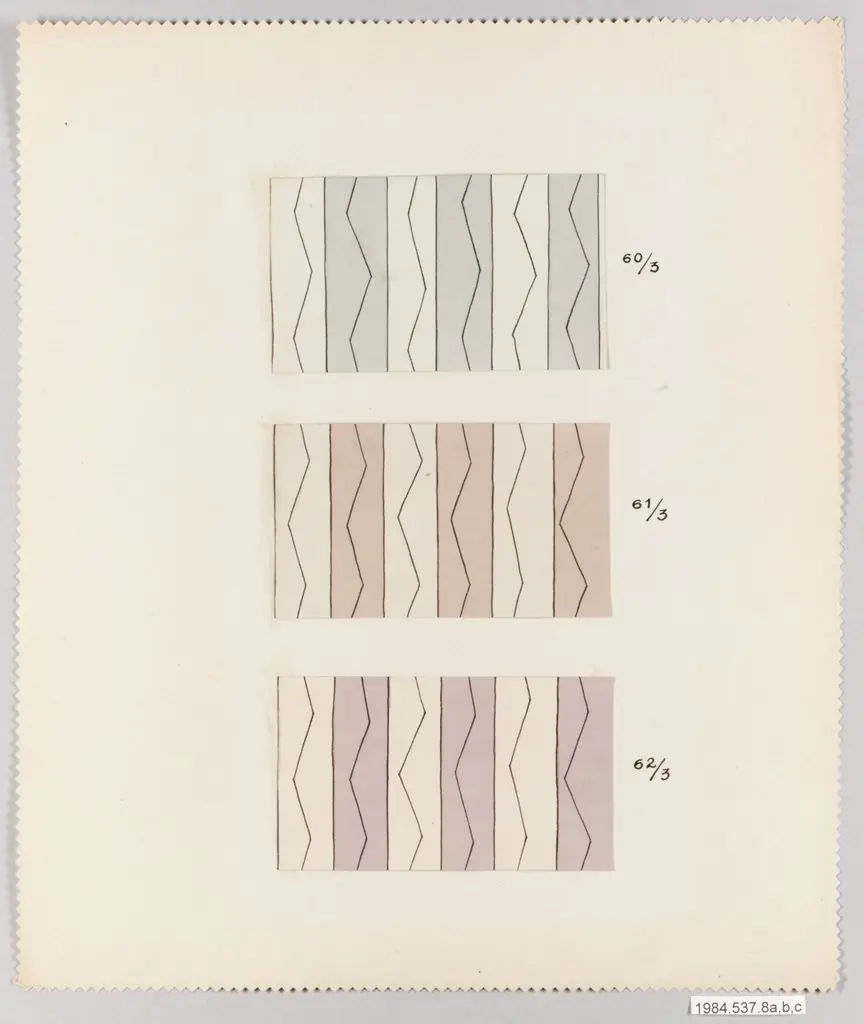
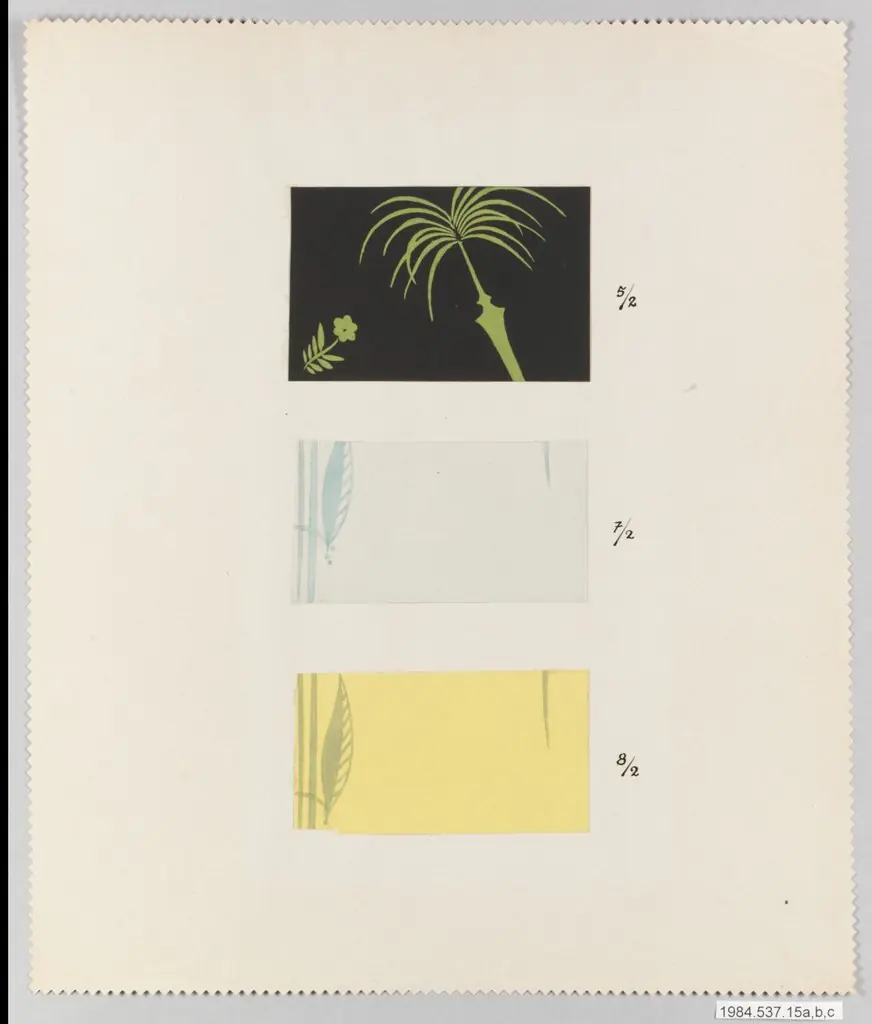
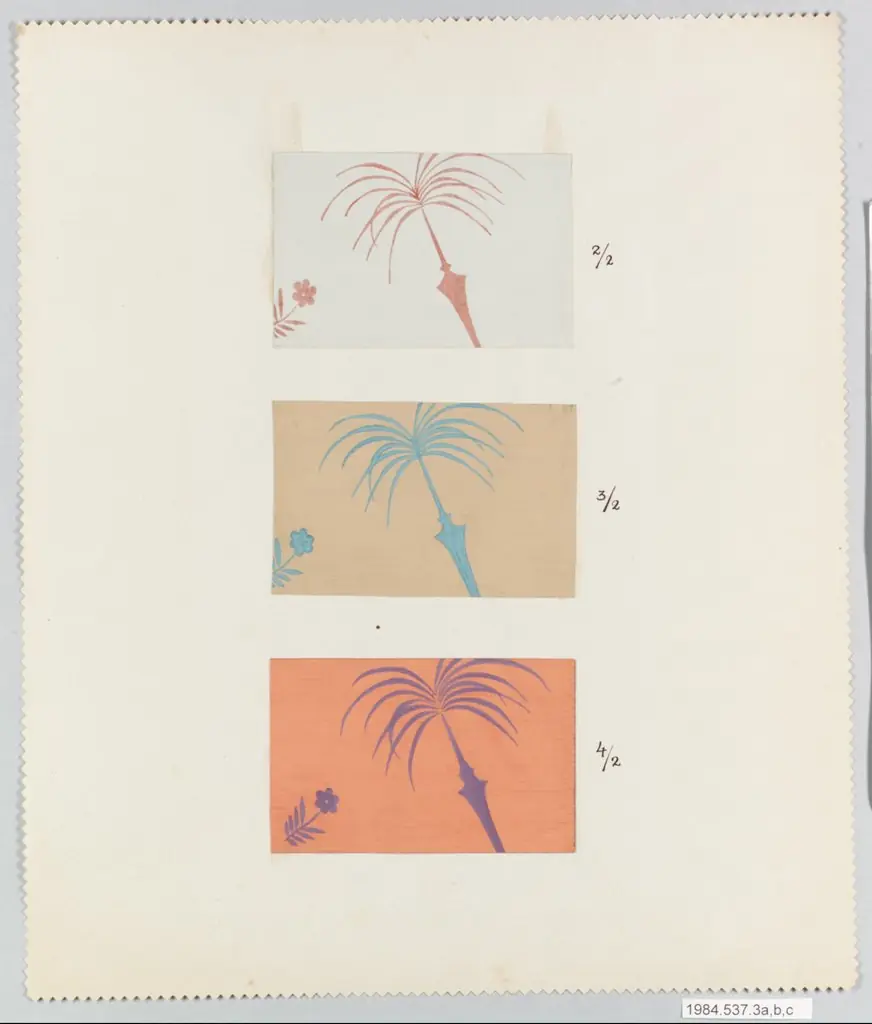
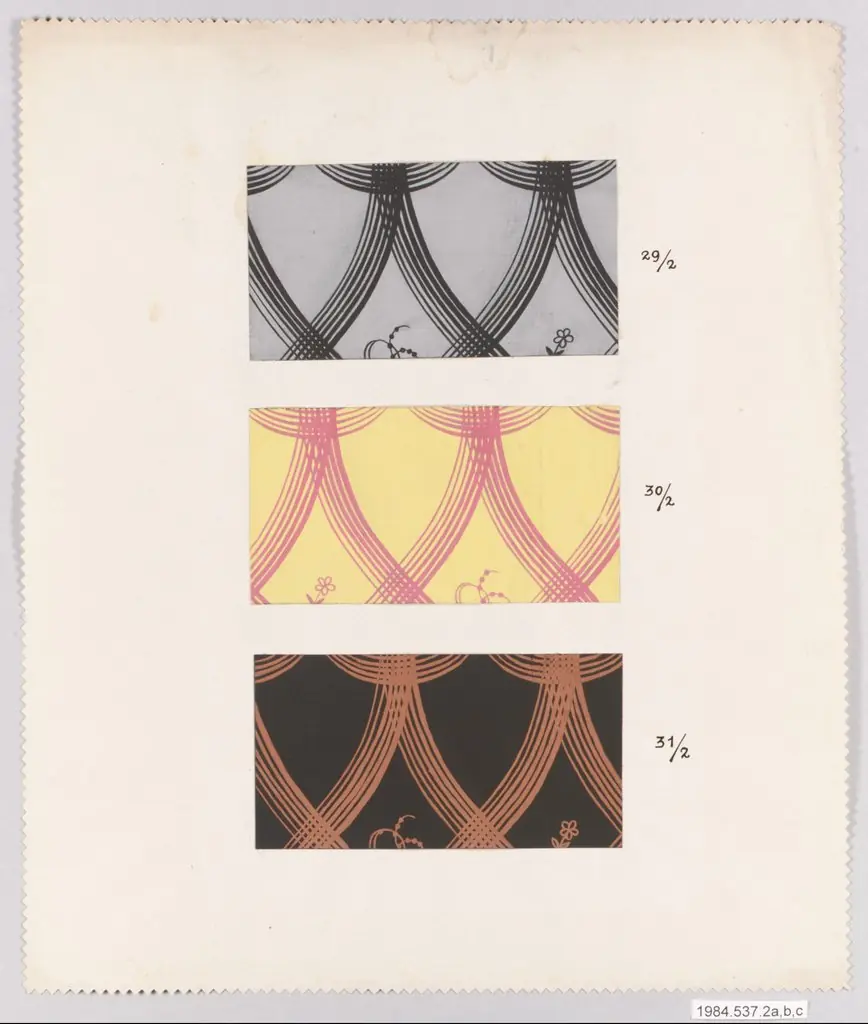
Created in 1922 by Austrian artist and designer Dagobert Peche, PRISM is a painted work now part of the Metropolitan Museum of Art’s collection. The piece dates from the final year of Peche’s life, as he died in 1923, and is linked to the broader art brut tendency that valued raw, untrained expression.
Subject & Meaning
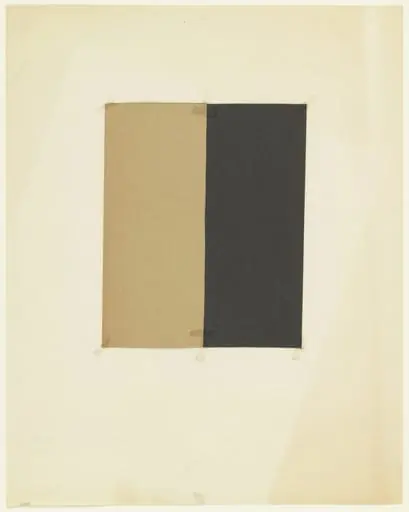
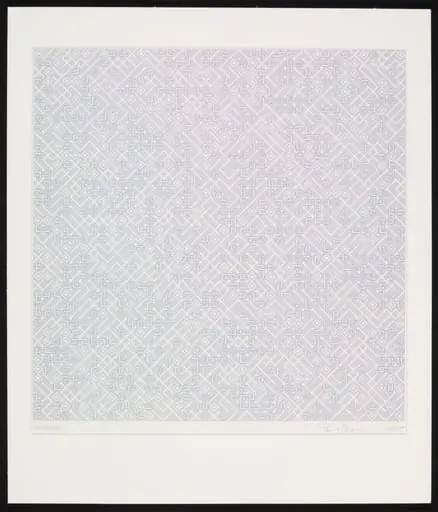
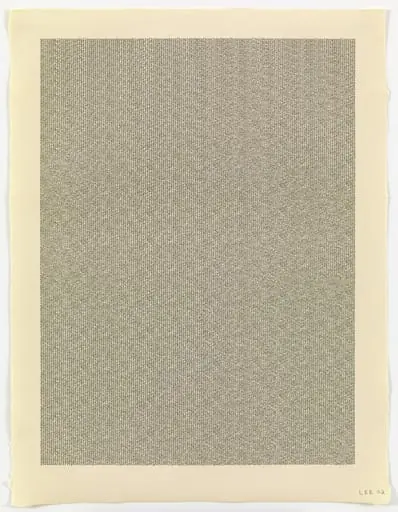
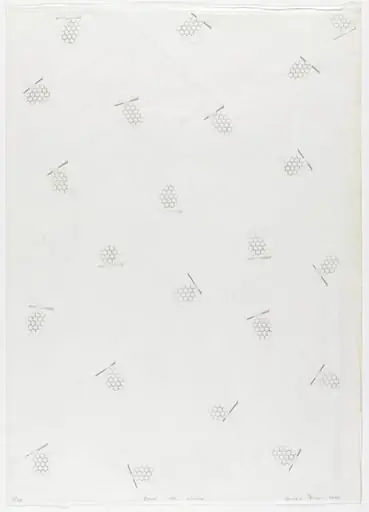
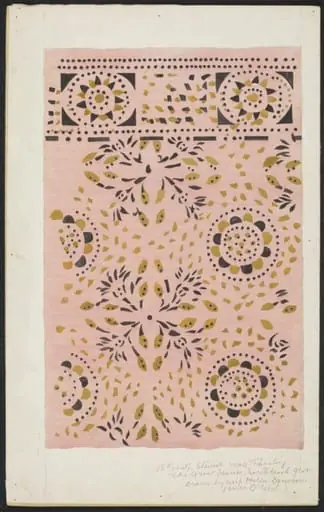
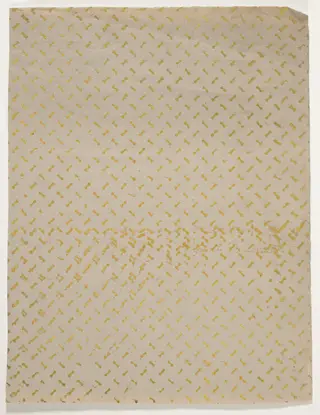
The composition consists of flat orange rectangles intersected by white lines that suggest a schematic diagram, reminiscent of a floor plan or a geometric puzzle. Small star‑ and crescent‑shaped motifs emerge from the intersecting lines, giving the work a playful, abstract quality while maintaining a disciplined, orderly appearance.
Technique & Style
Executed in a simple, graphic manner, the painting relies on stark color contrast and clean, precise line work. The flatness of the orange blocks against a white background underscores a modernist interest in geometry and abstraction, aligning the piece with early twentieth‑century design experiments.
History & Provenance
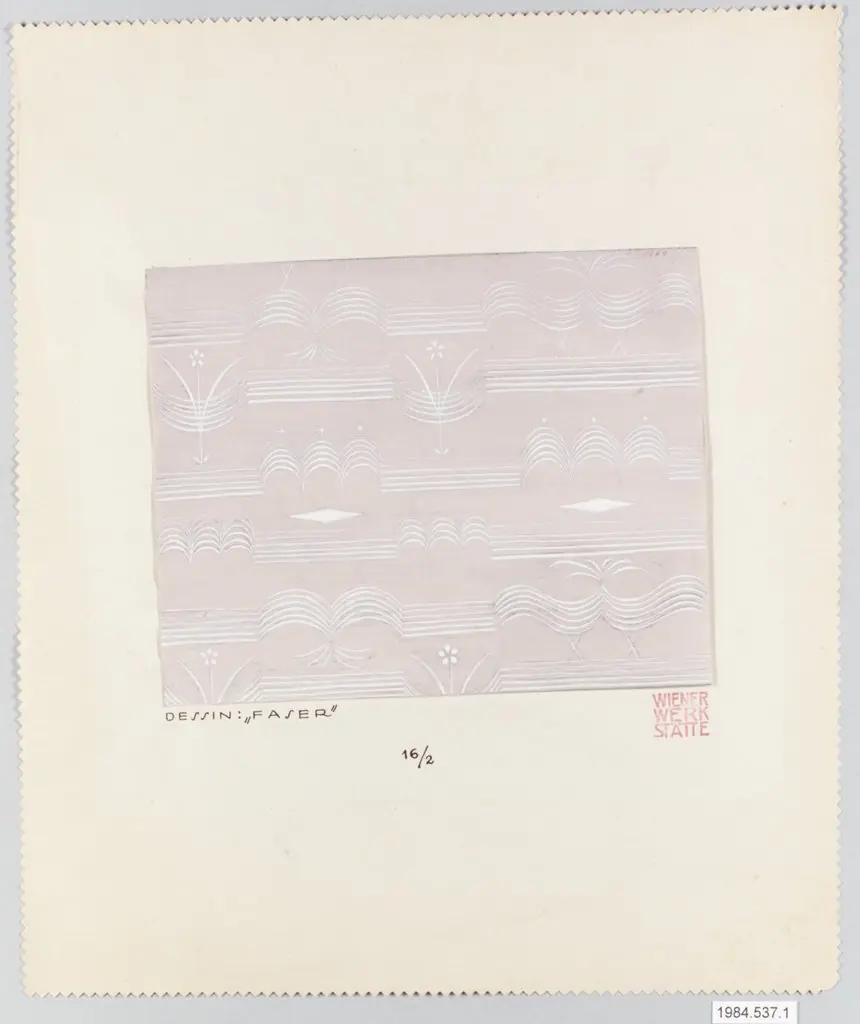
PRISM bears a label at its base reading “DESSIN: ‘PRISMA’” and a stamp indicating “WIENER WERB. STÄTTE,” pointing to its origin as a design study produced in Vienna. After its creation, the work entered the Metropolitan Museum of Art’s holdings, where it remains on display.
Context
Peche’s career spanned both fine art and applied design, and his involvement with the Wiener Werkstätte, a Vienna‑based workshop dedicated to integrating art and craft, situates PRISM within a network of avant‑garde production that emphasized functional aesthetics and handcrafted quality.
Own this work as a print
Artist & collection
Artist
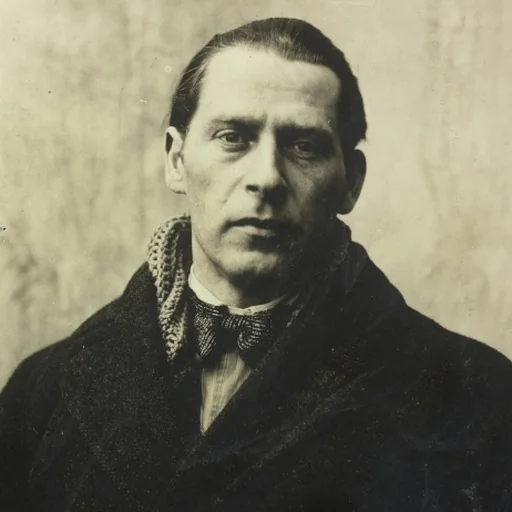
Dagobert Peche (3 April 1887, Sankt Michael/Lungau, Duchy of Salzburg – 16 April 1923, Modling) was an Austrian artist and metalworker designer.