Artwork
Cagliostro
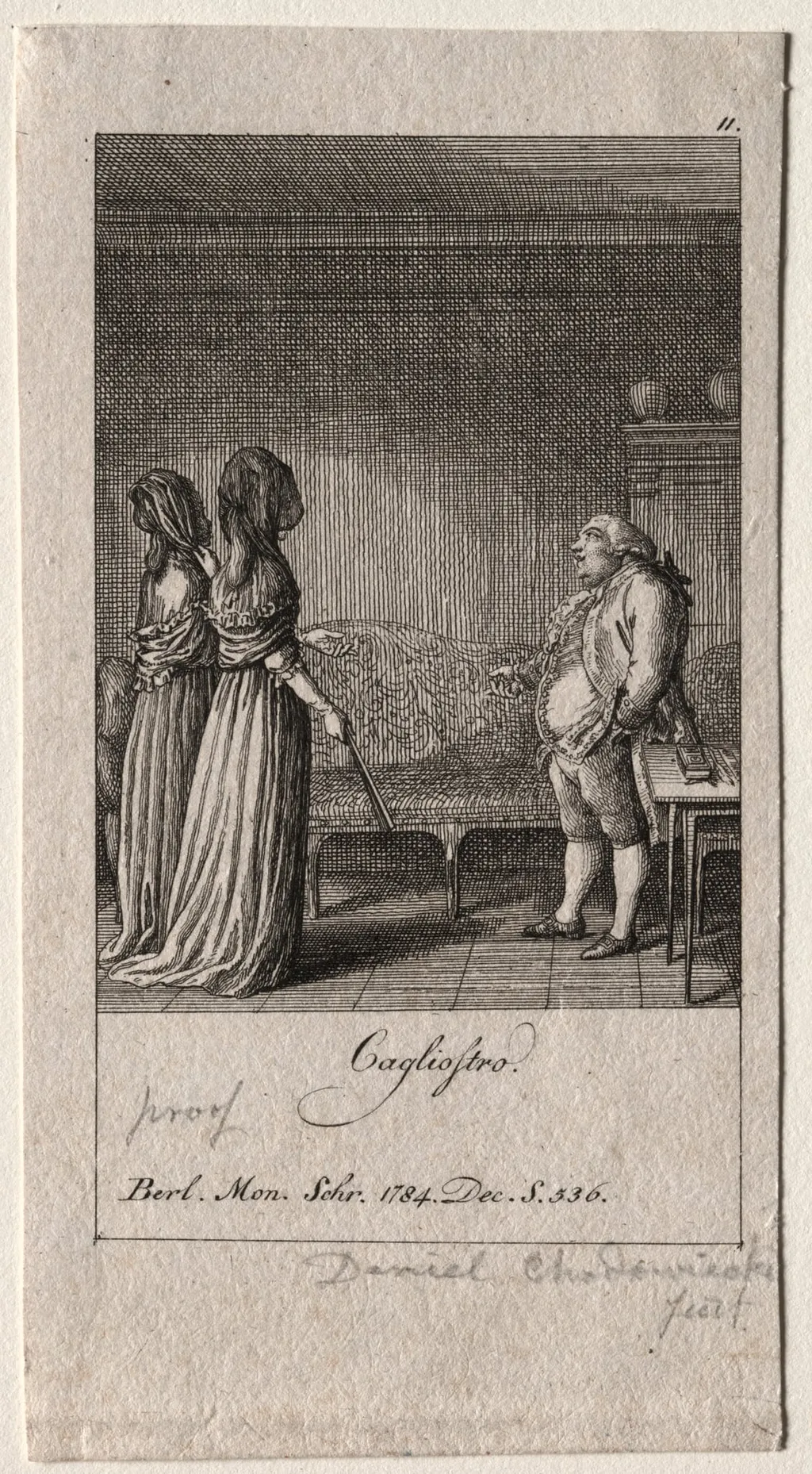
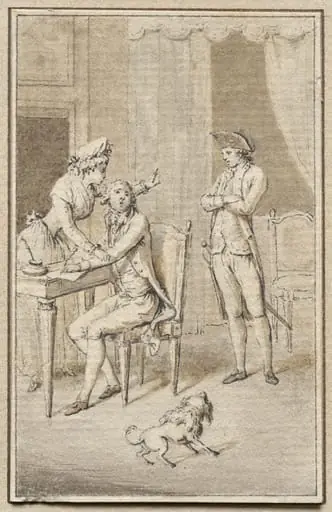
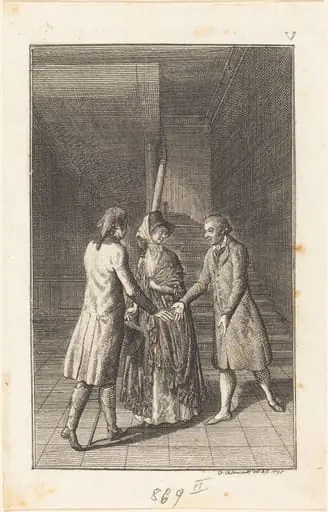
Cagliostro is a print by the Romanticist artist Daniel Nikolaus Chodowiecki. It dates from 1784 and is held in the collection of the Cleveland Museum of Art.
- Accession no.
- 1954.329
- Credit line
- Mr. and Mrs. Lewis B. Williams Collection
About this work
Overview
The work depicts a mysterious interior scene centered on a charismatic male figure, likely referencing the infamous occultist Cagliostro.
Daniel Chodowiecki, a German printmaker of Huguenot and Polish heritage, produced this etching in 1784 during his tenure in Berlin, where he later led the Academy of Art. The work depicts a mysterious interior scene centered on a charismatic male figure, likely referencing the infamous occultist Cagliostro. Signed by the artist, the print is part of the Cleveland Museum of Art’s collection and exemplifies Chodowiecki’s skill in capturing psychological nuance through fine line work.
Subject & Meaning
The etching portrays a man in elaborate attire addressing two women in a dim room, one turned away, suggesting skepticism or disengagement. The figure is widely interpreted as Alessandro Cagliostro, an 18th-century adventurer known for alchemy and deception. The scene evokes themes of persuasion, illusion, and the allure of the occult, reflecting public fascination and suspicion toward figures who blurred the lines between science and sorcery.
Technique & Style
Chodowiecki employed fine, precise etching lines to render texture and atmosphere, emphasizing the contrast between the illuminated figures and the shadowed interior. The dark, heavily textured wall and the narrow sliver of light from a small window create a sense of intimacy and secrecy. His use of chiaroscuro and restrained detail directs attention to the gestures and expressions, reinforcing the psychological tension of the moment.
History & Provenance
Created in 1784, the print emerged during a period of heightened public interest in Cagliostro’s activities across Europe. Chodowiecki, based in Berlin, frequently illustrated contemporary figures and social themes. The work entered the Cleveland Museum of Art’s collection through documented acquisitions, preserving its place within a broader network of Enlightenment-era graphic satire and portraiture.
Context
In the late 18th century, Cagliostro’s travels and claims of magical powers sparked both fascination and moral panic across Europe. Printmakers like Chodowiecki responded with visual commentaries that captured public anxiety about charlatanism and the erosion of rational authority. This etching aligns with a wave of satirical imagery that questioned the credibility of occult figures in an age increasingly shaped by scientific inquiry.
Legacy
Chodowiecki’s etching remains a documented example of how visual art engaged with contemporary scandals. Though not widely reproduced, it contributes to the understanding of how Enlightenment audiences perceived figures like Cagliostro, not merely as frauds, but as symbols of broader cultural tensions between belief and reason. The work endures as a quiet, incisive record of its time.
Artist & collection
Artist
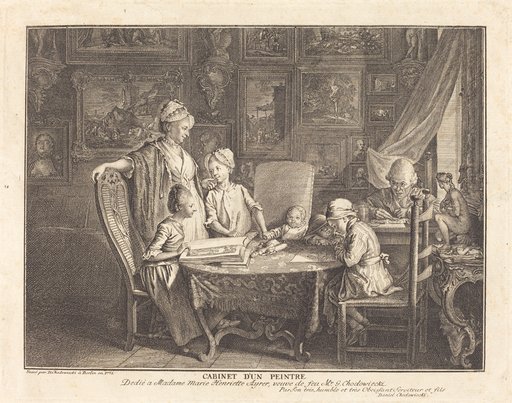
Daniel Niklaus Chodowiecki (16 October 1726 – 7 February 1801) was a German painter and printmaker of Huguenot and Polish ancestry, who is most famous as an etcher.