Artwork
Rural Feast
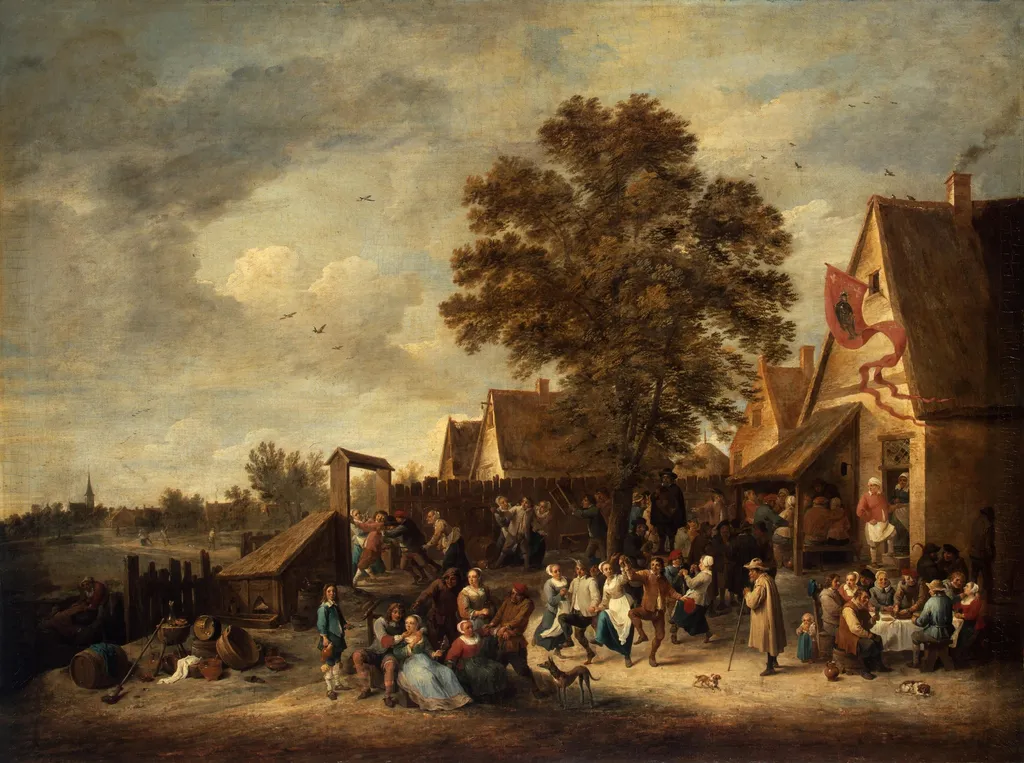
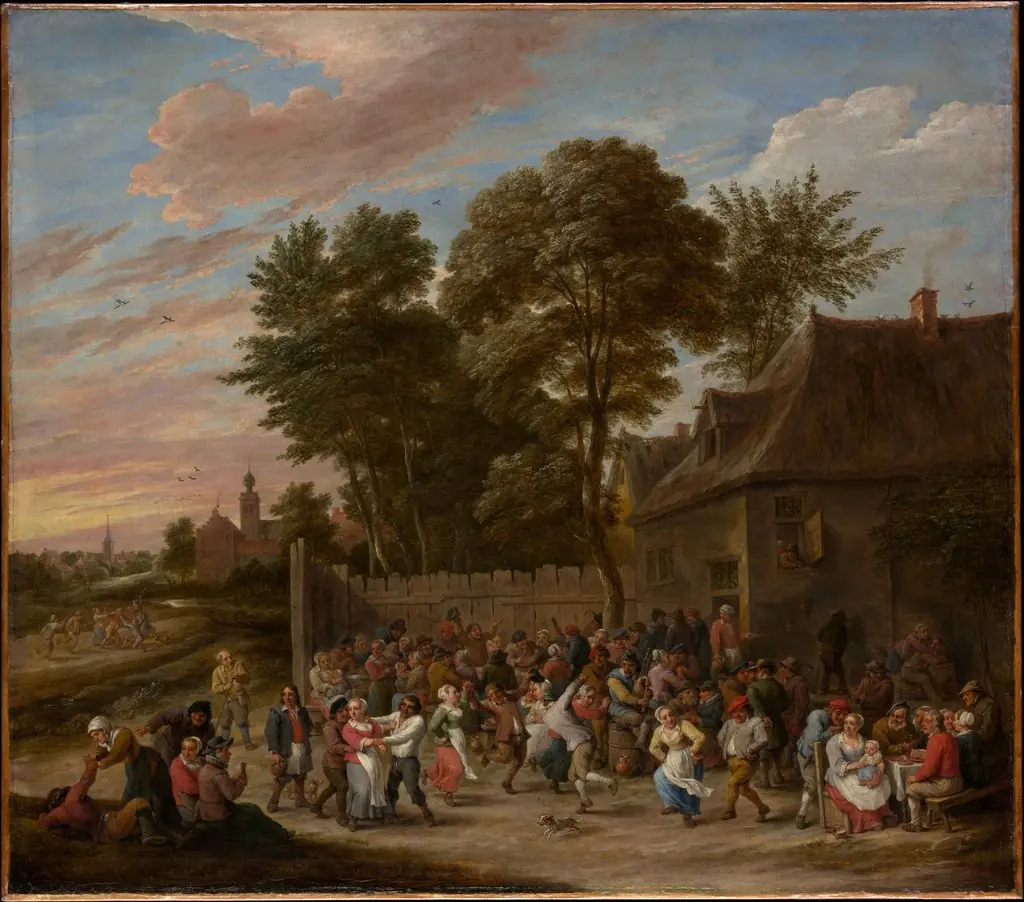
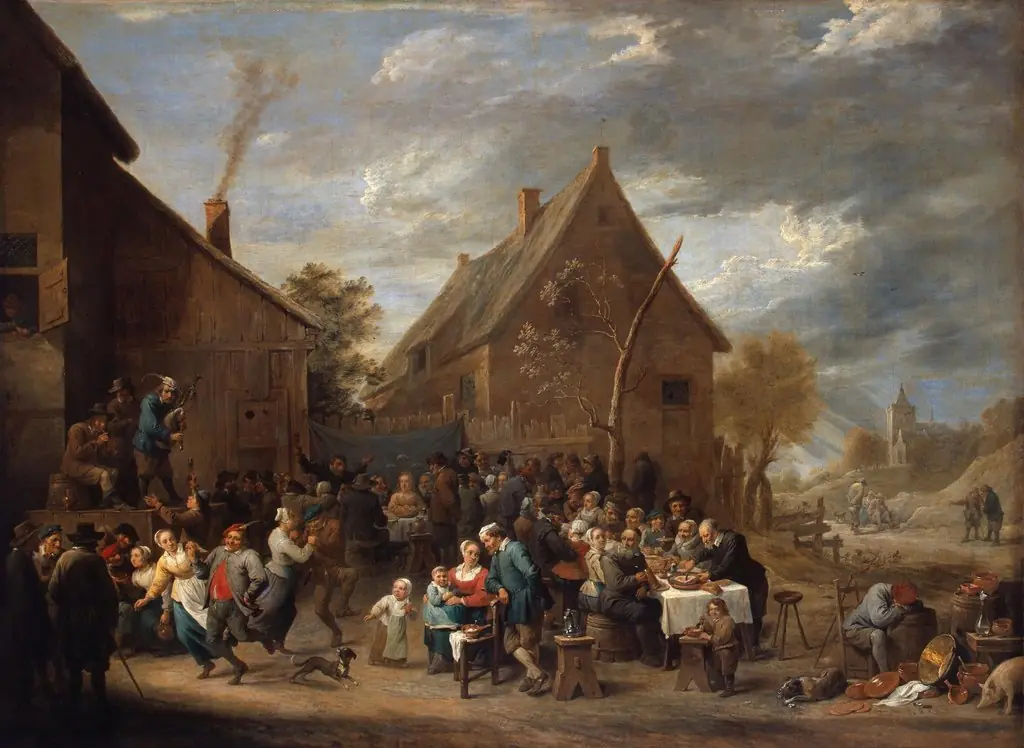
Rural Feast is an oil painting by the Flemish Baroque painting artist David Teniers the Younger. It dates from 1646 and is held in the collection of the Hermitage Museum.
About this work
Subject & Meaning
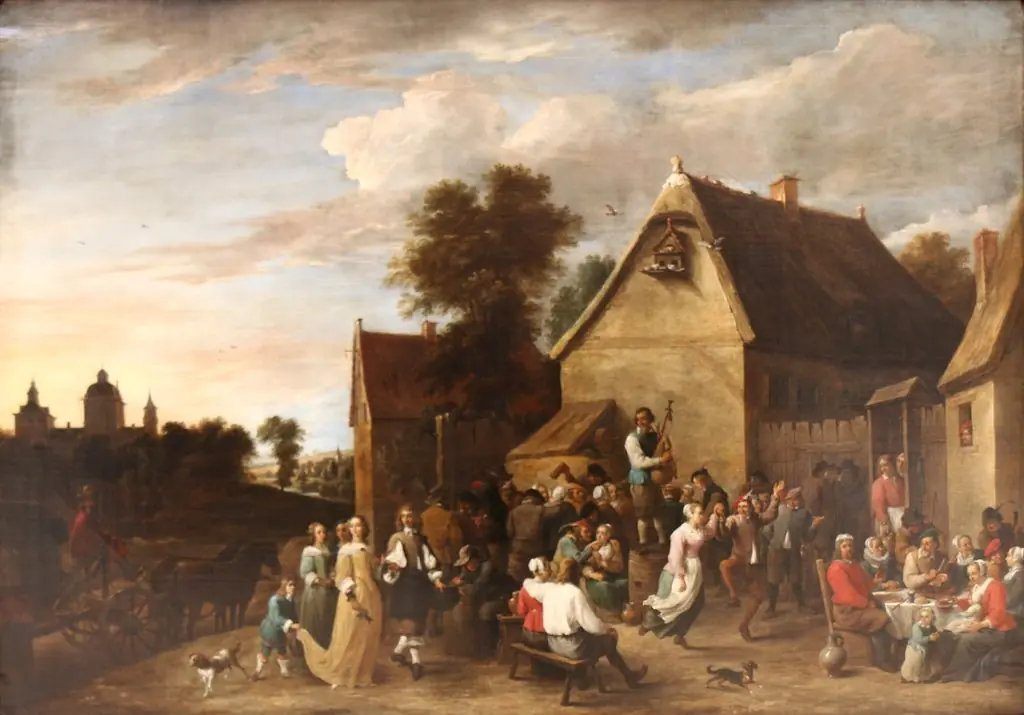
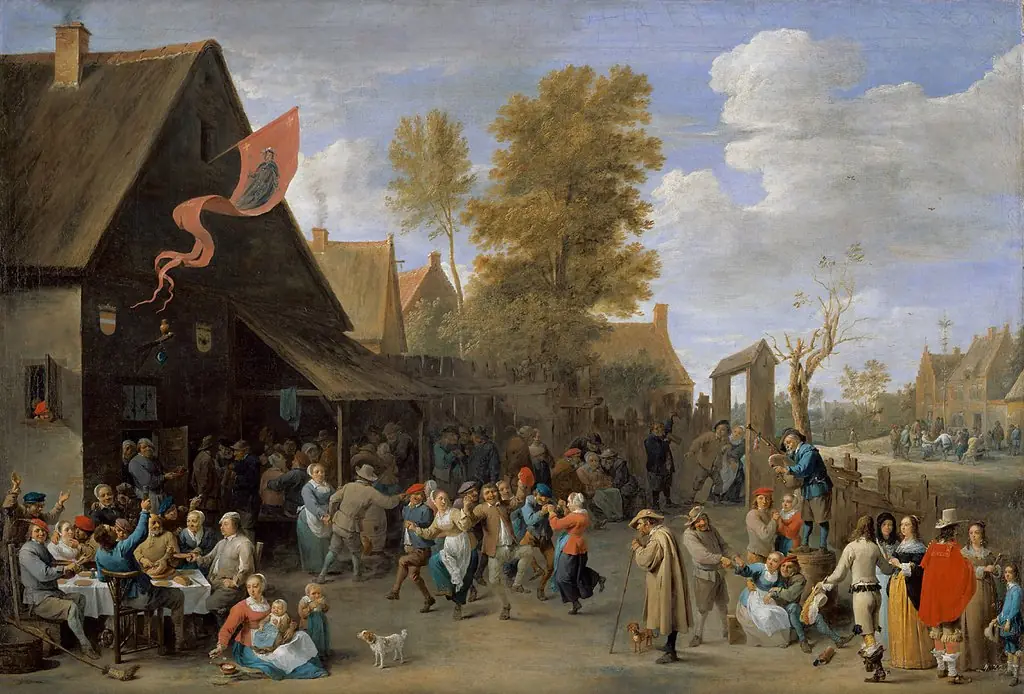
The painting portrays a lively village celebration in the countryside, emphasizing communal harmony and the joy of shared sustenance. Teniers captures figures gathered around a table laden with food and drink, symbolizing abundance and the simple pleasures of rural life. The depiction reflects 17th‑century Flemish genre scenes that celebrate peasant festivities as moral and social ideals.
Technique & Style
The work depicts a village festival with figures arranged in a lively, narrative composition characteristic of genre scenes.
Rural Feast is an oil painting executed on canvas by David Teniers the Younger in 1646. The work depicts a village festival with figures arranged in a lively, narrative composition characteristic of genre scenes. Measuring 97.2 cm in height and 130.5 cm in width, it was created in Flanders and originally belonged to Étienne François, duc de Choiseul before entering the Hermitage Museum's Cabinet de Monseigneur le duc de Choiseul collection.
The painting's formal qualities reflect the naturalistic detail and vibrant coloration typical of 17th-century Flemish genre painting, with careful rendering of both architectural elements and festive activities. Its condition remains stable, preserving the textural qualities of oil on canvas as applied during the artist's lifetime.
History & Provenance
The painting was created in 1646 by David Teniers the Younger, as indicated by its internal record and Wikidata entry.
It entered the collection of Étienne François, duc de Choiseul, a French statesman, before later passing into the holdings of the Hermitage Museum in Russia. The work is documented as part of the Cabinet de Monseigneur le duc de Choiseul, confirming its provenance through his ownership prior to its eventual transfer to the Hermitage. The painting’s dimensions are recorded as 97.2 cm in height and 130.5 cm in width.
Rural Feast is held in the collection of the Hermitage Museum. The work was previously owned by Étienne François, duc de Choiseul, and formed part of his cabinet. Created in 1646, the oil painting on canvas depicts a village festival.
The provided sources do not list specific inventory numbers or detail any public exhibition history for the piece.
Overview
Rural Feast, painted in oil by David Teniers the Younger in 1646, presents a lively village celebration. The canvas, now part of the State Hermitage Museum’s collection, captures a moment of communal merriment set against a modest rural backdrop, offering a glimpse into 17th‑century provincial life.
Context
The scene aligns with a tradition of Flemish artists depicting village festivals, a popular subject that highlighted everyday pleasures and moral undertones. Such works offered viewers a narrative of communal harmony, contrasting urban sophistication with rustic simplicity, and were widely reproduced in prints and engravings of the period.
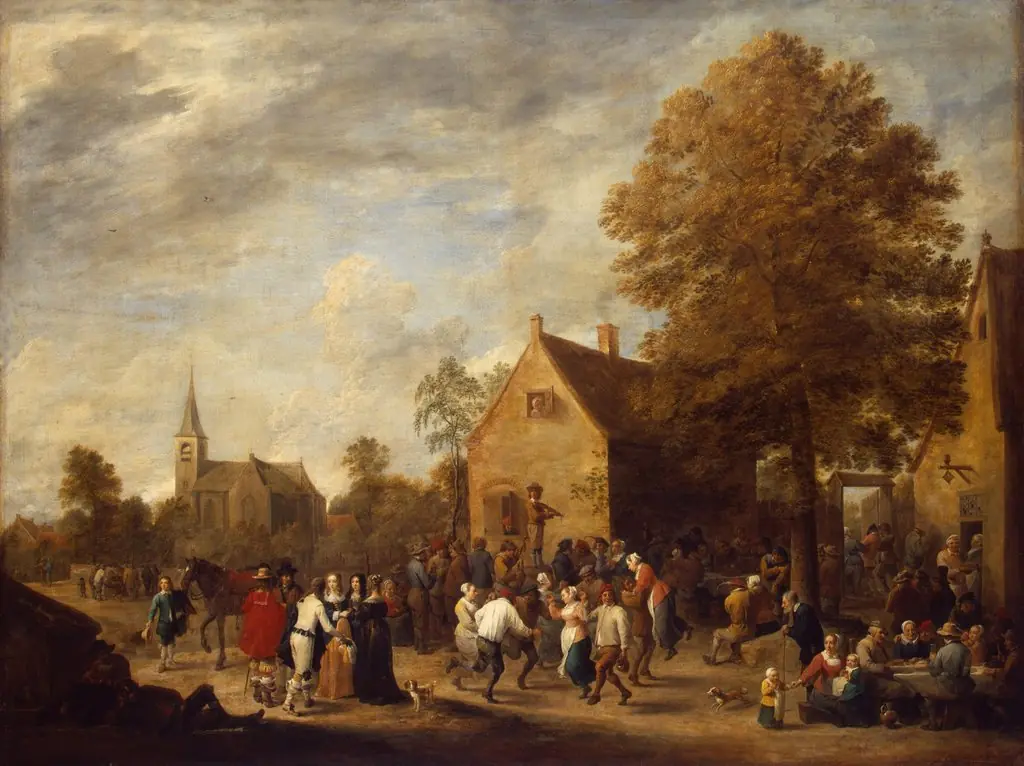
Own this work as a print
Artist & collection
Artist
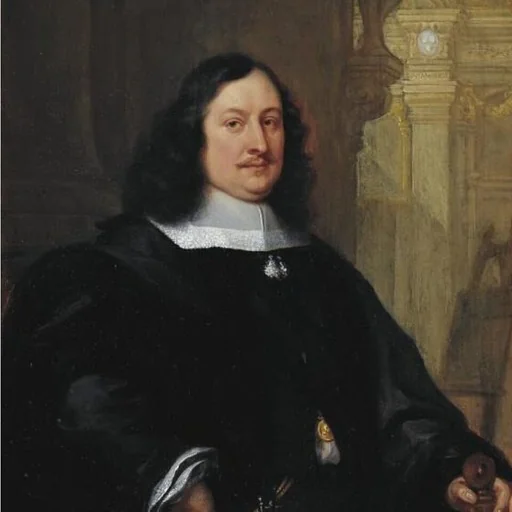
David Teniers the Younger or David Teniers II was a Flemish Baroque painter, printmaker, and artist.