Artwork
The Good Samaritan
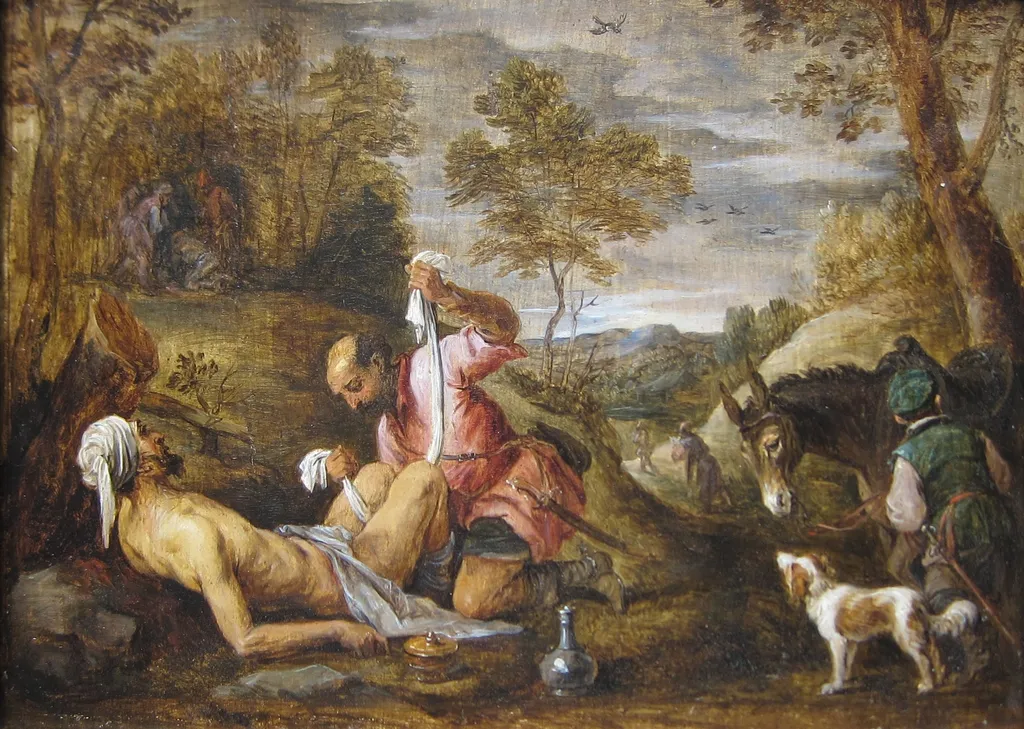
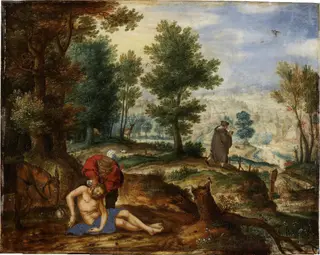
The Good Samaritan is an oil painting by the Flemish Baroque painting artist David Teniers the Younger. It dates from 1651 and is held in the collection of the Metropolitan Museum of Art.
About this work
Subject & Meaning
The inclusion of the dog and donkey aligns with Netherlandish genre traditions, grounding the sacred story in familiar, tangible life.
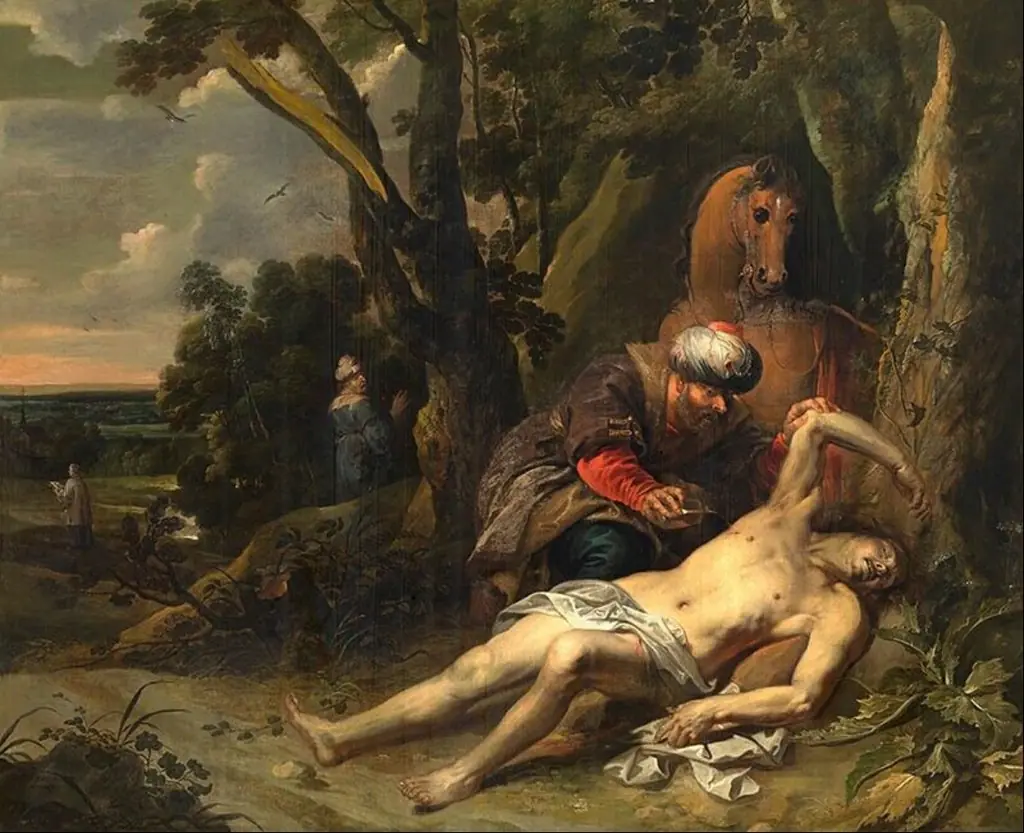
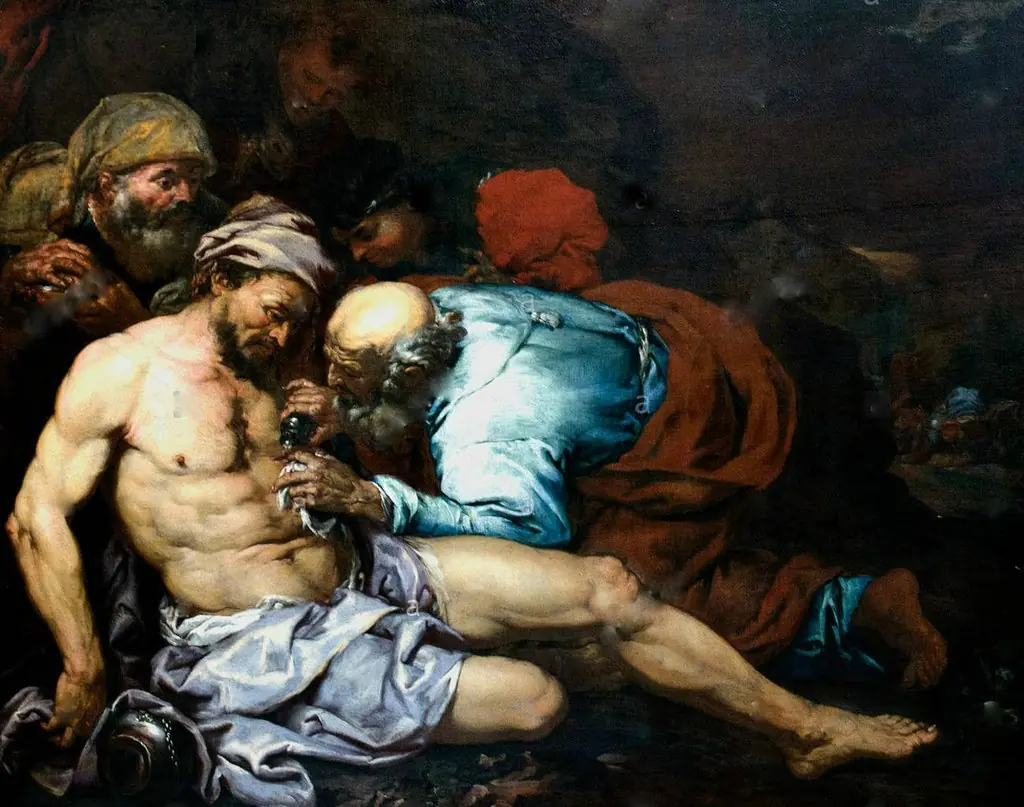
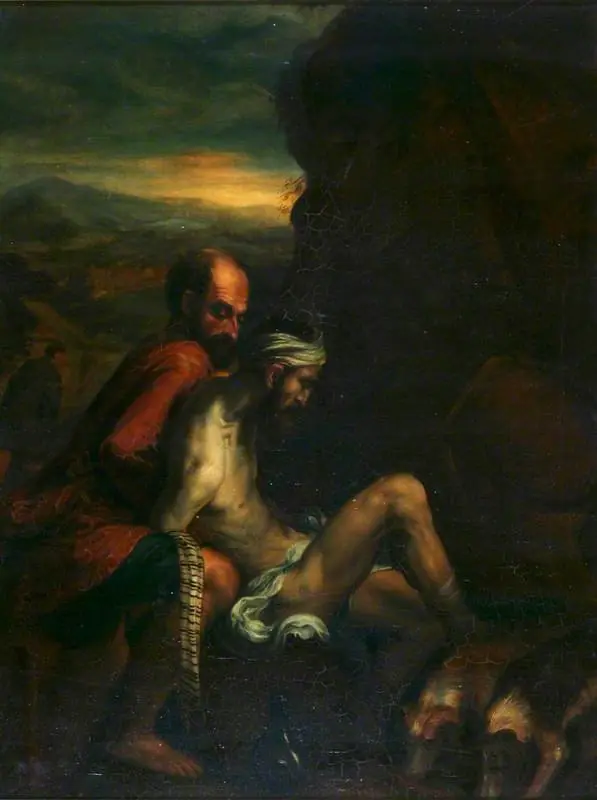
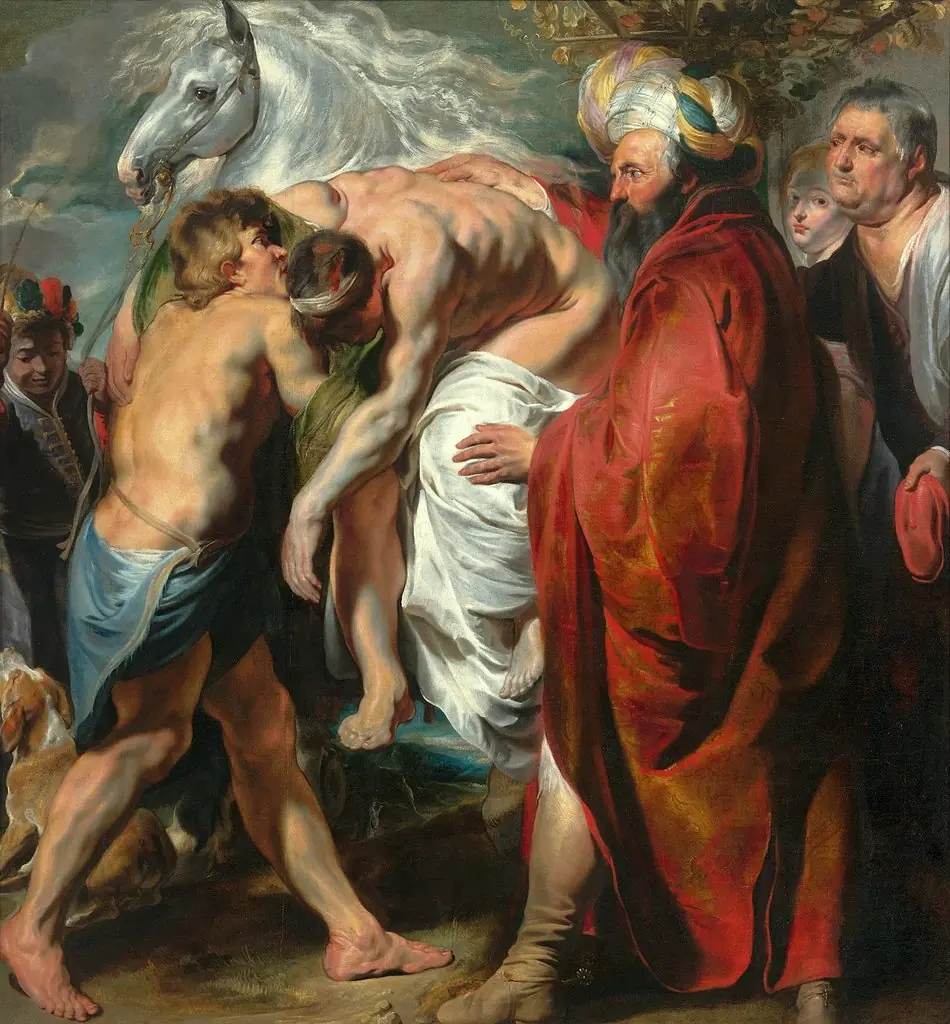
The subject depicted in Teniers's 1651 painting is the Parable of the Good Samaritan (Luke 10:25–37), a narrative illustrating Christian charity in which a traveler, robbed and left for dead, is aided by a passing Samaritan while a priest and Levite pass by indifferently. Teniers's miniature renders the moment of compassion: the Samaritan kneels beside the wounded man, binding his wounds with oil and wine, while a dog and donkey accompany the scene. The landscape background and rustic attire emphasize the everyday setting of the parable, underscoring the moral of neighborly mercy.
The inclusion of the dog and donkey aligns with Netherlandish genre traditions, grounding the sacred story in familiar, tangible life.
Technique & Style
Executed in 1651, this work by David Teniers the Younger is a miniature religious painting created using oil paint on a panel support. The composition measures 17.1 cm in height and 22.9 cm in width, reflecting the intimate scale characteristic of the artist's cabinet pictures. Visually, the piece depicts the biblical parable of the Good Samaritan, incorporating figures such as a man, a dog, and a donkey within a landscape setting.
The handling of the medium allows for the detailed rendering of these narrative elements, including themes of charity and illness, consistent with the genre of religious art practiced by Teniers during the mid-seventeenth century.
History & Provenance
The Good Samaritan is an oil-on-panel work by David Teniers the Younger, dated 1651. The painting is classified as a miniature religious work and entered the collection of the Metropolitan Museum of Art. Its documented ownership chain passes through John Spencer-Churchill, 7th Duke of Marlborough, then George Spencer-Churchill, 8th Duke of Marlborough, and subsequently Henry Gurdon Marquand, before the work reached its present institutional home. No commission details or earlier provenance prior to the Marlborough holdings are recorded in the available sources.
Overview
This oil painting, titled "The Good Samaritan," captures a poignant moment from the biblical parable. The artwork depicts a scene of profound human compassion, where one individual offers aid to another who lies wounded and vulnerable. Through the medium of oil paint, the artist meticulously renders the figures and their immediate surroundings, inviting viewers to reflect on the narrative of selfless assistance and the moral imperative to care for those in distress.
Own this work as a print
Artist & collection
Artist
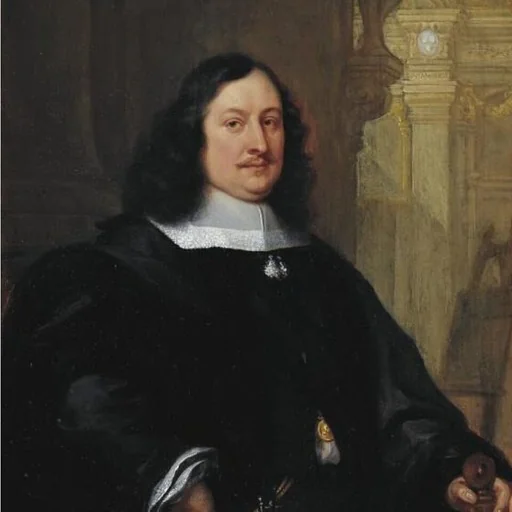
David Teniers the Younger or David Teniers II was a Flemish Baroque painter, printmaker, and artist.