Artwork
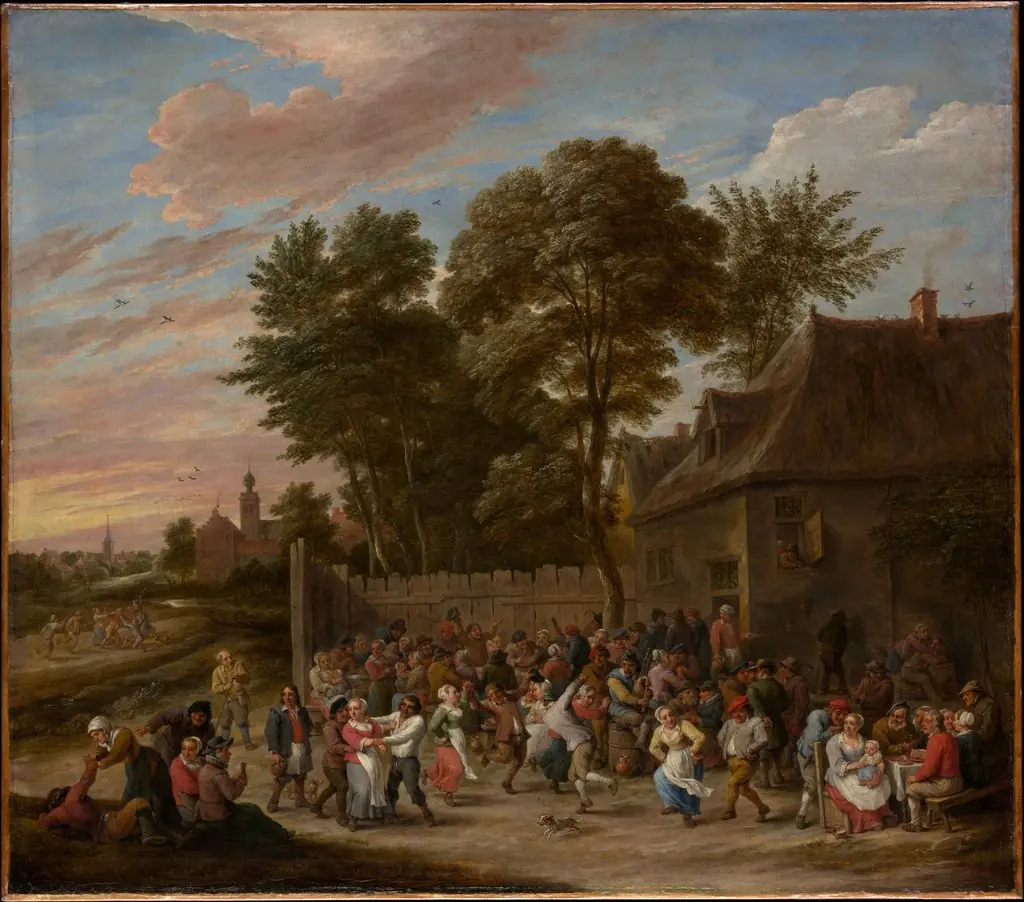
Village Festival and Feast
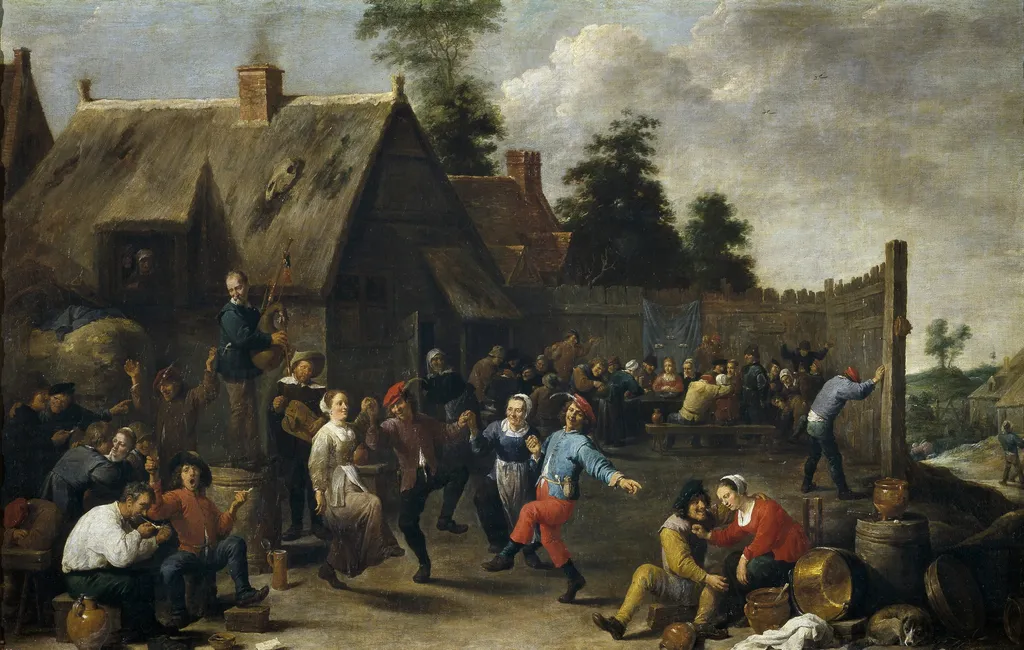
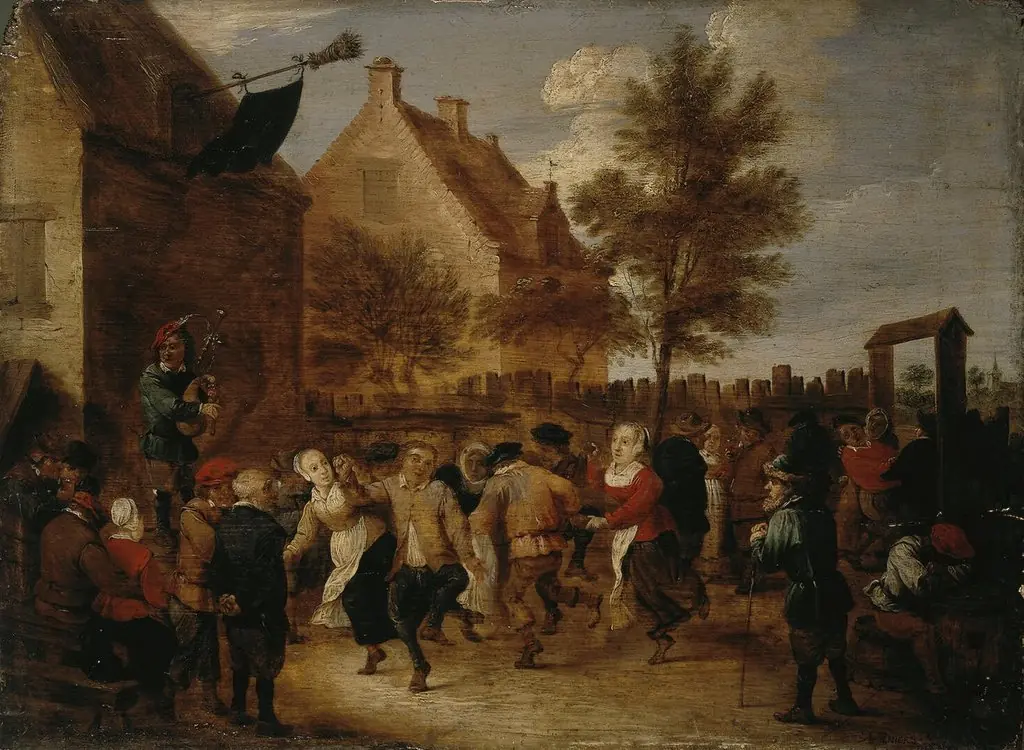
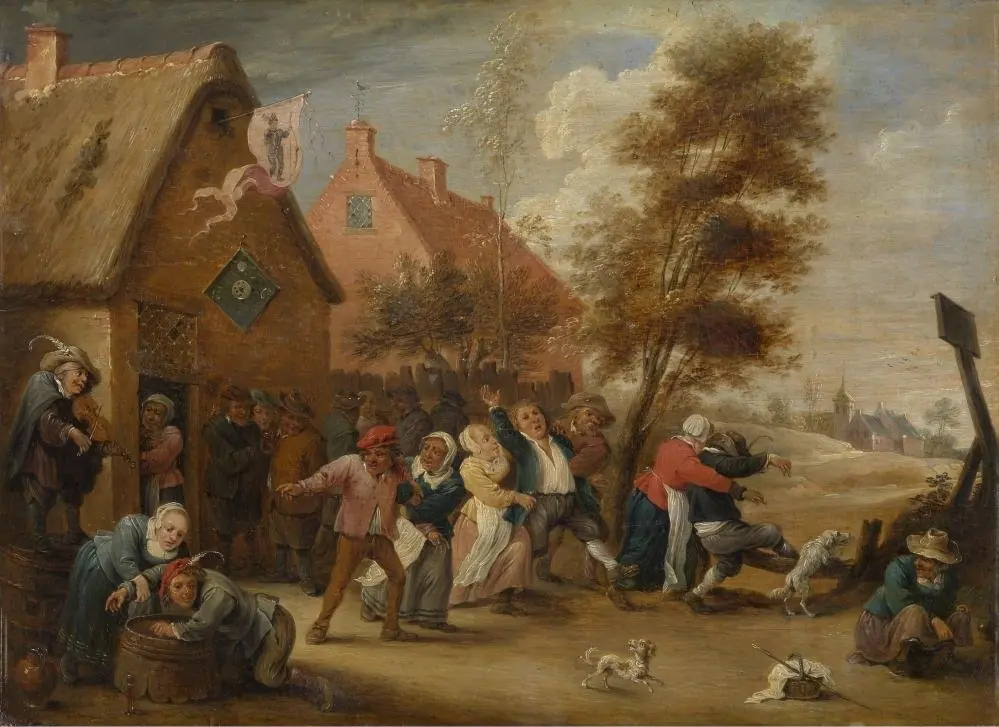
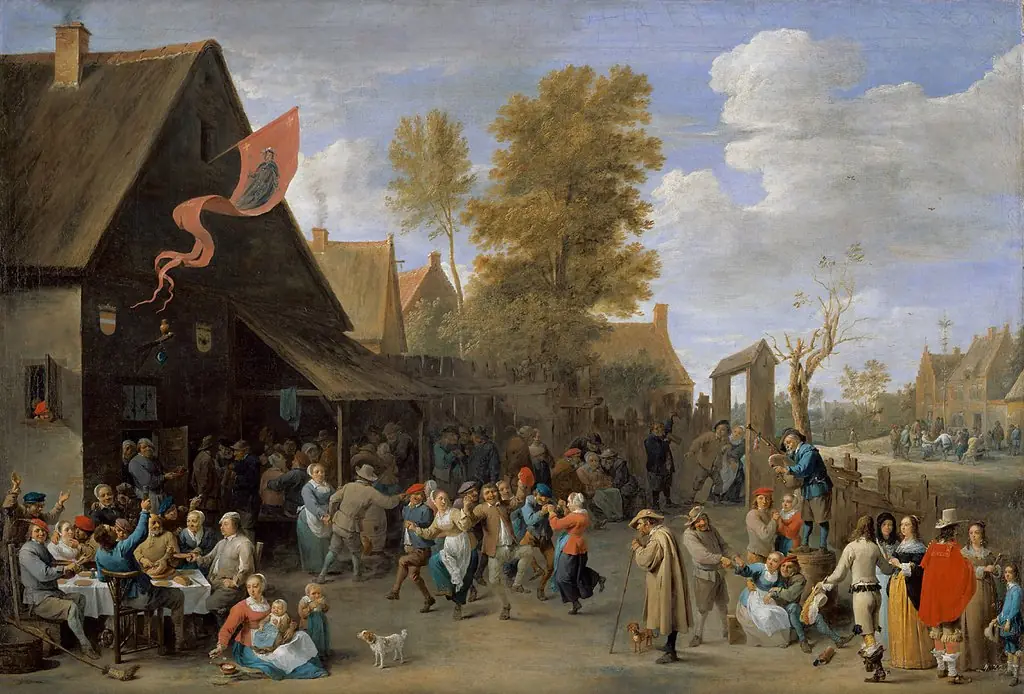
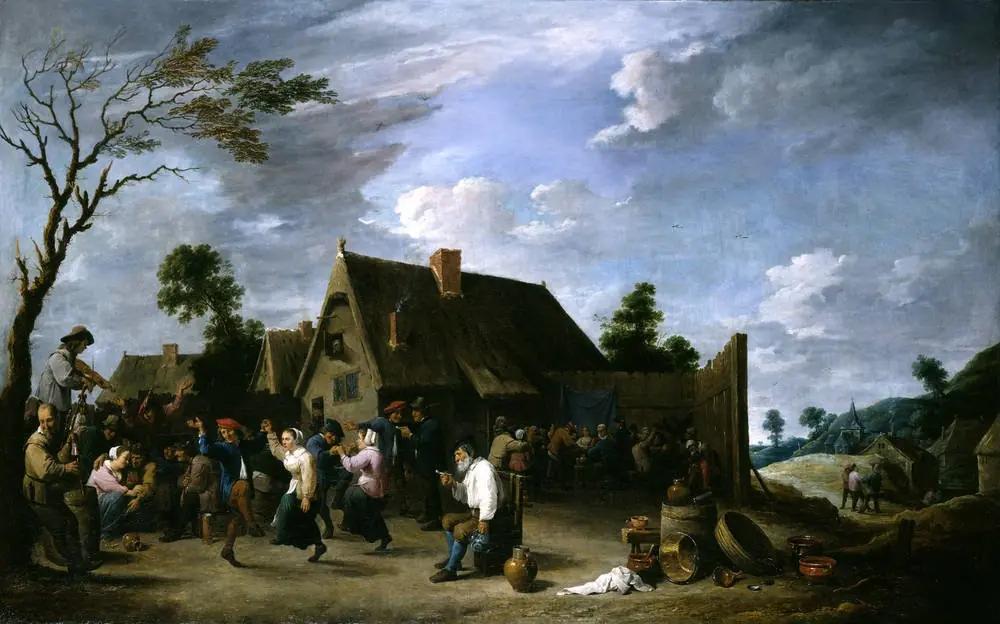
Village Festival and Feast is an oil painting by the Flemish Baroque painting artist David Teniers the Younger. It dates from 1637 and is held in the collection of the Museo del Prado.
About this work
Subject & Meaning
The scene captures the communal atmosphere of a rural festival, illustrating the customs and social interactions of villagers during a significant life event.
David Teniers the Younger's Village Festival and Feast (1637) is a genre painting that depicts a lively village wedding celebration. The scene captures the communal atmosphere of a rural festival, illustrating the customs and social interactions of villagers during a significant life event. As a work of genre art, the piece focuses on everyday life rather than historical or mythological narratives, offering a snapshot of 17th-century peasant culture. The composition emphasizes the festive gathering itself, portraying the joy and activity associated with a village wedding.
Technique & Style
Village Festival and Feast is executed in oil paint on canvas, a standard support for David Teniers the Younger's mid-career output. The painting is large in scale, measuring 120 cm in height by 188 cm in width, a format consistent with ambitious multi-figure Flemish genre compositions of the period.
Stylistically, the work belongs to the genre painting tradition, depicting a village festival and wedding scene, subjects for which Teniers became celebrated. The broad horizontal canvas accommodates a crowded, narrative-rich arrangement of peasants and villagers engaged in festivity, a compositional approach typical of his peasant-festival imagery produced in the 1630s.
History & Provenance
Village Festival and Feast was created by David Teniers the Younger in 1637, executed in oil paint on canvas. The painting entered the Spanish royal collection under the ownership of Ferdinand VII of Spain, and it is now held by the Museo del Prado, located in the Royal Palace of Madrid.
The sources do not provide details about an original commission, intermediate ownership transfers, or acquisition circumstances between the work's creation and its appearance in the Spanish royal holdings.
Context
The work was created in 1637 by David Teniers the Younger and depicts a village celebration with wedding and festival elements. It is an oil on canvas genre scene now held in the Museo del Prado's Royal Palace collection in Madrid, where it entered royal ownership through Ferdinand VII of Spain. Critical reception and scholarship have long focused on its role in the development of genre painting and its reflection of 17th‑century festive life, situating it within the artist's broader output of peasant and tavern scenes that helped shape the visual language of everyday celebration in the Baroque period.
Overview
Created in 1637, this oil painting by David Teniers the Younger presents a bustling village celebration. The work, now part of the Museo del Prado collection, captures a communal feast and a wedding in a compact, lively composition that reflects everyday life in a 17th‑century Flemish hamlet.
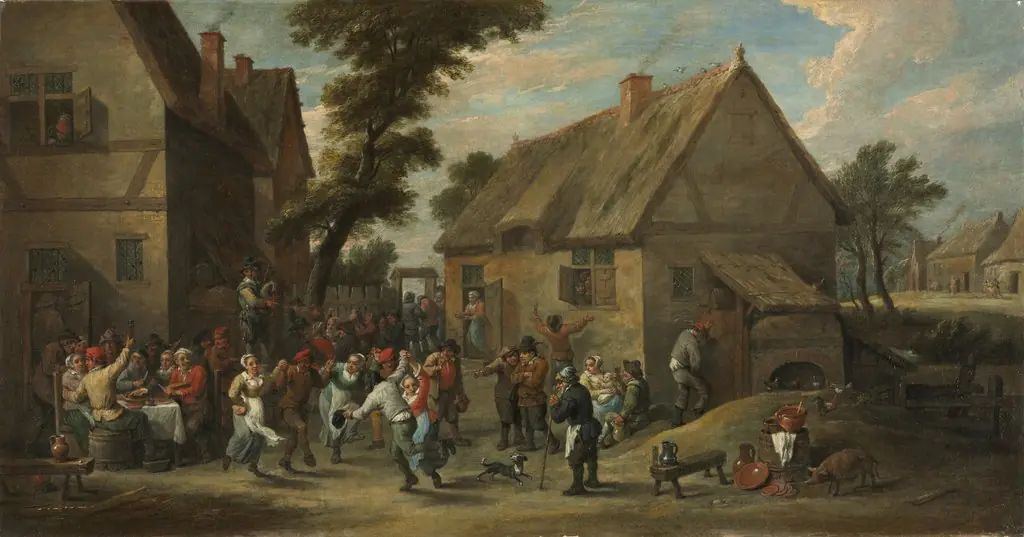
Own this work as a print
Artist & collection
Artist
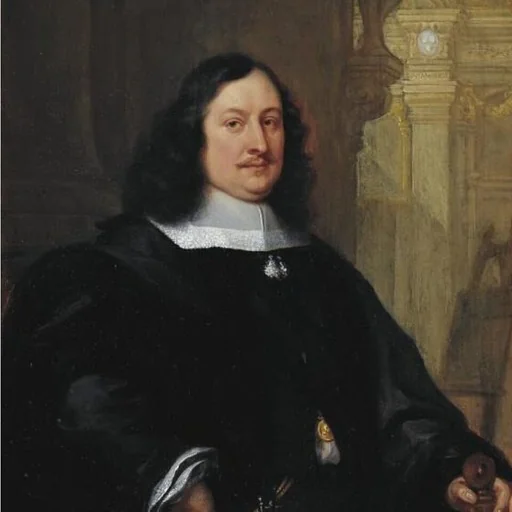
David Teniers the Younger or David Teniers II was a Flemish Baroque painter, printmaker, and artist.