Artwork
La Rose
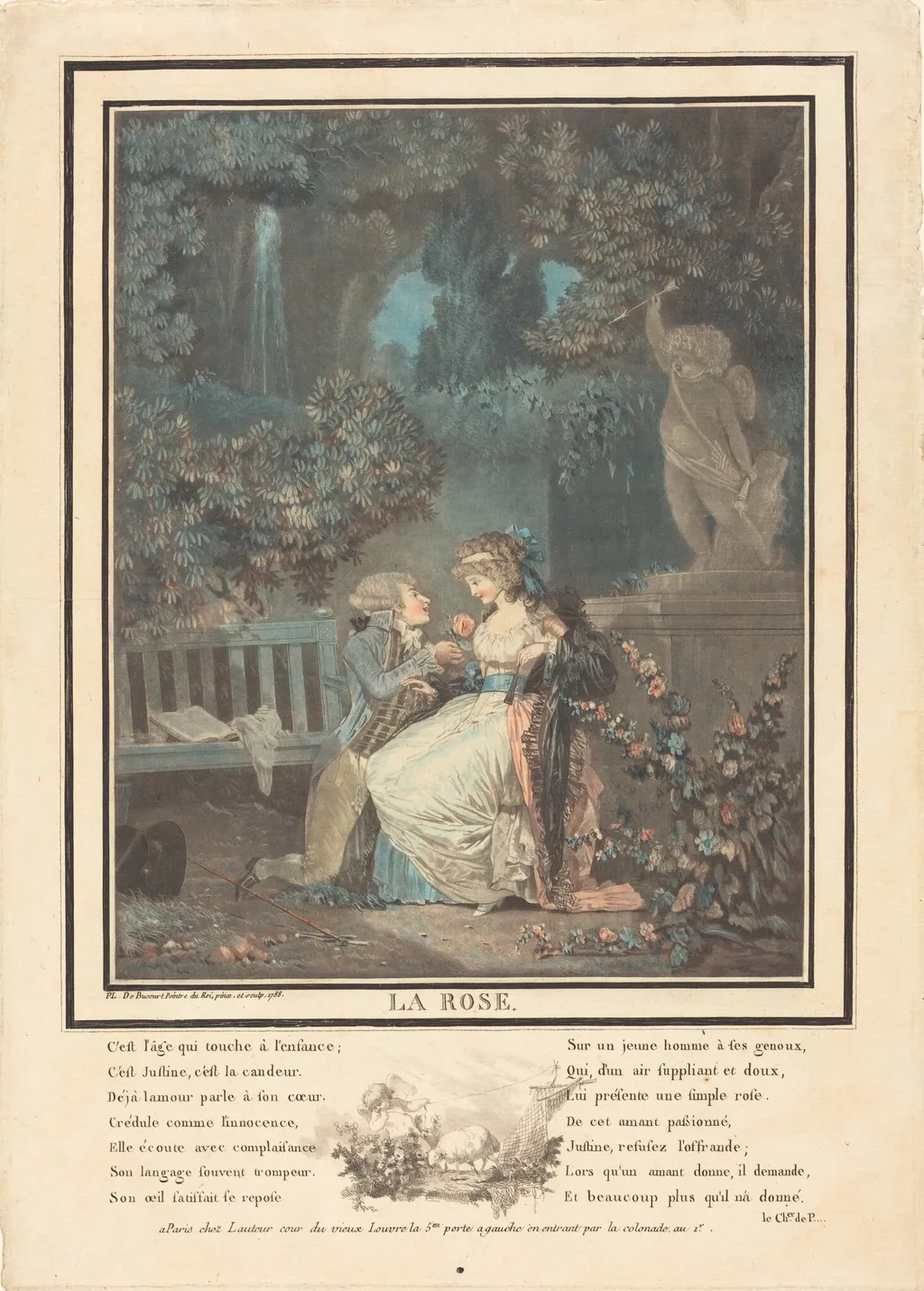
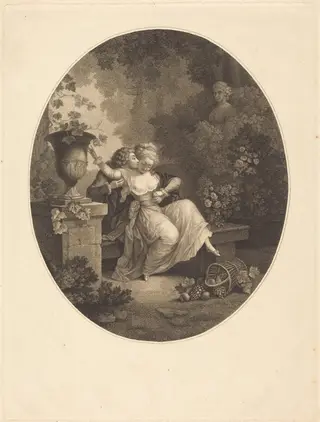
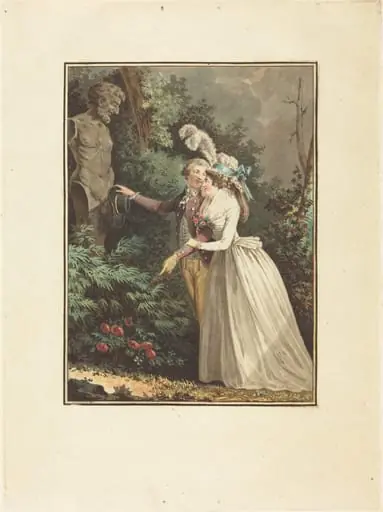
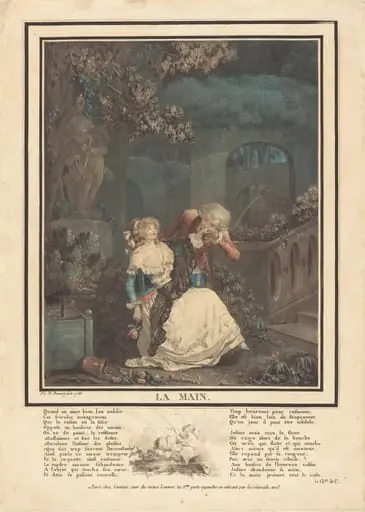
La Rose is an ink print by the Romanticist artist Philibert-Louis Debucourt. It dates from 1788 and is held in the collection of the National Gallery of Art.
- Inscription
- Inscribed:recto: in plate, below image, at left: P.L. DeBucourt, Peintre du Roi, pinx. et sculpt. 1788; in plate, below image, at center: LA ROSE / in plate, at bottom center: A Paris chez L auteur cour du vieux Louvre, la 5e porte, à gauche en entrant par la colonade, au 1er.
- Markings
- Marked:recto: none; verso: National Gallery of Art
About this work
Overview
La Rose is a print created in 1788 by French artist Philibert‑Louis Debucourt. Executed as a color etching with wash on laid paper, the work measures a modest size typical of the period’s intimate prints. It depicts a domestic scene in which a woman in a white dress offers a rose to a kneeling man, set against a garden with dark trees and a winged statue.
Subject & Meaning
The composition suggests a moment of courtship, the rose symbolizing affection or a fledgling romance. The woman's gentle gesture and the man's kneeling posture convey a formal proposal, while the surrounding garden and statue add a classical ambience that reinforces the theme of love’s ritual.
Technique & Style
Debucourt employed a combination of etching, drypoint, and aquatint to achieve tonal variation, then added color washes to enrich the scene. The laid paper surface enhances the texture of the lines, and the subtle shading creates depth in the foliage and figures, characteristic of late‑eighteenth‑century French printmaking.
History & Provenance
The print was produced in the years preceding the French Revolution, a period when genre scenes of everyday sentiment were popular among the burgeoning middle class. It has been documented in several 19th‑century catalogues of Debucourt’s oeuvre, though specific ownership records prior to the modern era are limited.
Context
La Rose belongs to a broader trend of sentimental genre prints that circulated widely in pre‑revolutionary France. Such works often accompanied literary pieces, and the accompanying poem, depicting a young woman coyly refusing a suitor’s rose, reflects contemporary notions of flirtation and decorum.
Own this work as a print
Artist & collection
Artist
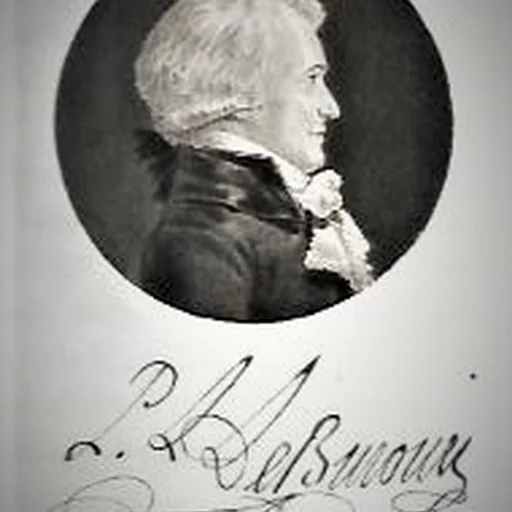
Philibert-Louis Debucourt (1755–1832) was a French artist, born in Paris.