Artwork
Flora
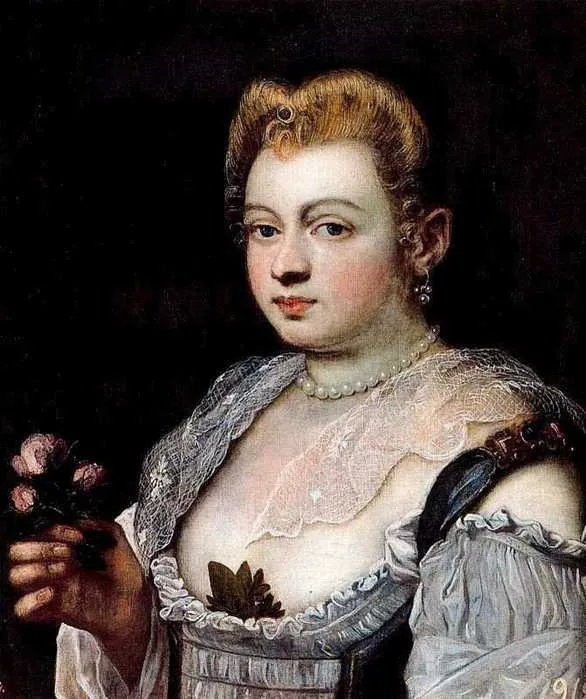
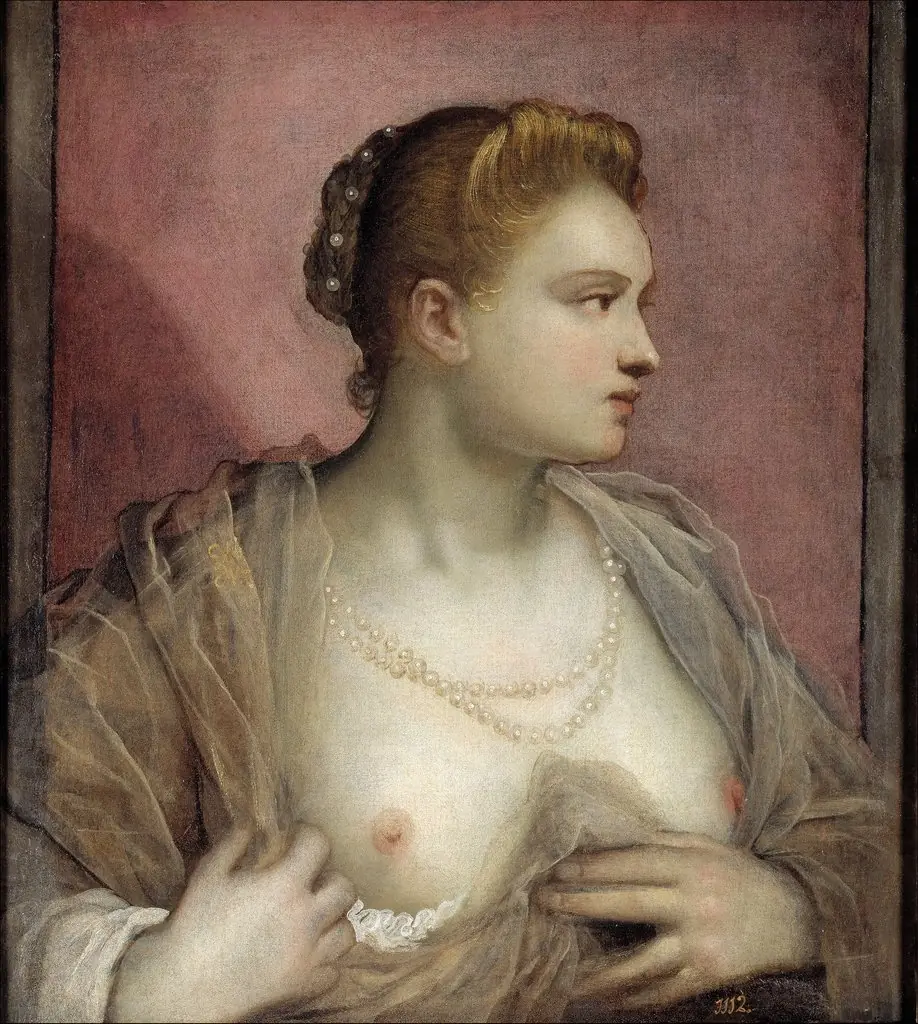
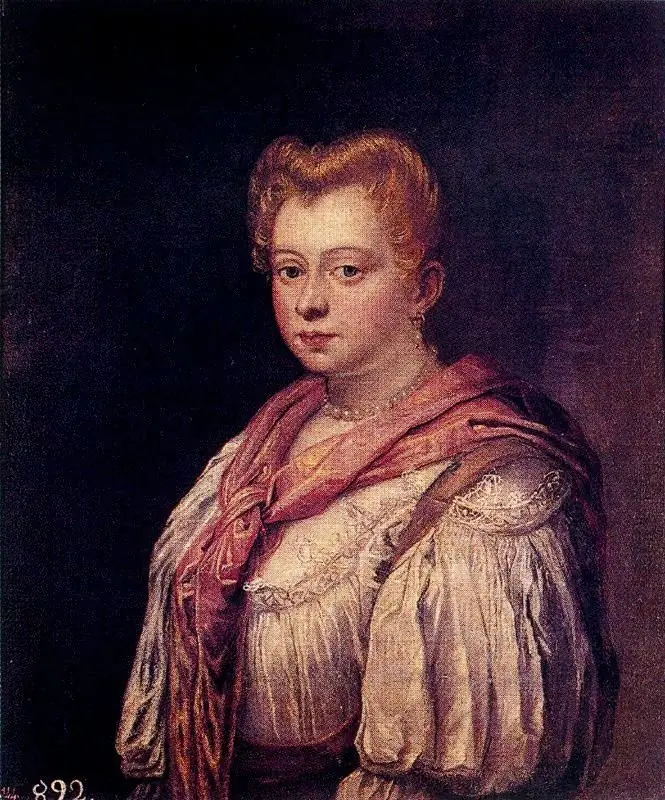
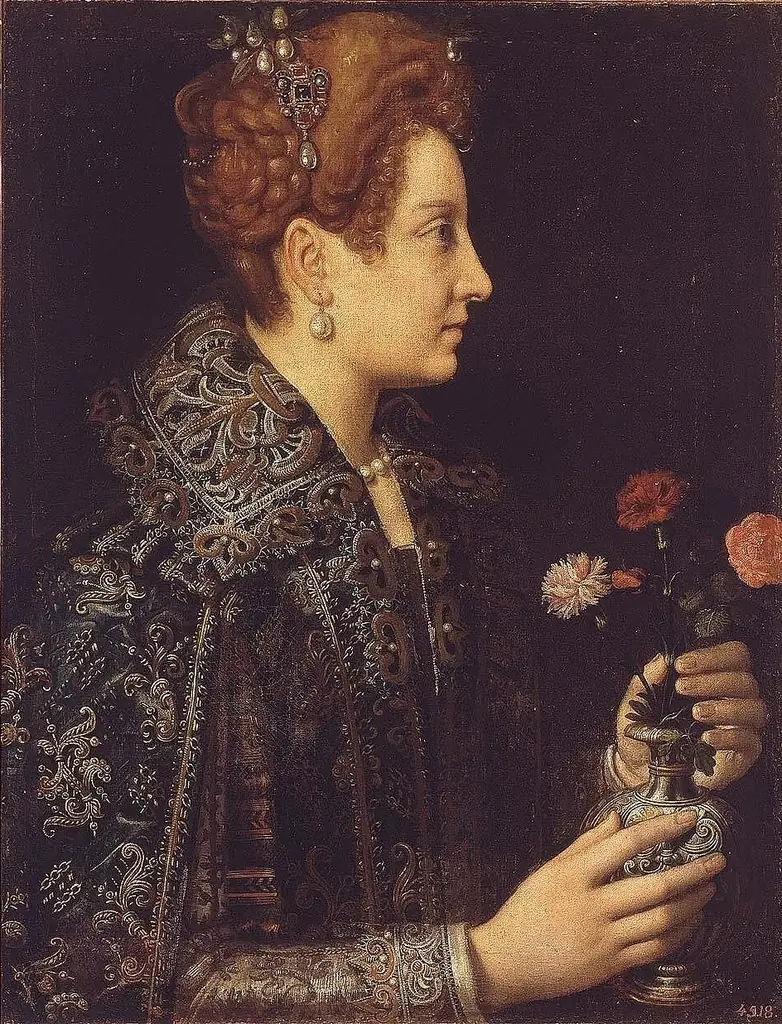
Flora is an oil painting by the Mannerist artist Domenico Tintoretto. It dates from 1596 and is held in the collection of the Museo del Prado.
About this work
Technique & Style
The composition remains restrained, with the central figure occupying a shallow, stage-like space that emphasizes the tactile quality of the petals and leaves.
Executed in oil on canvas in 1590, the painting measures 61 cm in height and 55 cm in width. The handling shows Tintoretto’s characteristic late manner, with fluid, layered brushwork that builds luminous passages of drapery and flesh while preserving crisp edges in the floral motif. Thin, translucent glazes modulate the modeling of the figure, and the palette relies on warm ochres and ivory highlights against a darker ground, producing a quietly luminous effect.
The composition remains restrained, with the central figure occupying a shallow, stage-like space that emphasizes the tactile quality of the petals and leaves.
History & Provenance
The oil-on-canvas painting Flora is dated to circa 1590 and attributed to Domenico Tintoretto. The work entered the collection of the Museo del Prado, where it remains housed. No documented commission or early ownership history prior to the painting’s presence in the Prado is recorded in the cited sources.
Domenico Tintoretto's painting Flora, created in 1590, is held in the collection of the Museo del Prado. The work is executed in oil on canvas and measures 61 cm in height by 55 cm in width. While the source confirms the museum's possession of this mythological painting, no specific inventory or accession number is provided in the available records. Additionally, the provided documentation does not list any exhibition history for the work.
Overview
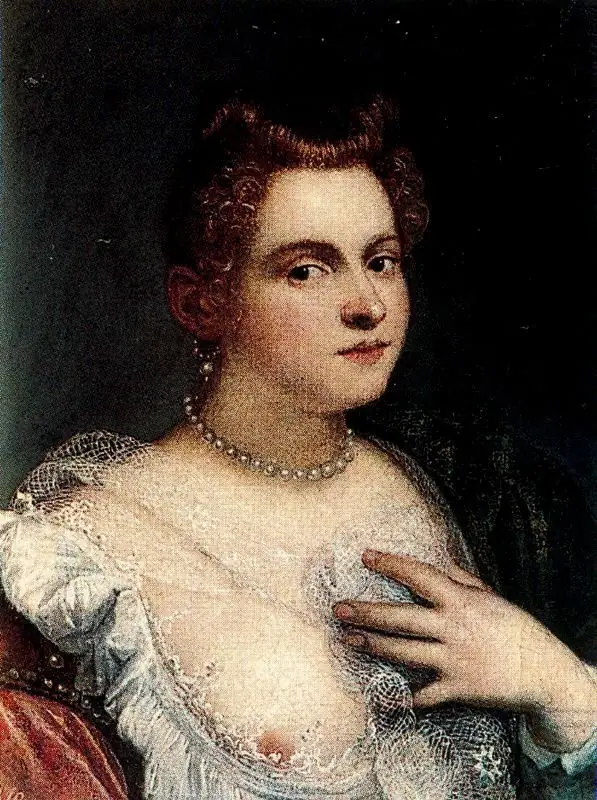
Domenico Tintoretto’s 1596 oil painting Flora presents a solitary female figure against a dark backdrop. She is dressed in a low‑cut white gown trimmed with lace, a gray fur collar, and a modest pearl necklace, while her hair is gathered aloft. In her hands she holds a modest bouquet of rose‑like blossoms, and a single green leaf adorns her dress.
Subject & Meaning
The work draws on the classical personification of Flora, the Roman goddess of flowers and spring, emphasizing themes of fertility and renewal. The restrained composition, one figure, minimal setting, focuses attention on the delicate interaction between the woman and the blossoms, suggesting an intimate, contemplative moment rather than a narrative scene.
Artist & collection

Artist
Domenico Robusti, also known as Domenico Tintoretto, was an Italian painter from Venice. He grew up under the tutelage of his father, the renowned painter Jacopo Tintoretto.