Artwork
Portrait of a Young Woman in Profile
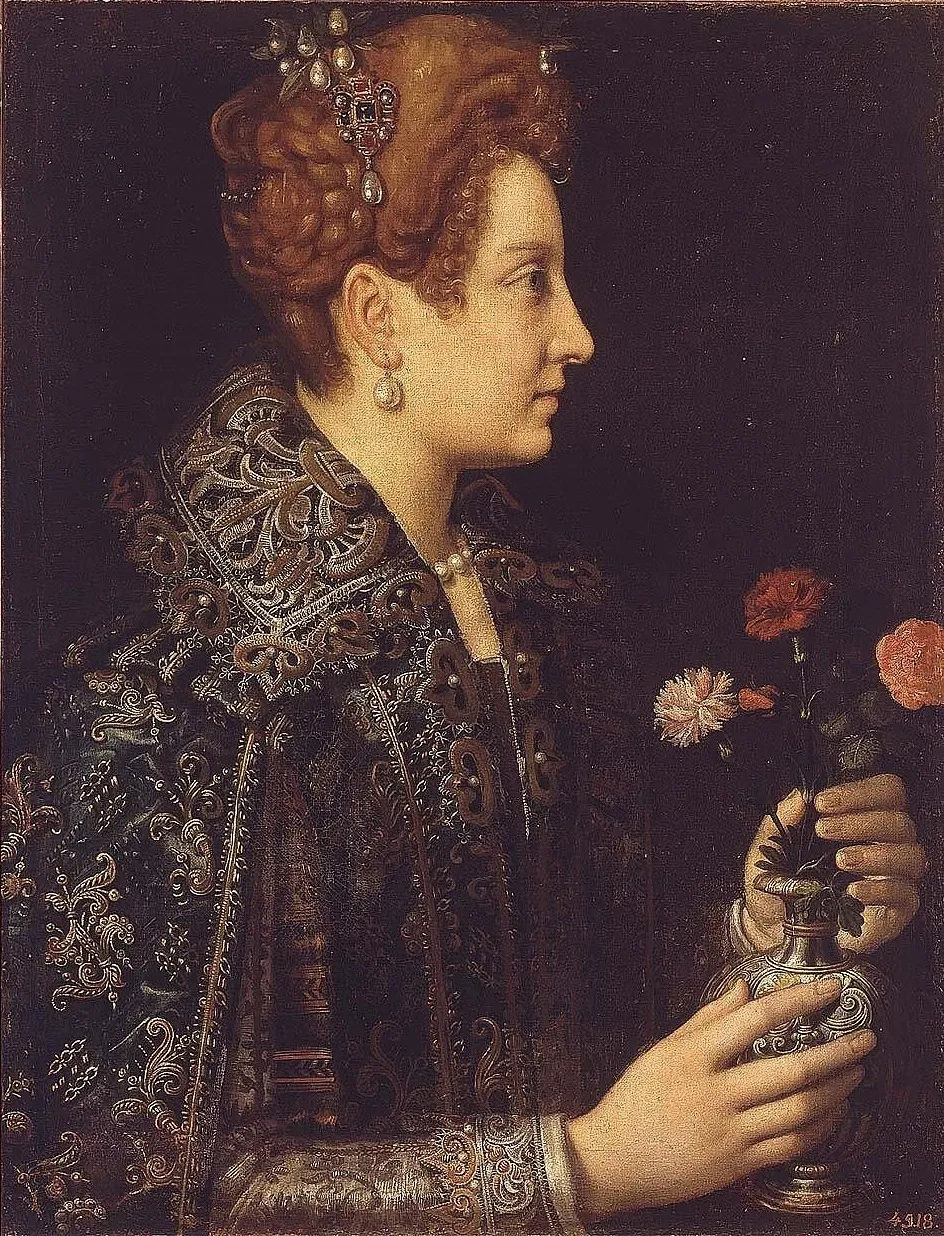
Portrait of a Young Woman in Profile is an oil painting by the Mannerist artist Sofonisba Anguissola. It dates from 1590 and is held in the collection of the Hermitage Museum.
About this work
Overview
Portrait of a Young Woman in Profile is an oil on canvas painting created around 1580 in Italy.
Portrait of a Young Woman in Profile is an oil on canvas painting created around 1580 in Italy. Long attributed to the Italian Renaissance artist Sofonisba Anguissola, the work has recently been reattributed by scholars to the Workshop of Alessandro Allori, with the sitter identified as Maria de' Medici. The painting measures 67 by 52.5 centimeters and belongs to the Mannerist, or Late Renaissance, portrait genre. It is currently held in the Hermitage Museum in Saint Petersburg, Russia. The work depicts a noblewoman in strict profile holding a vase of carnations, a composition that recalls earlier Renaissance medals and coins while demonstrating the formal requirements and technical refinement of late sixteenth century courtly portraiture.
Subject & Meaning
The painting portrays a young noblewoman in strict profile facing right. Her reddish-brown hair is arranged in elaborate curls and braids, adorned with jeweled ornaments, a pendant with a pearl drop, a pearl earring, and a pearl necklace. She wears a dark gown with a high, ornate collar and sleeves densely embroidered with silver and gold thread in scrolling floral and geometric patterns. Her hands emerge from decorated cuffs to hold a small silver vase containing three carnations, two red and one pale pink. In Renaissance portraiture, flowers frequently carried symbolic meanings related to marriage or devotion, and the carnations specifically symbolize love and admiration. The sitter's tender cradling of the flowers introduces themes of fleeting beauty and virtue, reflecting the social expectations of women in elite circles, who were often portrayed as embodiments of refinement.
Technique & Style
Executed in oil on canvas, the painting exemplifies the Mannerist style through its sophisticated composition and meticulous detailing. The lighting falls from the left, illuminating the sitter's face, hands, and the metallic embroidery while casting the rest of the figure and the nearly black background into deep shadow. This subtle use of light creates a sense of volume and ensures the viewer focuses on the textures of the clothing and the sitter's features. The brushwork is precise and smooth in the face and hands, with careful attention to the anatomy of the ear, the structure of the jaw, and the delicate positioning of the fingers. The artist rendered different materials with considerable technical skill, clearly defining the sheen of the pearls and the metallic thread of the embroidery. The strict profile view, less common than the three-quarter view by the late 1500s, creates a sense of distance and dignity. A small inventory number appears in the lower right corner.
History & Provenance
Created circa 1580 in Italy, the painting has a complex attribution history. For years, the work was firmly attributed to Sofonisba Anguissola, one of the first female artists to achieve international fame, who served as a court painter to King Philip II of Spain. However, recent scholarship in 2025 changed the attribution to the Workshop of Alessandro Allori, identifying the sitter as Maria de' Medici. The painting is currently housed in the Hermitage Museum in Saint Petersburg, Russia, where it remains accessible as part of the museum's collection of Renaissance portraits.
Context
The painting sits at the intersection of late sixteenth century court portraiture and the complex social restraints placed on women in elite circles. If considered within the context of Anguissola's career, the work reflects the achievements of a woman from an aristocratic family who gained unusual access to artistic education and international recognition, even as she faced the limitations of her era. The profile view recalls the medals and coins of earlier Renaissance conventions, a format that lent an air of elevated status and distance to the subject. The recent reattribution to the Workshop of Alessandro Allori, however, places the work firmly within the Florentine Mannerist tradition, aligning it with the artistic practices of the Medici court and its visual propaganda. Regardless of the artist's identity, the painting communicates status through dress and accessories, capturing the likeness of the sitter while adhering to the formal requirements of noble representation.
Artist & collection
Artist
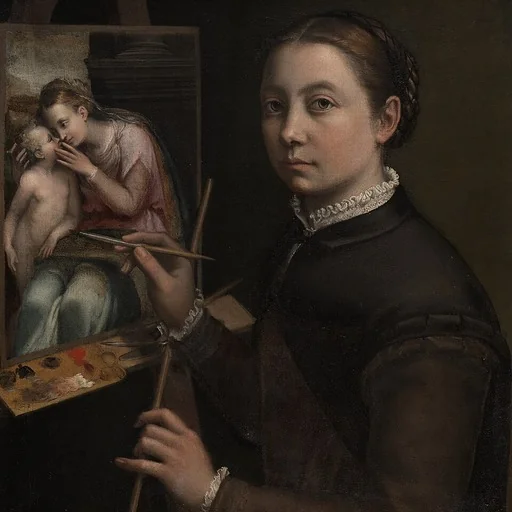
Sofonisba Anguissola (also Sophonisba Angussola or Anguisciola; c. 1532 – 16 November 1629) was an Italian Renaissance painter born in Cremona to a relatively poor noble family. She received a well-rounded education…

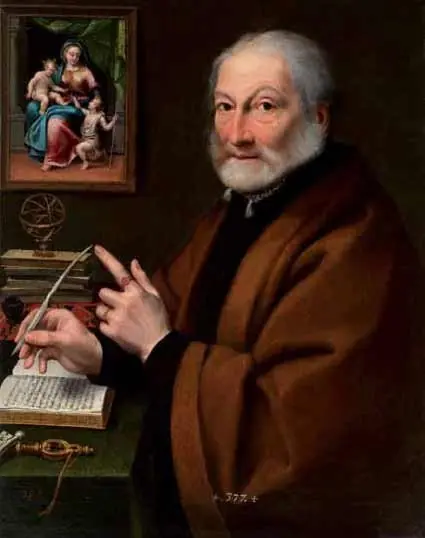
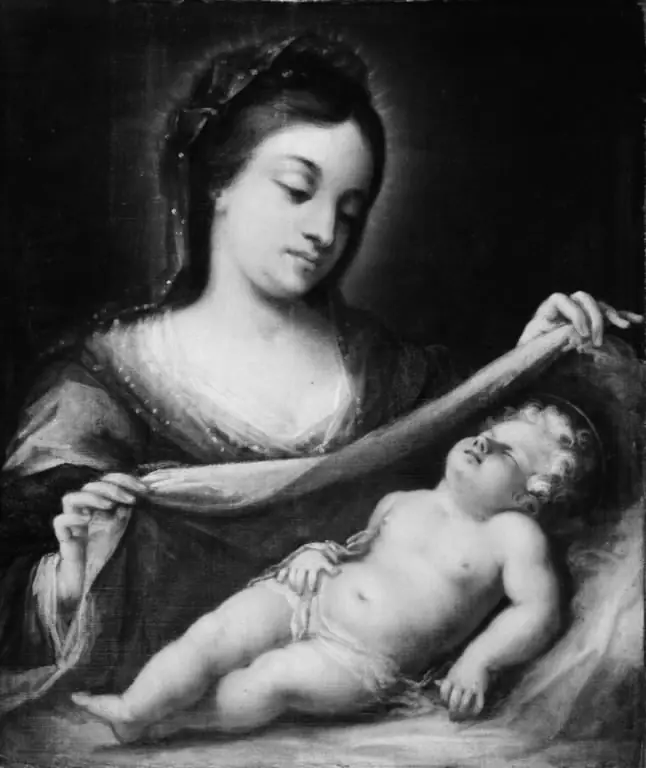
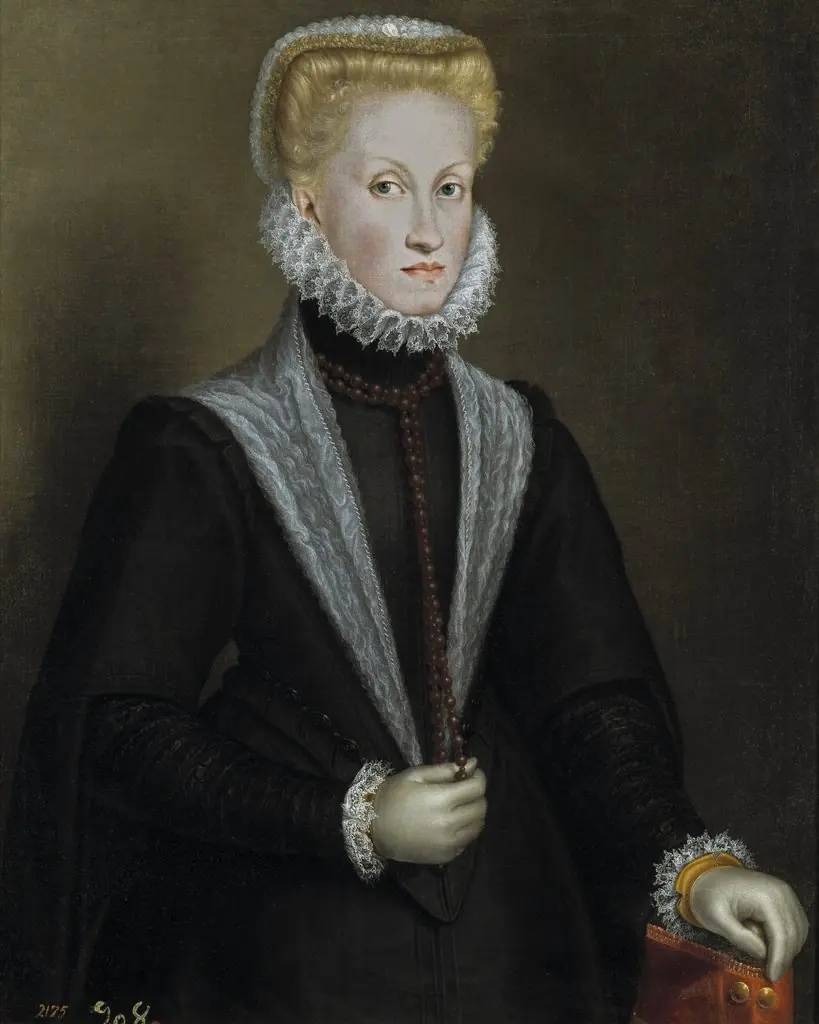
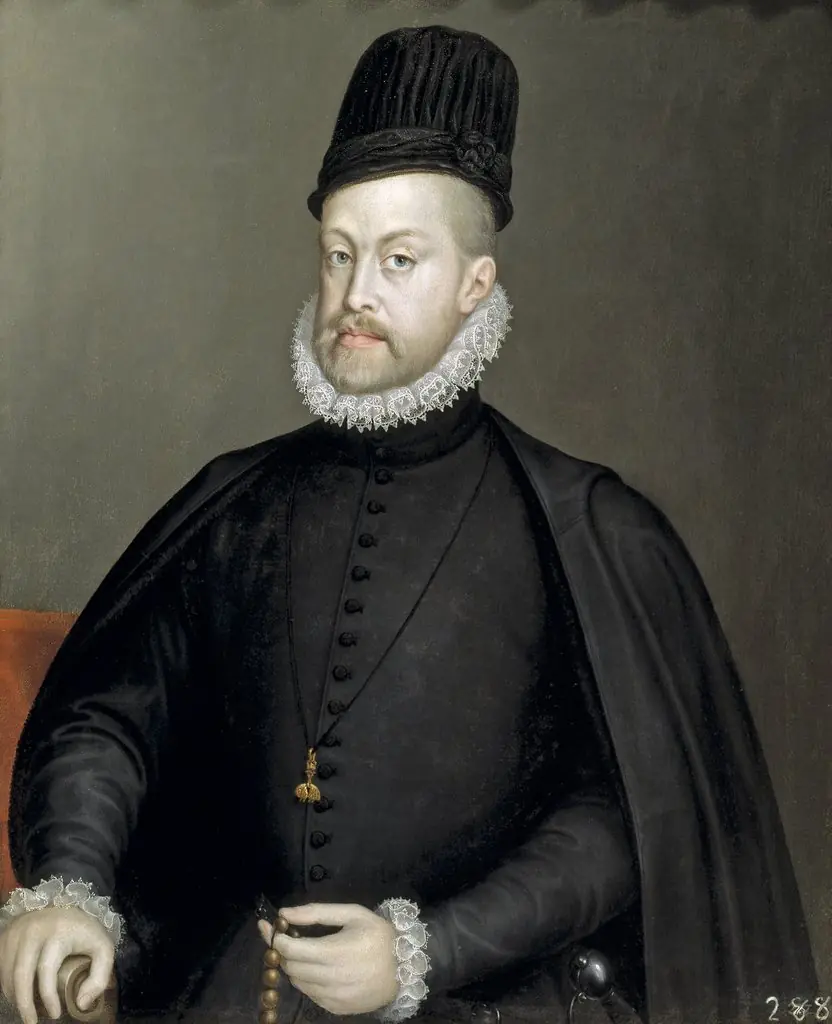
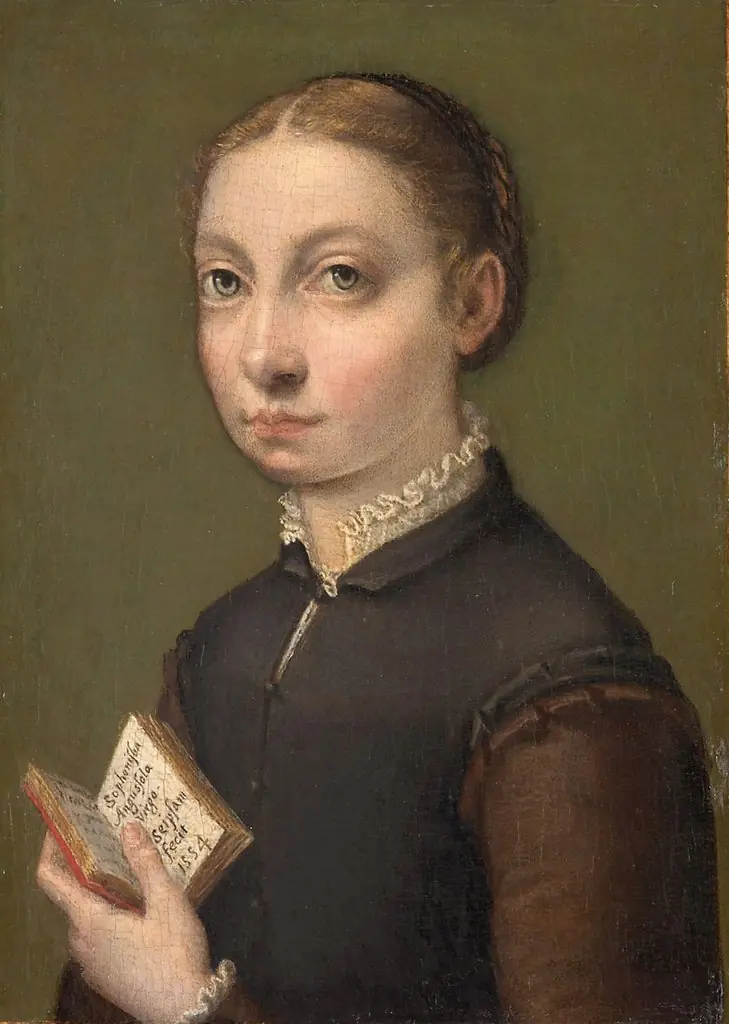
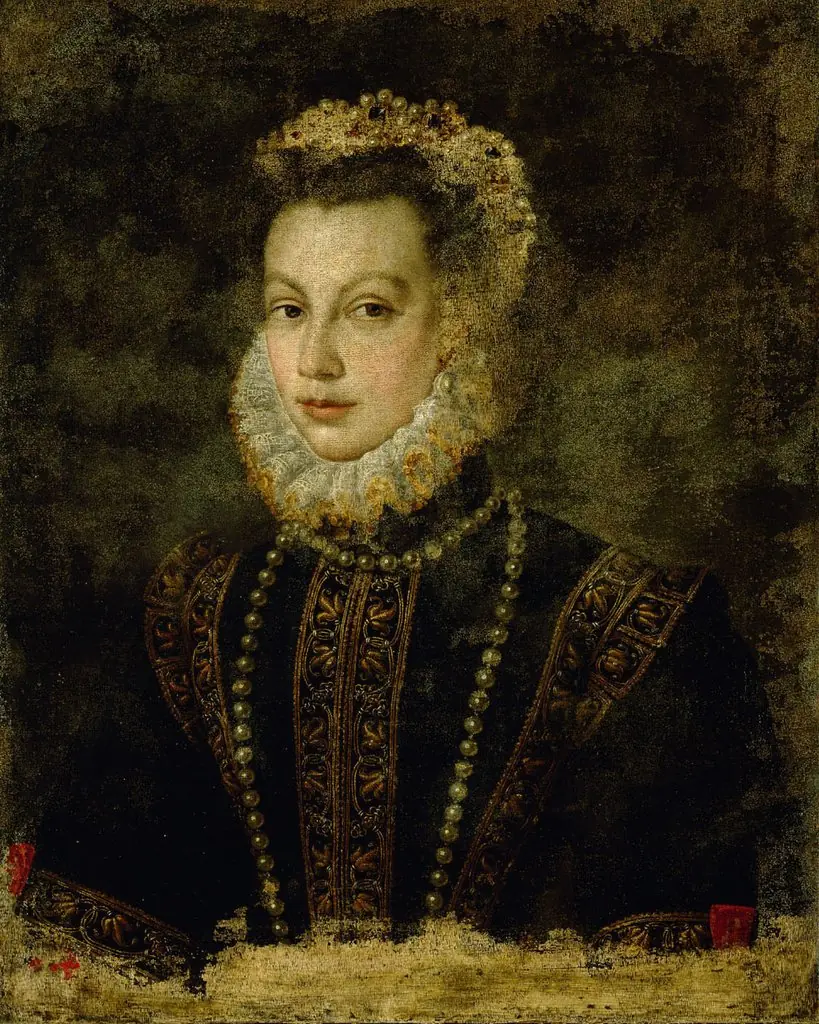
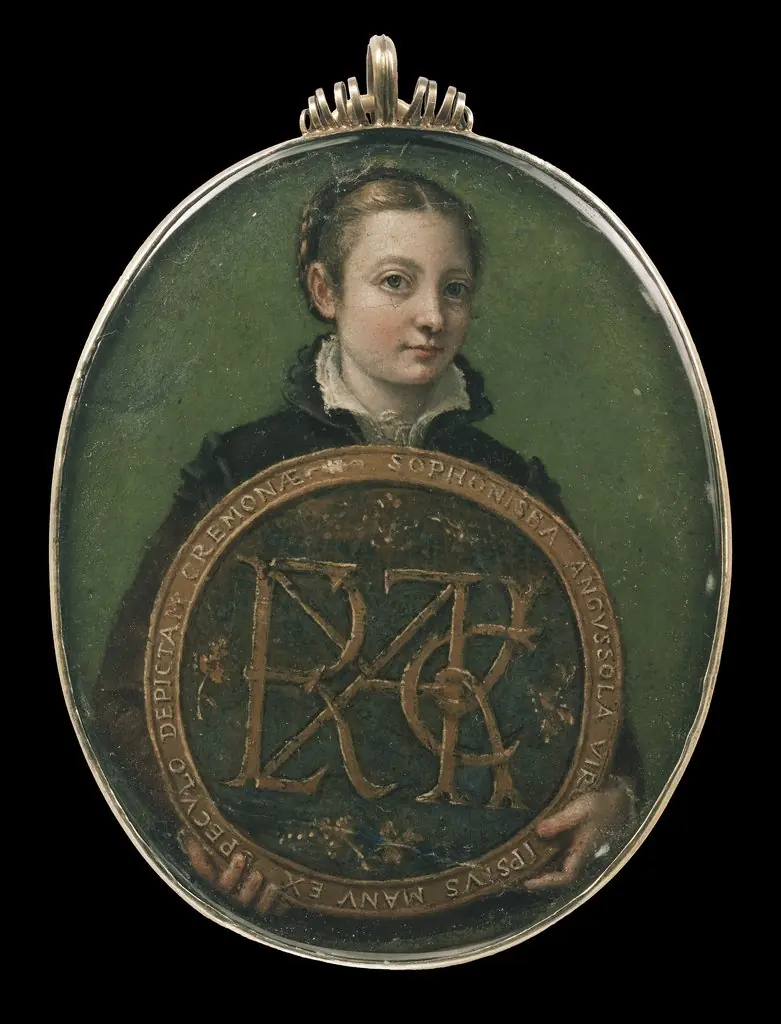
- Portrait of a Young Woman
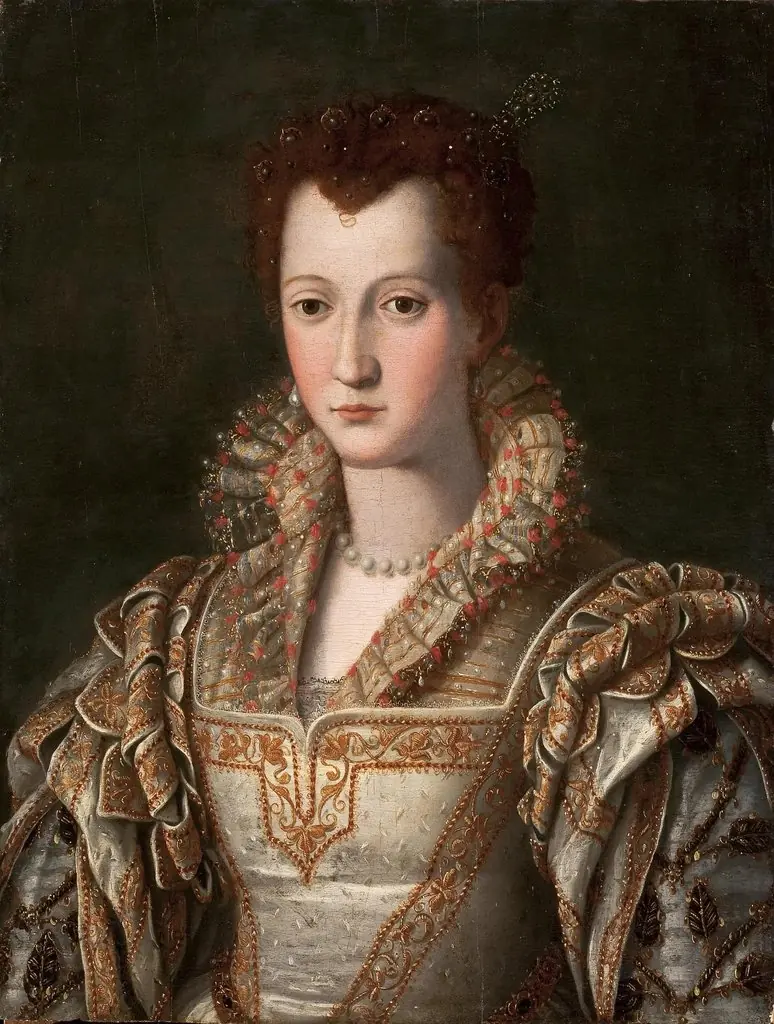 Portrait of Eleonora (Dianora) Medici of Toledo
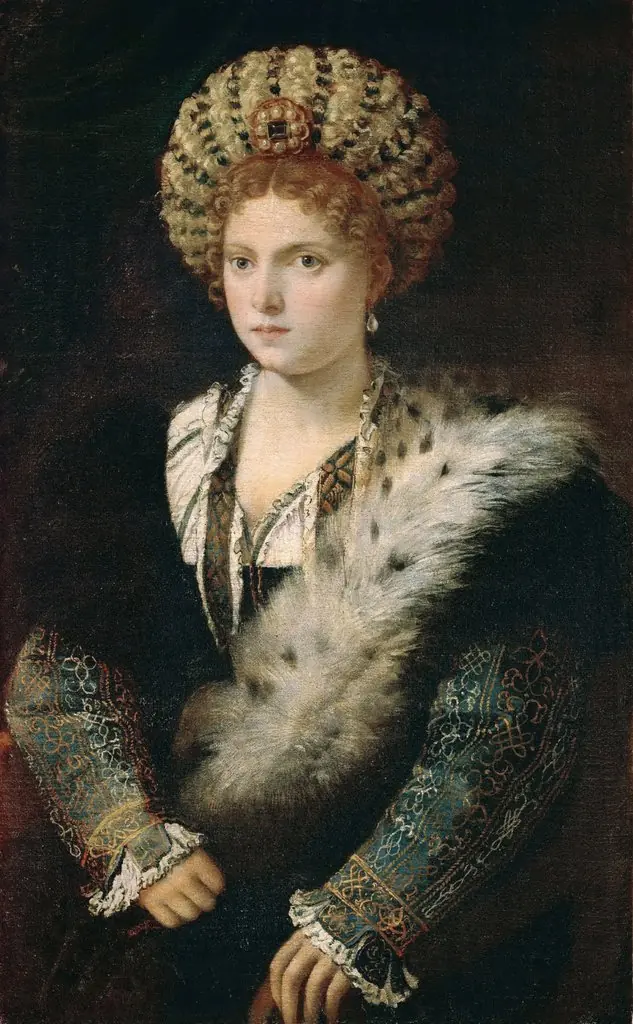 Portrait of Isabella d'Este
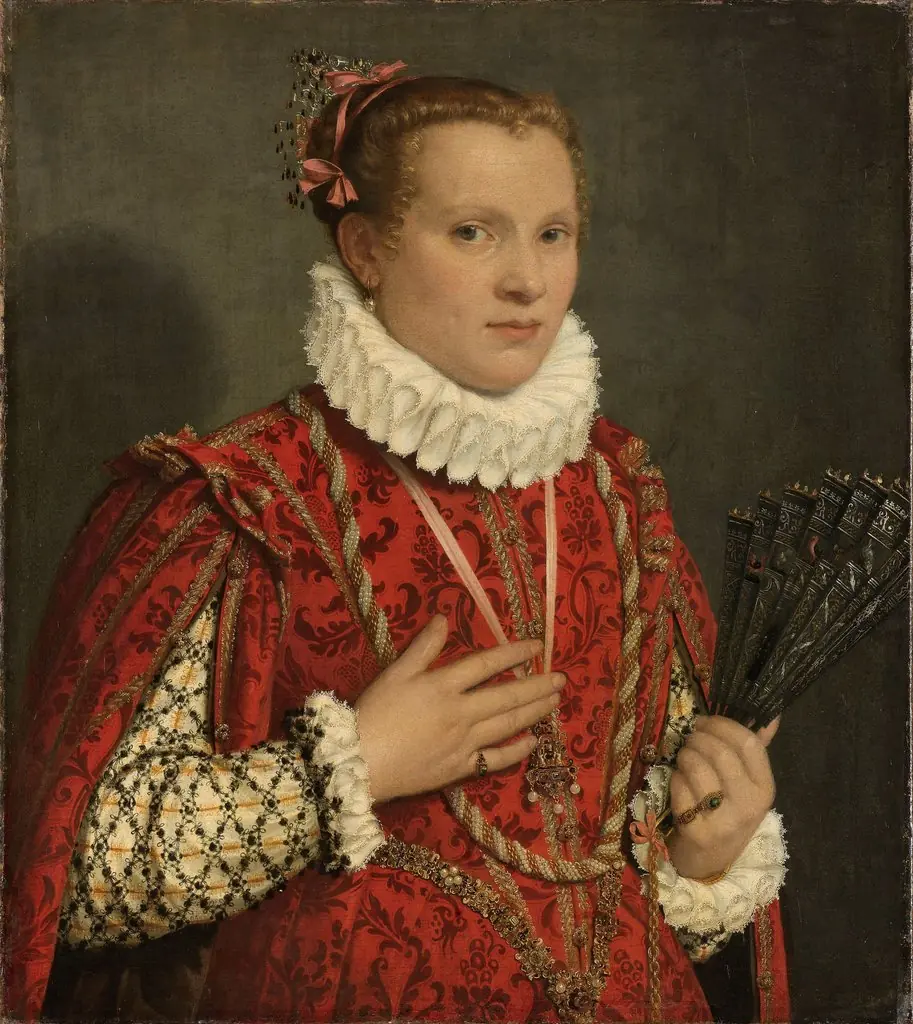 Portrait of a young Woman
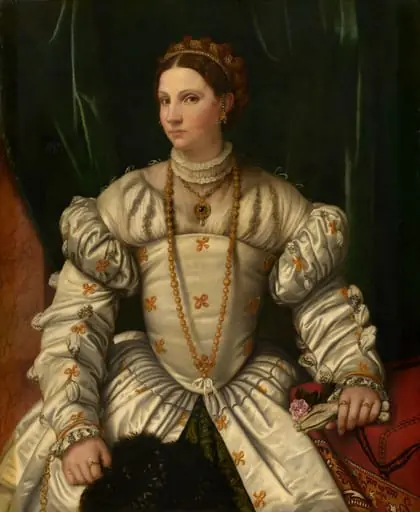 Portrait of a Lady in White
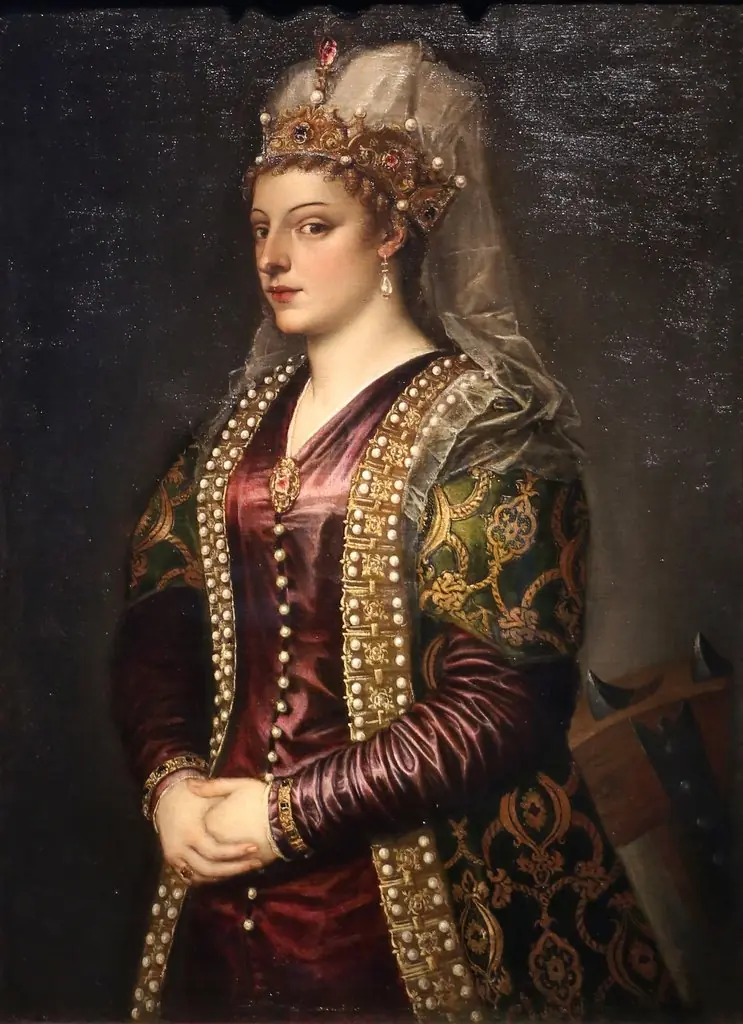 Portrait of Caterina Cornaro
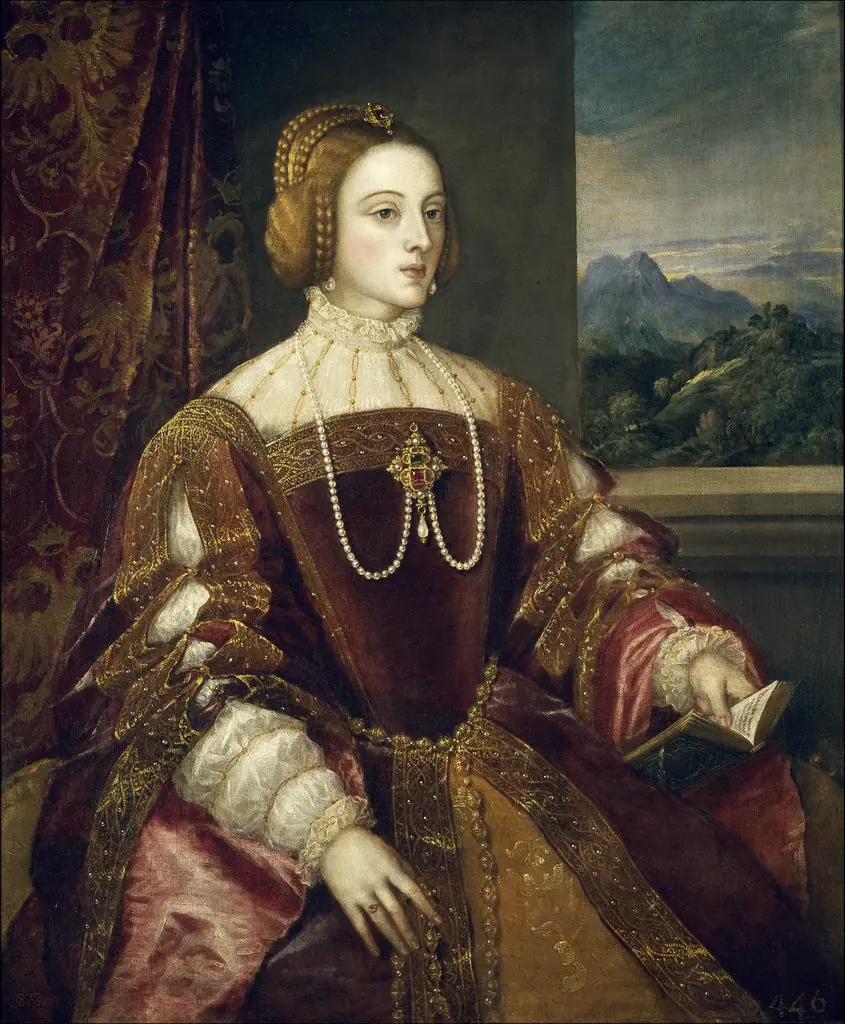 Portrait of Isabella of Portugal
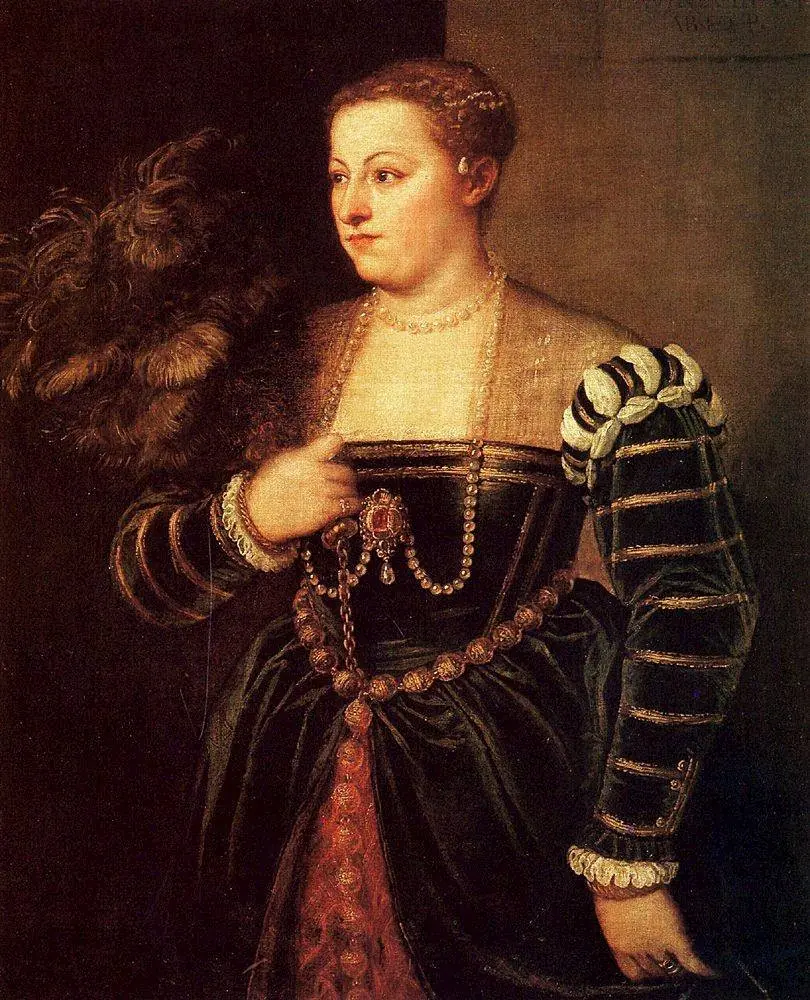 Portrait of Lavinia
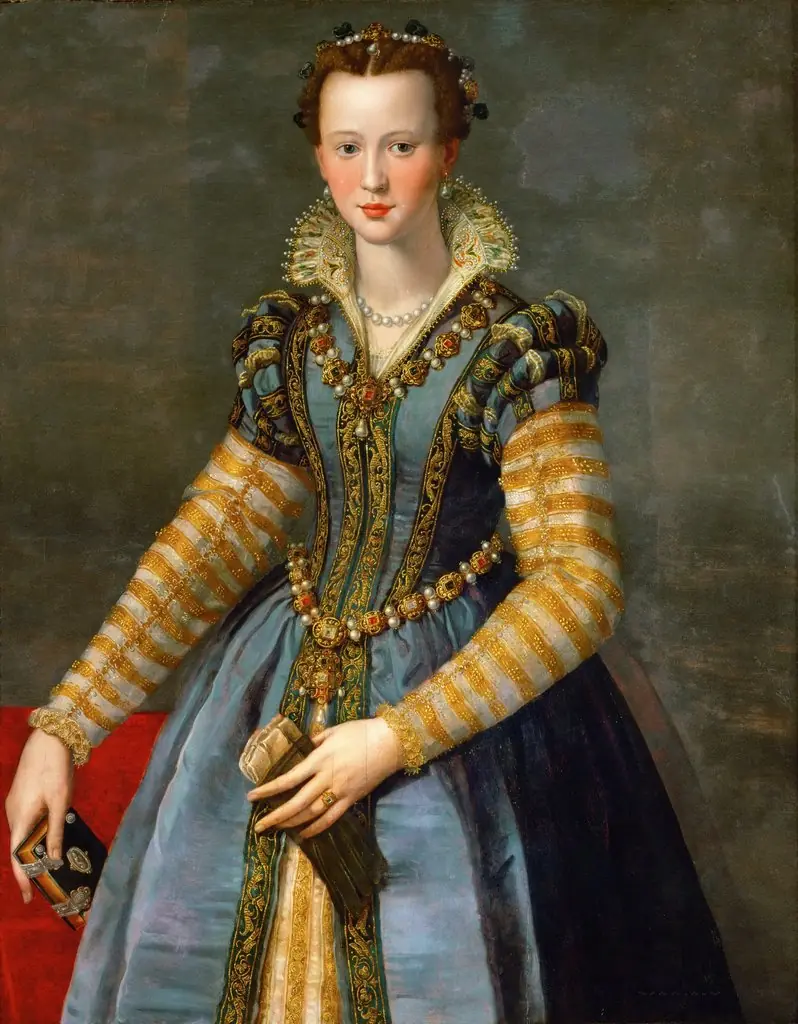 Portrait of a lady, traditionally identified as Maria de' Medici
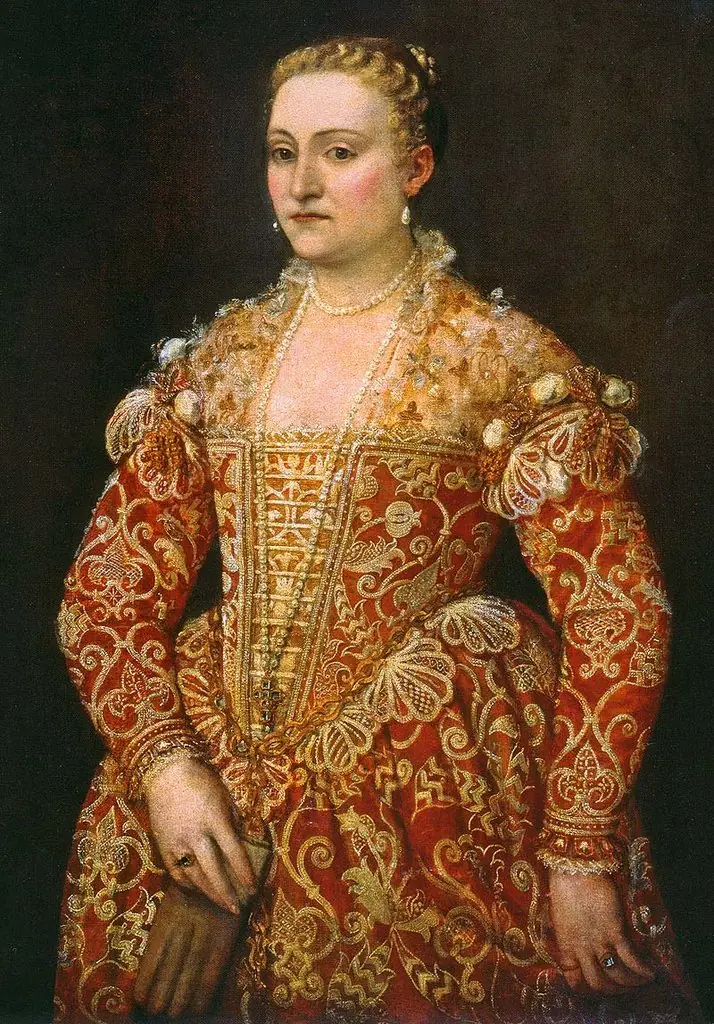 Portrait of a Lady
 Portrait of a Woman
 Portrait of Lucrezia di Cosimo