Artwork
Portrait of a Lady in White
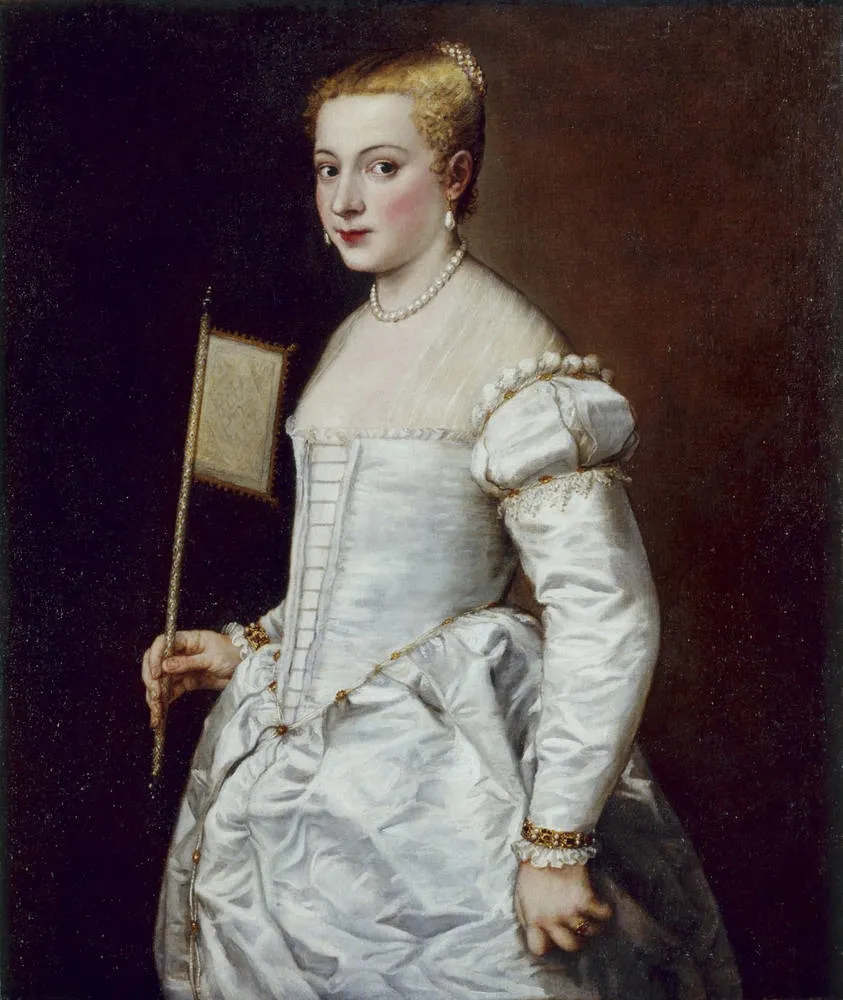
Portrait of a Lady in White is an oil painting by the High Renaissance artist Titian. It dates from 1561 and is held in the collection of the Staatliche Kunstsammlungen Dresden.
About this work
Titian painted this portrait around 1561. He shows a gentlewoman in white who looks right at us. Oil paint keeps her face and clothes bright after all these years.
This painting hides one cool trick. Titian layered thin glazes of color to make her skin glow. You can still see his brushwork in the soft folds of her gown.
Check out the next room to see more works by Titian.
Subject & Meaning
The artist may have utilized a professional model also employed in other works to construct this representation.
The work depicts an unidentified gentlewoman, though historical speculation has suggested the sitter might be the artist's daughter, Lavinia Vecellio, or a young bride. The subject is dressed in white with a décolletage, pearl jewelry, and a hand fan, elements that have led to various interpretations ranging from bridal purity to other social roles. Despite the long-held assumption that the figure represents Lavinia in her wedding attire, chronological inconsistencies regarding her marriage date suggest the painting likely serves as an idealized image of feminine beauty rather than a specific likeness.
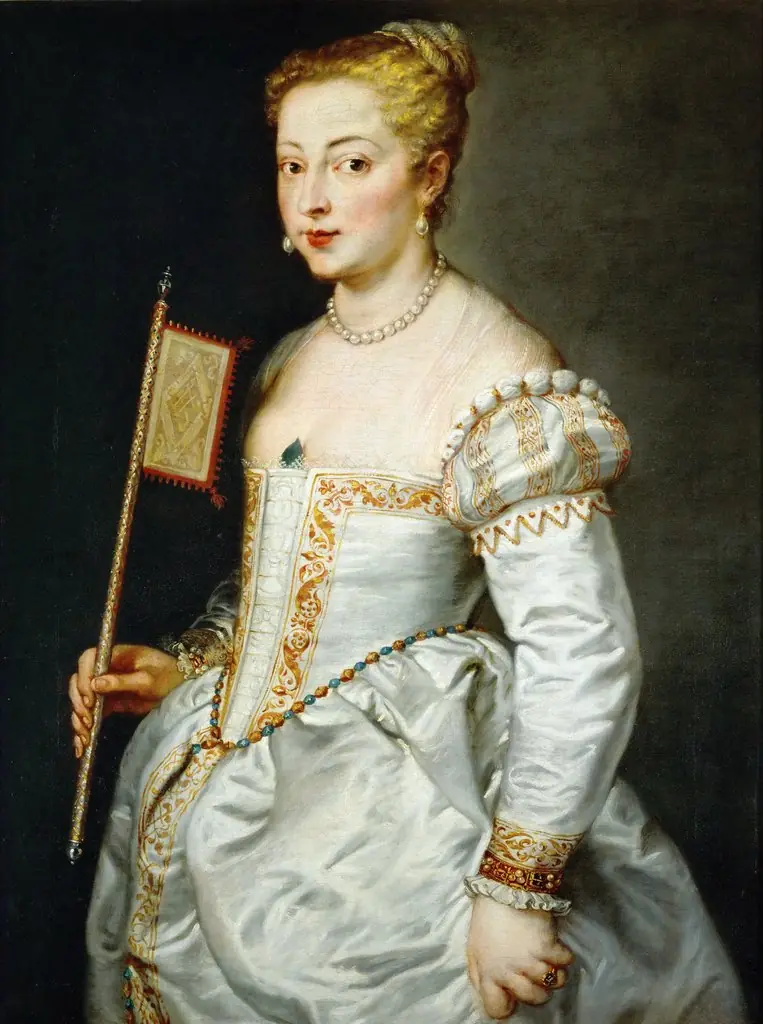
The artist may have utilized a professional model also employed in other works to construct this representation. A copy of the portrait by Peter Paul Rubens exists, further attesting to the image's significance.
Technique & Style
The work is painted in oil on canvas, measuring 102 cm in height and 86 cm in width, and is dated to 1561. Titian’s handling emphasizes the luminosity of the sitter’s white satin dress and pearl jewelry, using loose, fluid brushwork to model form through delicate tonal transitions rather than linear definition. The composition is organized around a triangular arrangement of the sitter’s torso and head, with her gaze directed toward the viewer and her right hand holding an open fan, which contributes to the portrait’s poised yet engaging presence. The background remains softly atmospheric, focusing attention on the figure and her refined attire.
Stylistically, the painting exemplifies the mature Venetian tradition, characterized by warm color harmonies and an emphasis on tactile surface and naturalistic detail.
History & Provenance
Created around 1561, Titian's Portrait of a Lady in White is an oil painting on canvas depicting an unidentified gentlewoman. While early speculation suggested the sitter was the artist's daughter Lavinia Vecellio, chronological inconsistencies regarding her marriage date make this unlikely; the subject is now generally considered an idealized image of feminine beauty based on a model used in other works. The painting currently resides in the Gemäldegalerie Alte Meister, part of the Staatliche Kunstsammlungen Dresden.
Its creation history includes a known copy executed by Peter Paul Rubens. The work was lent to the Columbus Museum of Art in 2018 and to the Norton Simon Museum in 2019.
Portrait of a Lady in White is held in the collection of the Staatliche Kunstsammlungen Dresden, specifically within the Gemäldegalerie Alte Meister. The work, created around 1561, depicts an unknown gentlewoman dressed in white.
Regarding its exhibition history, the painting was lent to the Columbus Museum of Art in 2018. It was subsequently displayed at the Norton Simon Museum in 2019.
Context
Portrait of a Lady in White, produced by Titian around 1561, is situated within the Venetian school and exemplifies the artist's late portrait practice. The identity of the sitter has long been debated, with speculation ranging from a young bride to a prostitute or a family member of Titian; the traditional assumption that she is his daughter Lavinia in bridal dress is undermined by the chronology of Lavinia's marriage, which occurred six years earlier. Titian likely constructed an idealised image of feminine beauty, drawing on a model who also appears in other works by him.
The painting belongs to the Gemäldegalerie Alte Meister in Dresden, part of the Staatliche Kunstsammlungen Dresden, and was copied by Peter Paul Rubens, with a related version also held at Dresden, underscoring its influence on subsequent portraiture.
Legacy
Portrait of a Lady in White, painted by Titian around 1561, is housed in the Gemäldegalerie Alte Meister, Dresden, where it is studied as a canonical example of Venetian school portraiture. The work has attracted scholarly attention due to uncertainties about the sitter’s identity, reflecting its enduring relevance. Its influence is evident in a copy made by Peter Paul Rubens, demonstrating its impact on later artists.
The painting has been loaned to major institutions, including the Columbus Museum of Art (2018) and the Norton Simon Museum (2019), reinforcing its recognized reputation.
Overview
Titian's Portrait of a Lady in White, created around 1561, captures an unidentified noblewoman. This oil painting exemplifies the artist's skill in rendering texture and light, presenting the sitter with a direct gaze. The work is presently held in the collection of the Gemäldegalerie Alte Meister in Dresden, standing as a notable example of Venetian Renaissance portraiture.
Artist & collection

Artist
Tiziano Vecellio (Italian:; c. 1488/1490 – 27 August 1576), Latinized as Titianus, hence known in English as Titian ( TISH-ən), was an Italian Renaissance painter. The most important artist of Renaissance Venetian…



 Portrait of a Lady
 Portrait of a Lady
 Portrait of a Lady
 Girl with a Fan
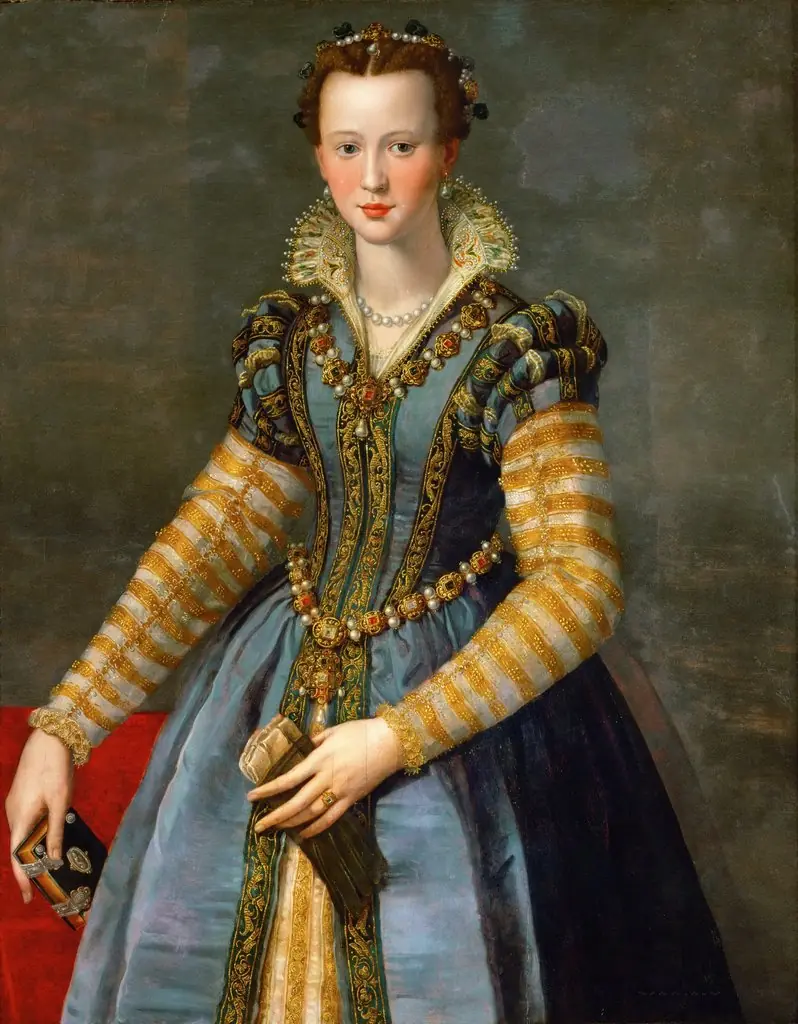 Portrait of a lady, traditionally identified as Maria de' Medici
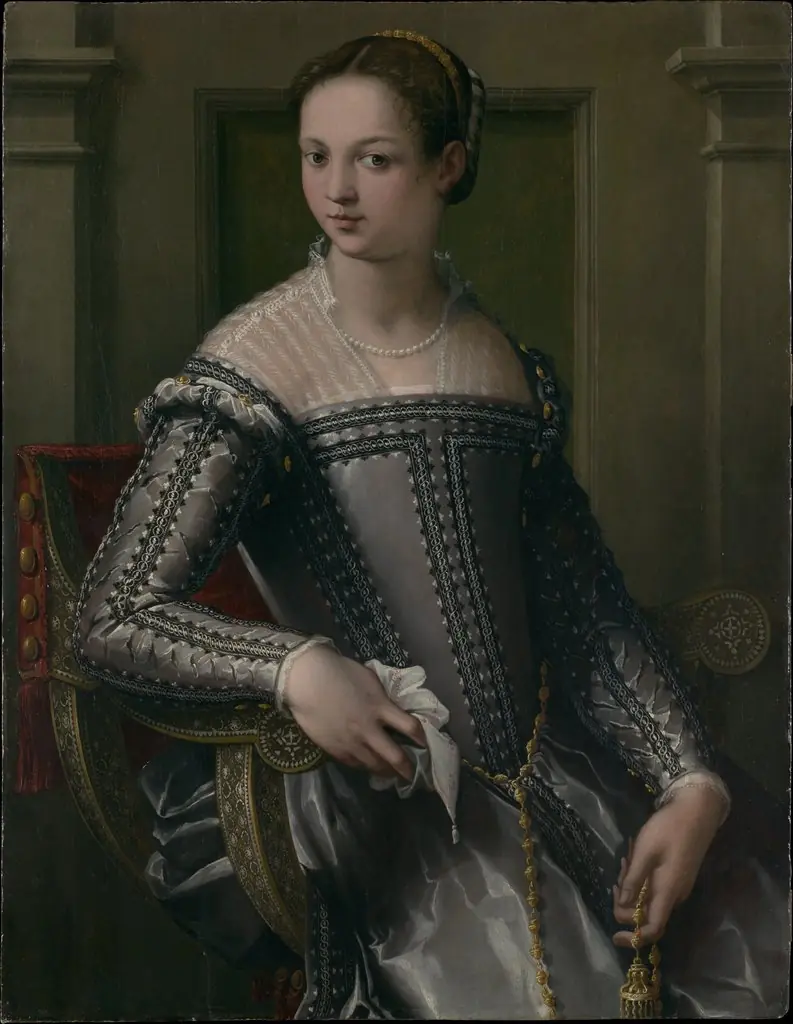 Portrait of a Woman
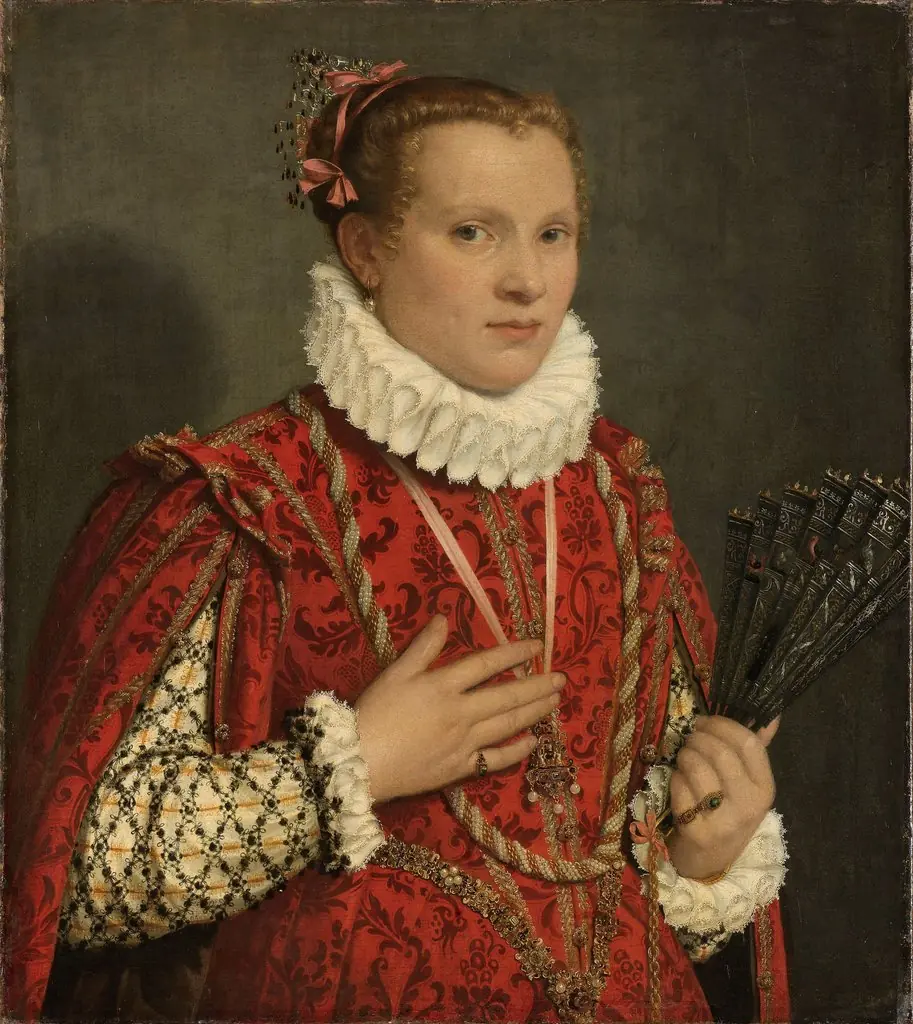 Portrait of a young Woman
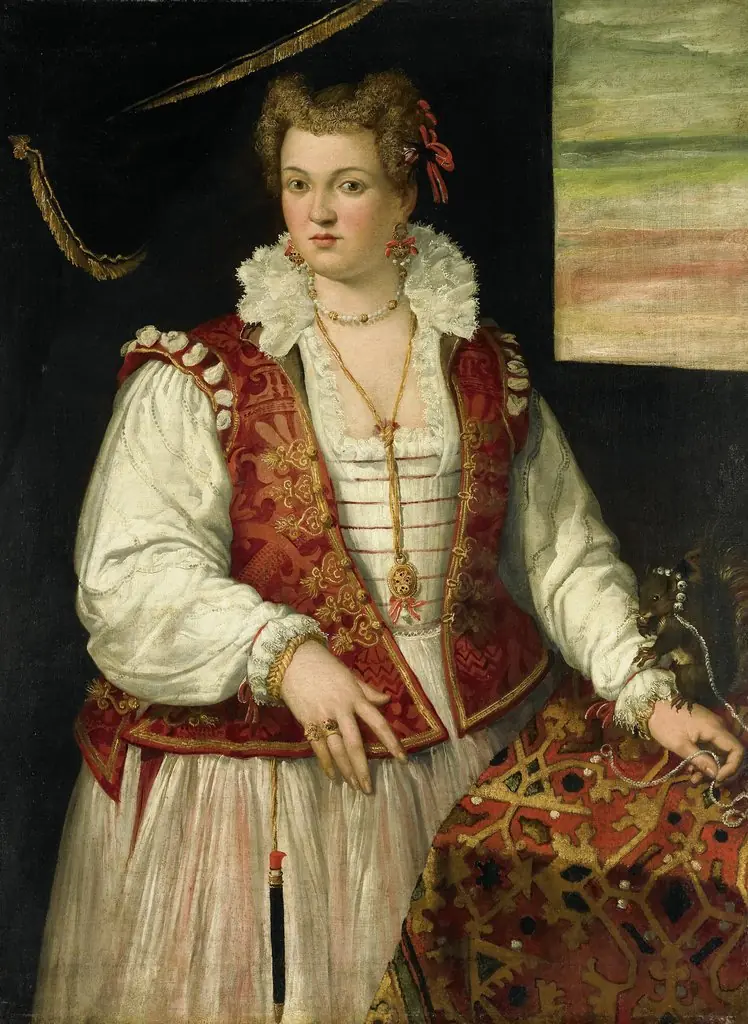 Portrait of a Woman with a Squirrel
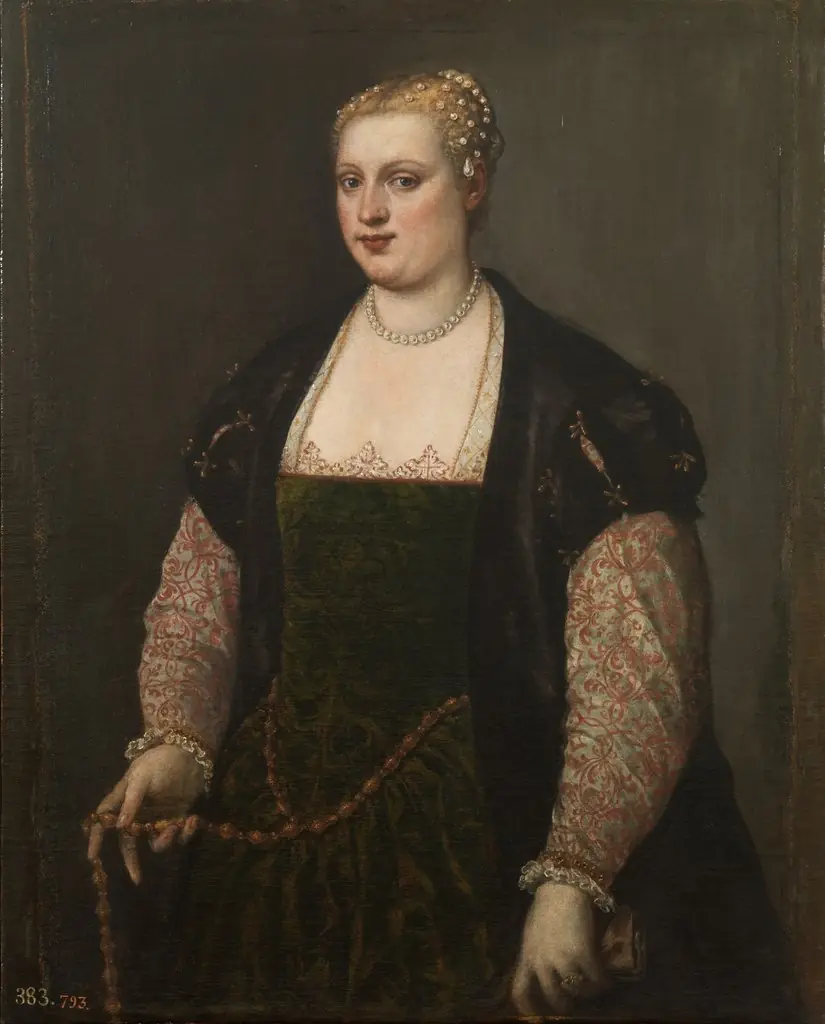 Portrait of a Woman
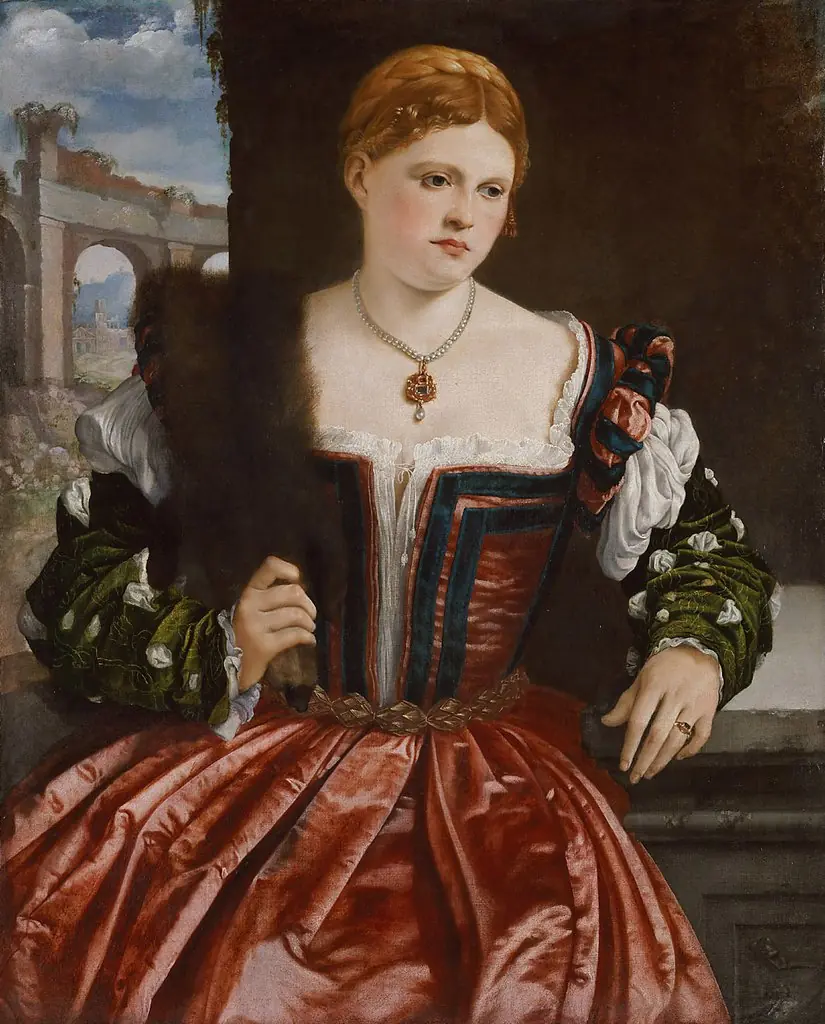 Portrait of a Young Lady
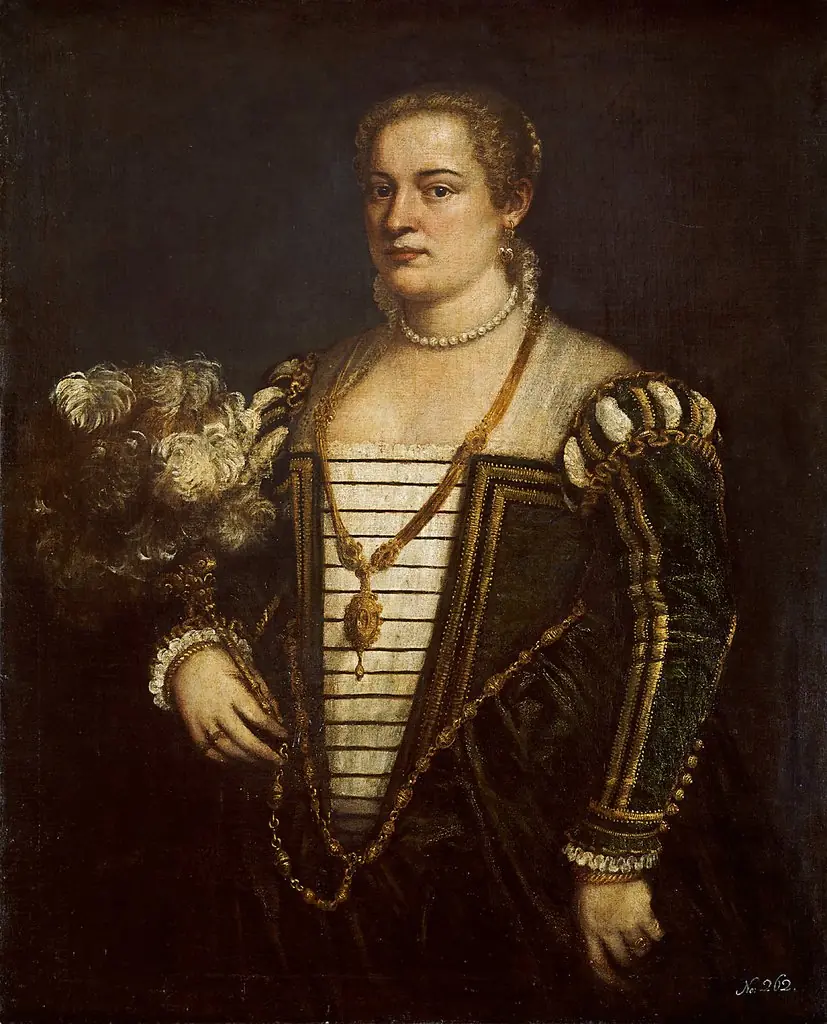 Portrait of the Artist's daughter Lavinia
- Portrait of a Lady in White