Artwork
Portret van een vrouw
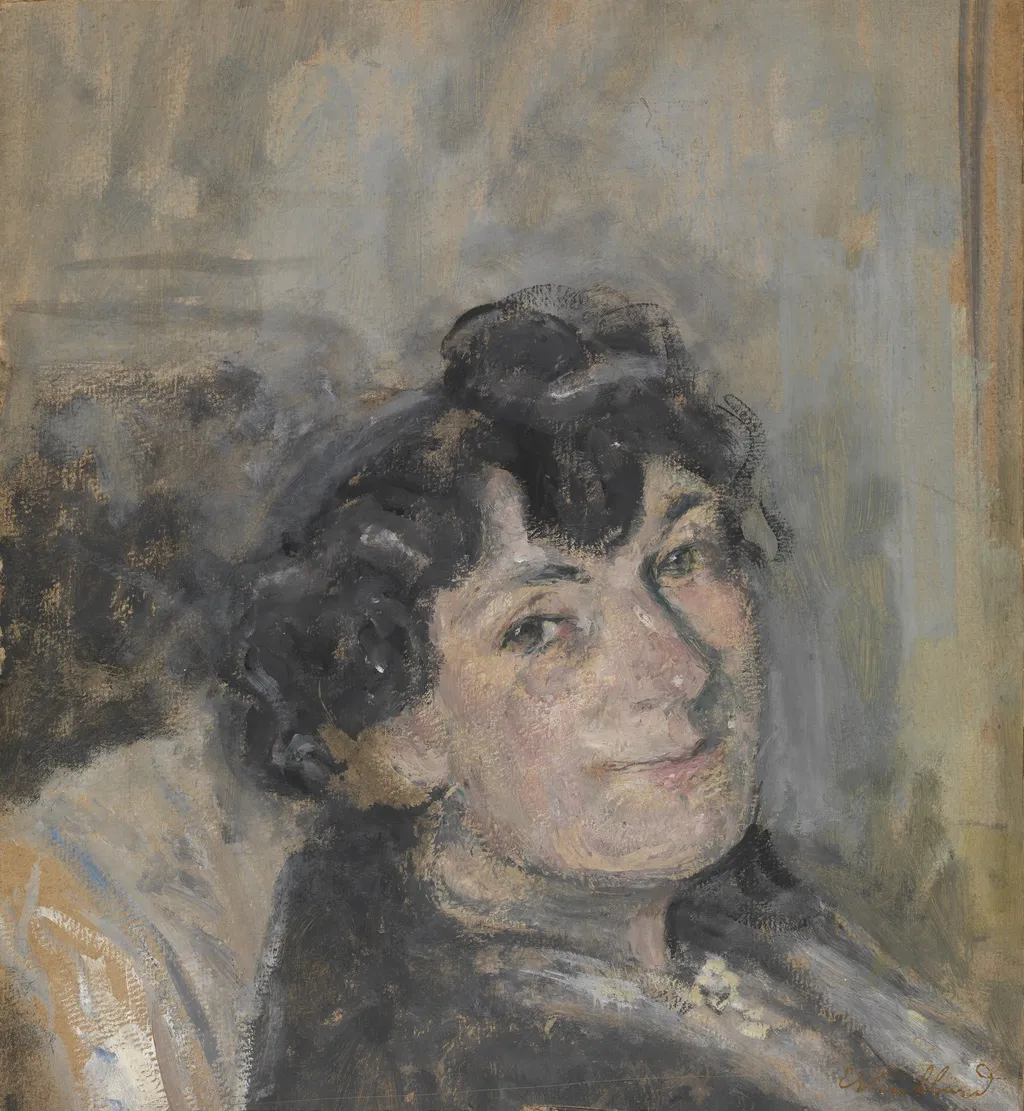
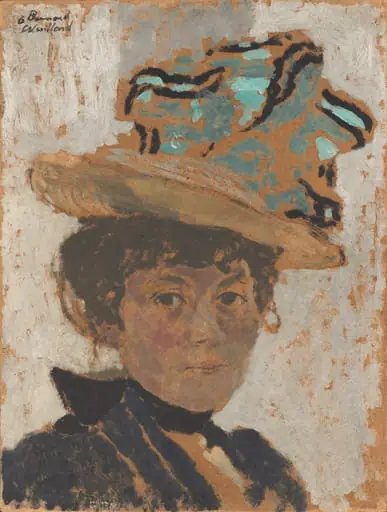
Portret van een vrouw is an unspecified painting by the Post-Impressionist artist Édouard Vuillard. It dates from 1912 and is held in the collection of the Royal Museum of Fine Arts Antwerp.
About this work
The woman's face is the central focus of the painting, with her dark hair and clothing contrasting with the lighter background.
This painting features a woman with dark, curly hair and a dark top. The background is a mix of light and dark colors, with some visible brushstrokes. The overall mood is subdued, with the woman's expression difficult to discern.
The woman's face is the central focus of the painting, with her dark hair and clothing contrasting with the lighter background. The artist's use of color and brushwork creates a sense of depth and texture.
The painting is a portrait of Lucie Hessel, created by Édouard Vuillard in 1912. To learn more about the artist's style and technique, look up Édouard Vuillard.
Subject & Meaning
Executed in 1912, this portrait by Édouard Vuillard depicts Lucie Hessel as its sole subject. The work functions as a straightforward representation of the sitter, adhering to the conventions of the portrait genre without incorporating complex allegorical figures or overt symbolic attributes. As the main subject, Hessel is presented through the artist's intimate lens, focusing on her likeness rather than narrative storytelling or moralizing themes.
The painting's meaning resides in its capture of the individual's presence, serving as a direct visual record of Hessel during this period.
History & Provenance
The work was painted by Édouard Vuillard in 1912. It depicts Lucie Hessel, a figure associated with the artist’s circle in early 20th-century Paris. The painting entered the collection of the Royal Museum of Fine Arts Antwerp, where it is held as of the recorded date. The dimensions are 29 cm in height and 27 cm in width.
Legacy
The portrait of Lucie Hessel by Édouard Vuillard, painted in 1912, has been recognized as a significant example of early 20th-century modernism, influencing contemporary understandings of portraiture and domestic intimacy. Its inclusion in the Royal Museum of Fine Arts Antwerp's collection has contributed to scholarly discourse on Vuillard's role in the development of decorative painting and psychological depth in portraiture.
The work continues to be referenced in studies of gender representation and bourgeois identity in pre-World War I European art, underscoring its enduring relevance in art historical narratives.
Overview
Édouard Vuillard’s 1912 oil portrait, titled Portret van een vrouw, presents a seated woman against a muted backdrop of intermingled light and dark tones. The composition centers on her face, framed by dark, curly hair and a similarly dark garment, while the surrounding area is rendered with visible brushstrokes that suggest depth without overt detail. The overall atmosphere is restrained, with the sitter’s expression remaining ambiguous.
Technique & Style
Created after the dissolution of Les Nabis, the portrait reflects Vuillard’s shift toward a more realistic approach. He employs a limited color range, allowing the dark hair and clothing to stand out against a lighter, loosely brushed background. The brushwork remains expressive, with textured strokes that hint at the decorative sensibilities of his earlier work while prioritizing a faithful representation of the figure.
Own this work as a print
Artist & collection
Artist
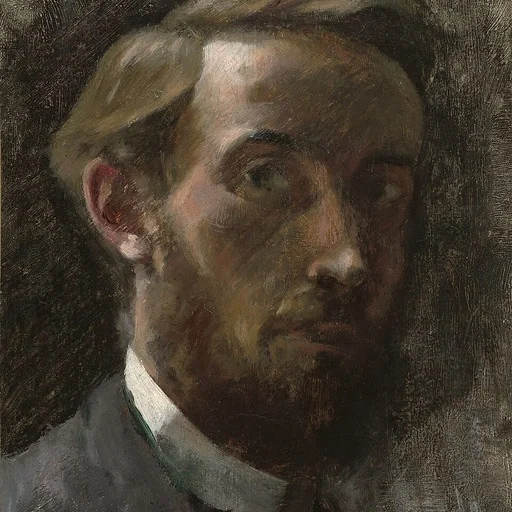
Jean-Édouard Vuillard (French:; 11 November 1868 – 21 June 1940) was a French painter, decorative artist, and printmaker.

- Portrait of Mrs Roubaud
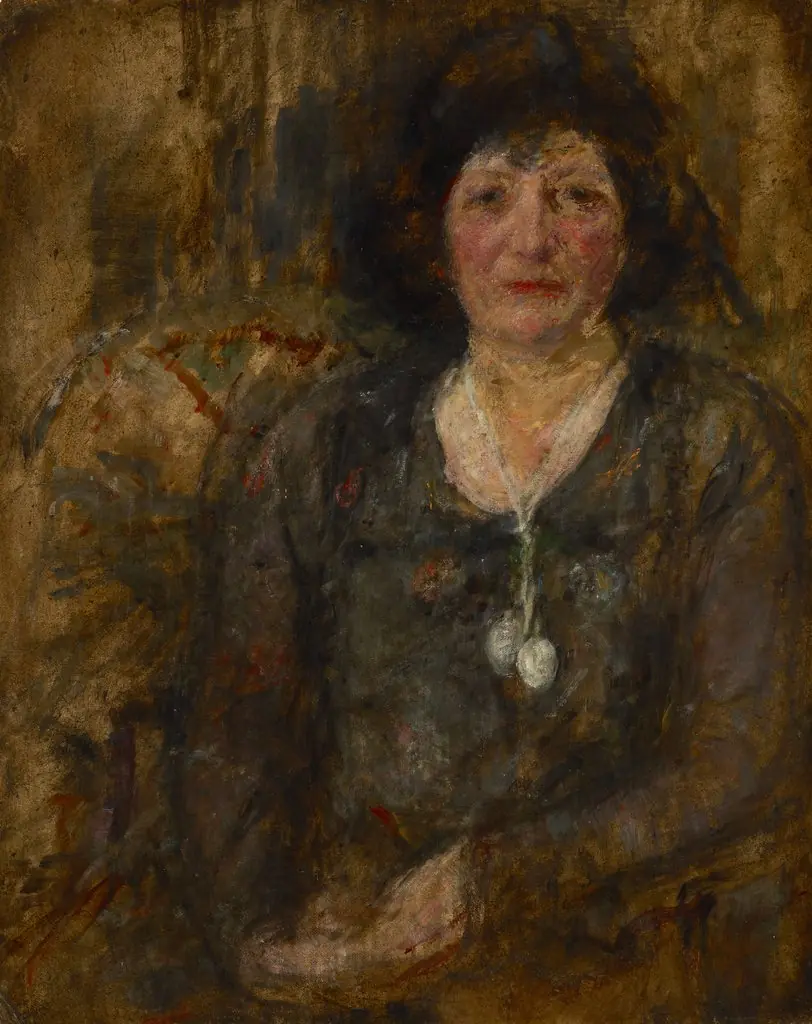 Portrait of a Lady with a Necklace
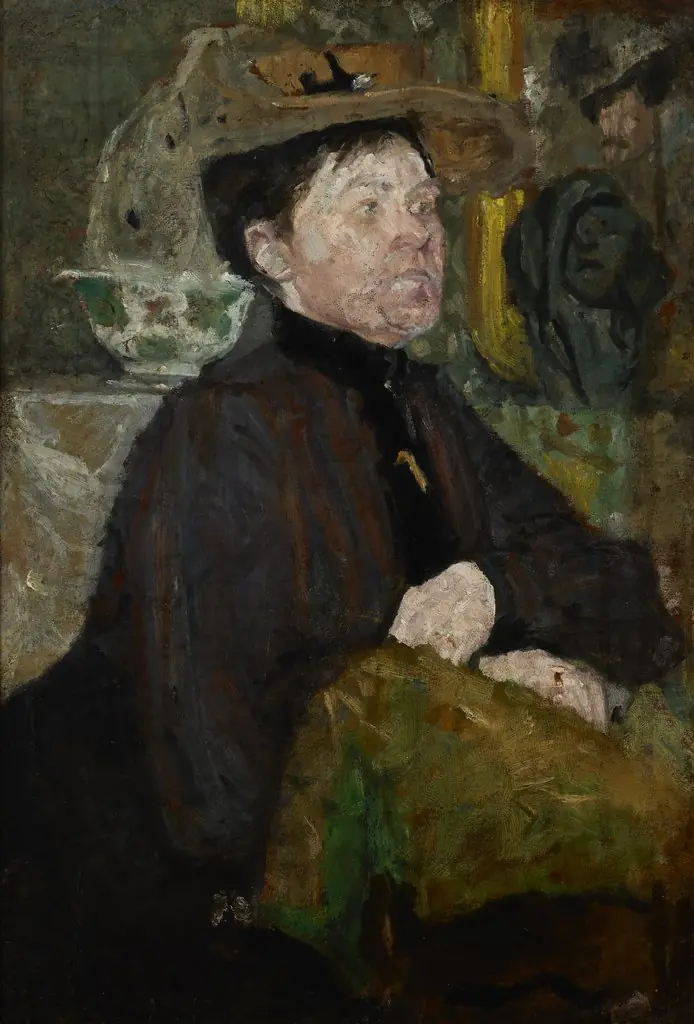 Portrait of Mrs Getter – two-sided painting
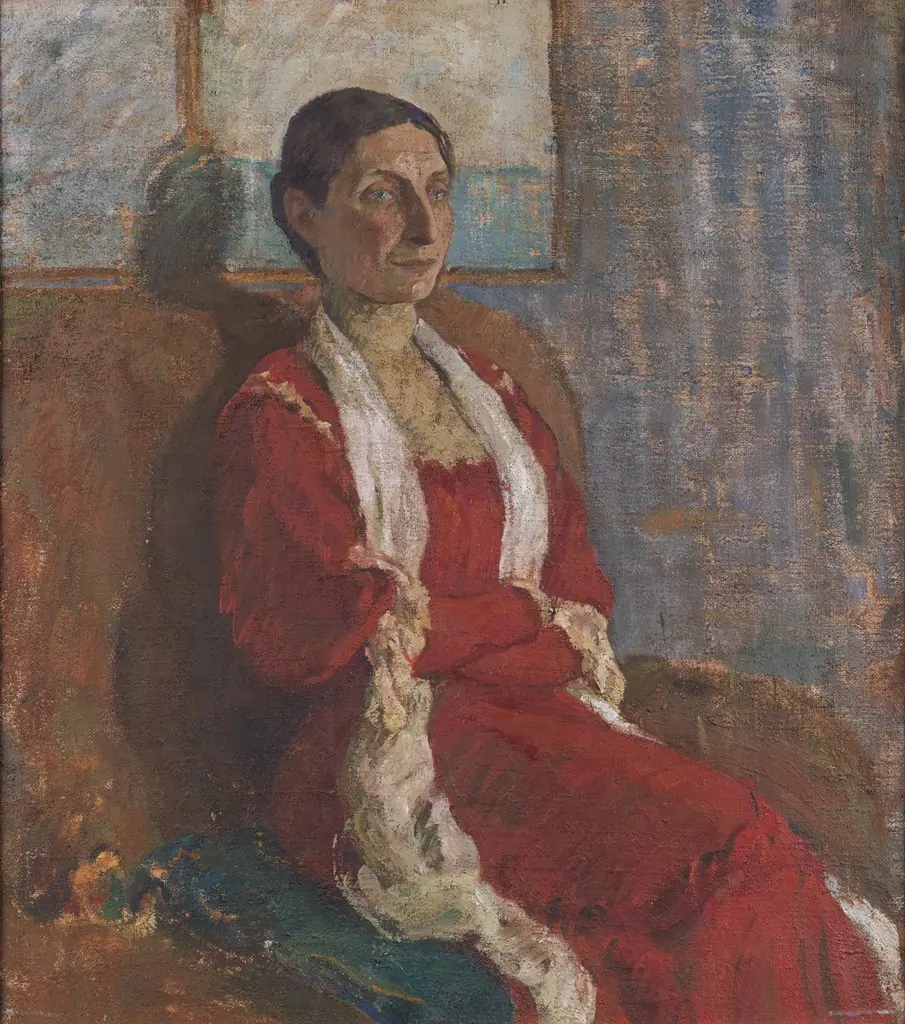 Portrait of Mrs. Bertha Brandstrup
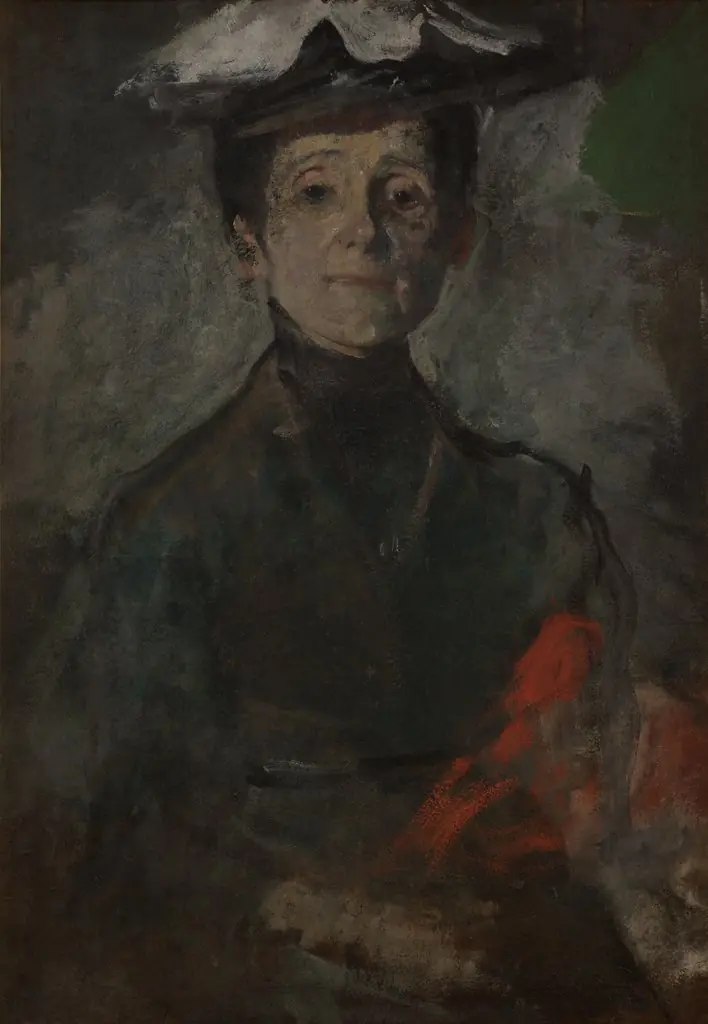 Self-Portrait with Flowers
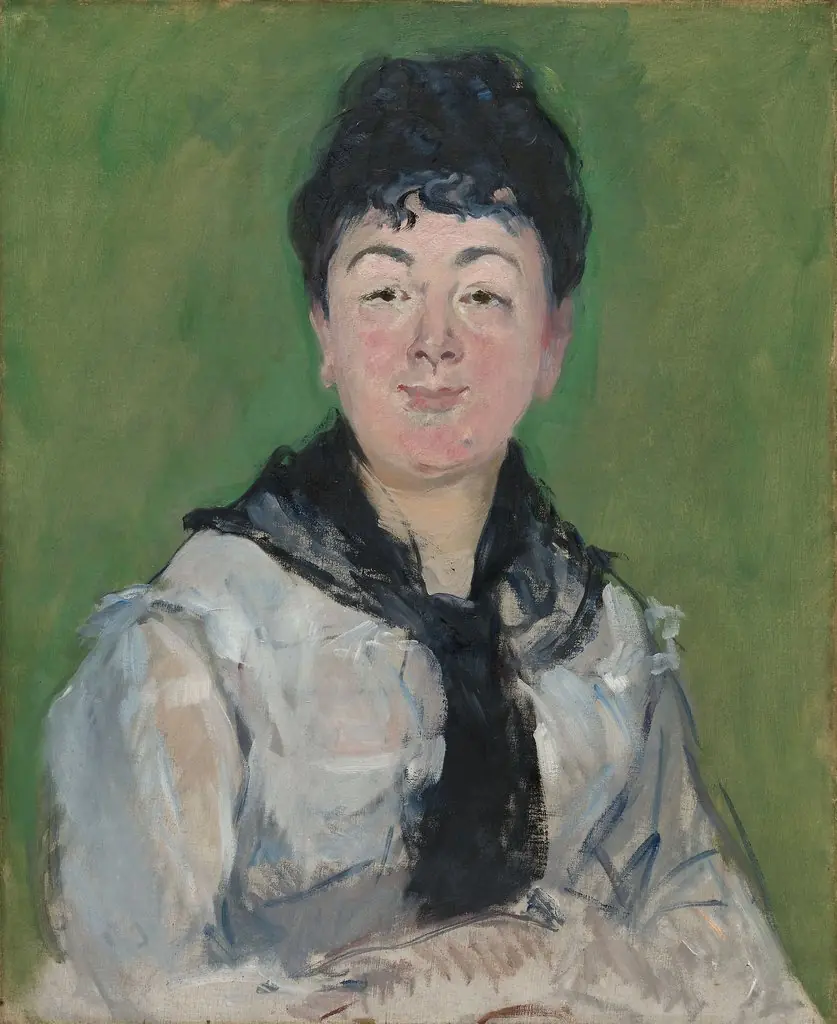 Portrait of a Woman with a Black Fichu
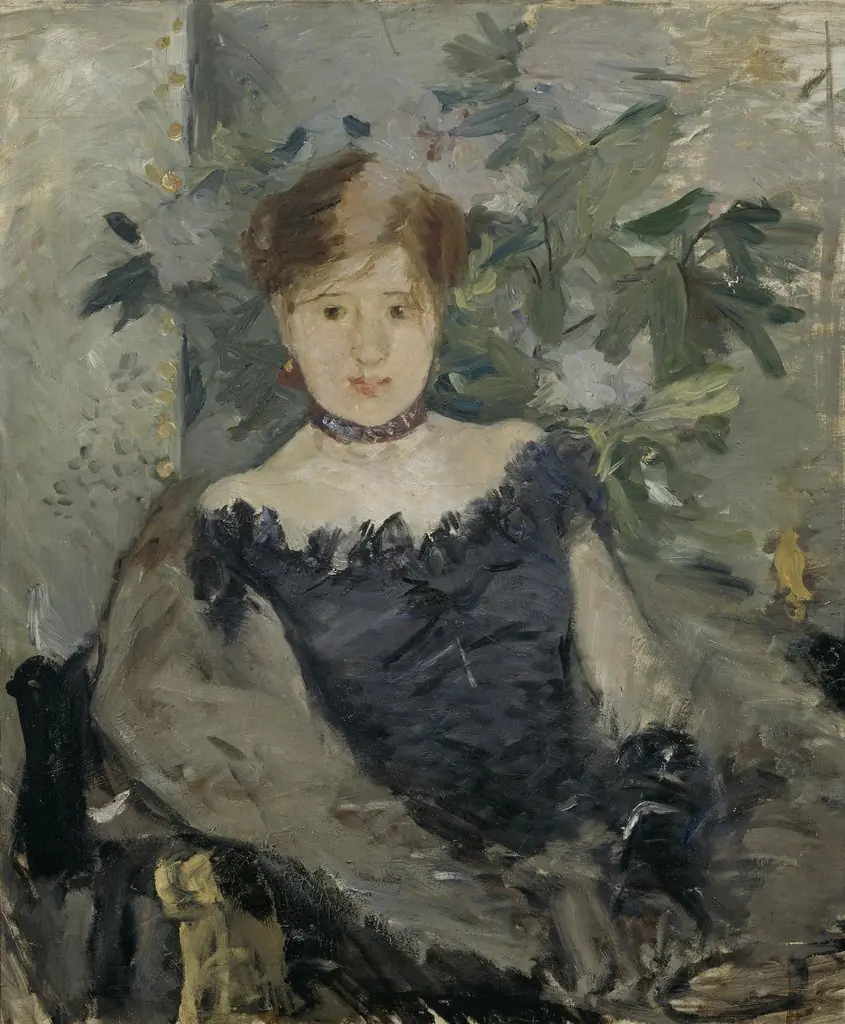 Le Corsage Noir
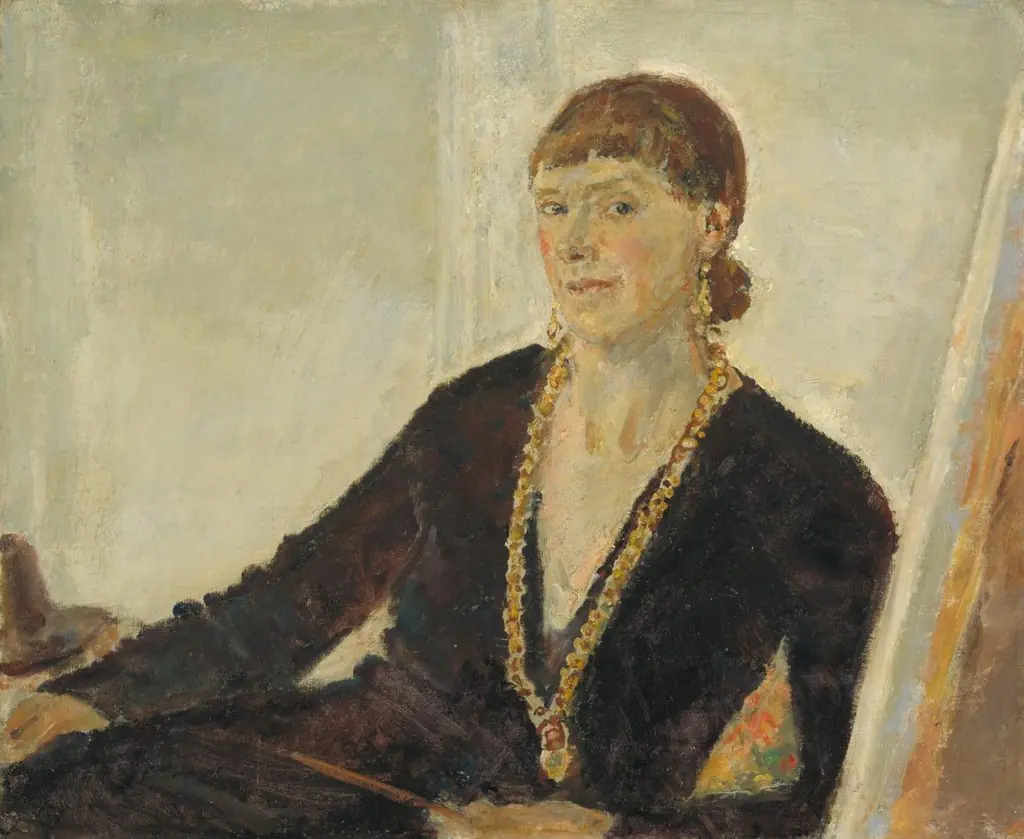 Self-Portrait
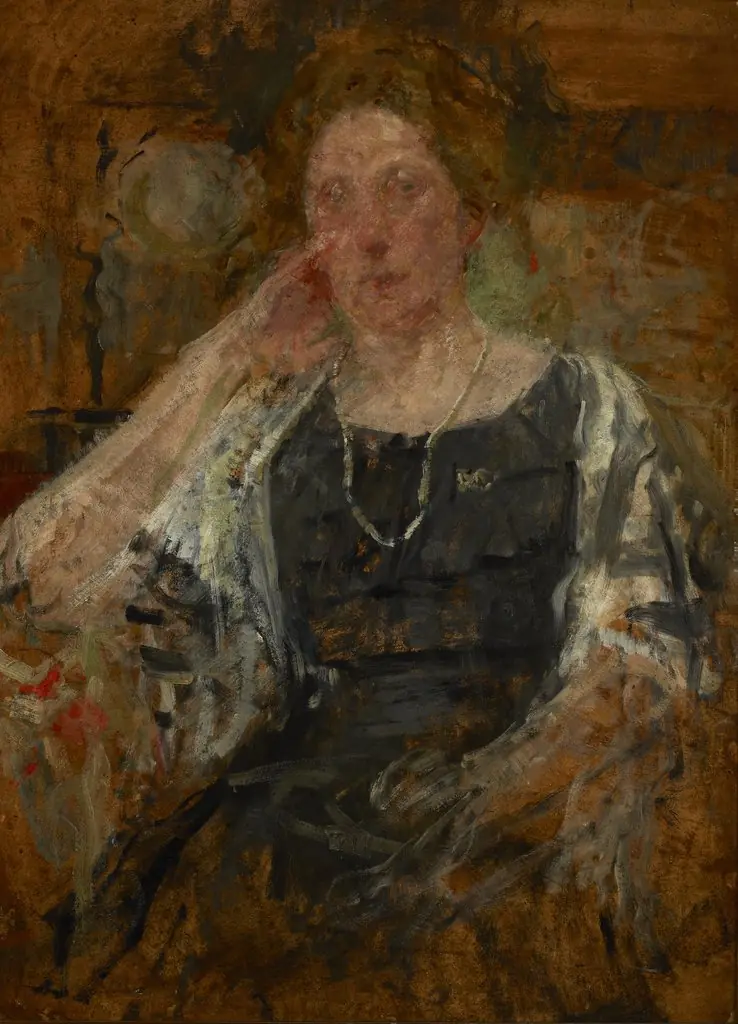 Sketch Portrait of a Woman
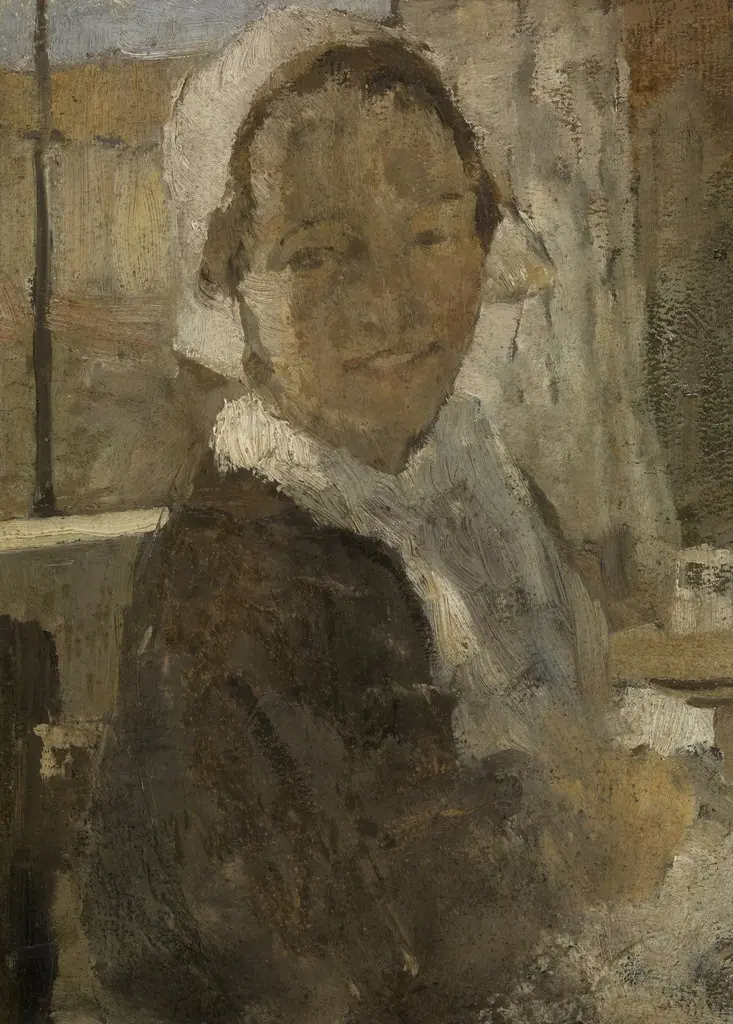 Young Girl
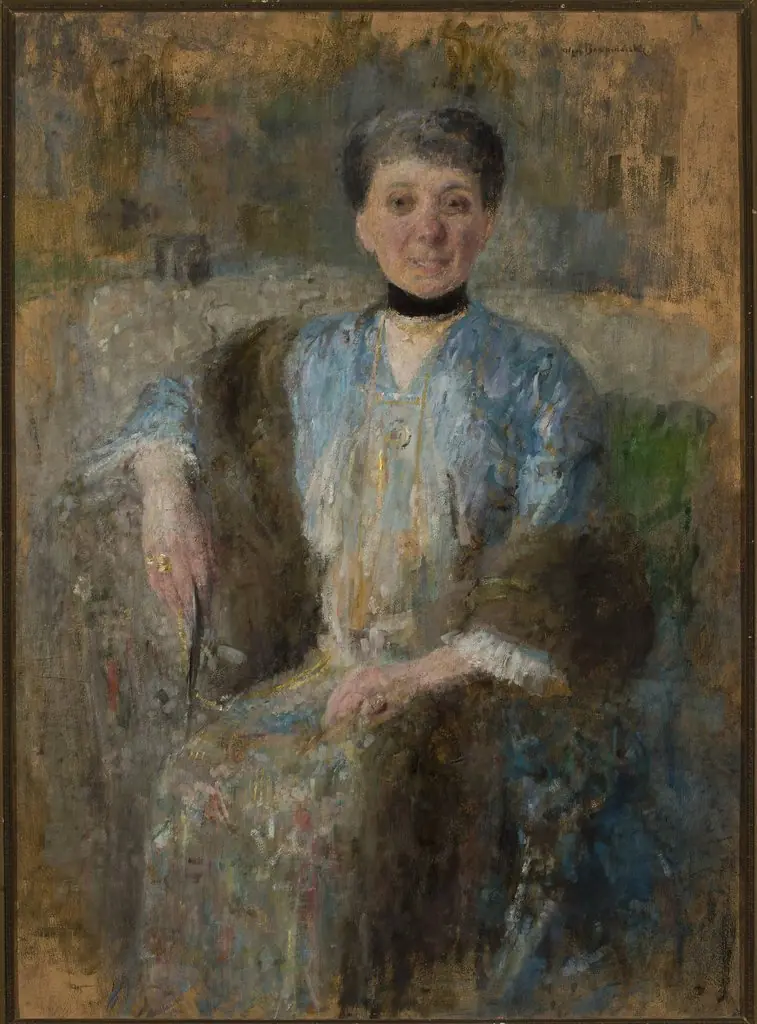 Portrait of Maria Morzycka
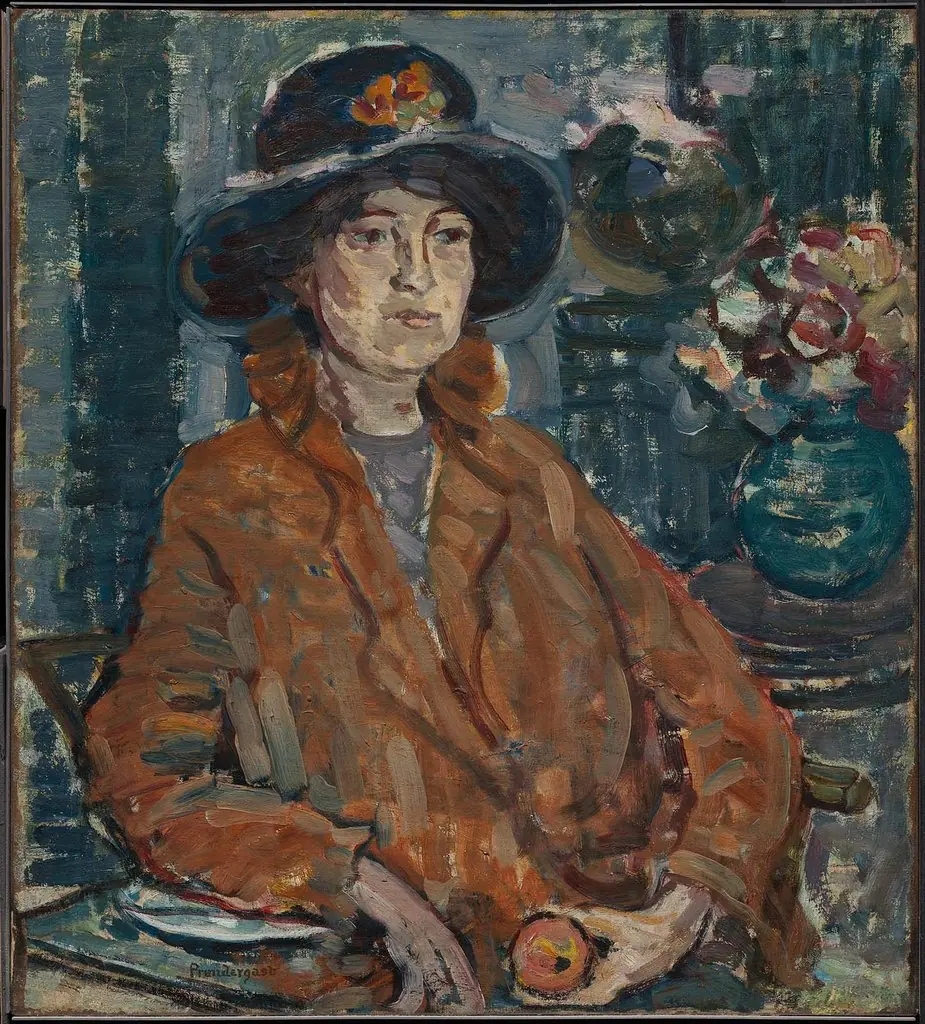 Woman in Brown Coat