Artwork
Monsieur Ruelle
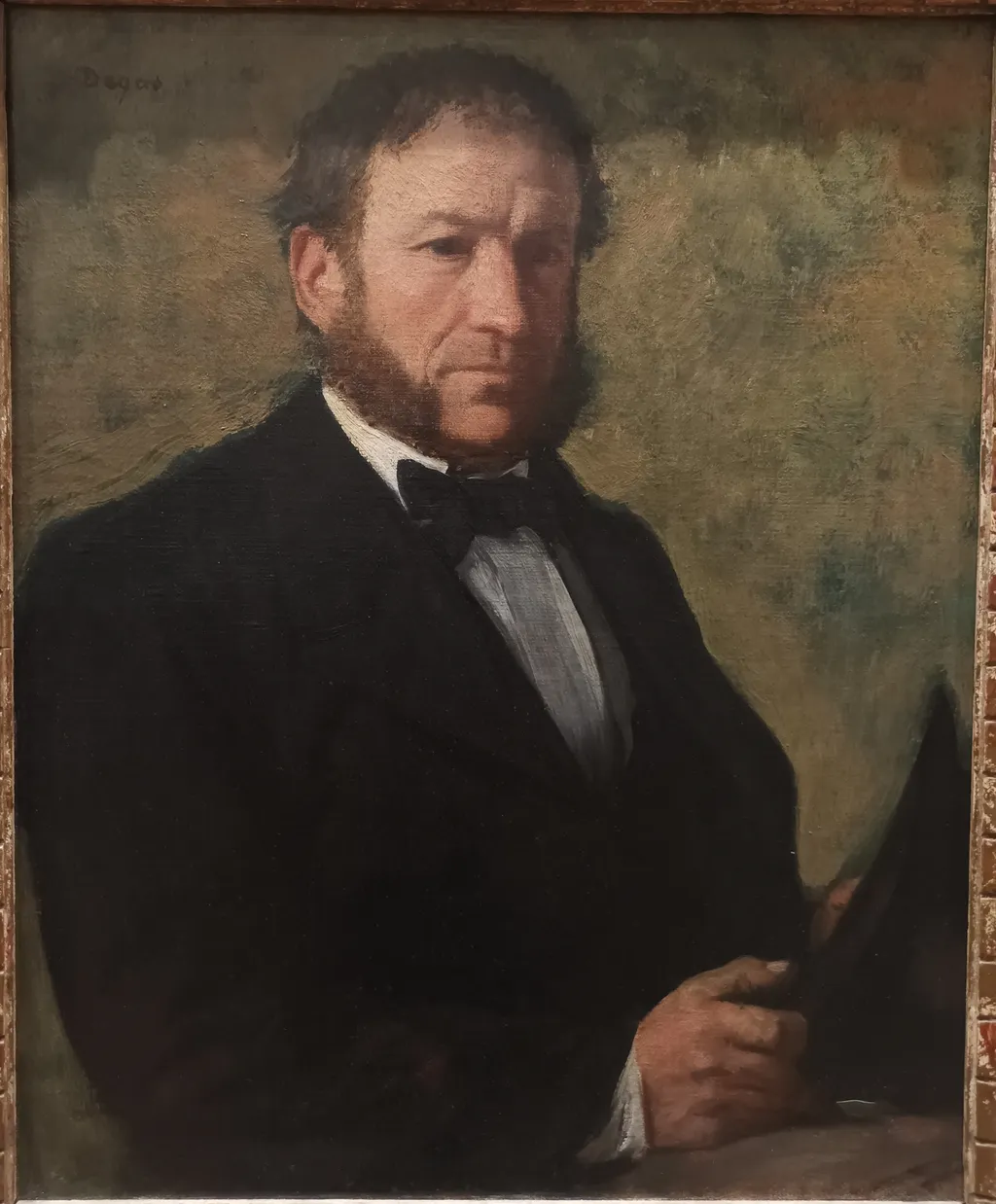
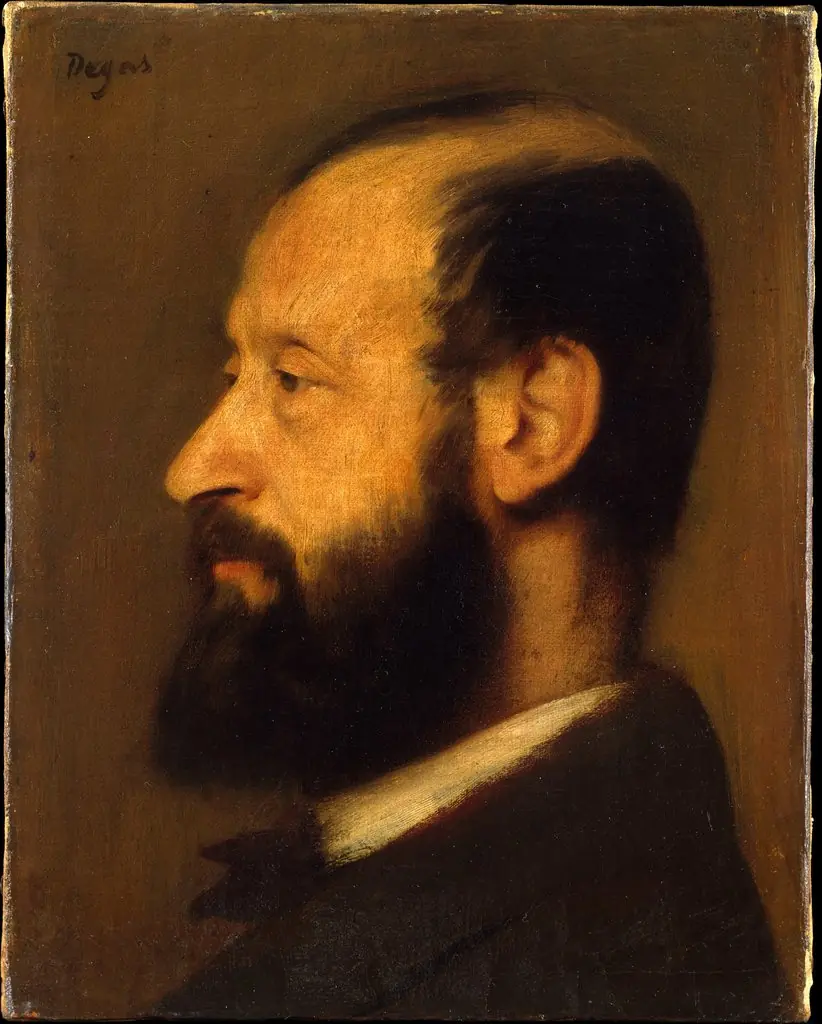
Monsieur Ruelle is an oil painting by the French Romanticist artist Edgar Degas. It dates from 1861 and is held in the collection of the Museum of Fine Arts of Lyon.
About this work
Overview
Degas, then in his late twenties, was developing his approach to portraiture before turning more fully to scenes of modern life.
Painted in 1861, this oil portrait by Edgar Degas captures Monsieur Ruelle, a French businessman and patron. The work is part of the collection at the Museum of Fine Arts of Lyon. Degas, then in his late twenties, was developing his approach to portraiture before turning more fully to scenes of modern life. The painting reflects his early commitment to direct observation and psychological presence in figural work.
Subject & Meaning
The subject, Monsieur Ruelle, is depicted seated calmly at a table, hands folded, wearing a formal black suit with a white shirt and black bow tie. His direct gaze and composed posture convey a sense of quiet authority. Degas avoids theatricality, presenting the man not as a hero or celebrity, but as a figure of everyday social standing—his identity rooted in demeanor rather than adornment.
Technique & Style
Degas employs a restrained palette of dark tones with subtle contrasts to model the figure. Chiaroscuro is used to define the contours of the face and hands, lending volume without overt drama. The brushwork is precise yet unobtrusive, particularly in the rendering of fabric and skin. The muted brown background isolates the subject, focusing attention on his stillness and presence.
History & Provenance
The painting entered the Museum of Fine Arts of Lyon’s collection in the late 19th century, likely through a private donation or acquisition tied to regional patrons. Its early provenance is not extensively documented, but its presence in Lyon suggests a connection to the city’s artistic circles during Degas’s formative years. The work has remained in the museum’s holdings since its acquisition.
Context
In 1861, Degas was transitioning from academic training toward a more personal style. Portraits like this one reflect his interest in capturing character through quiet observation, a precursor to his later depictions of dancers and racegoers. The painting aligns with French realism’s emphasis on ordinary subjects, yet avoids the social commentary common in the work of Courbet or Daumier.
Legacy
Though less known than Degas’s later works, this portrait illustrates his early mastery of psychological nuance and tonal control. It stands as a testament to his ability to convey dignity through restraint. Art historians view it as a key step in his evolution from traditional portraiture toward the more dynamic, modern subjects that would define his career.
Artist & collection
Artist
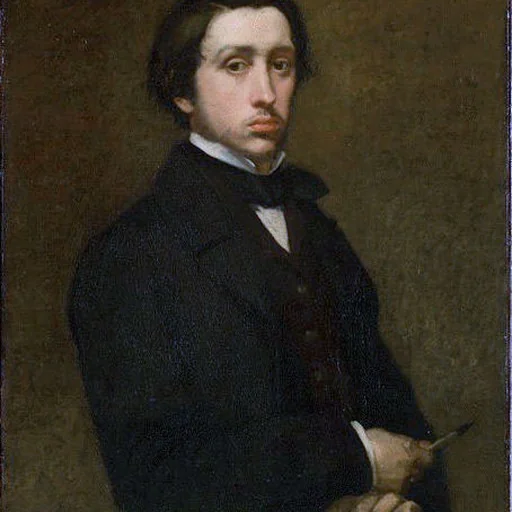
Born Hilaire-Germain-Edgar De Gas on 19 July 1834 in Paris, Edgar Degas came from an affluent banking family with aristocratic roots and spent his childhood among the cultivated circles of the French capital.

 John Jones, 'Talhaiarn'
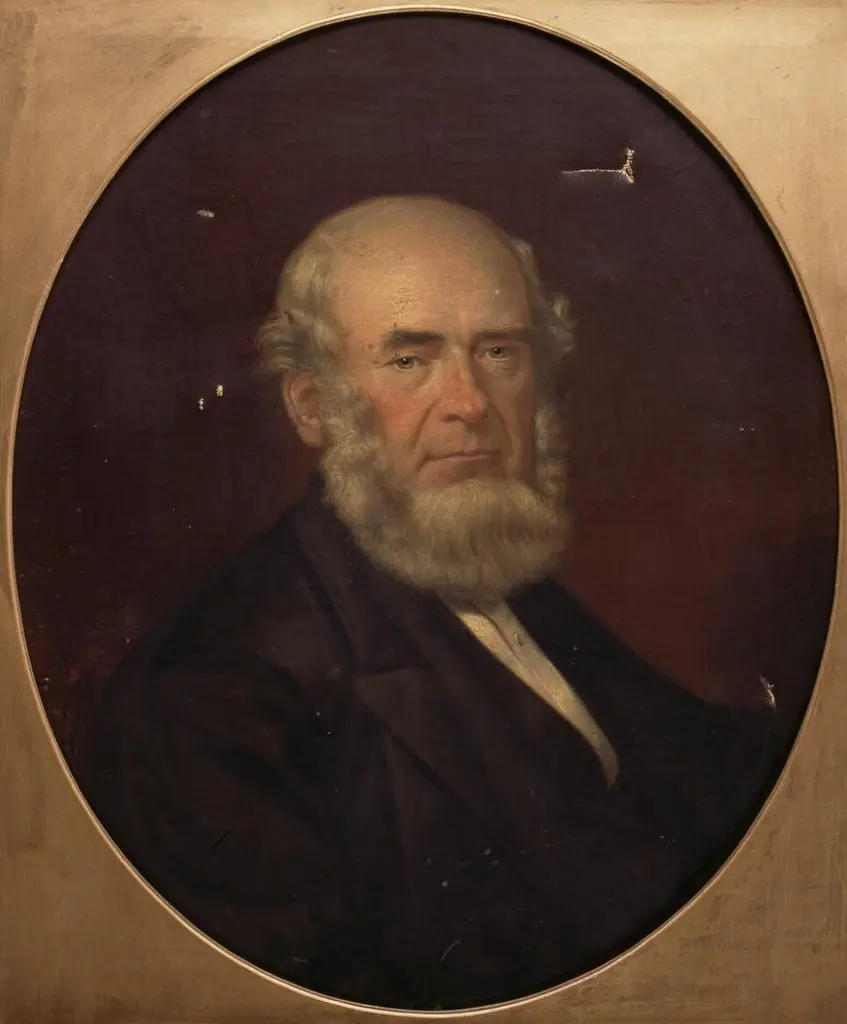 Henry Richard Esq MP
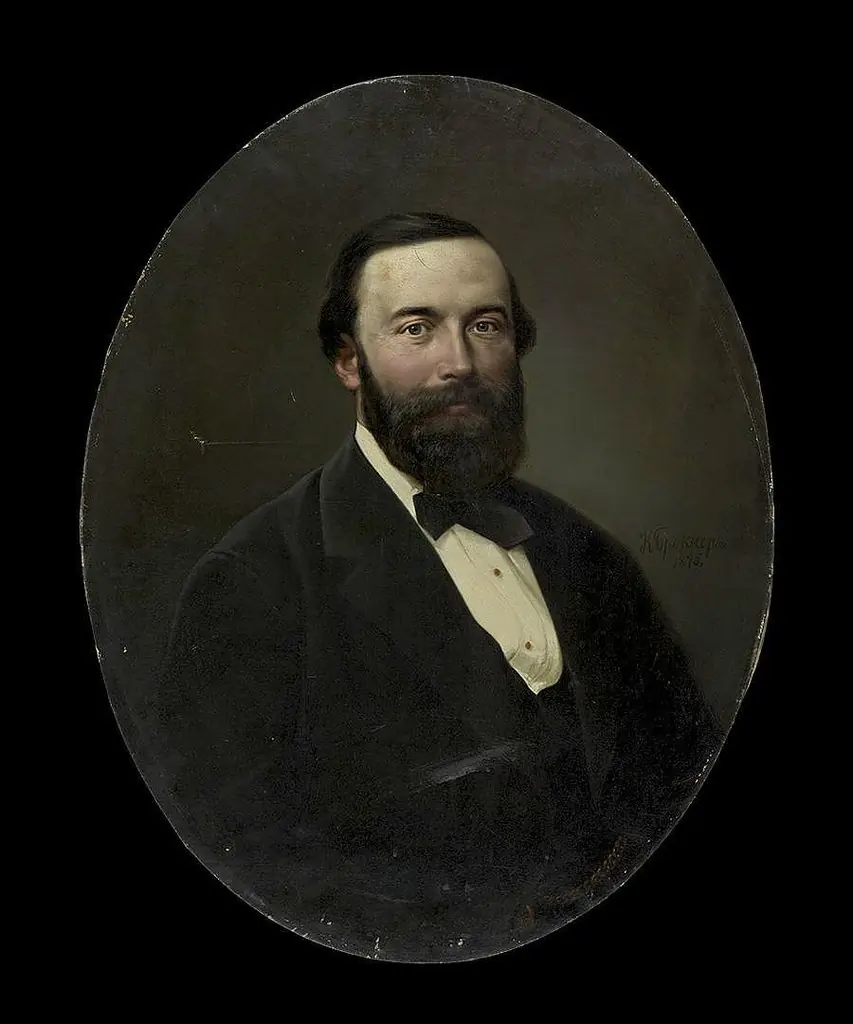 Portrait of a Merchant
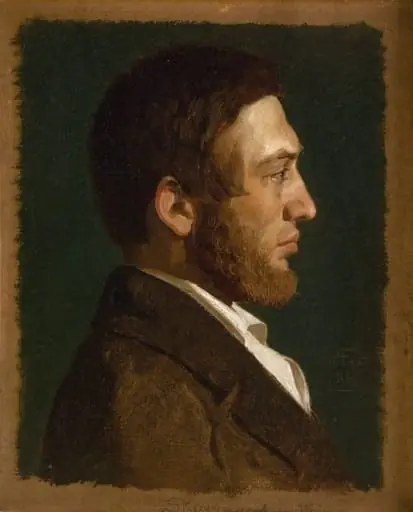 Portrait of the Painter P.C. Skovgaard
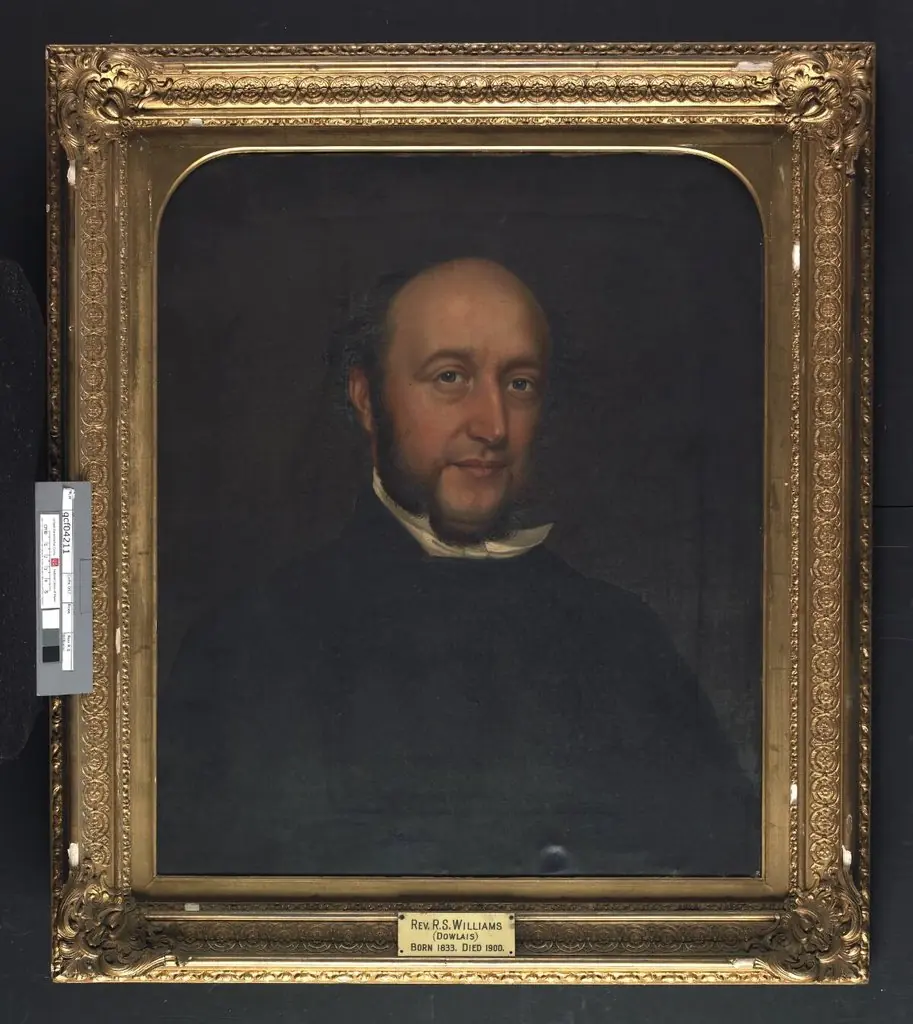 Rev R S Williams (Dowlais), 1833-1900
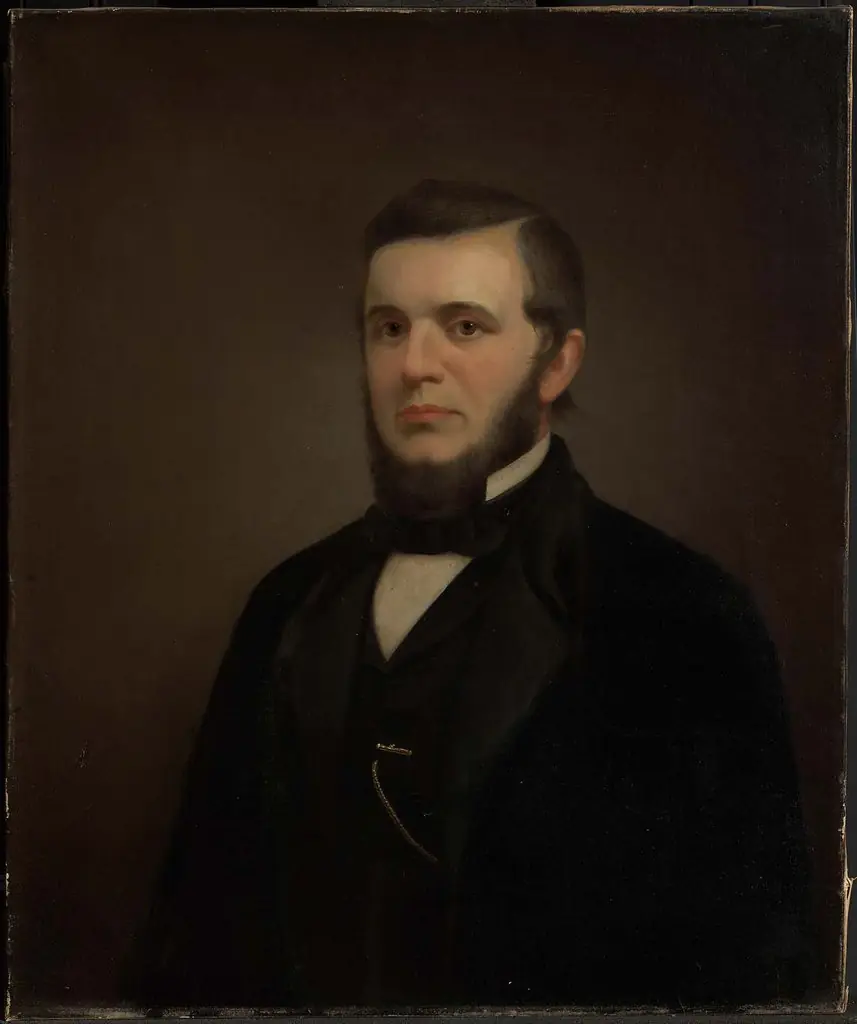 Portrait of Edward Gleason
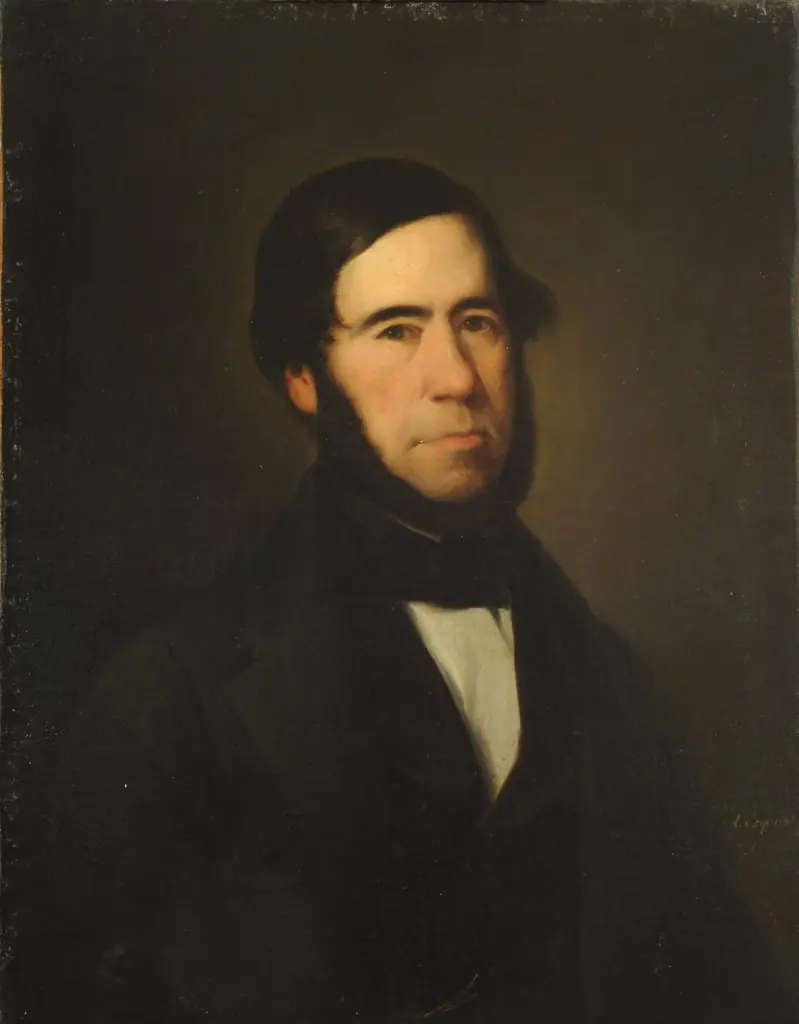 Portrait of Don Manuel José de Guerrico
 Rev John Morris, DD, 1813-96
 Thos Williams, JP, Gwaelodygarth 1823-03
 Ebenezer Cooper, Llangollen
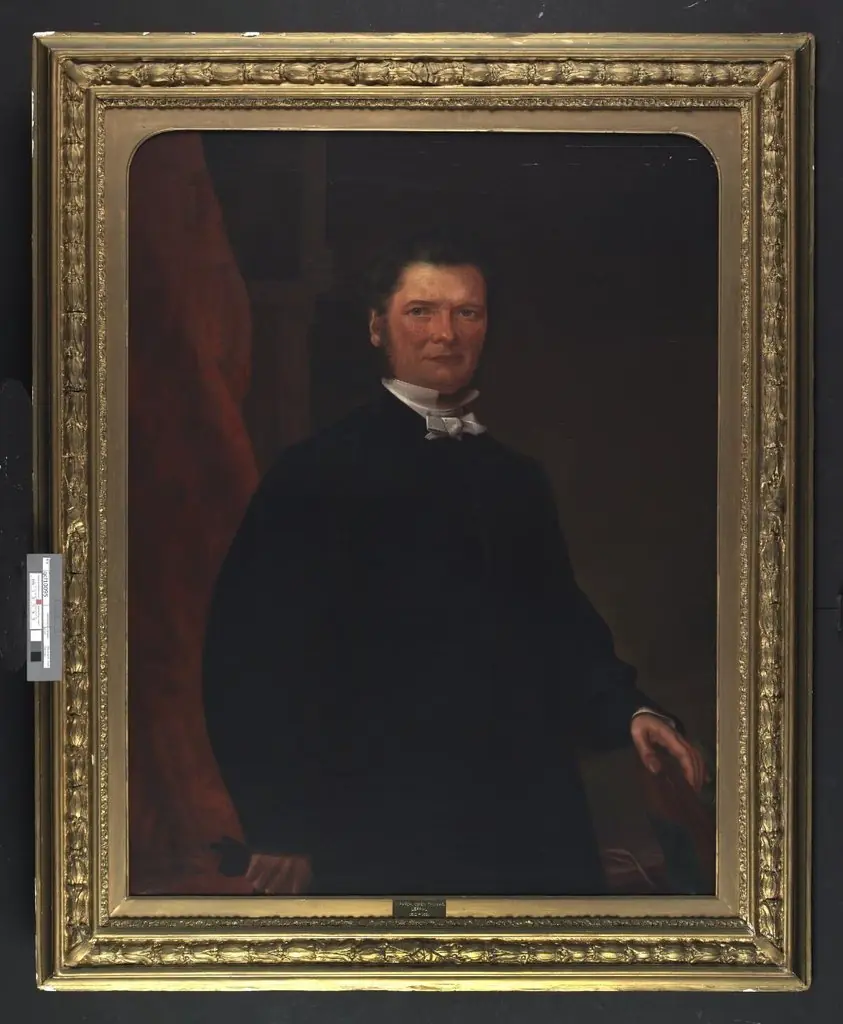 Rev. Owen Thomas
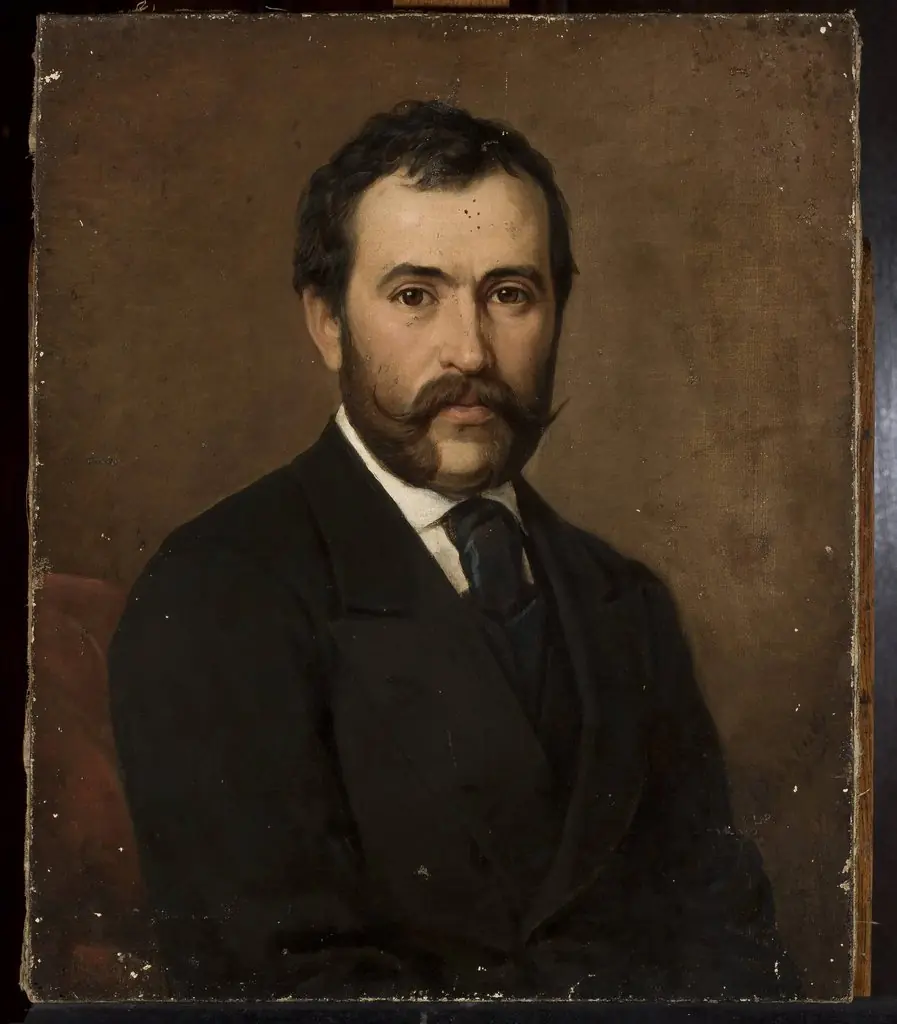 Male portrait