Artwork
Woman with a Towel
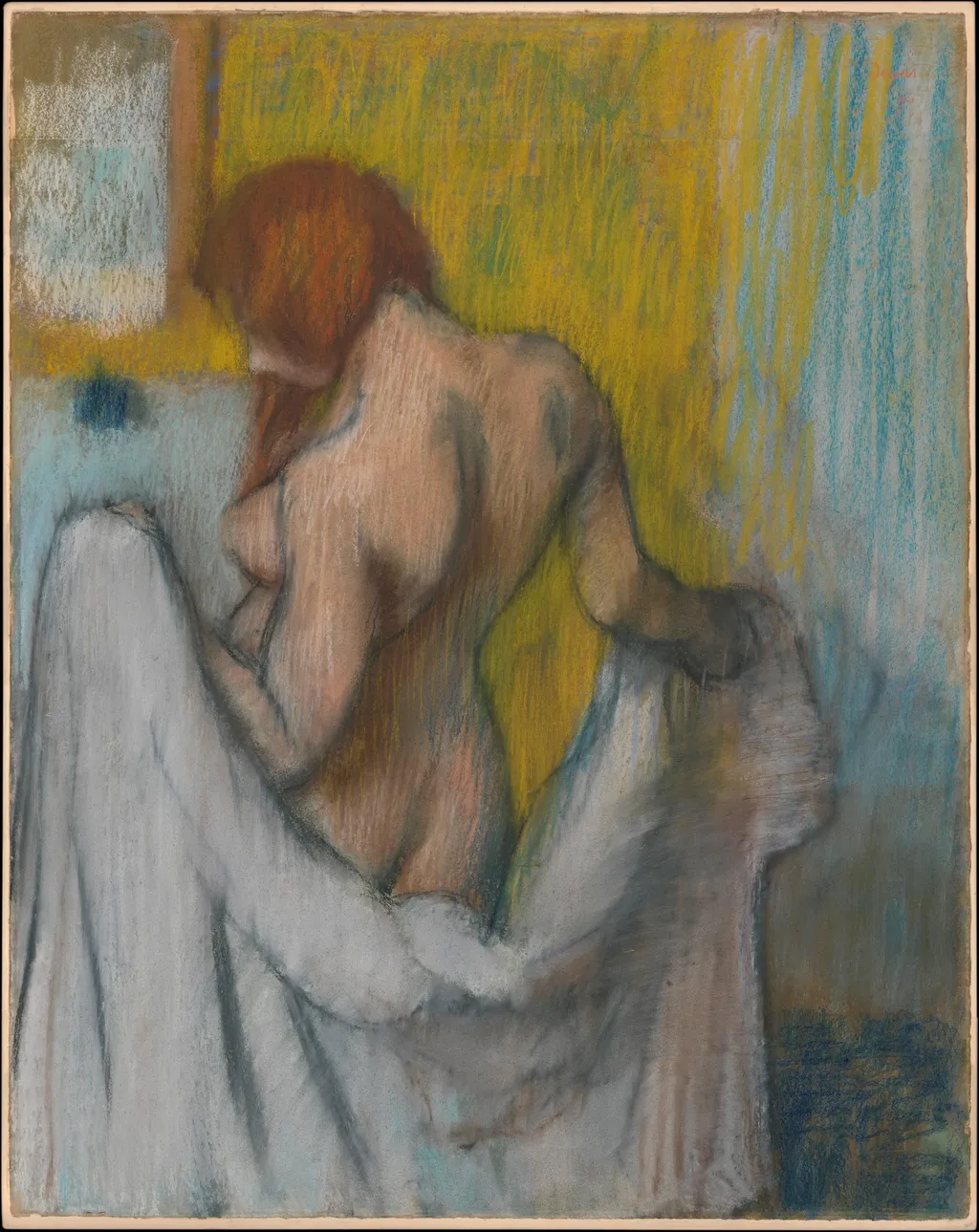
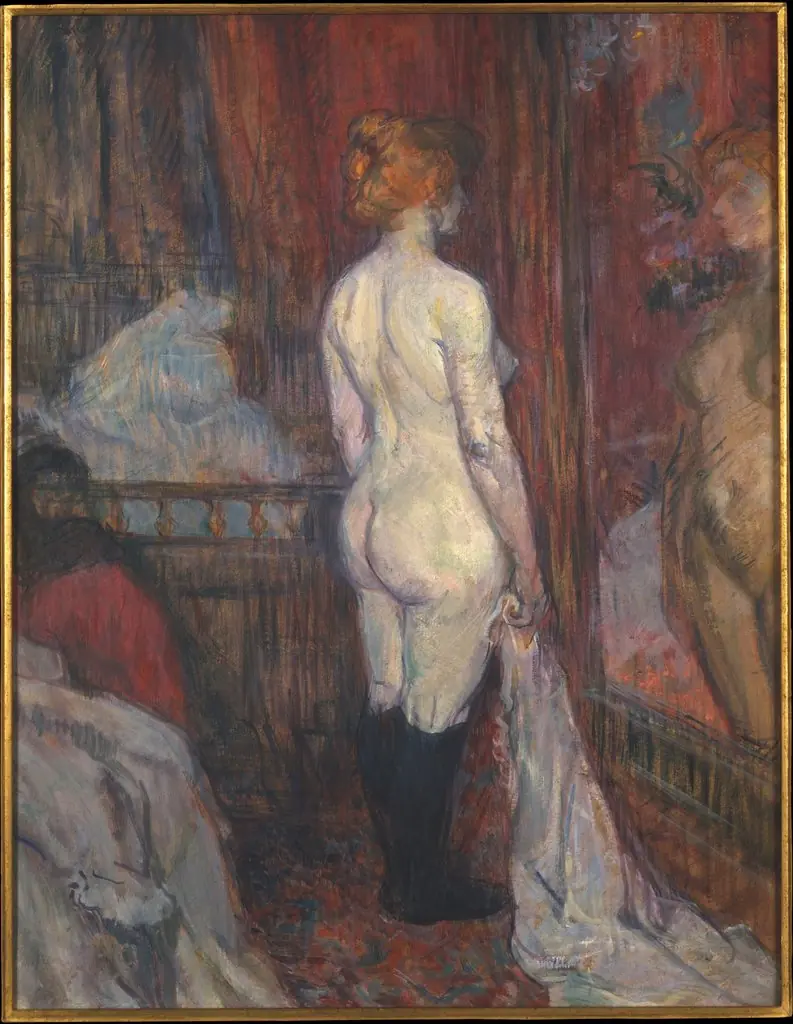
Woman with a Towel is an unspecified painting by the Impressionist artist Edgar Degas. It dates from 1898 and is held in the collection of the Metropolitan Museum of Art.
About this work
Subject & Meaning
The towel functions as a visual motif that situates the figure within a domestic context, suggesting activities of bathing or personal care.
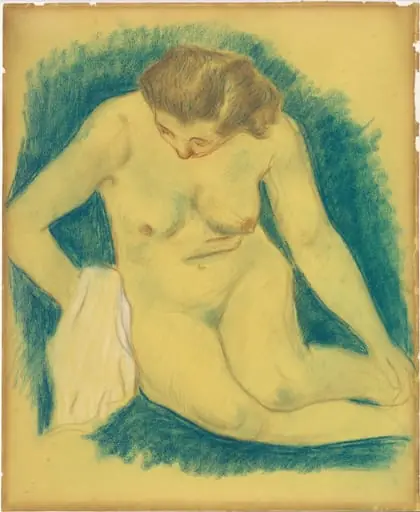
The painting shows a solitary nude woman clutching a towel, a detail recorded in the work's description. The towel functions as a visual motif that situates the figure within a domestic context, suggesting activities of bathing or personal care. As an 1898 canvas by Edgar Degas, it entered the Metropolitan Museum of Art through the collection of Louisine Havemeyer, illustrating the patronage of prominent American collectors.
The composition thus reflects both the intimate subject matter characteristic of Degas's later studies and the broader cultural circulation of his work among elite circles.
Technique & Style
Executed in 1898, Woman with a Towel is an oil painting on canvas by Edgar Degas. The work measures 95.9 cm in height and 76.2 cm in width. It depicts a nude woman holding a towel, reflecting the artist's characteristic focus on the female form and domestic intimacy.
The medium and support align with Degas's established practice of oil on canvas during this period, and the dimensions indicate a substantial, though not monumental, scale. The artwork is held in the collection of the Metropolitan Museum of Art, having previously been owned by Louisine Havemeyer, a significant example of Degas's late approach to the subject of the bather.
History & Provenance
Edgar Degas created the painting Woman with a Towel in 1898. The work was owned by Louisine Havemeyer, a prominent American collector of Impressionist art, before it entered the collection of the Metropolitan Museum of Art in New York, where it remains. The canvas measures approximately 95.9 by 76.2 centimeters and depicts a nude female figure holding a towel, consistent with Degas's late-period studies of the human form.
The date of inception is recorded as 1898, placing the work within the final decade of the artist's career.
Overview
Woman with a Towel, executed by Edgar Degas in 1898, depicts a female figure viewed from behind as she dries her hair with a towel. The composition focuses on the intimate, unposed moment of bathing, a recurring theme in Degas's late career. The sitter's back is turned to the viewer, emphasizing the curve of her spine and the wet, reddish texture of her hair.
Degas employs a palette of soft blues, yellows, and whites to render the scene, utilizing quick, loose brushstrokes that convey movement and immediacy. The towel drapes heavily over her arm, creating a sense of weight and tactile reality against the fuzzy, indistinct background of the room. This work exemplifies Degas's mature style, where he moved away from academic finish toward a more experimental approach that prioritized the observation of natural light and candid human behavior.
Created during a period when the artist was increasingly focused on pastel and monotype techniques, this painting reflects his enduring interest in the private lives of women and his ability to capture fleeting gestures with psychological depth and formal innovation.
Own this work as a print
Artist & collection

Artist
Born Hilaire-Germain-Edgar De Gas on 19 July 1834 in Paris, Edgar Degas came from an affluent banking family with aristocratic roots and spent his childhood among the cultivated circles of the French capital.