Artwork
Rose and Amelie
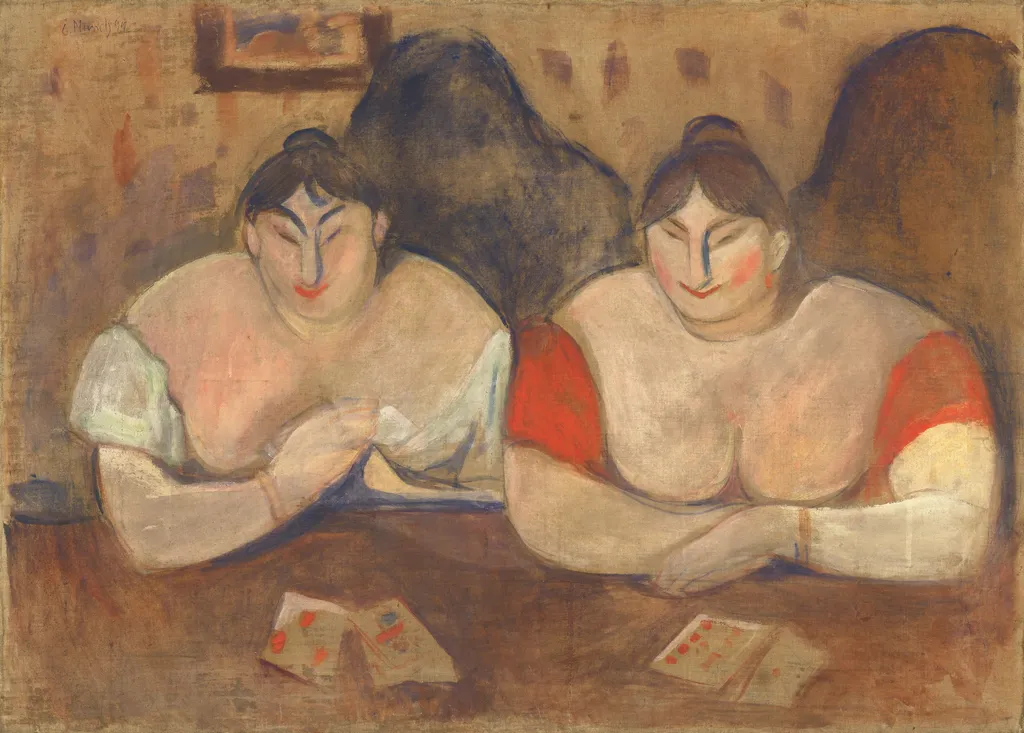
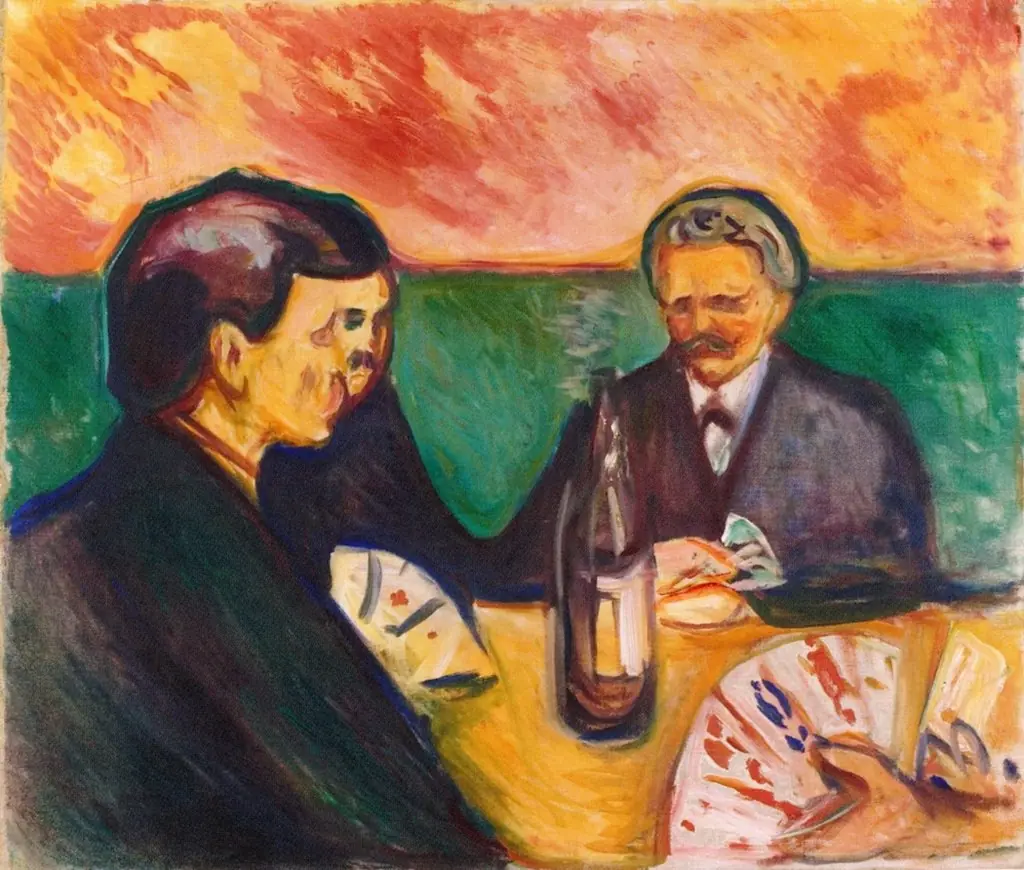
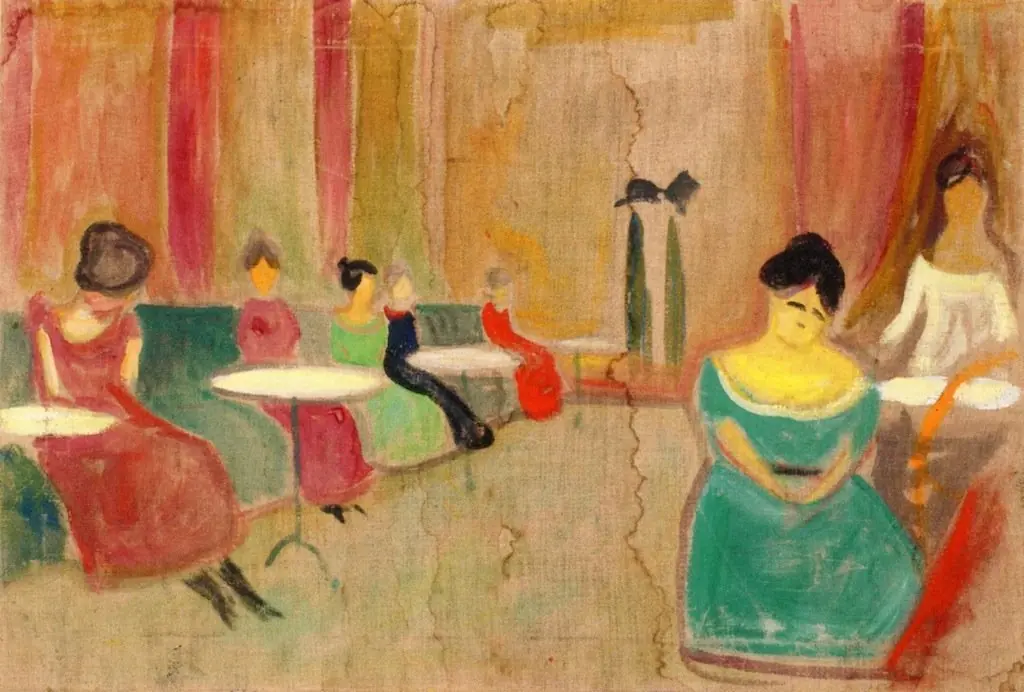
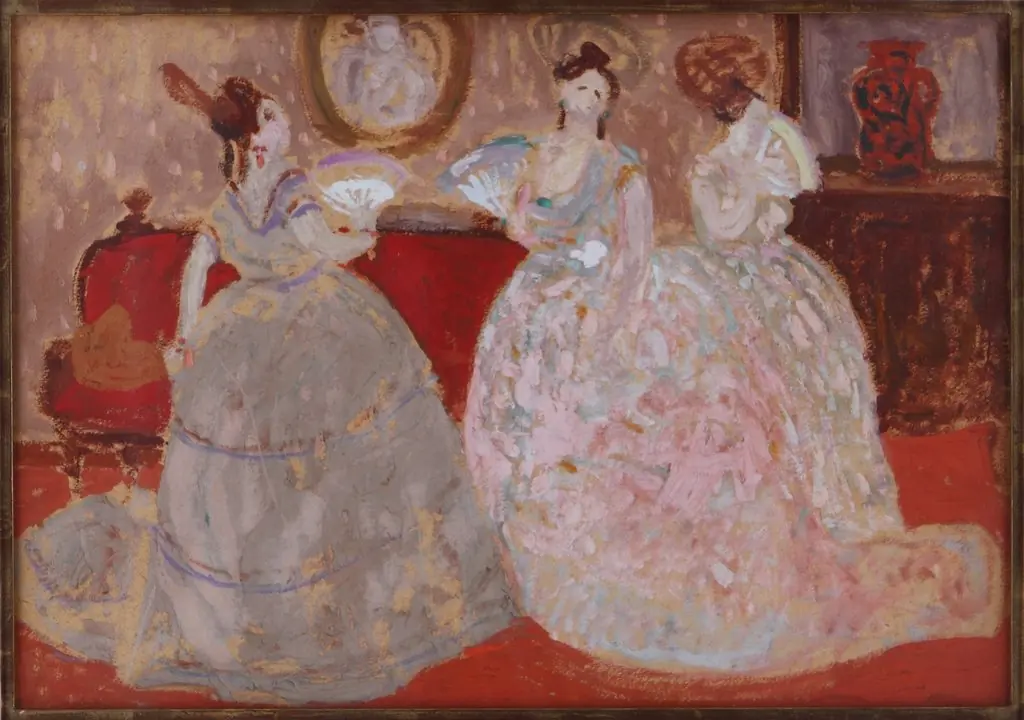
Rose and Amelie is an oil painting by the Post-Impressionist artist Edvard Munch. It dates from 1898 and is held in the collection of the Stenersen Museum.
About this work
If you're interested in exploring more works by Edvard Munch, you can visit the Munch Museum, which houses an extensive collection of his paintings and prints.
The painting "Rose and Amelie" by Edvard Munch, created in 1894, showcases two women seated at a table. The woman on the left wears a white dress with puffy sleeves, while the woman on the right is dressed in red and white. The table between them holds playing cards, indicating a game in progress. The background of the painting is a warm, earthy tone, with hints of brown and beige.
A notable detail in the painting is the use of bold, expressive brushstrokes, which add a sense of energy and movement to the scene. The women's faces are rendered with a mix of realism and abstraction, giving them a sense of depth and emotion.
If you're interested in exploring more works by Edvard Munch, you can visit the Munch Museum, which houses an extensive collection of his paintings and prints.
Overview
Rose and Amelie, painted in 1894 by Edvard Munch, is an oil on canvas portrait depicting two seated women engaged in a card game, characterized by expressive brushwork and a muted, earthy-toned background.
Subject & Meaning
The painting captures an intimate moment between two women, one in white and the other in red and white, their faces blending realism with abstraction to convey depth of emotion. The setting and subjects suggest a private, everyday scene.
Technique & Style
Munch employed bold, expressive brushstrokes, imbuing the scene with energy. The post-impressionist approach is evident in the emphasis on personal expression and the balance between realistic and abstract elements in the women's portrayals.
History & Provenance
Created in 1894, 'Rose and Amelie' is part of the Munch Museum's collection, reflecting the artist's formative period influenced by his challenging childhood and training at the Royal School of Art and Design in Kristiania.
Context
The work aligns with the post-impressionist movement's focus on subjective experience and emotional depth, distinguishing it from more literal representations of everyday life prevalent in contemporary art.
Legacy
As part of Munch's oeuvre, 'Rose and Amelie' contributes to the broader understanding of his psychological and emotional exploration through art, though its specific impact within his body of work is less prominently highlighted compared to some of his other pieces.
Own this work as a print
Artist & collection
Artist
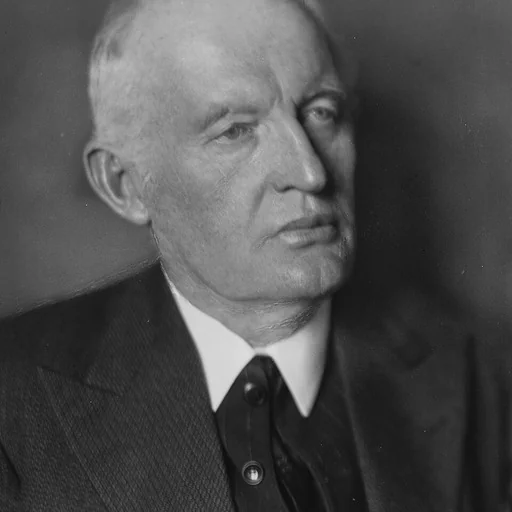
Edvard Munch ( MUUNK; Norwegian:; 12 December 1863 – 23 January 1944) was a Norwegian painter.