Art Museum
Munch Museum

Image: Wikimedia Commons.
Munch Museum is an art museum in Oslo Municipality, Norway. 955 works from its collection are in this catalog, including Edvard Munch and Ludvig Karsten.
About Munch Museum
Munch Museum (Norwegian: Munch-museet), marketed as MUNCH since 2020, is an art museum in Bjørvika, Oslo, Norway, dedicated to the life and works of the Norwegian artist Edvard Munch.
The Munch Museum exhibits the full breadth of Edvard Munch’s artistry, along with contemporary art and world-class international exhibitions. They also offer a vibrant programme of music, performances, talks, and activities for children and young people. MUNCH aims to expand the idea of what a museum can be and to open new perspectives and experiences.
The history of the Munch Museum began at Tøyen, when it was decided in 1951 that this would be the museum’s location.
Overview
The Munch Museum, marketed as MUNCH since 2020, is an art museum located in the Bjørvika district of Oslo, Norway, dedicated to the life and works of the Norwegian artist Edvard Munch. The institution holds one of the world's largest collections of works by a single artist, comprising nearly 28,000 artworks and over 42,000 unique museum objects. Beyond Munch's oeuvre, the museum presents contemporary art exhibitions, music, performances, and educational programs, aiming to redefine the role of a museum as a social gathering space and a center for research and innovation.
History & Founding
The museum's origins trace back to Edvard Munch's lifetime, as he was involved in discussions regarding a dedicated museum. In 1951, the City of Oslo decided to establish the museum at Tøyen. The original Munch Museum opened in 1963, coinciding with the centenary of Munch's birth, following his bequest of his entire artistic production to the municipality.
The collection at Tøyen included over 1,200 paintings, 18,000 prints, and various other items. In 2021, the museum relocated to a new facility in Bjørvika, moving 28,000 pieces of art from the Tøyen site to the new waterfront location.
Architecture & Building
The new museum building, known as 'Lambda,' was designed by the Spanish architecture firm Estudio Herreros (Juan Herreros and Jens Richter) and completed in 2021. Standing 60 meters tall with 13 floors, the tower is clad in recycled, perforated aluminium panels of varying translucency that reflect Oslo's changing light. The design features a vertical organization with a three-storey podium and two distinct zones: a static, enclosed concrete structure for art conservation and a dynamic, transparent zone for visitors.
The building adheres to FutureBuilt criteria, utilizing low-carbon concrete, recycled steel, and passive building standards to minimize energy consumption and greenhouse gas emissions.
Collection & Notable Holdings
The core of the museum is Edvard Munch's bequest, which includes the artist's entire production of paintings, prints, and sculptures, ensuring the museum holds at least one copy of all his prints. The collection also encompasses the private collections of Rolf Stenersen, Amaldus Nielsen, and Ludvig O. Ravensberg, providing a broader view of Norwegian art history over nearly a century. The museum houses significant works such as multiple versions of 'The Scream' and 'Madonna,' alongside large-scale monumental paintings and experimental woodcuts. The collection is managed by a dedicated Conservation Department that researches Munch's untraditional use of materials.
Significance & Legacy
MUNCH serves as a pivotal cultural institution in Norway, acting as both a guardian of Munch's legacy and a hub for contemporary artistic dialogue. It conducts pioneering research in art history, conservation, and curatorial practice, publishing findings through academic and popular platforms. The move to the Bjørvika waterfront has established the museum as a new reference point in Oslo's skyline, fostering urban regeneration and connecting the public to the city's history.
The museum's mission extends beyond exhibition to include education, performance, and community engagement, reflecting Munch's own spirit of challenging conventions.
Research & Conservation
The museum maintains a specialized Conservation Department staffed by paintings and paper conservators, art technicians, and museum scientists. This team is responsible for the care of the collection and conducts research into Munch's experimental techniques and material usage, which often pose unique preservation challenges. The museum also operates a research library containing literature on Munch and visual art, his private library, and transcriptions of his correspondence and journals.
These resources are available for in-house and external research, supporting the museum's role in generating new insights into modernism and Munch's specific contributions.
What to see at Munch Museum
Start with People and Timber Transport in a Kragerø Street by Edvard Munch.
See all highlights at Munch Museum →Munch Museum by the numbers
- Founded
- 1963
Works from Munch Museum
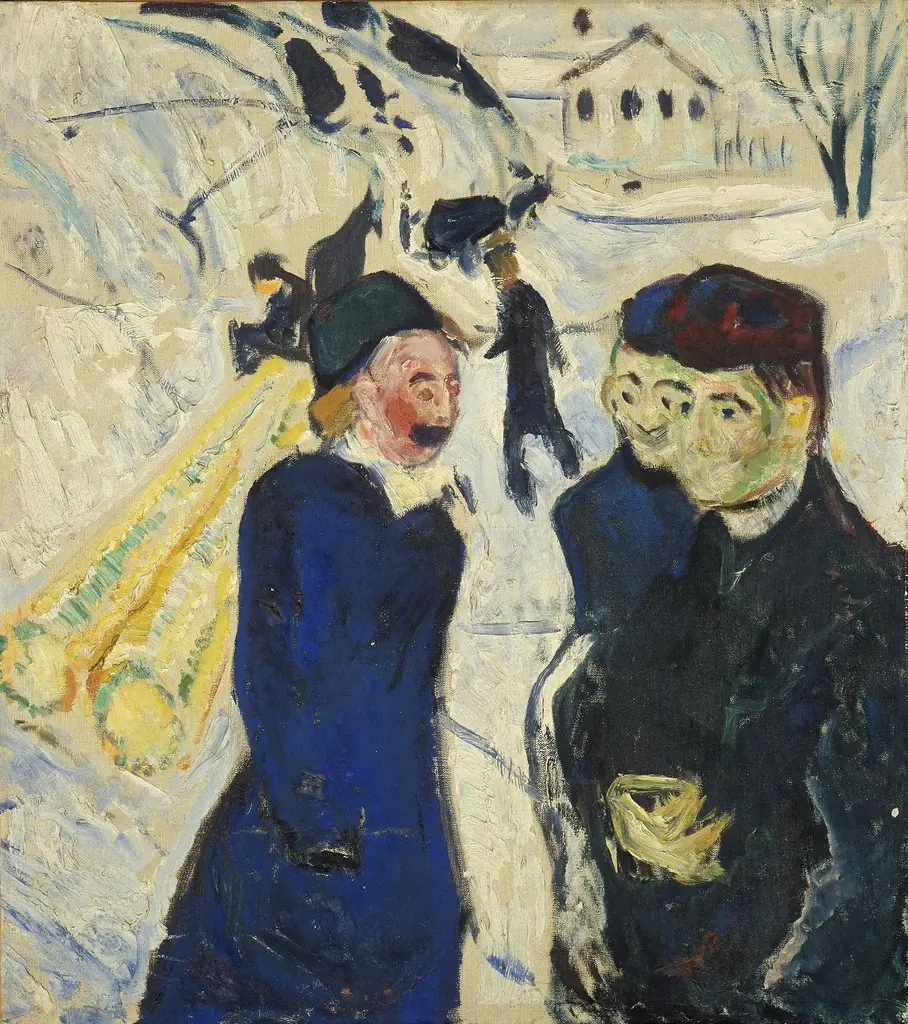 People and Timber Transport in a Kragerø Street
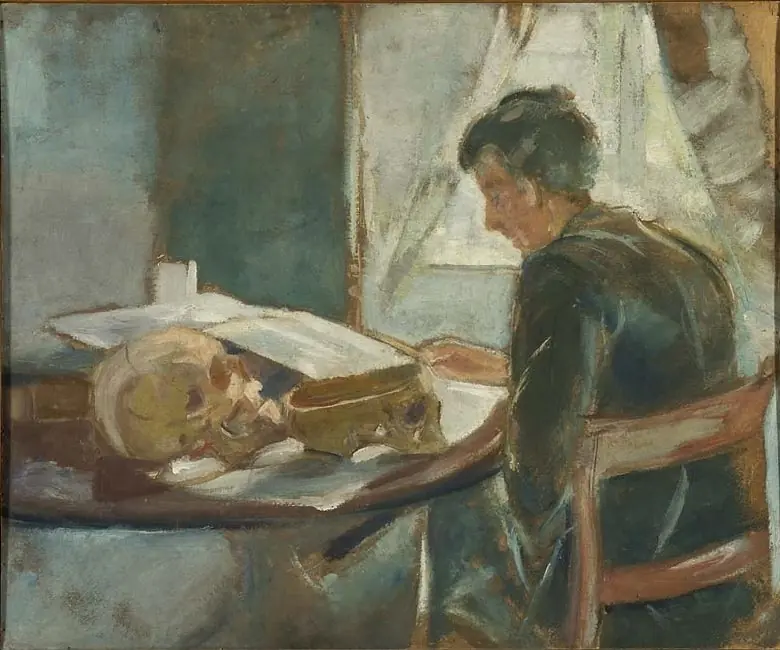 Andreas Munch Studying Anatomy
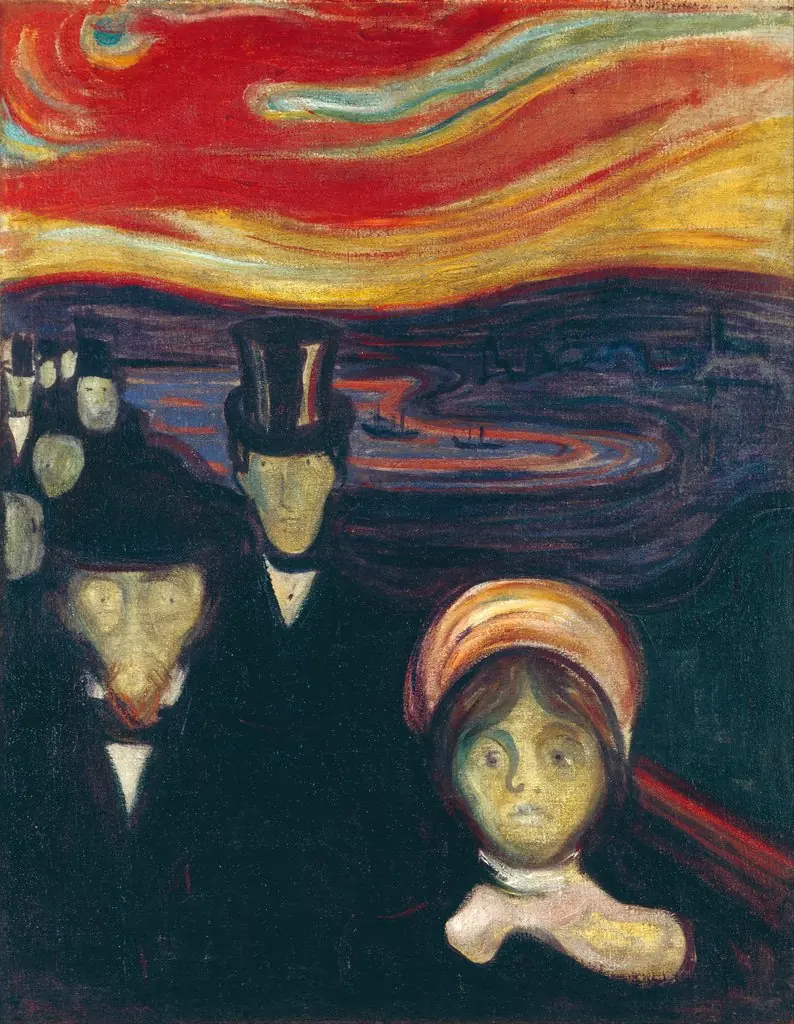 Anxiety
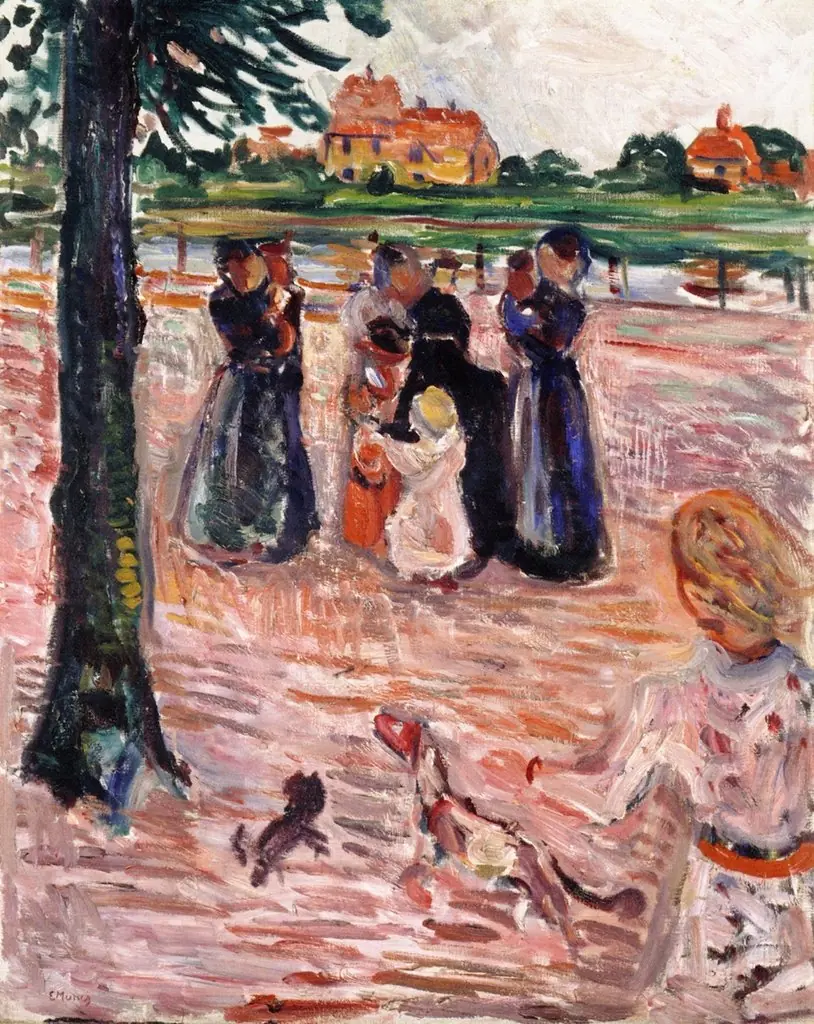 Women and Children in Warnemünde
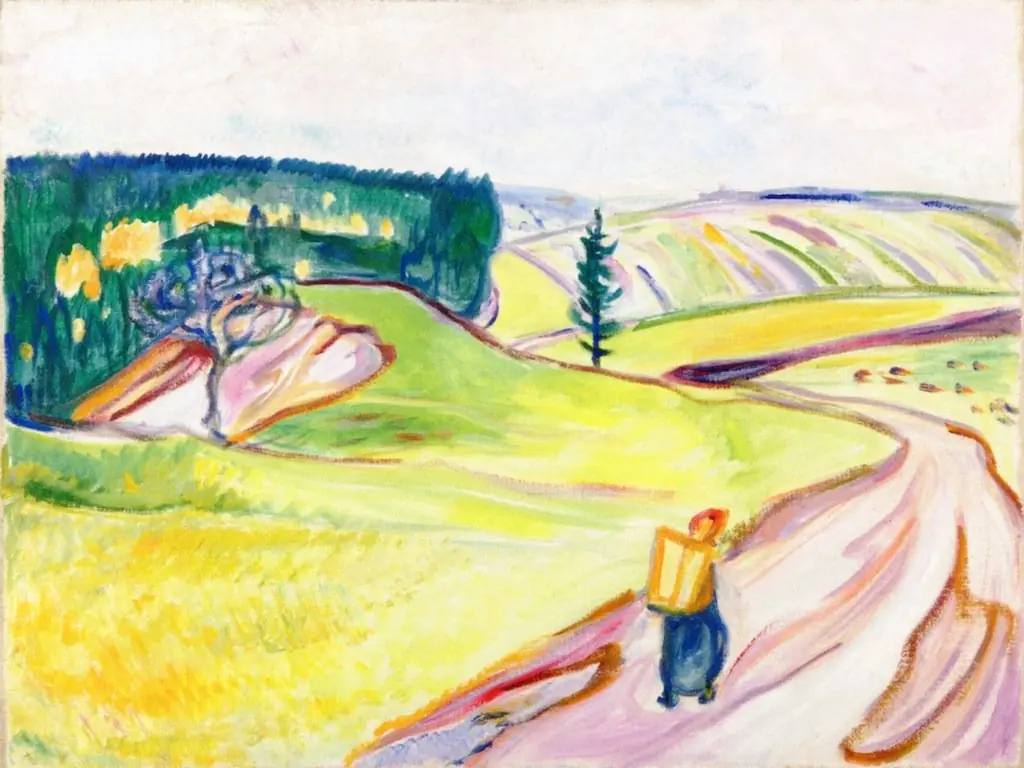 Road in Thüringen
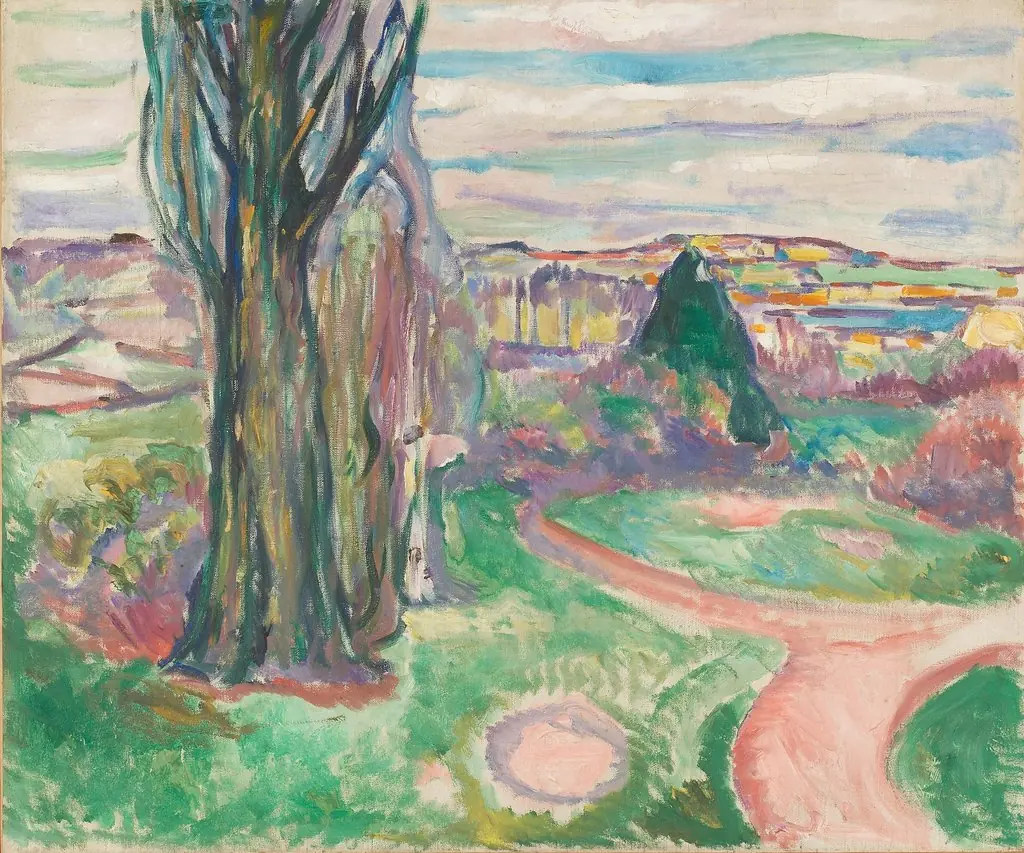 From Jeløya
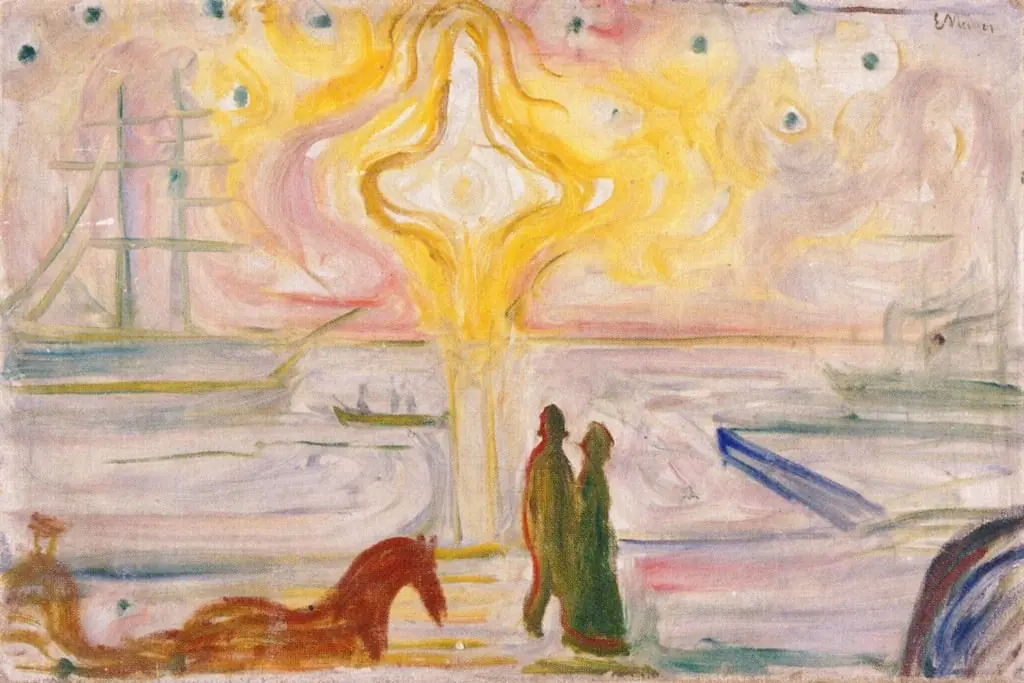 Sunrise in the Harbour
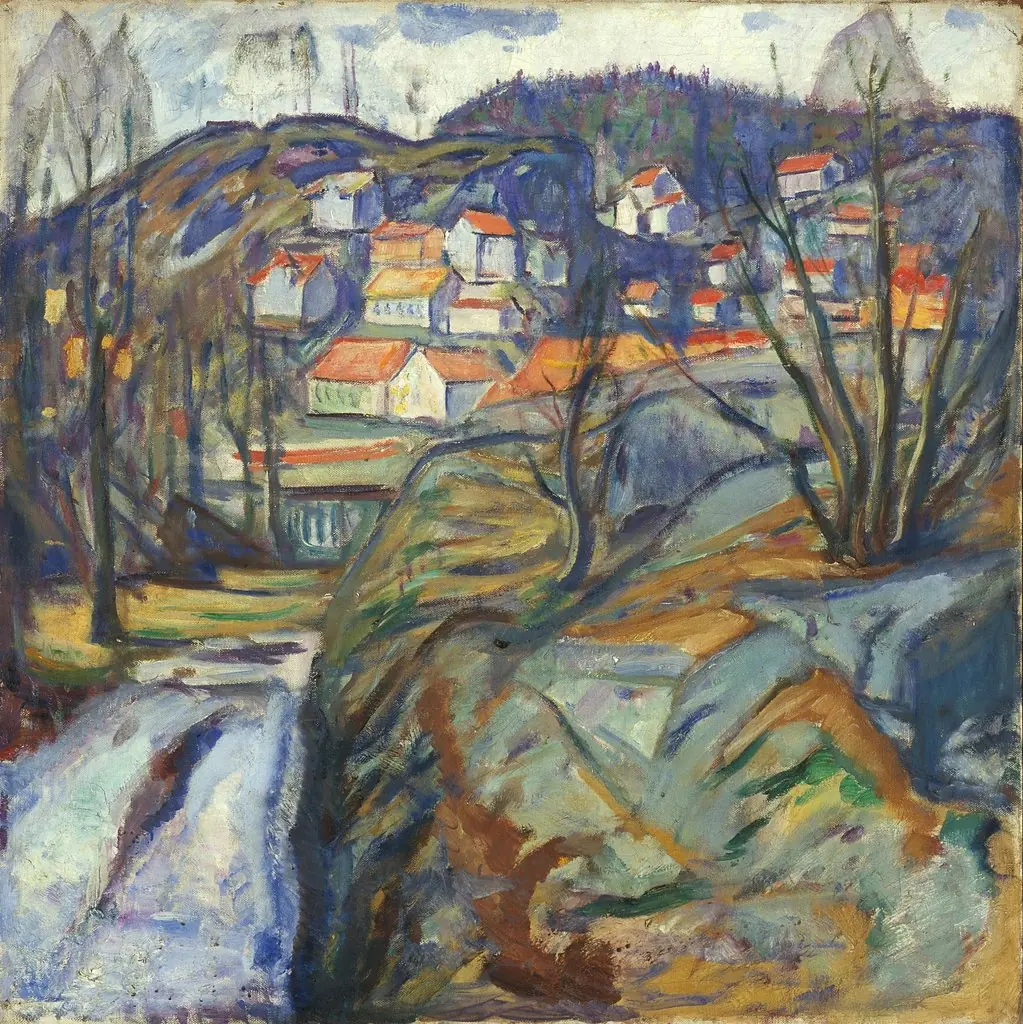 Kragerø in Spring
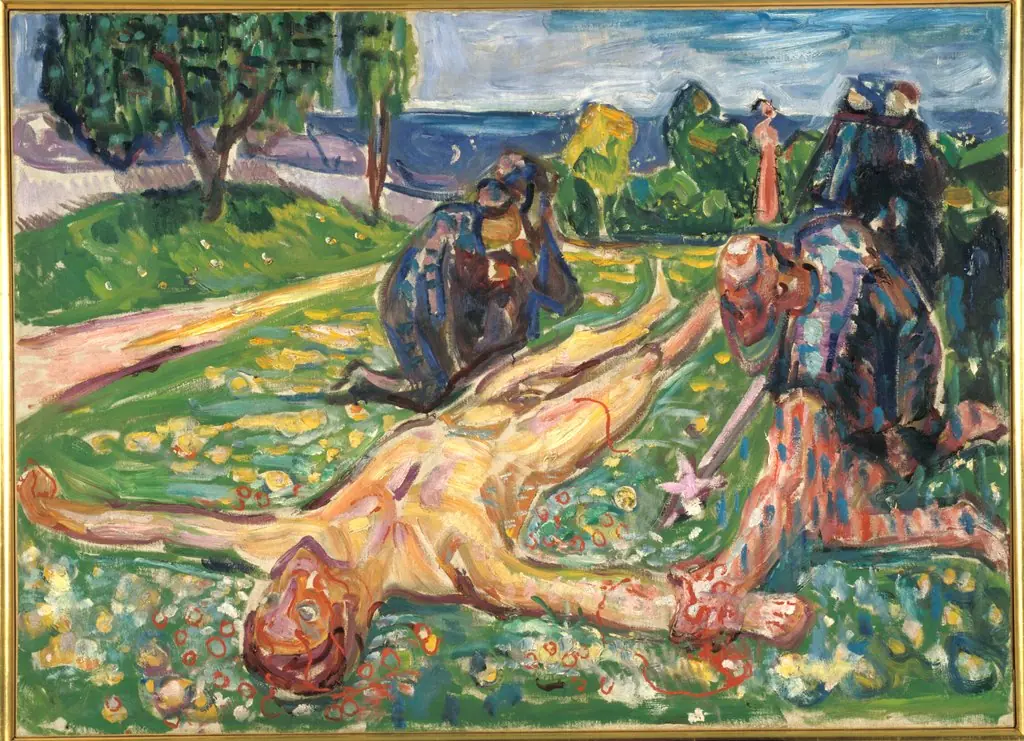 Sigurd Slembe
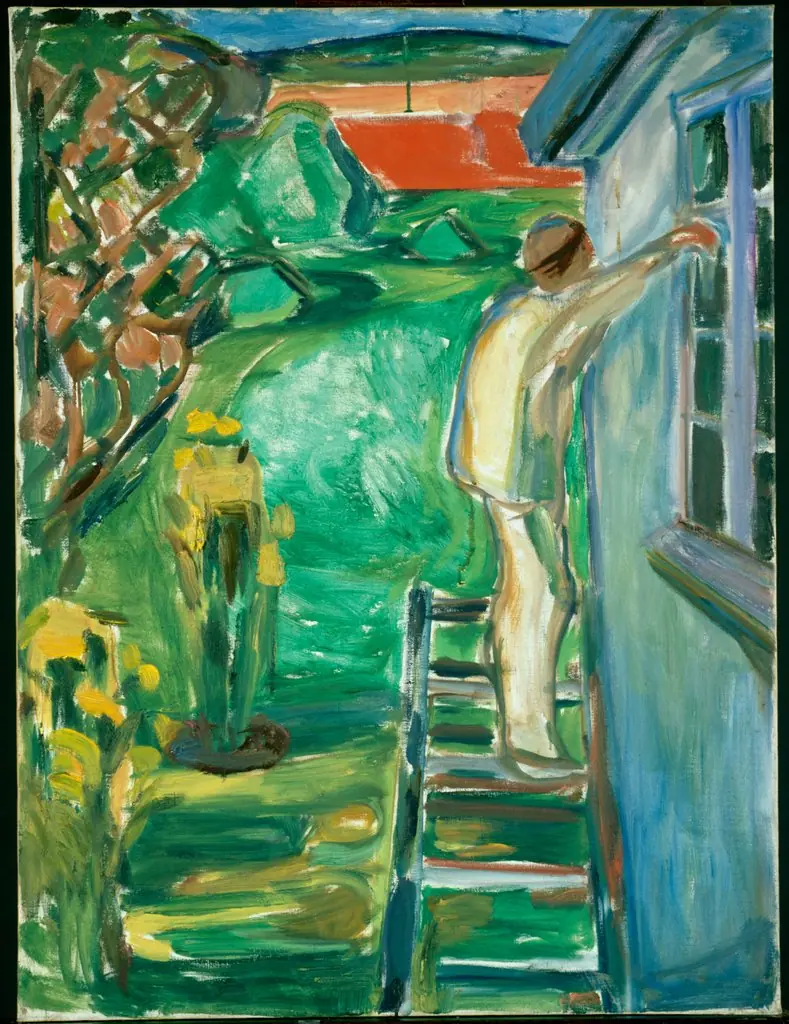 Painter by the Wall
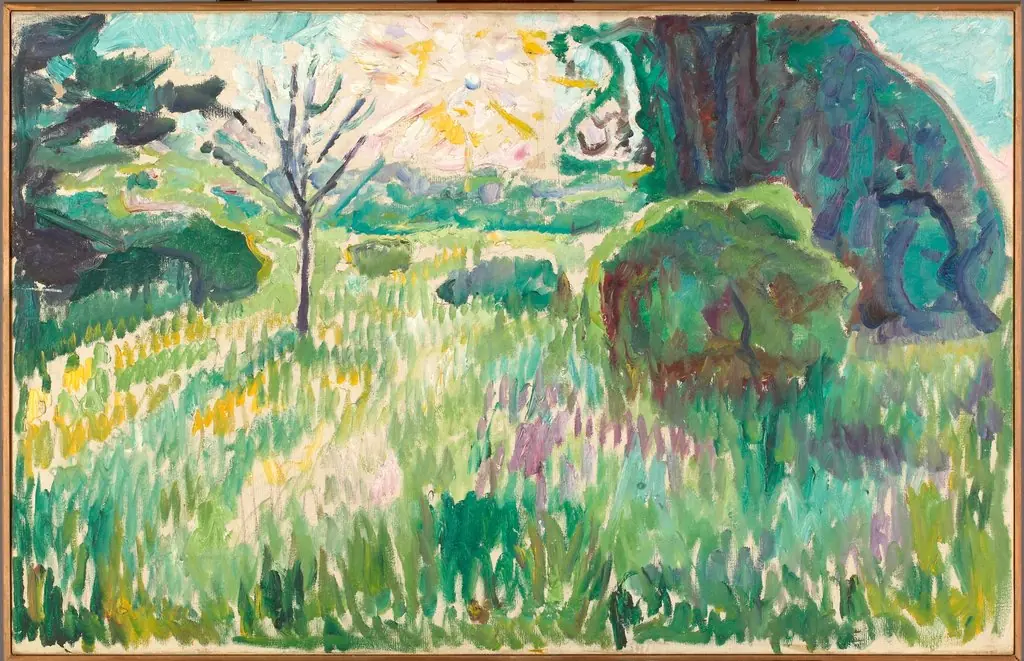 Morning in the Garden
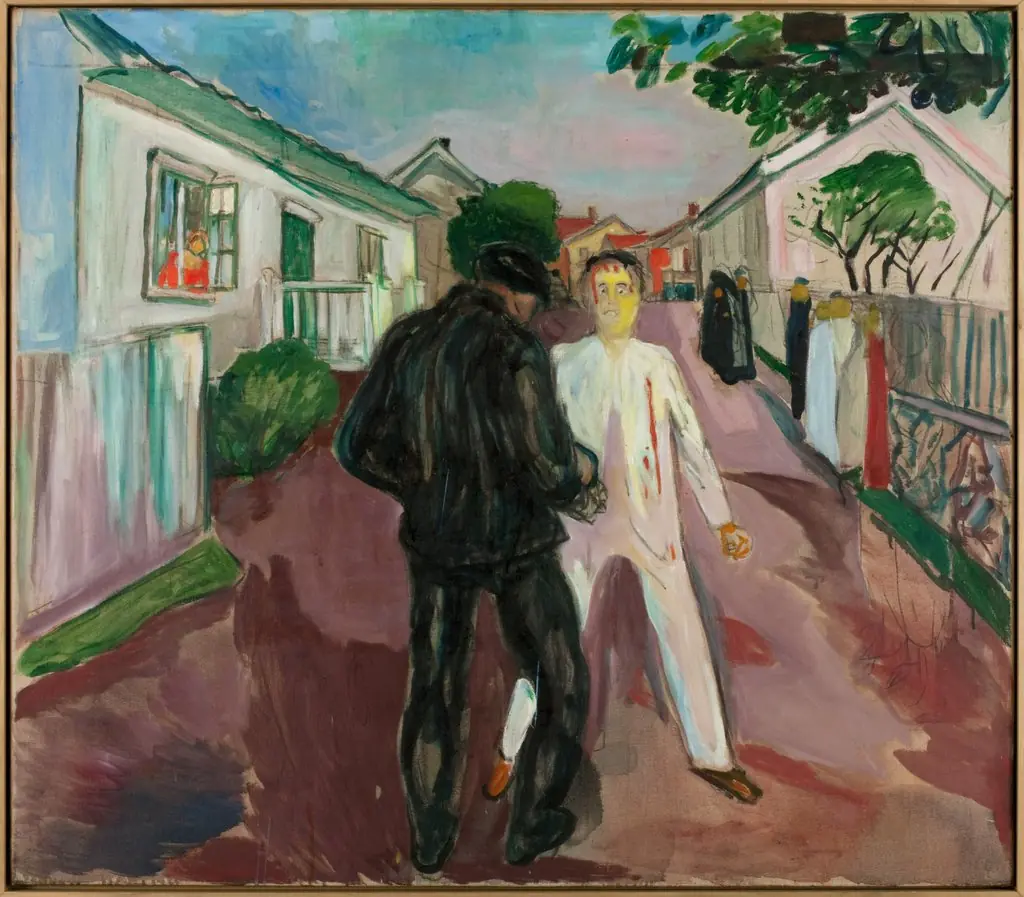 The Fight
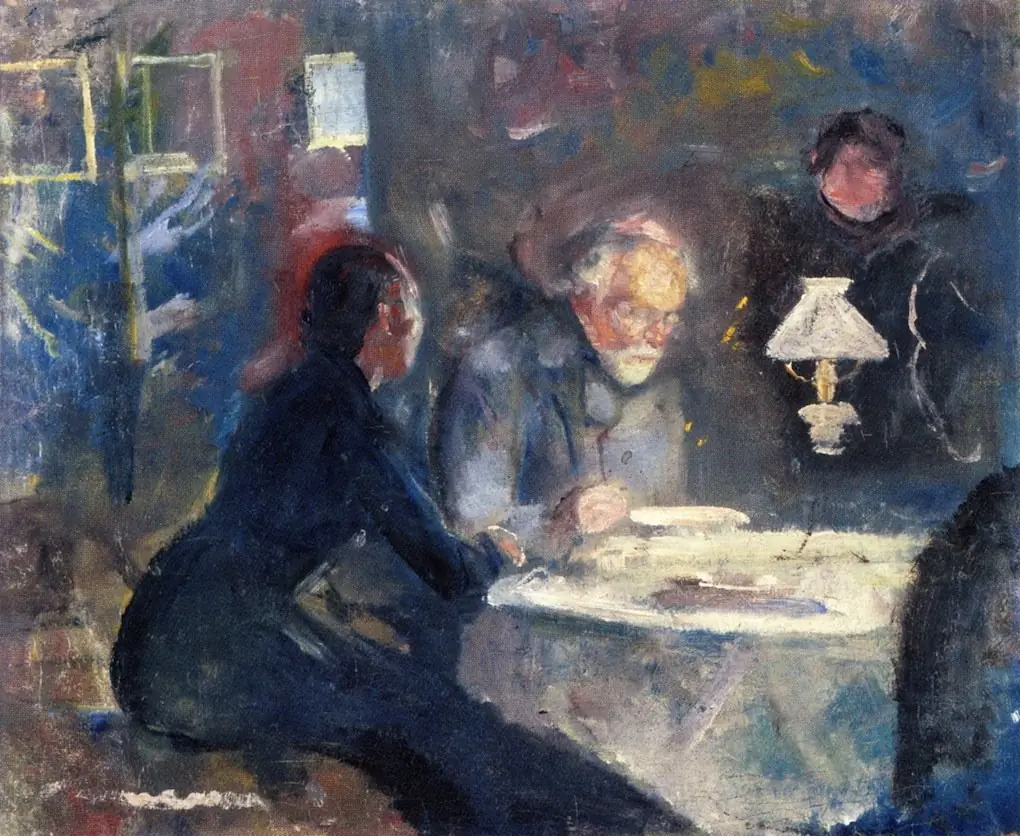 At Supper
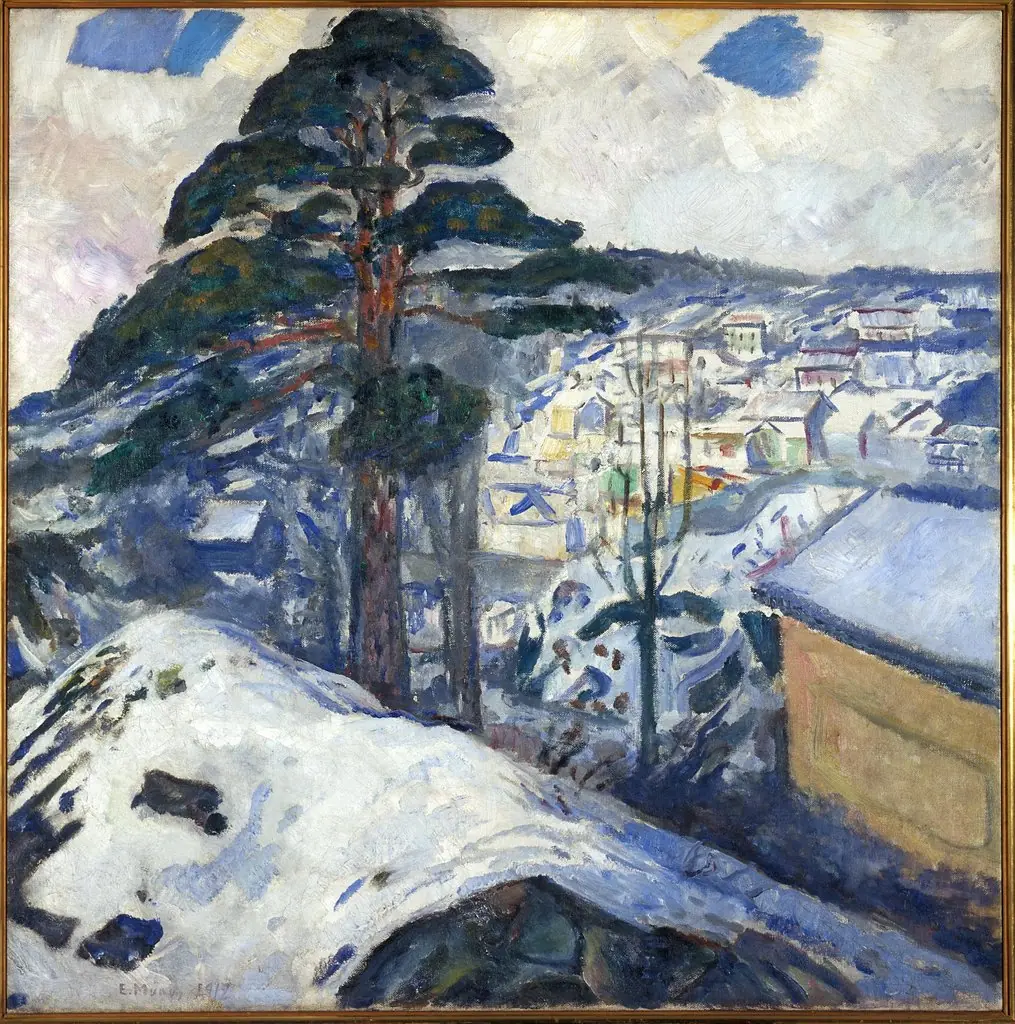 Winter in Kragerø
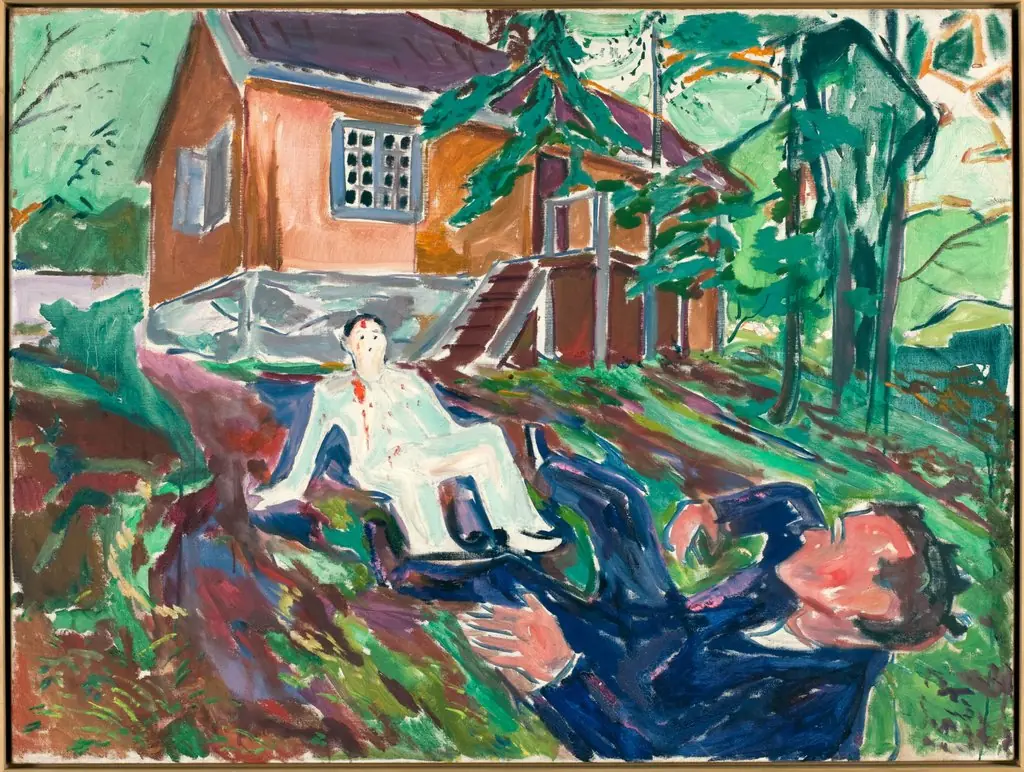 The Fight
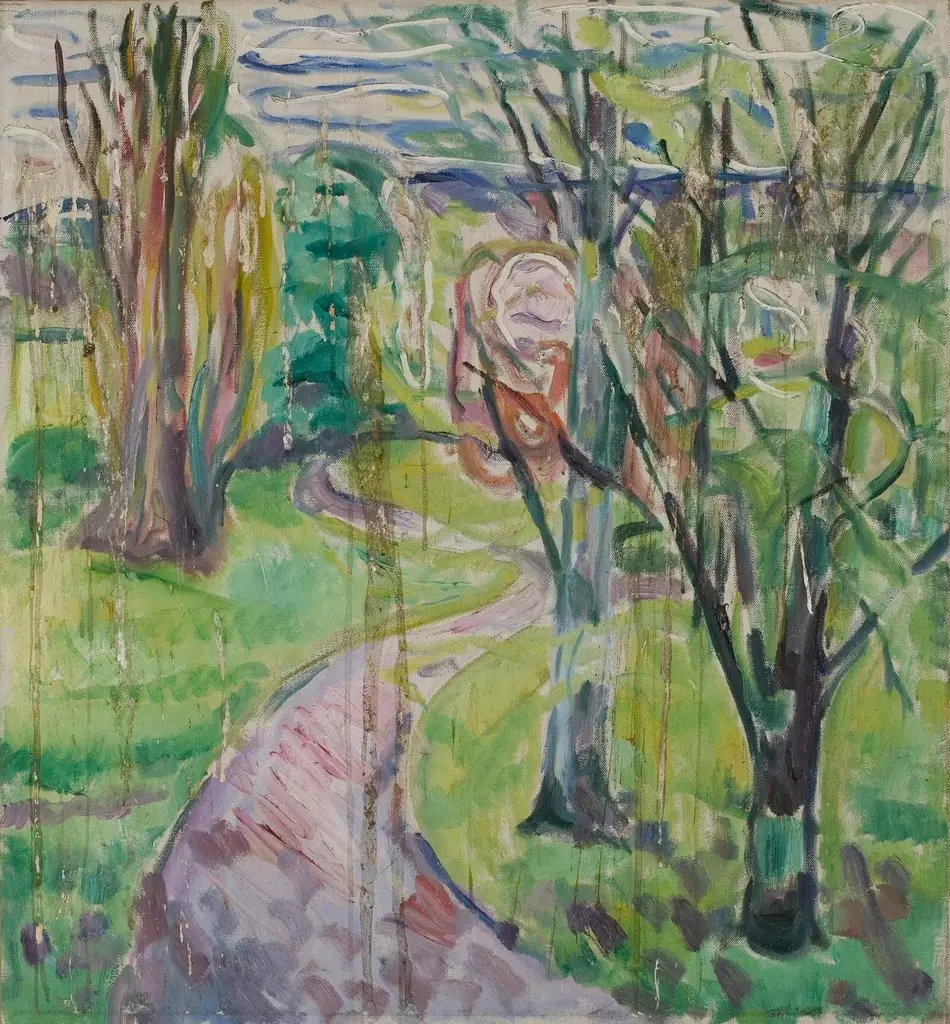 From Jeløya
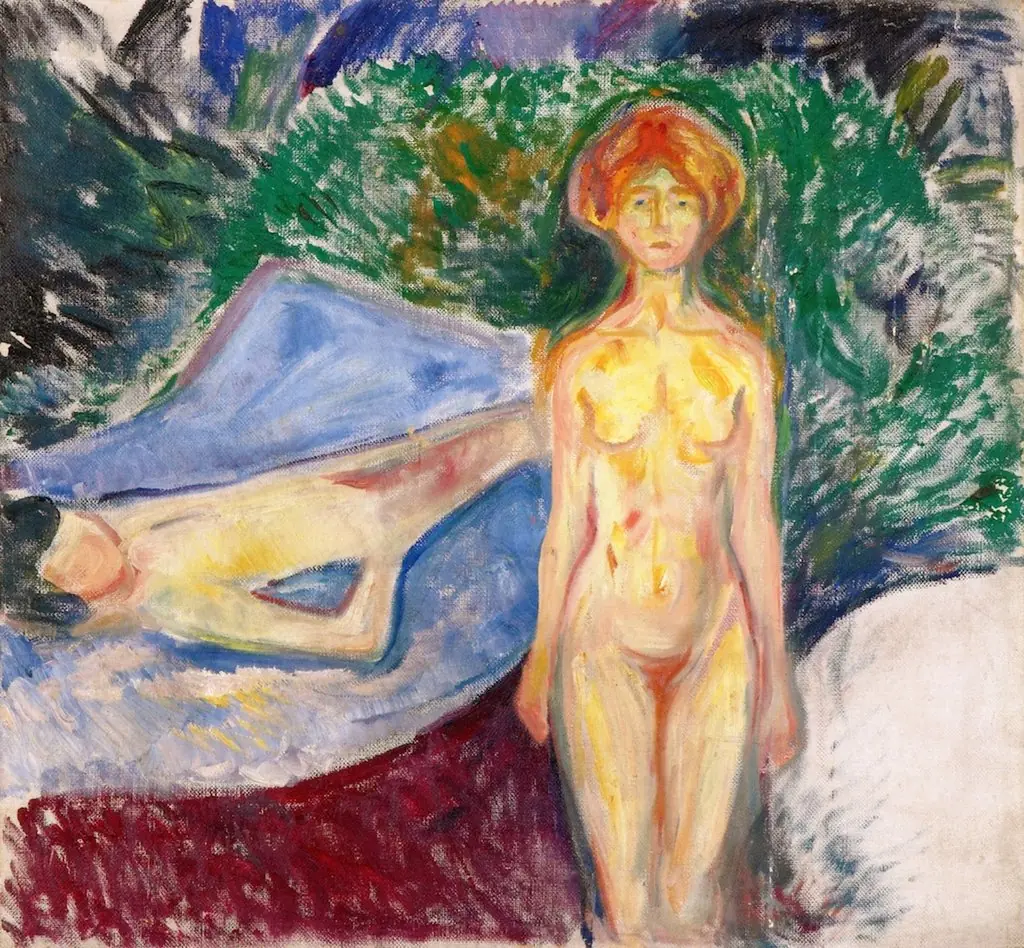 The Death of Marat
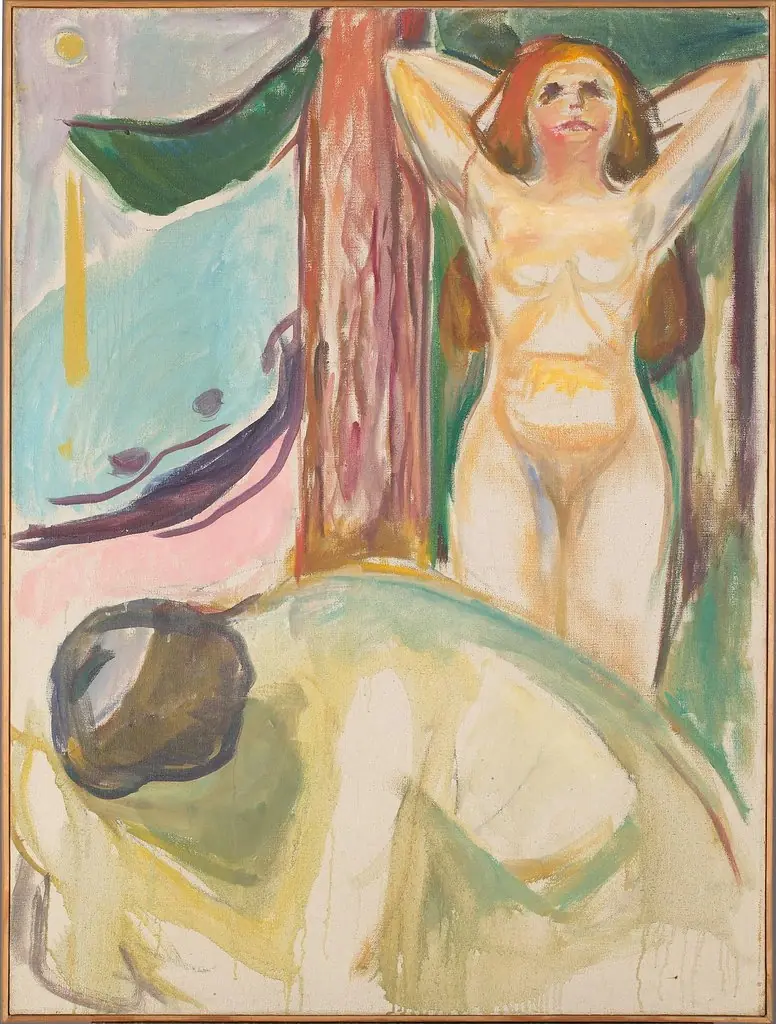 Naked Couple on the Beach
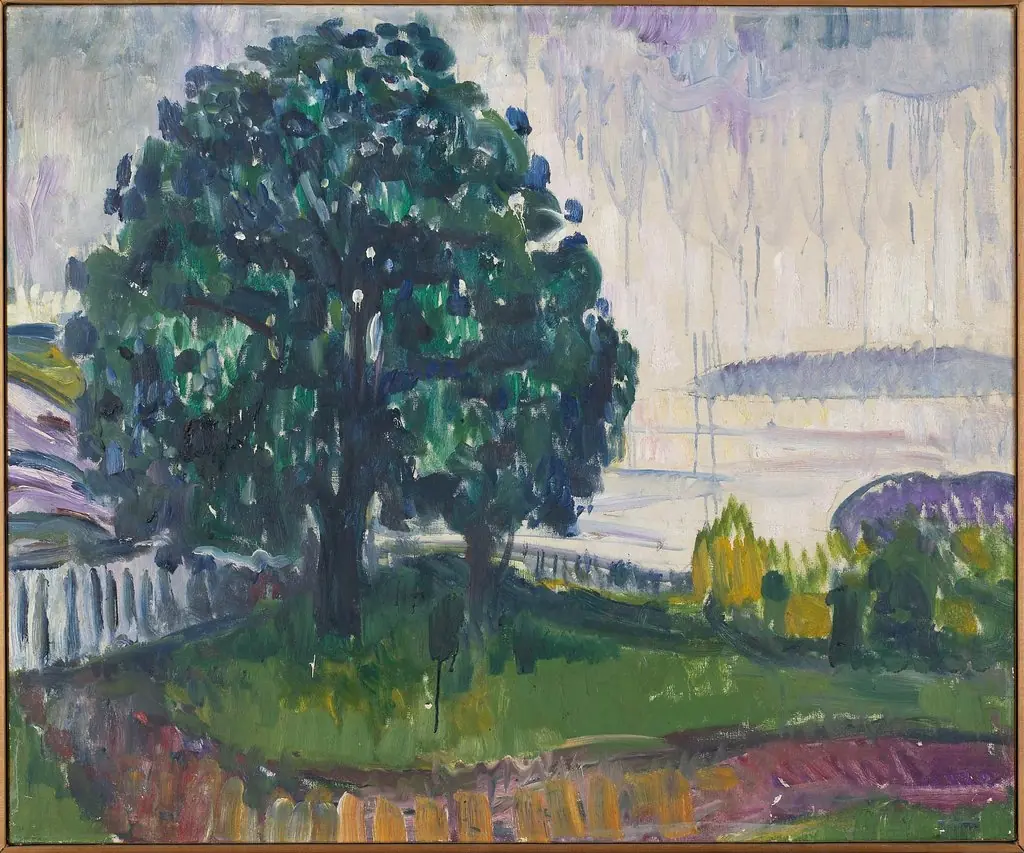 Trees by the Sea
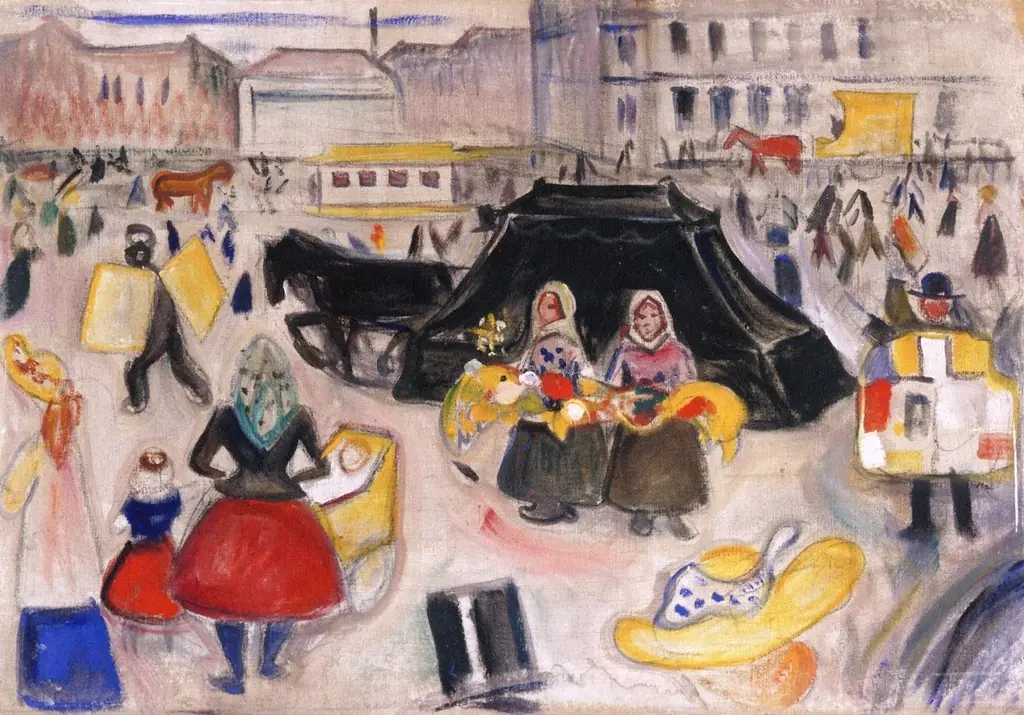 The Hearse on Potsdamer Platz
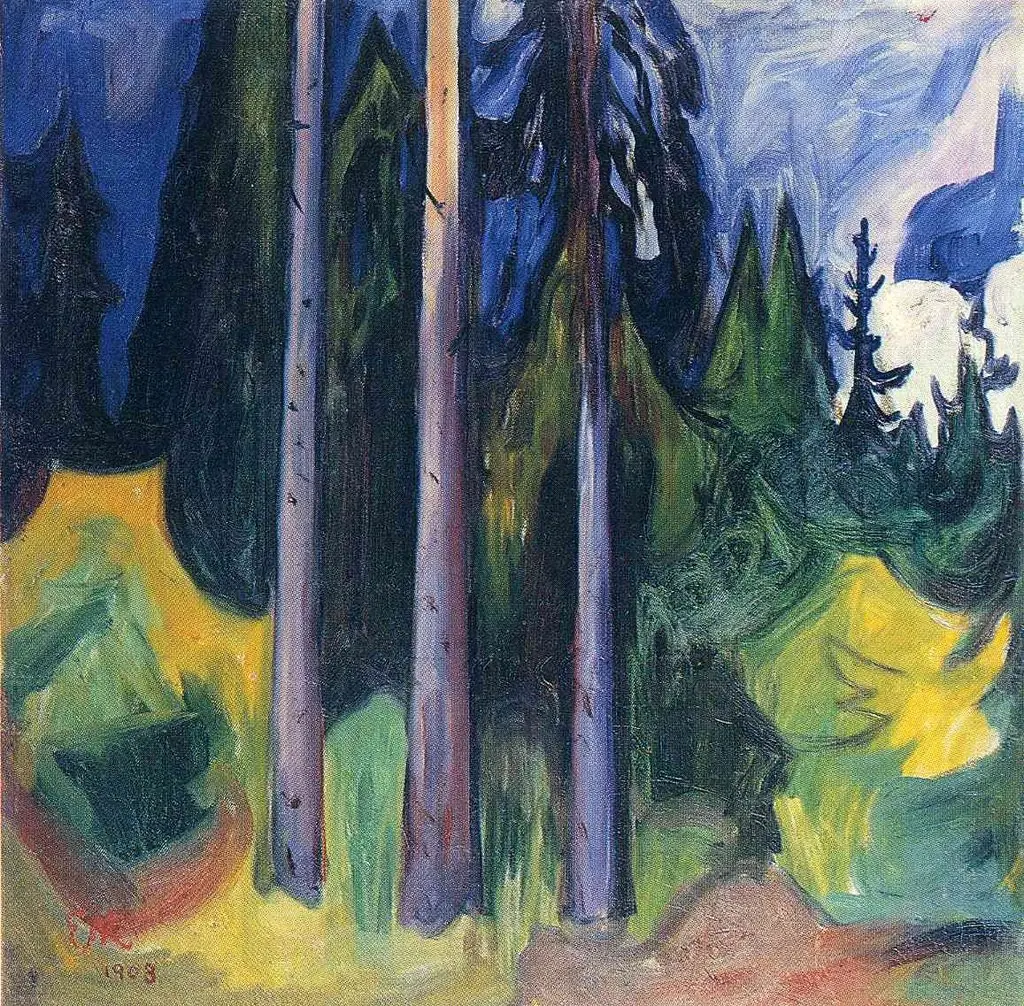 Spruce Forest
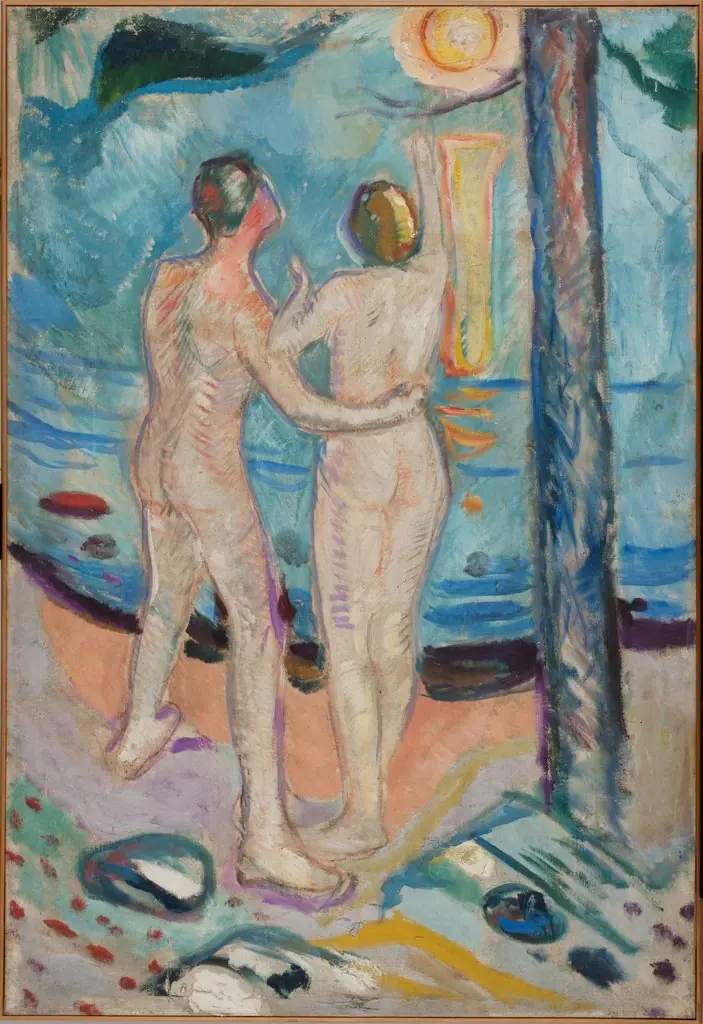 Nude Couple on the Beach
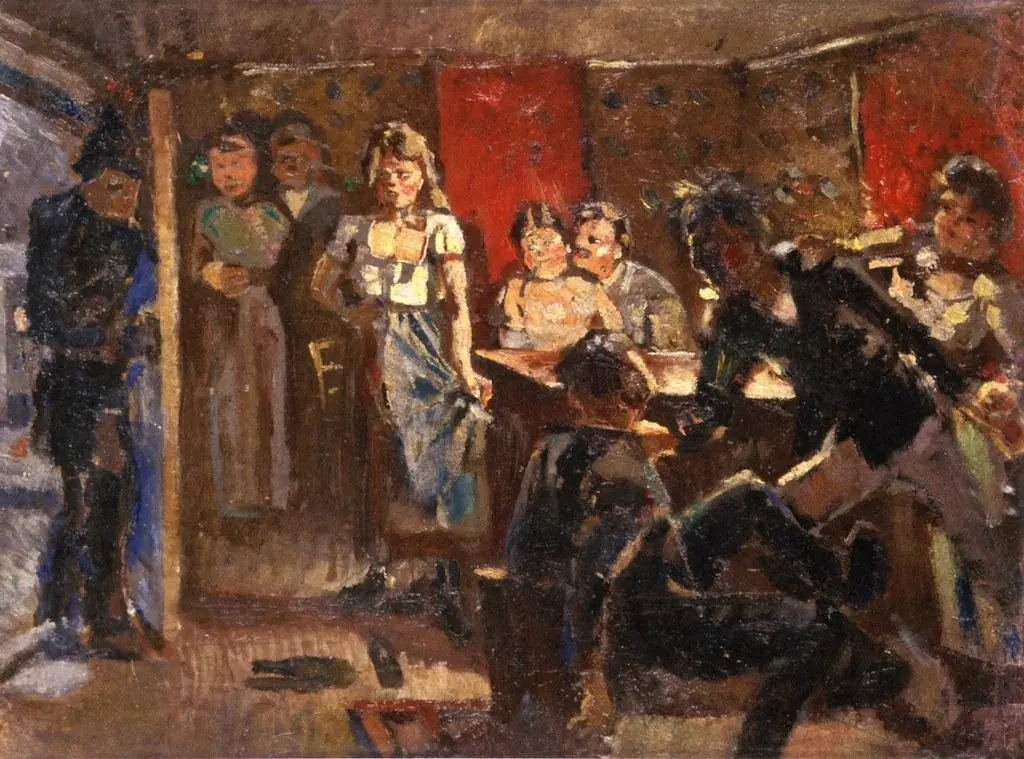 Dive at Vaterland
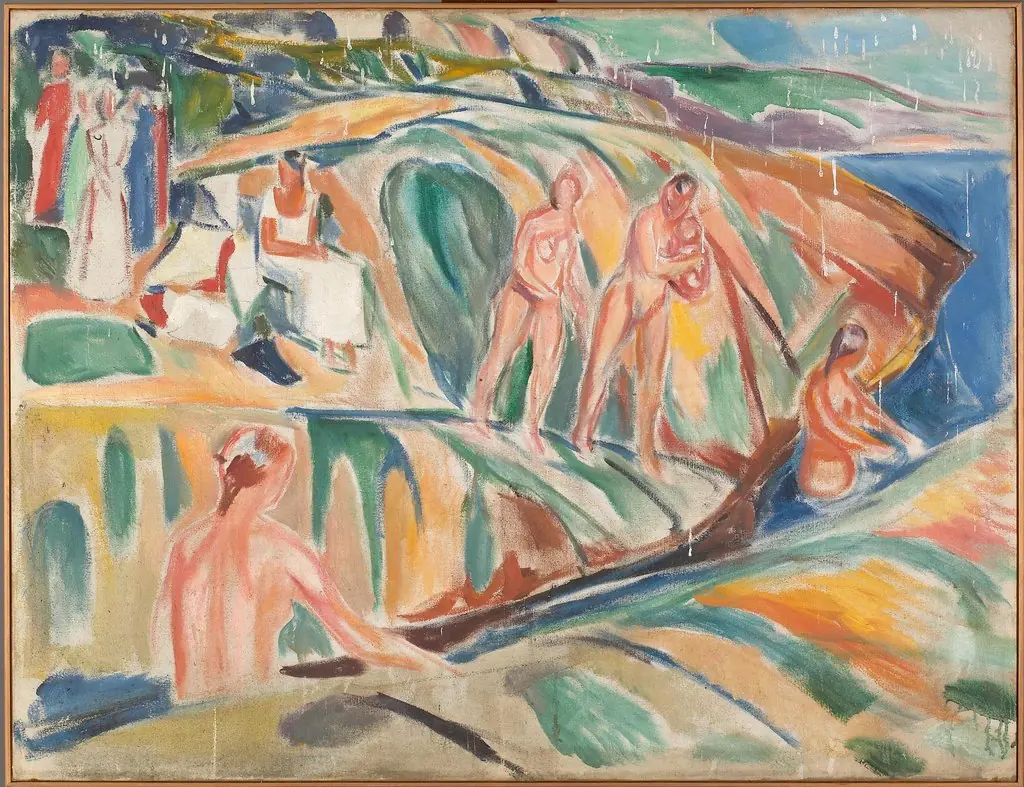 Sunbathing Women on Rocks
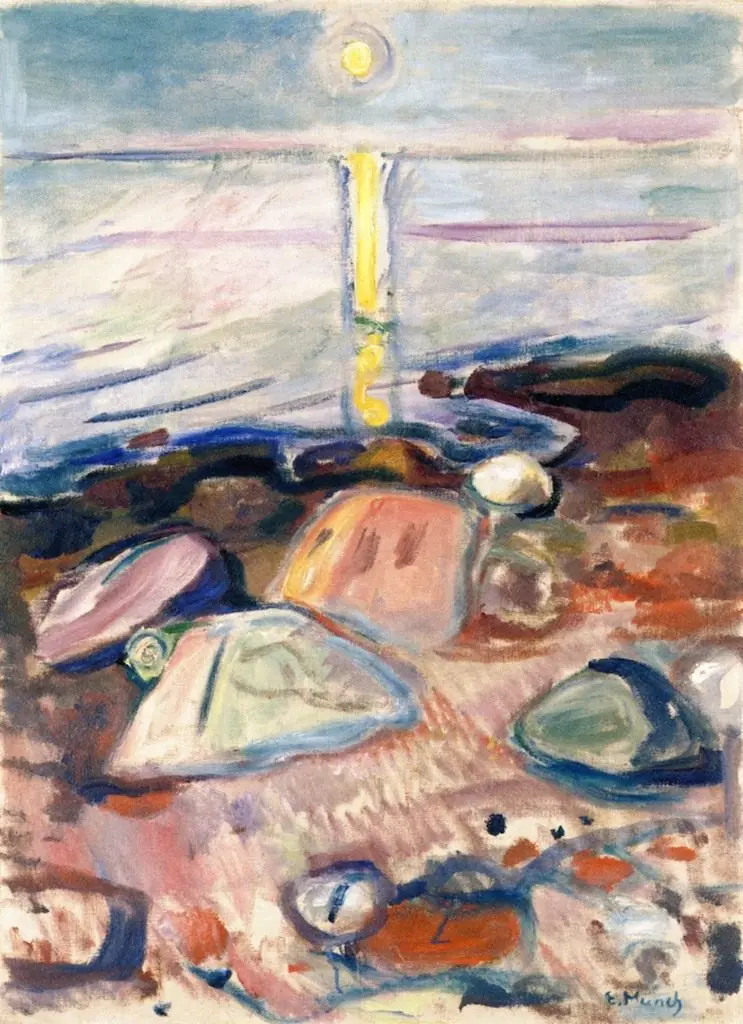 Moonlight on the Beach
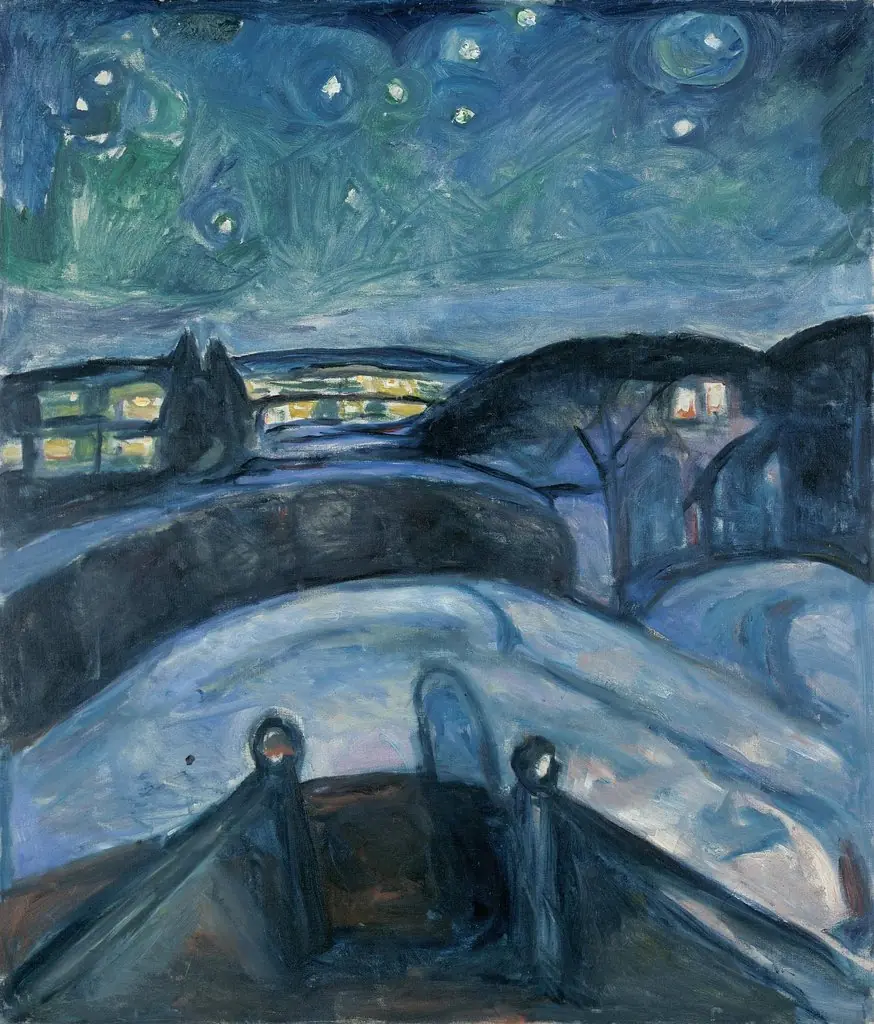 Starry Night
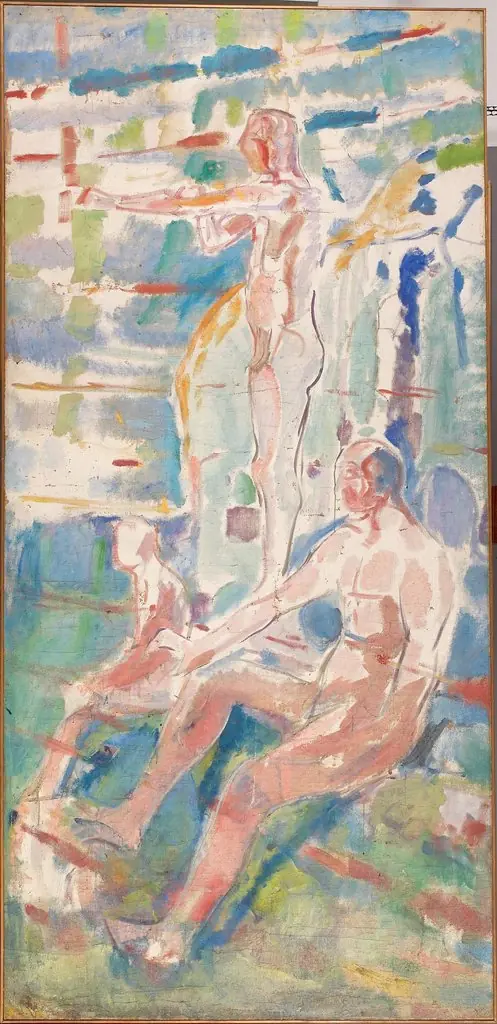 Men Turned towards the Sun
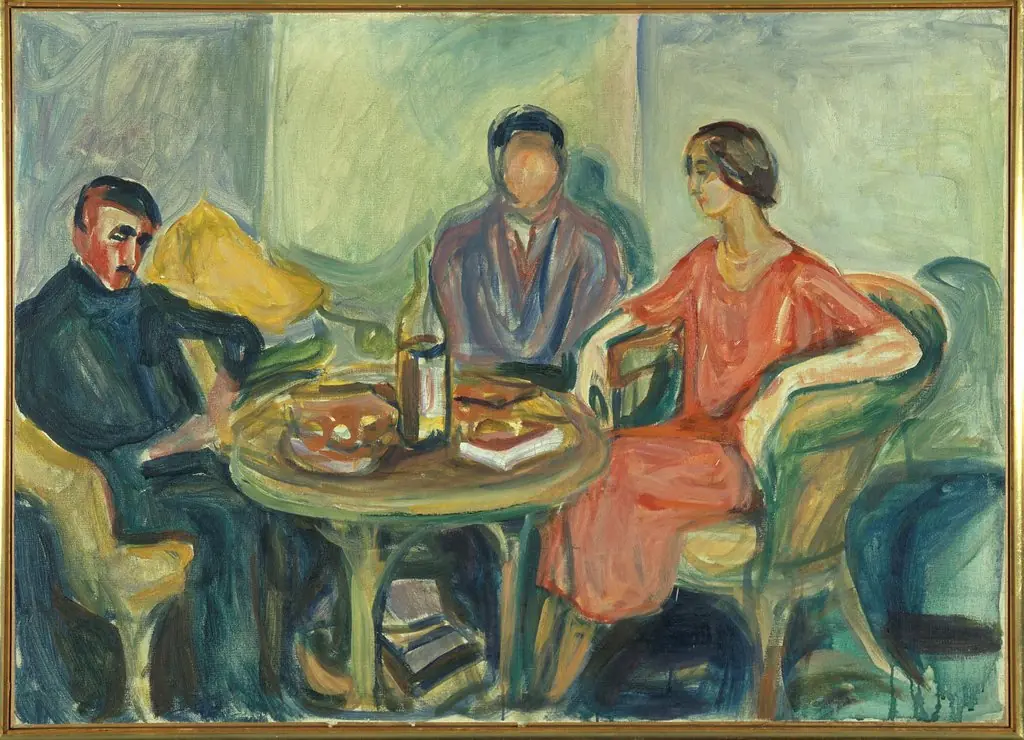 Oslo Bohemians
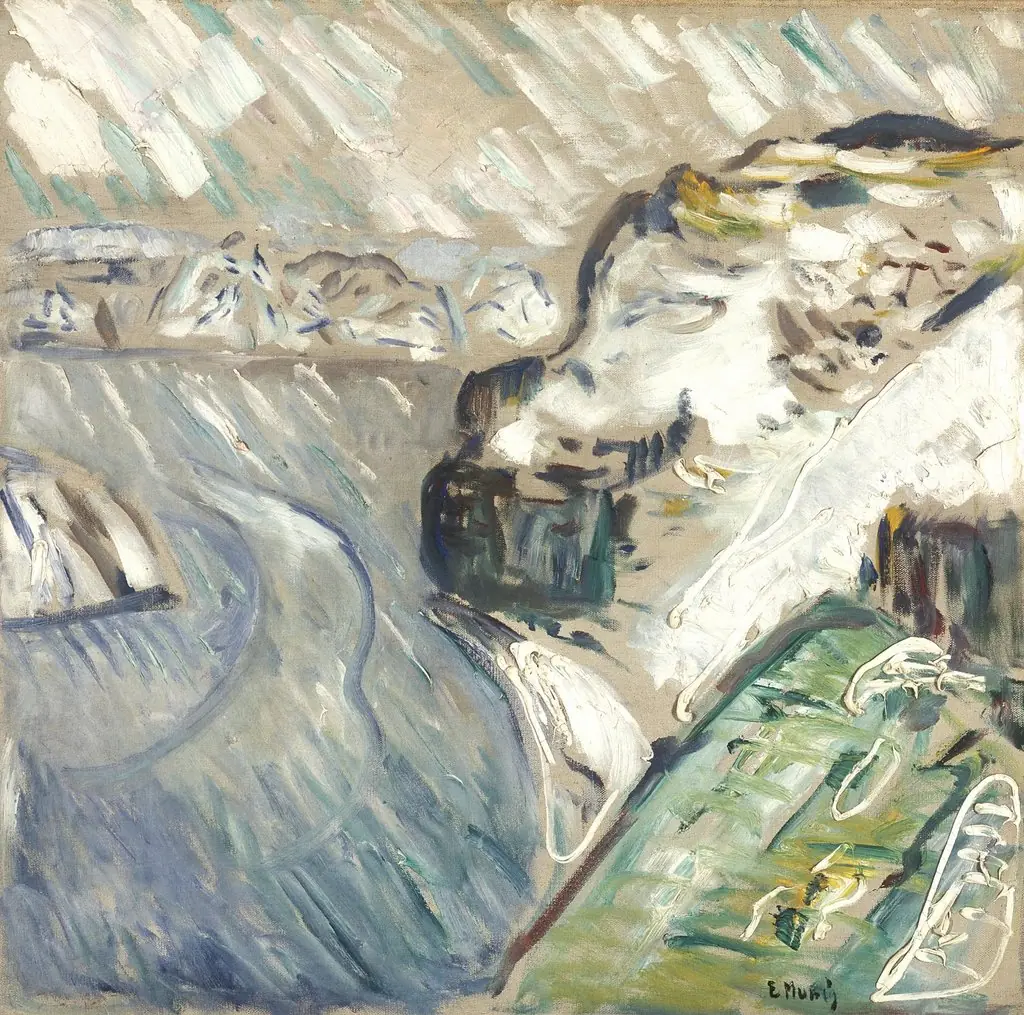 Snowstorm by the Sea
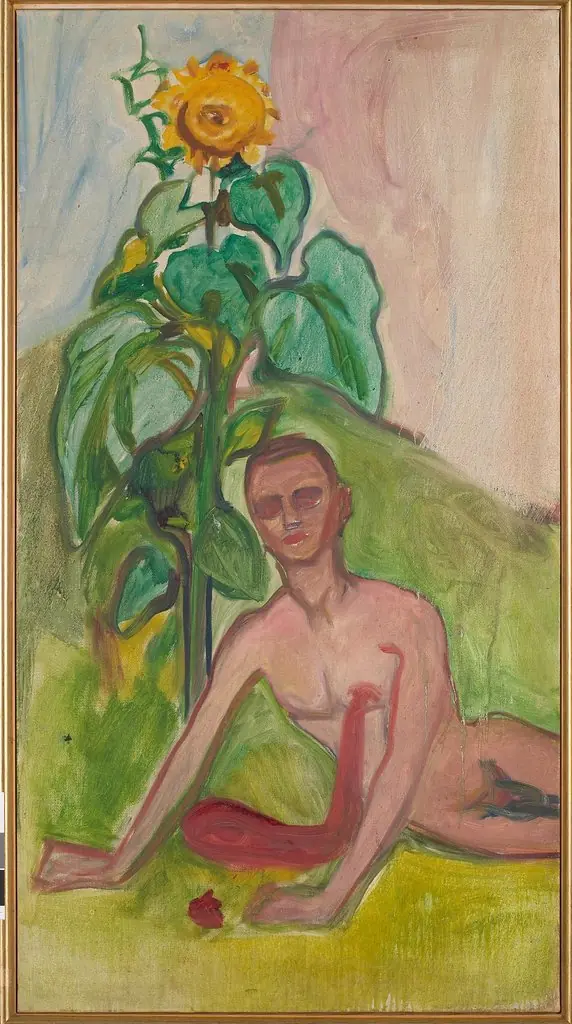 Bleeding Man and Sunflower
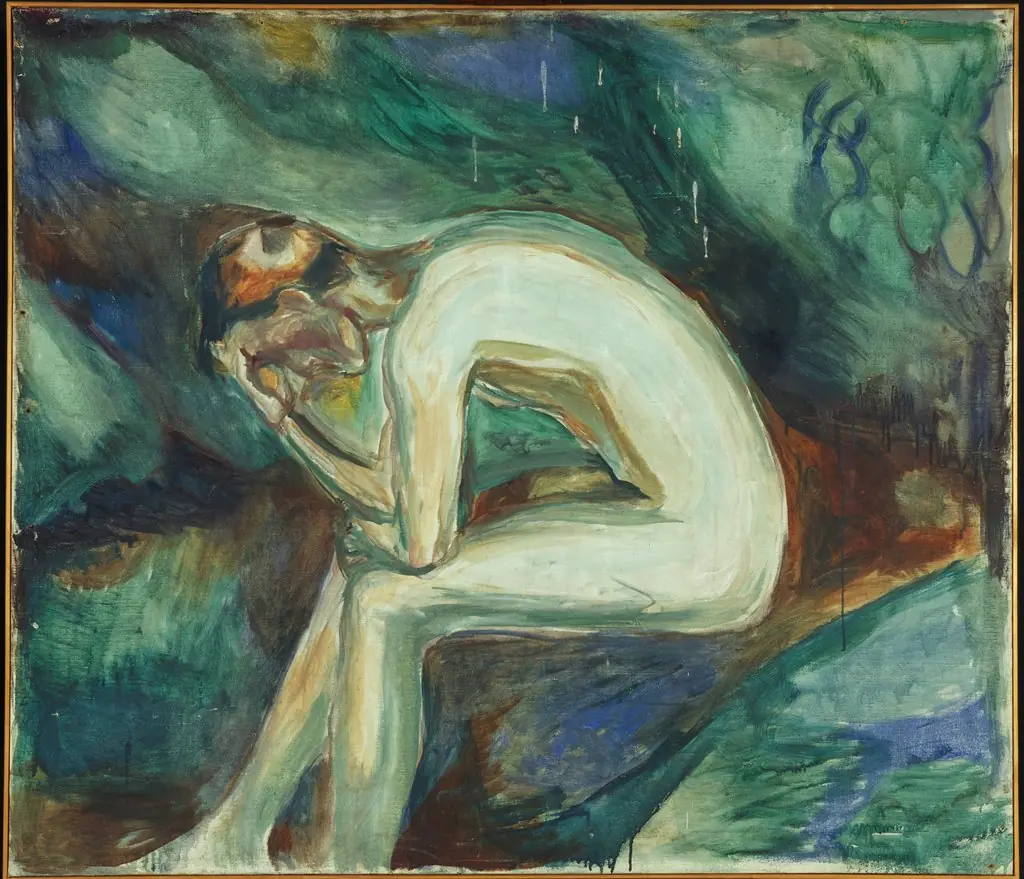 Seated Male Nude in the Forest
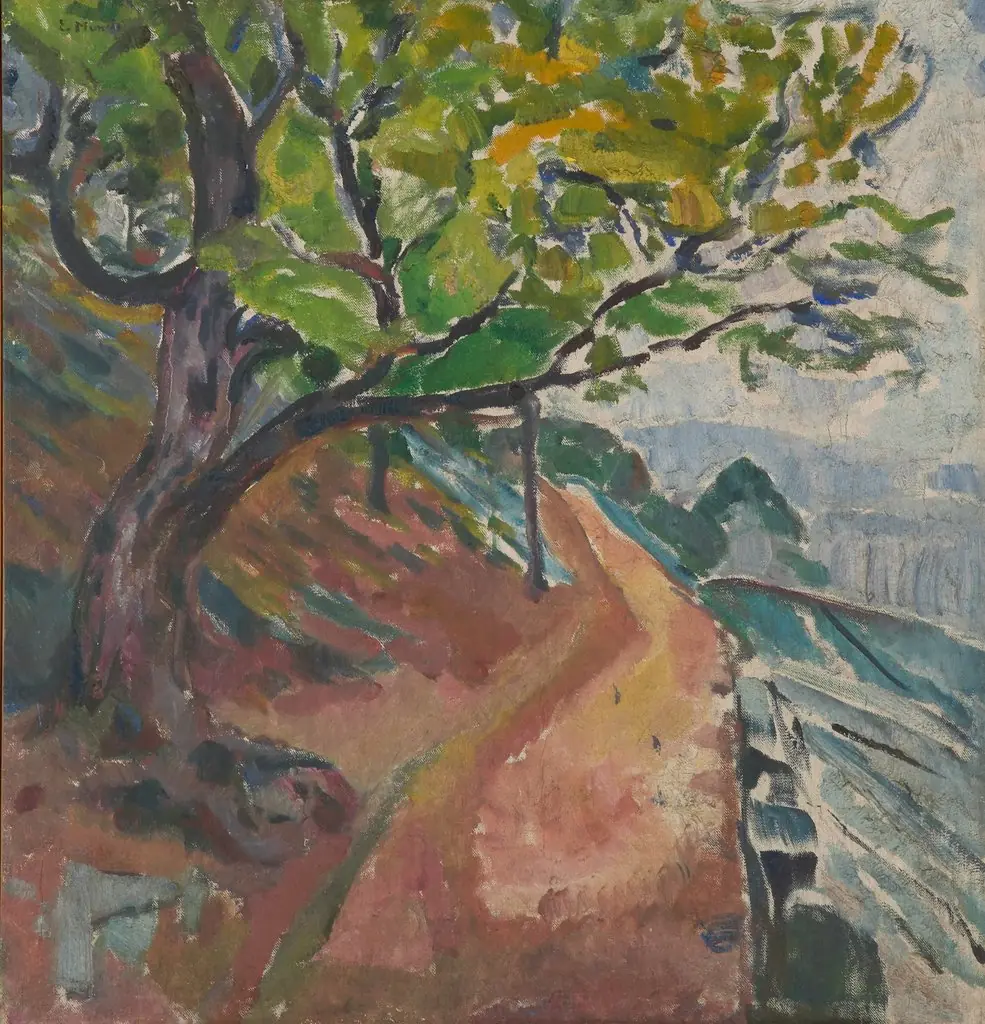 Green Tree by the Road
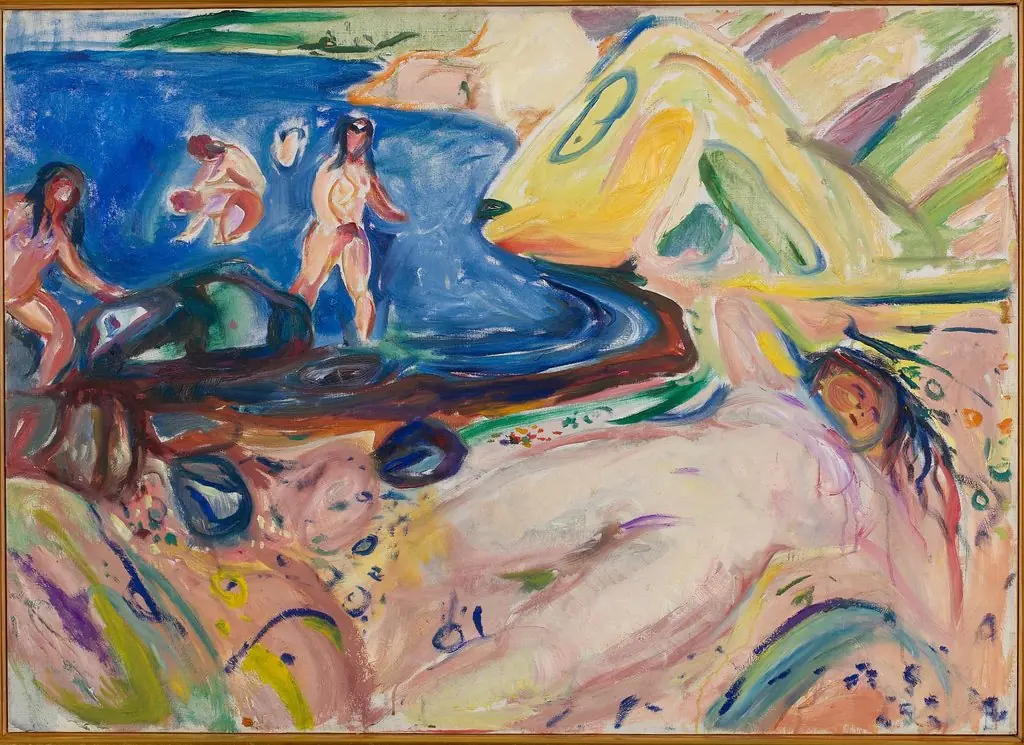 Sunbathing
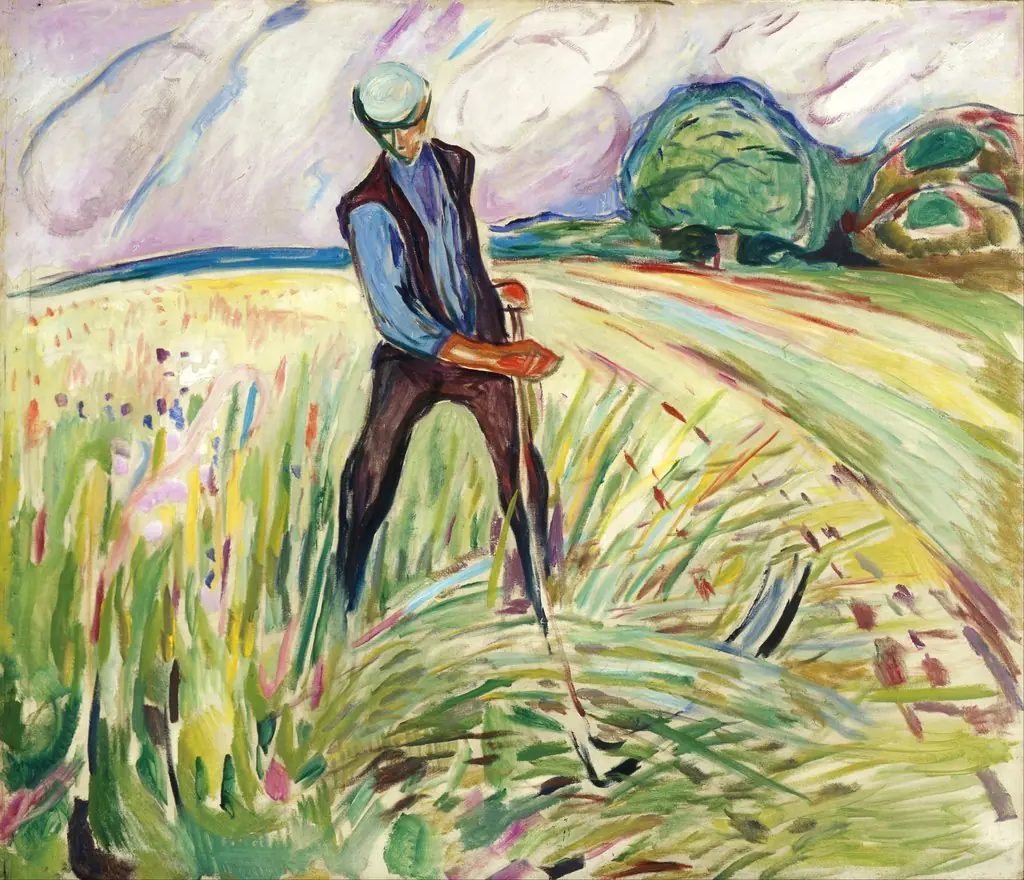 The Haymaker
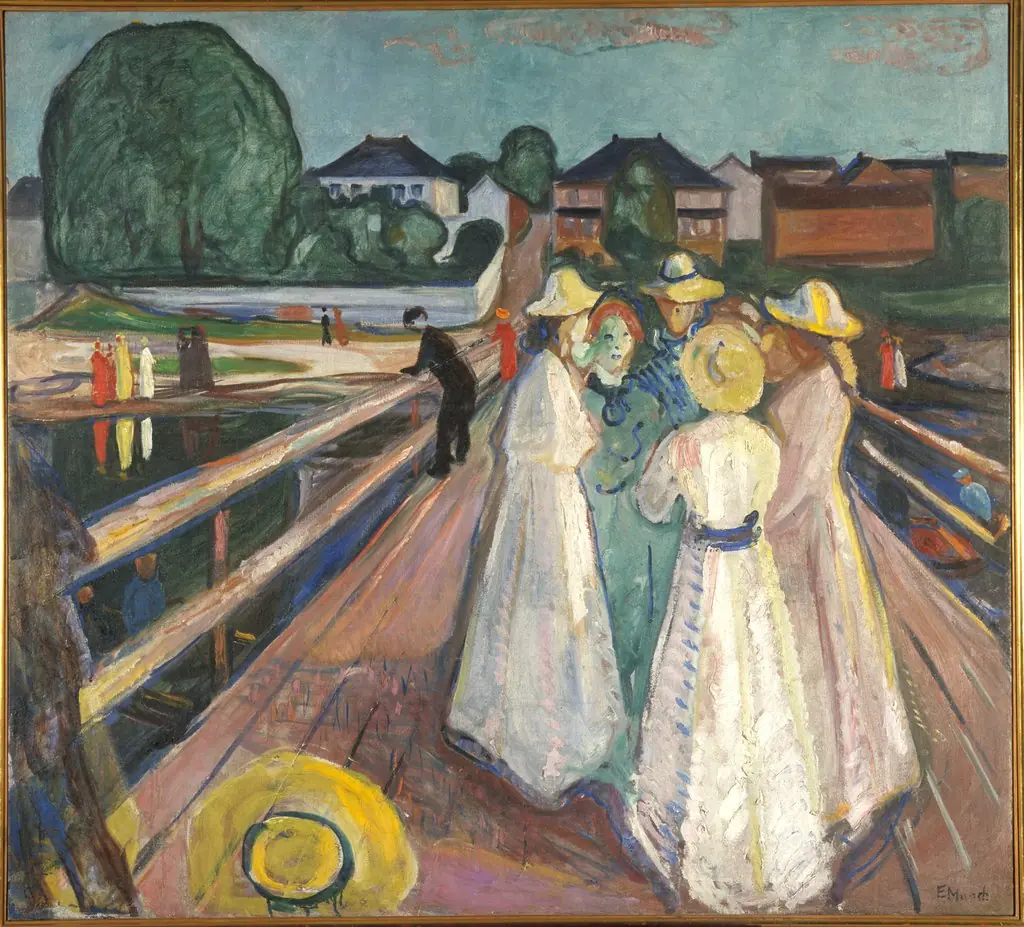 The Women on the Bridge
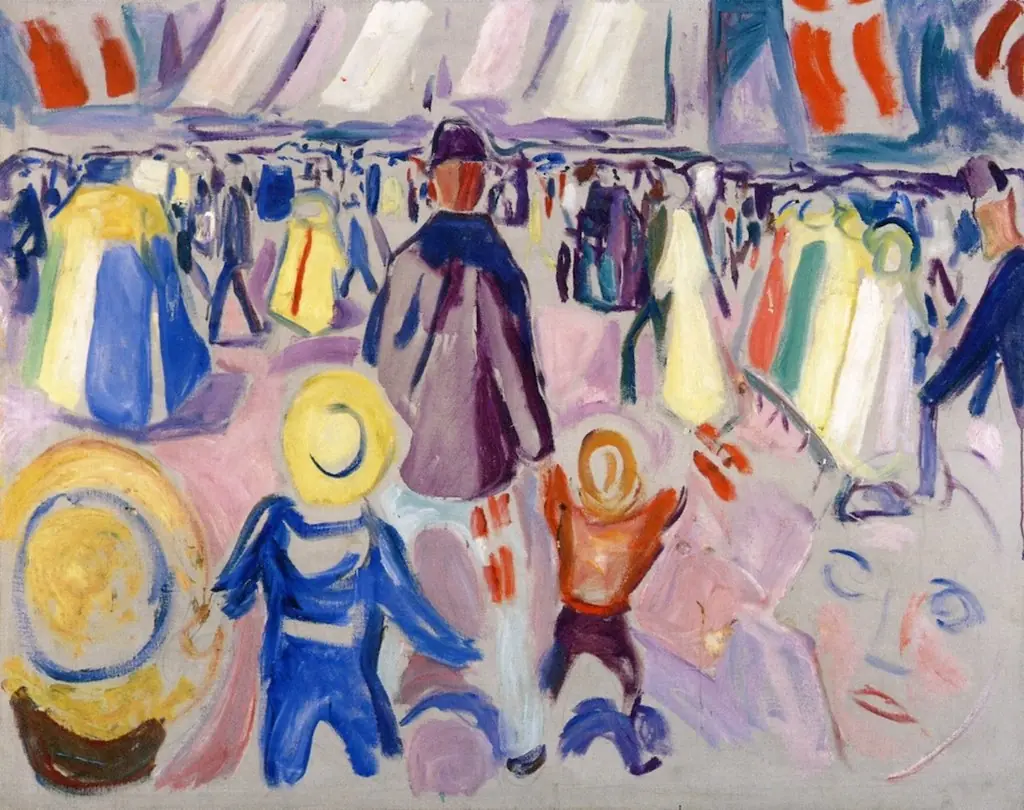 17th of May in a Small, Norwegian Town
Plan your visit
Munch Museum
- Website
- www.munch.no
Museums near Munch Museum
- Art Museum Stenersen Museum Oslo Municipality, Norway
- Bohuslän Museum Uddevalla Municipality, Sweden
- Museum of World Culture Gothenburg Municipality, Sweden
- Museum of Mediterranean and Near Eastern Antiquities Stockholm, Sweden
- Postmuseum Stockholm, Sweden
- Art Museum Nationalmuseum Stockholm, Sweden


