Artwork
The Drowning Child
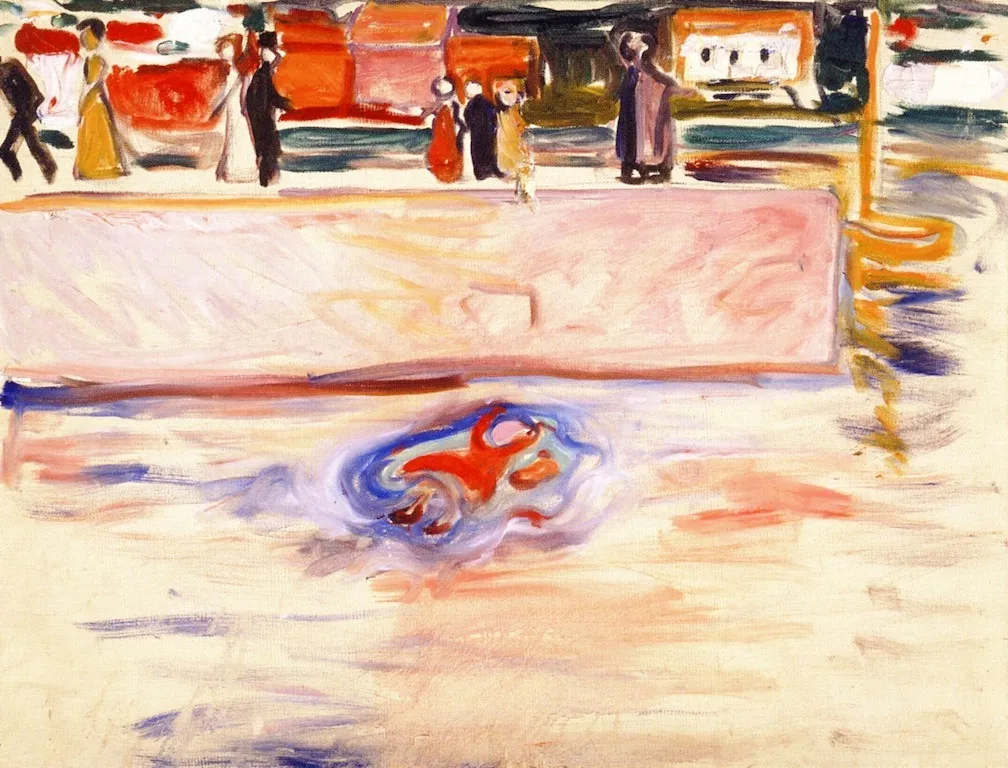
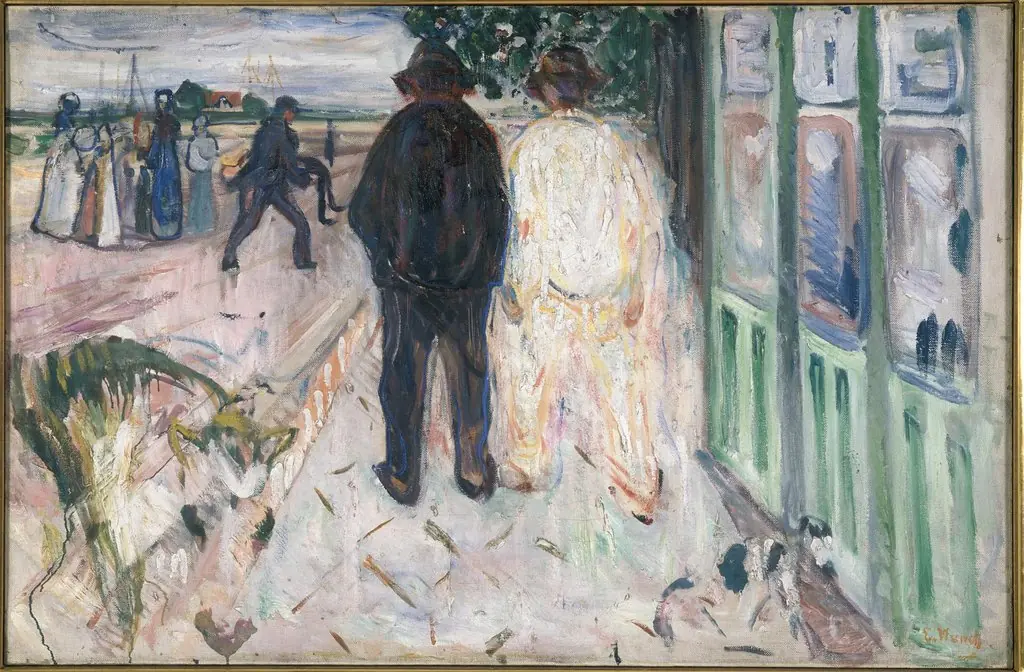
The Drowning Child is an oil painting by the Post-Impressionist artist Edvard Munch. It dates from 1904 and is held in the collection of the Munch Museum.
About this work
Overview
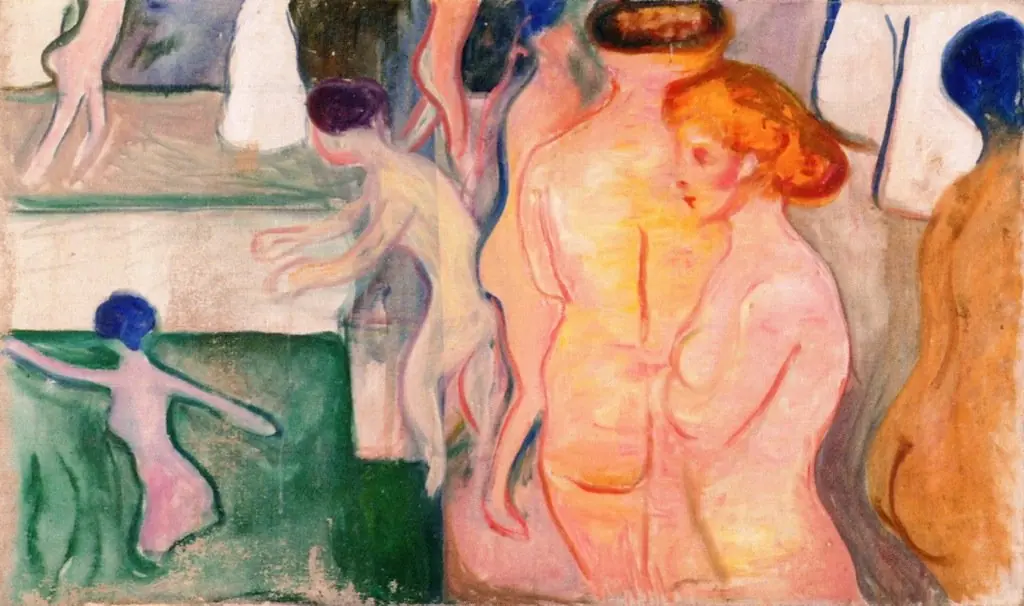
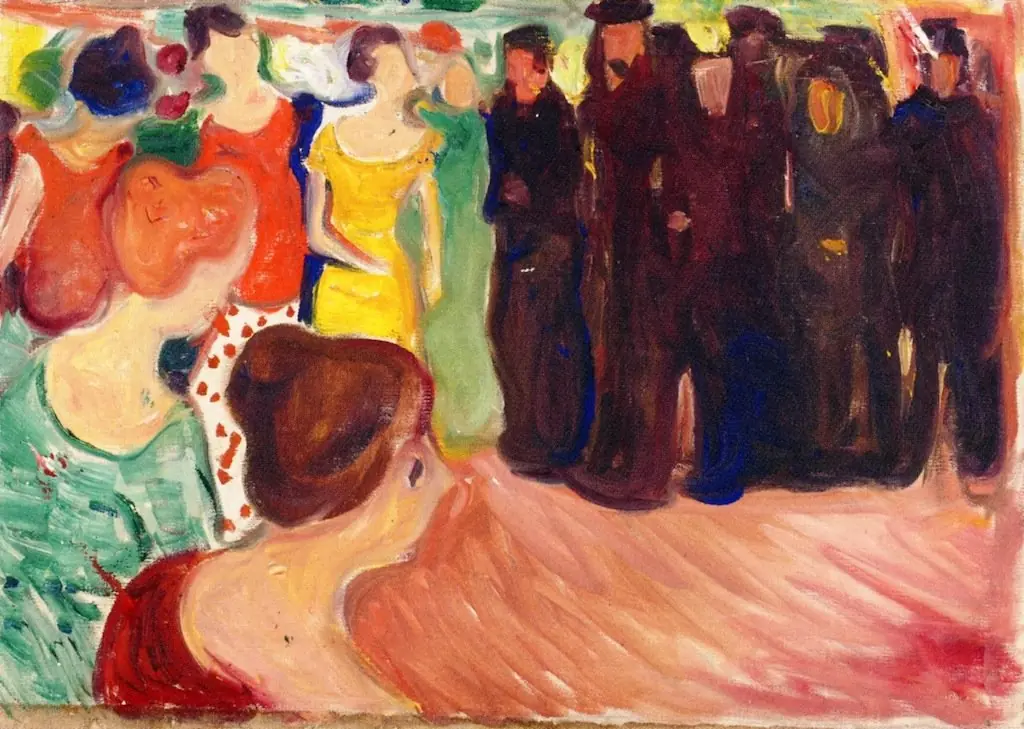
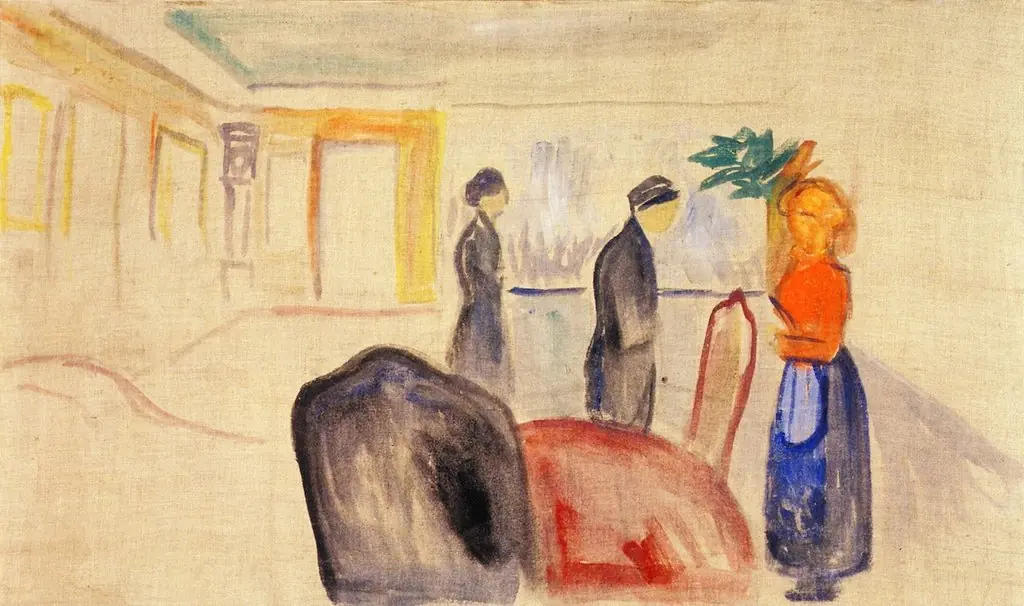
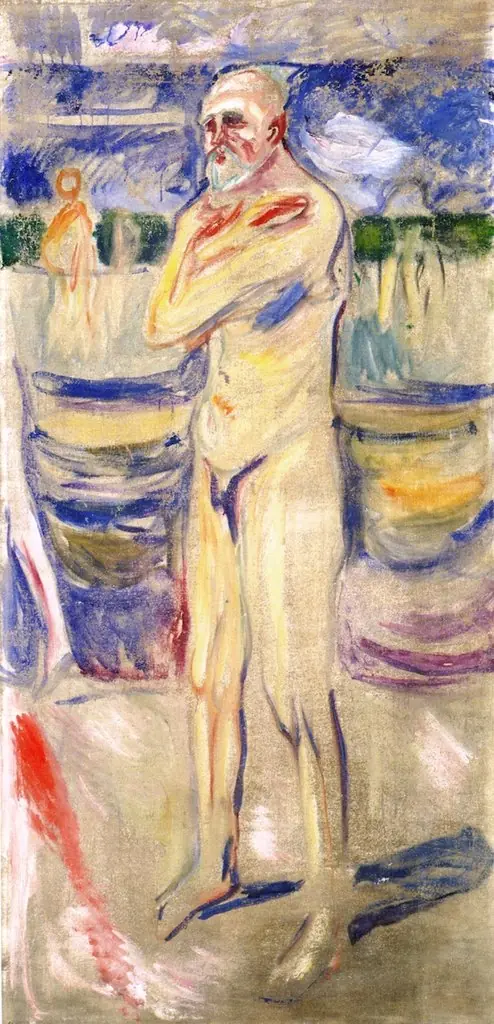
Created in 1904, The Drowning Child is an oil painting by Norwegian artist Edvard Munch. Executed during his mature period, the work belongs to the collection of the Munch Museum in Oslo. It presents a turbulent scene that conveys a strong sense of emotional disturbance through its composition and handling of paint.
Subject & Meaning
The canvas shows a child submerged in water, twisted and faceless, while indistinct figures line the shore. The ambiguous presence of onlookers and the child's concealed expression intensify the feeling of helplessness and panic. Munch’s focus on inner turmoil suggests an exploration of mortality and the anxiety of loss.
Technique & Style
Munch applies loose, expressive brushwork that leaves visible layers of pigment, giving the surface a tactile quality. A muted palette of browns, grays, reds, and blues dominates, while the overall color scheme remains subdued. The painting reflects post‑impressionist concerns with psychological depth, using distortion and texture to heighten tension.
History & Provenance
The work entered the holdings of the Munch Museum shortly after its creation, where it remains part of the permanent collection. Its acquisition aligns with the museum’s mission to preserve the artist’s oeuvre and to present his later explorations of existential themes.
Context
Munch produced The Drowning Child after a formative period marked by personal illness and bereavement, experiences that shaped his preoccupation with suffering. Influences from his studies at Oslo’s Royal School of Art and Design and his association with radical thinker Hans Jæger informed his turn toward emotionally charged, nihilistic subject matter.
Artist & collection
Artist
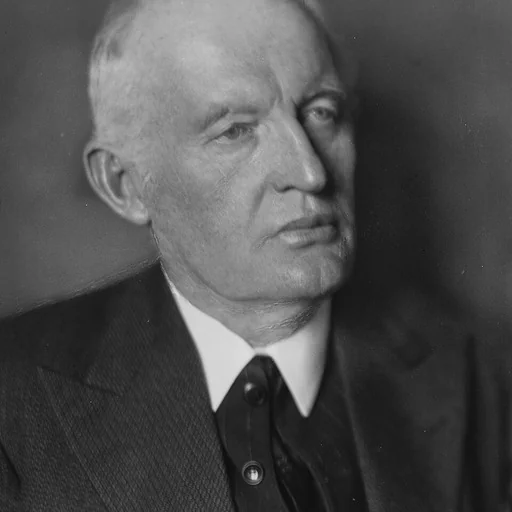
Edvard Munch ( MUUNK; Norwegian:; 12 December 1863 – 23 January 1944) was a Norwegian painter.