Artwork
St Benedict and the False King Totila
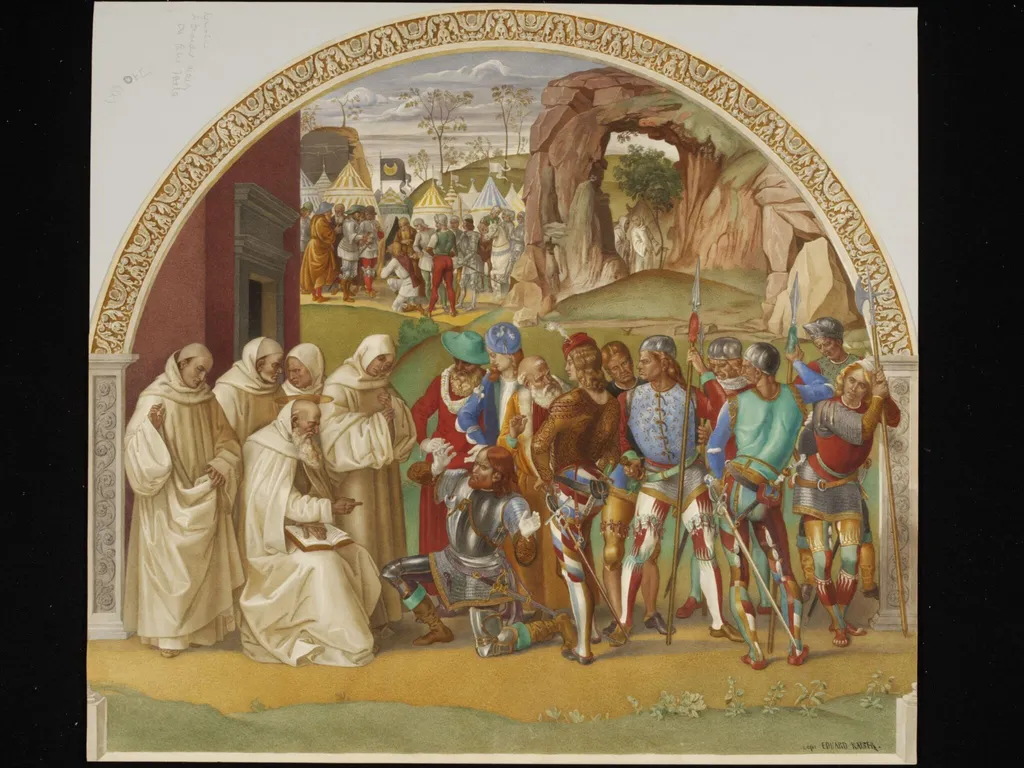
St Benedict and the False King Totila is a paint painting by the Impressionist artist Edward Kaiser. It dates from 1872 and is held in the collection of the Victoria and Albert Museum. This watercolour presents a scene from the life of St Benedict, depicting the saint confronting the pretended king Totila.
About this work
Overview
This watercolour presents a scene from the life of St Benedict, depicting the saint confronting the pretended king Totila. It is a faithful reproduction of a fresco originally painted by Luca Signorelli in the late 15th century, located in the cloister of Monteoliveto Maggiore near Siena. The copy was executed in the 19th century by Eduard Kaiser, a German artist active between 1820 and 1887.
Subject & Meaning
The composition illustrates the legendary episode in which St Benedict exposes Totila’s false claim to the throne, emphasizing the saint’s moral authority over temporal power. The narrative underscores themes of truth, spiritual discernment, and the triumph of ecclesiastical virtue over political deceit, reflecting hagiographic traditions that celebrated the saint’s role as a guide and judge.
Technique & Style
Kaiser rendered the image in watercolour, employing a subtle gradation of light and shadow to model forms, a technique reminiscent of chiaroscuro.
Kaiser rendered the image in watercolour, employing a subtle gradation of light and shadow to model forms, a technique reminiscent of chiaroscuro. This approach translates the original fresco’s volumetric modeling into a portable medium, preserving the dramatic contrast and spatial depth that characterize Signorelli’s late‑Renaissance style while adapting it to the translucency of watercolor pigments.
History & Provenance
The copy was commissioned by the Arundel Society, an organization founded in 1848 to disseminate reproductions of masterworks, particularly Italian fresco cycles. Produced as part of the Society’s program to document and share significant mural paintings, the work entered its collection in the late 19th century and remains identified by the catalogue reference E.283‑1995.
Context
Signorelli’s original fresco, painted between 1498 and 1499, formed part of a larger narrative cycle in the Monteoliveto cloister, intended to educate monastic viewers through visual storytelling. Kaiser’s 19th‑century copy reflects the period’s growing interest in preserving Renaissance art, especially as many frescoes faced deterioration, and illustrates the broader Victorian effort to make such heritage accessible beyond its original architectural setting.
Own this work as a print
Artist & collection

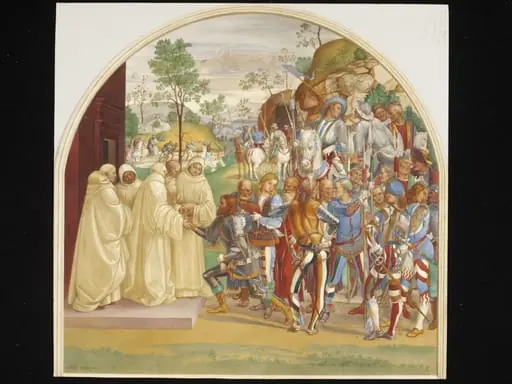 St Benedict and the True King Totila
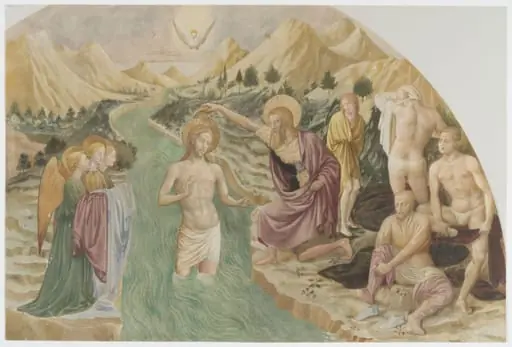 Copy after the painting Baptism of Christ by Masolino in Castiglione d'Olona
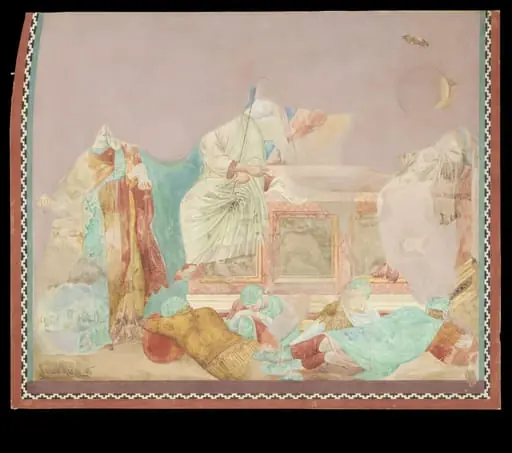 Copy after the painting The Maries at the Sepulchre attributed to the Isaac Master in the Upper Church, San Francesco, Assisi
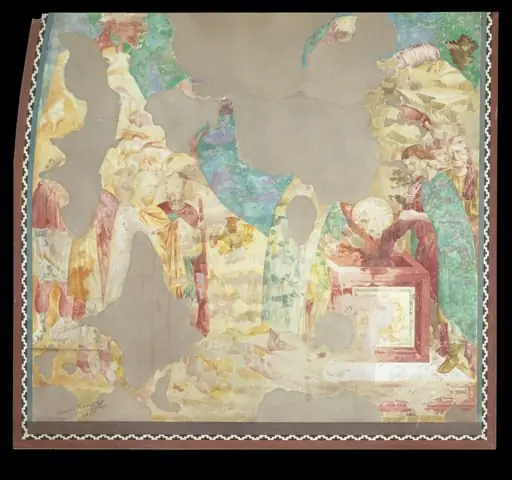 Copy after the painting Joseph and his brothers at the Well attributed to the Isaac Master in the Upper Church, San Francesco, Assisi
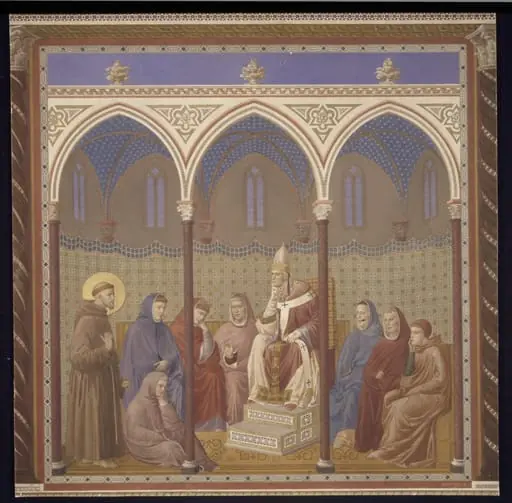 Copy after the painting St Francis before Pope Honorius by the Master of the St Francis cycle in the Upper Church, San Francesco, Assisi
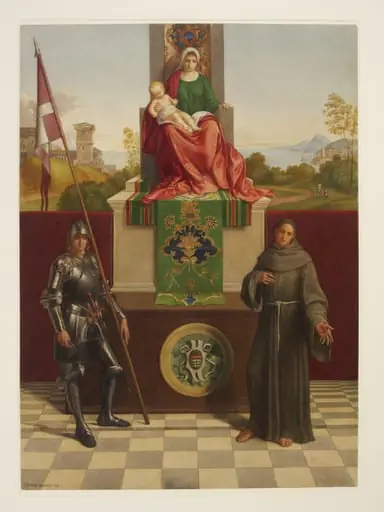 Copy after the painting Virgin and Child with Saints (Castelfranco Altarpiece) by Giorgione in S. Liberale, Castelfranco
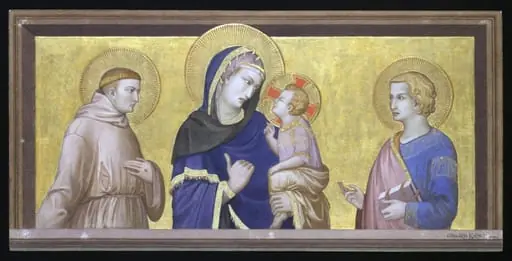 Copy after the painting Virgin and Child with St John and St Francis by Pietro Lorenzetti ??? in the Lower Church, San Francesco, Assisi
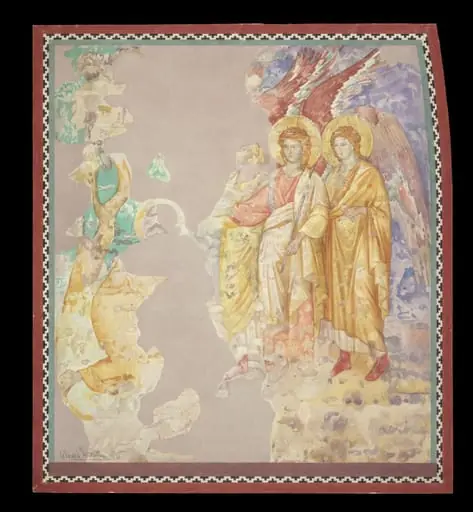 Copy after the painting The Expulsion attributed to Jacobo Torriti in the Upper Church, San Francesco, Assisi.
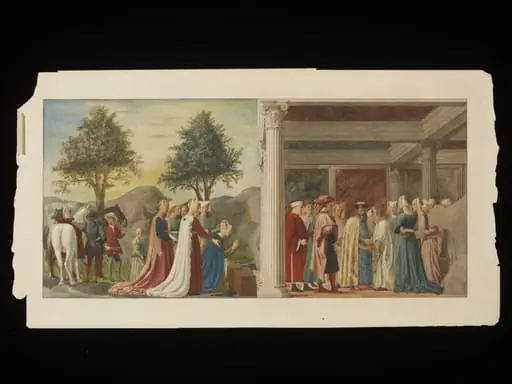 Arundel Society watercolour, Copy after the painting St Helena Finds the True Cross, by Piero della Francesca in San Francesco, Arezzo
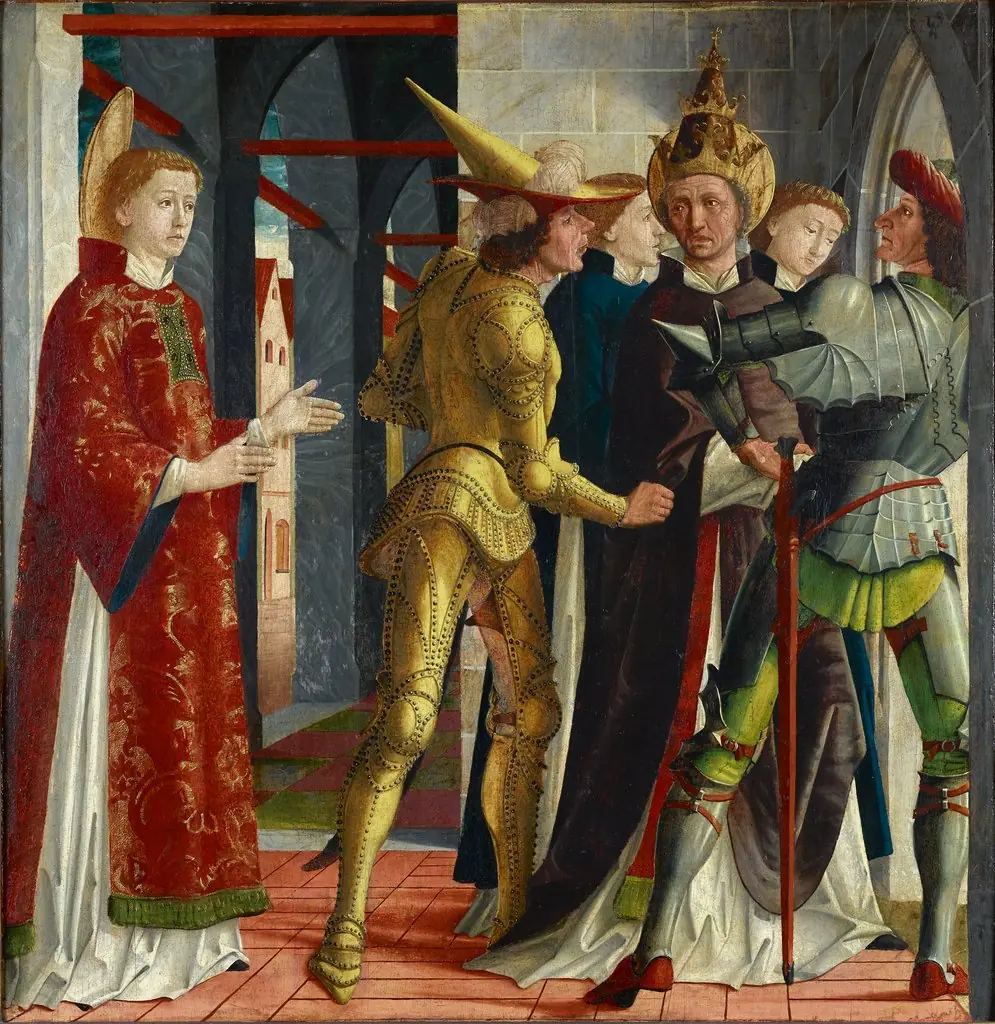 Pope Sixtus II. bids farewell to St. Lawrence
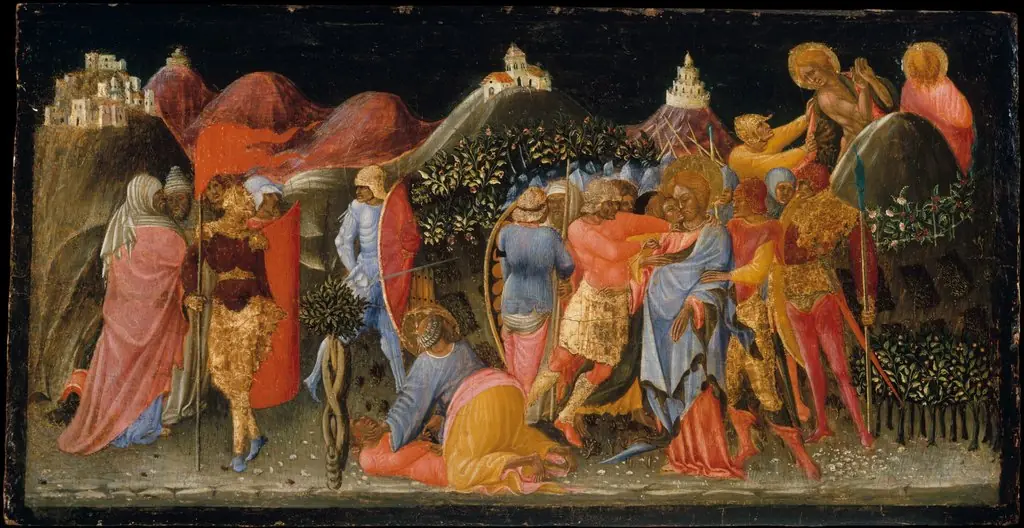 The Betrayal of Christ
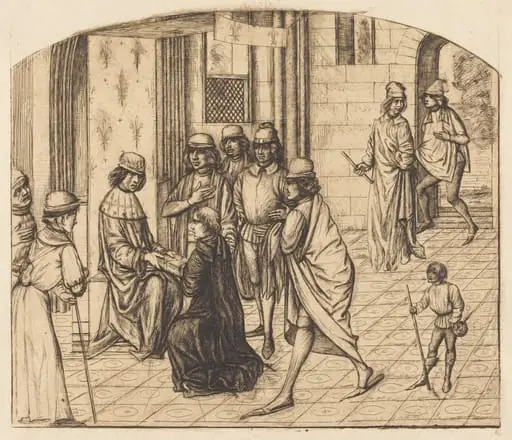 Présentation du Valère Maxime au Rois Louis XI (The Printer Valerius Maximus Being Presented to King Louis XI)
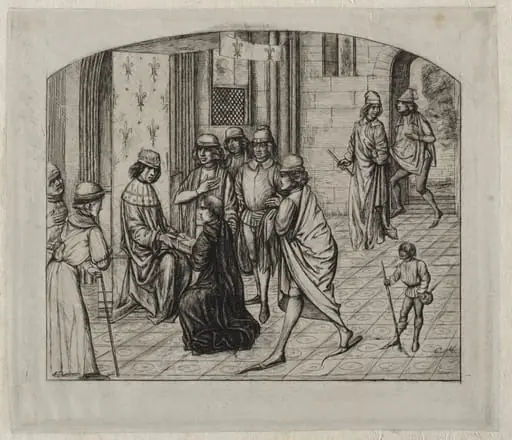 The Printed Work of the Latin Author, Valerius Maximus, Being Presented to King Louis XI
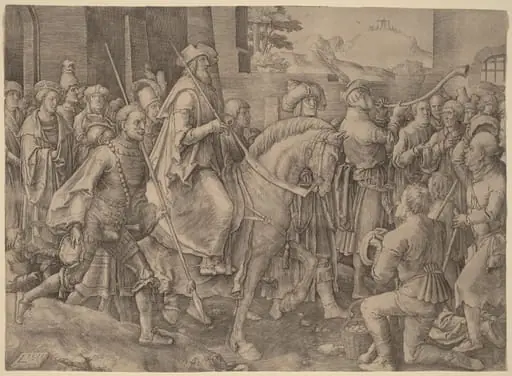 The Triumph of Mordecai
 Der hl. Laurentius vor Kaiser Decius