Artwork
Hardwar, India
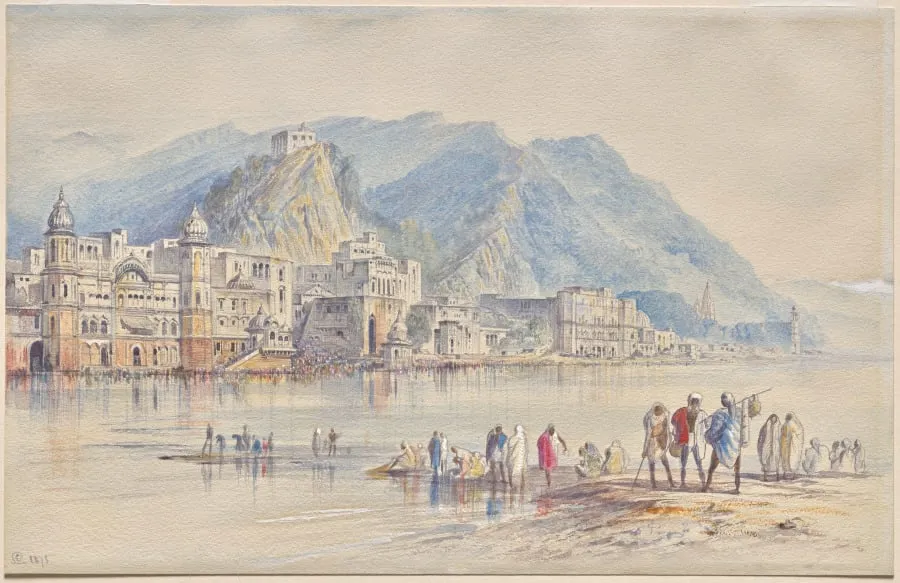
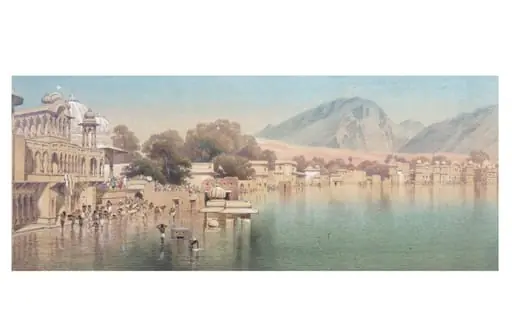
Hardwar, India is a drawing by the Impressionist artist Edward Lear. It dates from 1875 and is held in the collection of the Cleveland Museum of Art.
- Accession no.
- 2023.127
- Credit line
- Delia E. Holden Fund
About this work
Overview
Edward Lear's watercolor, Hardwar, India, captures a serene landscape along the Ganges River. Created in 1875 from on-site sketches made during his 1874 visit, the piece conveys the intersection of natural beauty and human activity in this sacred Indian location.
Subject & Meaning
The artwork focuses on the Ganges River's banks, where people gather on stairways and in the shallows, set against the backdrop of the Himalayan foothills. The scene highlights the river's significance as a hub of daily life and spiritual practice.
Technique & Style
Executed in watercolor, the work features soft, misty lighting, suggestive of an early morning scene. Lear's approach, transforming detailed on-site sketches into a finished studio piece, results in a balanced composition blending vibrant human presence with majestic natural forms.
History & Provenance
Lear arrived in Hardwar on April 2, 1874, after months of travel through the Mediterranean, Levant, and Southeast Asia. The watercolor was completed a year later, reflecting his practice of refining field sketches in his studio.
Context
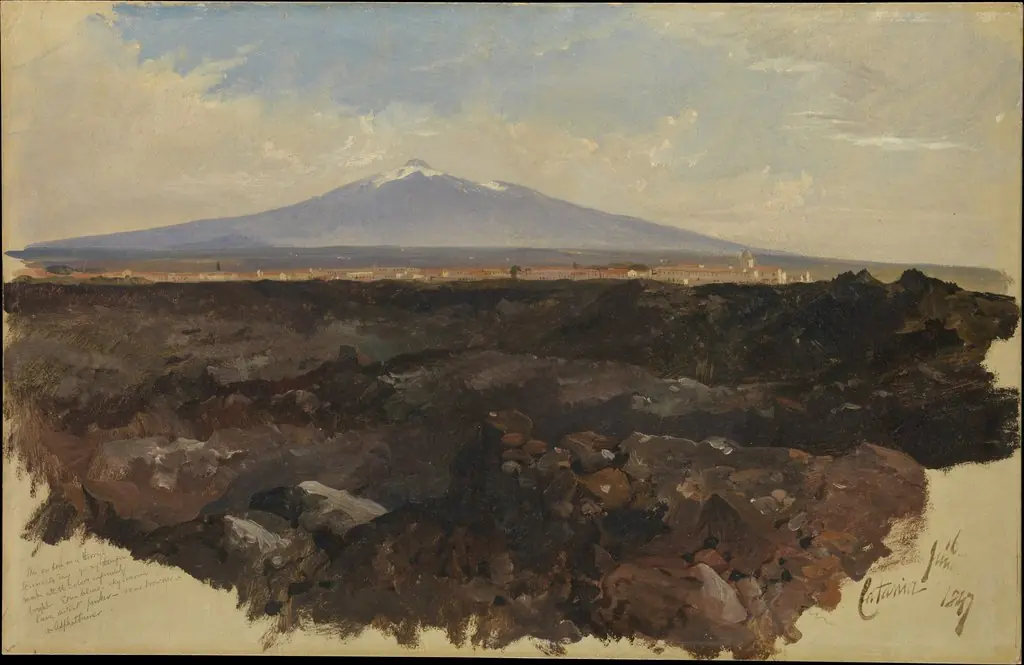
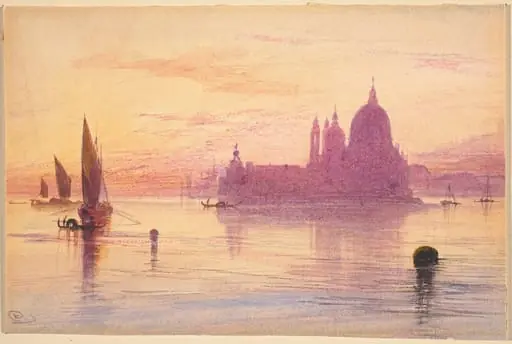
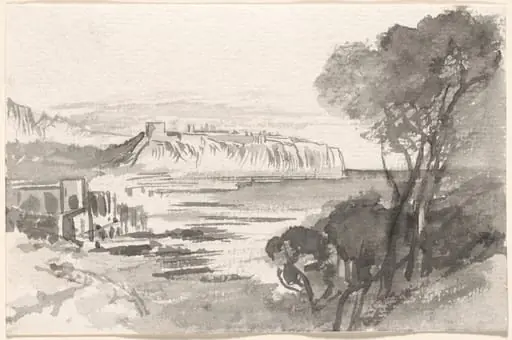
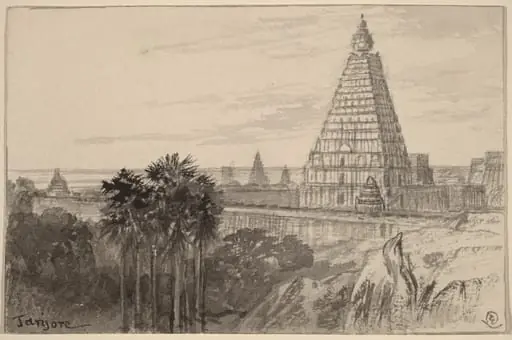
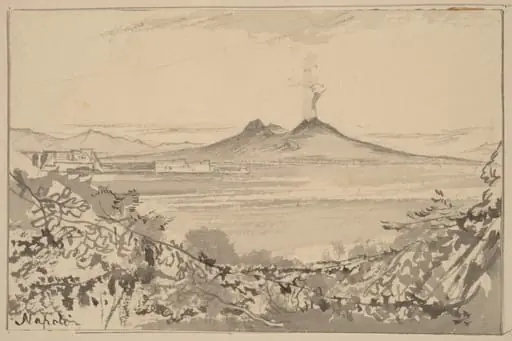
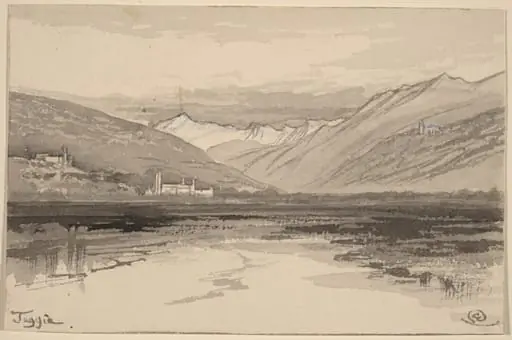
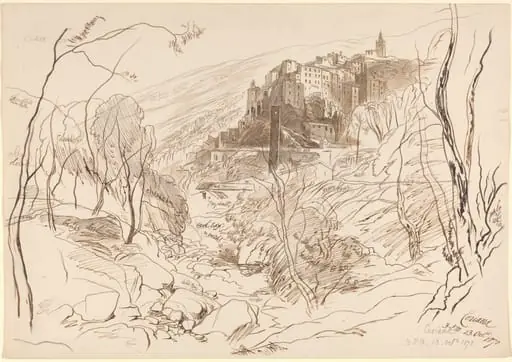
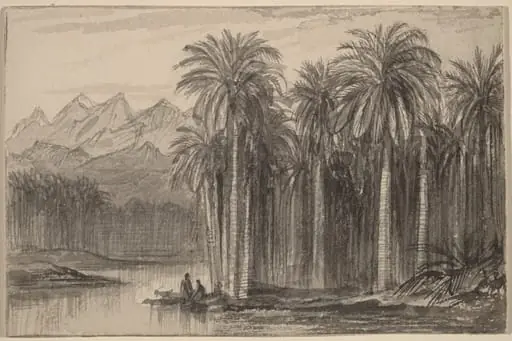
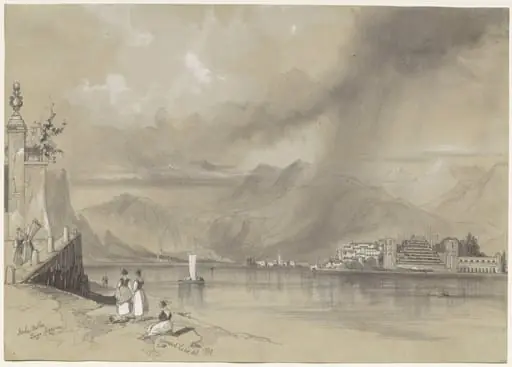
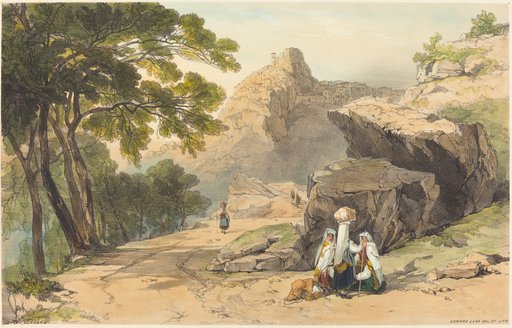
Though better known for his literary works like The Owl and the Pussycat, Lear's primary artistic output was landscape painting. This piece sits within his broader oeuvre of travel-inspired landscapes, also seen in his works depicting England.
Artist & collection
Artist
Edward Lear (12 May 1812 – 29 January 1888) was an English artist, illustrator, musician, author and poet, who is known mostly for his literary nonsense in poetry and prose and especially his limericks, a form he popularised but which term…