Artwork
Thermopylae
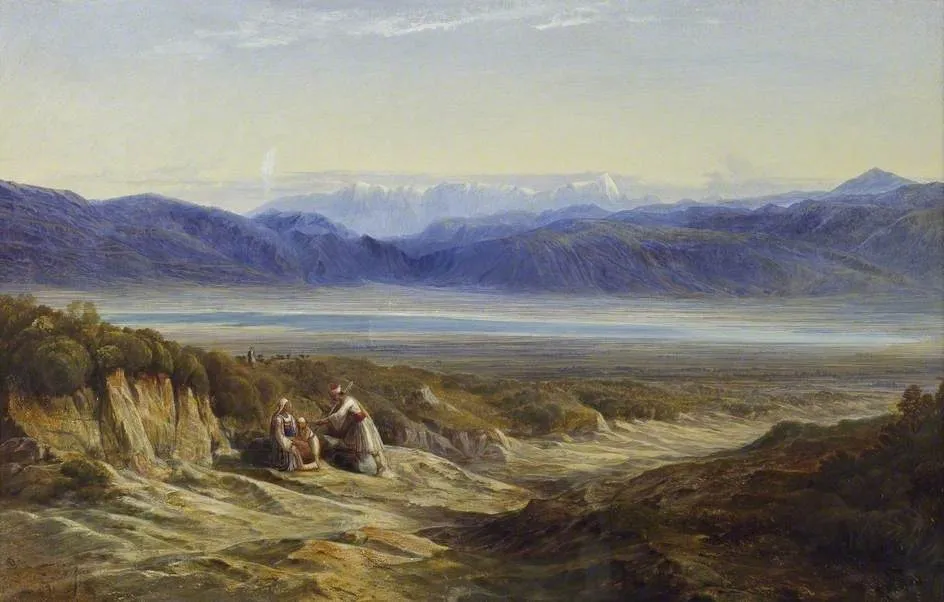
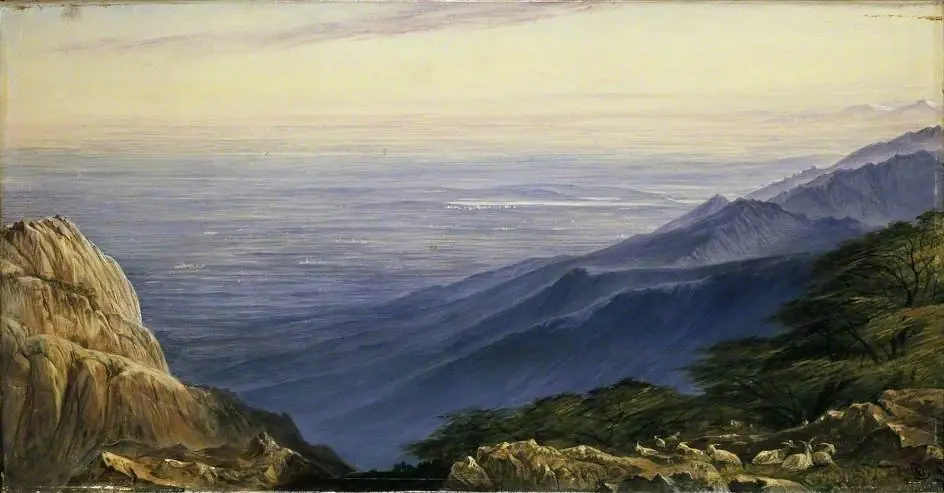
Thermopylae is an oil painting by the Post-Impressionist artist Edward Lear. It dates from 1872 and is held in the collection of the Ashmolean Museum.
About this work
Overview
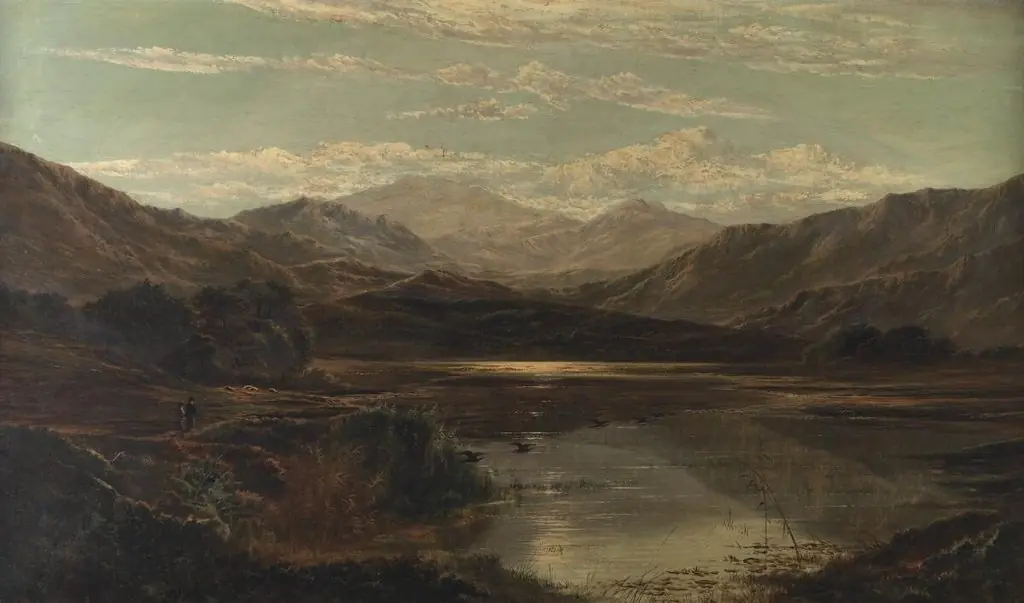
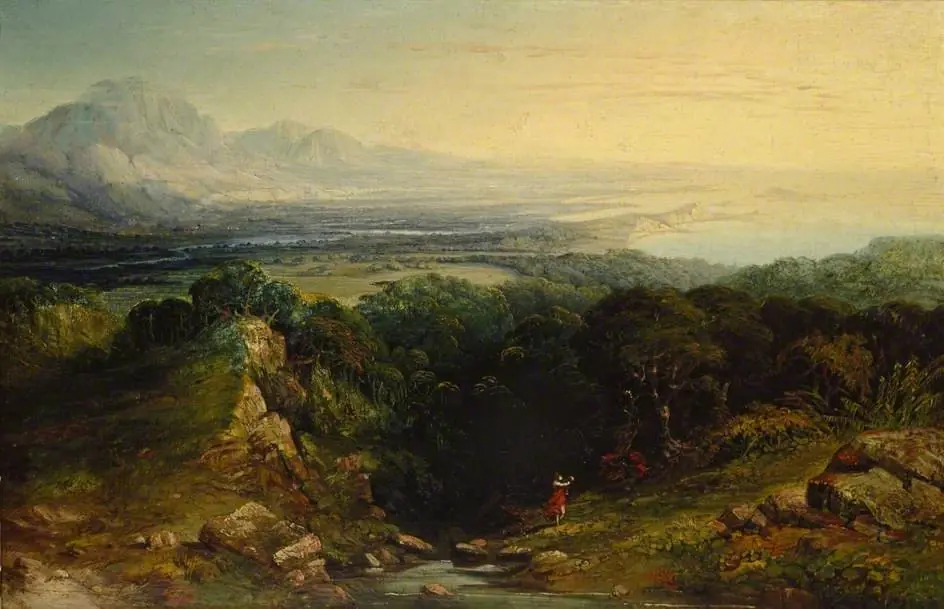
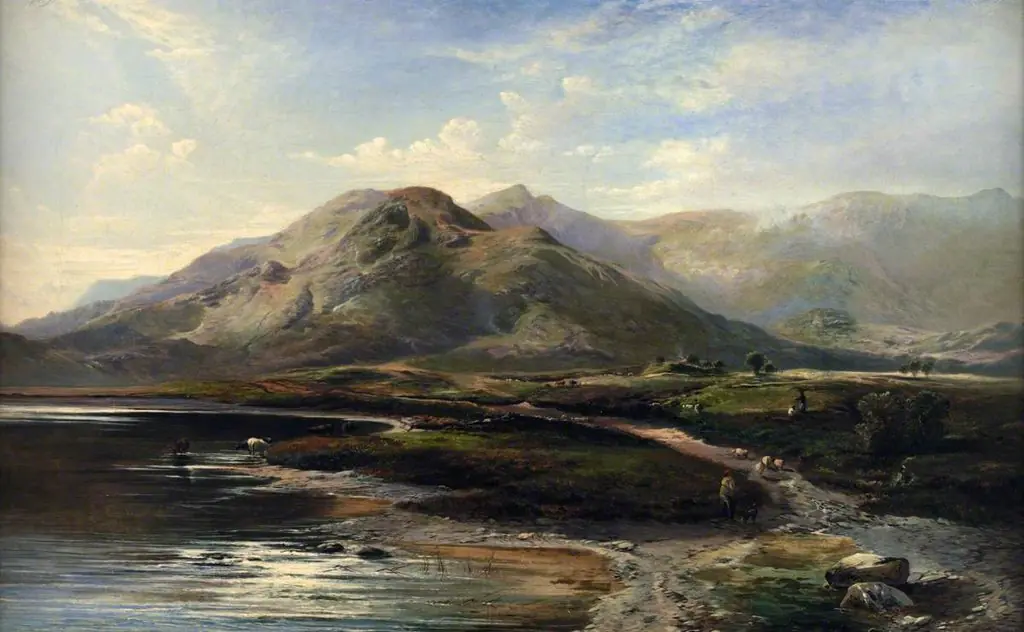
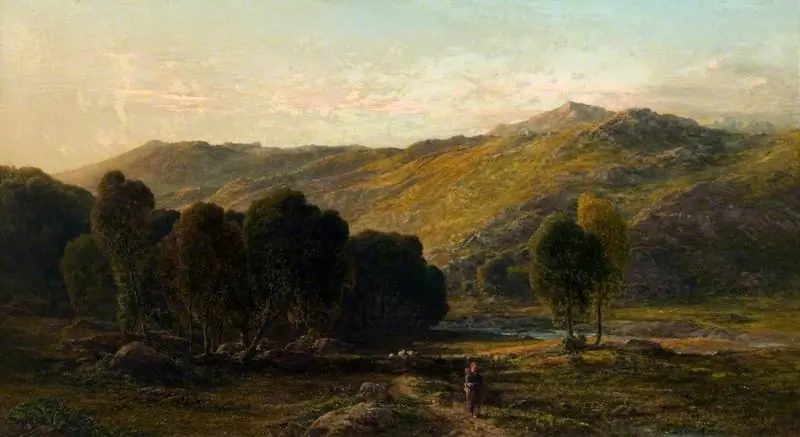
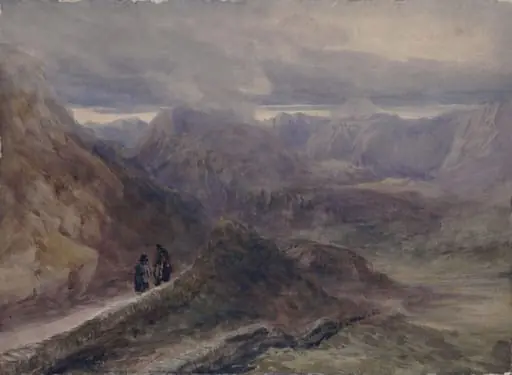
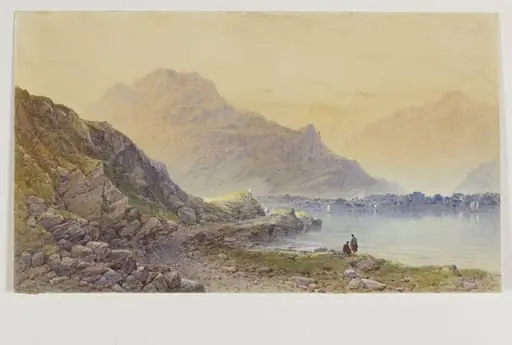
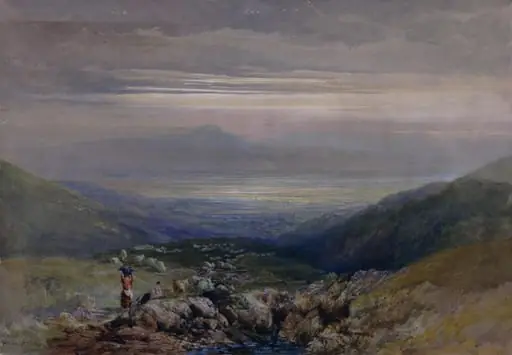
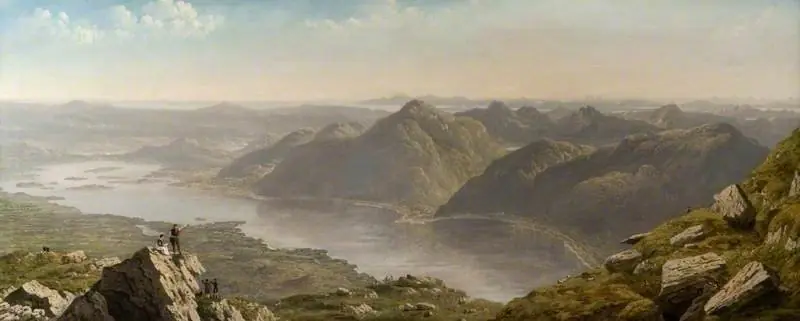
Edward Lear’s 1872 oil painting Thermopylae presents a tranquil mountainous landscape punctuated by a small group of figures in traditional dress.
Edward Lear’s 1872 oil painting Thermopylae presents a tranquil mountainous landscape punctuated by a small group of figures in traditional dress. The composition balances foreground activity with distant peaks and a body of water, using a palette that emphasizes atmospheric light and shadow. The work is part of the Ashmolean Museum’s collection and is classified within the post‑impressionist vein of late‑nineteenth‑century British art.
Subject & Meaning
The scene captures a moment of quiet interaction among travelers or locals, their conversation suggested by relaxed postures. Set against a rugged terrain, the figures appear modest against the expansive natural backdrop, inviting contemplation of humanity’s place within a timeless landscape. The title references the historic pass of Thermopylae, though the painting focuses on serene everyday life rather than martial drama.
Technique & Style
Lear employs oil on canvas with a post‑impressionist approach, favoring loose brushwork and a vivid yet harmonious color scheme. Varied tonal values render the rough stone of the mountains and the softer fabrics of the figures, while deft modulation of light creates depth and a sense of atmospheric distance. The handling of shadow contributes to the overall mood of calm observation.
History & Provenance
Created in 1872, Thermopylae reflects Lear’s broader artistic output beyond his celebrated literary nonsense and illustration work. The painting entered the Ashmolean Museum’s holdings, where it remains on display as part of the institution’s representation of British post‑impressionist painting. Its acquisition underscores the museum’s interest in showcasing the diverse talents of 19th‑century artists.
Artist & collection
Artist
Edward Lear (12 May 1812 – 29 January 1888) was an English artist, illustrator, musician, author and poet, who is known mostly for his literary nonsense in poetry and prose and especially his limericks, a form he popularised but which term…