Artwork
Portfolio I, Plate 1: The Vanishing Race-Navajo
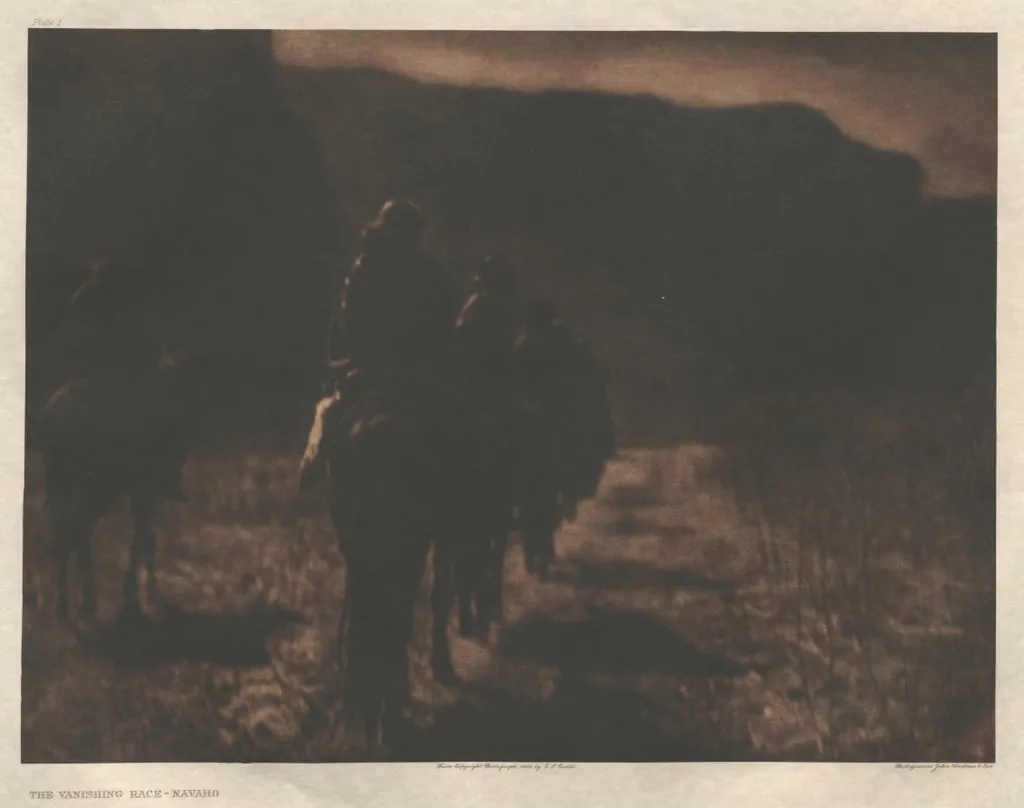
Portfolio I, Plate 1: The Vanishing Race-Navajo is a work on paper by Edward S. Curtis. It dates from 1904 and is held in the collection of the Cleveland Museum of Art. Portfolio I, Plate 1: The Vanishing Race, Navajo is a photogravure created by Edward S.
- Accession no.
- 1995.203.21.1
- Credit line
- Presented by Mrs. James H. Hoyt, Elton Hoyt, II, and Mrs. Amasa Stone Mather in memory of James H. Hoyt
About this work
Overview
This aesthetic choice aligns with the Pictorialist movement, prioritizing mood and artistic composition over strict documentary realism.
Portfolio I, Plate 1: The Vanishing Race, Navajo is a photogravure created by Edward S. Curtis in 1904 as the opening image of his monumental project, The North American Indian. The work depicts a group of Navajo riders traversing a rocky, shadowed landscape, moving from right to left across the frame. Curtis employed soft-focus techniques and dramatic chiaroscuro to obscure specific facial details, emphasizing the silhouettes of the figures against a dark, indistinct background of hills.
This aesthetic choice aligns with the Pictorialist movement, prioritizing mood and artistic composition over strict documentary realism. The title, The Vanishing Race, reflects Curtis's central thesis that Native American cultures were inevitably disappearing due to modernization and assimilation. As the inaugural plate of his twenty-volume series, this image establishes the thematic tone for the entire project, which sought to record the lives, customs, and physical appearance of Indigenous peoples of North America before they were allegedly lost to history.
The photograph is widely recognized as a defining example of early 20th-century ethnographic photography, though modern scholarship often critiques its romanticized and fatalistic portrayal of Native subjects.
Subject & Meaning
The work’s title references the Navajo people, suggesting a commentary on their perceived decline at the turn of the twentieth century. The riders, clad in long, dark garments that merge with the surrounding shadows, evoke a sense of anonymity and loss, reinforcing the notion of a culture receding into obscurity.
Technique & Style
Curtis employs a pronounced chiaroscuro effect, juxtaposing stark illumination on the figures with deep, enveloping darkness in the landscape. This manipulation of light and shadow heightens the emotional intensity of the scene, creating a dramatic visual contrast that draws the viewer’s eye to the illuminated riders while the background recedes into near‑silence.
History & Provenance
Created during Curtis’s extensive documentation of Native American life, the photograph entered the Cleveland Museum of Art’s holdings as part of its early twentieth‑century acquisitions of photographic works. Its inclusion in Portfolio I reflects Curtis’s broader project to compile a visual record of Indigenous peoples, a venture that has shaped both photographic and ethnographic histories.
Artist & collection

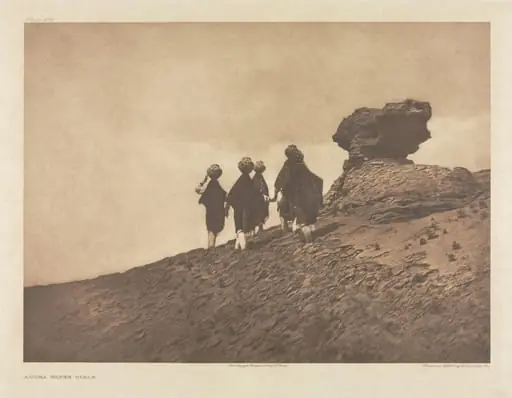 Portfolio XVI, Plate 573: Acoma Water Girls
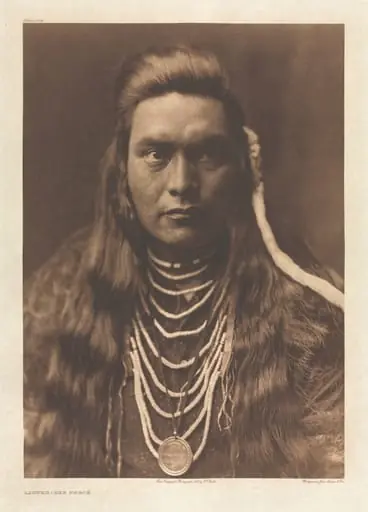 Portfolio VIII, Plate 264: Lawyer - Nez Percé
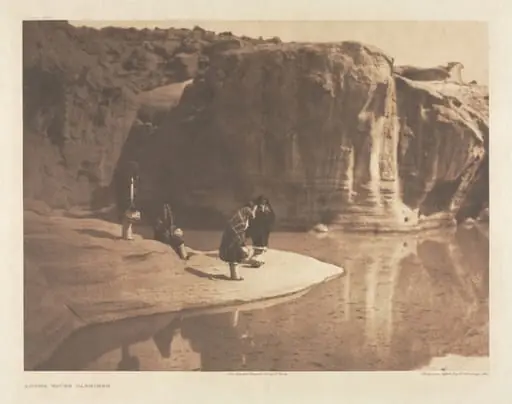 Portfolio XVI, Plate 568: Acoma Water Carriers
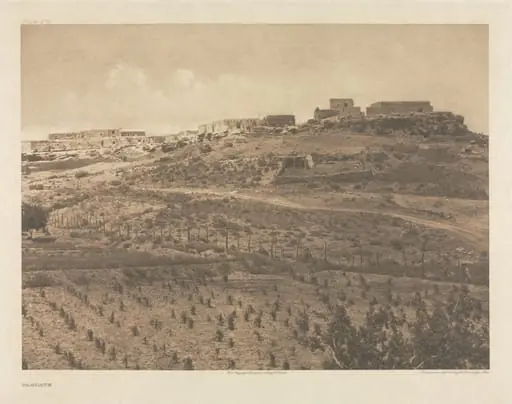 Portfolio XVI, Plate 574: Paguate
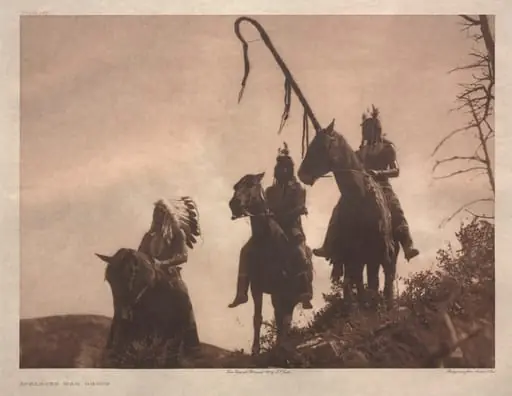 Portfolio IV, Plate 147: Apsaroke War Group
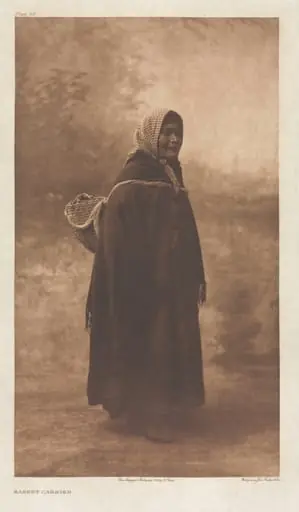 Portfolio IX, Plate 311: Basket Carrier
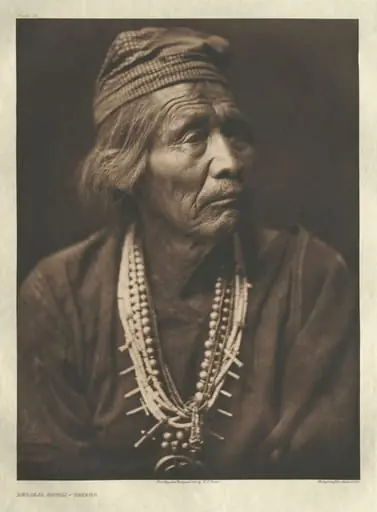 Portfolio I, Plate 31: Nesjája Hatáli-Navaho
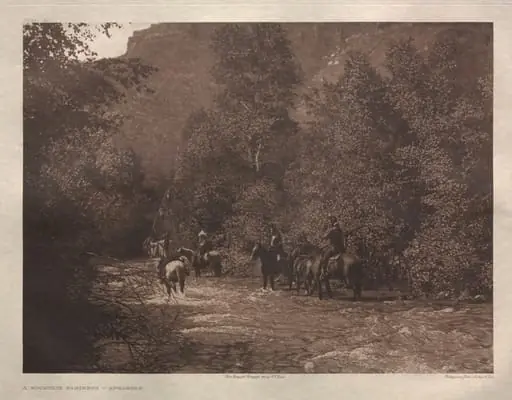 Portfolio IV, Plate 140: A Mountain Fastness--Apsaroke
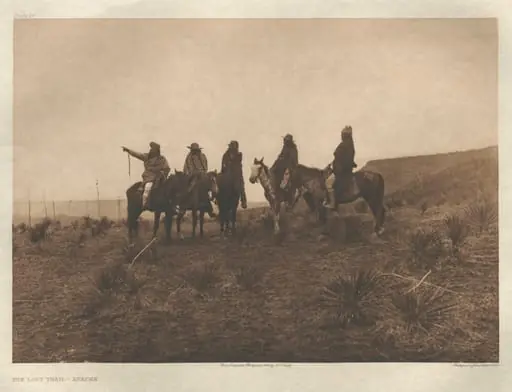
- Portfolio I, Plate 19: The Lost Trail-Apache
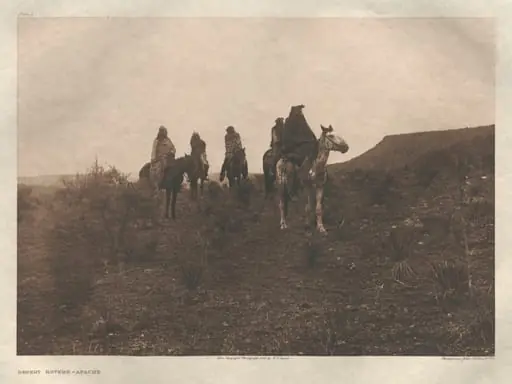 Portfolio I, Plate 3: Desert Rovers-Apache
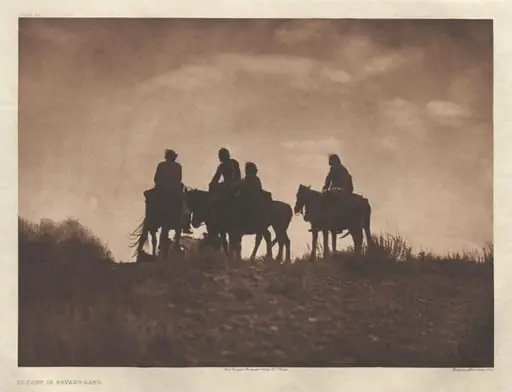 Portfolio I, Plate 38: Sunset in Navaho-Land
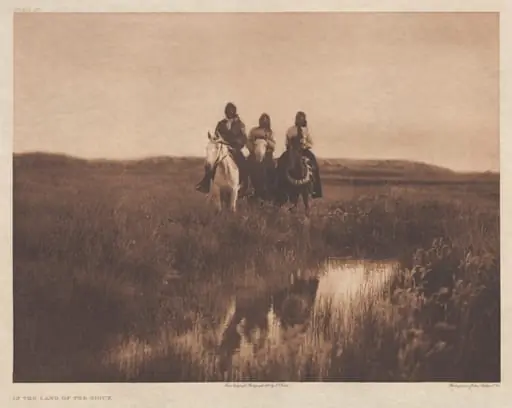 Portfolio III, Plate 95: In the Land of the Sioux
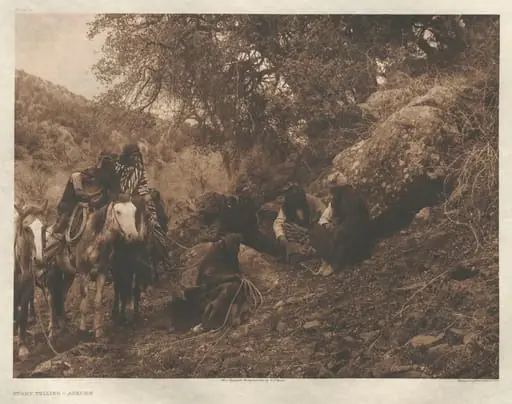 Portfolio I, Plate 11: Story Telling-Apache
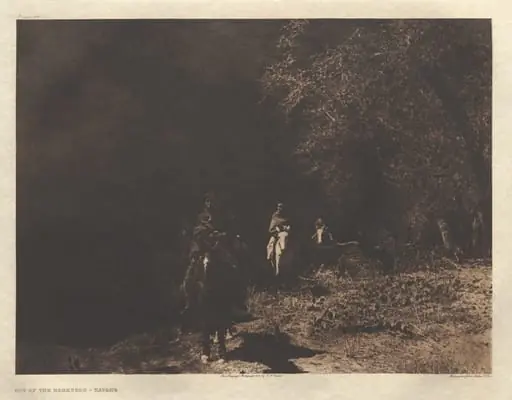 Portfolio I, Plate 37: Out of the Darkness-Navaho
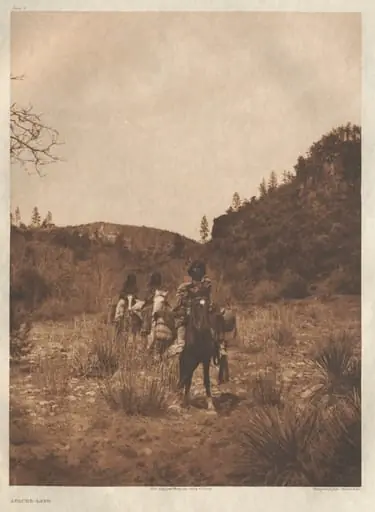 Portfolio I, Plate 4: Apache-Land
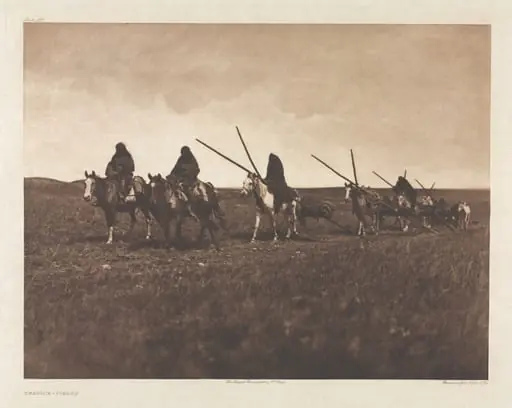 Portfolio VI, Plate 193: Travaux--Piegan
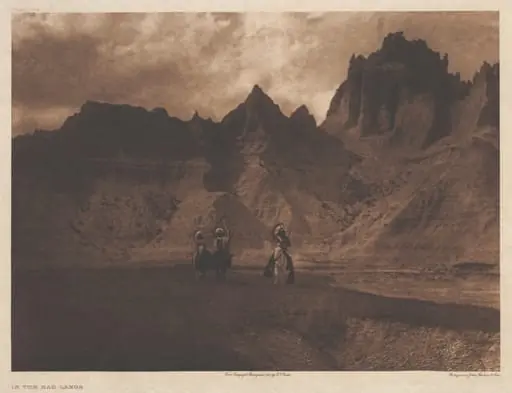 Portfolio III, Plate 119: In the Bad Lands
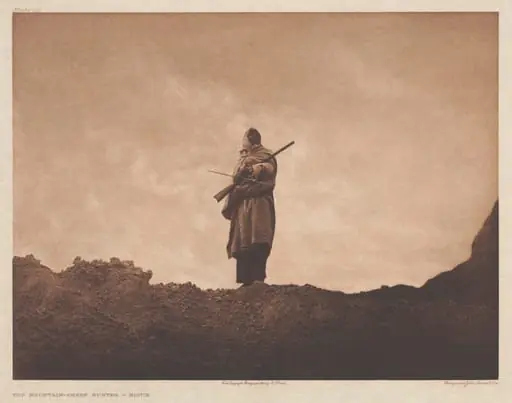 Portfolio III, Plate 110: The Mountain-Sheep Hunter
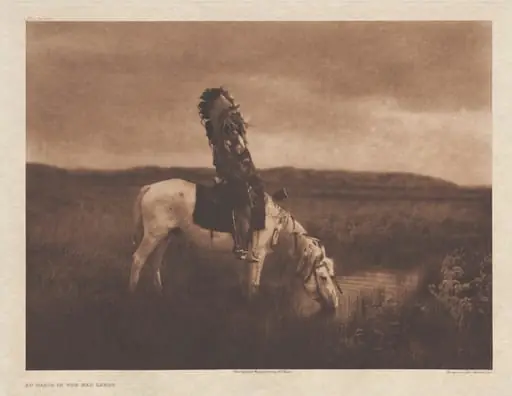 Portfolio III, Plate 80: An Oasis on the Bad Lands